+86-15829394411
Leave Your Message
-
Contact WhatsApp
-
 Contact Phone
-
 Contact Email
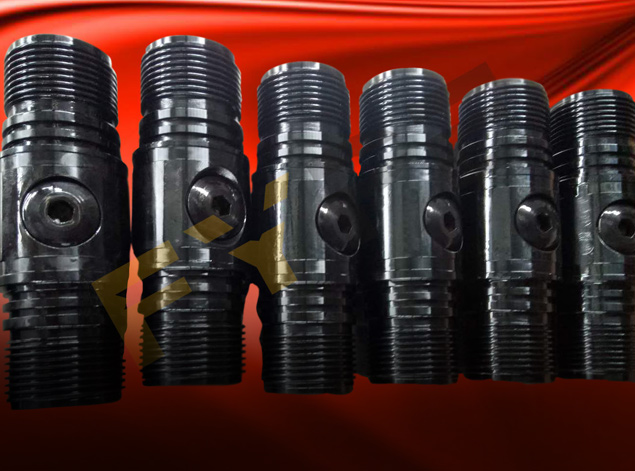
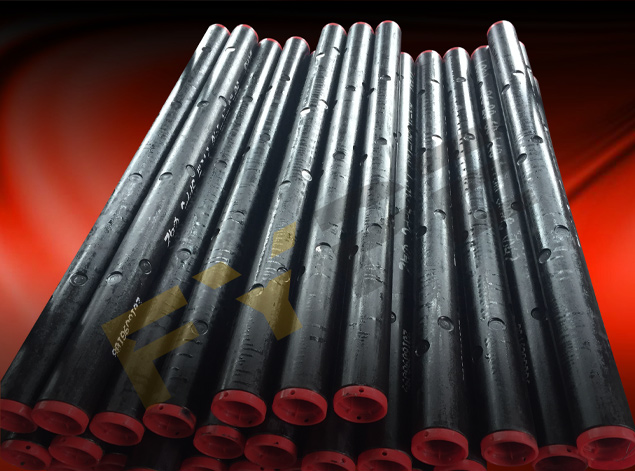
From tight gas stimulation in Sindh to deep HTHP carbonate reservoirs in Khyber Pakhtunkhwa, explore our field-proven top perforating assemblies.
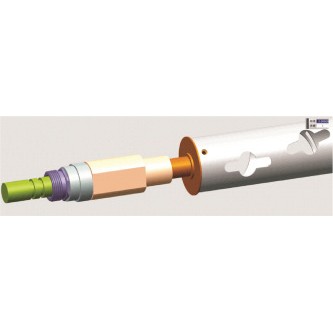
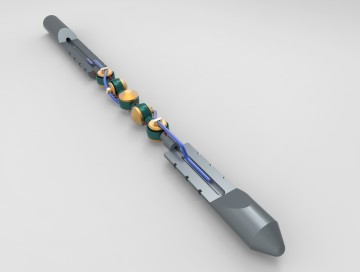
Engineered for multi-stage plug-and-perf fracturing campaigns in Pakistani unconventional tight gas horizons. Guarantees ultra-precise phasing and cluster orientation.
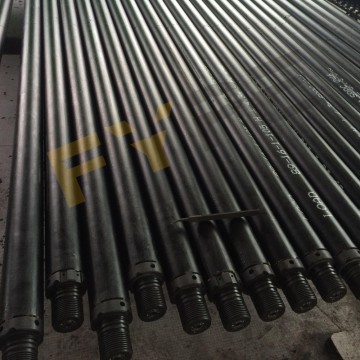
Eliminates downhole flow restrictions to optimize post-perforation production yields in high-volume gas condensate reservoirs across the Middle & Lower Indus basins.
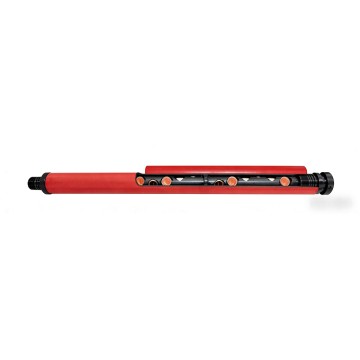
Gravity-stabilized internal orientation protects casing integrity while steering shots toward principal formation stress planes in geologically folded Potwar formations.
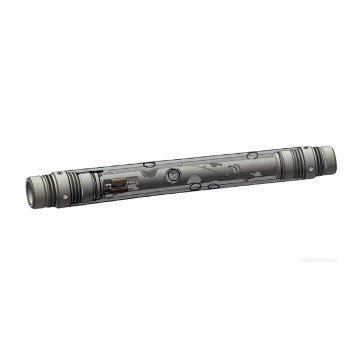
Wireless ballistic connection eliminates misfires and speeds up gun string assembly on remote Pakistani rig locations, substantially shrinking non-productive rig time.
Pakistan’s upstream energy sector is undergoing a profound structural evolution. With burgeoning domestic energy deficits, growing industrial requirements, and soaring imported LNG costs, national and multinational exploration and production (E&P) operators—including the Oil & Gas Development Company Limited (OGDCL), Pakistan Petroleum Limited (PPL), Mari Petroleum Company Limited (MPCL), and United Energy Pakistan (UEP)—are intensifying domestic recovery initiatives. Hydrocarbon extraction in Pakistan is heavily reliant on cutting-edge well completion methodologies, wherein downhole perforating operations represent the absolute linchpin between drilling investments and sustainable reservoir productivity.
The geologic topography across Pakistan’s petro-basins presents severe operational challenges. Formations span from the tectonic fold-and-thrust belts of the Potwar Basin in northern Punjab to the deeply buried, stratified clastic sequences in the Middle and Lower Indus basins, extending west toward the high-pressure structural frontiers of the Kirthar and Sulaiman ranges. Perforating operations in these environments are not merely standard mechanical routines; they necessitate sophisticated ballistic architecture, metallurgical durability against corrosive sour gas (H2S and CO2), and meticulous explosive charge geometry to break through severe casing damage and deep rock invasion zones.
Deep gas prospects often exceed bottom-hole pressures of 12,000 psi and temperatures above 175°C (350°F), demanding specialized HMX and HNS thermal-rated shaped charges.
Low-permeability formations require precision cluster perforating with clean tunnel geometries to facilitate multi-stage hydraulic fracturing without premature screen-outs.
Mature assets like Sui and Badin require rigless through-tubing perforating to tap bypassed thin pays while preserving deteriorating casing integrity.
A successful perforation operation requires matching shaped charge chemistry and carrier gun mechanical properties to specific reservoir geomechanics. Operating in Pakistan requires tackling several distinct formation categories:
In mature oil basins such as Potwar, formations like the Sakesar Limestone and Chorgali Limestones are characterized by strong structural fractures, extreme compressive rock strengths, and high regional tectonic stresses. Conventional shaped charges frequently suffer tip deflection or fail to generate adequate tunnel depth. To address this, high-density carrier guns combined with ultra-deep penetrating (UDP) conical charges ensure rock fracturing extends past the mechanically altered borehole skin, establishing sustained communication with natural fracture networks.
With the commercialization of Pakistan’s Tight Gas Policy, formations such as the Sembar, Lower Goru, and Ranikot sandstones have emerged as paramount exploration targets. These tight sands exhibit sub-millidarcy permeability and rock compaction that induce high entry friction pressures during hydraulic fracturing. The implementation of Directional Clustering and Oriented Perforating systems enables precise alignment of perforations with the maximum horizontal stress (σHmax). This drastically diminishes fracture initiation tortuosity, reduces breakdown pressure, and protects against proppant pack crushing.
In older, semi-depleted reservoirs such as the Sui Gas Field or the shallow sand horizons of southern Sindh, declining formation pore pressure exacerbates rock collapse and severe sand production. Operators must utilize big-hole (BH) shaped charges with smooth entrance hole profiles coupled with controlled underbalance surging. This combination minimizes micro-fracturing of unconsolidated matrix sand and creates clean, laminar inflow paths suited for downstream gravel packing or slotted liner completions.
Expetro Energy Service Co., Ltd. (FYPE) is a leading manufacturer of downhole perforating systems in China, dedicated to the research, development, and production of shaped charges, perforating guns, and associated accessories for oil and gas completions. With a specialized focus on providing reliable ballistic equipment to international energy hubs, FYPE has emerged as a preferred supplier for drilling and completion contractors servicing the Pakistan oil and gas market.

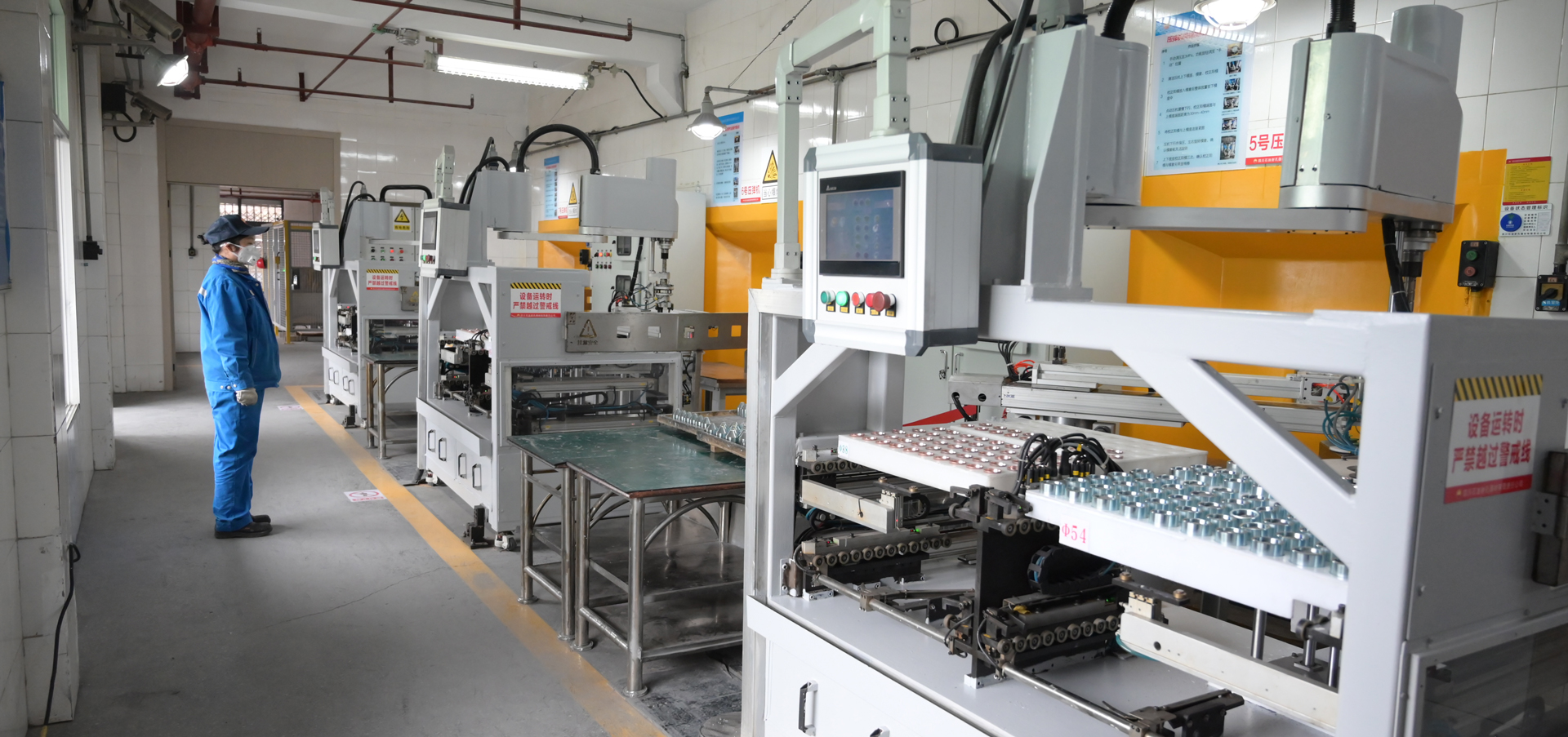
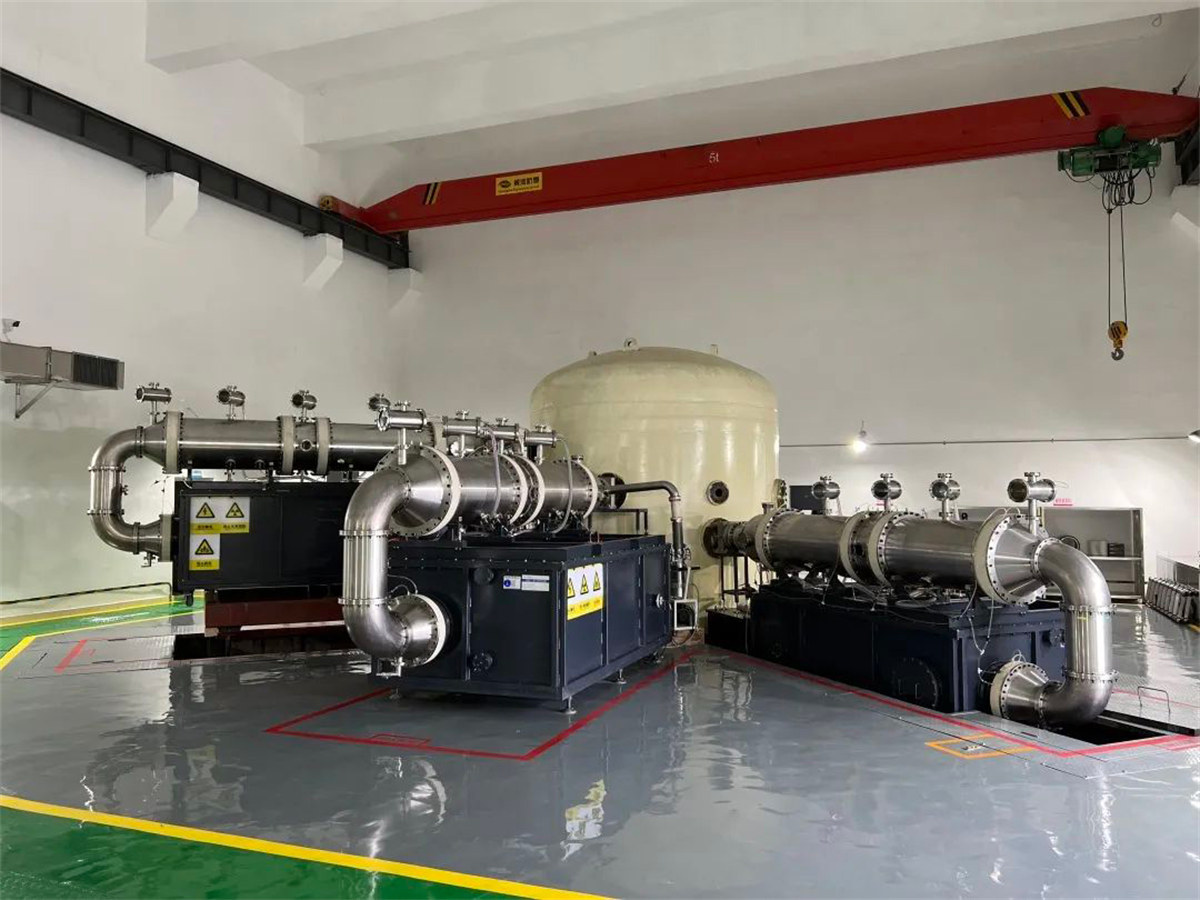
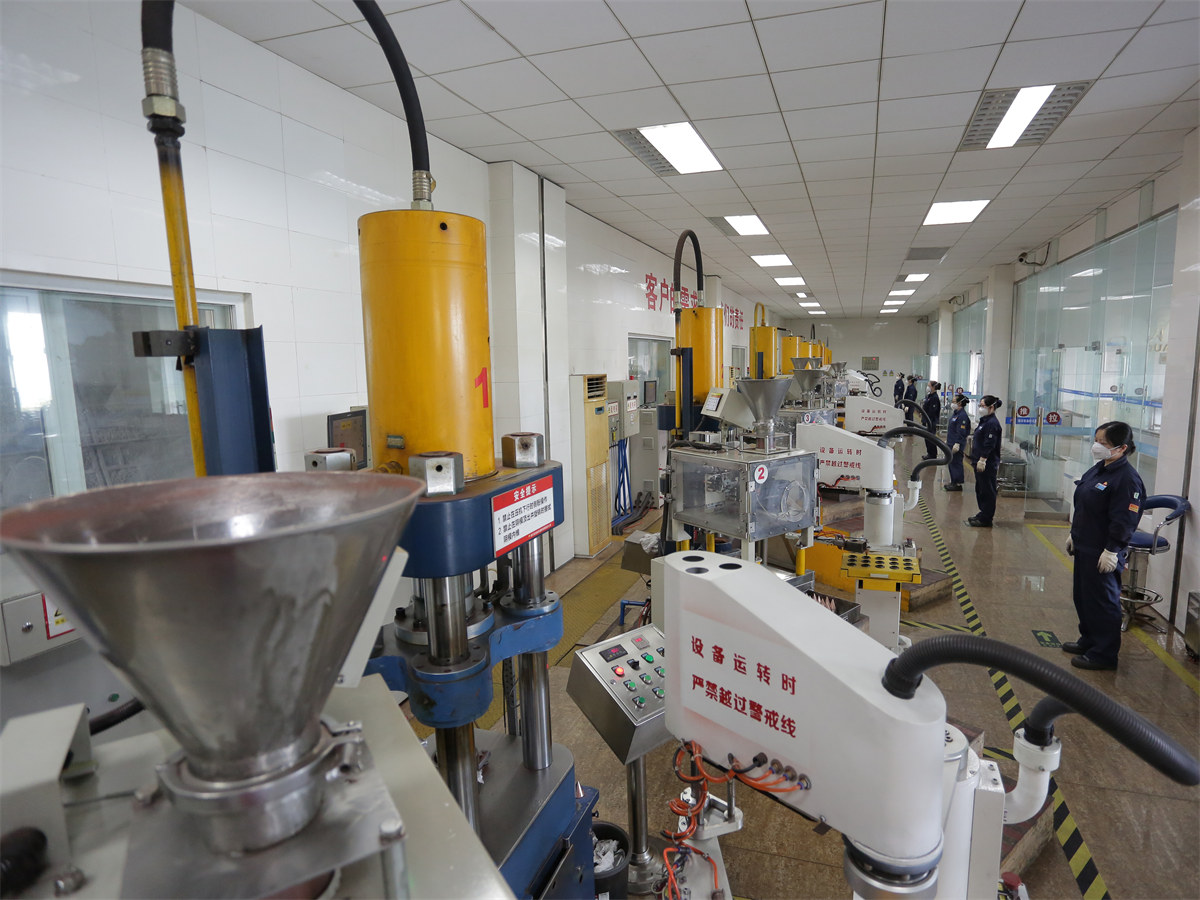
State-of-the-art ballistic laboratories, automated robotics, and comprehensive API compliance ensure unmatched field reliability across all reservoir depths.
Selecting the optimal conveyance system is as crucial as charge performance. Depending on well architecture, deviated profile, and reservoir pressure regime, Pakistani well engineers implement diverse deployment modes:
In high-pressure exploration wells throughout the Kirthar fold belt, TCP assemblies enable long, continuous gun strings spanning hundreds of feet to be detonated in a single descent. TCP assemblies permit immediate underbalanced flow upon firing, causing an instantaneous inward surge of reservoir fluids that flushes pulverized charge debris and crushed zone rock from the newly minted perforation tunnels. This prevents immediate skin impairment, accelerating clean-up operations before running production packers.
Wireline modular gun strings are standard for multi-stage completion campaigns. Combined with fast-acting Casing Collar Locators (CCL) and gamma-ray tools, wireline setups allow precise depth correlation against open-hole formation logs. In thin sand interbedding typical of the Lower Goru formation, depth precision within a fraction of a foot is mandatory to avoid detonating into adjacent water-bearing sand units or shale barriers.
Dynamic underbalance (DUB) creates a controlled, transient negative pressure pulse at the exact millisecond of explosive charge detonation. In tight, compact reservoirs, DUB technology strips away the compact crushed zone formed along the perforation tunnel perimeter. Test data confirms that reducing this crushed zone thickness can escalate well productivity indices (PI) by 25% to 60%, delivering transformative financial returns on expensive appraisal wells across Sindh and Balochistan.
To date, our products have served customers in 38 countries worldwide and consistently earn positive feedback for performance and reliability across challenging downhole conditions.
Looking toward 2030, Pakistan’s oil and gas sector is accelerating adoption of digital, safer, and ecologically responsible downhole completion technologies. Several pivotal technological trends are shaping supplier evaluation criteria across Pakistani operators:
Wireline multi-stage perforating operations are transitioning swiftly away from traditional pressure-activated or mechanical switches toward digital addressable switch networks. In complex horizontal fracturing configurations involving up to 20 to 30 perforation stages per well, digital switches permit real-time two-way communication between surface instrumentation and each individual gun module downhole. This allows surface operators to verify circuit continuity, test detonator resistance, monitor downhole temperature and pressure in real-time, and fire clusters sequentially with zero risk of accidental misfire or premature detonation.
The strategic framework of the China-Pakistan Economic Corridor (CPEC) continues to catalyze industrial and energy infrastructure collaboration between the two nations. For Pakistani state-owned entities and private service contractors, partnering directly with leading Chinese perforating equipment manufacturers such as FYPE delivers immense supply-chain advantages: streamlined freight transit via direct maritime routes and overland passages, shortened manufacturing lead-times, competitive equipment expenditure, and dedicated engineering support tailored to regional regulatory requirements.
Environmental mitigation and downhole well cleanliness are paramount. Modern gun systems feature zero-debris charge cases and internal bio-soluble retaining clips. By eliminating steel and zinc fragment residue inside the wellbore, post-perforation cleanout runs with coiled tubing are minimized, eliminating days of costly circulating operations and preventing downhole equipment fouling in artificial lift completions.
Take an inside look at our state-of-the-art ballistic workshops, precision CNC machining bays, robotic assembly plants, and API-certified testing facilities.








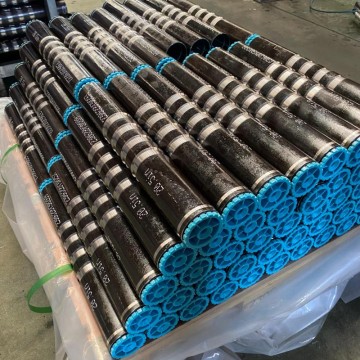
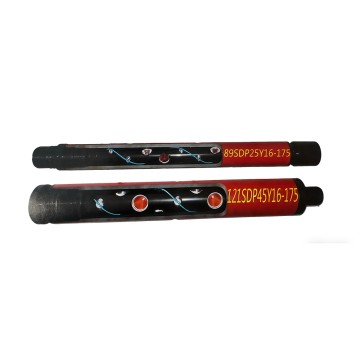
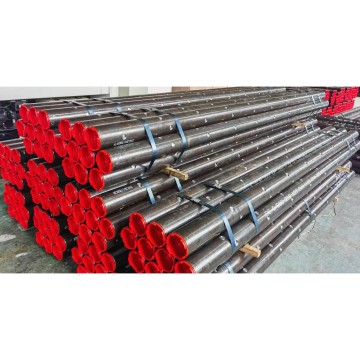
Complete portfolio of API Q1 certified downhole perforating hardware engineered for deep exploration wells, workover projects, and stimulation programs.
At FYPE, we believe every well deserves precision, reliability, and excellence. Whether you require high-performance perforating tools or dependable technical support, we are your trusted partner in the oil and gas industry. Our dedicated export team stands ready to assist drilling contractors, completion engineers, and procurement teams serving Pakistan with customized ballistic simulations, API RP 19B certification data, and rapid deployment schedules.
Inquiry Now