 +86-15829394411
Leave Your Message
-
Contact WhatsApp
-
 Contact Phone
-
 Contact Email
Engineered to deliver clean, large-diameter perforations ensuring flawless hydrodynamic coupling between formation pore spaces and downhole quartz pressure gauges.
Establishing clean fluid communication through robust casing and micro-fractured rock to eliminate transient distortion during drawdown and build-up surveys.
In modern hydrocarbon reservoir characterization, formation pressure testing stands as the bedrock of dynamic reservoir surveillance, fluid identification, hydraulic boundary determination, and production optimization. Accurate pore pressure determination via Modular Formation Dynamics Testers (MDT), Reservoir Description Tools (RDT), and traditional Drill Stem Testing (DST) requires unhindered hydraulic communication across the wellbore-formation boundary. However, in cased and cemented completions, conventional deep-penetrating shaped charges—optimized for tunnel depth rather than entrance diameter—frequently pose acute technical bottlenecks. Here enters Big Hole Perforating For Formation Pressure Testing: a specialized ballistics methodology that prioritizes large-diameter entrance holes (EH) and smooth casing apertures over sheer perforation length.
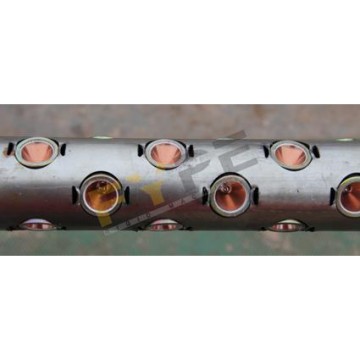
Big hole perforations create circular, burr-minimized casing perforations that enable wireline test probes and dual-packer assemblies to create an absolute hydraulic seal, preventing annulus mud invasion from contaminating formation fluid samples.
By drastically opening the casing aperture (typically >0.60 inches to 1.2 inches), big hole charges eliminate choke-skin effects, facilitating instantaneous pressure stabilization during pre-test drawdown and transient shut-in cycles.
Minimizing jet velocity turbulence prevents early mechanical sand disaggregation, debris compaction, and liner slug plugging, ensuring genuine virgin reservoir fluids reach the downhole spectrometer analysis chambers.
During formation testing operations, wireline tools or drillstring testing assemblies depressurize a localized zone to draw reservoir fluids into diagnostic flow chambers while multi-gauge quartz sensors log pressure vs. time response curves. When conventional deep-penetration perforating charges are utilized in thick, high-strength casing strings (e.g., P110, Q125, or 13Cr), the resulting entrance hole often measures merely 0.25 to 0.38 inches in diameter. When an MDT probe pad attempts to mate against such a restrictive perforation, three severe complications manifest:
The global upstream sector is undergoing a profound shift toward complex, high-cost environments including deepwater plays, pre-salt carbonates, tight gas reservoirs, and ultra-deep HT/HP exploration targets. In these operations, a single day of rig time routinely costs between $300,000 and $1,200,000 USD. Operators cannot tolerate inconclusive formation pressure surveys or ruined wireline sampling runs requiring remedial perforation runs.
Major operators worldwide now prescribe rigorous qualification criteria for cased-hole formation testing. Big hole perforating systems must pass stringent API RP 19B Section 1 (casing entrance hole verification) and Section 2 (de-stressed rock performance) testing to guarantee entrance hole roundness, diameter consistency across gun standoffs, and minimal inner-casing burr height.

Selecting and executing a big hole perforating program for formation pressure testing requires a multi-physics understanding of ballistic jet behavior, cement sheath mechanics, and downhole tool positioning. Key engineering domains include:
Unlike deep-penetration charges that utilize tall, slender conical liners made of pure copper or tungsten mixes to form hyper-velocity needle jets, big hole charges utilize shallow parabolic or hemispherical liners. These liners fold outward upon explosive detonation to generate a wide-diameter, coherent metallic slug moving at moderate velocities (3,500 to 5,500 m/s). Advanced bimetallic formulations, combining pressed powdered brass, copper, and zinc alloys, ensure the outer casing coupon is cleanly sheared while ensuring the metallic slug disintegrates rather than lodging firmly in the tunnel throat.
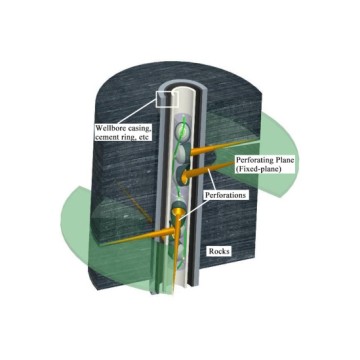
In wireline straddle-packer testing or single-probe MDT runs, the spatial alignment between the perforating shot and the downhole probe is crucial. When utilizing modular wireline guns, a 0-degree oriented phasing or high-shot-density spiral configuration (e.g., 6 to 12 SPF) is deployed. Standoff rings and magnetic decentralizers maintain predictable charge-to-casing wall distance, ensuring the energetic jet impacts the casing at the exact focal standoff where aperture diameter peaks.
A classic hazard in formation pressure evaluation is cement channel leakage. If a perforating charge unleashes uncontrolled radial shockwaves, it can fracture the brittle cement sheath behind casing, creating a micro-annulus that connects the target zone with an adjacent water-bearing layer or high-pressure gas cap. Modern big hole charges are specifically tuned to concentrate blast energy forward into the casing wall and near-wellbore rock without generating high-amplitude reflective acoustic shocks that de-bond the cement-casing interface.
Dedicated to research, development, and high-precision fabrication of advanced shaped charges, perforating systems, and pressure-balanced ballistic hardware.
Expetro Energy Service Co., Ltd. (FYPE) is a premier manufacturer of downhole perforating systems in China, dedicated to the research, development, and production of shaped charges, perforating guns, and associated accessories for oil and gas completions across global basins.
Equipped with state-of-the-art automated production and inspection lines, we deliver over 2.5 million shaped charges and 500,000 meters of perforating guns annually — meeting diverse customer requirements across the global market.
Every stage of our production process strictly adheres to the API Q1 Quality Management System. This unwavering commitment to quality, innovation, and customer satisfaction has established FYPE as a trusted partner in the global energy sector.
To date, our products have served customers in 38 countries worldwide and consistently earn positive feedback for performance and reliability. FYPE is dedicated to expanding its global footprint and building long-term partnerships with clients across continents.
Driving operational confidence in critical formation testing and completion environments through rigorous ballistics science.
Our professional inspection team operates under a quality management system certified to API Q1 and ISO 9001 standards, ensuring product reliability and superior performance in every delivery.
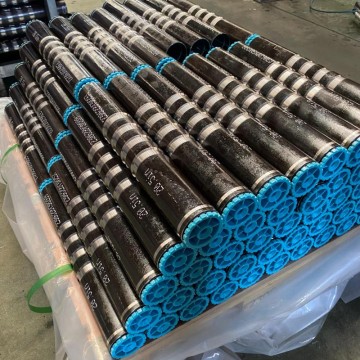
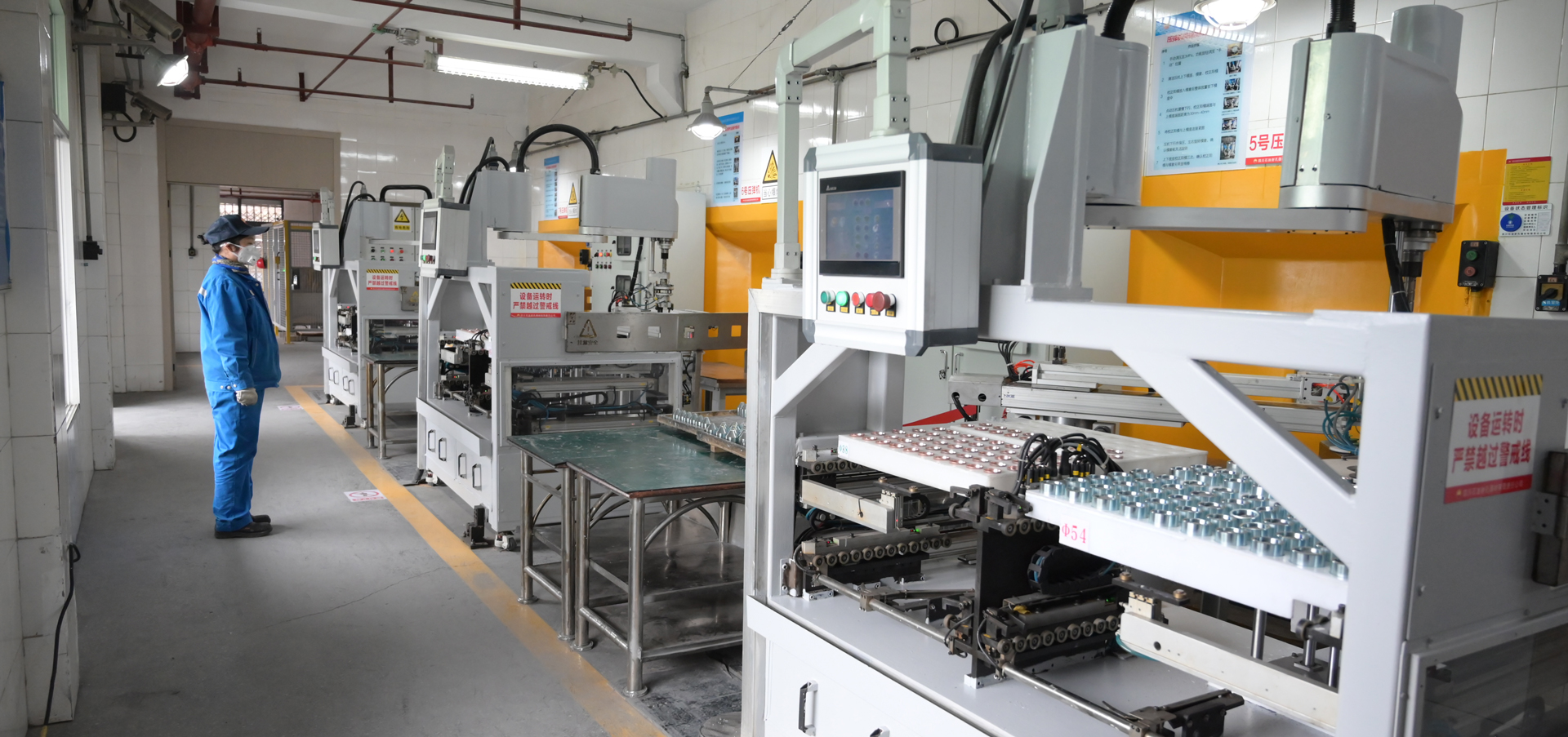
Our automated production lines ensure products consistency and enhance productivity. The daily capacity of shaped charges can reach 10,000. The perforating gun production line can meet the processing of 100+ types with different specifications.
Our lab can carry out the real-core target tests in simulated reservoirs, the ultimate pressure resistance tests on perforation tools, the explosion mechanism tests on shaped charges, etc.
With nearly 20 years of export experience across 38 countries, we deeply understand global market demands and deliver trusted, tailored solutions.
Tailored ballistic solutions designed for diverse downhole geologic and structural constraints.
In laminated sandstone or turbidite sequences, single-probe MDT tools require localized perforations that guarantee instant hydraulic communication. Big hole perforating creates broad entrance cross-sections, allowing the probe seal pad to seat tightly without risking cross-annular mud fluid bypass during quartz gauge transient analysis.
When testing low-permeability or fractured carbonate intervals where standard probes struggle with flow area, dual straddle packers isolate a 1-meter to 5-meter interval. Big hole perforating at 12 to 18 SPF delivers maximum casing open area, facilitating mini-DST flow periods, build-ups, and precise reservoir limit calculations.
Under reservoir conditions exceeding 400°F (204°C) and 20,000 psi, fluid viscosity shifts dramatically and tool residence time is restricted. FYPE's thermally stabilized big hole charges, utilizing HNS or PYX explosives, deliver uniform casing holes even through heavy-wall casing strings, securing quick pressure drawdowns before thermal degradation sets in.
The integration of digital oilfield technologies and predictive modeling is revolutionizing perforating design for formation testing. The industry is rapidly advancing along several technological frontiers:
1. Numerical Shock Wave & Hydrocode Modeling: Finite Element Analysis (FEA) and 3D Eulerian hydrodynamic simulations allow engineers to model the exact interaction between the shaped-charge jet, the steel casing micro-structure, the cement bond, and heterogenous rock fabrics. By predicting the exact entrance hole geometry and downhole skin factor prior to firing, operators can optimize gun phasing and charge size for specific tool pad profiles.
2. Reactive Liner and Self-Cleaning Technologies: Advanced big hole charges now feature reactive energetic liners composed of intermetallic matrix powders (such as nickel-aluminum or titanium-boron). Upon penetrating the casing, secondary exothermic reactions ignite inside the perforation cavity, generating localized heat and gaseous surges that expel the crushed debris sheath. This leaves a pristine, super-permeable flow tunnel ideal for pressure gauge responsiveness.
3. Downhole Shock-Decoupled Gun Assemblies: Modern modular perforating systems utilize internal dynamic shock-attenuation subs. When large-mass big hole charges detonate, the resulting axial and radial shock waves are mitigated internally, protecting high-sensitivity electronic firing heads, casing collar locators, and sensitive formation testing instrumentation deployed on the same tool string.
Fully automated charge loading, CNC gun body manufacturing, and international ballistic verification laboratories.
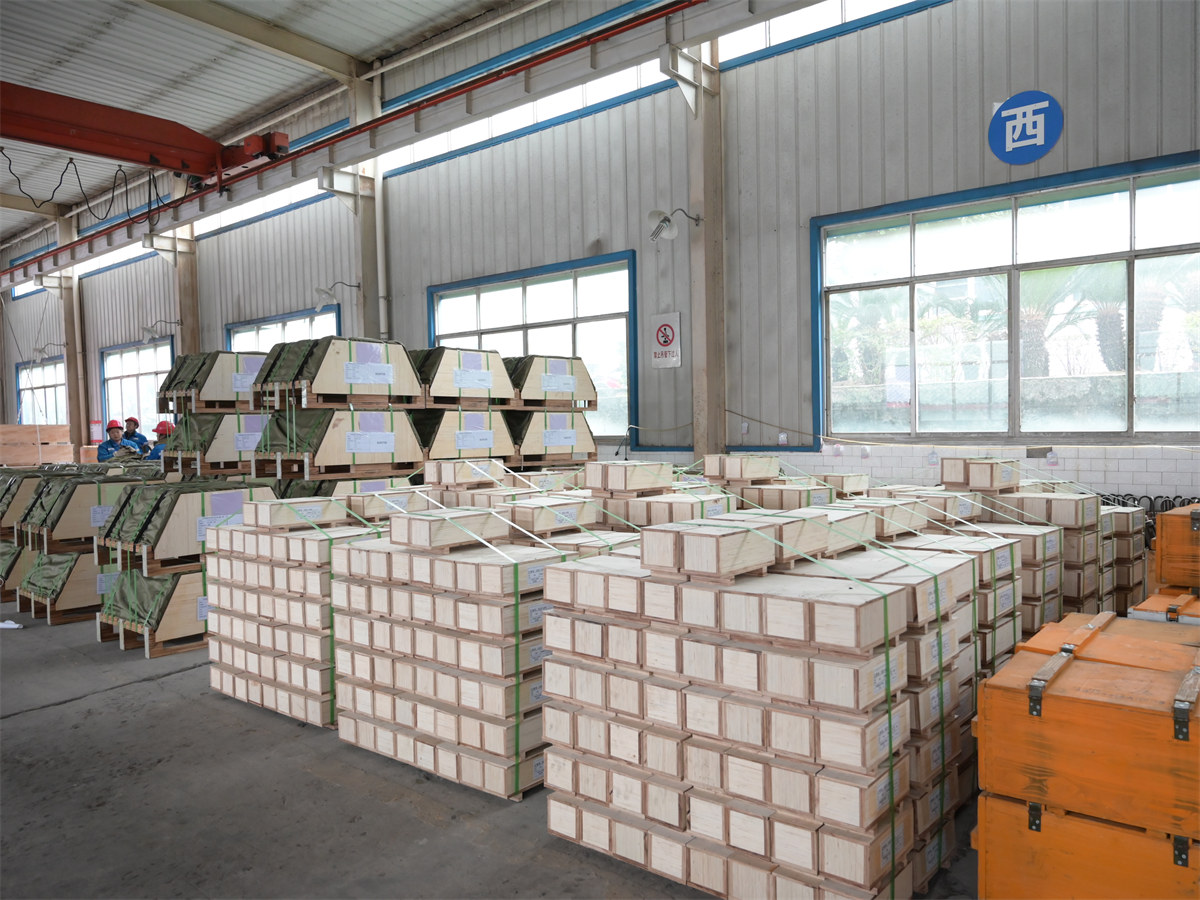
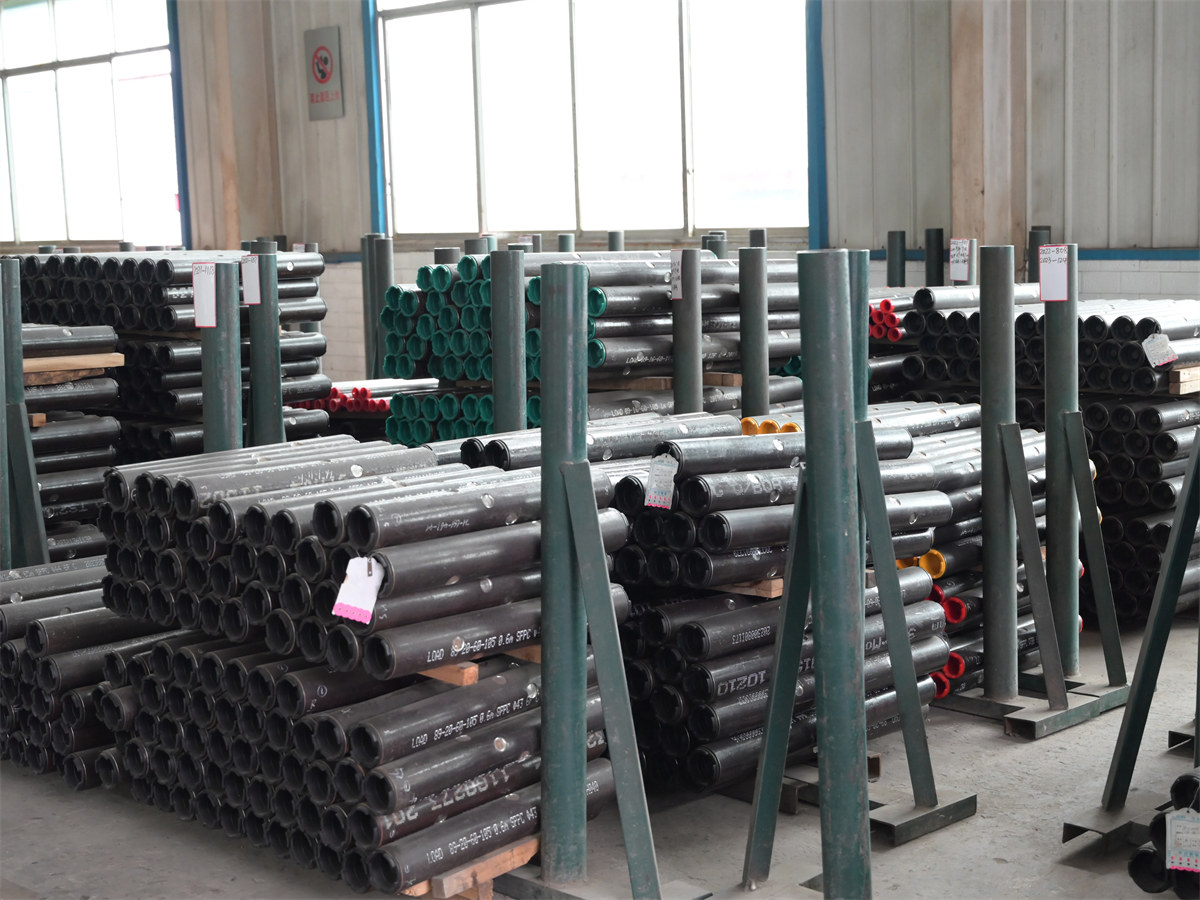
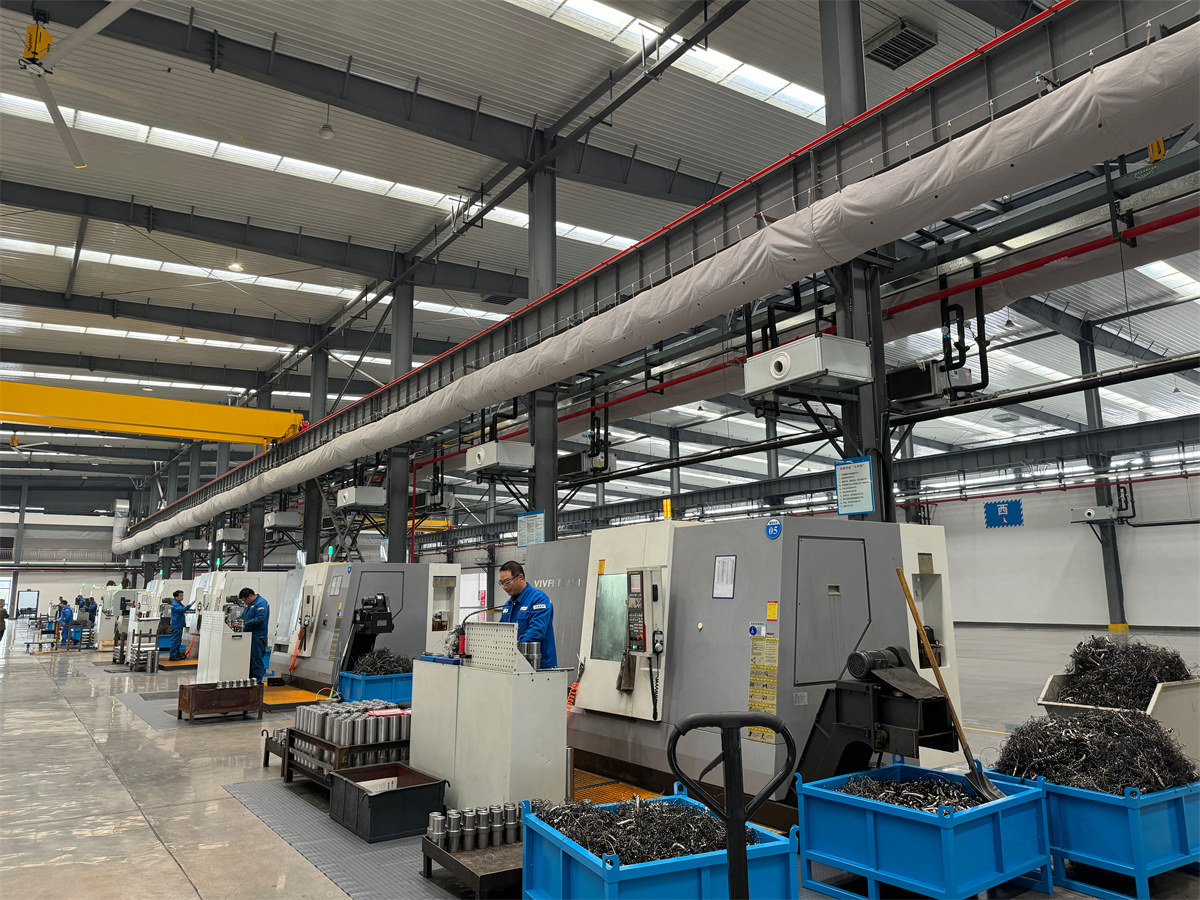
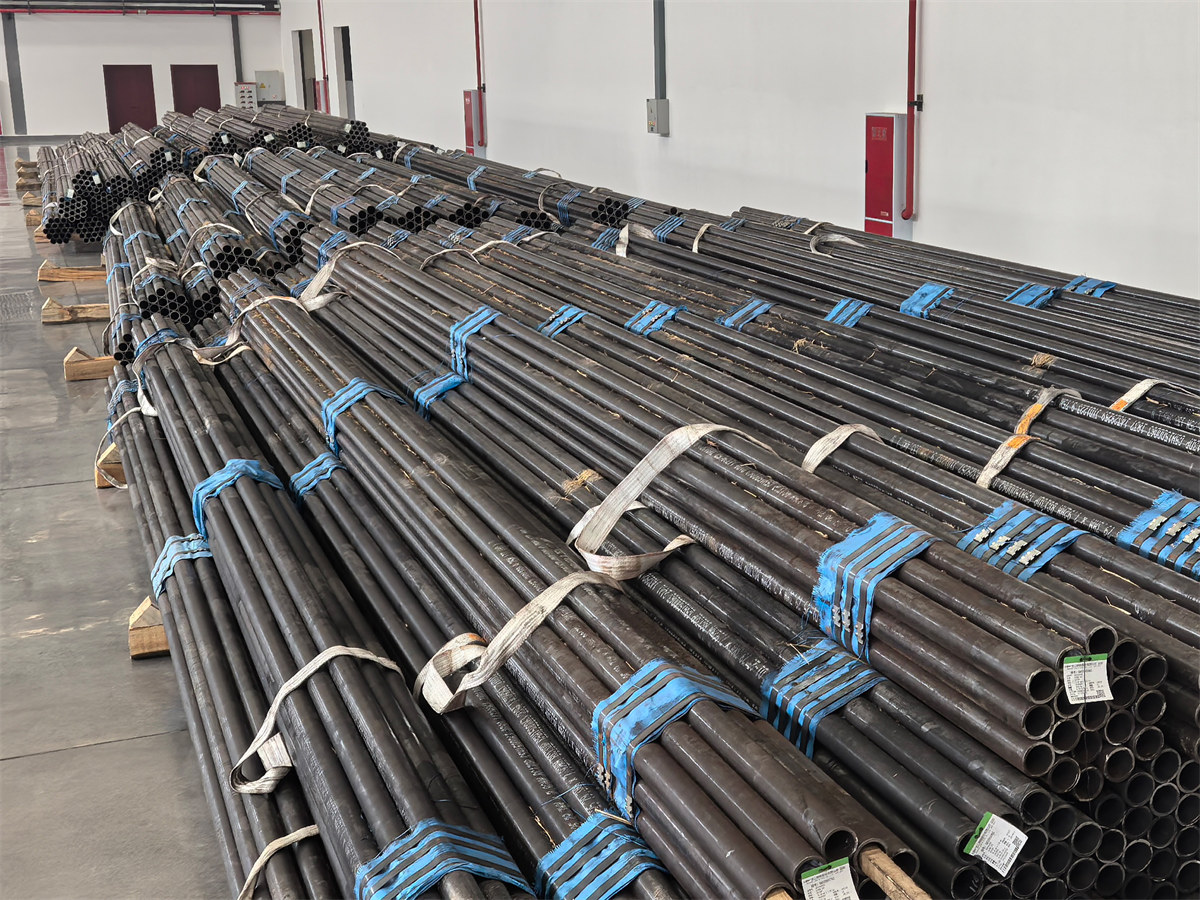
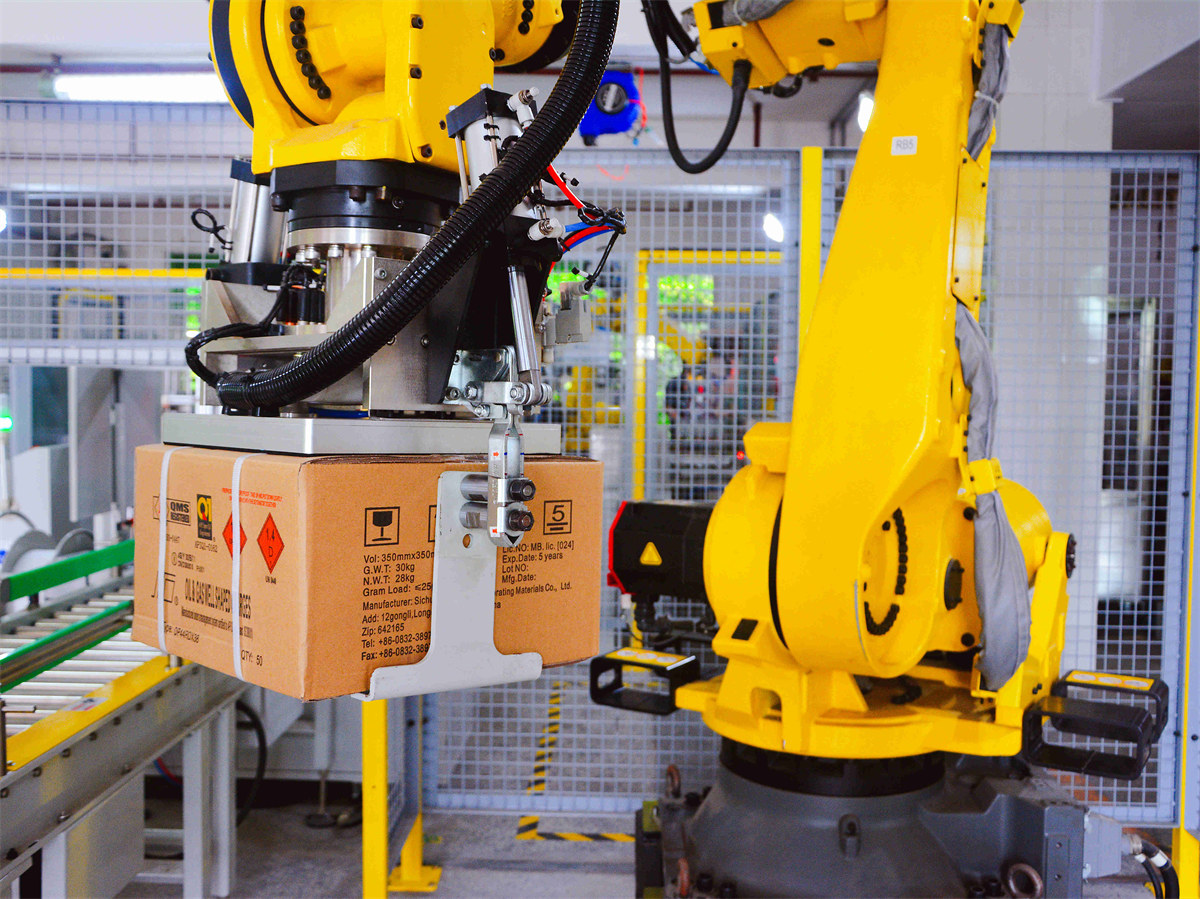
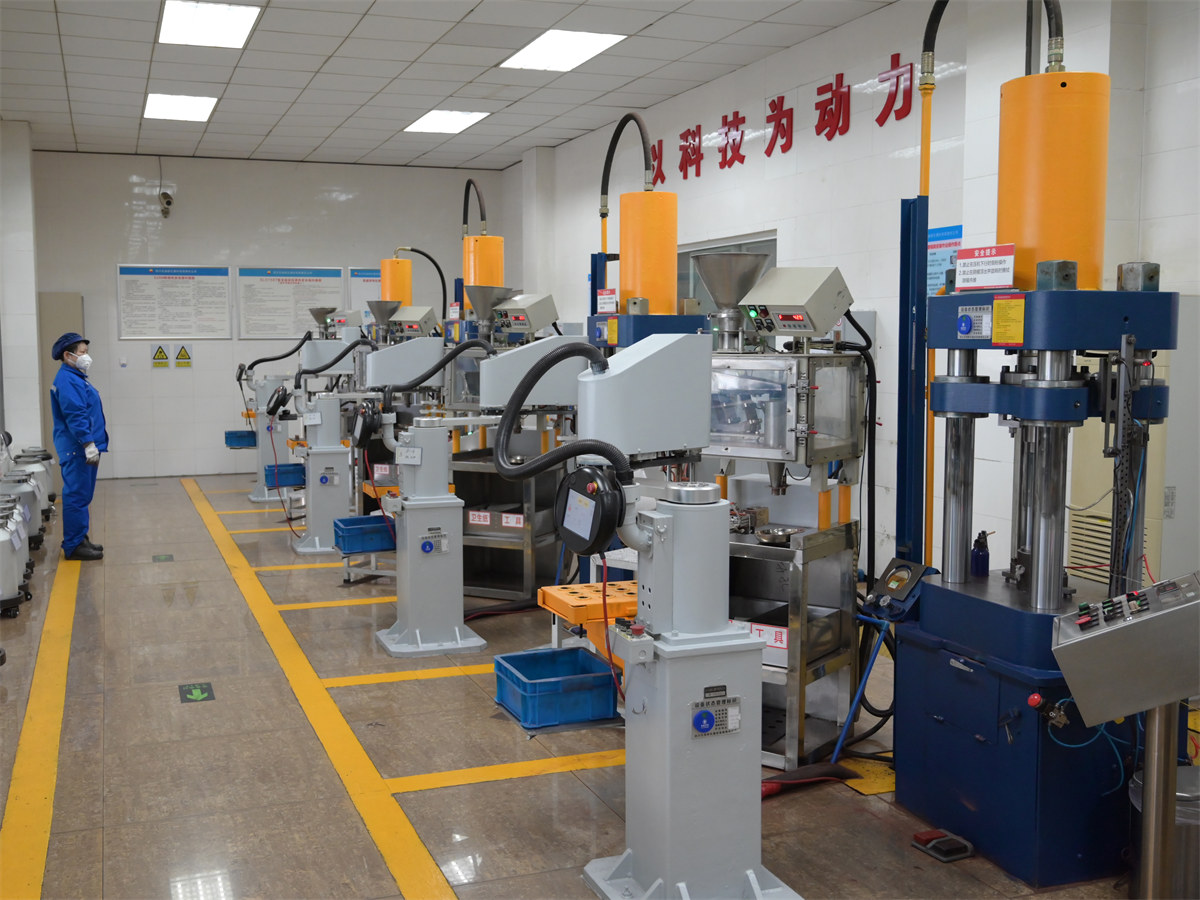
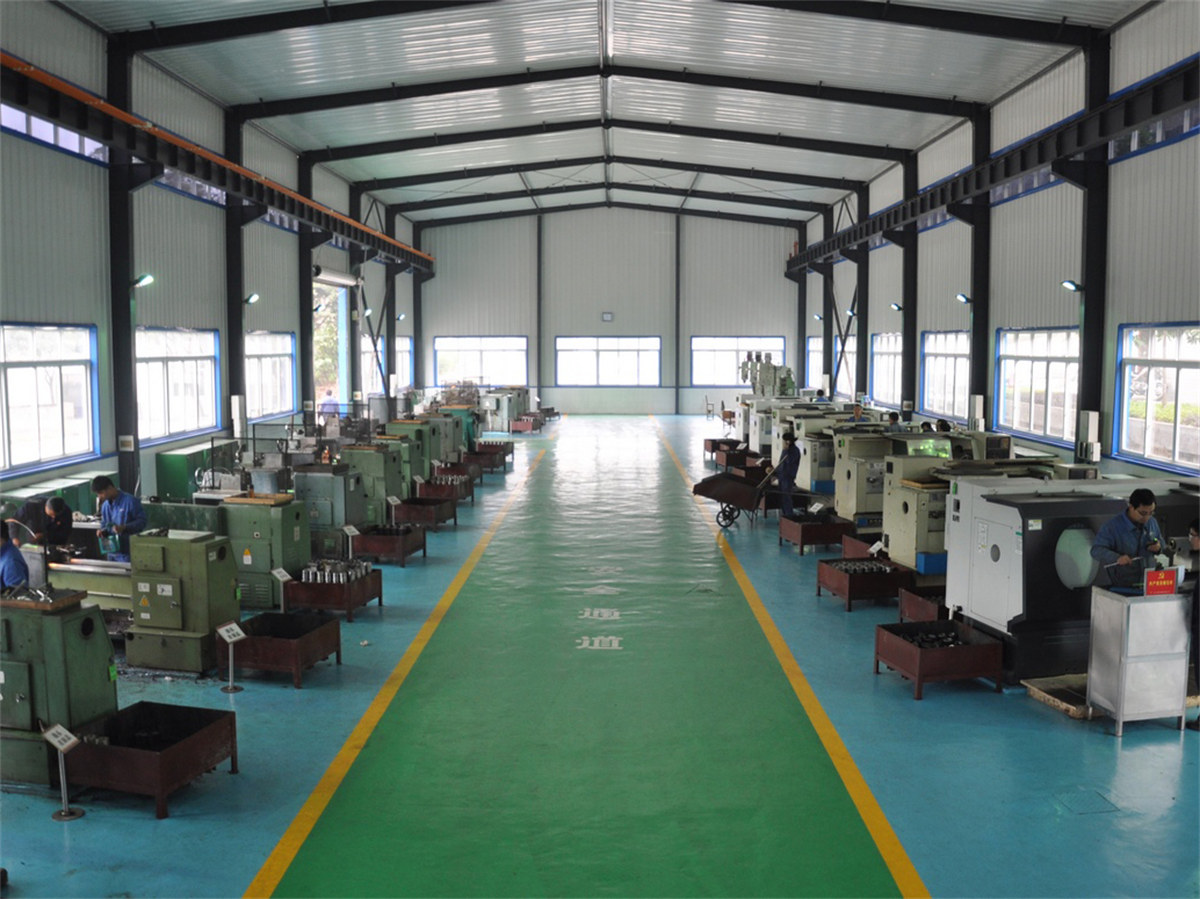
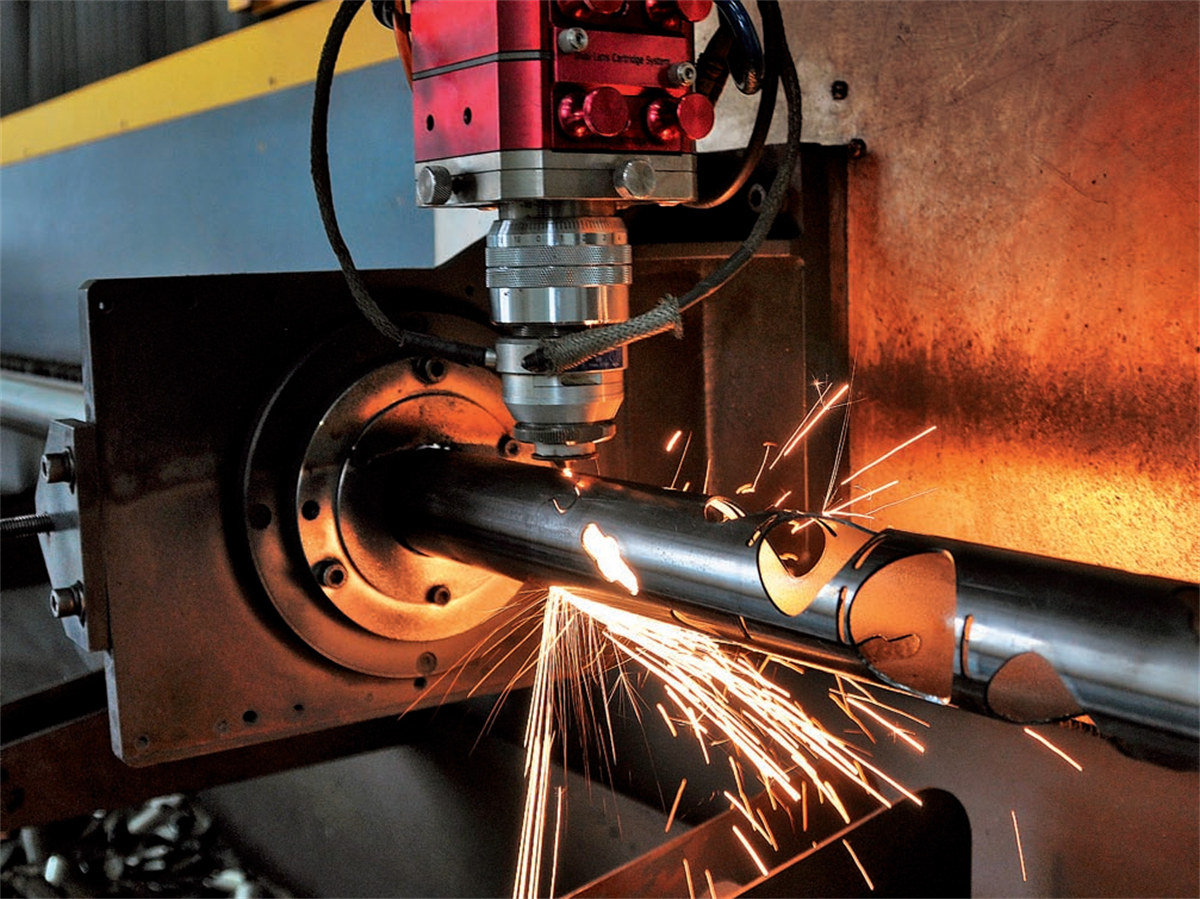
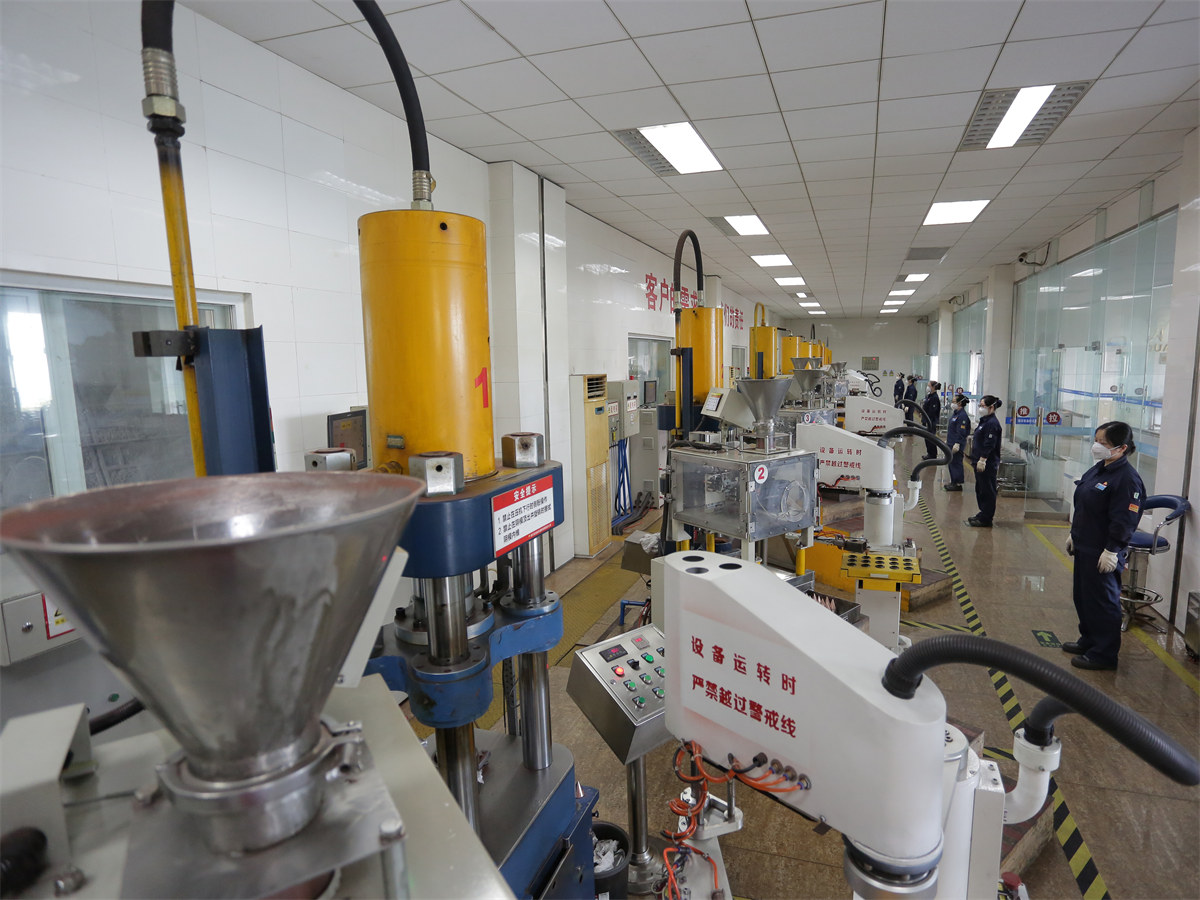
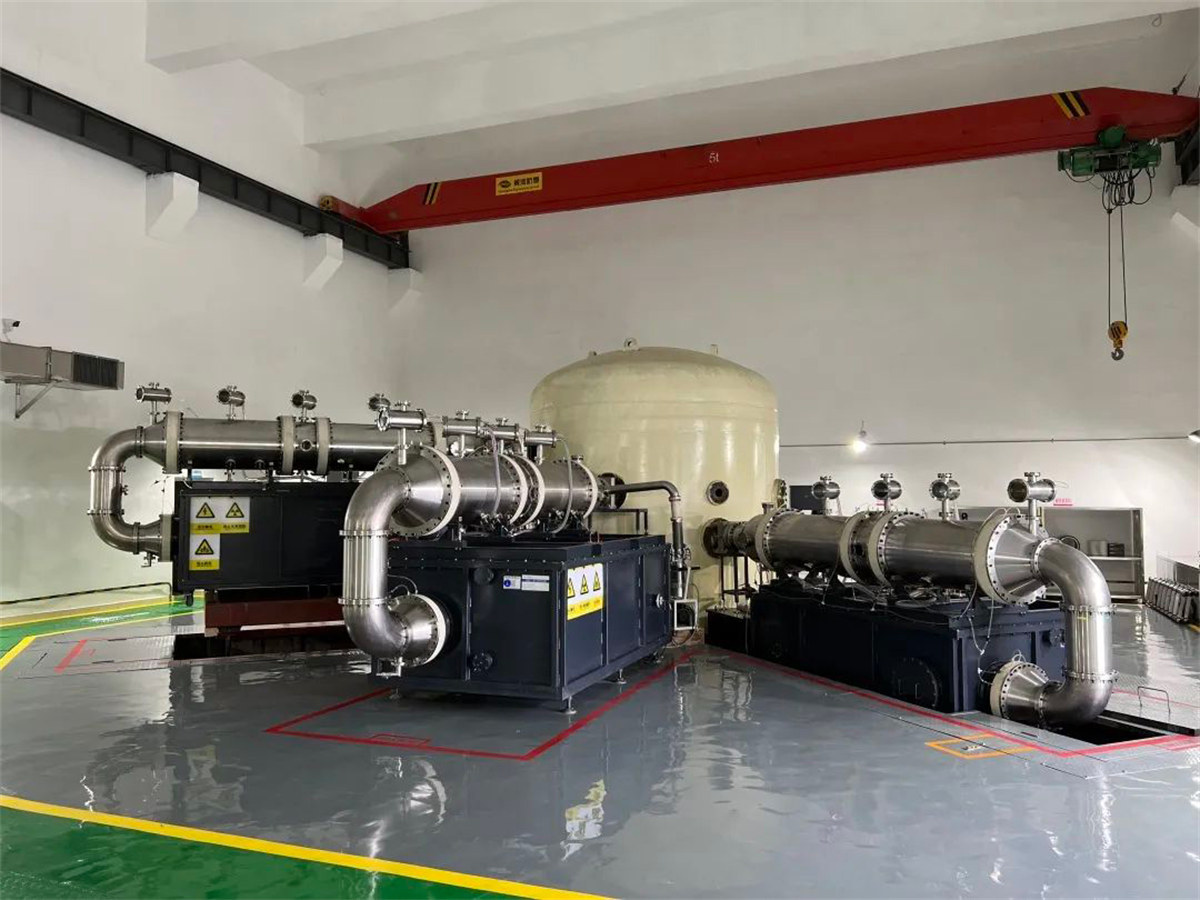
To date, our products have served customers in 38 countries worldwide and consistently earn positive feedback for performance and reliability.
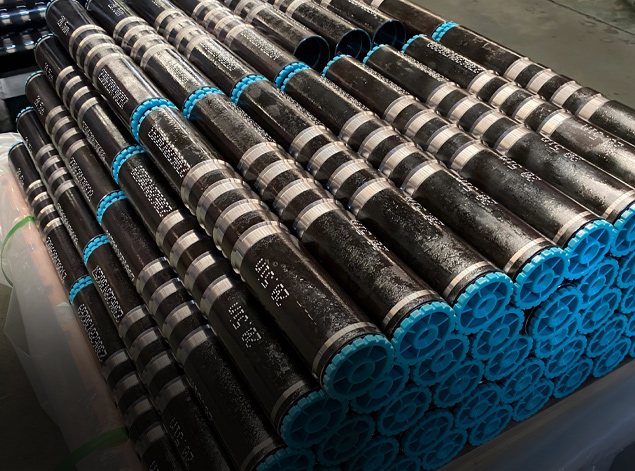
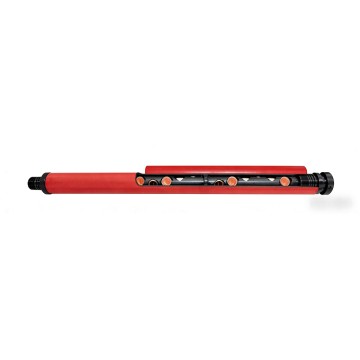
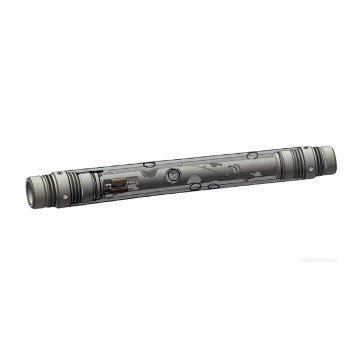
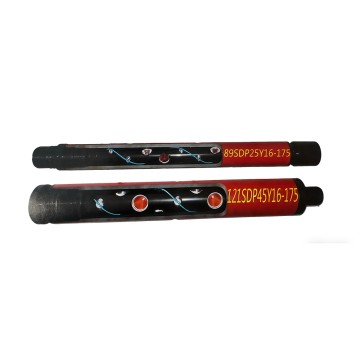
Instead of scallops, it can shoot regardless of the charge tube’s angular position, perfect for oriented formation testing.
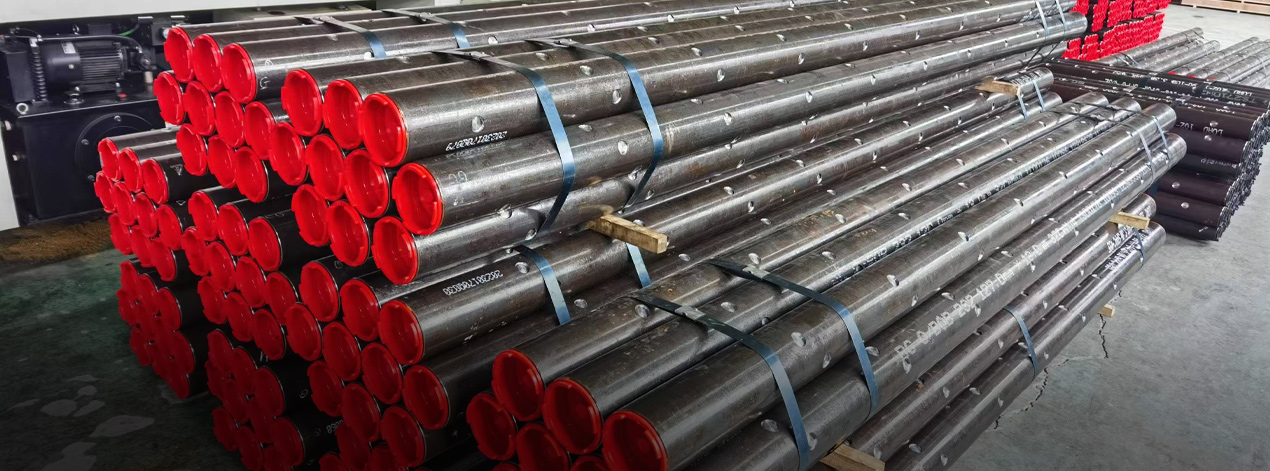
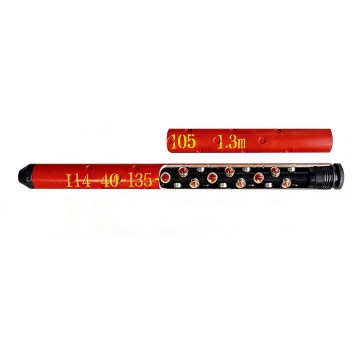
Provides deep penetration and high shot density across extensive intervals for macroscopic pressure surveillance.
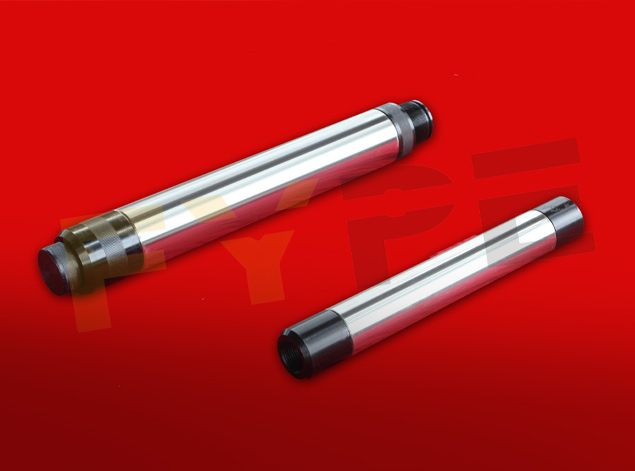
Accurately detects casing collars for micro-depth correlation across narrow pay zones prior to pressure testing.
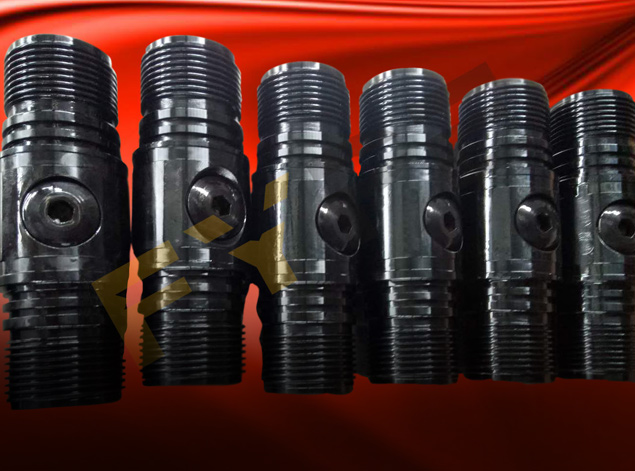
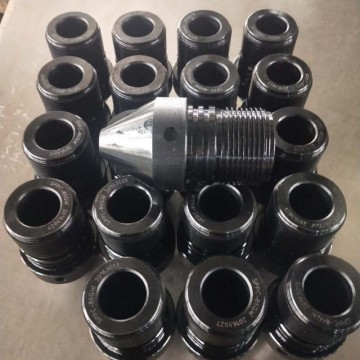
Precision-machined connecting components ensuring hydraulic balance and mechanical integrity in complex strings.
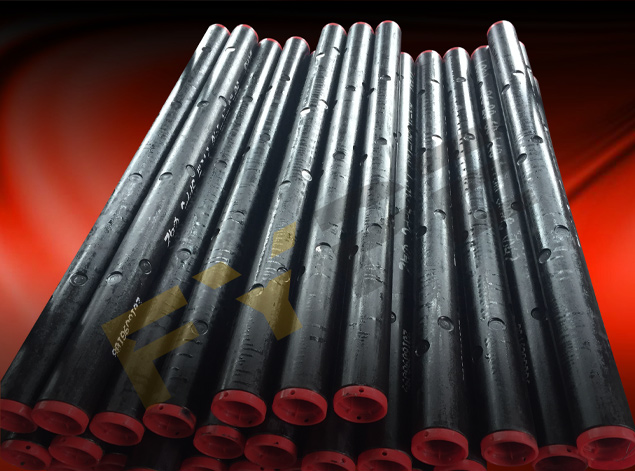
Engineered for tight rig clearances, short intervals, and targeted formation pressure verification runs.
At FYPE, we believe every well deserves precision, reliability, and excellence. Whether you require high-performance big hole perforating tools for complex formation pressure testing or dependable technical support in hostile deepwater environments, we are your trusted partner in the global energy sector.
Inquiry Now
Explore our complete catalog of certified perforating guns and accessories engineered to deliver peak diagnostic accuracy and casing integrity.