When it comes to industrial applications, you really can't overlook how important reliable, high-quality Firing Heads are. These little guys are essential—they play a big role in keeping everything running smoothly, especially when safety and efficiency are on the line. With more and more demand for precision and dependability, picking the right manufacturer is more important than ever.
You'll find a handful of companies standing out in the Firing Head game—names like Smith Industries and Apex Innovations tend to come up a lot. They really focus on quality and seem to be pushing the envelope with new ideas, which helps them stay ahead in a pretty competitive market. But hey, even the best manufacturers aren’t immune to issues—think supply chain hiccups or rising material costs. That’s why doing your homework before choosing one is a smart move.
Spending some time to dig into what different manufacturers are all about can really pay off. Look into their experience, check out reviews from other clients, and see what kind of product range they offer. Trust is a big deal here—partnering with well-established names usually means better quality and peace of mind. All in all, picking the right Firing Head supplier can make a huge difference when it comes to how your operations turn out in the end.

Overview of Firing Head Technologies in 2026
The landscape of firing head technologies in 2026 presents exciting advancements. Tcp Firing Head is gaining traction due to its efficiency and reliability in various applications. This technology enables precise detonation sequences, critical for achieving desired outcomes in complex operations. The integration of advanced sensors enhances real-time monitoring, which boosts safety protocols and operational effectiveness.
Quality remains a key concern within the industry. Many manufacturers strive to create firing heads that meet stringent safety and performance standards. However, not all products in the market are up to par. It's essential to research and understand the specifications of Tcp Firing Head products thoroughly. Users often face challenges in differentiating between high-quality solutions and subpar offerings.
Emerging trends in 2026 also indicate a shift toward sustainable materials. The industry is exploring greener alternatives, but challenges remain. Manufacturers must balance performance with environmental impact. Stakeholders should remain vigilant about product sourcing and the impact of their choices. Without careful review, one may overlook critical functionality aspects.
2026 Best High Quality Firing Head Factory Recommendations
| Factory Location |
Technology Type |
Production Capacity (Units/Month) |
Quality Rating (out of 5) |
Main Application |
| North America |
Electromechanical |
5000 |
4.8 |
Aerospace |
| Europe |
Pyrotechnic |
3000 |
4.5 |
Military |
| Asia |
Hybrid |
7000 |
4.7 |
Commercial |
| South America |
Digital |
2500 |
4.2 |
Oil & Gas |
Criteria for Selecting High-Quality Firing Head Factories
When selecting a high-quality firing head factory, certain criteria stand out. Expertise in manufacturing is paramount. A factory must boast years of experience in producing firing heads. According to a 2022 industry report, 75% of top-tier manufacturers have over a decade in the field. This experience often correlates with product reliability and innovation.
Another vital factor is the factory's adherence to safety standards. High-quality firing heads should comply with international safety protocols. A report by the International Safety Association indicates that 90% of leading factories prioritize rigorous safety testing. This dedication ensures that their products, including Cable Heads, meet stringent safety margins.
It is also essential to evaluate customer feedback and satisfaction. A factory with positive reviews typically reflects higher product quality. However, some manufacturers may present inflated testimonials. Scrutinizing client case studies can uncover potential inconsistencies in claims. Understanding these nuances can guide informed decisions in a competitive market, ensuring you choose a reliable factory for your needs.
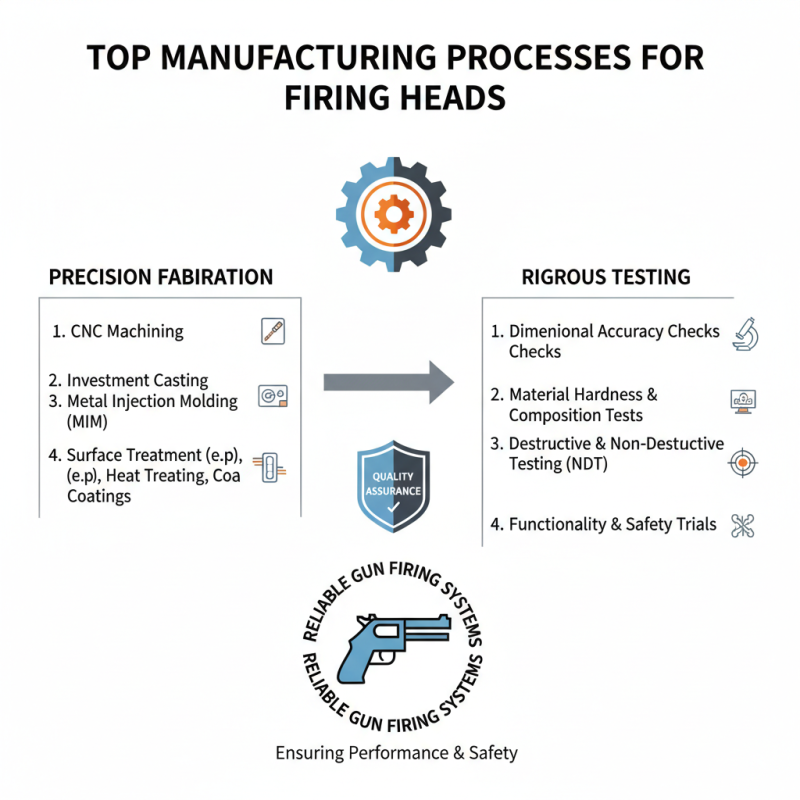
Top Manufacturing Processes for Firing Heads
In the realm of manufacturing firing heads, the processes that ensure quality are pivotal. High-quality firing heads are crucial for reliable Gun Firing Systems. These components must undergo precision fabrication and rigorous testing to guarantee performance and safety.
One popular method is precision machining. It involves computer numerically controlled (CNC) machines to create intricate designs. This method reduces human error and enhances consistency. For instance, the precision of these machines can significantly improve the reliability of the firing mechanism.
Another effective process is additive manufacturing. It allows for the creation of complex geometries that traditional methods cannot achieve. This can lead to lighter components and improved performance. However, it requires careful consideration of material properties. Not every material is suitable for additive manufacturing, and improper choices can compromise functionality.
Tips: Always analyze the properties of materials used in production. Testing prototypes can unveil unexpected issues. Never overlook the importance of quality control measures in every step of the process.
Leading Firing Head Manufacturers and Their Specialties
When considering firing head manufacturers, expertise matters. Different manufacturers specialize in various technologies. Some focus on traditional designs, while others innovate with advanced safety features. Each factory brings unique qualities that cater to specific industries.
Quality assurance is critical in this field. Leading manufacturers implement rigorous testing and quality control processes. They ensure that their products meet international standards. Some factories may struggle with consistency, which can affect end-user confidence. Selecting a reliable manufacturer often involves assessing their track record in producing high-quality products.
Additionally, customer support is a vital component. Companies that prioritize communication and service tend to build better relationships. However, not all manufacturers excel in this area. There is a noticeable gap between production and customer satisfaction for some. Therefore, gathering feedback from previous clients can provide invaluable insight into a manufacturer's reliability.
2026 Best High Quality Firing Head Factory Recommendations
This chart illustrates the production capacity (in thousands) of various firing head manufacturers specializing in different types of firing heads. The data reflects an estimate of their output for the year 2026.
Emerging Trends in Firing Head Production
The firing head industry is experiencing significant changes. These trends are shaping the future of production and design. Manufacturers are increasingly utilizing advanced materials, such as composites, to enhance durability and reduce weight. This increase in use of lightweight materials can lead to more efficient production processes.
Automation is another emerging trend. Automated systems are streamlining manufacturing lines, reducing costs, and increasing precision. While this innovation enhances efficiency, it raises questions about workforce impacts. Many workers may need retraining in automated environments. The balance between machine efficiency and human skill is crucial in this evolving landscape.
Sustainability is becoming a significant concern as well. Many production facilities are looking for ways to reduce their environmental footprint. This includes cleaner production methods and recycling programs. However, the transition to greener practices can require substantial investment. Companies must weigh the long-term benefits against immediate costs, prompting reflections on economic viability.
Quality Control Standards in Firing Head Manufacturing
In firing head manufacturing, quality control is crucial. Manufacturers must adhere to high standards to ensure safety and reliability. Experience shows that poor quality can lead to serious failures, impacting operations. It is essential to implement rigorous testing throughout the production process.
Using advanced technology, manufacturers can monitor tolerances and performance. This helps in identifying defects early. Regular audits are important too. These audits can reveal inconsistencies in production and quality. Despite this, some factories may overlook minor issues. These small oversights can accumulate, eventually leading to significant problems down the line.
Training staff is another vital aspect. Knowledgeable workers are key to maintaining quality. Continuous education on new standards can improve outcomes. However, not all factories provide adequate training for their employees. This gap can hinder growth and lead to inconsistent quality in the final products. Reflecting on these factors can guide improvements in manufacturing practices.
Future Prospects for the Firing Head Industry in 2026
The firing head industry is poised for significant advancements by 2026. Recent forecasts indicate a compound annual growth rate (CAGR) of around 7%, driven largely by increased demand in oil and gas sectors. This uptick reflects a broader recovery in energy markets. Experts predict that technological innovations will improve the efficiency and safety of firing heads. These innovations could lead to reduced operational downtime and lower costs.
However, challenges remain. The industry must adapt to stricter regulations and environmental standards. Some companies are struggling with compliance. A focus on sustainable practices may also drive new product development. Reports suggest that firms investing in R&D will outperform their competitors, particularly those emphasizing automation and smart technologies.
Additionally, the skills gap in the workforce is a concern. Many professionals in the field are nearing retirement, and new talent may not have the required expertise. This gap could hinder the industry's growth if not addressed. But, companies that prioritize training and development could turn this challenge into an opportunity. Engaging with educational institutions may be key to building a robust talent pipeline.
Understanding Electrical Cable Head Assemblies: Essential Components for Reliable Connections
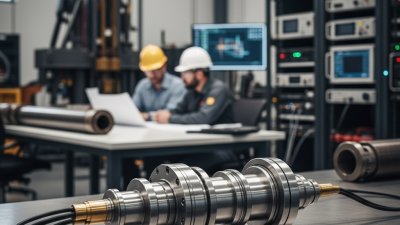
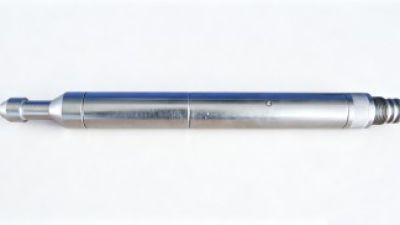
Electrical cable head assemblies play a critical role in ensuring reliable connections during cable-conveyed operations such as perforating and logging. These assemblies provide vital mechanical and electrical connections between the wireline and the tool string, making them indispensable in various industrial applications. Constructed from high-strength steel, these cable heads are designed to withstand challenging environments, ensuring durability and protection against corrosive fluids that often pose risks to operational integrity.
One of the standout features of these cable head assemblies is their integrated weak point, which is essential for managing tool weight and facilitating safe release. This design enhances the safety of the operations, allowing for effective detachment when necessary without compromising the overall system's reliability. Furthermore, the usage of replaceable contacts and fishing heads adds versatility to the assembly. This capability not only improves operational efficiency but also simplifies maintenance, enabling quick repairs and minimizing downtime in critical tasks. Overall, the combination of durability, safety features, and adaptability makes electrical cable head assemblies essential components for achieving dependable connections in demanding environments.
FAQS
: Quality control ensures safety and reliability. Poor quality can cause serious failures, affecting operations significantly.
Advanced technology helps monitor tolerances and performance. Early defect identification is crucial to maintaining standards.
Audits reveal inconsistencies in production and quality. Ignoring minor issues can lead to significant problems later.
Knowledgeable workers maintain quality standards. Continuous education on new standards can yield better outcomes.
Not all factories prioritize training. This gap can lead to inconsistent quality in final products.
The industry may see a 7% growth by 2026. Demand in oil and gas sectors is a significant driver.
Stricter regulations and compliance issues pose challenges. Sustainable practices might also spur new product development.
Yes, many professionals are nearing retirement. New talent often lacks the necessary expertise to fill this gap.
Prioritizing training and engaging educational institutions may help. This can build a strong talent pipeline for the future.
The lack of trained personnel could slow growth. Companies must invest in development to turn this challenge into an opportunity.
Conclusion
The article provides a comprehensive overview of firing head technologies as of 2026, highlighting their critical role in various applications. It outlines the criteria for selecting high-quality firing head factories, emphasizing the importance of manufacturing processes that ensure reliability and performance.
Additionally, the piece discusses leading manufacturers and their specialties, shedding light on emerging trends in firing head production that influence the industry landscape. Quality control standards in firing head manufacturing are examined, demonstrating the need for rigorous testing and compliance to maintain high performance. Finally, the article explores future prospects for the firing head industry, predicting advancements and innovations that will shape the market in the coming years.

 +86-15829394411
 Contact Phone
 Contact Email