Picking the right Oil Perforator is pretty important when you're running a drilling operation. A good choice can really boost your efficiency and help avoid those annoying delays. That said, figuring out which one is best for you can be kinda tricky. With so many options out there, how do you know what actually fits your needs?
First off, it's key to understand what you really need. Are you aiming for deeper drills, faster speeds, or compatibility with certain materials? Every oil perforator has its own set of features designed for different situations. Big names like Apex Drilling and Helix Energy Solutions offer a range of options, but honestly, it can get confusing trying to pick between them.
Talking to experts usually helps clear things up. Don’t be shy to reach out to industry pros—they’ve got the experience and insights that can make your decision much easier. Doing a bit of research beforehand is totally worth it because choosing the wrong equipment can end up costing you a lot in the long run. The perfect Oil Perforator isn’t just about meeting your current needs; it should also support your operations down the line.

Understanding Oil Perforators: Their Purpose and Functionality
Oil perforators serve a crucial role in the oil extraction industry. Their primary purpose is to create openings in the casing of a well. This allows oil and gas to flow into the production area. Understanding their functionality is essential for anyone involved in drilling operations. A Perforator Gun uses explosive charges to pierce through the casing and cement. Each shot creates a tunnel for hydrocarbons to enter.
Choosing the right oil perforator is not a straightforward task. Different types of formations require specific tools and techniques. A proper assessment of the geological conditions is necessary. Some formations may present high pressures that demand specialized perforating equipment. The right perforator ensures optimal flow rates and reduces the risk of formation damage. Operators must consider the depth and gauge of the casing as well.
Mistakes can happen when selecting a perforator gun, leading to costly delays. An unsuitable choice may not only impair productivity but also pose safety risks. Reflections on past projects can provide valuable insights for future operations. Knowledge gained from real-world experiences is integral to making informed decisions. It emphasizes the importance of expertise in proper perforator selection.
Types of Oil Perforators: A Comprehensive Overview
When selecting an oil perforator, understanding the types available is crucial. Oil perforators are essential tools in the extraction process. Different types cater to varying needs. According to a recent market analysis, hydraulic and mechanical perforators are among the most common types used in the industry. Hydraulic perforators utilize high-pressure fluids to create perforations, while mechanical versions rely on physical force. Each type has specific applications based on reservoir conditions.
The choice of perforator can impact operational efficiency significantly. For example, reports show that hydraulic perforators can increase production rates by up to 30% in specific formations. This enhancement results from their ability to navigate complex rock formations effectively. However, mechanical perforators are often chosen for their lower operational costs, particularly in shallow wells. Understanding the geological context is vital for making informed decisions. Some operators may accidentally select a perforator not suited for their specific conditions, leading to inefficiencies.
Moreover, the method of perforation affects overall well integrity. Miscalculating the required perforation density can lead to formation collapse or fluid loss issues. These challenges underscore the importance of choosing the right type based on both technical specifications and field conditions. Ultimately, blending expertise with a thorough understanding of each perforator type's capabilities can lead to better outcomes in oil extraction operations.
Factors to Consider: Assessing Your Specific Requirements
Choosing the right oil perforator requires careful consideration of your specific needs. Different projects demand different types of equipment. Analyzing your operational context is crucial. For instance, depth and rock conditions are significant factors. Different materials respond uniquely to various perforation methods. When assessing your needs, pinpointing the exact requirements of your
Oil Gas project is vital.
Tips: Evaluate what materials you will be working with. Certain perforators are more effective for dense rock than softer formations. Your project's depth also influences your choice. Get familiar with the local geology. It helps in selecting the right tool for efficient operation.
Don’t forget to consider the maintenance aspect. Some perforators require more upkeep than others. A high-maintenance tool may lead to additional downtime. It's essential to balance performance and reliability. Reflect on whether the choice fits your experience level. Choosing a complex system without understanding it might lead to challenges down the line. Knowledge is key in the Oil Gas industry.
Evaluating Performance: Key Features to Look For
When selecting an oil perforator, performance is paramount. Key features can significantly impact your operations. One critical aspect is the pressure rating. Perforators with higher pressure ratings enable better performance in various formations. This can lead to improved production rates. According to the Society of Petroleum Engineers, the efficiency of oil perforators can directly affect reservoir access and production efficiency.
Another vital feature is the type of perforating guns used. Technologies like shaped charges provide precise penetration. They also create efficient flow pathways. A study by the American Petroleum Institute shows that proper gun selection and spacing can enhance recovery rates by up to 20%. Furthermore, consider the ease of deployment. A rig that requires excessive time for setup can lead to costly delays.
Additionally, it's important to reflect on the environmental impact while choosing equipment. The oil and gas industry faces scrutiny over its ecological footprint. A perforator that minimizes waste and reduces emissions will be advantageous. This aligns with the evolving standards in
Oil News, focusing on sustainability and efficiency. Balancing performance with environmental responsibility is crucial for modern operations.
Comparing Costs: Budgeting for Quality versus Affordability
Choosing an oil perforator involves a careful balance between quality and budget. In an industry where costs can be significant, understanding these factors is crucial. A recent report from the International Energy Agency (IEA) highlights that the average operational cost for drilling can range from $20 to $50 per barrel, influencing your choice of perforator significantly.
When investing, consider the initial purchase price alongside long-term operational costs. Higher-end models often offer durability and efficiency, leading to better performance and potentially lower maintenance costs. However, budget models may attract with lower upfront expenses. A 2022 survey revealed that 65% of contractors are willing to opt for premium equipment if it guarantees higher productivity, despite the initial cost.
Potential buyers should reflect on their unique needs. Overspending on high-end tools that may not be utilized optimally can lead to waste. Likewise, underestimating your requirements may result in frequent replacements and repairs. The right approach combines careful analysis of your operational needs and financial constraints. Fetching detailed performance reviews and utilizing peer recommendations can help navigate these choices effectively.
Brand Reputation and Customer Reviews: Making an Informed Choice
When selecting an oil perforator, brand reputation and customer reviews play a crucial role. According to a recent report by World Oil, over 70% of consumers rely on reviews to make informed purchasing decisions. Engaging with verified user feedback ensures you understand the product's actual performance. It’s not just about ratings but the details within those reviews that inform your choice.
Many customers highlight specific features that matter most. For example, durability, efficiency, and ease of use often lead the lists. Some reviews even point out shortcomings, such as high maintenance costs or difficulty in obtaining parts. This information provides a balanced view. In the oil industry, even small performance discrepancies can lead to significant operational impacts. When you read customer feedback, look for patterns. Are multiple users reporting similar issues? That could indicate a fundamental flaw.
While some brands boast impressive statistics, remember that they may not represent every experience. Industry data shows that one in four buyers regret their choice based on insufficient research or misled expectations. Thus, always cross-reference reviews with reputable sources. Ensure the manufacturer communicates transparently about their products. Engaging with experienced users can also yield insights beyond what's listed in marketing materials.
Maintenance and Support: Ensuring Longevity of Your Oil Perforator
Maintaining your oil perforator is crucial for its longevity. Regular inspections can identify potential issues early. Check for wear and tear on components. Listen for unusual noises during operation. These signs often indicate that maintenance is needed. A simple inspection can save you from costly repairs later.
Support services are equally important. Having access to knowledgeable technicians can make a difference. It’s wise to choose a perforator that comes with robust support options. Sometimes, owners overlook this aspect. They focus solely on equipment specifications, but training and guidance matter too. Understand how to operate your device efficiently.
Documentation is often neglected but essential. Operating manuals provide valuable information on maintenance schedules. Following these guidelines can extend the lifespan of your perforator. Some users may find it tedious, but consistency is key. Set reminders for maintenance tasks and stay proactive. Make it a routine practice to check oil levels and clean filters. This attention to detail pays off in performance and durability.
Maintenance and Support for Oil Perforators
Enhancing Oil & Gas Efficiency: Insights from Industry Reports on Super Deep Penetration Shaped Charges by Chinese Suppliers
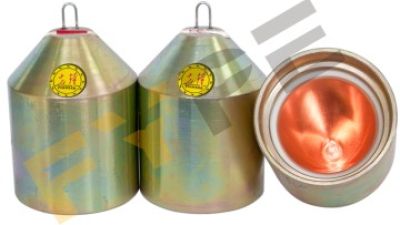
In the ever-evolving landscape of the oil and gas industry, efficiency is paramount, particularly when it comes to perforating unconventional formations. The introduction of advanced technologies, such as Super Deep Penetration Shaped Charges, is reshaping how companies approach drilling in challenging environments. These innovative solutions are specifically engineered for low-porosity, low-permeability, and high-density rock reservoirs, enabling enhanced access to valuable hydrocarbon resources.
The Super Deep Penetration Shaped Charge stands out with its remarkable ability to achieve an average perforation depth of 2,372 mm. Certified by industry standards, this perforator is designed to tackle the complexities associated with unconventional formations, optimizing the extraction process. As a product of advanced manufacturing techniques, it ensures reliability and performance, addressing the increasing demand for effective perforating solutions within the industry.
By leveraging cutting-edge technology and stringent quality controls, manufacturers are poised to provide the oil and gas sector with tools that not only meet but exceed operational expectations. These developments are crucial for enhancing productivity and driving forward the efficiency of extraction processes, ultimately laying the groundwork for a more productive and sustainable future in energy production.
FAQS
: Assess your project's depth and rock conditions. Different materials require specific perforation methods.
Knowing local geology helps in selecting the right tool. It enhances operational efficiency.
High-maintenance tools can lead to more downtime. Balance performance with ease of upkeep.
Regular inspections for wear and tear are crucial. Listen for unusual noises during operation.
Access to knowledgeable technicians aids operation. Support options enhance overall performance.
Operating manuals provide essential maintenance guidelines. Following them can prolong your perforator’s lifespan.
Reflect on your understanding of complex systems. Avoid tools that exceed your current knowledge scope.
Consistency in maintenance can prevent costly repairs. It keeps equipment performing optimally.
Yes, many users neglect documentation and support needs. That oversight can affect equipment longevity.
Neglecting inspections may lead to unexpected breakdowns. Early detection can save time and money.
Conclusion
Choosing the best oil perforator for your needs requires a thorough understanding of its purpose and functionality. Oil perforators are essential tools designed to enhance oil extraction processes. When evaluating different types, it’s crucial to assess specific requirements, including the size and nature of the oil field. Key features such as durability, efficiency, and ease of use should guide your decision-making.
Budget considerations also play a significant role, as balancing quality with affordability is vital for long-term investment. Additionally, researching brand reputation and customer reviews can provide valuable insights into product reliability and performance. Finally, considering maintenance and support options is essential to ensure the longevity of your oil perforator, guaranteeing that it meets your operational demands effectively over time.

 +86-15829394411
 Contact Phone
 Contact Email