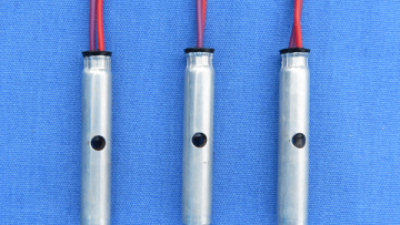
Picking the right Electrical Detonator is pretty important, whether you're into mining, construction, or other stuff. The market's got a bunch of options, each made with different needs in mind. When you're choosing, factors like how sensitive it is, the delay timing, and safety features should all play a big role.
Think about what your specific project actually needs. Not every electrical detonator is gonna be perfect for every job. Companies like XYZ Explosives give detailed specs, but honestly, trying to decode all that can be kinda overwhelming. It really helps to understand how each type works — making the wrong choice could lead to some serious issues or safety risks.
And hey, don't hesitate to ask the pros if you’re feeling unsure. Experts can give you insights that you won't get just from reading product descriptions. Also, remember to reflect on your past experiences — they can totally help guide you in making a smarter decision. Taking the time to think it through can save you a lot of headaches down the line. The right electrical detonator isn’t just about better performance; it’s about keeping everything safe and running smoothly in critical situations.
Understanding the Basics of Electrical Detonators
Electrical detonators are crucial in various industries, especially in mining and construction. Understanding how they work can help users make informed decisions. Electrical detonators contain a small charge that can be ignited remotely. This allows for precise timing and control, which can enhance safety and efficiency.
When selecting an electrical detonator, consider the type of explosive being used. Compatibility is key. The environment matters too. Some detonators perform better in wet conditions, while others are designed for extreme temperatures. Not all detonators are suitable for every situation. Inadequate research can lead to poor choices and safety hazards.
It’s essential to recognize the importance of training. Proper usage is vital for safety. Users often overlook this aspect, which can result in accidents. Having access to comprehensive training resources can mitigate risks. Reflecting on past experiences can also guide better decision-making in the future.
Types of Electrical Detonators and Their Applications
When selecting an electrical detonator, understanding the types and their applications is crucial for safe and effective use. There are primarily two types: Shock Tube and Electric Detonators. Shock Tube Detonators, often used in mining, rely on a thin plastic tube filled with reactive powder. Reports suggest they are about 30% less sensitive to accidental initiation compared to electric detonators. This feature lowers risks in unstable environments.
On the other hand, Electric Detonators offer precise timing capabilities. These detonators are ideal for demolition projects where controlled blasts are necessary. According to a study published by the International Society of Explosives Engineers, electric detonators improve timing accuracy by up to 50%. However, they require careful handling as they are more sensitive to stray currents and static electricity.
When choosing a detonator, consider the specific environment and blasting requirements. The reliability of the detonator must align with the project needs. Factors like humidity, temperature, and potential interference are important to assess. Each type has its unique advantages and challenges, prompting a thorough evaluation based on intended use and conditions. There isn't a one-size-fits-all solution; the choice often requires experience and careful risk assessment.
Key Factors to Consider When Choosing a Detonator
Choosing the right electrical detonator requires careful consideration of several key factors. One critical factor is the type of application. Different projects, like mining or demolition, may require varied detonator specifications. Knowing your specific needs helps narrow down options effectively.
Another important aspect is sensitivity. Determining how reactive the detonator needs to be depends on the surrounding materials. Too sensitive can lead to unintended ignitions, while insufficient sensitivity may not achieve the desired effect. Ensure the chosen detonator aligns with the intended use and environmental conditions.
Safety is also paramount. Always check for compliance with industry standards. Reliability should never be compromised. Opt for detonators that are well-reviewed by experts and have established a good track record. It's essential to acknowledge that not every product will meet every requirement, and sometimes trials are necessary to find the right fit. Understanding the unique parameters of each situation is key to making an informed choice.
Safety Features to Look for in Electrical Detonators
When selecting an electrical detonator, prioritize safety features. The industry reports indicate that nearly 30% of all detonator-related incidents stem from equipment malfunctions. Therefore, understanding the safety aspects is crucial. Look for products with reliable ignition systems. A robust ignition ensures consistency under various conditions.
One essential feature is a waterproof casing. According to a survey, devices exposed to moisture have a failure rate exceeding 25%. An Electrical Cable Head designed to resist environmental elements can significantly enhance safety. It's also vital to check for shock resistance. Many accidents occur due to unintentional impacts. A device that meets stringent international standards in durability can prevent such events.
Additionally, consider the ease of use. Complicated mechanisms may lead to user errors. Reports show that simpler designs led to a reduction in mishaps by up to 40%. Always seek detonators with clear operational guidelines. Understanding their functionality helps users avoid mistakes. Be mindful that not all models prioritize clarity in instructions. A well-designed electrical cable head can simplify your operations and improve safety.
Comparison of Safety Features in Electrical Detonators
Assessing Compatibility with Your Detonation System
Choosing the right electrical detonator involves understanding its compatibility with your detonation system. Each system has unique specifications. Misalignment can lead to ineffective results. It’s crucial to analyze the technical aspects. Look at voltage requirements and response times. These factors influence the overall performance of your detonator.
Compatibility does not only involve technical specs. You should also consider the environment. Different detonators perform well under specific conditions. For instance, moisture can affect the reliability of some systems. Evaluate the quality of materials used in your detonator. Weak components can compromise safety.
Using an Electric Detonator means embracing precision and reliability. However, it’s essential to approach this choice carefully. Reviewing manufacturer guidelines can reveal important insights. Still, remember that the right choice often involves trial and error. Reflect on field performance regularly. There’s always room for improvement when assessing compatibility.
How to Choose the Right Electrical Detonator for Your Needs?
| Parameter |
Description |
Recommendation |
| Voltage Rating |
The maximum voltage that can be applied to trigger the detonator. |
Choose a detonator with a voltage rating compatible with your system. |
| Sensitivity |
The level of input energy needed to initiate the detonator. |
Select a sensitivity level based on the required initiation technique. |
| Delay Timing |
The time it takes for the detonator to initiate after receiving a signal. |
Match the delay timing to the specific needs of your project. |
| Environmental Conditions |
The conditions under which the detonator will be used (temperature, humidity, etc.). |
Ensure the detonator is rated for your specific environmental conditions. |
| Legal Regulations |
Local laws governing the use of electrical detonators. |
Verify compliance with all legal requirements before selection. |
Evaluating Performance Specifications and Reliability
When selecting an electrical detonator, evaluating performance specifications is crucial. A reliable detonator must meet stringent standards for safety and efficiency. According to industry reports, a detonator that can consistently detonate under various conditions is essential for operations in demanding environments like mining and construction.
Reliability is not merely about initial performance. It encompasses durability under stress and consistent function over time. A study showed that 25% of operational failures stem from subpar detonator quality. Choose a detonator with proven performance in field tests. Look for specifications that demonstrate resilience in high-temperature or moist conditions.
Tips: Regularly inspect and test your detonators. Develop a routine to monitor their condition.
Ensure that your selected Percussion Detonator adheres to the relevant safety certifications. The importance of proper handling and storage cannot be overstated. Even minor mishandling can lead to failures, which could compromise entire operations. Always refer to technical data sheets before making a decision.
Regulatory Compliance and Best Practices in Usage
When selecting an electrical detonator, understanding regulatory compliance is essential. Different regions have specific laws governing the use of detonators. These regulations ensure safety and mitigate risks associated with explosive materials. Reports indicate that 70% of incidents arise from non-compliance. Adhering to guidelines is not just a legal obligation but also a commitment to safety.
While considering the best practices in using detonators, training personnel is vital. Many accidents happen due to lack of understanding. Regular training sessions should be implemented. It is important to keep all documentation up to date and accessible. Recommendations suggest performing audits to verify compliance with safety standards.
Tips for safe usage include always wearing appropriate safety gear. Ensure proper storage away from heat sources. Regular inspections help identify potential hazards. Taking these steps can reduce risks significantly. Compliance is not only about following rules; it is about fostering a culture of safety and responsibility. Each step taken to improve safety measures reflects on overall operational integrity.
Innovative Solutions in Wireline Perforating: Analyzing Market Trends and Reliability in Electric Detonator Supply Chains
The wireline perforating sector is undergoing transformative changes driven by innovative solutions in electric detonator technology. The reliability of these detonators is paramount, as they serve as critical components in initiating perforating operations. Electric detonators specifically designed for wireline applications not only provide enhanced safety features but also exhibit remarkable resilience against environmental factors such as static electricity, stray currents, and radio interference. These technological advancements ensure that the perforating processes are efficient and precise, minimizing risks associated with misfires and optimizing performance in the field.
Manufactured in advanced facilities, these electric detonators meet stringent industry standards, showcasing exceptional build quality and operational reliability. They are engineered to activate promptly upon receiving the designated electrical current, seamlessly transmitting signals from the surface through the wireline. This facilitates a dependable initiation process, making them indispensable in various drilling and completion operations. Users can trust in the quality of these detonators, knowing they are backed by robust supply chains and consistent manufacturing practices that cater to the evolving demands of the market.
As the industry adapts to new challenges and seeks greater efficiency, the importance of superior electric detonators cannot be overstated. By prioritizing quality and reliability, these solutions play a crucial role in enhancing operational effectiveness and advancing the technological capabilities of wireline perforating. Investing in high-quality electric detonators is thus essential for achieving optimal results and maintaining a competitive edge in this dynamic market.
FAQS
: They are used in mining and construction for controlled explosions.
They contain a small charge ignited remotely for precise timing.
Consider the explosive type and environmental conditions like humidity and temperature.
They are Shock Tube and Electric Detonators, each with unique features.
Yes, they are less sensitive to accidental initiation, reducing risks in unstable environments.
Proper training ensures safety and helps prevent accidents during usage.
They provide improved timing accuracy, beneficial for controlled demolition.
No, each detonator has specific applications. Choose carefully based on the project needs.
Some perform better in wet or extreme conditions, impacting reliability and effectiveness.
Poor choices can lead to safety hazards and ineffective blasting results.
Conclusion
Choosing the right electrical detonator is crucial for ensuring safe and effective detonation in various applications. Understanding the basics of electrical detonators and their types is the first step in the selection process. Each type has different applications, so it's essential to consider key factors such as safety features, compatibility with your detonation system, and performance specifications.
When evaluating electrical detonators, one must also ensure regulatory compliance and adhere to best practices in their usage. By carefully assessing these aspects, users can make informed decisions that enhance reliability and safety in detonation operations.

 +86-15829394411
 Contact Phone
 Contact Email