Leave Your Message
0%

Picking the right Downhole Perforating tools really can make or break your well’s productivity, how reliable the completion is, and overall safety during operations. It’s not just about grabbing whatever’s recommended; you’ve got to match the tool to the specific reservoir, casing design, pressure situations, and your planned completion method. For instance, a tool that works great in a straightforward vertical oil well might not cut it in a deep, angled gas well—things can get pretty different down there.

Sometimes, the small details make all the difference. Experienced completion teams take a close look at formation pressure, temperature, fluid properties, casing size, and access restrictions before choosing a system. They also weigh different options—like conveyed, tubing-conveyed, or wireline-based tools—and see what fits best with the well’s geometry. Things like gun diameter, shot spacing, phasing, how deep you want the perforation to go, and debris control all have to line up with your production goals. And honestly, these choices aren’t just about flipping through a catalog; there's a lot more involved.

Offers from manufacturers and past field records are also super useful. You’ll want to lean on verified data, inspection reports, and compatibility checks to make your decision. Industry guidelines, engineering calculations, and advice from experienced service personnel should all play a role too. Practical experience is priceless—because the real world often throws curveballs that specs might not reveal, like tight clearances or unstable conveyance in a long lateral section. That said, no method is perfect. Sometimes, reservoir behavior doesn’t match lab results, or early assumptions need revising once you get logging and pressure data.

So, taking a careful, methodical approach leaves room to learn as you go. It’s smart to define what success looks like, consider backup options in case things don’t go as planned, and keep detailed records of every technical decision. This way, operators can make smarter choices—balancing performance, reliability, cost, and safety—without just relying on flashy claims. The guide below walks you through the key factors behind making a solid, defensible choice when selecting downhole perforating tools.
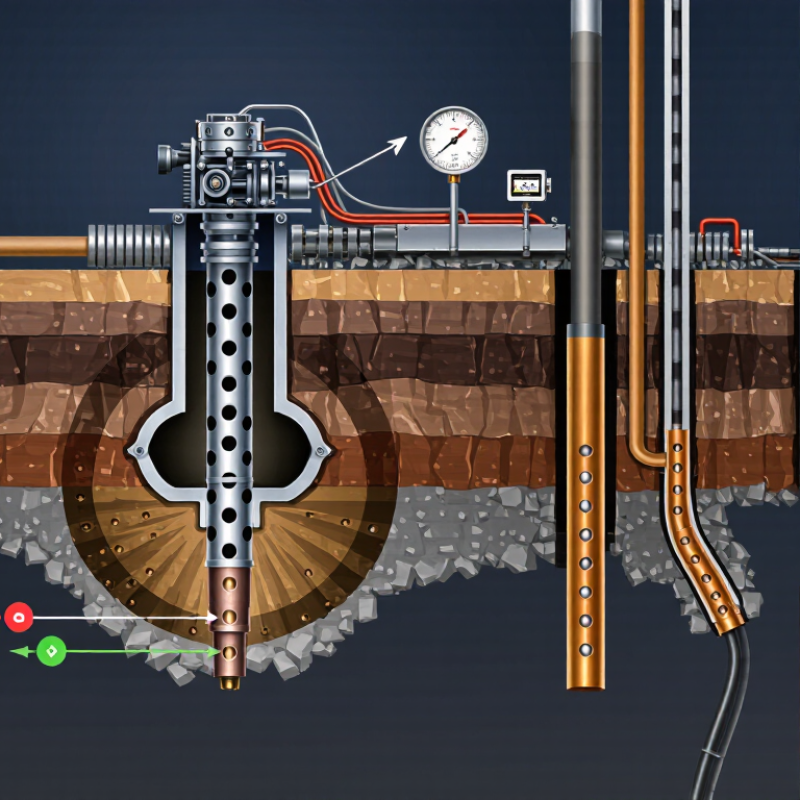
How to Choose the Right Downhole Perforating Tools?

Understanding Downhole Perforating Tools and Their Applications

How to Choose the Right Downhole Perforating Tools?

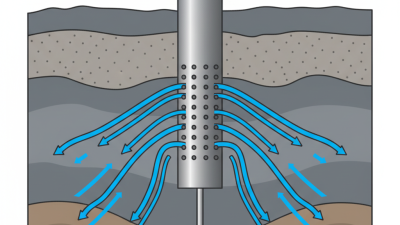
Understanding Downhole Perforating Tools begins with the reservoir, not the catalog. Perforating tools create flow paths between the wellbore and formation. Their design affects entry-hole size, penetration depth, debris control, and stimulation efficiency. The U.S. Energy Information Administration reported that tight oil supplied more than 8 million barrels per day in recent U.S. production during 2023. That scale increases demand for accurate, repeatable perforation across long horizontal sections.

Tool selection should match rock strength, casing grade, deviation, pressure, temperature, and completion design. Shaped-charge systems suit many cased-hole applications, while specialized conveyed systems support complex intervals. Field engineers should check shot density, phasing, penetration data, and pressure limits before deployment. SPE technical literature repeatedly links perforation geometry with fracture initiation and treatment placement. Small design errors can produce uneven stimulation.

The details matter.

In practice, I inspect the carrier, firing system, centralization, and debris risk together. A tool that performs well in a vertical well may behave differently after thousands of meters in a curved section. API recommended practices also emphasize pressure control, verification, and documented procedures. I have seen teams overvalue penetration depth and undervalue hole distribution. That is a mistake worth revisiting. Reliable selection combines laboratory results, offset-well evidence, and real-time operational judgment. No tool is universally ideal.

How to Choose the Right Downhole Perforating Tools? — Understanding Downhole Perforating Tools and Their Applications

Tool Type Operating Principle Typical Well Application Completion Context Key Performance Factors Main Advantages Common Limitations Selection Considerations
Wireline-Conveyed Casing Gun Perforating charges are positioned inside a carrier gun and conveyed on electric wireline. An electrical signal initiates the firing sequence. Vertical or deviated wells where the tool can reach the target depth without tubing or coiled-tubing conveyance. Cased-hole completions, especially during initial well completion or remedial work. Gun diameter, shot density, phasing, charge type, casing size, cement quality, and pressure rating. Accurate depth control, real-time electrical correlation, and efficient deployment in suitable well geometries. Reach may be restricted by high deviation, wellbore friction, tight spots, or heavy completion equipment. Confirm conveyance feasibility, cable tension limits, well deviation, casing dimensions, and required perforation interval.
Tubing-Conveyed Perforating System Perforating guns are run on production tubing or work string and fired through a pressure-operated, mechanical, or hydraulic trigger system. High-angle and extended-reach wells, large perforation intervals, and operations requiring reliable bottomhole placement. Permanent or semi-permanent completions where the perforating assembly is deployed with tubing. Tubing size, gun length, firing mechanism, debris management, differential pressure, and retrieval plan. Suitable for difficult well trajectories and long intervals; can support selective or multistage operations. Longer rig time, more complex pressure-control planning, and potential difficulty retrieving the assembly. Evaluate tubing load capacity, completion architecture, pressure-control equipment, and post-perforation cleanout requirements.
Through-Tubing Retrievable Gun A compact perforating gun passes through existing production tubing and is retrieved after firing, usually by wireline or slickline. Recompletion, workover, or selective zone access without pulling the production tubing. Existing cased-hole wells with tubing, packers, or other completion components already installed. Pass-through diameter, tubing drift, target depth, gun standoff, retrieval reliability, and debris control. Reduces completion disruption and enables targeted perforation in producing or previously completed wells. Smaller gun size can limit charge performance, shot density, and penetration compared with larger systems. Check the minimum internal diameter, restrictions, completion accessories, pressure differential, and desired hole size.
Coiled-Tubing-Conveyed Perforating Tool Perforating guns are conveyed on coiled tubing and activated by hydraulic pressure, electrical control, or a downhole firing system. Highly deviated or horizontal wells, live-well interventions, and operations requiring circulation or fluid placement. Remedial completions, stimulation preparation, and selective perforation in long or complex wellbores. Coiled-tubing reach, injector capacity, hydraulic pressure, fatigue life, tool OD, and circulation capability. Provides positive conveyance in deviated wells and allows circulation, placement, and intervention in one deployment. Requires specialized surface equipment; tubing fatigue and limited reach can affect operational efficiency. Assess well trajectory, coiled-tubing fatigue exposure, hydraulic operating window, and required intervention fluids.
TCP Selective Multizone System Multiple gun sections are deployed on tubing with pressure or mechanical sequencing to perforate selected zones during one operation. Multizone reservoirs where isolated or staged perforation is needed to control treatment and production allocation. Selective completions using packers, isolation devices, or staged stimulation assemblies. Zone spacing, sequence reliability, isolation integrity, pressure differentials, and compatibility with completion hardware. Reduces repeated trips and supports controlled access to multiple reservoir intervals. More complicated tool-string design and higher consequences if a firing or isolation sequence does not perform as planned. Define the firing order, verify pressure ratings, model zone communication, and establish contingency procedures.
Oriented Perforating Tool The gun is rotationally oriented so charges fire in a selected azimuth or phase direction rather than uniformly around the casing. Hydraulic-fracturing initiation, anisotropic formations, stress-sensitive reservoirs, and applications requiring fracture-orientation control. Cased-hole completions where perforation direction affects treatment placement or sand-management performance. Azimuth accuracy, tool centralization, inclination, magnetic or gyroscopic orientation, and charge phasing. Can improve fracture initiation consistency and help align perforations with the planned stimulation direction. Orientation accuracy may be affected by tool movement, wellbore conditions, and measurement uncertainty. Use reliable directional data, verify tool orientation at depth, and match perforation azimuth with the geomechanical model.
Large-Diameter Casing Gun A relatively large carrier accommodates charges with greater explosive capacity or optimized standoff for deeper casing penetration. Thick-wall casing, high-strength casing, depleted reservoirs, and formations requiring substantial entry-hole performance. Cased-hole completions with sufficient internal clearance for a large perforating assembly. Charge energy, standoff distance, casing grade and thickness, cement sheath condition, and debris generation. Can provide larger or deeper entry holes and strong tunnel performance when adequate clearance is available. May not pass through tubing or completion restrictions; larger tools can increase conveyance and handling requirements. Compare required penetration with casing and cement properties, then confirm drift diameter and deployment limitations.
Small-Diameter Through-Tubing Gun A compact carrier and shaped-charge arrangement is deployed through restricted internal diameters to create communication with the formation. Selective reperforation, water shutoff work, bypassed pay access, and mature-well intervention. Existing tubing-and-packer completions where pulling the tubing is undesirable. Available drift, charge performance, standoff, tubing eccentricity, target depth, and well pressure. Enables lower-impact intervention and access to zones that are difficult to reach with larger tools. Restricted geometry can reduce charge size, penetration, shot density, and flexibility in tool design. Prioritize accurate drift information, tubing condition, target-zone correlation, and the minimum required perforation performance.
Perforating-and-Stimulation Assembly Perforating guns are combined with isolation, fluid-placement, or stimulation components so perforation and treatment occur in a coordinated sequence. Hydraulic fracturing, acidizing, and controlled entry operations in selected intervals. Staged completions with packers, sleeves, plugs, or other zonal-isolation equipment. Fluid compatibility, pressure rating, isolation reliability, perforation distribution, treating pressure, and cleanout plan. Improves operational integration and can reduce separate intervention steps between perforating and stimulation. Higher system complexity and stricter requirements for pressure testing, sequencing, and equipment compatibility. Design the complete treatment workflow, including perforation strategy, isolation method, fluid program, and emergency release options.
Selection note: Final tool selection should be verified against the approved well program, casing and completion schematics, pressure and temperature limits, conveyance analysis, explosive regulations, and site-specific risk assessment.

Identifying Well Conditions and Perforating Objectives

How to Choose the Right Downhole Perforating Tools?

Identifying well conditions must come before tool selection. Review casing grade, cement quality, deviation, temperature, pressure, and fluid compatibility. A perforator designed for a vertical oil well may behave differently in a high-angle gas well. Log responses can reveal cement gaps, washed-out intervals, and formation changes. These details define the safe operating window and the expected perforation geometry.

Perforating objectives should be equally specific. Is the goal rapid cleanup, controlled inflow, stimulation access, or selective zone isolation? SPE technical literature commonly evaluates shot densities from 4 to 12 shots per foot, with phasing often between 30 and 60 degrees. API RP 19B provides standardized principles for evaluating perforator performance in target materials. Still, laboratory penetration does not perfectly represent downhole results. I sometimes trust chart values too quickly. Rock stress, pore pressure, and debris can alter actual tunnel length and entrance quality. Downhole Operations therefore require real pressure data, calibrated logs, and a clear contingency plan.

Tips: Match charge performance to casing and formation strength. Confirm gun clearance in deviated sections. Check whether debris could restrict production tubing. Record temperature and pressure limits before mobilization. If the objective is uncertain, choose a design that preserves zone selectivity rather than maximizing shot count. A few deeper, cleaner tunnels may outperform many damaged ones. Review post-job pressure behavior and production logs; imperfect results often expose assumptions that looked reasonable before firing.

Comparing Perforating Gun Types and Configurations

Choosing the right downhole perforating tool begins with the well’s physical limits. Compare casing-conveyed, tubing-conveyed, and wireline-conveyed gun systems. Each option changes deployment time, depth control, and operational risk. Wireline systems suit accessible intervals and efficient repositioning. Tubing-conveyed systems can handle longer or deviated sections more reliably. Casing-conveyed guns provide broad coverage, but recovery planning becomes important.

Configuration matters as much as gun type. Review gun outside diameter, pressure rating, shot density, phase angle, and charge orientation. A high shot density may improve entry opportunities, yet it can reduce steel strength between perforations. Phased charges can distribute flow around the casing. Or they may create uneven stimulation if formation properties vary. Hollow-carrier guns generally offer stronger debris control, while capsule systems may provide flexible, compact deployment. The best selection depends on casing grade, completion design, reservoir pressure, and target interval length. Field experience helps, but it is not enough alone. I have seen theoretical configurations fail when clearance was measured too optimistically.

Tips: Confirm drift diameter with current caliper data, not old completion drawings. Check tool ratings against expected pressure and temperature, including short pressure spikes. Model shot phasing beside cement quality and formation stress data. Keep a contingency plan for misruns, damaged components, or incomplete depth correlation. Small details matter. Finally, require documented engineering review and qualified personnel before deployment. That step can feel slow, but rushed tool selection often costs more time underground.

Evaluating Charge Design, Penetration, and Hole Performance

Choosing the right Perforating Gun starts with charge design, not marketing claims. A shaped charge must create a long, clean tunnel through casing, cement, and formation. API RP 19B provides standardized methods for measuring penetration, entrance-hole diameter, debris, and casing damage. These results make supplier comparisons more credible.

Published SPE case studies often show 20–40% variation in penetration when standoff, rock strength, or well pressure changes. That gap matters. A charge with deeper penetration may create a smaller entrance hole, while a larger hole may produce weaker tunnel length. Field engineers should review both values.

Hole performance also depends on phasing, shot density, cement bonding, and formation stress. Laboratory results are useful, but they can look too perfect.

Tips: Request API RP 19B test records, not only sales charts. Compare penetration and hole size at similar pressure conditions. Check debris levels around the entrance. Confirm the gun’s standoff matches the completion geometry. Use production logs to verify inflow after perforating. One overlooked variable can distort the entire comparison. I have seen carefully selected charges underperform because cement quality was assumed, not measured. That is an uncomfortable lesson. A practical selection process combines charge geometry, penetration data, hole consistency, and actual well conditions.

Selecting Tools for Pressure, Temperature, and Wellbore Constraints

Choosing downhole perforating tools starts with the actual pressure and temperature envelope. Do not rely on reservoir estimates alone. Published SPE HPHT case histories frequently document bottomhole temperatures above 150°C and pressures exceeding 10,000 psi. Those values can change during circulation, shut-in, or stimulation. Select tools with a verified operating margin, not a brochure maximum.

API RP 19B uses controlled concrete targets near 5,000 psi compressive strength for perforator evaluation. This creates useful comparison data, but it is not a prediction of field performance. Cement strength, casing grade, fluid density, and gun standoff can alter penetration substantially. Measure the casing drift diameter. Check debris risks. A few millimeters matter in a restricted completion.

Temperature exposure also deserves a time-based review. A tool may tolerate 150°C briefly, yet fail after hours of soaking. Review detonator limits, electronics, seals, and charge behavior separately. In highly deviated wells, consider conveyance force, dogleg severity, and friction before selecting gun length or phasing. I have seen neat selection tables hide poor field assumptions. They look precise. They are not. Use caliper logs, cement evaluation data, pressure records, and laboratory results together, then challenge every missing measurement.

Assessing Deployment Methods, Compatibility, and Operational Safety

How to Choose the Right Downhole Perforating Tools?

Deployment method should match the well’s pressure, deviation, temperature, and completion design. Through-tubing systems can reduce intervention time, but they demand accurate depth control. Conveyed systems offer stronger positioning in difficult intervals. I have seen small depth errors place perforations beside the intended pay zone. That is expensive. Compare electric-line, tubing-conveyed, and coiled-tubing deployment before selecting a tool. Each method changes conveyance force, communication needs, and contingency planning.

Compatibility deserves equal attention. Check casing grade, tubing drift, completion restrictions, fluid chemistry, and expected differential pressure. The perforating assembly must fit without damaging seals or control lines. API RP 19B provides standardized methods for evaluating perforator performance, including penetration and hole-size testing. Its results are useful, but laboratory performance cannot fully represent every downhole condition. Temperature cycling and debris remain easy to underestimate. Review actual field records, not only supplier curves.

Operational safety begins with barrier verification and controlled handling. The IOGP Safety Performance Indicators Report shows that serious incidents continue across drilling and well operations, despite improved procedures. NIOSH has also reported fatality rates in oil and gas extraction substantially above those of all U.S. workers. Oil Perforating therefore requires verified red zones, pressure tests, electrical checks, and clear handover points. Keep firing systems isolated until the final authorization. A checklist helps. It is not infallible. Weather, fatigue, and rushed communication can still defeat a technically correct plan.

How to Choose the Right Downhole Perforating Tools?

Comparison of common deployment methods using a practical 1–5 planning scale, where 5 indicates a stronger fit. Final selection should be confirmed against well pressure, temperature, deviation, completion geometry, conveyance limits, and applicable safety procedures.

Wireline is typically efficient in accessible completions; tubing-conveyed systems are commonly selected when greater conveyance control or challenging deviation is involved; coiled tubing supports live-well intervention and precise placement; through-tubing tools are useful where access must be maintained through existing completion equipment.

How Pressure Gun Release Devices Enhance Perforating Gun Operations in Oilfield Applications

Pressure gun release devices play a critical role in improving the control and reliability of perforating gun operations in oilfield applications. As global production activities continue, the IEA’s *Oil 2024* report projects oil demand to reach approximately 105.4 million barrels per day by 2030, increasing the need for efficient and dependable downhole completion equipment. A well-designed pressure gun release helps operators deploy and release perforating assemblies with greater operational control, reducing unnecessary handling and improving workflow efficiency.

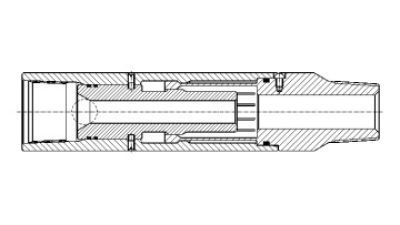
The operating principle is straightforward and effective. After a steel ball is dropped onto the release sleeve from the wellhead, tubing pressure is applied to generate the required force and shear the calibrated pins. The release sleeve then moves downward, retracting the locking finger in the bottom sub. This action separates the bottom sub and other connected components, allowing the perforating gun string to be released at the designated stage of the operation. The controlled mechanism supports consistent performance under demanding well conditions and helps minimize delays associated with mechanical release procedures.

Manufactured in China, our pressure gun release is engineered for durability, precise activation, and dependable downhole service. High-quality materials, accurate shear-pin design, and robust structural performance make it suitable for demanding oil and gas applications where release timing and equipment reliability are essential.

FAQS

What well conditions should be checked before selecting a perforating tool?

Review casing grade, cement quality, deviation, temperature, pressure, and fluid compatibility. Caliper logs can reveal restricted clearance. Cement logs may show gaps or washed-out intervals. Small details matter.

How should the perforating objective influence tool selection?

Define whether the goal is rapid cleanup, controlled inflow, stimulation access, or selective zone isolation. If the objective remains uncertain, preserve zone selectivity instead of maximizing shot count. More holes are not always better.

What shot density and phasing ranges are commonly evaluated?

Technical evaluations often examine four to twelve shots per foot, with phasing between 30 and 60 degrees. Higher density may increase entry opportunities but weaken the casing between perforations.

How do conveyance methods differ?

Wireline-conveyed systems suit accessible intervals and quick repositioning. Tubing-conveyed systems can provide better control in long or highly deviated sections. Casing-conveyed systems offer broad coverage but require recovery planning.

Which configuration details deserve close review?

Check gun outside diameter, pressure rating, shot density, phase angle, charge orientation, and gun clearance. Hollow-carrier designs generally control debris better. Compact capsule systems may simplify deployment. The “best” configuration can still fail if clearance is overestimated.

How should pressure and temperature limits be assessed?

Use actual pressure records and temperature data, not reservoir estimates alone. Select tools with a verified operating margin below their published maximum. A short exposure at 150°C differs from several hours of soaking.

Why are laboratory penetration results insufficient by themselves?

Laboratory tests provide useful comparisons, but downhole rock stress, pore pressure, debris, and standoff can change tunnel quality. Cement strength and casing grade also influence penetration. Charts can look precise. They are not field certainty.

What operational planning can reduce perforating problems?

Confirm current drift diameter, gun clearance, dogleg severity, conveyance force, and friction. Prepare contingencies for misruns, damaged components, incomplete depth correlation, and restricted tubing. Plans can fail.

What should be reviewed after the job?

Examine pressure behavior and production logs after perforating. Compare actual inflow, cleanup, and zone response with the original objective. Imperfect results may expose assumptions that seemed reasonable before firing.

Conclusion

Choosing the right Downhole Perforating tools begins with matching the equipment to the well’s specific conditions and the intended completion objectives. Engineers should evaluate formation characteristics, casing size, pressure, temperature, fluid environment, and the required perforation depth and distribution. These factors help determine whether a particular gun type, configuration, and deployment method can deliver consistent results while maintaining well integrity.

Charge design is equally important, as penetration, hole size, cleanup, and flow performance directly affect production or injection efficiency. Tool selection should also consider compatibility with conveyance systems, completion hardware, and available operational controls. Before deployment, teams should review mechanical limitations, pressure barriers, thermal exposure, conveyance risks, and contingency procedures. A well-planned selection process combines performance requirements with verified compatibility and disciplined safety practices, helping ensure reliable perforation outcomes under demanding downhole conditions.
Charlotte

Charlotte

Charlotte is a dedicated marketing professional at a leading manufacturer in the downhole perforating systems industry. With a profound expertise in shaped charges, perforating guns, and associated accessories for oil and gas completions, she plays a pivotal role in conveying the technical......
Previous 2026 Top Oil Perforator Types for Global Buyers?