You know, Downhole Perforating is pretty much essential when it comes to oil and gas extraction. It’s the key step that lets us tap into the hydrocarbons hidden inside the reservoir. Honestly, industry reports show that around 90% of wells need perforating if they want to produce effectively. Major players like Halliburton and Schlumberger stress how important it is to do perforating carefully — because, let’s face it, a well-done job means more yield and more profit.
So, what does perforating actually involve? Well, it’s about creating holes in the well’s casing to let fluids flow smoothly from the reservoir into the wellbore. With the latest advancements in Downhole Tools, this process has become more efficient than ever. But here’s the thing — picking the right method is crucial. A small mistake can really hurt production, sometimes costing companies millions.
Even with all the tech improvements, challenges aren’t fully gone. Precise placement and proper design of those perforations are absolutely critical. Studies show that if perforations are poorly placed, recovery rates can drop by as much as 30%. So, the role of Downhole Perforating is constantly evolving, and it really highlights the need for experienced professionals who know what they’re doing and can get it just right.
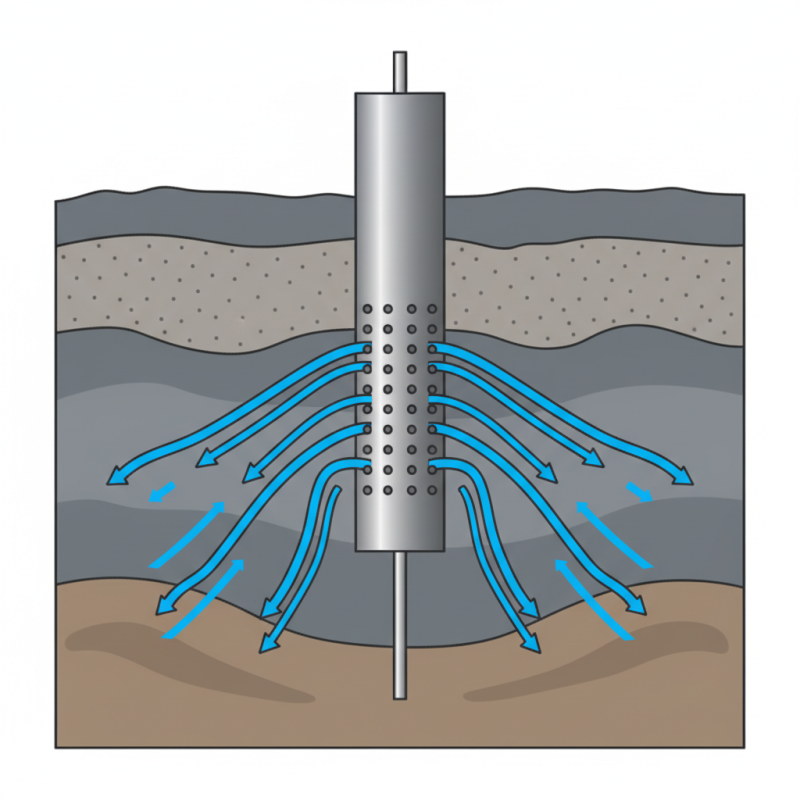
What is Downhole Perforating?
Downhole perforating is a crucial process in oil and gas extraction. It involves creating holes in the well casing and surrounding rock. This allows oil or gas to flow more freely into the wellbore. Typically, a perforating gun is deployed down the well. It shoots projectiles or shapes charges to pierce the casing. Once the holes are created, hydrocarbons can be extracted more efficiently.
It's essential to consider the type of rock and fluid involved. Variability in formations can affect how perforating works. A perforation might not always produce the expected results. We should be prepared for unpredicted challenges. Monitoring the well after perforating is critical to maximize production.
Tips: Always assess the well conditions before perforating. Understand the geological formations you will encounter. Collaboration with experienced engineers can yield better results. Regularly review data from previous perforation operations to refine techniques. Each well is unique, and learning from past experiences can lead to improvement.
What is Downhole Perforating and How Does it Work?
| Aspect |
Details |
| Definition |
Downhole perforating is a technique used in oil and gas production to create holes in the casing and formation, allowing hydrocarbons to flow into the wellbore. |
| Purpose |
To enhance the flow of oil and gas from the reservoir to the well. |
| Methods |
Common methods include explosive charges, shaped charges, and hydraulic perforating. |
| Equipment Used |
Wireline units, perforating guns, and control systems. |
| Safety Measures |
Safety protocols include controlling explosive use, monitoring pressure, and ensuring well integrity. |
| Importance |
Effective perforating is crucial for maximizing the efficiency of hydrocarbon extraction and reducing operational costs. |
The Importance of Downhole Perforating in Oil and Gas Extraction
Downhole perforating plays a critical role in oil and gas extraction. This process involves creating holes in the casing of a well to allow hydrocarbons to flow into the wellbore. In 2022, the global oil and gas perforating gun market was valued at over $2 billion, reflecting its essential contribution to efficient resource recovery.
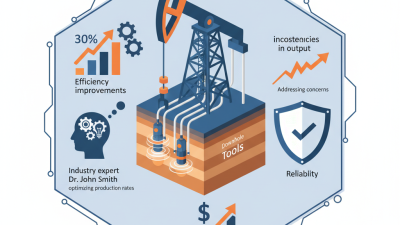
The method itself can significantly enhance production rates. Research indicates that effective perforation can increase oil flow by 30% to 50%. This improvement is vital for maximizing output from aging wells and optimizing recovery in challenging formations. Yet, the industry faces challenges in ensuring the reliability of tools used for perforating. Equipment failures can lead to costly delays and production losses. Additionally, the need for precise engineering in different geological environments complicates perforating operations.
Real-world applications highlight both successes and areas needing improvement. In certain regions, perforation techniques have struggled to adapt to evolving reservoir conditions. Adopting new technologies and methodologies remains essential to maintain competitiveness. As the industry evolves, prioritizing innovative approaches to downhole perforating is necessary for optimizing both efficiency and sustainability in oil and gas extraction.
Types of Downhole Perforating Techniques Used Today
Downhole perforating is a critical technique used in the oil and gas industry. It creates holes in the casing of a well to allow hydrocarbons to flow into the production section. Several methods are available today, each with unique advantages and challenges. Understanding these techniques is essential for optimizing reservoir production.
One prevalent method is gun perforating. It uses a perforating gun filled with explosive charges. When triggered, these charges create precise holes in the casing, allowing fluid to enter the wellbore. This method is widely favored due to its effectiveness. However, it can also cause issues like formation damage and requires careful planning to mitigate risks.
Acid fracturing is another technique gaining traction. This involves injecting acid into the formation to dissolve rock and create channels for fluid flow. It's less invasive than traditional perforating but has its drawbacks, such as environmental concerns and the need for meticulous monitoring. Each method has strengths and weaknesses, highlighting the importance of selecting the right technique based on specific field conditions and production goals.
Downhole Perforating Techniques Used Today
The Process of Downhole Perforating: Step-by-Step Breakdown
Downhole perforating is a critical process in the oil and gas industry. It involves creating holes in the wellbore casing to allow oil or gas to flow into the well. This process typically uses shaped charges that are detonated at specific depths. According to the Society of Petroleum Engineers, about 50% of production failures can be traced back to issues during perforation.
The process begins with the deployment of a perforating gun into the well. Once in position, the gun is activated, and the shaped charges are fired. This action creates openings in the casing and the rock formation. Studies indicate that optimal perforation techniques can increase well productivity by 20-30%. However, not all perforating jobs are executed perfectly. Misalignment or using incorrect charges can lead to reduced flow rates and higher costs.
After perforation, it's crucial to evaluate the results. Operators often conduct flow tests to assess the impact of the perforations. In some cases, perforated intervals may need re-evaluation due to unexpected blockage or formation changes. The reliability of this process relies on advanced technology and skilled personnel. Continuous training in downhole operations can help mitigate common pitfalls. Addressing these imperfections remains a priority in enhancing overall efficiency in oil extraction.
Tools and Equipment Used in Downhole Perforating
Downhole perforating plays a crucial role in oil and gas extraction. It involves creating holes in the casing of a well to allow hydrocarbons to flow into the wellbore. Various tools and equipment are essential for effective perforating. Each tool has a specific purpose, contributing to the overall process.
Perforating guns are central to this operation. They come in different designs, depending on the well’s depth and casing type. These guns utilize shaped charges to penetrate the casing and formation. Once activated, they create precise holes, ensuring maximum flow efficiency.
In addition to perforating guns, other tools include wireline or coil tubing units. These are used to deploy the perforating guns into the well. Proper deployment is vital for ensuring that perforations are made at the intended depth. An incorrect setup may lead to reduced production or damage to the wellbore. Effective planning and execution are essential for optimal results in downhole perforating operations.
Advantages and Disadvantages of Downhole Perforating Methods
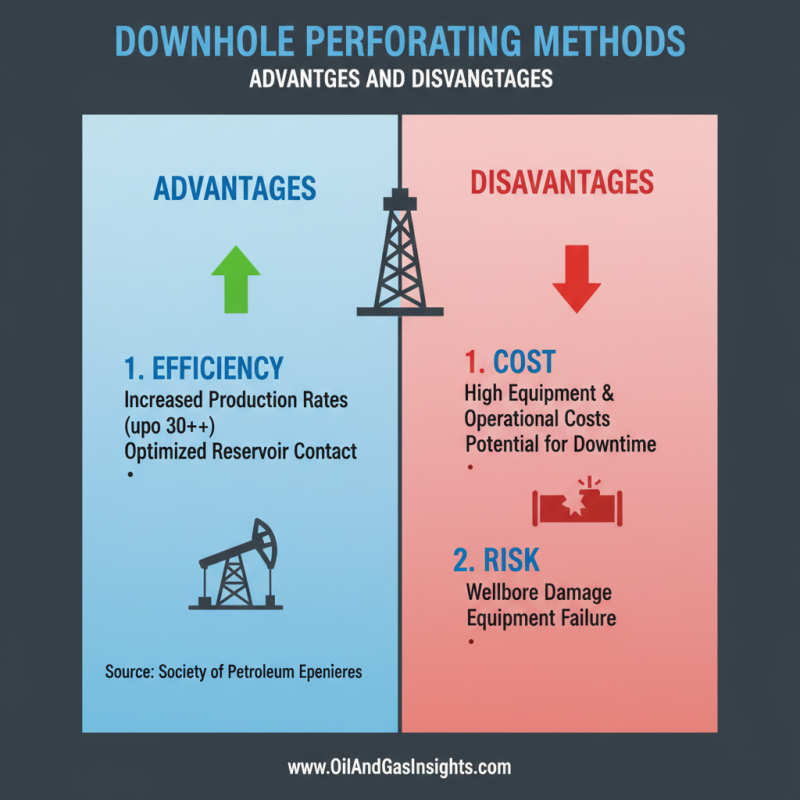
Downhole perforating plays a critical role in oil and gas extraction. Understanding its advantages and disadvantages can help operators make informed decisions. One major advantage is efficiency. According to the Society of Petroleum Engineers, precise perforating techniques can increase production rates significantly by optimizing reservoir contact. For instance, successful perforation can boost initial production by 30% or more, maximizing returns on investments.
However, downhole perforating has its drawbacks. One concern is the potential for formation damage. Improper techniques can lead to fines migration, which clogs pores and reduces flow capacity. Research indicates that nearly 20% of operators face challenges due to formation damage caused during perforation, leading to decreased efficiency. Additionally, the costs associated with advanced perforating technologies can be substantial. Operators must weigh these costs against potential output gains.
Moreover, not all perforation methods yield the same results. Some techniques may work well in certain formations but fail in others. This variability complicates decision-making. Each well has unique challenges, and operators must continuously evaluate their methods to optimize performance. As the industry evolves, more research is required to address these issues effectively.
Safety Considerations in Downhole Perforating Operations
Downhole perforating is essential in oil and gas extraction. However, safety considerations play a crucial role in its execution. Workers must assess the risks involved with high-pressure environments. Proper training is paramount for all personnel. Familiarity with equipment and emergency procedures can save lives.
The use of perforating guns poses specific hazards. These devices can explode if mishandled. It is vital that staff wear appropriate protective gear. Regular inspections of equipment are also necessary. Failure to do so can lead to serious incidents. Safety measures must be a part of daily operations.
The worksite should have clear safety protocols. Signage and training sessions should reinforce these guidelines. Teams must communicate openly about potential dangers. A culture of safety can prevent accidents in the field. It's essential to reflect on past incidents to improve practices.
Optimizing Oil and Gas Well Performance with Constant Plane Perforating Systems: A Comprehensive Guide for Industry Stakeholders
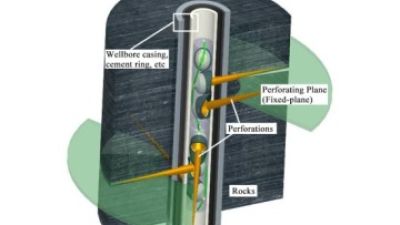
In the dynamic landscape of oil and gas extraction, optimizing well performance is paramount for maximizing productivity and ensuring sustainable operations. The integration of advanced technologies, such as the Constant Plane Perforating System, stands out as a vital advancement for industry stakeholders aiming to enhance well efficiency. This innovative system employs clustered shaped charges with adjustable jet direction, enabling the formation of multiple perforations in the casing wall, which is critical in facilitating effective hydraulic fracturing.
The strategic design of the Constant Plane Perforating System not only helps in redistributing stress but also plays a crucial role in initiating fractures within the reservoir. According to industry studies, wells utilizing advanced perforating techniques, such as the Constant Plane system, have reported productivity increases of up to 30% compared to traditional methods. This performance enhancement is attributed to its ability to enlarge the drainage area and improve reservoir stimulation, thereby maximizing hydrocarbon recovery.
Moreover, the efficiency of this system is evident in the reduction of operational costs and the optimization of resource allocation. By enabling operators to achieve optimal performance, the Constant Plane Perforating System supports the continual progression towards achieving higher extraction rates and more sustainable production practices in the oil and gas sector. The adoption of such cutting-edge technology underscores the importance of innovation in enhancing well performance and meeting the growing energy demands.
FAQS
: It is the process of creating holes in the well casing to improve oil and gas flow.
Typically, a perforating gun is lowered into the well to shoot projectiles or explosive charges.
Post-perforating monitoring helps maximize production and identify any unexpected challenges.
The type of rock and fluid can vary greatly, impacting the perforating effectiveness.
Gun perforating uses explosive charges to create precise holes in the well casing for fluid entry.
Acid fracturing involves injecting acid to dissolve rock, creating channels for fluid flow, and is less invasive.
Perforating guns, wireline units, and coil tubing units are crucial for effective operation.
Careful planning is vital to avoid formation damage and ensure proper perforation depth.
Yes, not all perforations meet expectations, highlighting the need for adaptability.
Regularly reviewing previous operations helps refine techniques for unique well conditions.
Conclusion
Downhole perforating is a crucial technique in oil and gas extraction, allowing for the creation of pathways that facilitate the flow of hydrocarbons from the reservoir into the wellbore. This process involves methods such as wireline and tubing-conveyed perforating, each chosen based on specific operational needs. Understanding the step-by-step procedure, along with the specialized tools and equipment used, is essential for effective execution.
While downhole perforating offers significant advantages, such as enhanced production rates, it also comes with disadvantages, including potential damage to the reservoir and safety risks during operations. Therefore, careful consideration of safety protocols and operational best practices is vital to ensure the success of downhole perforating activities while minimizing risks.

 +86-15829394411
 Contact Phone
 Contact Email