Keeping pipes in good shape is a big deal in the oil and gas world. One important tool folks often use is the Tubing Punch. These specialized tools are pretty handy—they help operators clear blockages and get the flow going smoothly again. Honestly, using a Tubing Punch can make a real difference in how efficiently things run, so it’s definitely a key part of maintenance.
But here’s the thing: mastering the technique and having the right tools on hand is super important. Operators need to really get the hang of applying pressure just right and knowing how deep to go. Missed small details here and there — like a tiny miscalculation — can end up costing a lot later on. It’s really worth taking a moment to think about these little challenges, so maintenance gets better and smoother.
Spending time to learn the ins and outs of using a Tubing Punch pays off. With some hands-on practice, operators can pick up the skills they need to keep pipes in tip-top shape. Creating solid best-practice routines isn’t just about keeping things running reliably — it also boosts overall productivity and saves time and money in the long run.
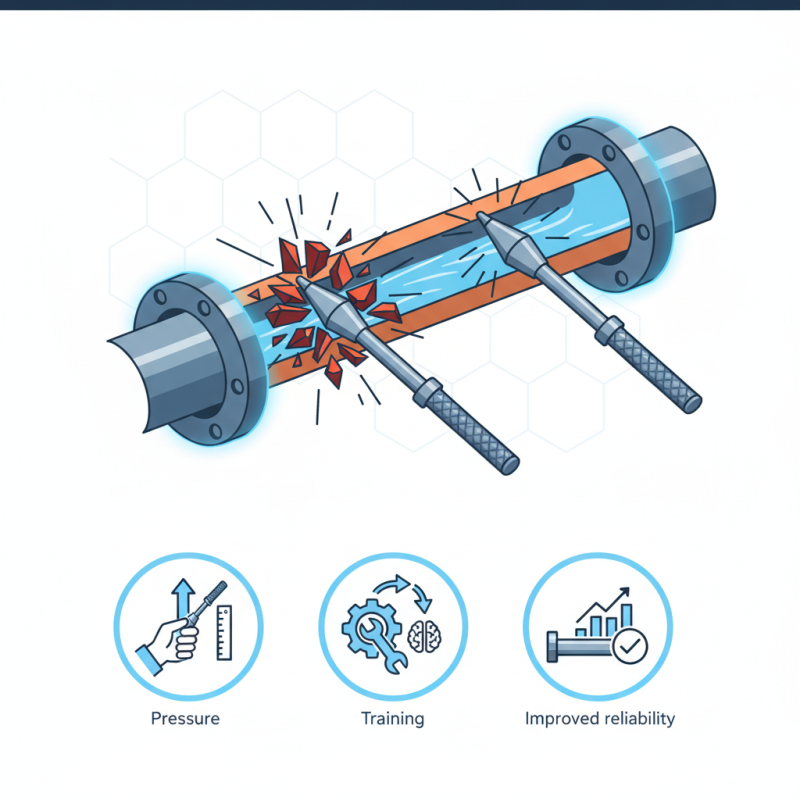
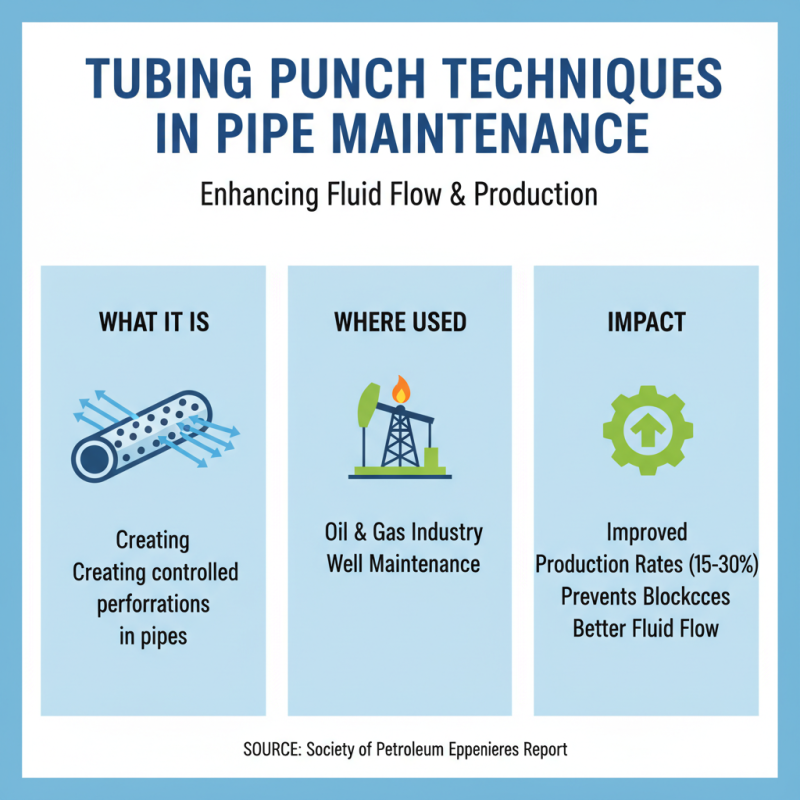
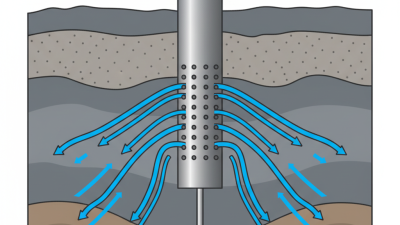
Understanding tubing punch techniques is crucial for effective pipe maintenance. These techniques are widely used in the oil and gas industry to enhance production rates. According to a report by the Society of Petroleum Engineers, tubing punch applications can improve well performance by 15-30%. This process involves creating controlled perforations to allow better fluid flow and prevent blockages.
Preventive measures are essential. Use proper tubing punch equipment to avoid unintended damage. Keeping a detailed log of previous interventions is vital. This documentation helps identify trends and recurring issues. Regular inspections can also reveal early signs of wear and tear, allowing timely interventions.
Another tip is to train personnel on the latest tubing punch techniques. A skilled technician can minimize human error. As seen in recent industry surveys, investment in training leads to a 40% reduction in maintenance-related downtime. Remember, ongoing evaluation and adaptation of methods are key to effective pipe maintenance.
Effective tubing punch methods provide multiple advantages for pipe maintenance. One of the key benefits is improved flow efficiency. Studies indicate that proper punch techniques can enhance production rates by up to 15%. This uplift results from minimizing blockages and restrictions within the tubing. When using Coil Tubing, the precision of punch techniques becomes even more crucial. Accurate punches ensure that the integrity of the tubing is maintained, reducing the risk of leaks or failures.
Another major advantage is cost-effectiveness. Regular maintenance using effective punch techniques can lower operational costs. Reports show that companies that implement systematic tubing punch processes report a decrease in unexpected downtime by 30%. Not only does this lead to savings, but it also boosts overall productivity. However, there are challenges. Inexperienced personnel may overlook crucial steps during the punch process. This oversight could potentially lead to more severe issues, creating a cycle of recurring maintenance.
Moreover, effective tubing punch methods can also extend the life of the tubing system. Better maintenance leads to fewer repairs and replacements, significantly impacting long-term financial planning. However, organizations must continually invest in training their teams. Without ongoing education, the benefits can quickly diminish. The effectiveness of these methods relies heavily on how well the staff can execute best practices in real-world applications.
| Technique | Key Benefits | Application | Effectiveness Rating |
|---|---|---|---|
| Rotary Punching | High accuracy, minimal material loss | Tubing preparation and maintenance | 9/10 |
| Mechanical Punching | Increased throughput, durable results | Heavy-duty operations | 8/10 |
| Hydraulic Punching | Time-efficient, versatile for various sizes | Field operations | 9.5/10 |
| CNC Punching | High precision, repeatability | Automated production | 10/10 |
| Laser Punching | Clean edges, minimal heat impact | Complex designs | 9/10 |
When discussing tubing punch operations, the right tools can make or break your effectiveness. Essential tools include portable punch machines, manual tubing punches, and hole saw kits. Each tool serves a specific purpose, tailored to different materials and pipe sizes. Selecting the appropriate tool maximizes efficiency and reduces the risk of damage during the process.
Tips: Always inspect your tools before starting. A well-maintained punch can save you time and frustration. Use lubricants to enhance the performance of your tools. With proper attention, you can ensure longevity.
While Tubing Perforating techniques evolve, basic principles remain consistent. Understand the type of material you're working with. Each material may require different punch settings or techniques. It's crucial to adapt and experiment for optimal results. Remember, practice is key; refining your technique can lead to better outcomes and improved workflows.
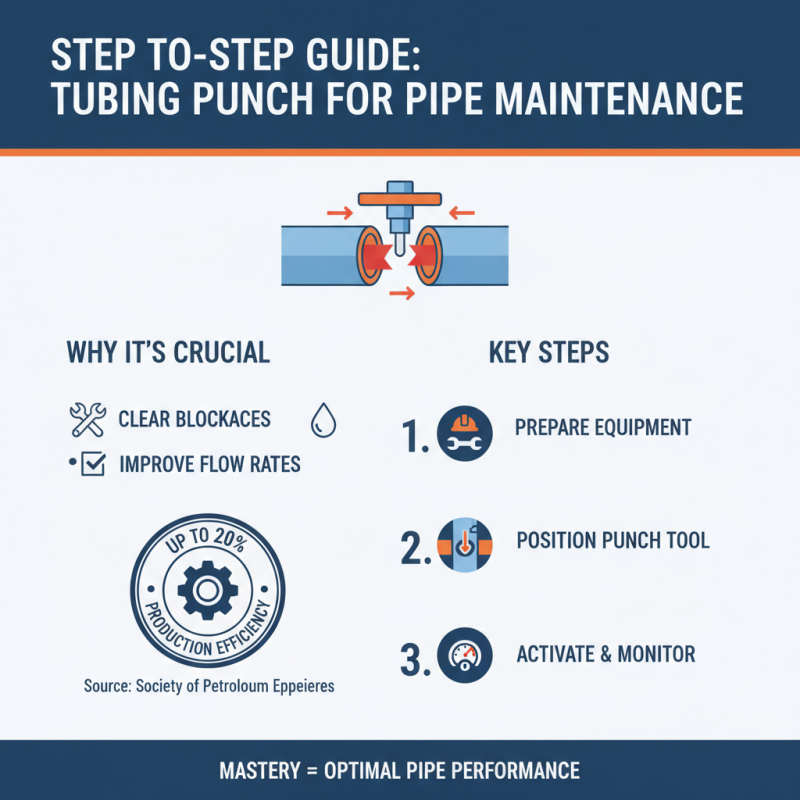
Performing a tubing punch is crucial for effective pipe maintenance. This technique allows operators to clear blockages and improve flow rates. According to a report from the Society of Petroleum Engineers, effective tubing maintenance can increase production efficiency by up to 20%. This highlights the importance of mastering the tubing punch.
To start, gather the required tools: a tubing punch tool, safety gear, and a clean workspace. Wear protective gloves and goggles. Safety must always be a priority. Next, ensure the tubing is clear of pressure. Confirm that all valves are closed to avoid accidents. Insert the tubing punch tool carefully into the pipe. A precise insertion can prevent damage to the tubing.
Puncturing the tubing requires steady pressure. Uneven force may lead to incomplete punches or equipment failure. After you complete the punch, remove the tool and inspect the tubing for debris. A thorough inspection can identify additional issues needing attention. Maintenance records should be kept for each tubing punch performed. This data can help track performance improvements and identify patterns over time.
Tubing punch techniques play a critical role in maintaining pipe integrity. However, several challenges can hinder effectiveness. One common issue is misalignment during the punching process. Misalignment can lead to uneven surfaces and weak points in the pipe. This issue often arises from improper setup or wear and tear on equipment. Regular maintenance of punching tools is essential. A well-calibrated machine can prevent costly errors.
Another prevalent challenge is the buildup of debris in the tubing. Blockages can obstruct flow and increase pressure on the pipes. To combat this, implementing a routine cleaning schedule is vital. Using brushes or specialized cleaning tools ensures that debris doesn’t accumulate. Regular inspections should also be part of your regimen. They can help identify potential problems before they become severe.
Environmental factors, such as extreme temperatures or humidity, can also impact tubing punch performance. These conditions can affect the material properties of pipes, leading to unexpected challenges. Keeping detailed records of environmental conditions can help track patterns and make informed adjustments to techniques. A proactive approach to tubing punch can significantly enhance maintenance efforts.
Maintaining tubing punch equipment requires a clear understanding of best practices. Regular inspections are crucial. Check for signs of wear and tear. This ensures that any potential issues can be addressed before they escalate. Proper lubrication is essential. It reduces friction and extends the life of the equipment. Use the recommended lubricants for optimal performance.
Training for the operators cannot be overlooked. Skilled operators are necessary for effective operation. They should understand the equipment and its complexities. Regular training sessions can help keep their skills sharp. Mistakes can lead to costly downtime or even accidents.
Documentation plays a vital role in maintenance routines. Keep detailed logs of all inspections and maintenance work. This helps identify patterns and areas needing attention. A reflective approach is important. Encourage your team to share insights about challenges faced during operations. Learning from these experiences can improve future practices.
Tubing punch techniques have proven pivotal in enhancing pipe maintenance and ensuring operational efficiency in various industries. In a recent study, over 70% of companies reported improved flow rates after employing these techniques. Successful applications highlight the importance of precision in execution. For instance, one case documented a significant reduction in downtime, where operators achieved a 30% decrease by using tubing punches effectively. This method minimizes the risks of traditional maintenance practices.
Data from industry reports suggests that improper maintenance leads to costly failures. In one case, a manufacturing company experienced a 50% loss in productivity due to severe blockages caused by neglect. Following the introduction of tubing punch techniques, they reported fewer incidents of similar failures. This transition not only saved operational costs but also enhanced overall safety.
However, challenges remain. Not all tubing punch approaches yield consistent results, and improper alignment can lead to complications. Operators sometimes face difficulties in identifying the initial cause of failure. Continuous training and adaptation of techniques are necessary. Reflecting on past experiences, companies must share knowledge to overcome these hurdles.
In the oil and gas industry, wellbore efficiency is paramount for maximizing production and minimizing operational costs. The introduction of the TTG Capsule Shaped Charge marks a significant advancement in through tubing gun operations, providing a solution that addresses the unique challenges of smaller diameter wells and older well redevelopment projects. Its innovative compact and lightweight design allows for straightforward deployment via wireline, facilitating efficient operations while ensuring reliable performance downhole.
Industry reports suggest that the demand for enhanced perforation techniques has risen, particularly in the context of mature fields, which account for nearly 75% of global oil production. The TTG Capsule Shaped Charge excels in this environment by delivering perforating results that rival those of traditional guns, thus optimizing recovery and reducing time and costs associated with intervention. Furthermore, the single sealing structure minimizes the risks of failures, ensuring operational reliability, which is crucial in complex engineering scenarios where every minute of downtime translates to substantial financial loss.
With the advent of advanced technologies like the TTG Capsule Shaped Charge, operators can efficiently tackle the challenges faced in aging reservoirs and narrow boreholes. As the industry continues to evolve, such innovations will play a pivotal role in enhancing wellbore efficiency, ultimately leading to improved production outcomes and sustainable resource management.
: Effective tubing punch methods improve flow efficiency and may enhance production rates by up to 15%.
Proper punch techniques can lower operational costs and reduce unexpected downtime by 30%.
Essential tools include portable punch machines, manual tubing punches, and hole saw kits.
Selecting the right tools maximizes efficiency and reduces the risk of damage during the process.
Improper maintenance may cause severe blockages, potentially leading to a 50% loss in productivity.
Challenges include inconsistent results and complications from improper alignment during the punch process.
Continuous training ensures that staff can execute best practices, maintaining the effectiveness of punch methods.
Precision execution is crucial for minimizing risks and achieving desired outcomes with tubing punch techniques.
Always inspect tools before use to ensure they are well-maintained for optimal performance.
The techniques will evolve, but understanding material types and refining approaches will remain vital for success.
The article "Top Tubing Punch Techniques for Effective Pipe Maintenance" explores essential strategies and tools for utilizing Tubing Punch methods in maintaining piping systems. It begins with an overview of Tubing Punch techniques, emphasizing their significance in ensuring optimal pipe functionality. The benefits of effective Tubing Punch methods, including improved efficiency and longevity of pipes, are highlighted.
Moreover, the article outlines the necessary tools and provides a step-by-step guide for executing effective Tubing Punch operations. It addresses common challenges faced during the Tubing Punch process and offers practical solutions to overcome them. Best practices for maintaining Tubing Punch equipment are also shared, ensuring that personnel can achieve consistent results. Lastly, the article presents case studies that showcase successful applications of Tubing Punch techniques, reinforcing their importance in the field of pipe maintenance.