+86-15829394411
Leave Your Message
-
Contact WhatsApp
-
 Contact Phone
-
 Contact Email
When you're in the market for an Electrical Detonator, remember—it’s not just about making a purchase. It’s a serious responsibility involving safety, compliance, and managing your suppliers. Buyers around the world really need to dig into the entire supply chain—checking credentials of the manufacturer, examining product paperwork, quality control measures, packaging details, and after-sales support. Honestly, the safest choice isn’t just about the lowest price; there’s more to consider.
Dr. Robert L. McIntosh, who’s an explosives safety pro, once said, “Reliable safety starts with verified info, well-trained staff, and keeping good records.” That’s a rule of thumb that everyone should keep in mind. Before placing an order or moving goods, buyers should double-check that each Electrical Detonator comes from an authorized manufacturer and that traceability info, like batch numbers, is clear and easy to verify. Also, it's super important to review local regulations—what’s okay in one country might not cut it in another.
Pay attention to the little stuff. A torn label, a serial number that’s hard to read, or missing certifications—those things matter. Same goes for a supplier who dodges your questions. Don’t be shy—ask for independent proof of quality, current safety info, and clear accountability throughout the process. And definitely steer clear of relying on casual messages, sketchy marketplace listings, or unofficial sources.
This guide is all about following the law and managing risks responsibly when it comes to industrial procurement. It’s not a substitute for advice from licensed safety experts, customs, or regulatory officials. And let’s be honest—sometimes even those experienced teams slip up. Maybe they overlook a handover detail or assume that their usual procedures are still spot on. But assumptions can be dangerous. That’s why thorough verification, written communication, and cautious decision-making are key— protecting workers, communities, and legitimate operations around the globe.
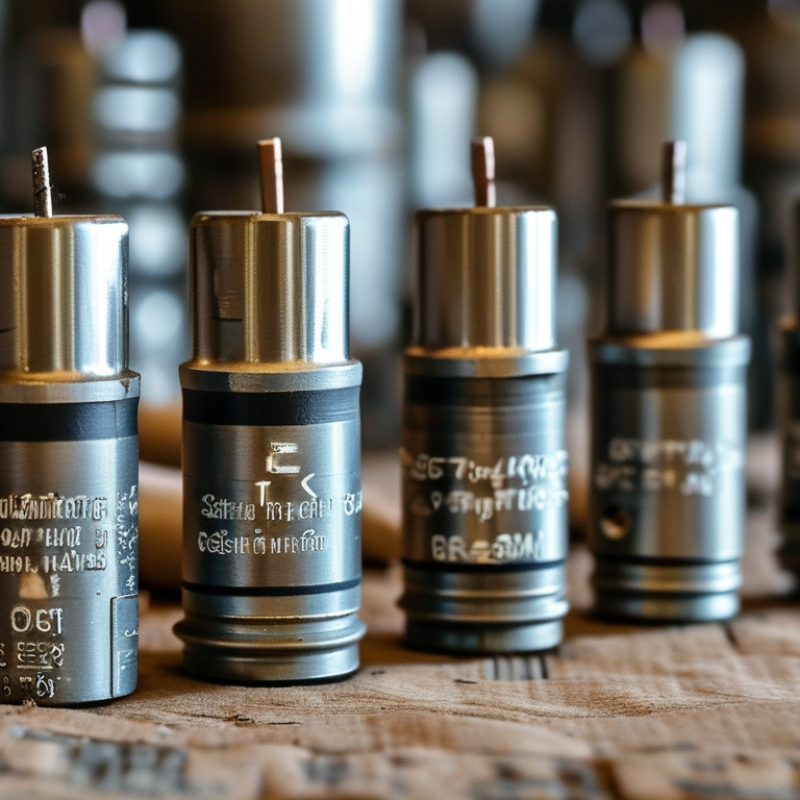
Electrical Detonator Safety Tips for Global Buyers
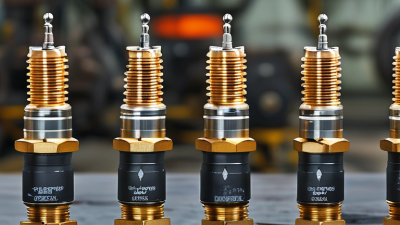
Understanding classification is essential before any purchase or shipment. Electrical detonators are regulated initiating devices, not ordinary electrical components. Their classification may depend on sensitivity, delay category, intended industry, and approved operating environment. Requirements also differ between countries, ports, and end users. Buyers should verify current regulations with licensed authorities and qualified safety professionals.
Intended use must match the approved technical documentation. A certified specialist should review compatibility, storage conditions, inspection records, and transport paperwork before acceptance. Never rely on appearance alone. A damaged Electrical Cable Head, exposed wire, or unclear label requires isolation and professional assessment. Keep all units in their original approved packaging, away from heat, moisture, impact, and unauthorized access. Do not test, modify, connect, or dismantle them without formal authorization and manufacturer-approved procedures. Small details matter.
Field inspections often find incomplete records. That is avoidable. Still, even experienced teams can miss a damaged seal or outdated certificate. This is where independent review becomes valuable. Buyers should request traceable documentation, confirmation of intended use, and evidence of lawful supply. Any unclear classification should pause the transaction, not invite guesswork. Safety decisions deserve patience.
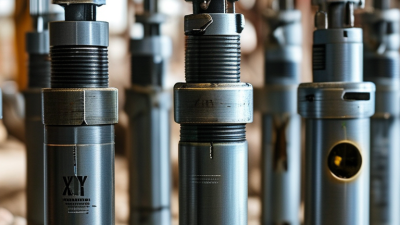
Percussion detonators are compact initiation components used in Tubing Conveyed Perforating (TCP) to start the ballistic sequence that transfers energy to detonating cord and shaped charges. Their sealed construction contains abrasive grit and a primary high explosive, while activation occurs only when a firing pin delivers sufficient impact. This design supports compatibility with mechanical drop-bar, pressure-actuated, and differential firing heads, but it also demands strict control of mechanical tolerances, pressure conditions, material compatibility, and environmental exposure. API RP 67 emphasizes engineered barriers, controlled handling, positive identification, and formal authorization when oilfield explosives are transported, stored, assembled, or deployed.
Operational safety should be based on documented procedures, competency verification, pre-job risk assessment, and independent confirmation of firing-head configuration. Inspection records should address container integrity, contamination, corrosion, shelf-life status, and any evidence of impact or unauthorized handling. The IOGP Safety Performance Indicators reporting framework shows why high-consequence energy-control tasks require leading indicators—such as training completion, equipment verification, and barrier checks—in addition to injury statistics. Accordingly, TCP planning should include secure logistics, segregation from incompatible materials, controlled access, communication protocols, and emergency response arrangements consistent with applicable dangerous-goods requirements and local authority rules. These measures help preserve reliable initiation performance while reducing the likelihood of unintended activation during transport, installation, pressure testing, or retrieval.
: Classification affects sensitivity, delay category, intended industry, storage, transport, and approved operating environments. Never guess. Requirements vary by country, port, and end user.
Confirm local licensing, import permissions, transport rules, storage duties, and authorized-user restrictions. Use licensed authorities and qualified safety professionals. Written verification is essential.
Request registration details, operating permits, insurance evidence, and recent audit records. Verify them through official databases when available. A polished certificate proves little by itself.
The label, certificate, invoice, packing record, and manufacturing lot should identify the same product. Check issue dates, signatories, revision numbers, and intended industrial use. Small mismatches matter.
Isolate the item and prevent unauthorized access. Do not test, connect, modify, move, or dismantle it. Contact qualified safety personnel for assessment.
Keep them in original approved packaging, away from heat, moisture, impact, and unauthorized access. Maintain accurate inventory records. Physical counts should match shipment documents.
Include evacuation routes, a fixed muster point, medical support, emergency contacts, and damage-reporting procedures. Keep contacts beside the site telephone. Do not improvise.
Records should identify attendees, training dates, covered topics, and competency checks. Include electrical hazards, inventory control, communication, protective equipment, and incident reporting. Review records after staff changes or near misses.
Independent review can identify outdated certificates, unclear classifications, damaged seals, or incomplete records. Even experienced teams miss details. That possibility deserves another check.
This guide presents a compliance-focused approach to purchasing and managing Electrical Detonator products for legitimate, authorized industrial applications. It explains why buyers should first confirm the product classification, intended use, technical specifications, and compatibility with approved systems. It also highlights the importance of verifying supplier credentials, quality standards, certifications, inspection records, and complete documentation before placing an order.
The article further addresses secure packaging, accurate labeling, batch traceability, and careful review of international shipping, import, and export requirements. Buyers should establish controlled storage areas, restricted access, documented handling procedures, and clear accountability throughout the supply chain. Finally, effective emergency response plans, staff training records, periodic compliance audits, and accurate inventory controls are essential for reducing risk and demonstrating responsible management. All activities should be conducted only by authorized personnel and in accordance with applicable laws, regulations, and professional safety standards.