Leave Your Message
0%

When it comes to global sourcing, making a compliant purchase isn’t always as straightforward as it sounds. Take Explosive Charges for example — sure, they’re used for legit industrial stuff, but buyers need to double-check that every single transaction is properly authorized, documented, and handled by people who truly know what they’re doing. The rules can vary a lot from country to country and even change over time. So, just trusting a supplier’s word isn’t enough; you gotta dig a little deeper.

And let’s not forget about the whole logistics side of things — it’s a real headache sometimes. According to UNCTAD’s Review of Maritime Transport 2024, maritime trade jumped by 2.4% in 2023 and is expected to grow another 2.7% in 2024. Now, this doesn’t specifically track shipments of explosive materials — which, yeah, is a whole other story — but it paints a pretty clear picture of the complex web of moving parts involved in international supply chains. Missing a document or a small detail can cause pretty big delays. Little gaps really do matter.

To help out, this guide walks you through seven practical compliance checks for international buyers — stuff like screening suppliers, making sure product classifications are spot-on, keeping thorough records, and starting to review destination country rules early on. The UN’s Recommendations on the Transport of Dangerous Goods are a solid international reference, but you also have to keep in mind that each country has its own specific rules. The OECD’s Due Diligence Guidance for Responsible Business Conduct is another handy resource to spot and manage supply chain risks — but remember, neither of these tools replaces getting good legal advice tailored to the local laws.

Having strong controls definitely helps cut down on avoidable risks, but it’s not a magic fix. Even the best systems can miss something. That’s why it’s so important for buyers to check with qualified compliance experts and relevant authorities before finalizing any purchase or shipment. It’s worth taking that extra moment to review the details — better safe than sorry, right?

7 Explosive Charges Compliance Tips for Global Buyers

Define the Explosive Charge and Its Intended Use

An explosive charge is an engineered assembly intended to release energy rapidly for a defined industrial task. The term alone does not explain its composition, hazard level, or required controls. Intended use provides that context: it identifies the project, operating environment, and expected function. Permitted applications may include certain quarrying or demolition work, but each requires qualified oversight. No guesswork.

For buyers, describe the use precisely in procurement records. “For construction” is too vague. State the project type, site conditions, and responsible technical contact, then request matching product documentation and hazard classification. Confirm that the supplier’s specifications align with the intended task and that the shipment, storage, and handling arrangements meet applicable requirements in every relevant jurisdiction. Rules vary by location and product category, so consult qualified compliance and safety professionals before purchase. In practice, paperwork can still be ambiguous; a familiar product label is not a substitute for checking the underlying documents. If a supplier cannot clearly explain intended-use limits or provide consistent records, pause the transaction and seek independent review.

Explosive Charges: Understanding UN Hazard Divisions

An explosive charge is a quantity of explosive material assembled for a defined function, such as blasting, propulsion, or a pyrotechnic effect. Its intended use does not determine its transport classification: classification depends on the item’s tested hazards and applicable regulations.

The bars show whether a mass explosion hazard is specified in the UN division definition (yes = 1; no = 0), not the risk of a particular product. Divisions 1.1 and 1.5 include a mass explosion hazard; the other divisions do not. Actual classification must be established under the applicable testing and regulatory requirements.

Classify the Product Under Applicable Hazard Regulations

A product’s sales name is not a hazard classification. For global purchasing, assess its actual composition, intended function, physical form, and packaging against the rules that apply in each destination and transport mode. A label or invoice description alone is not enough.

Request a current safety data sheet and technical documentation from the supplier. Check whether the item is treated as a substance or an article, and whether its transport classification differs from its workplace classification. UN Model Regulations provide a common reference for dangerous-goods transport, but countries implement requirements differently. Sea, air, and road shipments may also have distinct rules. Small details matter.

Keep records. Ask a qualified dangerous-goods professional or competent authority to review uncertain classifications before shipment. The documentation should match across purchase orders, declarations, labels, and shipping papers. If supplier data is incomplete, pause the transaction and request clarification rather than guessing. This can feel slow. A tidy spreadsheet will not settle every borderline case, and I would not treat an old classification as proof that a new shipment is compliant. Recheck when composition, packaging, route, or destination changes.

7 Explosive Charges Compliance Tips for Global Buyers - Classify the Product Under Applicable Hazard Regulations
# Compliance Check Information to Verify Relevant Framework or Reference Buyer Action
1 Confirm whether the product is regulated as an explosive Determine whether the item is an explosive substance or an article containing explosive material. Do not rely on a commercial description alone. UN Model Regulations on the Transport of Dangerous Goods; applicable national explosives and dangerous-goods rules Request the manufacturer’s technical documentation and have the classification confirmed by the competent authority where required.
2 Obtain the complete transport classification Verify the UN number, proper shipping name, Class 1 division, and compatibility group. These depend on the specific product and its approved classification. UN Model Regulations; the relevant modal rules, such as ADR, IMDG Code, or ICAO Technical Instructions Match the classification on shipping documents to the product’s current approval and packaging configuration.
3 Check the Class 1 division and compatibility group Class 1 divisions range from 1.1 to 1.6 and describe different hazard types. Compatibility groups identify permitted segregation and compatibility conditions. UN Model Regulations, Class 1 classification system Do not infer a division or compatibility group from the product name. Confirm the exact assigned code before booking transport.
4 Verify classification evidence and approvals Confirm that required explosive classification testing, competent-authority decisions, and approvals apply to the exact product and configuration. UN Manual of Tests and Criteria; national competent-authority requirements Request applicable approval references and supporting documents. Check that they are valid for the destination and transport route.
5 Check packaging and marking requirements Packaging instructions, package performance requirements, marks, labels, and quantity limits can vary with the assigned classification and transport mode. ADR/RID for road and rail in applicable regions; IMDG Code for sea; ICAO Technical Instructions and applicable air-carrier rules Have a qualified dangerous-goods professional verify the packaging and marks for every shipment mode; air transport may be prohibited or restricted.
6 Review route, mode, and national restrictions Transit states, ports, carriers, and importing countries may impose additional permits, restrictions, security measures, or acceptance conditions. Applicable national laws and modal regulations, including ADR, IMDG Code, and ICAO Technical Instructions Confirm acceptance with each carrier and obtain required import, transit, and handling authorizations before dispatch.
7 Keep documentation consistent and current Descriptions and classification details should agree across the safety data sheet where applicable, dangerous-goods declaration, transport documents, permits, and package marks. Applicable dangerous-goods documentation rules and national recordkeeping requirements Use the approved classification consistently, retain shipment records, and recheck requirements after any product or packaging change.

Map Export, Import, and End-Use Rules Across Jurisdictions

Global compliance starts with classification, not a product label. A term such as “Deep Penetration Charges” may be treated differently across jurisdictions. Obtain a formal classification from qualified trade counsel or the relevant authority before quoting, shipping, or arranging transit. Rules can depend on technical specifications, destination, parties, and intended use. A familiar code is not a universal approval.

Tip: Map every border in the route. Check export controls in the shipping country, import permissions at destination, and transit or re-export rules. Screen the buyer, end user, intermediaries, and stated use against applicable restrictions. Ask for clear, consistent documentation. If details conflict, pause the transaction and seek guidance.

Keep dated records of classifications, licenses, screening, and customer statements. Recheck them when the route, ownership, or end use changes; old approvals may no longer fit. Local experts can identify requirements that a central checklist misses. Even careful teams can overlook context. That is worth reviewing. Don’t rely on a buyer’s assurance alone, and never treat a license in one jurisdiction as permission everywhere.

Verify Supplier Licenses and Buyer Authorization

Before discussing price or delivery, verify that both supplier and buyer are authorized for the proposed transaction. Request the supplier’s current license, issuing authority, permitted scope, and expiry date. Confirm these details directly with the issuing authority, where possible. Match the licensed legal entity and site against the contract and shipping documents. A neat file can still hide a stale date. That check is easy to miss.

Buyer authorization needs equal care. Confirm the purchasing entity, named signatories, and documented end-use approval through your compliance team. Do not treat a forwarded PDF or an email signature as proof by itself. For any Explosive Material order, pause when names, quantities, destinations, or license scopes do not align. Record who checked each document and when; keep the decision trail accessible to the people responsible for release.

The World Bank’s 2023 Logistics Performance Index assessed 139 economies across six dimensions, including customs and tracking. That global variation makes consistent document checks especially important. Use a dated checklist, verify records before shipment, and consult qualified trade-compliance counsel when requirements are unclear. Even experienced teams can miss a mismatch under deadline pressure. A second review is worth the time.

Confirm Transport Documents and Approved Carriers

For shipments involving Explosive Perforating equipment, transport documents must match the actual goods and packaging. Check the declared description, hazard classification, package count, and emergency contact details against the shipment record. A small mismatch can delay acceptance or create confusion during an incident. Paperwork can look complete. It can still be wrong.

Confirm that the carrier is approved and qualified for the relevant shipment type and route. Ask for current authorization evidence, handling procedures, and confirmation that the planned vehicle and personnel meet applicable requirements. Keep copies of approvals and written booking confirmations with the shipping file. Requirements may differ between jurisdictions, so verify them with competent authorities or a qualified dangerous-goods specialist before dispatch.

Review the final documents beside the sealed packages, not only on a screen. Check labels, package identifiers, and quantities against the transport declaration. If a document is unclear, outdated, or inconsistent, pause the handover and request correction. This extra check may feel repetitive, especially under deadline pressure. It is still worth doing.

I would not rely on an old shipment template without confirming that its details remain valid.

Check Storage, Traceability, and Recordkeeping Requirements

For buyers dealing with High Energy Explosive materials, storage checks should begin with the supplier’s current approvals and the receiving site’s authorization. Requirements differ by jurisdiction, so confirm them with qualified local compliance and safety professionals before shipment. Keep materials only at approved facilities, with access limited to designated personnel. Verify that the site’s inspection logs, inventory checks, and emergency contacts are current. Small gaps matter.

Traceability should connect each shipment to its purchase approval, supplier documentation, transport records, receipt confirmation, and final authorized use or transfer. Record dates, quantities, batch or lot identifiers, and responsible personnel in a controlled system. Reconcile records against physical inventory at a defined interval, and investigate discrepancies promptly. A spreadsheet may seem sufficient, but unclear edits and duplicate entries can weaken the audit trail.

Set a retention schedule based on applicable requirements, and protect records from unauthorized changes or loss. Keep a backup, document corrections, and preserve the reason for each adjustment. Staff should know who reviews records and how concerns are escalated. Requirements can change, and even a careful process may miss a detail; periodic independent review helps reveal what routine checks overlook.

Firing Head Systems for Oilfield Operations: Safety, Compatibility, and Supplier Selection

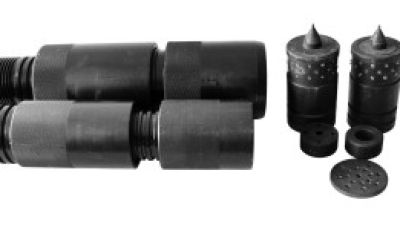
Firing head systems play an important role in oilfield perforating operations, where dependable performance and careful equipment selection matter. Designed for use with shaped-charge assemblies conveyed by tubing, drill pipe, coiled tubing, or slickline, a compatible firing head can support efficient operation across different well configurations. Selection should account for the conveyance method, operating environment, connection requirements, and the specifications of the complete downhole assembly. Reviewing these factors before deployment helps teams identify suitable equipment and reduce compatibility concerns.

Safety should remain central throughout product evaluation and field use. Look for firing heads manufactured under consistent quality controls, supported by clear technical documentation, and supplied by a manufacturer with dependable production and inspection processes. As a factory in China, we provide expertly engineered firing heads made by reliable suppliers, with a focus on precision, durability, and dependable performance for varied oilfield applications. Our products are designed to meet industry demands while supporting responsible equipment selection and established site procedures.

FAQS

Why isn’t a product’s sales name enough to classify it?

Classification depends on composition, intended use, physical form, packaging, and destination rules. A familiar sales name proves little.

Which documents should buyers request from a supplier?

Request a current safety data sheet and technical documentation. Check that product details match the purchase and shipping records.

Can workplace and transport classifications differ?

Yes. A product may have different classifications for workplace handling and transport. Check the rules for the route and transport mode.

What should teams do when classification details are unclear?

Pause the transaction and ask the supplier for clarification. A qualified specialist or competent authority can review uncertain cases. Don’t guess.

How can a buyer verify a supplier’s authorization?

Check the license, issuing authority, permitted scope, and expiry date. Where possible, confirm them directly with the issuing authority.

Is a forwarded document enough to confirm buyer authorization?

Not by itself. Verify the purchasing entity, signatories, and end-use approval through the compliance team. Emails can leave gaps.

What details should transport documents match?

Compare the declared description, classification, package count, labels, and emergency contact details with the shipment. Small mismatches matter.

How should teams check a carrier before dispatch?

Confirm current authorization, handling procedures, and suitability for the route. Keep written approvals with the shipping file.

When should a shipment handover be paused?

Pause if documents are unclear, outdated, or inconsistent with sealed packages. Review package identifiers and quantities in person. It feels repetitive, but it helps.

How often should classification and records be reviewed?

Recheck when composition, packaging, route, or destination changes. An old template may look tidy and still be wrong.

Conclusion

This guide explains why buyers should begin by clearly defining the intended use of Explosive Charges and identifying the product’s hazard classification before considering any transaction. Classification affects which rules may apply, so buyers should check requirements in every relevant jurisdiction, including export, import, and end-use controls. Requirements can differ across borders and may change; qualified compliance professionals or competent authorities can help clarify obligations.

The guide also highlights the importance of verifying that suppliers and buyers hold the appropriate authorizations, and that any permitted shipment uses approved carriers and complete, accurate transport documentation. Before accepting or storing a product, buyers should confirm applicable storage safeguards, traceability procedures, and recordkeeping duties. Careful planning, transparent documentation, and regular compliance reviews help reduce safety and regulatory risks throughout the supply chain.


Isabella

Isabella

Isabella is a highly skilled marketing professional with a deep expertise in the oil and gas industry, particularly in downhole perforating systems. With a strong academic background and a keen interest in technological advancements, she plays a pivotal role in promoting her company's innovative......
Previous China Top Oil Well Perforation Equipment Suppliers for Buyers