Leave Your Message
0%

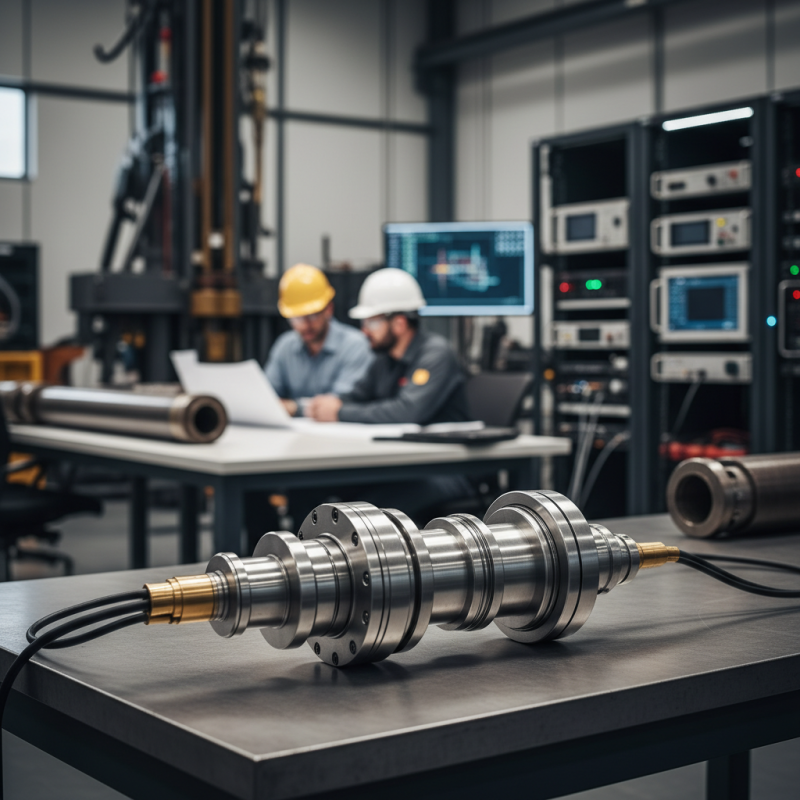
In the oil and gas world, the Casing Collar Locator is pretty much an essential tool. It’s what you rely on to accurately identify casing collars during well operations—without it, things can get pretty tricky. Investing in good quality equipment can really make a difference, not just in how smoothly everything runs, but also when it comes to safety. Picking the right manufacturer for your Casing Collar Locator isn't something to take lightly.

A trustworthy manufacturer will not only supply you with top-tier products but also back you up with expert support when you need it. Take WellTech Solutions, for example—they’ve built a solid reputation for quality and reliability in this space. Plus, their focus on innovation means you’re often getting the latest tech, built for precision and efficiency.

That said, finding the perfect Casing Collar Locator can be a bit of a hunt. With so many brands and models out there, it can get overwhelming. Some options might not even meet industry standards or hold up well under tough conditions. That's why doing your homework before making a pick is super important. You want to go with a manufacturer that has a proven track record, good customer feedback, and the technical know-how. When you take the time to research and choose wisely, you’ve got a much better shot at a successful project—and avoiding headaches down the line.
High Quality Best Casing Collar Locator Manufacturer for Your Needs?

Understanding Casing Collar Locators: An Overview

High Quality Best Casing Collar Locator Manufacturer for Your Needs?

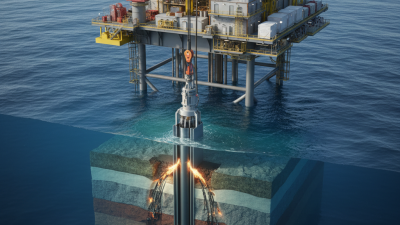
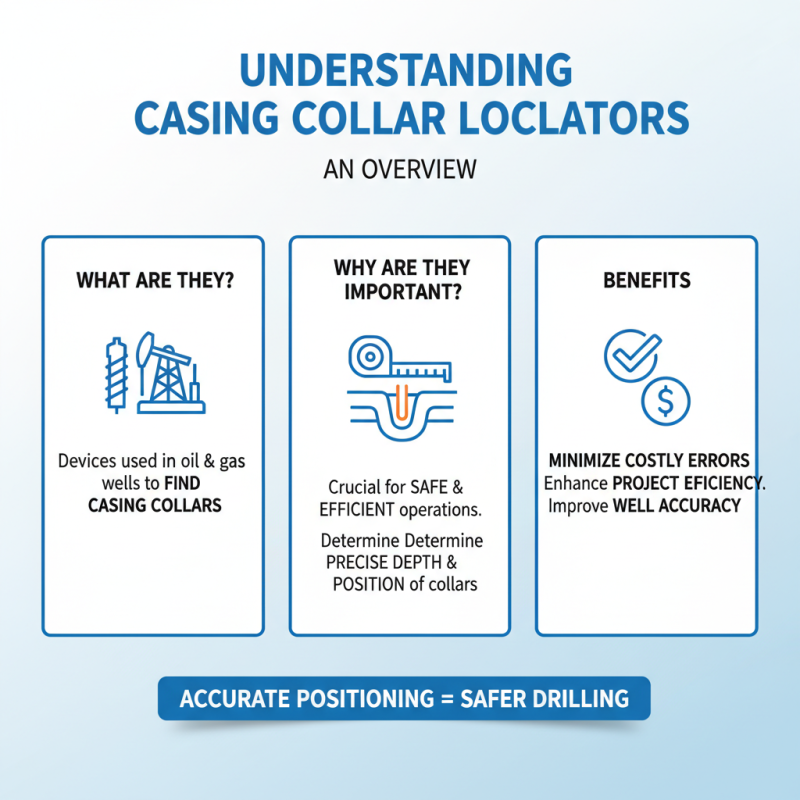
Casing collar locators play a crucial role in the oil and gas industry. These devices help locate casing collars in wells. Knowing the precise depth and position of these collars is essential for safe drilling operations. Accurate positioning can minimize costly errors and enhance overall project efficiency.

Understanding the inner workings of these locators is vital. They typically employ magnetic or sonic technology to detect collars embedded in the casing. However, challenges exist. Not all locators perform uniformly under different conditions. Variations in the casing material or well environment can affect accuracy. This variability necessitates a careful assessment of which locator suits specific project needs.

The choice of a casing collar locator can significantly impact project outcomes. While some manufacturers boast advanced technology, not every device guarantees reliability. It’s essential to evaluate performance metrics, user feedback, and field testing details. A thorough comprehension of your requirements and the locator’s capabilities will better inform your decisions. Balancing quality and cost is another critical consideration. Each project's unique needs will demand thoughtful reflection on the best options available.

Key Features to Look for in a Casing Collar Locator

When selecting a casing collar locator, understanding its key features is crucial. Look for advanced electromagnetic technology. This ensures precise detection of collar locations. A user-friendly interface is essential for quick operation. Operators need tools that offer clarity even in challenging conditions.

Consider the locator's depth range. A versatile depth capability allows for wider application across various projects. Check its durability. A robust design can withstand harsh environments. Equipment often faces tough spots; reliability is key.

Tips: Always assess the battery life. Long-lasting power is vital for extended use. Choose models that offer quick charging options. Additionally, think about support services, including repair and calibration. An experienced manufacturer often provides better after-sales support. Regular maintenance can prolong the tool's efficiency.

Top Manufacturers of Casing Collar Locators in the Industry

Casing collar locators are essential tools in the oil and gas industry. They help in identifying the precise location of casing collars during drilling operations. This is crucial for ensuring the integrity of the wellbore and optimizing drilling performance. In recent years, innovation has driven advancements in the technology behind these locators. Manufacturers have focused on improving accuracy and reliability, but the market remains crowded.

Top manufacturers in the industry often emphasize their expertise and reliability. They invest in quality control and rigorous testing to ensure their products meet industry standards. Many utilize advanced materials and technologies, aiming for durability in harsh environments. However, not all manufacturers offer the same level of quality. Some products may falter under extreme conditions, highlighting the need for rigorous evaluation before selection.

Choosing a casing collar locator requires careful consideration. Look for companies that provide comprehensive support post-purchase. It's also important to verify their reputation through industry reviews and evaluations. Some manufacturers might promise lower prices but compromise on performance. Thus, it’s vital to assess the long-term value of these tools rather than the initial cost. A smart choice will reflect not only quality but also the specific needs of your operations.

Factors Influencing the Quality of Casing Collar Locators

Casing collar locators play a crucial role in ensuring the integrity of well drilling operations. The quality of these locators significantly affects their performance and reliability. Several factors influence their quality.

First, the materials used in manufacturing greatly impact durability. High-grade metals and advanced polymers contribute to robustness. According to industry reports, locators made with superior materials can withstand extreme temperatures and pressures better than lower-quality alternatives. This aspect is essential. Poor material choice often leads to failures, resulting in costly delays or unsafe conditions.

Calibration precision is another vital factor. Properly calibrated locators ensure accurate depth measurements. A report noted that a 2% miscalibration could lead to errors affecting well placement. Regular testing and quality assurance procedures are essential, yet sometimes neglected. Companies may overlook this, focusing instead on production speed. This can compromise the quality of the final product.

Lastly, advancements in technology should not be ignored. The integration of electronics and software into locators can enhance functionality. However, this also introduces complexity. Manufacturers must balance innovation with reliability. Reports suggest that some newer designs may fail under certain field conditions simply due to unforeseen technical issues. This highlights the importance of thorough testing and feedback loops in the development process.

How to Choose the Right Casing Collar Locator for Your Needs

When selecting a casing collar locator, understanding the core functionalities is essential. These devices are designed to identify casing collars accurately. This plays a key role in deep well operations. Look for the type of technology used in the locator. For example, electromagnetic and acoustic methods offer unique advantages. Each technology has its quirks and limitations that may impact performance.

Consider the environment where the locator will be used. Depth and temperature can significantly affect readings. A high-quality locator should perform reliably under various conditions. Weight and size are also important factors. A heavier, bulkier locator may hinder overall operation efficiency.

User feedback plays a vital role in making informed choices. Reviews and case studies can provide insight into real-world performance. However, it's vital to recognize that even the best devices can fall short occasionally. No single product is perfect, and understanding potential weaknesses can lead to better usage strategies. Balancing these aspects ensures the right casing collar locator fits your specific needs.

Comparing Casing Collar Locator Technologies and Innovations

Casing collar locators are essential tools in the drilling industry. They help identify collar locations in casings for efficient operations. Innovative technologies are transforming how these devices function. For instance, advancements in electromagnetic sensing reduce false readings. This improvement enhances reliability during drilling operations.

Modern locators now incorporate digital imaging. This feature allows operators to visualize collar positions more effectively. Some devices even use artificial intelligence to analyze data in real-time. However, despite these innovations, challenges remain. Environmental factors can still interfere with readings. Operators must remain vigilant and verify results manually in certain situations.

Training is crucial for maximizing the benefits of these technologies. Experienced personnel can interpret complex data. They can distinguish between accurate and misleading information. Investing in training ensures that operators use tools correctly and acknowledge limitations. Continuous learning is vital in adapting to new innovations. Failure to do so may lead to costly mistakes.

Ensuring Quality and Reliability in Casing Collar Locators

Casing collar locators play a crucial role in oil and gas drilling. Their primary function is to accurately detect the position of casing collars during installation. This ensures that drilling progresses smoothly and efficiently. Quality matters immensely in the production of these devices. A reliable casing collar locator can reduce operational risks and save valuable time on-site.

When selecting a manufacturer, it’s essential to prioritize experience and expertise. Not all manufacturers offer the same level of reliability. Understanding the technology and materials used in these locators can be complex. Some products may fall short during critical operations. This can lead to serious financial implications and project delays.

Testing and certification are also vital components of assurance. A lower price might tempt buyers, but what about performance? A rigorous quality assurance process is essential. It minimizes the chance of failure in challenging environments. Investing in a reputable manufacturer ensures that the equipment is built to withstand harsh conditions. Ultimately, attention to these details greatly influences overall project success.

Comprehensive Guide to Casing Collar Locator Assembly: Enhancing Efficiency in Oil and Gas Operations

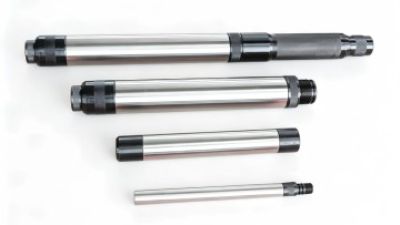
The casing collar locator (CCL) is an essential tool in enhancing efficiency during oil and gas operations. Designed specifically for locating casing collars, the CCL serves in various applications such as WCP expansion threads, packers, punching, and jet cutting. This precision tool ensures depth accuracy, which is crucial for optimizing well performance and reducing operational risks. By accurately locating casing collars, operators can effectively manage depth corrections for various perforations, leading to improved operational efficiency.

Moreover, the CCL operates effectively under normal conditions, ensuring reliable performance as long as the downhole pressure remains within the maximum operating pressure of the magnetic positioner. This capability allows for seamless integration with other downhole tools, ultimately streamlining the drilling and completion processes. The ability to accurately pinpoint casing collars not only enhances operational efficiency but also minimizes the potential for costly mistakes, making the casing collar locator an invaluable asset in the oil and gas industry.

FAQS

: What materials affect the quality of casing collar locators?

: High-grade metals and advanced polymers enhance durability and functionality. Poor materials lead to failures and increased risks.

Why is calibration precision important for locators?

Accurate calibration ensures correct depth measurements. A 2% miscalibration can cause significant placement errors.

What role does technology play in casing collar locators?

Technology enhances functionality. However, it can also add complexity, leading to potential failures in challenging conditions.

How can user feedback assist in choosing a locator?

Reviews and case studies provide real-world performance insights. Recognizing device weaknesses helps create better usage strategies.

What environmental factors should be considered when selecting a locator?

Depth and temperature can impact performance. A reliable locator must function well under various environmental conditions.

Are all casing collar locators perfect for every situation?

No single locator is flawless. Understanding each product’s limitations can enhance operational effectiveness.

How do advancements in technology improve casing collar locators?

Innovations like digital imaging and AI offer better data analysis. Yet, environmental interferences remain a challenge.

Why is training important for operating casing collar locators?

Knowledgeable personnel can interpret complex data effectively, reducing the risk of costly mistakes.

How do weight and size affect locator performance?

Heavier locators may hinder operational efficiency. The right size is essential for effective use during drilling.

What should be prioritized in the manufacturing of locators?

Quality assurance and regular testing are vital. Production speed can compromise overall product effectiveness if neglected.

Conclusion

Casing Collar Locators are essential tools in the oil and gas industry, allowing for precise identification and measurement of casing collars within boreholes. Understanding the key features of these locators, such as accuracy, durability, and ease of use, is crucial when selecting the right device for your specific needs. The market showcases several top manufacturers, each offering innovative technologies that enhance the performance and reliability of Casing Collar Locators.

When choosing a Casing Collar Locator, it's important to consider factors like manufacturing quality, technological advancements, and user requirements. By comparing different technologies and understanding the innovations available, operators can ensure they select a high-quality Casing Collar Locator that meets their operational demands, ultimately contributing to safer and more efficient drilling processes.
Isabella

Isabella

Isabella is a highly skilled marketing professional with a deep expertise in the oil and gas industry, particularly in downhole perforating systems. With a strong academic background and a keen interest in technological advancements, she plays a pivotal role in promoting her company's innovative......
Previous Top Quality Shaped Charge Options from China What to Choose?
Next 2026 How to Optimize Oil and Gas Completion Techniques?