You know, in the constantly changing world of the Oil And Gas industry, really nailing down the best completion techniques is super important. I mean, experts like Dr. Emily Carter from Energy Solutions often point out that a well-done completion can really boost production and cut costs. Her insights just go to show how crucial it is to stay on top of the latest methods in Oil and Gas Completion.
Getting the best results isn’t just about trying new things blindly; it’s about mixing innovation with solid analysis. Companies are now using new tech, tweaking hydraulic fracturing, and trying out smarter drilling approaches. But, let’s be honest — this isn’t always smooth sailing. Mistakes in planning or missing key data can slow things down, which reminds us that there’s always room for improvement. Even the most experienced teams slip up sometimes.
Looking ahead to 2026, I honestly think AI and data analytics are going to be game changers in how we do Oil and Gas Completion. Companies will need to learn from their past missteps and keep refining their techniques to get around obstacles. It’s not just about being efficient anymore; it’s about staying competitive in this fast-moving industry. So yeah, progress and adaptability are the name of the game.

In 2026, oil and gas completion techniques are evolving rapidly. The focus is on efficiency and sustainability. Advanced hydraulic fracturing techniques are gaining traction. New materials are being tested, enhancing recovery rates. These innovations aim to reduce environmental impacts. Operators are increasingly investing in real-time monitoring technologies. This allows for better decision-making in the field.
Today’s completion practices often incorporate artificial intelligence. AI helps analyze vast data sets quickly. However, it’s essential to consider the nuances in local geology. Not all reservoirs respond the same way. Adjusting techniques based on site-specific conditions is crucial. Feedback from field crews can drive improvements, but communication remains a challenge.
Many companies face hurdles in optimizing processes. Training crews on new technologies is vital. Resistance to change can hinder progress. Collaboration across teams can enhance outcomes. Regular assessments help identify areas for growth. Striving for better methods is part of the journey in Gas And Oil. Embracing new ideas while addressing shortcomings will define success in the coming years.
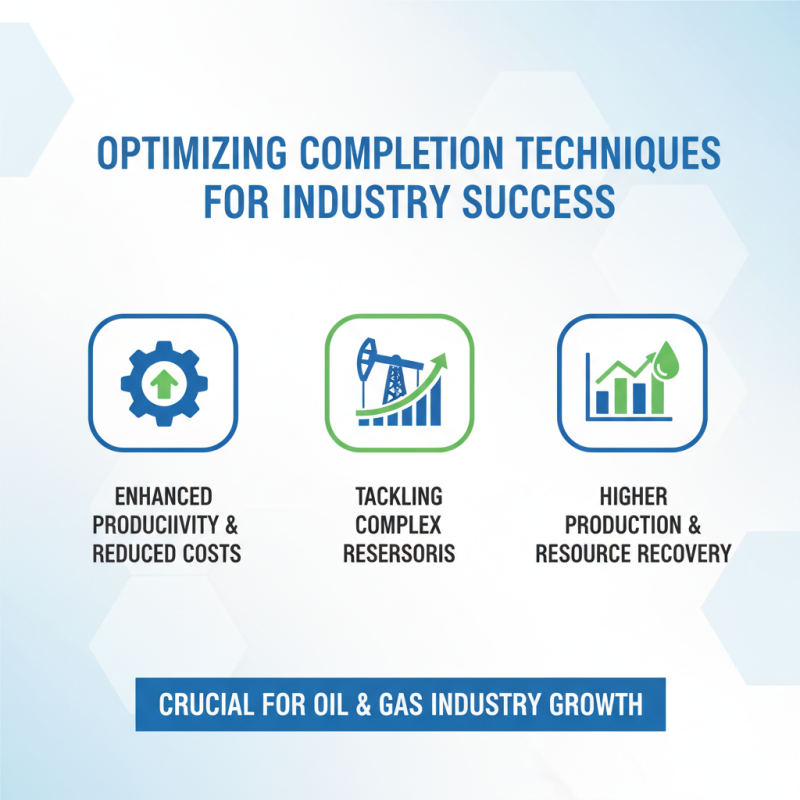
Optimizing completion techniques in oil and gas is crucial for industry success. Innovative methods enhance productivity and reduce costs. As reservoirs become complex, the need for effective completion strategies grows. Efficient completion can lead to higher production rates and better recovery of resources.
One tip is to focus on data analysis. Accurate data can inform decisions on hydraulic fracturing and stimulation techniques. Embracing technologies, like real-time monitoring, helps to optimize operations. This approach allows teams to adjust their methods based on immediate feedback, enhancing overall efficiency.
Another important aspect is training and skill development. Regular training ensures that workers are updated with the latest techniques and tools. Engaging in workshops or simulations can bridge knowledge gaps. However, not all teams have the resources or time for extensive training. This is a reflection point for management to consider investing in continuous learning. Enhanced skills lead to safer and more effective operations.
The oil and gas industry faces key challenges in completion methods. Traditional techniques often lead to inefficiencies and production delays. Poor reservoir characterization can result in suboptimal well placement. This, in turn, reduces recovery rates and increases costs. Operators frequently struggle with the complex geology of Oil Gas formations. These challenges highlight the need for improved analytical techniques.
Advancements in technology promise solutions. Enhanced imaging tools enable better visualization of subsurface conditions. However, implementation remains inconsistent across the industry. Many companies lack the necessary expertise to effectively utilize these new methods. As a result, some operations still rely on outdated practices. This gap often leads to missed opportunities in production optimization.
Additionally, environmental concerns complicate completion methods. Regulatory compliance adds time and expense to projects. The delicate balance between resource extraction and environmental protection can hinder progress. Companies must navigate these challenges thoughtfully. Developing more efficient techniques requires collaboration across disciplines. The oil gas sector needs innovative approaches to overcome these ongoing hurdles.
This chart illustrates the challenges faced in optimizing oil and gas completion techniques, highlighting the key aspects such as Efficiency, Cost, Environmental Concerns, Technology Adoption, and Regulation Compliance.
Innovative technologies are revolutionizing well completion optimization in the
Oil & Gas
industry. Recent reports indicate that using advanced completion techniques can enhance
production rates by up to 30%. These methods include
intelligent completions, where real-time data analytics help manage reservoir performance efficiently.
This allows operators to optimize fluid flow and improve overall well integrity.
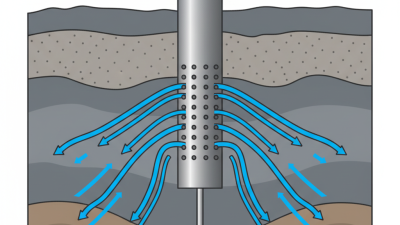
Another noteworthy innovation is the implementation of hydraulic fracturing enhancements.
Techniques like multi-stage fracturing allow for better reservoir access. By optimizing
fracture placement, operators can significantly increase the deliverability of gas and oil.
Industry data suggests that this approach has led to more than a
40% increase in initial production rates in some formations.
However, challenges persist. The efficiency of new technologies often varies by location
and geological conditions. Some operators report mixed results when deploying these techniques
in less-studied areas. Additionally, the environmental impact raises concerns for stakeholders.
Balancing production efficiency with sustainability remains
a critical discussion point in the Oil & Gas sector. Continuous improvement and learning from
past experiences are essential for optimizing completions.
The economic impact of enhanced completion techniques in the oil and gas sector is profound. According to a report by the International Energy Agency (IEA), optimized completion techniques can boost recovery rates by up to 20%. This increase can significantly elevate production levels and lower unit costs, making projects more viable.
Implementing advanced hydraulic fracturing methods can lead to higher efficiency. The use of digital technologies in monitoring and modeling can enhance decision-making. A study by the American Petroleum Institute suggests that these techniques result in a 15% decrease in operational costs. However, not all operators have adapted quickly. Some are still relying on outdated methods, causing delays in realizing these potential savings.
Further analysis shows geographical variances in technique adoption. Areas rich in resources might see quicker returns on investment. Conversely, regions with stricter regulations could face challenges. The balance of environmental concerns and financial incentives remains critical. Enhanced techniques must align with sustainable practices to ensure long-term viability. Industry professionals must continuously evaluate and refine their approaches to keep pace with advancements and economic demands.
| Completion Technique | Cost per Well (USD) | Production Increase (%) | Recovery Rate (%) | Time to Completion (Days) |
|---|---|---|---|---|
| Hydraulic Fracturing | 800,000 | 30 | 60 | 15 |
| Acid Stimulation | 500,000 | 20 | 55 | 10 |
| Sand Control | 650,000 | 25 | 70 | 12 |
| Enhanced Oil Recovery (EOR) | 1,200,000 | 40 | 75 | 30 |
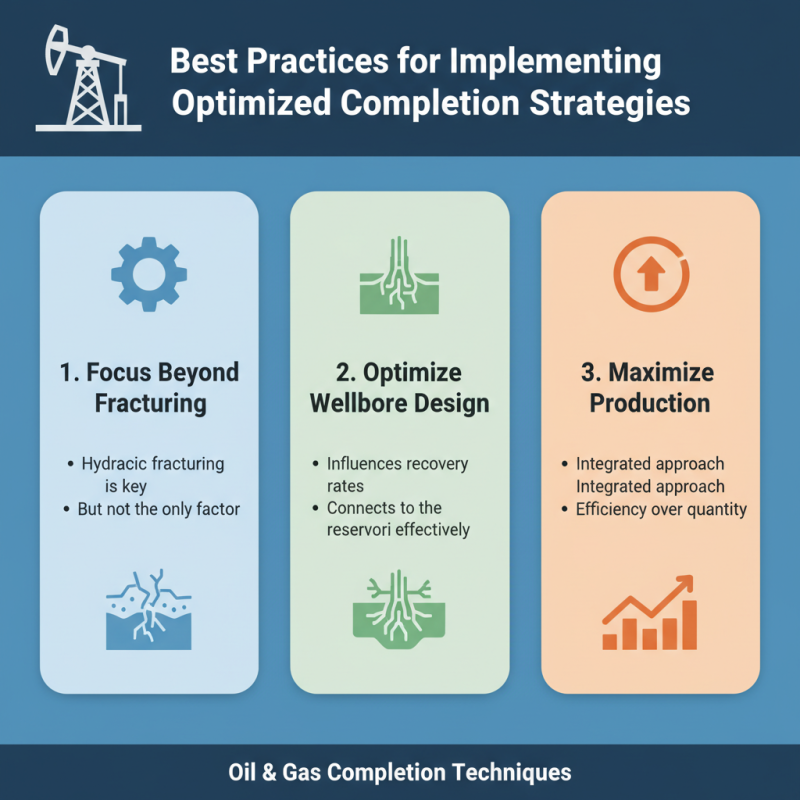
Optimizing oil and gas completion techniques is essential for maximizing production. Many operators focus on hydraulic fracturing but overlook other critical aspects. For example, selecting the right wellbore design can substantially influence recovery rates. It’s not just about how many fractures are created but their effectiveness in connecting to the reservoir.
Implementing optimized strategies involves careful planning and ongoing evaluation. Operators should assess rock properties and fluid characteristics before deciding on completion techniques. This understanding can lead to improved efficiency. Additionally, real-time monitoring during the completion phase helps identify issues quickly. Failures might occur, so it's vital to learn from them and refine the approach continuously.
Collaboration among teams can create synergies that enhance results. Engineers, geologists, and project managers need to communicate effectively. Misalignment can lead to suboptimal decisions. Sharing insights about past completions helps in developing better strategies. Refining techniques is an ongoing journey, marked by both successes and setbacks, making adaptability key to optimizing completion methods.
As we look ahead to 2026, the optimization of oil and gas completion techniques will gain crucial importance. Operators must adapt their strategies to incorporate advanced technologies. Innovations in hydraulic fracturing and smart well technologies are expected to enhance efficiency. The integration of real-time data analytics will allow operators to make informed decisions swiftly.
Future trends indicate a shift towards sustainable practices. Operators are exploring eco-friendly completion methods. The aim is to minimize environmental impacts while maximizing production. There is potential for significant advancements in how resources are extracted. The focus on reduced water usage and lower emissions will reshape completion strategies.
Challenges remain. Not every technique is universally applicable. Field conditions vary and can limit effectiveness. Continuous feedback loops will be essential for addressing inconsistencies. As industry professionals engage with these changes, insights will appear in Oil News. These discussions highlight successes and opportunities for reflection, ensuring the industry evolves responsibly.
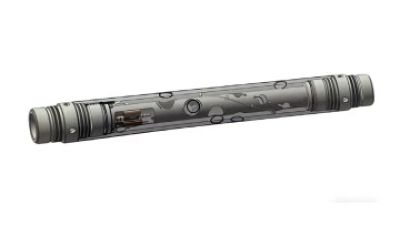
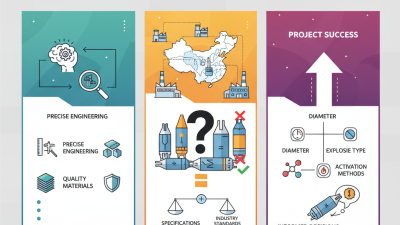
The evolving landscape of the oil and gas industry in China has underscored the crucial need for efficient well completion practices, particularly in multi-stage plug-and-perf operations. Recent industry reports highlight that the adoption of advanced technologies, such as the Wireline Modular Gun Perforating System, can significantly enhance operational efficiency by streamlining the perforation process. This modular system uniquely integrates the switch and charge, allowing for a fully assembled gun string to be deployed in a single block, thereby reducing the complexity typically associated with traditional methods.
Moreover, the operational enhancements provided by this system are further amplified through the use of field-based shooting systems, which enable quick and responsive initiation of the plug-and-perf process. Industry data suggests that such innovations drastically lower rig time and costs, which is critical in a competitive market. Reports indicate that incorporating systems like this can lead to reductions in operational downtime by up to 25%, a vital improvement given today’s financial pressures on drilling operations.
As the oil and gas sector continues to navigate challenges related to production efficiency and cost management, the shift towards modularized perforating solutions reflects a broader trend aimed at optimizing multi-stage completions. The flexibility and effectiveness of the Wireline Modular Gun Perforating System may very well position operators to achieve their production goals while maintaining environmental and safety standards in the process.
: It enhances productivity and reduces costs, crucial for success.
Accurate data informs decisions on methods and improves efficiency.
It allows teams to adjust strategies based on immediate feedback.
Regular training updates skills, leading to safer and more effective operations.
They use real-time data analytics to improve reservoir performance.
It enhances access to reservoirs, increasing production rates significantly.
Yes, results can vary by location, and environmental impacts raise concerns.
Not always; resource limitations can hinder continuous learning.
Some reports suggest an increase of up to 30% with advanced techniques.
It's essential to address environmental concerns while maximizing production.
In 2026, optimizing Oil and Gas Completion techniques is critical for the industry's success. The article outlines the current landscape of completion methods, emphasizing the importance of enhancing these techniques to combat key challenges such as economic efficiency and environmental impact. Innovative technologies are emerging to streamline well completion processes, significantly improving performance and reducing operational costs.
The economic implications of optimized completion strategies are profound, potentially boosting productivity and profitability within the sector. Best practices for implementing these strategies include adopting new technologies and strategic planning. Looking ahead, the article also highlights future trends that may shape Oil and Gas Completion techniques, indicating a move towards more sustainable and efficient methodologies that align with industry demands and environmental considerations.