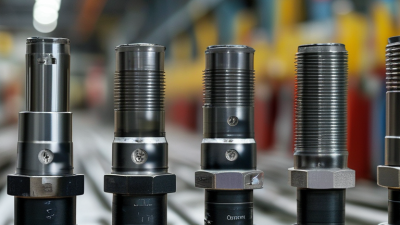
In the oil and gas world, the Perforating Gun plays a pretty crucial role. Basically, it’s the tool that creates those little channels in well casings so oil and gas can flow freely. Dr. Emily Carter from PetroTech Solutions, a well-respected expert in the field, often emphasizes that, "Understanding how a Perforating Gun works is really the key to getting the most out of your production."
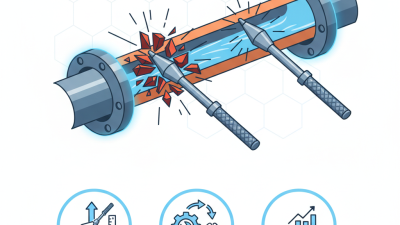
So, here's the lowdown: the gun has a bunch of shaped charges that explode to punch holes through the casing and into the reservoir rock. That’s what creates a pathway for the hydrocarbons to get into the well. It’s kinda amazing—this simple-looking tool can actually make a big difference in how much oil or gas you can extract. But Dr. Carter also points out that precision is super important here. A small mistake in calculations could mean poor production results—or worse, equipment mess-ups.
That said, even though the technology is pretty effective, using a Perforating Gun isn’t just throw-it-in and hope for the best. You really have to plan carefully—think about well depth, casing thickness, and the properties of the reservoir. Skip any of these, and you might run into big problems down the line. Plus, mastering this tool takes ongoing training and expertise. The industry keeps evolving, so professionals need to stay sharp and keep learning about how to use Perforating Guns safely and effectively.
Definition and Purpose of a Perforating Gun in Oil and Gas Drilling
A perforating gun is a crucial tool in oil and gas drilling. It helps create pathways for oil and gas to flow from underground reservoirs into production wells. Typically, the gun is loaded with explosive charges. When detonated, these charges puncture the casing of the well and the surrounding rock formation. This process, known as perforation, is vital in enhancing the permeability of the reservoir.
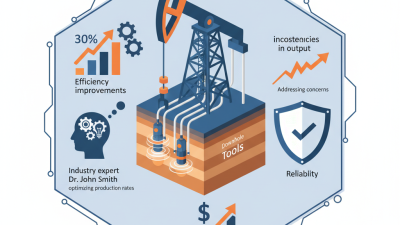
According to the Petroleum Institute, approximately 30% of oil extraction efficiency depends on effective perforation techniques. Without a reliable perforating gun, drilling operations risk failure. The choice of perforation strategy can significantly impact the economics of a drilling operation. Studies indicate that optimized perforation designs can increase production rates by up to 50%.
Despite advancements, the road is not always smooth. Issues like improper charge placement or casing damage can lead to ineffective perforation. This might result in costly delays and reduced productivity. Thus, understanding the mechanics of perforating guns is essential for industry professionals. Investing in training and adopting best practices can mitigate these risks and enhance overall drilling performance.
Types of Perforating Guns: Wireline, TCP, and More
Perforating guns are essential tools in the oil and gas industry. They create holes in well casings to allow oil and gas to flow. There are various types of perforating guns, each designed for different situations.
Wireline perforating guns are among the most common. They are deployed through a wireline, allowing precise placement at the desired depth. This method provides real-time data and retrieval options. However, it requires careful planning to avoid complications during deployment. TCP guns, or Tubing Conveyed Perforating guns, are another popular option. These are run on production tubing, offering a larger payload and more energy. But they can be more difficult to retrieve, leading to potential operational challenges.
Each type has its pros and cons. The choice often depends on well conditions and project goals. Professionals must weigh these factors carefully. Understanding the nuances of each perforating gun type enhances decision-making. It ensures effective production while mitigating risks associated with perforation.
Key Components of a Perforating Gun and Their Functions
A perforating gun is a vital tool in the oil and gas industry, designed to create holes in well casings. This process allows for the flow of hydrocarbons from underground reservoirs. Understanding its key components is crucial for anyone involved in drilling operations.
The core component of a perforating gun is the shaped charge. This explosive device creates focused energy to pierce the well casing. When detonated, the shaped charge generates a jet of metal traveling at high speed. This jet creates openings in the casing and surrounding rock, enabling fluid flow. The diameter and number of perforations can vary based on the operational needs.
Another essential part is the carrier. This is the structure that holds the shaped charges and ensures proper placement in the well. The carrier must withstand extreme conditions, including high pressure and temperature. Additionally, instrumentation within the perforating gun allows for precise timing and control of the detonation. Proper maintenance and calibration of these components are needed to ensure reliability in different environments. The Tcp Perforating Gun utilizes these elements effectively but also requires thoughtful consideration of each component’s integrity. Making informed choices about their deployment is critical for successful operations.
How Perforation is Achieved: Explosive Mechanisms Explained
Perforating guns are essential tools in the oil and gas industry. They create openings in well casings to allow the flow of hydrocarbons. These tools utilize explosive mechanisms to achieve perforation, which is a critical aspect of well completion. Understanding how this process works can enhance efficiency in extraction operations.
Explosive charges are deployed from a Modular Perforating Gun. When activated, these charges detonate, generating high-velocity projectiles. These projectiles penetrate the casing and the surrounding rock formations. The design of these guns allows for precise placement and timing, resulting in optimal perforation patterns. Factors such as the type of explosive and the spacing of perforations significantly impact well productivity.
Not all perforation attempts are successful. Miscalculations in charge placement can lead to incomplete penetration or damage to the casing. Engineers must regularly analyze performance data. Continuous improvement in the design and deployment strategies is crucial. As technology evolves, opportunities for better efficiency arise. Understanding the explosive mechanisms in perforating guns remains vital for those involved in hydrocarbon extraction.
Safety Considerations and Best Practices for Using Perforating Guns
Using a Wireline Perforating Gun requires a strong focus on safety procedures. These tools create a path for oil and gas to flow by perforating well casings. Improper use can lead to dangerous situations, including accidental detonation. According to the International Association of Drilling Contractors, more than 30% of workplace accidents in oil and gas may be related to equipment negligence. Hence, attention to detail and adherence to safety protocols is crucial.
Proper training is essential. Personnel need to understand how the Wireline Perforating Gun functions. A study by the Society of Petroleum Engineers revealed that adequately trained workers reduce accident rates by up to 50%. Regular equipment checks and maintenance are equally important. Operators must inspect equipment before each use. This includes checking seals, management of explosives, and understanding the tool's capabilities and limitations. Awareness can prevent misfires or malfunctions, which have caused injuries and property damage in previous incidents.
Site safety measures are not just procedural; they are vital for overall operational success. Having a clearly defined evacuation plan is necessary. Furthermore, maintaining a safe distance while using the Wireline Perforating Gun enhances safety for all personnel involved. Reviewing past incidents and implementing learnings improves future operations. Reflection on what went wrong can guide improvements in safety practices. This thoughtful approach cultivates a culture of safety that is essential in the high-risk oil and gas sector.
Recent Advances in Perforating Technology and Industry Trends
Recent advances in perforating technology have significantly transformed the oil and gas industry. Data from the Baker Hughes rig count shows that perforating techniques account for nearly 30% of drilling operations' costs today. As companies seek efficiency, the adoption of the Scalloped Perforating Gun has increased. This technology enhances fluid entry and minimizes damage to the formation. The scalloped design allows for strategically placed holes, optimizing the flow path for hydrocarbons.
Moreover, as operators push for more efficient production rates, industry trends indicate a shift towards automation and advanced materials. According to a recent report by the International Energy Agency, demand for perforating systems is projected to grow by 15% annually. This growth is partly due to the rising number of horizontal wells, which benefit from advanced perforating strategies. However, challenges remain. Many organizations still rely on outdated technologies, which may lead to inefficient operations and unexpected costs.
An ongoing concern in the industry is the environmental impact of perforating operations. Sustainable practices are increasingly necessary. Operators must balance production efficiency with environmental stewardship. The rising usage of advanced perforating technologies like scalloped perforating guns reflects this urgent need for innovation and responsibility in the industry.
What is a Perforating Gun and How Does It Work? - Recent Advances in Perforating Technology and Industry Trends
| Feature |
Description |
Recent Advances |
Industry Trends |
| Perforating Gun Type |
Hydraulic, Electric, and Mechanical |
Increased efficiency in explosive settings |
Shift toward smart technologies |
| Operational Depth |
Up to 30,000 feet |
Enhanced designs for deep well operations |
Increased use in deepwater drilling |
| Safety Features |
Blowout preventers, pressure monitoring |
Automated safety checks |
Increased regulations for safety |
| Environmental Considerations |
Minimization of impact during operations |
Development of eco-friendly explosives |
Focus on sustainability in drilling practices |
Impact of Perforating Guns on Production Rates and Reservoir Management
Perforating guns play a vital role in oil and gas production. These devices create holes in the casing and the reservoir rock. This action allows hydrocarbons to flow into the wellbore. The efficiency of this process significantly impacts production rates. When designed correctly, perforating guns can improve communication between the reservoir and the well.
In addition to enhancing flow rates, the strategic use of perforating guns aids in reservoir management. By carefully choosing perforation depths and patterns, engineers can optimize fluid extraction. However, challenges exist. Poor placement can lead to unwanted water or gas ingress. This not only reduces output but can also complicate extraction strategies.
Investing in advanced perforating technologies offers potential benefits. However, it requires ongoing assessment and adjustment. Lessons learned from past perforating projects are crucial. Continuous improvement can lead to better production strategies. Although perforating guns are powerful tools, their effectiveness largely depends on thoughtful planning and execution.
Maximizing Charge Efficiency with Advanced China Band Perforating Guns: A Guide to Supplier Solutions and Factory Innovations
In the pursuit of maximizing charge efficiency in perforating operations, advanced band perforating guns have emerged as pivotal in transforming practices within the oil and gas industry. The latest innovations highlight the importance of precise engineering, particularly with features like precision-machined grooves on the carrier, which markedly reduce burrs during the charge perforation process. This advancement not only optimizes charge performance but also enhances reliability across diverse applications. Compared to traditional models that often depend on scallops, these modern perforating guns demonstrate superior functionality, ensuring effectiveness regardless of the angular position of the charge tube.
Industry reports indicate that the transition to advanced perforating technology can lead to up to a 20% increase in operational efficiency. This is particularly vital in challenging environments where traditional methods may falter. The ability of new band perforating guns to adapt to various operational conditions ensures consistent performance outcomes, thereby reducing downtime and increasing the overall productivity of perforating operations. Moreover, as the demand for higher productivity grows, suppliers in China are rising to the challenge by offering solutions that emphasize quality control and innovation.
With the oil and gas sector continually evolving, suppliers are focusing on meeting stringent efficiency standards to cater to market needs. The adoption of advanced perforating technologies aligns with ongoing trends, indicating a shift towards smarter, more efficient solutions that not only enhance operational capacity but also align with sustainable practices in energy extraction. As these innovations proliferate, they mark a significant advancement in the tools at the disposal of engineers and operators in the field, redefining performance benchmarks across the industry.
FAQS
: It creates pathways for oil and gas to flow from underground reservoirs into production wells.
About 30% of extraction efficiency relies on effective perforation techniques.
Improper charge placement can lead to delays and reduced productivity in drilling operations.
Wireline guns and Tubing Conveyed Perforating (TCP) guns are popular choices.
It allows for precise placement and immediate retrieval, reducing complications during deployment.
Advances like scalloped perforating guns enhance fluid entry and optimize hydrocarbon flow paths.
There is a growing shift towards automation and using advanced materials for efficiency.
Many still use outdated technologies, leading to inefficiencies and unexpected costs.
Operators must balance efficiency with sustainable practices, reflecting a growing industry concern.
A 15% annual growth in demand is projected, primarily due to more horizontal wells.
Conclusion
A perforating gun is a crucial tool in oil and gas drilling, designed to create channels in the casing and into the reservoir rock, allowing hydrocarbons to flow more freely. These guns come in various types, including wireline and tubing conveyed perforating (TCP) guns, each tailored for specific operational needs. Key components such as the explosives, firing mechanisms, and safety features play vital roles in ensuring effective and safe perforation.
Understanding how perforation is achieved through explosive mechanisms highlights the complexity behind this technology. Recent advances in perforating technology are driving industry trends, improving production rates and enhancing reservoir management. Implementing best practices and considering safety measures when using perforating guns are essential to optimizing results while minimizing risks in drilling operations.

 +86-15829394411
 Contact Phone
 Contact Email