The Tcp Perforating Gun is pretty much a crucial tool in the oil and gas world. Basically, it helps operators punch through well casings, making it easier to extract resources efficiently. As Dr. Emily Hart, a top expert at Apex Energy Solutions, puts it, “Knowing how to properly operate a Tcp Perforating Gun is super important if you want to get the most out of it.”
In this guide, we’re gonna take a look at how the Tcp Perforating Gun works and why it’s such an essential part of the process. The tool uses explosive charges to break through well casings, which in turn helps fluids flow better from the reservoir. But here’s the thing — using it right isn’t just about pulling a trigger. It takes some technical know-how and a careful eye on safety stuff. Every job is different, so you really need to adjust your approach depending on the situation.
That said, a lot of folks in the field still don’t fully realize how tricky some of these things can be. Sometimes, they skip regular maintenance, which leads to the tool not working quite as well as it should. That’s a reminder that staying updated, learning, and being flexible are super important in this line of work. By getting a good grip on how the Tcp Perforating Gun functions, operators can sharpen their skills and, in the end, get better results.
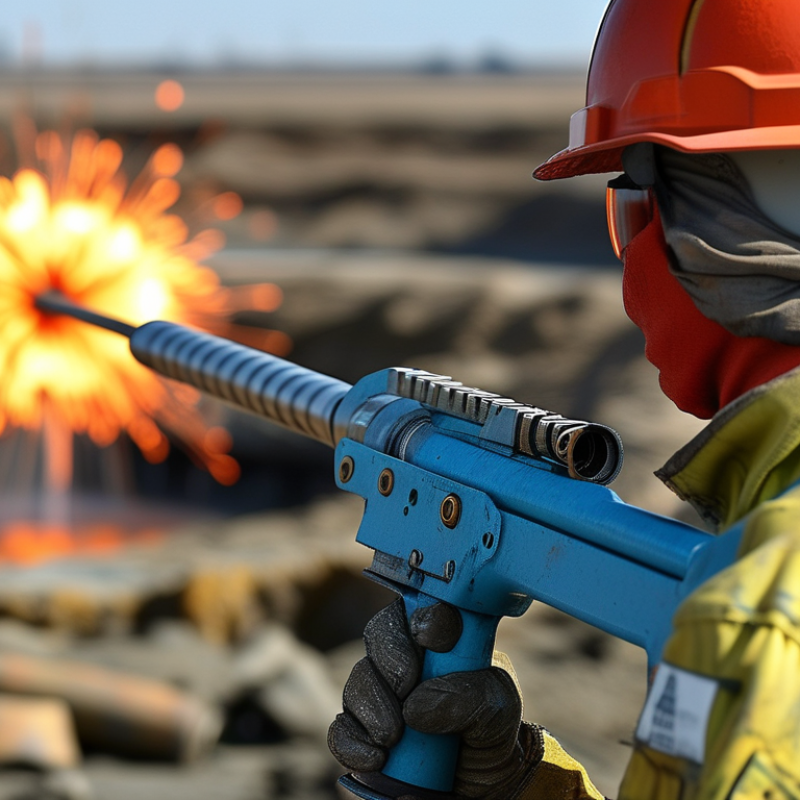
What is a TCP Perforating Gun?
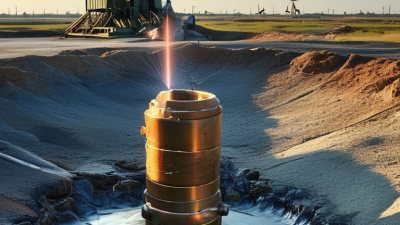
A TCP perforating gun is a specialized tool used in the oil and gas industry for creating holes in casing or rock formations. These guns enable efficient access to hydrocarbon reservoirs. They contain a series of explosive charges that detonate at precise moments, allowing for controlled perforation. Understanding how to use a
Tcp Gun System
is crucial for successful drilling operations.
When operating a TCP perforating gun, safety is the top priority. Proper training and adherence to safety protocols cannot be overstated. Ensure that all personnel involved are familiar with the equipment and its safety features. Misjudgments or mistakes during setup can lead to serious consequences. Regular maintenance of the TCP gun system is also necessary to ensure reliable performance.
Strategically planning the perforation pattern enhances production efficiency. Analyze reservoir characteristics beforehand and adjust your approach accordingly. Remember that not all formations respond the same way. Monitoring results after each perforation run is essential for making informed adjustments. Embrace the learning process; each well presents unique challenges that can lead to valuable insights. Always keep refining your approach for optimum results.
Key Components of TCP Perforating Guns
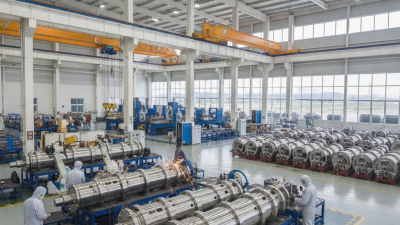
TCP perforating guns play a critical role in the oil and gas industry. They create perforations in well casings, allowing fluids to flow into the well. Understanding the key components of TCP perforating guns is essential for effective operation. The core elements include the gun body, the detonating cord, and the shaped charges. Each of these components must be carefully engineered for performance and safety.
The gun body is typically made from high-strength materials to withstand extreme downhole conditions. Reports indicate that the selection of materials can significantly affect the gun's pressure rating and overall performance. Detonating cords are precision-engineered to ensure that explosives initiate in a synchronized manner. Failure to configure these components correctly can lead to incomplete perforation, resulting in costly delays. Studies show that improper gun placement can decrease production rate by 30% or more.
Shaped charges are another key element. These charges are designed to focus the explosive energy to penetrate the casing and reservoir rock efficiently. Specifications often indicate that the charge must produce a jet that can reach depths exceeding 10 inches into hard formations. However, results can vary based on geological conditions. Continuous monitoring of charge performance is crucial to adapt techniques and avoid costly mistakes in future operations.
How TCP Perforating Guns Work in Oil and Gas Wells
TCP perforating guns are crucial tools in oil and gas extraction. They create holes in casing, allowing hydrocarbons to flow into the well. Understanding their operation is key for successful petroleum recovery. These guns work by using shaped charges. When detonated, these charges penetrate the casing and reservoir rock. This enables effective communication between the well and its surrounding formations.
The deployment process requires precision. Operators must load the charges into the gun and lower it into the well. Monitoring is essential during this phase. Inaccurate placement can lead to inefficient perforation. After detonation, the well’s production can change dramatically. However, not all attempts yield optimal results. Operators often need to adjust their strategies based on well performance.
Challenges can arise. For instance, heavily cemented formations might resist penetration. Users must assess conditions before drilling. Identifying the right perforation strategy can make a significant difference. Each well presents unique circumstances that require careful analysis and planning. Emphasizing the importance of experience and technical expertise is essential in this facet of the industry.
Types of TCP Perforating Guns Used in Industry
TCP perforating guns are essential tools in the oil and gas industry. They create holes in the casing of wells to allow hydrocarbons to flow. Various types of TCP perforating guns serve different purposes.
First, we have single-shot guns, which are straightforward and efficient. These guns fire one charge to perforate the well. Their simplicity makes them reliable, but they may not always meet complex well requirements. Multi-shot guns offer versatility. They can fire multiple charges in a single deployment, increasing the perforation density. This type is useful for optimizing production rates. However, more complexity can lead to potential failures.
Below ground, Tcp Firing Heads play a crucial role. They are used to initiate the detonation of the perforating charges. It’s vital to select the right firing head based on the specific well conditions. Every type has advantages and disadvantages. For example, while electric firing heads offer precise control, they range from simple setups to complex systems requiring careful handling. Proper training in these systems can improve safety and efficiency in operations. The choices available in TCP perforating guns reflect the diverse challenges faced in modern well completions.
What is a Tcp Perforating Gun and How to Use It? - Types of TCP Perforating Guns Used in Industry
| Type of TCP Perforating Gun |
Caliber (inches) |
Application |
Maximum Depth (ft) |
Notes |
| Conventional TCP Gun |
2-3/8 |
Standard perforation in oil and gas |
20,000 |
Commonly used in high-pressure environments |
| Phased TCP Gun |
3-1/8 |
Multi-phase perforation |
15,000 |
Allows for controlled perforation rates |
| Deep Set TCP Gun |
4-1/2 |
Deep wells and high-pressure zones |
30,000 |
Designed for extreme depths |
| Punch TCP Gun |
2-7/8 |
Targeted perforation in selective zones |
10,000 |
Ideal for retrieving specific formations |
| High Explosive TCP Gun |
2-3/8 |
Heavy-duty applications |
25,000 |
Utilizes advanced explosives for high-performance |
Step-by-Step Procedure for Using TCP Perforating Guns
Using a TCP Perforating Gun effectively requires a precise approach. Start by confirming the type and size of the gun appropriate for your well. The perforating gun must align with the casing and achieve the desired depth for effective penetration. Next, ensure the work area is safe and that all personnel are aware of the operation.
Once prepared, securely load the TCP perforating gun with the appropriate charges. It's crucial to calculate the required pressure for detonation accurately. This ensures that the perforations are made in an optimal manner while minimizing the risk of damage to the surrounding formation. A study from the Society of Petroleum Engineers highlights that accurate pressure calibration can enhance perforating efficiency by up to 30%.
After setting up the TCP perforating gun, initiate the firing sequence following established safety protocols. Monitor the progress closely, as real-time adjustments may be needed based on fluid movement and pressure changes observed.
Prepare for potential challenges. Sometimes, the perforating gun may not deliver expected results. This can lead to unnecessary downtime and increased costs. Regularly reviewing past performance can provide insights for improvements in future operations.
Be mindful of your surroundings. Always ensure that your team practices proper safety measures. Prioritize open communication during the operation. Encouraging a culture of vigilance can significantly reduce risks associated with using a perforating gun.
Safety Measures When Operating TCP Perforating Guns
Operating TCP perforating guns requires strict adherence to safety measures. Many industry reports indicate that improper handling contributes to a significant percentage of on-site incidents. According to the latest data, over 30% of accidents could be avoided with better training and awareness.
Personnel must wear appropriate safety gear, including helmets, goggles, and gloves. These protections create a barrier against debris and potential blasts. Regular safety drills are essential. They prepare teams for emergency situations and reinforce the importance of precautionary measures.
Every field operator should be trained on the correct handling of tools and equipment. Misunderstanding the operational limits of a TCP perforating gun can lead to severe consequences. Industry experts note that nearly 15% of injuries stem from misuse or lack of knowledge. Access to detailed operational manuals increases reliability and safety on-site. The goal is to foster a safety culture that prioritizes awareness and communication among team members.
TCP Perforating Gun Usage Statistics
Common Applications and Benefits of TCP Perforating Guns
TCP perforating guns are essential in the oil and gas industry for accessing hydrocarbons. They facilitate the creation of perforations in casing and cement, enabling fluid flow into the wellbore. One significant application is enhancing production in various formations. Reports indicate that TCP guns can increase initial production rates by up to 30% compared to traditional methods.
In addition to boosting production, using TCP perforating tools can save time and reduce operational costs. For instance, a study by industry experts noted that using a Modular Perforating Gun resulted in decreased run times. This improvement allows operators to maximize efficiency during well completion efforts. The versatility of TCP guns lets them be adapted for various depths and formations, showcasing their dynamic utility.
However, there are challenges. Not all formations benefit equally from TCP perforating techniques. Careful consideration of formation properties is vital. Overestimating performance can lead to underwhelming results from a project. Continuous improvement in the design and application strategies for these tools is necessary to meet diverse operational demands. Engaging in research and sharing findings can help refine the use of TCP perforating technologies further.
FAQS
: A TCP perforating gun is a tool used to create holes in casing or rock formations for hydrocarbon access.
Safety is crucial. Proper training and adherence to protocols can prevent serious accidents during operations.
There are single-shot and multi-shot guns. Single-shot is simple; multi-shot allows for increased perforation density.
Confirm gun type, ensure alignment with casing, and load it securely with the right charges for effective penetration.
Monitor real-time fluid movement and pressure changes. Adjustments may be needed based on these observations.
Expected results may not always occur, leading to downtime and increased costs. Review past performance for enhancements.
Accurate pressure calibration can enhance efficiency significantly. Ensure calculations are precise before detonation.
It provides valuable insights for refining future operations. Each well presents unique challenges to learn from.
Open communication fosters vigilance and safety. Encourage team discussions to reduce risks during the operation.
No. Simplicity in design often means reliability, but complex systems can lead to potential failures if not handled correctly.
Conclusion
A TCP Perforating Gun is a crucial tool in the oil and gas industry, designed to create pathways in the casing of wells, allowing hydrocarbons to flow into the production tubing. The gun typically consists of several key components, including a shaped charge that detonates to create perforations. Understanding how TCP Perforating Guns work and their various types is essential for effective application in drilling operations.
The procedure for using a TCP Perforating Gun involves careful planning and execution to ensure safety and efficiency. Operators must adhere to specific safety measures while operating these guns to mitigate risks. Common applications of TCP Perforating Guns include enhancing well productivity and improving reservoir access, showcasing their significant benefits in maximizing extraction and efficiency in oil and gas extraction processes.

 +86-15829394411
 Contact Phone
 Contact Email