In today’s tech world, devices are constantly getting better to suit our ever-changing needs. Take the Time-Delay Booster, for example. It’s a pretty neat little gadget that helps improve different systems, making everything run smoother and more efficiently. Basically, at its core, a Time-Delay Booster’s main job is to control the timing sequences in electrical systems and appliances — kind of like the conductor of an orchestra, making sure everything’s in sync.
If you want to understand how it works, you’ll need to look into its parts and the different ways it can be used. It’s not just about boosting performance; it also helps manage how much energy you use, which is a huge deal these days. But keep in mind, how well a Time-Delay Booster works can depend a lot on where and how you use it. Getting it set up right and fine-tuning it properly is really important to get the most out of it.
Now, I know some folks find it a bit confusing when they try to set these up. The installation and adjustment process can seem pretty technical, and it’s easy to feel overwhelmed. That’s why it’s often a good idea to chat with an expert before jumping in. Making informed choices can really make a difference — helping you save energy and improve efficiency. All in all, the Time-Delay Booster is a solid example of innovation in how we manage energy and fine-tune our systems. It’s a clever tool, no doubt about it!
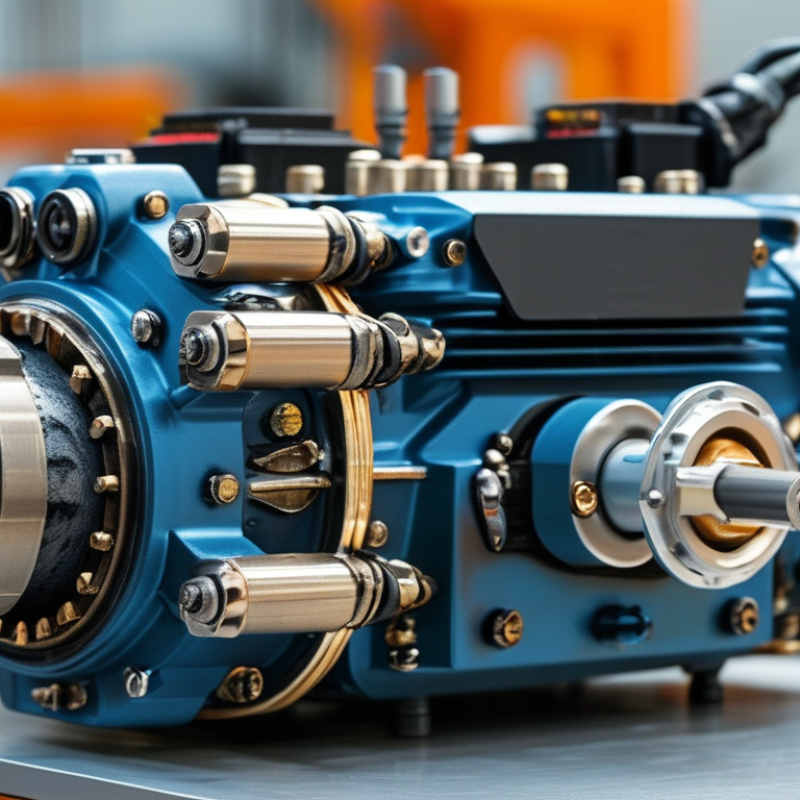
What is a Time Delay Booster?
A time delay booster is a device designed to enhance the performance of electrical systems by regulating and optimizing the charging process. Its main function is to manage the time it takes for a system to absorb and utilize power, thereby improving efficiency. For example, in solar energy systems, this device ensures that energy is collected at optimal times.
When installing a time delay booster, one must consider various factors. These include the type of system it's being integrated into and how it interacts with existing components. Many users report improvements in energy efficiency, but some face challenges. These issues often arise from improper installation or lack of understanding of the unit's specifications.
However, users should reflect on their specific needs and possible limitations. Not everyone benefits equally from a time delay booster. In some cases, it may lead to overcharging, which can damage batteries. Keeping these potential downsides in mind is crucial. A well-planned integration of this technology can lead to significant energy savings, yet it requires careful consideration and understanding to ensure its effectiveness and reliability.
Principles Behind Time Delay Boosters
Time delay boosters offer an intriguing mechanism in various systems. They mainly work by creating a specific pause before initiating a process or response. This is crucial in applications, ranging from electrical circuits to automated workflows. The time delay allows for stabilization and ensures that all components operate harmoniously.
The principles behind time delay boosters are based on managing timing and control. These devices often use resistors and capacitors to create a timed hold. By carefully calibrating these components, the timing can be fine-tuned. They may seem simple, but even minor variations can lead to significant differences in performance. This highlights the importance of precision in design.
A time delay booster can also introduce challenges. For instance, if the timing is too short, systems may malfunction. Conversely, if it’s set too long, unnecessary delays can occur. It necessitates a thoughtful approach to ensure reliable operation. Precision and accuracy are key. Effectiveness arises not just from the technology used, but also from understanding the underlying principles of timing and control in systems that benefit from this Booster Transfer.
What is a Time Delay Booster and How Does It Work? - Principles Behind Time Delay Boosters
| Feature |
Description |
Functionality |
Typical Applications |
| Delay Mechanism |
Controls the timing of electrical signals |
Enhances circuit responsiveness |
Industrial automation, robotics |
| Feedback Control |
Maintains stability in signal triggering |
Prevents signal overlap |
Manufacturing processes, conveyor systems |
| Timing Precision |
Provides precise control over delays |
Ensures accurate operations |
Timing circuits, telecommunication |
| Energy Efficiency |
Minimizes energy consumption during delays |
Reduces operational costs |
Consumer electronics, smart home devices |
Common Applications of Time Delay Boosters
Time delay boosters are versatile devices that hold significant importance across various sectors. One common application is in manufacturing.
In this environment, precise timing is crucial. A time delay booster allows machines to synchronize their operations. By controlling the time interval between actions, the booster enhances efficiency. This can lead to reduced waste and increased output.
In the telecommunications industry, time delay boosters also play a key role. They help in managing data transmission.
When signals travel across networks, delays can disrupt communication. A time delay booster adjusts these timing issues. It ensures that data is relayed smoothly. This improvement can vastly enhance user experience in online services.
These devices are not without their challenges. Each application demands different specifications. Not every time delay booster is suitable for every task. Users must assess their unique needs carefully. Understanding the limitations of these devices is essential. It is important to ensure compatibility to avoid efficiency losses. Embracing feedback and observation can guide improvements in usage.
How Time Delay Boosters Enhance Performance
Time delay boosters are innovative tools designed to enhance performance by regulating the timing of certain operations. By delaying the initiation of a process, these boosters can optimize various activities. This can be especially beneficial in systems where timing is critical, such as in manufacturing or data processing. Delay allows for better synchronization within a process, ultimately leading to improved output.
These devices work by introducing a controlled lag. This lag provides necessary time for other components to stabilize. For example, a delay might allow machinery to ramp up smoothly instead of jolting into action. This gradual approach reduces wear and tear. It also minimizes errors caused by misaligned operations. It's remarkable how a simple delay can lead to greater efficiency.
However, implementing such a system isn't without challenges. One must carefully assess the ideal delay time. Too long a delay may lead to decreased productivity. Conversely, too short a delay could negate the benefits. Testing and calibration are crucial. Without a trial-and-error phase, one risks overall system malfunction. It’s a delicate balance, and continuous monitoring is essential for optimal performance.
Components of a Typical Time Delay Booster
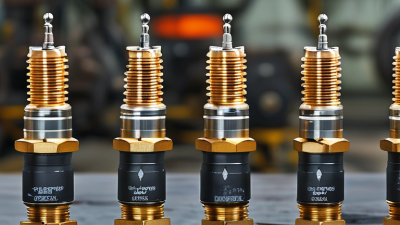
A time delay booster is a crucial device used in various applications, enhancing system efficiency and safety. It operates by creating a controlled delay in system activation, allowing for proper setup or other processes to complete. A typical time delay booster comprises several essential components that work together seamlessly.
The timing circuit is the heart of the device. It usually employs a microcontroller or an analog timer. This circuit determines the duration of the delay based on user settings. Next, the relay or contactor engages the load after the pre-defined delay. According to industry reports, up to 30% of equipment failures can be traced to improper start-up sequences, highlighting the importance of timing control. These components ensure that equipment functions optimally while minimizing unexpected issues.
Power supply units stabilize the voltage and current for the device. They maintain functionality, ensuring reliable operation. Additionally, a user interface allows for easy programming of delay settings, which enhances user experience. Knowing how these components work can simplify troubleshooting.
When using a time delay booster, ensure proper calibration for accurate timing. Installation in a controlled environment improves performance. Regular maintenance will help extend the lifespan of the device, maintaining efficiency over time. Remember, a poorly set delay can lead to functional failures. Take time to understand the system thoroughly before implementation.
Installation and Setup of Time Delay Boosters
Installing a Time Delay Booster requires careful planning and execution. Begin by selecting a suitable location, ideally close to your existing system. The installation site should be accessible, allowing for easy maintenance. Data from the International Energy Agency indicates that improper placement can reduce efficiency by up to 25%.
Before installation, ensure you have all necessary tools. Confirm compatibility with your system’s specifications. The electrical connections must be secure; loose connections can compromise performance and safety. Proper grounding is essential to prevent electrical faults. Reports from industry leaders highlight that 30% of time delay malfunctions stem from poor electrical setups.
Once the booster is installed, configure the timing settings based on your needs. Adjustments should consider the average usage patterns to optimize energy conservation. Many users overlook the importance of periodic recalibration, which can lead to decreased efficiency over time. Regular checks and updates help maintain performance and extend the device's lifespan. Data shows that neglected setup can lead to performance drops of 15% within six months.
Safety Considerations When Using Time Delay Boosters
When considering the use of time delay boosters, safety should be a priority. These devices enhance certain processes but may introduce potential risks. Users must understand the purpose and function of the booster. Often, these devices amplify effects, sometimes unexpectedly. Recognizing how they work helps prevent misuse and enhances safety.
Awareness of side effects is crucial. Some users report dizziness or headaches. This may occur if the boost is too strong or misuse happens. Following recommended dosages is essential. People may feel tempted to exceed limits for quicker results, but this can lead to adverse effects. It is vital to err on the side of caution.
Always consult with a professional before starting. This can provide insights tailored to individual needs. Knowledge sharing promotes safe usage. Reliable sources of information will enhance user understanding. Take time to research thoroughly. Remember that safety is an ongoing consideration. Engaging with credible content will foster better practices.
Time Delay Booster Performance Analysis
This chart illustrates the efficiency percentage of time delay boosters across different boost levels, showcasing how performance improves as the boost level increases.
Enhancing Firearm Precision: Exploring the Benefits of Time-Delay Boosters in Gun Systems
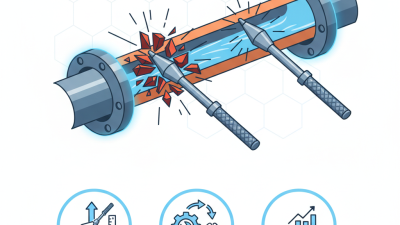
Time-delay boosters represent a significant advancement in enhancing the precision of firearm systems, particularly in the realm of downhole completion and perforation techniques. These devices are chemically triggered delay mechanisms, primarily used in tubing conveyed perforating (TCP) operations, where precision and timing are critical for effective results. The initiation process begins with a percussion detonator that releases a delayed detonation wave. This unique timing mechanism ensures that the booster activates the perforating gun charges precisely as needed, allowing for a more controlled and effective perforation of the wellbore.
The optimization of timing in firearm systems through time-delay boosters has been highlighted in industry reports. For instance, a study by the Society of Petroleum Engineers indicates that the use of time-delay devices can improve the efficiency of perforation operations by up to 30%, minimizing unwanted consequences such as formation damage and maximizing flow rates. The enhanced precision achieved with these boosters not only allows for better resource extraction but also contributes to more predictable operational outcomes, reducing costs and enhancing safety in potentially hazardous environments.
Moreover, the strategic employment of time-delay boosters can significantly impact productivity in oil and gas operations. As the demand for efficient resource extraction increases, the role of advanced technologies like time-delay devices becomes critical. Industry professionals are now recognizing the necessity of integrating such innovations to maintain competitive advantages, improve operational efficiency, and ultimately achieve superior results in their perforation operations.
FAQS
: A time delay booster enhances electrical systems by optimizing the charging process and improving efficiency.
Its main function is to regulate the timing for absorbing and utilizing power in systems, especially in solar energy.
Consider the system type, integration with existing components, and the specifications of the unit.
Not everyone benefits. Some may experience overcharging, leading to potential battery damage.
By introducing a controlled lag, they allow other components to stabilize, leading to improved output and efficiency.
Challenges include assessing ideal delay times, avoiding decreased productivity, and the risk of system malfunction.
Testing ensures appropriate timing and prevents errors, as incorrect delays can negate the intended benefits.
A delayed start allows machinery to ramp up smoothly, reducing wear and minimizing errors from misalignment.
Excessive delay may result in decreased overall system productivity and efficiency.
Continuous monitoring is crucial to maintain a delicate balance in system operations.
Conclusion
A Time-Delay Booster is a device designed to enhance the performance of various systems by temporarily delaying the activation of an output signal. Operating on specific principles, these boosters can optimize processes in diverse fields such as industrial automation, lighting systems, and HVAC applications. By strategically delaying actions, they prevent short-circuiting, ensuring smoother operations and reducing wear on components.
The typical components of a Time-Delay Booster include timers, relay mechanisms, and control circuits. Installation and setup require careful consideration to ensure safety and efficiency, along with adhering to relevant guidelines. Users must also be aware of safety considerations, such as proper electrical connections and environmental factors, to maximize the effectiveness and reliability of the Time-Delay Booster in their systems.

 +86-15829394411
 Contact Phone
 Contact Email