Leave Your Message
0%

China has really become a major hub for sourcing Oil Well Perforation equipment these days. If you're on the hunt, you’ll find a variety of gear like shaped-charge perforating guns, tubing-conveyed systems, wireline tools, firing heads, and other completion accessories, all from well-established manufacturers. Companies such as China Oilfield Services Limited, Kerui Petroleum, Jereh, Hilong, and SPT Energy are all serving different project needs — but keep in mind, their capabilities aren't exactly the same.

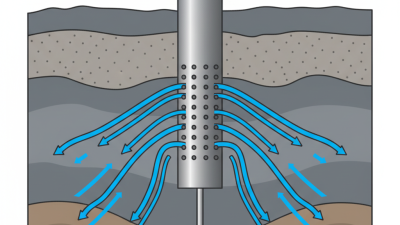
Petroleum engineer George E. King puts it simply but spot-on: “The perforation is the connection between the reservoir and the wellbore.” Basically, it’s the key point where things can go right or wrong. Perforating systems need to create reliable tunnels without messing up the integrity of the completion. They also have to match casing sizes, pressure and temperature conditions, the method of conveyance, and the specific goals of the reservoir. Even small mistakes in specs can lead to costly delays, so pay attention.

Here’s the thing — when you're vetting suppliers, don’t just take their word for it. You should ask for test reports, dimensional drawings, material certificates, pressure ratings, and documents showing their quality procedures. It’s also smart to check their compliance with API standards, how they handle factory inspections, their delivery records, and what kind of technical support they offer after shipment. A good supplier should be able to explain things like penetration performance, shot density, how they phase the shots, safety measures for handling explosives, and whether their equipment is compatible with your planned setup.

Experience on the ground really counts. A tool that works great in a vertical well might need adjustments in more challenging high-angle sections. Sure, lab data is helpful, but real-world conditions are a whole different ball game — with sand, deviations, high temps, and sometimes tricky access, hidden issues can pop up fast.

No one is perfect, and it’s wise to question those shiny claims from suppliers. Do your homework and compare the evidence carefully. Price is definitely a factor, but reliable equipment usually ends up costing less in the long run than dealing with failed runs and repairs. This overview introduces some top Chinese suppliers and shares practical tips for picking out Oil Well Perforation gear with more confidence.
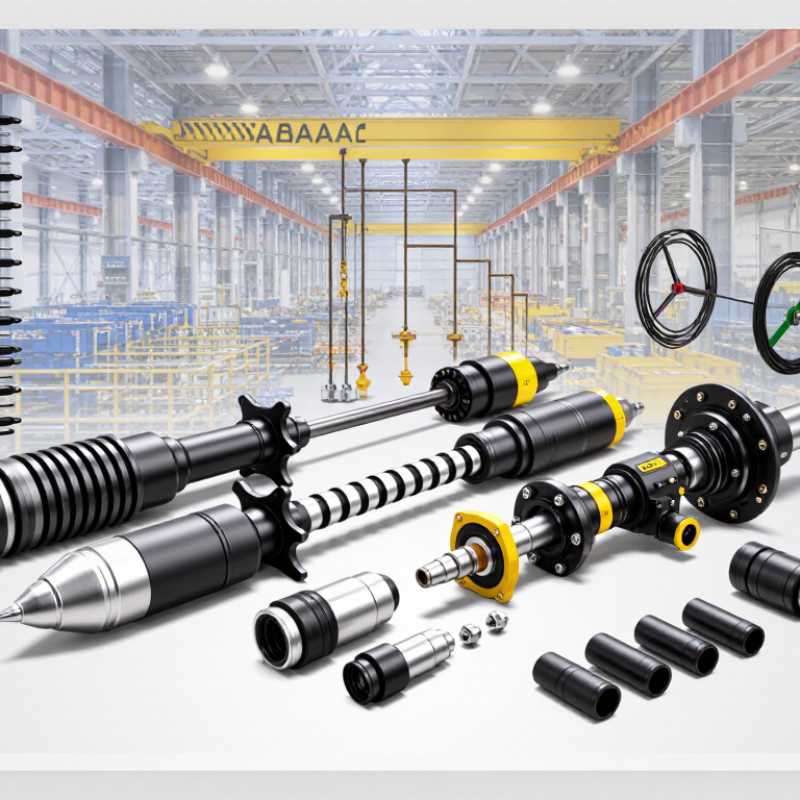
China Top Oil Well Perforation Equipment Suppliers for Buyers

Understanding Oil Well Perforation Equipment and Its Applications

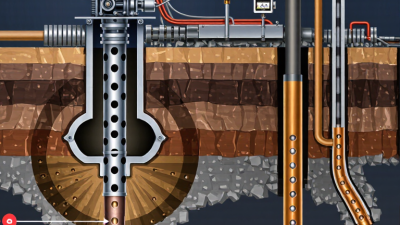
Oil well perforation equipment creates controlled openings through casing and cement, connecting the wellbore with the reservoir. A typical system may include shaped-charge guns, detonators, carriers, and pressure-control components. Engineers select gun size, shot density, and firing orientation according to casing dimensions, formation properties, and the completion plan. The details matter. Poorly matched perforations can restrict flow or complicate later intervention.

Perforating is commonly used in cased-hole completions before production or stimulation. The U.S. Energy Information Administration reported that U.S. crude oil production averaged 12.9 million barrels per day in 2023, reflecting the scale of activity where reliable well completions matter. This figure describes production, not perforation demand; it should not be treated as a direct equipment-market measure. In the field, crews also consider temperature, pressure, debris, and conveyance method, such as wireline or tubing. A clean firing sequence is essential. Even so, equipment selection cannot remove every uncertainty: actual formation response may differ from logging interpretations, and that gap deserves honest review.

Key Equipment Types Offered by Chinese Suppliers

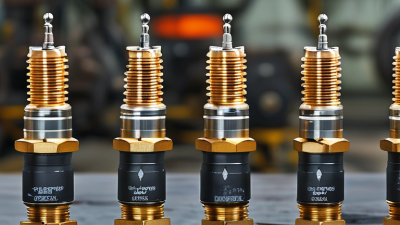
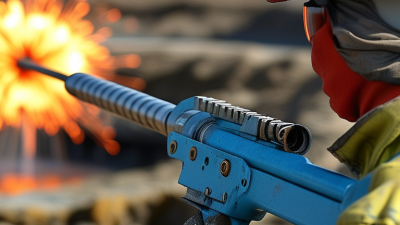
China’s oil well perforation equipment suppliers offer several tool families for different completion designs. Perforating guns remain central, including hollow-carrier, through-tubing, and TCP systems. Shaped charges create controlled tunnels through casing and cement. Some suppliers also provide gun bodies, firing heads, detonating systems, centralizers, and pressure-rated adapters.

Essential Technical Specifications for Buyer Evaluation

For buyers comparing China-based oil well perforation equipment suppliers, technical sheets should describe the complete operating envelope, not just maximum pressure. Check gun outer diameter, connection type, temperature rating, pressure rating, shot density, phasing, and explosive-charge compatibility. These details affect whether a tool fits the casing and the planned completion. Ask for dimensional drawings and batch-specific inspection records. Small mismatches matter.

API Recommended Practice 19B provides standardized procedures for evaluating perforating-system performance, including tests of shaped-charge penetration and casing response. Request test documentation that identifies the test conditions; results without those conditions are difficult to compare. Confirm that stated pressure and temperature limits apply to the assembled system, not merely one component. In field reviews, connection details and tolerances deserve extra attention. They are easy to overlook. The International Energy Agency’s Oil 2024 report estimates upstream oil and gas investment at about USD 570 billion for 2024, underscoring the scale of investment decisions behind equipment selection. That figure is not a perforation-equipment benchmark, however. Buyers should treat it as context, then verify supplier claims through traceable test reports and inspection records.

For Oil Well Services teams, practical evaluation should also cover firing reliability, debris control, run-in clearance, and retrieval planning. Ask suppliers to state how performance changes across temperature and pressure conditions, and request evidence from comparable well environments. A neat specification table is useful, but it cannot replace a clear test method. I would still question any rating presented without its limits.

China Top Oil Well Perforation Equipment Suppliers for Buyers - Essential Technical Specifications for Buyer Evaluation

Evaluation Dimension Specification to Request Typical Options / Reference Buyer Verification
Perforating method Gun system and deployment method Wireline-conveyed, tubing-conveyed, or through-tubing systems; select for well access and completion design. Confirm conveyance compatibility, operating sequence, and planned well intervention requirements.
Gun outer diameter and clearance Maximum gun OD, including connectors and accessories Must be selected for the casing, tubing, restrictions, and conveyance; no single OD suits every well. Compare supplier drawings with the complete wellbore drift and restriction profile.
Shot density and phasing Shots per unit length and angular arrangement Common design options include several shots per foot and phasing such as 60°, 90°, or 120°; final values are application-specific. Request a gun-loading diagram and confirm alignment with the completion and reservoir plan.
Charge performance data Penetration and hole-size test results for the proposed charge and gun configuration Performance depends on charge design, standoff, casing, cement, target material, and test conditions. Request test reports and test-condition details; do not compare headline figures without matching conditions.
Pressure and temperature limits Maximum rated operating pressure and temperature for the assembled system Ratings vary by gun, seals, initiators, charges, and accessories; use the lowest applicable component rating. Verify documented ratings against the planned well conditions, including exposure duration and temperature profile.
Carrier and debris management Carrier type, post-shot condition, and debris-control provisions Systems may use expendable or retrievable carriers, depending on the application and completion design. Review recovery plan, debris risk, and compatibility with downhole tools and completion components.
Firing and safety system Initiation method, arming sequence, and safety controls System choice depends on conveyance, well conditions, and approved operational procedures. Require operating instructions, compatibility information, and applicable explosive-handling documentation.
Quality and test documentation Traceability, inspection records, and relevant performance qualification API RP 19B provides standardized procedures for evaluating perforator performance; confirm the applicable edition and test section. Request serial or lot traceability, inspection records, and test reports for the quoted configuration.
Compatibility and configuration control Compatibility of guns, charges, connectors, seals, and firing components Performance and operating limits apply to the documented assembly, not necessarily to individual components used in another combination. Obtain a configuration-specific bill of materials and written confirmation of component compatibility.
Delivery and service support Lead time, export and transport documentation, technical support, and spare-parts availability Requirements depend on destination, explosive-material regulations, project schedule, and local service arrangements. Confirm delivery terms, required permits, documentation language, and availability of qualified operational support.

Note: Reference options are general selection considerations, not guaranteed product ratings. Confirm all dimensions, performance data, ratings, and regulatory requirements for the specific well and proposed configuration.

China’s Leading Oil Well Perforation Equipment Supplier Categories

China’s Leading Oil Well Perforation Equipment Supplier Categories

China’s supplier landscape spans perforating guns, shaped-charge systems, carrier assemblies, and related firing and conveyance components. Buyers comparing these categories should check pressure and temperature ratings, connection compatibility, and documented test results. Small differences matter: a carrier that fits the planned completion string may still require careful review of its operating limits. These checks belong within Oil Well Completion planning, not just procurement.

Market context helps explain demand, but it does not prove product quality. The International Energy Agency’s Oil 2024 report projected global oil demand growth of about 960,000 barrels per day in 2024. That outlook is not a perforation-equipment forecast. Still, it points to continuing well intervention and development needs. Supplier evaluations can compare charge consistency, gun dimensions, materials traceability, and quality-control records. Ask for inspection documents tied to the specific production batch. A catalogue is not enough. In practice, some specifications remain hard to compare across suppliers; that is worth acknowledging, rather than assuming every stated rating means the same thing.

Quality Standards, Certifications, and Manufacturing Capabilities

Buyers evaluating China-based oil well perforation equipment suppliers should look beyond catalog specifications. Ask how quality is checked from material receipt to final assembly. Reliable manufacturers can provide inspection records, dimensional reports, and clear acceptance criteria for critical components. Small deviations matter.

Certifications can support confidence, but they do not replace product-level evidence. Verify that certificates are current, relevant to the facility, and issued by an accredited body. Request sample documentation for traceability, testing, and nonconformance handling. A tidy certificate file is useful; a real production record is better.

Manufacturing capability also affects delivery and consistency. Review machining capacity, heat-treatment controls, calibration schedules, and the ability to manage repeat orders. If possible, assess a sample part and compare its finish, measurements, and supplied records. Do not assume every supplier documents every step equally well. That gap deserves a direct question. Careful supplier checks help protect Oil Well Productivity by reducing avoidable equipment variation in demanding downhole conditions.

China Oil Well Perforation Equipment Suppliers: Quality Standards and Buyer Checks

Quality management principles provide a useful framework for evaluating manufacturing capabilities. This chart lists the seven principles in ISO 9000:2015; it does not rate or compare individual suppliers.

Buyer note: Request current, verifiable certificates and supporting evidence relevant to the products being purchased. Check manufacturing controls, inspection and test records, material traceability, and product-specific conformity separately; this chart does not imply that any supplier holds a certification.

Pricing, Customization, and Export Service Considerations

China Top Oil Well Perforation Equipment Suppliers for Buyers

Pricing, Customization, and Export Service Considerations

Pricing for Casing Perforation equipment depends on gun size, shot density, phasing, pressure rating, and order volume. Basic systems may receive lower quotations, while high-temperature designs cost more. The 2024 World Energy Investment report estimated global upstream oil and gas investment at about $570 billion. This investment encourages buyers to compare lifecycle value, not only the initial invoice. Ask for a clear breakdown covering tools, explosives-free accessories, testing, packaging, freight, and replacement parts.

Customization should match the well plan. A supplier should review casing diameter, cement quality, reservoir pressure, temperature, and required penetration before suggesting a configuration. A practical quotation includes drawings, tolerance data, inspection records, and performance test results. API quality procedures can strengthen traceability, although certificates alone do not prove field performance. That part needs checking. Poor communication during customization can create expensive delays at the wellsite.

Export service often separates a capable supplier from a cheap one. Request production milestones, packing photographs, commercial invoices, certificates of origin, and accurate HS classification. Confirm Incoterms, insurance responsibilities, and destination-port support in writing. The 2023 Global Oilfield Services Market report indicates continued demand for efficient completion technologies, but regional logistics remain uneven. Experienced buyers should test response time with technical questions before placing large orders. A low price can look attractive. It may hide weak documentation, uncertain lead times, or limited after-sales support.

FAQS

Which specifications should buyers compare when evaluating perforating equipment?

Check gun diameter, connections, pressure and temperature limits, shot density, phasing, and charge compatibility. Small mismatches matter.

Why request dimensional drawings and batch-specific inspection records?

Drawings help confirm fit with the casing and completion string. Batch records show what was actually inspected, not just what a catalogue claims.

How should buyers compare performance test results?

Request reports that name the test conditions and method. Results without those details are hard to compare.

What does API Recommended Practice 19B help evaluate?

It provides standardized procedures for testing perforating-system performance, including shaped-charge penetration and casing response.

Are component ratings enough to confirm system limits?

No. Confirm that pressure and temperature ratings apply to the assembled system. A component’s rating may not describe the full tool.

What should buyers review beyond catalogue specifications?

Ask about firing reliability, debris control, run-in clearance, retrieval planning, and performance under comparable well conditions. Some supplier claims remain difficult to compare.

How can buyers assess manufacturing consistency?

Review machining capacity, heat-treatment controls, calibration schedules, and repeat-order processes. If possible, inspect a sample part and its records.

Do certifications prove that a product is suitable?

Not by themselves. Check that certificates are current and relevant, then request product-level test and inspection records.

What should traceability documents show?

They should connect materials, inspections, tests, and nonconformance handling to the specific production batch.

Do market forecasts indicate equipment quality or demand for a specific tool?

No. They offer broader market context, not a perforation-equipment benchmark. Verify supplier claims with traceable records.

Conclusion

Oil Well Perforation equipment plays a critical role in completing wells and establishing reliable communication between the reservoir and the wellbore. This article explains the main equipment categories available from Chinese suppliers, including perforating guns, shaped charges, carriers, firing systems, and related downhole tools. It also outlines the technical specifications buyers should evaluate, such as operating temperature and pressure, gun size, perforation density, penetration performance, material durability, and compatibility with different completion conditions.

The guide further introduces common supplier categories, including specialized manufacturers, integrated oilfield equipment producers, and custom engineering companies. Buyers should review quality management systems, product testing procedures, certifications, production capacity, and inspection records before placing an order. Pricing, customization options, delivery schedules, packaging, technical support, and export services are also important considerations. A careful comparison of performance, compliance, service capability, and total procurement cost can help buyers select dependable equipment for safe and efficient well completion operations.

Alexander

Alexander

Alexander is a dedicated marketing professional at a leading manufacturer of downhole perforating systems in China. With a strong background in the oil and gas industry, he possesses an exceptional understanding of shaped charges, perforating guns, and related accessories essential for efficient......
Previous Why Choose a Tubing Punch for Precision Tube Work?

Provide reliable and tailored solutions

Expetro Energy Service Co., Ltd. 

Contact us
  • 332-sns1
  • 332-sns2
  • 332-sns3
  • 332-sns4
  • 332-sns5

services

At FYPE, we believe every well deserves precision, reliability, and excellence. Whether you require high-performance perforating tools or dependable technical support, we are your trusted partner in the oil and gas industry.