Oil Well Perforation remains a critical completion step in modern hydrocarbon production. It creates controlled flow paths through casing, cement, and formation rock. Small design choices can influence production, water entry, and well integrity.
The International Energy Agency’s Oil 2024 report projects global oil demand to reach 105.4 million barrels per day by 2030. Existing fields will require continuous intervention and completion work. The Energy Institute Statistical Review of World Energy 2024 also recorded global oil consumption above 100 million barrels per day in 2023. These figures explain why perforation equipment remains commercially important. However, market growth does not automatically prove better performance.
Petroleum engineer Carl Gatlin described perforating as creating “openings through casing and cement into the producing formation.” The wording is simple. The engineering is not. Charge geometry, shot density, phasing, gun clearance, reservoir pressure, and debris control all matter. A poor result may appear as low inflow, uneven stimulation, or unnecessary formation damage.
This introduction examines ten influential manufacturers, including Halliburton, SLB, Baker Hughes, Hunting Energy Services, DynaEnergetics, and Coretrax. It considers product breadth, regional reach, technical development, safety practices, and publicly available customer evidence. Reports from the International Energy Agency, Energy Institute, and Society of Petroleum Engineers provide industry context.
No ranking is perfect. Public disclosures differ widely. Some companies publish detailed test results, while others reveal very little. Readers should treat this list as a practical comparison, not a final verdict. Field conditions still decide the outcome.
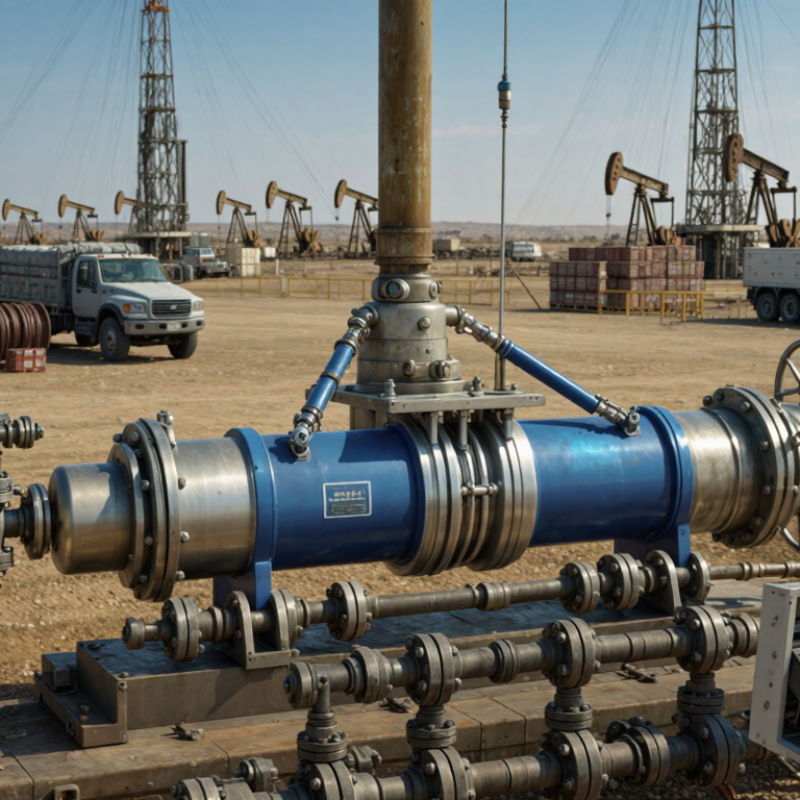
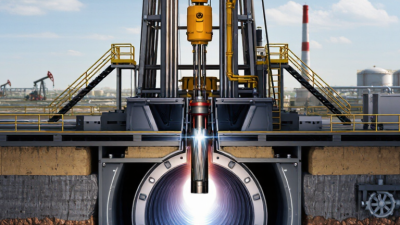
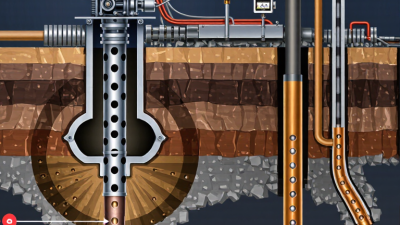
An oil well perforation gun is a downhole tool that creates openings through casing and cement. It carries shaped charges to selected depths inside the wellbore. During a controlled operation, these charges form narrow tunnels into the surrounding formation. The tunnels provide flow paths for oil or gas to enter the well.
Gun design affects placement accuracy, penetration depth, and operational reliability. Common systems are conveyed by wireline or production tubing, depending on well pressure and completion conditions. Engineers review casing size, cement quality, temperature, and formation properties before selecting a suitable configuration. Precise depth control matters. A few inches can change which reservoir interval receives stimulation or production flow.
Professional Oil Well Services teams also inspect pressure ratings, electrical continuity, deployment equipment, and site procedures. Experienced specialists compare logging data with actual downhole conditions instead of relying on assumptions. Manufacturers typically test charge performance and carrier strength under controlled conditions, supporting traceable quality checks. Yet no design is perfect. Poor cement bonding, debris, or unexpected deviation can reduce penetration effectiveness. Field results sometimes challenge laboratory expectations. That is why post-operation logs and production data deserve careful review, even when the initial execution appears successful.
The top ten oil well perforation gun manufacturers are often separated by design discipline, not marketing claims. Their systems typically combine modular gun bodies, corrosion-resistant materials, and accurate charge placement. These features help operators create consistent entry holes through casing and cement. Small dimensional errors can reduce reservoir access.
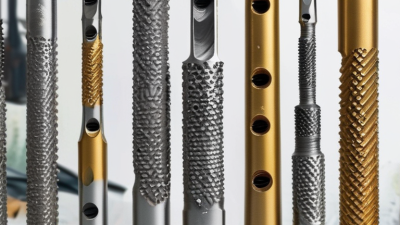
Modern perforation gun design uses computer simulation to predict pressure, casing stress, and tunnel shape. Engineers also use calibrated testing to compare penetration depth and hole diameter. Selective firing systems allow crews to activate planned intervals with greater control. Improved insulation protects electronic components from heat, vibration, and well fluids. Reliability matters most.
Some designs use compact carriers for restricted wellbore conditions. Others favor larger systems that support higher shot density. Connection methods must withstand running loads without damaging the gun assembly. Field engineers review pressure records, debris, and recovered hardware after each operation. Data can expose weaknesses that laboratory tests miss. No design is perfect. Temperature estimates may be wrong, and cement quality can vary across the same interval. A careful manufacturer treats these findings as engineering evidence, then adjusts materials, testing procedures, and quality controls.
This chart summarizes representative design options commonly specified in oilwell perforating programs. It focuses on technology configuration diversity rather than company or brand performance.
Typical industry choices include multiple shot densities, phasing arrangements, gun-size families, conveyance methods, and shaped-charge performance profiles. Actual selection depends on casing size, formation properties, pressure, temperature, well deviation, and completion objectives.
Comparing global oil well perforation gun manufacturers requires more than a polished catalog. Real field experience matters. Evaluators should examine how designs perform under pressure, temperature changes, vibration, and long storage periods. Ask for test records, material certificates, dimensional data, and documented quality controls. Photographs of worn components can reveal practical weaknesses that brochures often hide. Still, one successful project proves little. Evidence should cover different well conditions and production environments.
Technical competence is visible in engineering depth. Look for validated modeling, controlled manufacturing, inspection equipment, and technicians who can explain failure modes clearly. Traceability is essential. Each assembly should connect to a batch record, inspection result, and responsible process. Independent testing or witnessed acceptance checks can strengthen confidence, especially when specifications differ across regions. However, certificates alone are not enough. An evaluator should compare actual tolerances with field feedback, not simply collect documents.
Reliable suppliers also manage communication after delivery. Review response times, spare-part planning, training materials, and support across time zones. Clear drawings and consistent terminology reduce mistakes. Safety procedures must be transparent and aligned with applicable regulations. Ask how design changes are approved and reported. Some manufacturers may have excellent equipment but weak documentation. That gap deserves attention. Price should remain one factor, never the deciding factor. An honest evaluation records uncertainties and revisits them after field use.
Global demand still supports specialized perforating equipment. The IEA’s Oil 2024 report projects oil demand at 105.4 million barrels per day by 2030. That outlook keeps completion efficiency important. In Oil Well Completion, gun reliability affects tunnel depth, casing damage, and cleanup time. The top ten manufacturers are not identical. Their strengths differ sharply.
Profile one emphasizes modular gun systems for varied casing sizes.
Profile two focuses on high-temperature charges for deep wells.
Profile three develops compact guns for narrow-hole completions.
Profile four serves offshore projects, where loading speed matters.
Profile five offers advanced carrier designs that limit debris.
Profile six concentrates on shaped-charge consistency.
Profile seven supports electric and conveyed deployment methods.
Profile eight builds systems for heavy-wall casing.
Profile nine targets mature fields and lower-cost workovers.
Profile ten combines testing laboratories with field engineering support.
SPE technical papers commonly connect shot density, phasing, and underbalance control with inflow performance. However, public comparisons remain incomplete. Manufacturers often report different test conditions. That weakens simple rankings. It is a real limitation.
Buyers should examine API-aligned quality systems, pressure-test records, charge batch traceability, and field failure data. A clean workshop is not enough. Engineers should inspect redressed guns, connector wear, and residue around the carrier.
The strongest suppliers also provide deployment calculations and post-job analysis. Some profiles look impressive on paper, yet field evidence may be thin. That deserves scrutiny.
Top 10 Oil Well Perforation Gun Manufacturers Worldwide
Product Types and Applications Across Well Conditions
Perforation guns create controlled openings through casing and cement, helping formation fluids enter the wellbore. Selection starts with well geometry, not catalogue popularity. Wireline-conveyed guns suit many cased-hole operations and offer accurate depth control. Tubing-conveyed guns support long intervals, deviated wells, and completions where conveyance becomes difficult. Through-tubing systems can reach mature wells with restricted internal diameter. Large-diameter systems may improve charge coverage, but clearance must be verified. Fit matters.
Well conditions change the engineering decision. High-pressure and high-temperature wells require rated carriers, dependable systems, and documented qualification data. In deviated sections, gravity may not position the tool reliably. Conveyance planning, centralization, and real-time depth checks become important. For damaged or water-sensitive formations, selective perforation can reduce unnecessary exposure. In unconsolidated rock, aggressive shot density may increase sand risk. Completion design must reflect that concern. Clean debris management also matters; a small restriction can reduce Oil Well Productivity more than expected.
Tips: Confirm casing grade, drift diameter, pressure, temperature, deviation, and target interval before choosing a gun. Match shot phasing and density to formation stress and expected inflow. Request test records, inspection procedures, and field references. A paper design can look excellent, yet fail when access is limited. I would also recheck depth correlation after every major completion change. That review feels slow, but overlooked geometry often costs more than the delay.
| Rank | Anonymous Manufacturer Profile | Primary Gun Configuration | Typical Gun OD Range | Deployment Method | Best-Suited Well Conditions | Common Applications | Key Technical Considerations |
|---|---|---|---|---|---|---|---|
| 1 | Profile 01 | Retrievable hollow-carrier gun | 1-11/16–4-1/2 in | Electric wireline or slickline-conveyed | Cased vertical, deviated, and moderate-temperature wells | Production-zone perforating, recompletion, selective interval treatment | Gun retrieval, casing clearance, pressure control, shot phasing, and charge selection |
| 2 | Profile 02 | Expendable strip or capsule gun | 1-3/8–2-7/8 in | Electric wireline | Slim casing, tubing-constrained, and low-clearance completions | Low-cost selective perforation and small-diameter through-tubing work | Debris management, limited recovery capability, tubing drift, and conveyance reliability |
| 3 | Profile 03 | Through-tubing hollow-carrier gun | 1-3/4–3-1/2 in | Electric wireline through production tubing | Live-well interventions and existing completion assemblies | Reperforating, bypassing damaged intervals, and selective stimulation access | Tubing and nipple restrictions, pressure-control equipment, and debris recovery |
| 4 | Profile 04 | Tubing-conveyed perforating hollow carrier | 3-1/8–7 in | Tubing, drillpipe, or coiled-tubing conveyed | Highly deviated, horizontal, deep, and extended-reach wells | Long intervals, high shot density, underbalanced perforating, and multistage completions | Conveyance force, firing-head compatibility, pressure balance, and well-control planning |
| 5 | Profile 05 | Scallop or strip TCP gun | 2-1/8–4-1/2 in | Tubing-conveyed perforating | Large casing, open-hole completion interfaces, and high-rate reservoirs | High shot-density perforating and long production-zone coverage | Limited retrieval, gun-to-casing clearance, phasing accuracy, and post-job debris |
| 6 | Profile 06 | Limited-entry perforating system | 1-69/100–2-88/100 in | Wireline or tubing conveyed | Multistage hydraulic-fracturing completions | Cluster perforation, fracture initiation, stage isolation, and entry-hole distribution | Cluster spacing, entry-hole erosion, initiation pressure, and stress-shadow effects |
| 7 | Profile 07 | Slimhole wireline gun | 1-11/100–2-1/4 in | Electric wireline | Small-diameter casing, tubing, and mature-field wells | Diagnostic perforating, water-shutoff access, and selective recompletion | Reduced charge size, limited penetration, narrow drift tolerance, and cable tension |
| 8 | Profile 08 | High-pressure/high-temperature gun | 2-1/8–5 in | Wireline or tubing conveyed | Deep, hot, high-pressure, and geothermal-like well environments | Deep reservoir access, high-temperature production zones, and challenging interventions | Temperature rating, pressure integrity, thermal exposure time, and firing-system qualification |
| 9 | Profile 09 | Deep-penetrating shaped-charge system | 2-1/8–4-1/2 in | Wireline, TCP, or coiled-tubing conveyed | Thick casing, cement sheath, damaged near-wellbore zones, and compact formations | Maximizing penetration depth and connecting the wellbore with formation flow paths | Penetration versus hole diameter, casing strength, stand-off, and formation sensitivity |
| 10 | Profile 10 | Phased or oriented perforating gun | 1-69/100–3-1/2 in | Wireline, tractor, or tubing conveyed | Deviated and horizontal wells requiring directional control | Azimuth-controlled perforation, fracture placement, and selective reservoir drainage | Orientation accuracy, tool centralization, conveyance friction, and downhole correlation |
| Technical note: The entries represent anonymized, industry-level manufacturer capability profiles rather than named companies or brands. Gun dimensions are common industry ranges and may vary by casing size, charge design, pressure rating, deployment method, and operator requirements. Perforator performance is commonly evaluated through standardized test practices such as API RP 19B. | |||||||
Oil well perforation guns must meet strict engineering and safety expectations before reaching a wellsite. Reliable manufacturers normally align their processes with recognized petroleum standards, quality systems, and local regulations. API specifications, ISO 9001 controls, and documented explosive-handling procedures can support consistent production. Certification alone is not enough.
Quality begins with material traceability. Each gun body, carrier, connector, and sealing component should have recorded heat numbers and inspection results. Pressure testing must reflect the intended downhole environment, including temperature, fluid exposure, and differential pressure. Dimensional checks are equally important. A small machining error can affect tool deployment or downhole performance.
Safety depends on disciplined communication. Trained personnel should control storage, transportation, assembly, and jobsite access. Clear handling zones reduce confusion around energetic components. Manufacturers should provide verified operating limits, inspection intervals, and emergency procedures. Independent audits can reveal weaknesses that internal teams miss.
Real field experience also exposes uncomfortable gaps. A perfect checklist does not guarantee perfect execution. Rushed loading, unclear handovers, or incomplete maintenance records can undermine strong equipment. Quality teams should investigate near misses without hiding inconvenient findings. That culture builds trust with operators, regulators, and service crews. Performance data from completed jobs should guide design improvements, even when the results are disappointing.
Top 10 Oil Well Perforation Gun Manufacturers Worldwide
The oil well perforation gun market is changing through smarter design, tighter quality control, and regional manufacturing. Modern suppliers increasingly use CNC machining, digital inspection, and modular platforms. These methods improve dimensional accuracy around carrier bodies, threads, and connection points. Field engineers now expect reliable performance under pressure, temperature, and vibration. Casing Perforation systems must also support faster deployment and clearer traceability. Manufacturing quality is no longer judged by appearance alone.
Future development will focus on lightweight alloys, robotic assembly, and digital twins. These tools can reduce handling time and identify design weaknesses before production. Additive manufacturing may support specialized components, although certification remains a concern. Lower-waste machining is gaining attention as manufacturers measure energy use and material recovery. Regional supply chains may become more important after recent transport disruptions. However, automation cannot replace skilled inspection. A perfect digital model can still produce a poor physical part. That lesson deserves more attention.
Tips: Compare suppliers through test records, material certificates, inspection images, and service history. Ask how each manufacturer controls tolerances during repeated production. Check whether the design suits the well profile, completion method, and operating environment. Do not rely on catalogue claims alone. A small thread defect can become an expensive delay. Review maintenance access, documentation quality, and response times before approval. Reliable partnerships are built through evidence, not polished promises.
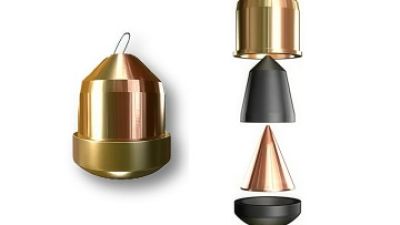
Phase-Coaxial Synergy Shaped Charges represent an advanced solution for improving well stimulation efficiency and reservoir productivity. Designed for oil and gas applications, these charges combine phase-coaxial geometry with a synergistic shaped-charge structure to support more consistent energy distribution around the target interval. This design can help create effective flow pathways while reducing unnecessary energy loss, enabling operators to optimize stimulation performance according to specific formation and completion requirements.
As an experienced China-based factory and supplier, we focus on integrating precision shaped-charge engineering with innovative propellant technology. The integrated configuration is developed to provide reliable ignition coordination, stable output, and efficient deployment in demanding well-service environments. Production procedures emphasize material selection, dimensional control, assembly consistency, and performance testing to help ensure dependable quality from batch to batch. Available technical options can be adapted to different well conditions, operating objectives, and equipment interfaces, supporting practical field implementation and improved production planning.
It is a downhole tool that creates openings through casing and cement. These openings connect the wellbore with the surrounding formation.
Controlled charges create narrow tunnels into the formation. These tunnels provide flow paths for oil or gas to enter the well.
Engineers review casing size, cement quality, well pressure, temperature, and formation properties. Deployment method also matters.
A few inches can change the reservoir interval receiving production flow. Accurate placement helps target the intended zone.
Review test records, material certificates, dimensional data, and quality-control documents. Field experience across different conditions matters more than catalog claims.
Each assembly should connect to batch records and inspection results. Clear records help identify defects and repeated production issues.
Poor cement bonding, debris, unexpected deviation, or worn components may reduce penetration. Laboratory results may not match field performance.
Useful support includes clear drawings, training materials, spare-part planning, and timely technical responses. Documentation gaps deserve attention.
Lightweight alloys, robotic assembly, digital twins, and improved inspection may increase consistency. Automation helps, but it cannot replace skilled inspection.
Compare field data, service history, tolerance control, maintenance access, and response times. Price matters, but it should not decide alone.
Oil Well Perforation guns are essential downhole tools used to create controlled openings in well casing and surrounding formations, enabling hydrocarbons to flow into the wellbore. This article introduces their operating role, major design technologies, and the criteria used to evaluate leading global manufacturers, including engineering capability, product reliability, customization, testing procedures, service support, and manufacturing consistency. It also explains how different gun configurations, conveyance methods, charges, and pressure ratings are selected for various well depths, temperatures, pressures, and completion conditions.
The discussion further highlights industry standards, workplace safety, quality assurance, traceability, and responsible production practices that support dependable field performance. A review of the top ten manufacturer categories compares their technical strengths and application focus without promoting any specific brand. Finally, the article considers market trends such as improved materials, modular designs, digital monitoring, automation, and more efficient manufacturing processes, showing how future Oil Well Perforation solutions may become safer, more precise, adaptable, and environmentally responsible.