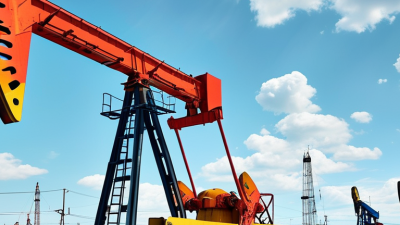
So, when we talk about downhole perforating tools in 2026, the real question isn't just about the hardware—it's something more practical: how do you actually get reliable flow paths when reservoir conditions keep shifting? Honestly, picking the right tool these days goes way beyond just looking at charge performance. You've got to think about all sorts of stuff—like how deviated the well is, the pressure and temperature you're dealing with, casing strength, your completion design, and even environmental limits. It's a whole balancing act.
So, the International Energy Agency just put out their Oil 2024 report, and here's the gist: global oil demand is going to slow down quite a bit before 2030. But that doesn't mean we can just kick back—existing wells still need to be completed or re-completed efficiently, you know? That's where accurate perforating systems come in, especially when you're dealing with mature fields or those tricky horizontal wells. And if you look at the Baker Hughes rig count, it really shows how drilling activity swings from region to region. It's a pretty clear reminder for operators that you can't just use a one-size-fits-all tool; your perforating gear has to match the local well conditions, or you're asking for trouble.
Looking ahead to 2026, a few tool groups are really worth keeping an eye on. Wireline-conveyed perforating systems? They're pretty straightforward—fast and familiar, so crews tend to like them. Then you've got tubing-conveyed systems, which are your go-to when things get tough—high pressure, highly deviated wells, no problem. And if you're dealing with extended-reach laterals, tractor-conveyed systems come to the rescue when conventional access just won't cut it. Plus, there are advanced shaped charges and selective, oriented systems that might help you place tunnels more precisely and cut down on unwanted reservoir communication. Yeah, the little things can make a big difference—sometimes it's the small tweaks that pay off the most.
You know, SPE papers keep hammering on about how shot density, phasing, underbalance, and completion geometry really do matter for actual production. But here's the thing—what works in the lab doesn't always play out in the field. That disconnect? It deserves a lot more honest conversation than it gets. I mean, you can have a tool that looks perfect on paper, but throw in some debris, scale, poor centralization, or unexpected rock stress, and it might just fall flat. That's the reality we need to face.
So, when we're looking at downhole perforating options, this guide isn't about picking a winner. It's more about comparing them based on what actually works in the field, the engineering behind each one, their operating limits, and how reliable the service really is. Honestly, there's no one-size-fits-all here. The right choice depends on the specific well program and the rules you've got to follow—and that choice should be backed up by evidence, not just gut feeling.
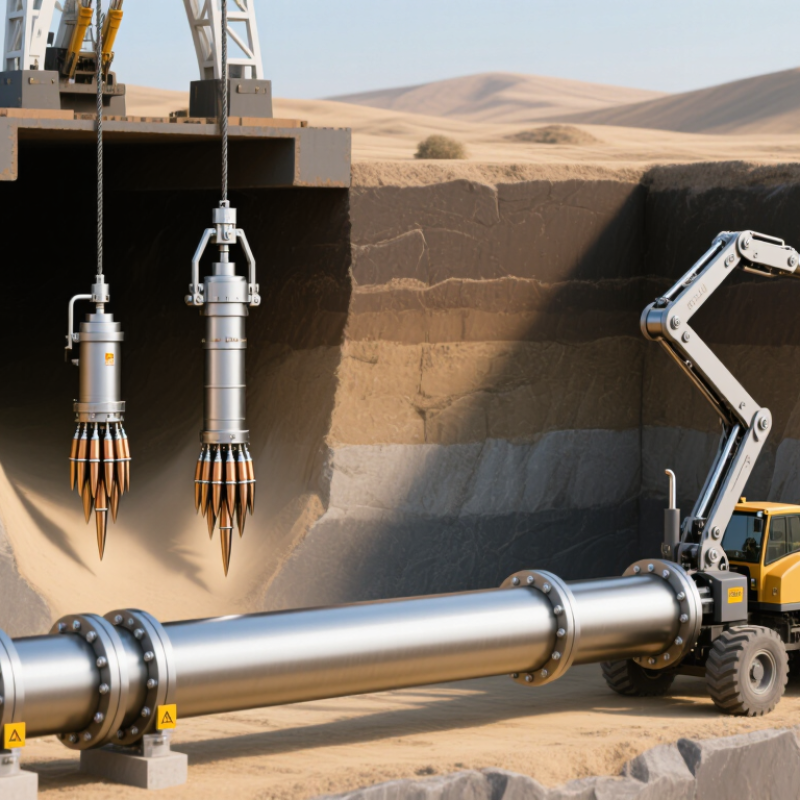
Downhole Perforating Tools: Definition and Primary Functions
What Are the 2026 Top Downhole Perforating Tools?
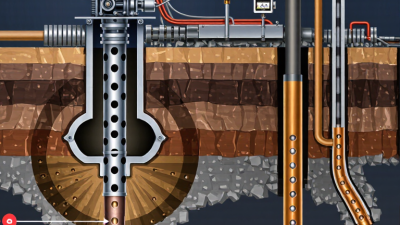
Downhole perforating tools are engineered devices used to create controlled openings through casing, cement, and surrounding formation rock. These openings connect the wellbore with selected production or injection zones. In practical terms, the tool delivers focused energy at a planned depth. The result is a series of narrow tunnels, often only a few inches deep.
Their primary function is controlled reservoir access. Engineers select shot density, penetration depth, phasing, and firing sequence for the well’s geology. Modern Downhole Tools may support accurate depth placement, pressure monitoring, and temperature resistance. Some systems also provide better debris management after perforation. That detail matters when small fragments could restrict later flow. A clean, consistent tunnel can improve communication with the formation.
The strongest 2026 tools will likely combine precision, durability, and useful field data.
Real-time measurements can help crews confirm tool position and operating conditions. This reduces guesswork in long, deviated wells. However, no tool performs perfectly in every formation. Cement quality, rock stress, and unexpected pressure changes can alter results. Field experience still matters. A technically advanced tool may underperform when the perforation plan ignores local geology. Careful preparation, verified measurements, and post-job review remain essential for reliable well performance.
How Downhole Perforating Tools Create Formation Access
What Are the 2026 Top Downhole Perforating Tools?
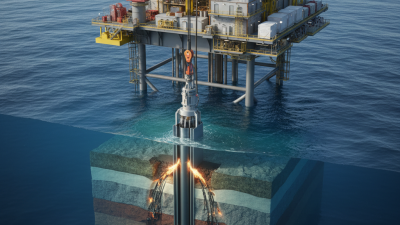
In 2026, leading downhole perforating tools focus on accurate, repeatable formation access. Shaped-charge perforating guns remain widely used for creating tunnels through casing, cement, and reservoir rock. These charges form focused jets that open controlled pathways into the formation. Wireline-conveyed systems support fast deployment in suitable well conditions. Tubing-conveyed systems offer greater flexibility when deeper access or heavier completion assemblies are required. Coiled-tubing methods can help reach challenging intervals with reduced rig dependence. Selection depends on depth, pressure, casing design, fluid compatibility, and completion objectives.
The perforating process begins with careful interval confirmation. Engineers review logs, casing integrity, and expected rock properties before deployment. In the well, the tool must remain correctly positioned. Even a small depth error can affect production access. Geometry matters. Charge spacing, shot density, and phasing influence tunnel distribution around the casing. These details help balance inflow across the target interval. Experienced Downhole Operations teams also monitor pressure behavior and post-perforation returns. Field results can differ from models because rock stress and cement quality are never perfectly uniform. That uncertainty deserves attention. A clean tunnel does not guarantee strong production. Debris, compacted rock, or poor reservoir connectivity may still restrict flow. Careful diagnostics and disciplined tool selection therefore remain essential during formation access planning.
Main Types of Downhole Perforating Tools in 2026
Downhole perforating tools create controlled openings through casing, cement, and formation rock. In 2026, selection depends on depth, pressure, completion design, and production targets. Field engineers also review deviation, temperature, and fluid compatibility before deployment. Small planning errors can damage productivity.
Tubing-conveyed perforating systems suit long intervals and highly deviated wells. They use production tubing to position shaped charges accurately at depth. Wireline-conveyed tools offer faster deployment in accessible well sections. They work well when operators need precise depth control and real-time logging support.
Through-tubing perforating tools pass through existing completion equipment. Their compact design helps reopen isolated zones without removing the full completion. However, limited diameter can reduce charge size and interval coverage.
Coiled-tubing systems combine conveyance with fluid circulation during complex interventions. Hydraulic perforating tools use controlled pressure instead of conventional electrical initiation. They can support selective operations where mechanical access is restricted. Explosive-free options may also reduce certain operational risks, although they require careful pressure modeling. Perforating guns may be configured as casing-conveyed, tubing-conveyed, or retrievable assemblies. Each arrangement changes deployment speed, debris management, and post-job verification.
Real-world performance depends on more than charge penetration. Engineers should examine hole size, tunnel cleanup, formation stress, and near-wellbore damage. Pressure pulses can behave differently than laboratory predictions. That gap deserves attention. Calibrated logging, pressure testing, and independent equipment checks improve confidence before production begins. Local regulations and site procedures must guide every stage of handling and deployment.
Key Components and Operating Mechanisms
What Are the 2026 Top Downhole Perforating Tools?
Modern downhole perforating systems combine shaped-charge carriers, firing heads, centralizers, and pressure-rated connectors. Each component must survive heat, vibration, and high hydrostatic pressure. The charge creates a focused jet through casing, cement, and nearby formation. Small design changes can affect entry-hole size and penetration depth.
Electric wireline systems use controlled electrical signals to initiate the firing sequence. Tubing-conveyed systems rely on a pressure-operated or mechanically triggered firing head. Both methods require accurate depth correlation. A pressure sensor can confirm movement, while a casing collar locator helps position the gun across the target interval. The firing head is critical. If timing, pressure, or electrical isolation fails, the tool may not operate as planned.
In 2026, advanced systems increasingly use compact telemetry modules and improved debris-management features. These tools can record temperature, shock, and firing status during deployment. Ceramic or reinforced carriers may reduce deformation after detonation. Centralizers also matter because poor alignment can create uneven perforation tunnels. Field engineers should match charge geometry with casing grade, cement quality, and reservoir pressure. A stronger charge is not always better.
The weakest link can be the installation plan. Repeated checks are necessary. In real wells, fluid contamination and unexpected restrictions still complicate clean tool movement. Models help, but downhole conditions remain imperfect. That gap deserves honest attention during tool selection and operational review.
How to Select Tools for Different Well Conditions
What Are the 2026 Top Downhole Perforating Tools?
Tool selection should begin with the well, not the catalog. For high-pressure, high-temperature wells, choose a compact gun system rated beyond the expected bottomhole pressure and temperature. API RP 19B provides standardized perforation testing, including hole size, penetration, and entrance-hole evaluation. These measurements matter when casing thickness exceeds 0.5 inches or cement quality is uncertain. In highly deviated wells, conveyed systems reduce deployment risk. Tubing-conveyed perforating tools can also support larger charges and controlled phasing. Small differences become important underground.
Formation behavior changes the decision. Tight reservoirs may require higher shot density, deeper penetration, or limited-entry designs. However, more shots do not automatically improve production. Poor cement bonding, stress shadowing, and near-wellbore damage can reduce effective flow. The 2024 IEA Oil report forecasts global oil demand reaching 105.4 million barrels per day by 2030, increasing pressure to complete wells efficiently. Yet speed should not replace verification. Review caliper logs, cement evaluation, pressure history, and expected fracture geometry before selecting charges.
Field experience suggests matching gun diameter to casing clearance, not simply choosing the largest available system. A 60-degree phasing pattern may improve distribution, but local stress can make 90 degrees preferable. I once trusted shot density too much. That was a mistake. Temperature cycling, debris, and weak centralization can matter more than laboratory penetration. Record actual tool performance, compare it with API testing, and revise the completion design when field evidence disagrees.
Deployment Methods, Performance Factors, and Safety Controls
Selecting the 2026 top downhole perforating tools requires more than comparing specifications. Engineers should match the Perforating Gun to formation pressure, casing size, deviation, and completion design. Wireline deployment is efficient for accessible wells and accurate depth correlation. Tubing-conveyed systems provide stronger placement control in long or highly deviated intervals. Coiled tubing can support selective work where circulation and reach are important.
Deployment planning starts with a verified well schematic and current pressure data. Confirm tool clearance through restrictions before mobilization. In the field, technicians should measure depth references, inspect connections, and record every redress step. Small errors matter. A few centimeters can affect the productive interval.
Performance depends on shot density, phasing, penetration, debris management, and standoff from the casing. Temperature and pressure ratings must exceed expected conditions, not merely match them. Real-time depth correlation can reduce placement uncertainty, while post-job pressure analysis helps evaluate communication with the formation. No model is perfect. Cement quality, scale, or unexpected geometry may change results.
Safety controls must cover transport, storage, arming, pressure testing, and return-to-surface procedures. Use documented isolation barriers and independent authorization before deployment. Keep nonessential personnel outside the controlled area. Clear communication between the control room and wellsite crew is essential. Stop-work authority should remain practical, not symbolic. Experienced teams still review failed assumptions, because a quiet operation can hide a serious weakness.
Emerging Technologies Shaping Downhole Perforating Tools in 2026
What Are the 2026 Top Downhole Perforating Tools?
Emerging technologies are reshaping Oil Perforating in 2026. Intelligent guns now combine downhole pressure, temperature, and vibration sensors. These tools help engineers confirm firing conditions before production begins. Fiber-optic telemetry can also transmit cleaner signals through high-temperature environments. The value is practical: fewer blind intervals, better placement decisions, and more reliable post-job analysis.
The International Energy Agency’s Oil 2025 report projects global oil demand will reach about 105.4 million barrels per day by 2030. Mature reservoirs will therefore require more precise intervention. Its World Energy Investment 2025 report estimates upstream oil and gas investment near 570 billion dollars in 2025. That spending supports automated tool development, digital twins, and lower-shock perforating systems. Small gains matter underground.
New tools increasingly use computational models to select shot density, phasing, and charge geometry. Real-time downhole data can adjust the operating plan before damage spreads across the completion. SPE technical papers from 2024 and 2025 highlight growing interest in distributed sensing and data-assisted completion design. However, models can misread fractured rock. Tool accuracy also depends on calibration, centralization, and clean signal paths. Field conditions remain stubborn. A better sensor cannot repair poor job planning. Engineers should question elegant dashboards when the pressure trace looks incomplete.
Conclusion
Downhole Perforating tools are specialized completion and intervention equipment used to create controlled openings between the wellbore and surrounding formation, enabling hydrocarbons or injection fluids to move through selected intervals. This summary explains how perforating systems generate formation access through shaped energy, mechanical action, or other controlled methods, while comparing major tool categories expected in 2026. It also reviews essential components, operating mechanisms, and the role of carriers, charges, initiators, and deployment assemblies in achieving reliable results.
Selecting the right Downhole Perforating solution requires evaluating well geometry, pressure, temperature, formation strength, fluid conditions, completion design, and target depth. The article also considers conveyed deployment methods, penetration quality, hole distribution, debris management, operational reliability, and safety controls. Finally, it highlights emerging developments such as smarter downhole diagnostics, improved precision, lower-debris designs, digitally supported planning, and tools engineered for more demanding well environments. Together, these factors help operators improve formation access while maintaining control, efficiency, and well integrity.

 +86-15829394411
 Contact Phone
 Contact Email