+86-15829394411
Leave Your Message
-
Contact WhatsApp
-
 Contact Phone
-
 Contact Email
Picking a Jet Cutter for industrial cutting isn't just about the specs – it's really about what you're cutting, how much you need to produce, and the environment it'll be working in. You've got a waterjet that shoots a high-pressure stream through a tiny nozzle, and if you're dealing with tougher materials, you can add abrasive to the mix. It can handle everything from metals and stone to glass and composites – depending on how the machine is set up, of course. Unlike a lot of thermal cutting methods, this one doesn't put out as much heat. So you don't get those heat-affected zones near the cut edge, which is a real plus. And honestly, that's pretty important.
So, when you're in a busy shop, the difference really shows up in the little things – a clean edge, a narrow kerf, or just not having to spend time fixing heat distortion. And one big plus with a Jet Cutter? It can whip out complex profiles without needing custom hard tooling, which is super handy for prototypes and mixed production runs. But you can't just set it and forget it – results depend on material thickness, cutting speed, nozzle condition, abrasive quality, and how the operator sets things up. Yeah, the small stuff matters. Like, a worn nozzle can mess with accuracy and drive up your consumable costs.
It's not like you just pick a waterjet and you're done—there's definitely a trade-off here. Sure, these systems can be a big investment upfront, and they need regular upkeep, plus you've got to manage all the water and abrasive stuff. And in some cases, they might actually cut slower than other methods, which is something you have to think about. So what should a buyer do? Compare sample cuts, look at the total operating costs (not just the sticker price), check out how good the support is, and most importantly, think about the parts you're actually going to produce. You can't just look at the spec sheet and make a decision—it's way more nuanced than that. You know, the best way to figure it out is to test some materials that actually represent what you work with, then see if the cut quality, how fast it goes, and the upkeep all fit your shop's daily routine.
What Is a Jet Cutter?
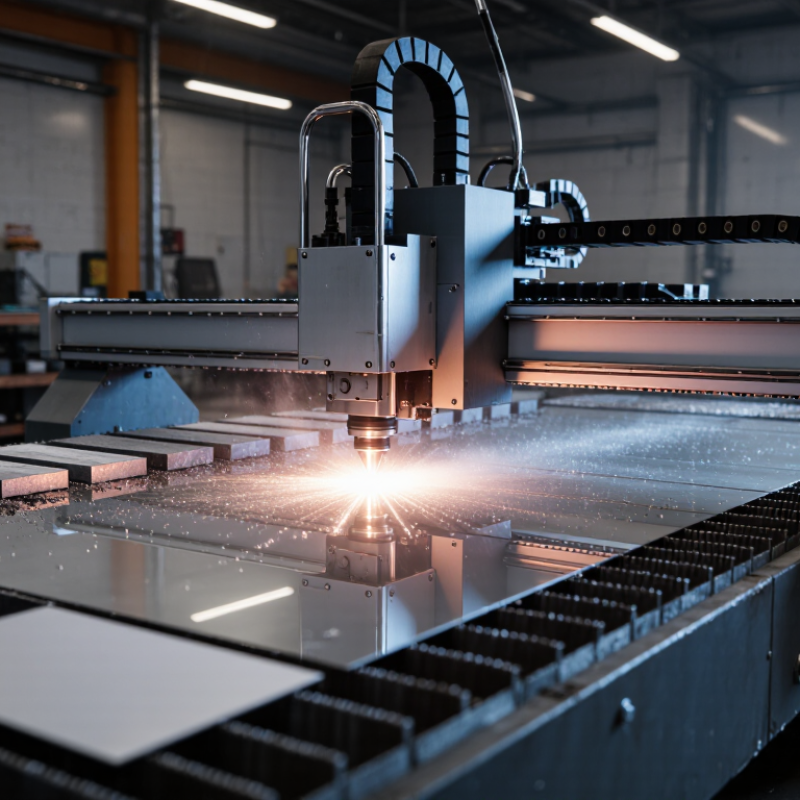
A jet cutter directs a narrow, high-speed stream through a small nozzle to cut material. In waterjet cutting, the stream is either plain water or mixed with abrasive particles. Plain-water jets suit soft materials, such as foam and textiles; abrasive jets can cut metals, stone, and glass. A typical system combines a high-pressure pump, cutting head, motion controls, and a catch tank. The nozzle may be small, but its path must be carefully programmed.
Pressure matters, but it is not the whole story. The WaterJet Technology Association’s technical guidance describes ultra-high-pressure systems as operating above 30,000 psi. Abrasive type, feed rate, material thickness, and nozzle condition also affect cut quality. The process creates little heat at the cut edge compared with many thermal methods, which can help limit heat-related changes. Still, slower cutting may be needed for a smoother edge. That trade-off is easy to underestimate.
Tip: Check nozzle wear and abrasive flow before a production run. A worn opening can widen the cut, even when the pressure reading looks normal. Test on a sample of the actual material; settings that work on a thin sheet may not suit a thicker plate.
| Dimension | Typical Details | Why It Matters |
|---|---|---|
| What a jet cutter is | A CNC cutting system that directs a high-pressure stream through a small nozzle. Pure-water systems cut softer materials; abrasive waterjet systems add abrasive particles to cut harder materials. | The process can suit a wide range of materials without relying on a heat-based cutting method. |
| Materials commonly cut | Metals, stone, glass, ceramics, composites, rubber, foam, and many plastics. The suitable process and settings depend on the specific material. | One machine may handle varied jobs, although changing material and thickness can require different settings or tooling. |
| Heat effects | Waterjet cutting is a cold-cutting process and does not create a conventional heat-affected zone from a cutting flame, plasma arc, or laser beam. | Useful when heat-related warping, metallurgical changes, or heat damage must be minimized. Mechanical and material-specific effects still need consideration. |
| Material thickness | Can cut a broad range of thicknesses. Maximum practical thickness varies significantly with material, pump, nozzle, abrasive flow, quality target, and cutting speed. | Thick sections may be possible, but cutting time and edge taper can increase. Confirm capacity with a test cut or process assessment. |
| Kerf width | Typically measured in fractions of a millimetre to around 1–2 mm, depending on the nozzle, abrasive, material, and cutting settings. | Kerf compensation is needed for accurate part dimensions and nesting. A test cut helps establish the actual kerf. |
| Accuracy and edge quality | Both depend on machine condition, workholding, material, thickness, cutting speed, and the selected edge-quality setting. Slower cutting generally improves edge finish. | Specify tolerances and finish requirements before production; very tight requirements may call for process trials or secondary finishing. |
| Shape capability | CNC motion can produce complex profiles, internal features, and nested parts, subject to access, minimum feature size, and workholding constraints. | Helpful for custom profiles and low-to-medium-volume work without a dedicated hard tooling set. |
| Typical operating inputs | High-pressure water, an appropriate nozzle, and—when cutting hard materials—abrasive. The process also requires water management and routine inspection of wear parts. | Plan for abrasive supply, water treatment or disposal, maintenance, and operating costs as part of the production setup. |
| Potential advantages | Broad material compatibility, no conventional thermal cutting zone, and flexible CNC profile cutting. | Can be a strong option when material variety, heat sensitivity, or intricate contours are priorities. |
| Potential limitations | Cutting speed can be lower than some alternatives, particularly on thick or hard materials. The process can also be noisy and wet, and abrasive use adds cost and cleanup. | Compare total cycle time, edge requirements, material yield, finishing, and operating costs—not just cutting capability. |
| Best-fit applications | Jobs involving mixed materials, heat-sensitive parts, complex contours, or thick stock where a waterjet process meets the required tolerance and edge finish. | Suitability should be checked against the part drawing, production volume, and required delivery rate. |
Note: Performance figures and capabilities are indicative, not guaranteed specifications. Actual results vary with the machine, material, thickness, process settings, and required cut quality.
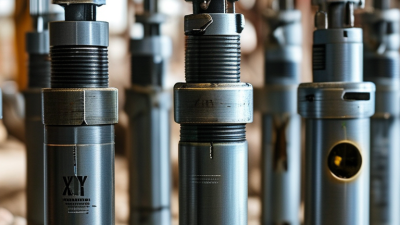
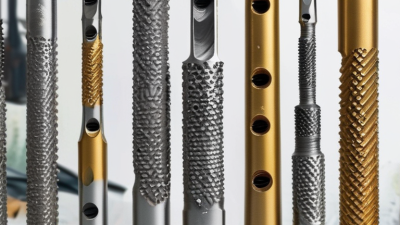
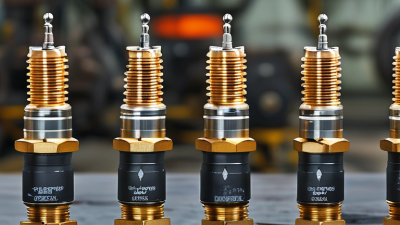
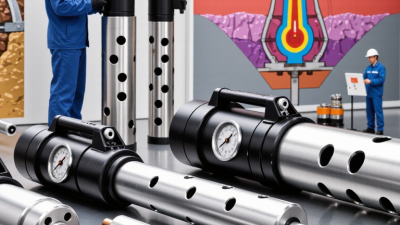
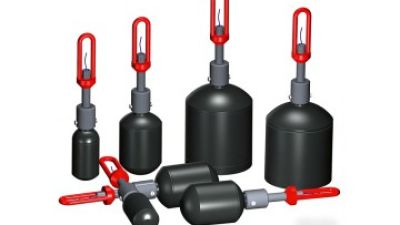
In downhole emergencies, a stuck tool or damaged tubular can disrupt operations and complicate pipe recovery. Discussions reflected in IADC drilling-industry reports often emphasize the importance of preparedness, well control, and dependable equipment when managing challenging drilling conditions. A China-made jet cutter offers a purpose-built option for planned pipe-cutting needs, helping crews address obstructions while keeping operational priorities and established safety procedures in focus.
Designed to use a shaped charge to create a high-velocity jet, the tool cuts tubing, casing, or pipe circumferentially. This can support recovery work and help free stuck equipment when other methods are unsuitable. Manufactured in China to demanding quality standards, jet cutters are available for a broad range of pipe sizes, allowing operators to select equipment suited to their requirements. A reliable supplier can provide product guidance and consistent manufacturing support for customers worldwide, helping teams prepare for downhole contingencies and maintain an efficient, safety-conscious response.
A pump sends high-pressure water through a small nozzle. CNC guides the cutting head along a programmed path. Abrasive particles help cut hard materials. Little heat.
Pure-water jets can cut foam, textiles, and some food products. Abrasive jets can cut steel, aluminum, stone, glass, ceramics, rubber, plastics, and composites. Glass needs careful support.
It can limit heat-related distortion and produce a narrow kerf. The cutting head also applies relatively little mechanical force. Edges still depend on speed and material.
Yes. Thick stainless steel may need slower feed rates than thin aluminum. Thick stock can take longer to cut. No single setting fits every job.
Secure the sheet, confirm the cutting path, and inspect the nozzle. Check water quality and part support. Try a scrap piece first. Small errors matter.
Match the machine’s cutting area to your largest parts. Compare accuracy and speed on your actual material. Ask about maintenance, abrasive use, and service response times.
Abrasive use creates handling and disposal needs. Water filtration and collection systems also matter. Setup can outweigh cutting time on small batches. Easy to miss.
Not always. Inspect edge taper and surface finish, and check abrasive use. A clean sample can flatter the machine; full production may reveal weak settings. I would test twice.
A Jet Cutter uses a focused stream of water, sometimes combined with abrasive particles, to cut materials with precision. In industrial settings, a high-pressure pump sends the stream through a cutting head, which follows a programmed path to create parts or detailed shapes. Depending on the setup, jet cutters can process materials such as metals, stone, glass, ceramics, plastics, and composites, making them useful across a range of manufacturing applications.
Jet cutting can produce clean edges and intricate cuts while limiting heat exposure, which helps reduce heat-related changes to a material. Compared with methods such as sawing, milling, or thermal cutting, it offers a different balance of versatility, precision, speed, and operating cost. When choosing a Jet Cutter, consider the materials and thicknesses involved, required accuracy, production volume, available workspace, maintenance needs, and overall budget. The right system depends on the demands of the specific operation.