In the fast-changing world of oil recovery, methods like **Wireline Perforating** really stand out as crucial tools for upping extraction game. Basically, these techniques give direct access straight into the reservoirs, making it easier to get to those hydrocarbons. Big industry players like Schlumberger and Halliburton have been leading the way with innovations, which has helped make the whole operation a lot more reliable.
That said, **Wireline Perforating** isn’t all smooth sailing. Market ups and downs can sometimes make companies hesitant to invest in new tech right away. Plus, the folks on the ground need to keep learning new stuff—training is ongoing because methods and safety standards keep changing. It’s this continuous push for improvement and teamwork that keeps the industry moving forward.
Of course, not every company finds it easy to pull off these advanced techniques. Getting the best results often depends on understanding the geology really well—it's not just about having the latest gadgets. Appreciating these little details can help the oil industry become more sustainable while still pumping out what’s needed. The world of **Wireline Perforating** is always changing, demanding fresh ideas and a bit of reflection on what’s worked in the past. It’s a constant balancing act between innovation and learning from experience.
Overview of Wireline Perforating Techniques in Oil Recovery
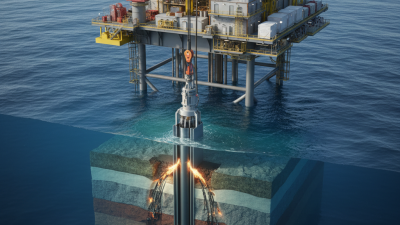
Wireline perforating techniques play a crucial role in enhancing oil recovery. These methods involve creating pathways through the formation using specialized tools. The Wireline Perforating Gun is a primary device used in this process. It allows operators to precisely target specific zones in the reservoir. This precision is essential for optimizing production rates and minimizing environmental impact.
Each perforating technique has its strengths and weaknesses. It is essential to evaluate formation characteristics before selecting a method. Some techniques may not perform as expected in certain conditions. For instance, over-pressurizing can lead to unwanted fractures. It is important to consider these aspects for effective and sustainable oil extraction.
Understanding the impact of different perforating patterns is vital. Some patterns may enhance flow rates significantly, while others may offer limited benefits. Continuous monitoring is important to assess performance post-perforation. Gathering data can lead to improvements in future operations. Reflecting on past experiences helps refine techniques and strategies over time.
Top Wireline Perforating Techniques for Efficient Oil Recovery
This bar chart illustrates the efficiency of various wireline perforating techniques used in oil recovery. Each technique's efficiency is measured as a percentage, showcasing the effectiveness of their application in boosting oil extraction.
Key Components of Wireline Perforating Systems
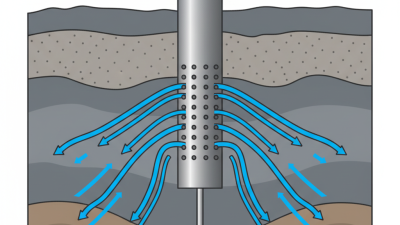
Wireline perforating systems play a critical role in oil recovery. These systems utilize a series of specialized tools and techniques to create channels in the casing of oil wells. This allows oil to flow more freely from the reservoir into the wellbore. Key components include perforating guns, which contain shaped charges. These charges are designed to penetrate multiple layers of rock efficiently.
Another essential element is the wireline itself, used to deploy the perforating guns into the well. The wireline ensures precise positioning, crucial for effective perforation. Additionally, pressure control systems are vital for maintaining well integrity during operations. They help manage the high-pressure environment typical of oil wells.
Challenges can arise with perforating techniques. Sometimes, inadequate charge placement can lead to suboptimal oil flow. Monitoring and adjusting techniques is necessary to enhance performance. Continuous improvement in these methods is important. Each well presents unique conditions that require tailored solutions. Reflection on past perforating projects can lead to better outcomes in future endeavors.
Common Wireline Perforating Methods and Their Applications
Wireline perforating is a crucial technique in oil recovery. This method involves using specialized Wireline Tools to create tunnels in the reservoir rock. These tunnels allow oil and gas to flow more freely. Common methods include the use of shaped charges, which create precise holes in the casing. These charges detonate on deployment, producing effective perforations.
Another technique is the use of gun perforators. These allow operators to control the depth and direction of perforation. It’s important to select the right technology based on reservoir characteristics. However, sometimes perforations may not yield the expected results. This can occur due to factors like formation pressure and fluid composition.
Additionally, there are challenges in ensuring the integrity of perforated zones. Operators must consider potential issues like sand production or reservoir damage. Using advanced Wireline Tools can mitigate some risks. However, the industry sometimes lacks standardized practices, leading to variable outcomes. Reflection on these issues is vital for improving future projects.
Advantages of Wireline Perforating Compared to Other Techniques
Wireline perforating is becoming a preferred method for oil recovery in the energy sector. It involves the precise installation of perforating guns on a wireline. This technique features several advantages over traditional methods. Notably, it offers quick deployment and minimizes rig time. Operators can effectively target specific zones, leading to increased efficiency.
One key advantage is the ability to adjust perforation depth. This flexibility allows operators to adapt to geological changes easily. Wireline perforating often results in less damage to the surrounding formation, promoting better oil flow. Furthermore, the method is generally more cost-effective than other techniques, such as tubing-conveyed perforating.
Tip: Always conduct thorough geological surveys before perforating. Understanding formation properties can improve recovery rates. Maintaining equipment ensures optimal performance. Regular checks can prevent costly downtime and equipment failures. Investing in training for operators enhances safety and effectiveness, leading to better outcomes. Adopting wireline perforating can significantly boost productivity, but it is essential to reflect on its limitations, like potential environmental impacts and the need for careful planning.
Best Practices for Wireline Perforating Operations
Wireline perforating operations are crucial for enhancing oil recovery. Best practices ensure these operations maximize efficiency and minimize risks. A recent report highlights that over 70% of oil recovery occurs through optimized perforating methods. Proper planning is vital. Understanding the geological formations allows for tailored perforation techniques. Each formation type may require different approaches, influencing production rates and overall recovery efficiency.
In Wireline Logging, accurate data acquisition can lead to more informed decisions during perforating. Engineers must stay updated with the latest technologies. Using real-time data improves decision-making and can prevent costly mistakes. Regular equipment maintenance is also essential. Neglecting this can lead to equipment failures, causing delays and financial losses. Reports suggest that 15% of projects experience delays due to equipment issues.
A lack of training among personnel can affect operational success. Continuous education is critical to keep the workforce skilled. Yet, many companies struggle with this aspect. Investments in training programs have shown to improve efficiency by at least 10%. Fostering a culture of safety and precision can mitigate risks. Balancing speed and accuracy remains a challenge in the field. Adopting systematic approaches will help in refining operations.
Challenges and Limitations in Wireline Perforating
Wireline perforating is crucial for optimizing oil recovery. However, this technique faces various challenges and limitations. One major issue is the accuracy of penetration. Inconsistent perforation depths can lead to incomplete access to reservoir zones. This inconsistency often results from variations in rock properties, which can be difficult to predict.
Another challenge arises from the debris produced during perforation. This debris can obstruct fluid flow and hinder production rates. Proper debris management is necessary to mitigate these effects. Operators must also contend with potential formation damage. Excessive pressure during perforating might create fractures that compromise the reservoir. Addressing these issues requires a deeper understanding of well conditions and adaptive strategies.
Cost efficiency is another aspect to consider. While wireline perforating is effective, it may not always be the most economical choice. The upfront costs can be significant, especially in complex formations. Operators must weigh the benefits against the financial implications. Ongoing evaluation and adjustments in methodology can help improve outcomes while managing expenses. This balance is crucial for successful oil recovery in a competitive market.
Future Trends in Wireline Perforating Technology and Techniques
The future of wireline perforating technology is heading toward greater efficiency and accuracy. New advancements aim to enhance the precision of Electric Wireline techniques. The integration of real-time data analysis allows operators to make informed decisions quickly. This minimizes downtime and optimizes the perforation process, ultimately boosting oil recovery rates.
Emerging technologies such as automation and artificial intelligence are set to revolutionize the sector. Automated systems can perform repetitive tasks with higher precision than human operators. They reduce errors that can occur during manual operations. However, reliance on these technologies introduces questions about operator training and system failures. As machines take on more responsibilities, the need for skilled personnel remains critical.
Another focus is on the development of environmentally friendly solutions. Traditional perforating methods can have detrimental effects on ecosystems. Innovations now prioritize reducing waste and minimizing environmental impact. Yet, this shift demands a careful balance between performance and sustainability. As technologies evolve, industry players must reflect on their practices to ensure responsible oil recovery.
Comprehensive Overview of Constant Plane Perforating Systems for Boosting Oil and Gas Well Efficiency in China
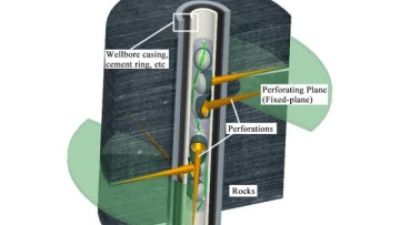
The Constant Plane Perforating System represents a significant technological advancement in enhancing oil and gas well efficiency, particularly within the unique geological landscape of China. At the core of this system are clustered shaped charges that can be finely tuned for jet direction, allowing for the creation of multiple perforations within the casing wall. This precision not only improves the integrity of the well but also optimizes the initial fracture points, enabling more effective hydraulic fracturing processes.
One of the standout features of the Constant Plane Perforating System is its ability to redistribute stress in the reservoir. By facilitating the creation of fractures and increasing the drainage area, this system is designed to enhance reservoir stimulation considerably. As a result, operators equipped with this advanced perforating technology can achieve a marked improvement in well productivity. Whether it’s for exploratory drilling or enhancing existing wells, implementing this state-of-the-art system ensures that operators can maximize their resource extraction and operational efficiency in the competitive energy market.
FAQS
: Wireline perforating techniques involve creating pathways in formations using specialized tools to enhance oil recovery.
Precision targets specific reservoir zones, optimizing production rates and minimizing environmental impact.
Over-pressurizing can cause unwanted fractures. Some techniques may not perform as expected under certain conditions.
Wireline perforating offers quick deployment, less formation damage, and is often more cost-effective than traditional methods.
Conduct thorough geological surveys to understand formation properties. This knowledge can improve recovery rates.
Continuous monitoring post-perforation is crucial. Gathering data helps in refining techniques for future operations.
Equipment failures due to neglect can cause delays. Reports indicate that 15% of projects face such issues.
Continuous education maintains skill levels and improves efficiency. Many companies struggle to provide adequate training.
Tailored techniques based on geological formations can influence production rates significantly.
Real-time data improves decision-making and can prevent costly mistakes during perforating operations.
Conclusion
Wireline perforating is a crucial technique in oil recovery, enabling efficient access to hydrocarbon reservoirs. This method leverages specialized systems comprising various key components that ensure precision and effectiveness in penetrating well casings. Common wireline perforating methods include shaped charges, which allow for selective targeting of productive zones, and these methods are chosen based on specific reservoir conditions.
The advantages of wireline perforating, such as reduced operational costs and minimized environmental impact, make it a preferred option over other methodologies. However, practitioners must navigate challenges like equipment reliability and environmental considerations. As technology advances, future trends in wireline perforating are likely to focus on improving safety, efficiency, and automation in operations, further enhancing its role in optimizing oil recovery processes.

 +86-15829394411
 Contact Phone
 Contact Email