+86-15829394411
Leave Your Message
-
Contact WhatsApp
-
 Contact Phone
-
 Contact Email
Industry-leading perforating tools engineered for reliable initial well completion across diverse downhole environments.
Casing perforation is the critical process of creating precisely engineered holes through the steel casing, cement sheath, and into the surrounding reservoir formation during the initial completion phase of an oil or gas well. This process establishes the primary hydraulic communication pathway between the hydrocarbon-bearing formation and the wellbore, making it one of the most consequential steps in the entire well lifecycle.
During initial well completion, after the casing string has been cemented in place, a perforating gun assembly — loaded with shaped charges — is run into the well to the target depth. Upon detonation, the shaped charges fire high-velocity metal jets that penetrate through the casing wall, cement, and deep into the formation rock, creating perforation tunnels that allow oil, gas, or water to flow into the well.
The global perforating services market has experienced robust growth over the past decade, driven by surging upstream capital expenditure, the shale revolution in North America, and accelerating deepwater exploration campaigns in the Gulf of Mexico, West Africa, and Southeast Asia. According to industry analysts, the perforating systems market is projected to surpass USD 4.2 billion by 2028, growing at a CAGR of approximately 6.8%.
China has emerged as a dominant manufacturing hub for perforating equipment, combining advanced metallurgical expertise, automated production capabilities, and cost-competitive pricing. Chinese manufacturers such as Expetro Energy Service Co., Ltd. (FYPE) have successfully penetrated international markets, supplying perforating guns, shaped charges, and associated accessories to operators in the Middle East, Central Asia, Southeast Asia, Africa, and South America.
The competitive landscape is characterized by a dual-tier structure: international oilfield service giants (Halliburton, SLB, Baker Hughes) dominate the high-end integrated services segment, while specialized manufacturers from China and other emerging economies increasingly capture the equipment supply and mid-tier services segments through superior manufacturing efficiency and product customization capabilities.
Delivering measurable performance across global oil & gas markets.
Effective casing perforation begins long before the perforating gun enters the wellbore. Engineers analyze petrophysical logs, formation evaluation data, reservoir pressure profiles, and completion objectives to design the optimal perforation program. Key design parameters include:
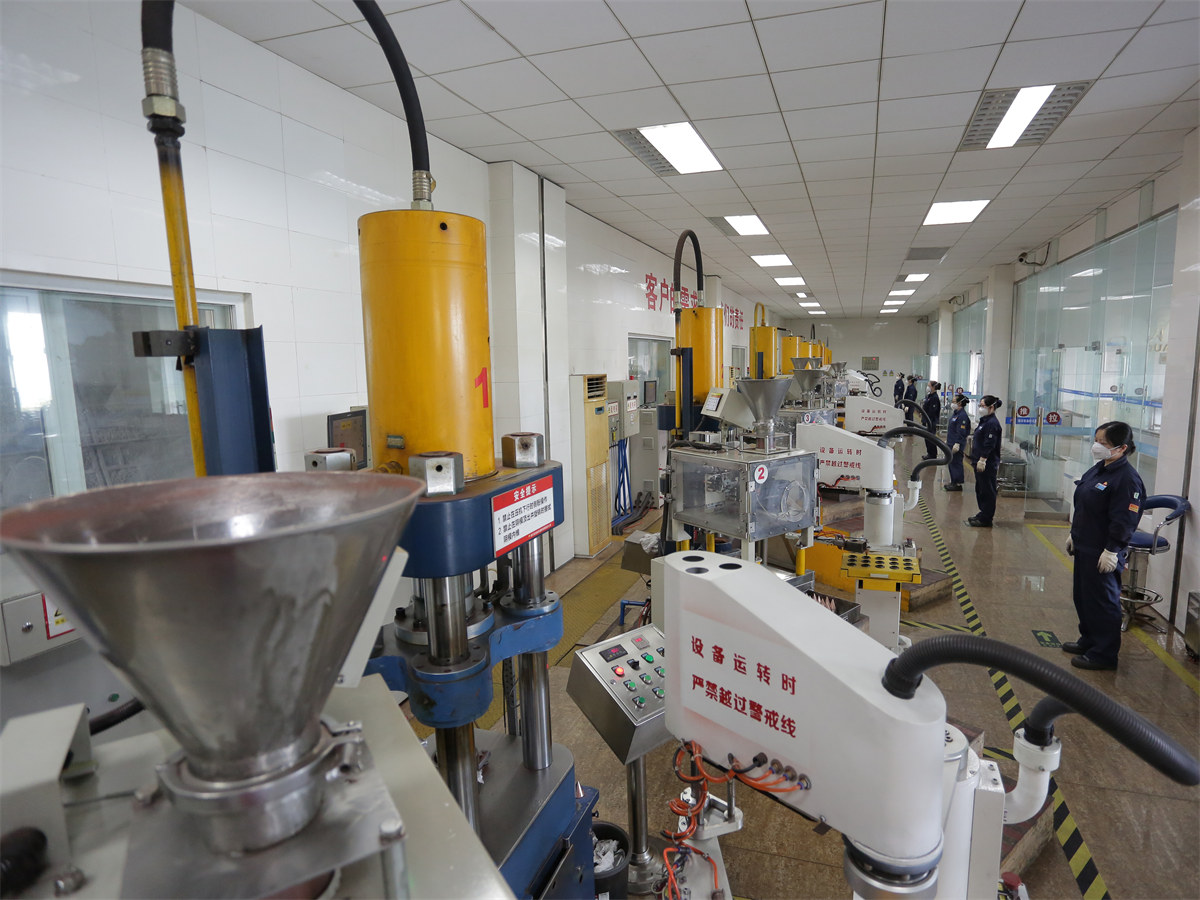
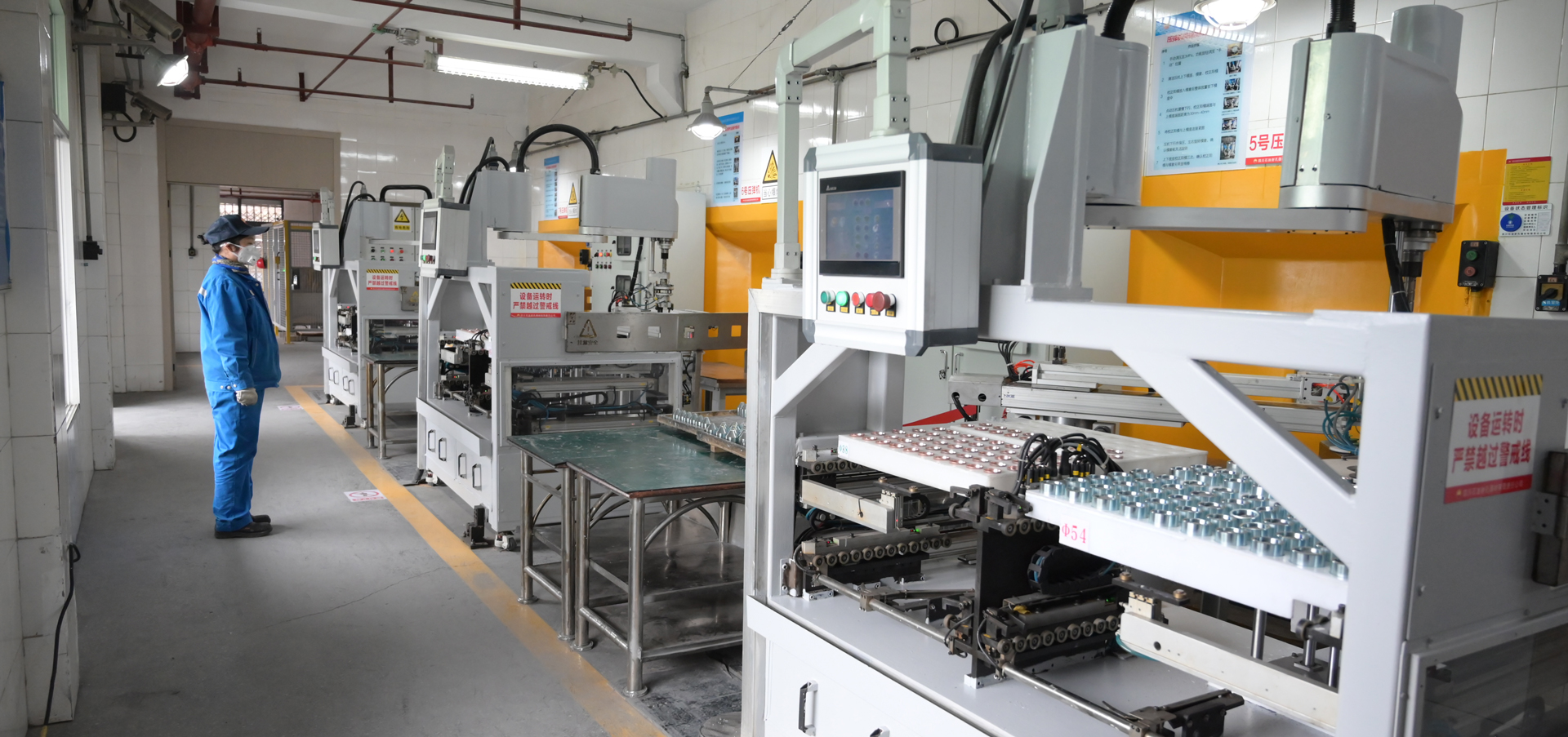
Perforating guns are assembled in controlled environments, with shaped charges loaded into carrier tubes at precise angular orientations. Modern automated assembly lines ensure consistent charge placement, minimizing misfires and maximizing ballistic performance. FYPE's automated production lines can process 100+ different gun specifications daily, with shaped charge output reaching 10,000 units per day.
The perforating gun string is conveyed to the target depth via wireline, tubing-conveyed perforation (TCP), or coiled tubing. Casing Collar Locators (CCL) provide precise depth correlation by detecting electromagnetic anomalies at collar joints, ensuring the guns are positioned exactly at the intended perforation interval.
Upon receiving the firing signal, the detonating cord initiates the shaped charges in a precisely timed sequence. Post-perforation evaluation using production logging tools, pressure transient analysis, and downhole cameras assesses perforation efficiency and guides any remedial stimulation decisions.
How technology and market forces are reshaping casing perforation for initial well completion.
The integration of downhole sensors, real-time telemetry, and machine learning algorithms is enabling "smart" perforating systems that can adapt firing parameters based on live formation data. Autonomous depth control and pressure-triggered firing mechanisms are reducing human error and improving perforation placement accuracy in complex multilateral and extended-reach wells.
As offshore exploration pushes into water depths exceeding 3,000 meters, perforating systems must withstand extreme hydrostatic pressures (up to 20,000 psi), elevated temperatures (above 175°C), and corrosive environments. Next-generation high-pressure, high-temperature (HPHT) perforating guns with enhanced pressure ratings and specialized charge formulations are meeting these demanding requirements.
Research into novel liner materials — including powdered metal composites, reactive metals, and nano-structured alloys — is yielding shaped charges with superior jet coherence, deeper penetration, and reduced crushed zone damage. Super Deep Penetration (SDP) charges are now capable of creating tunnels exceeding 1,200mm in high-strength concrete targets, translating to significantly improved reservoir connectivity in tight formations.
The proliferation of horizontal and highly deviated wells — particularly in shale and tight oil plays — has driven demand for oriented perforating systems that place perforations in specific azimuthal directions relative to the maximum horizontal stress. This stress-oriented perforation approach significantly improves hydraulic fracture initiation efficiency and reduces near-wellbore tortuosity.
Environmental regulations and sustainability mandates are accelerating the adoption of dissolvable gun systems that eliminate the need for gun retrieval operations, reducing rig time, HSE risks, and surface waste management requirements. These systems are particularly advantageous in plug-and-perf completion programs for multi-stage hydraulic fracturing.
Computational fluid dynamics (CFD) modeling, finite element analysis (FEA), and digital twin platforms are enabling engineers to simulate perforation performance under specific reservoir conditions before a single charge is fired. This data-driven approach reduces trial-and-error, optimizes charge selection, and maximizes well productivity from day one of production.
Casing perforation for initial well completion spans a diverse range of operational environments and technical challenges.
In North American and Chinese shale basins, initial well completion relies on high-density perforation clusters (20–24 SPF) combined with plug-and-perf hydraulic fracturing. Oriented perforating guns ensure fractures initiate perpendicular to minimum principal stress, maximizing stimulated reservoir volume (SRV) and ultimate recovery per lateral foot.
Deepwater initial well completions demand perforating systems with extreme pressure ratings, corrosion-resistant alloy (CRA) gun bodies, and redundant firing systems. Tubing-conveyed perforating (TCP) is the preferred method, allowing simultaneous perforation and well testing with minimal formation damage in high-value deepwater reservoirs.
High-pressure, high-temperature reservoirs (exceeding 15,000 psi and 150°C) require perforating systems with specially formulated explosive compounds (HMX, PYX, or TATB-based) that maintain ballistic performance at elevated temperatures. Gun carriers must withstand combined mechanical and thermal stresses without compromising structural integrity during detonation.
The global geothermal energy sector increasingly adopts oil and gas completion techniques, including casing perforation, to enhance fluid circulation in enhanced geothermal systems (EGS). Perforating guns designed for extreme temperature stability (200°C+) and non-corrosive environments are finding new applications in this rapidly expanding renewable energy segment.
Initial completion of water injection wells for secondary recovery programs requires perforation designs optimized for high-volume fluid injection rather than production. Big-hole charges creating large-diameter tunnels minimize injection pressure requirements, while careful phasing selection prevents formation fracturing at unintended intervals.
CBM and tight gas wells in China's Ordos and Qinshui basins require specialized perforation strategies that account for the dual-porosity nature of coal cleats and matrix. High-shot-density, short-interval perforations combined with hydraulic fracturing unlock gas desorption from coal seams, making initial well completion design a critical determinant of long-term production performance.
Expetro Energy Service Co., Ltd. (FYPE) is a leading manufacturer of downhole perforating systems in China, dedicated to the research, development, and production of shaped charges, perforating guns, and associated accessories for oil and gas completions.
Equipped with state-of-the-art automated production and inspection lines, we deliver over 2.5 million shaped charges and 500,000 meters of perforating guns annually — meeting diverse customer requirements across the global market.
Every stage of our production process strictly adheres to the API Q1 Quality Management System. This unwavering commitment to quality, innovation, and customer satisfaction has established FYPE as a trusted partner in the global energy sector.
To date, our products have served customers in 38 countries worldwide and consistently earn positive feedback for performance and reliability. FYPE is dedicated to expanding its global footprint and building long-term partnerships with clients across continents.

World-class manufacturing infrastructure purpose-built for precision casing perforation solutions.
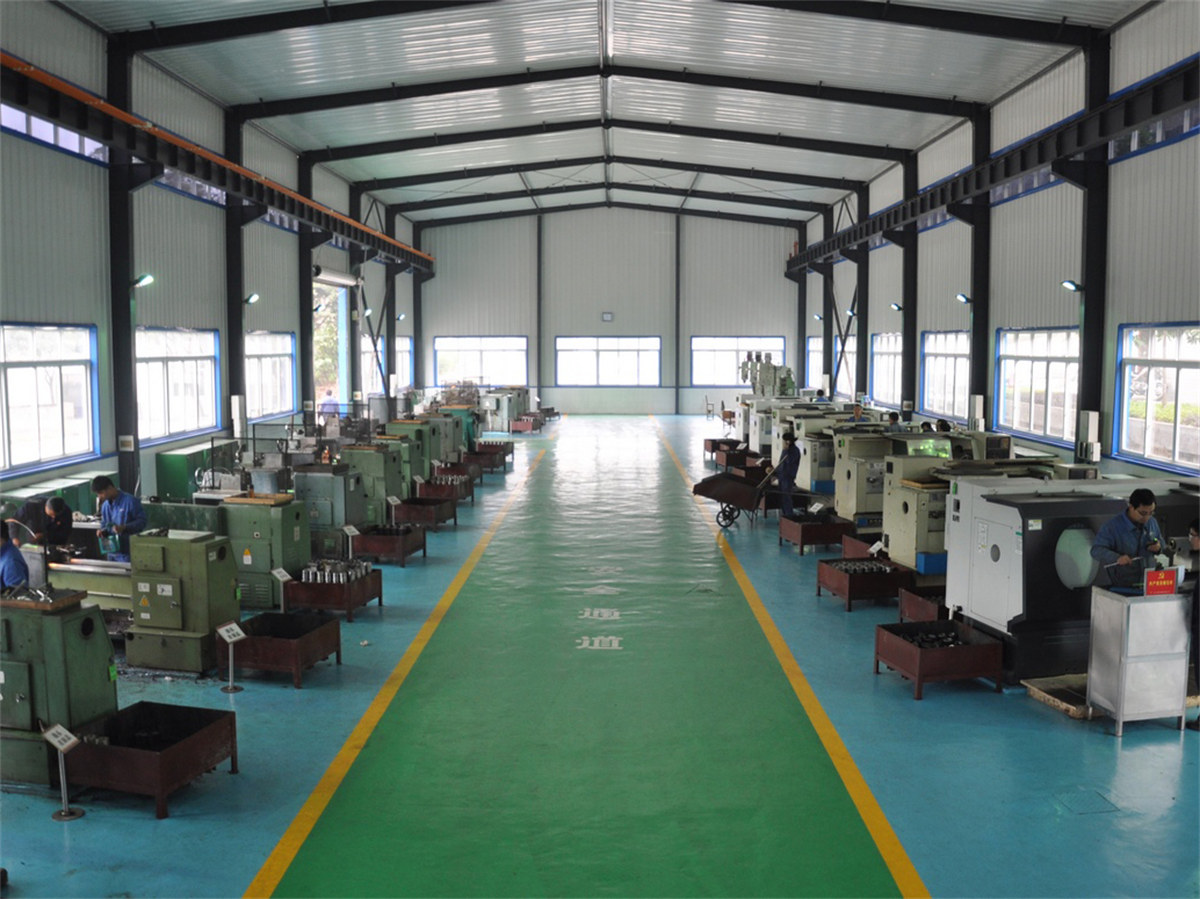
Daily shaped charge capacity of 10,000 units. Perforating gun lines handle 100+ specification types with consistent dimensional accuracy.
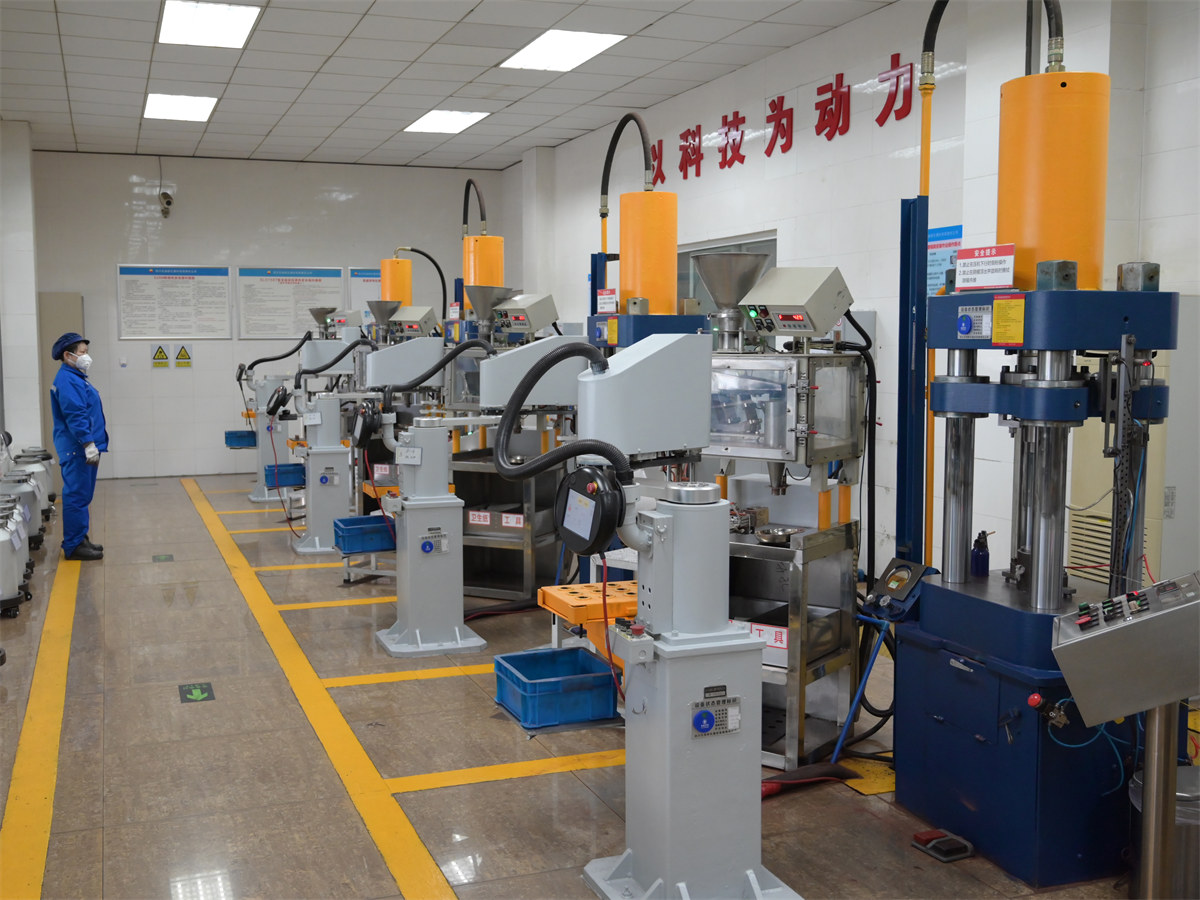
Real-core target tests in simulated reservoirs, ultimate pressure resistance tests, and explosion mechanism tests on shaped charges.
Every product certified under rigorous API Q1 and ISO 9001 quality management frameworks ensuring global compliance.
Nearly 20 years of export experience. Deep understanding of regional regulatory requirements and operator specifications worldwide.
Our professional inspection team operates under a quality management system certified to API Q1 and ISO 9001 standards, ensuring product reliability and superior performance in every delivery.
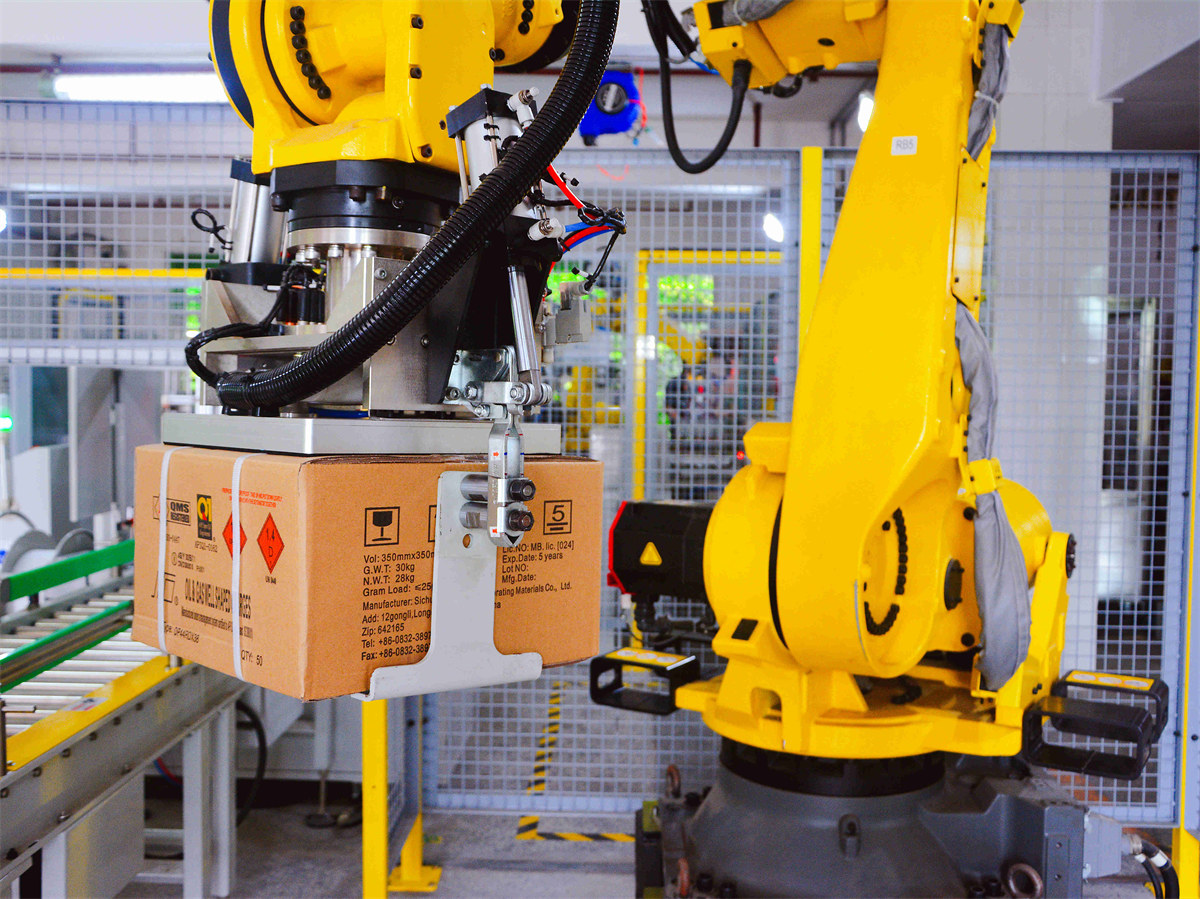
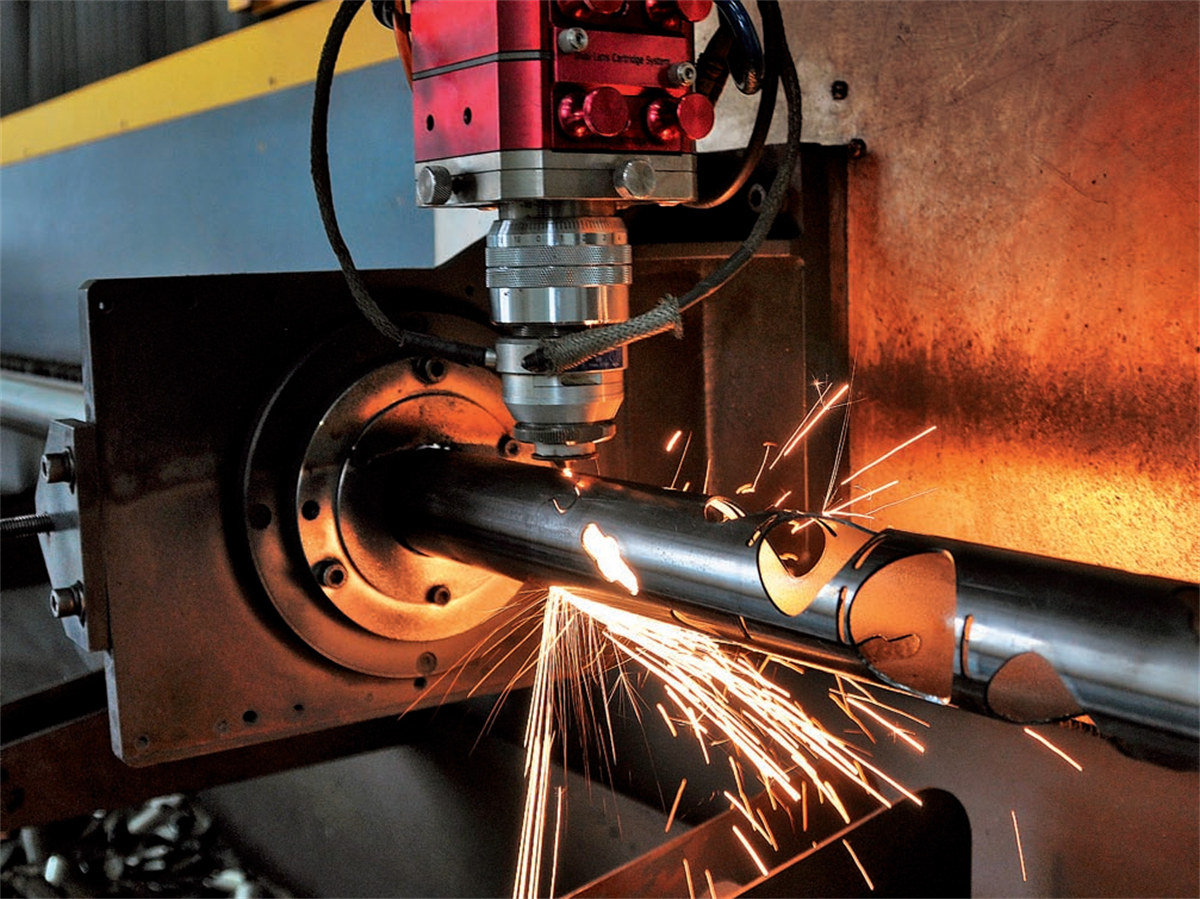
Our automated production lines ensure product consistency and enhance productivity. The daily capacity of shaped charges can reach 10,000. The perforating gun production line can meet the processing of 100+ types with different specifications.
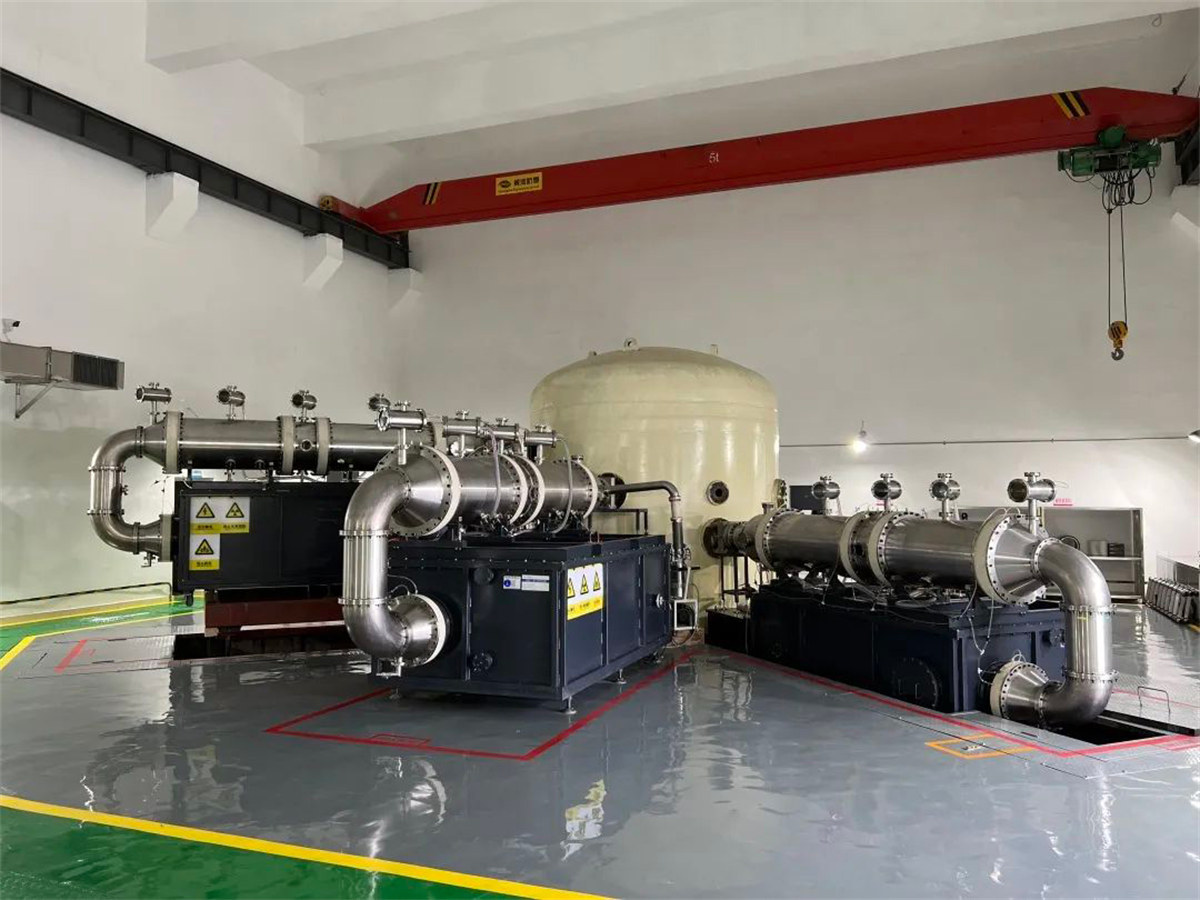
Our lab can carry out real-core target tests in simulated reservoirs, ultimate pressure resistance tests on perforation tools, explosion mechanism tests on shaped charges, and more.
With nearly 20 years of export experience across 38 countries, we deeply understand global market demands and deliver trusted, tailored solutions.
To date, our products have served customers in 38 countries worldwide and consistently earn positive feedback for performance and reliability.
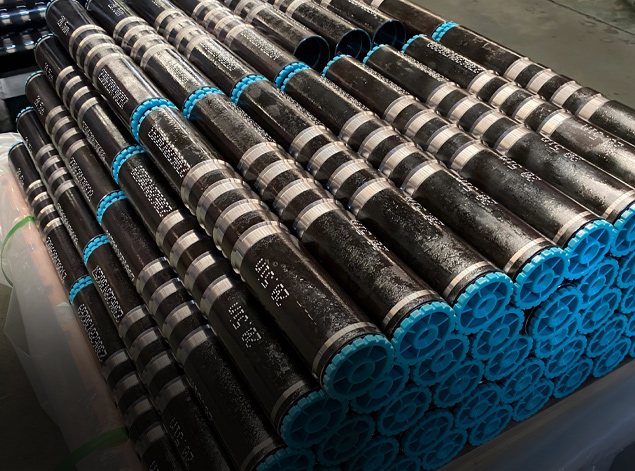
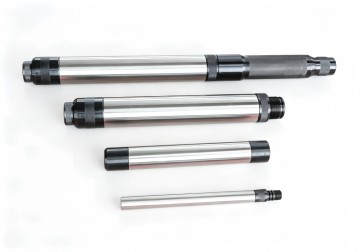
Instead of scallops, it can shoot regardless of the charge tube's angular position.
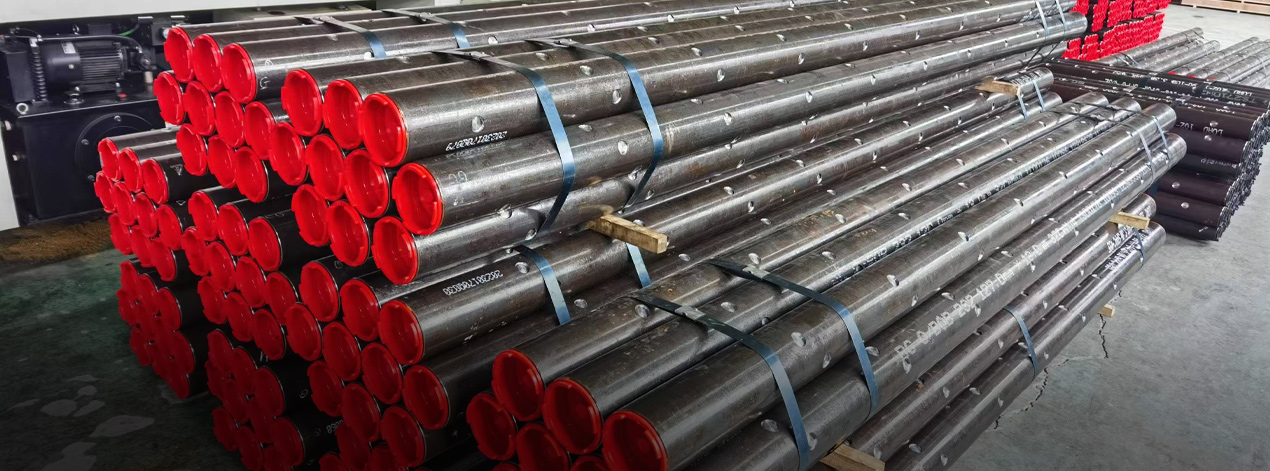
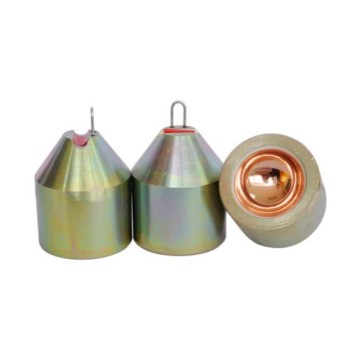
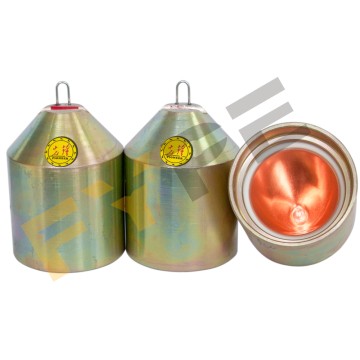
Provides deep penetration and high shot density for maximum reservoir connectivity.
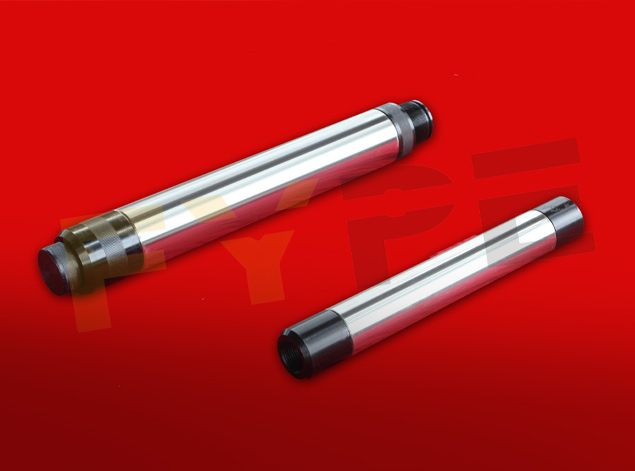
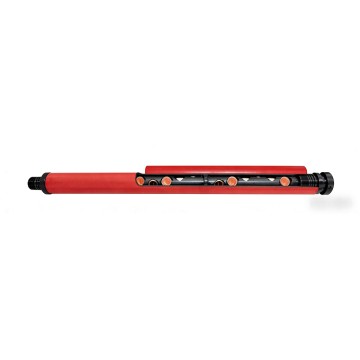
Detects casing collars for precise depth correlation in wells during perforation operations.
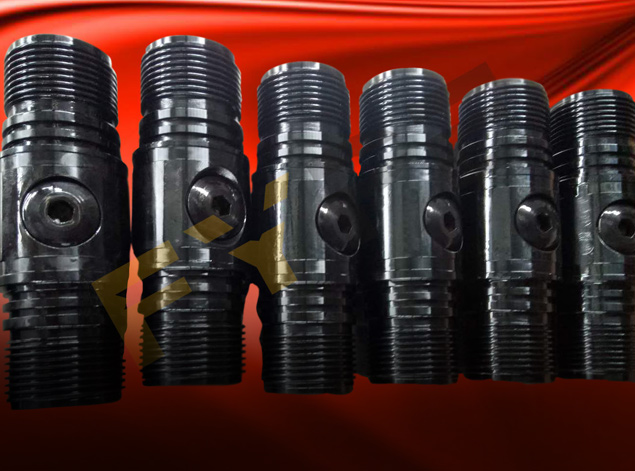
Connecting components used in perforating systems for reliable string assembly.
State-of-the-art manufacturing facilities delivering precision casing perforation solutions at scale.
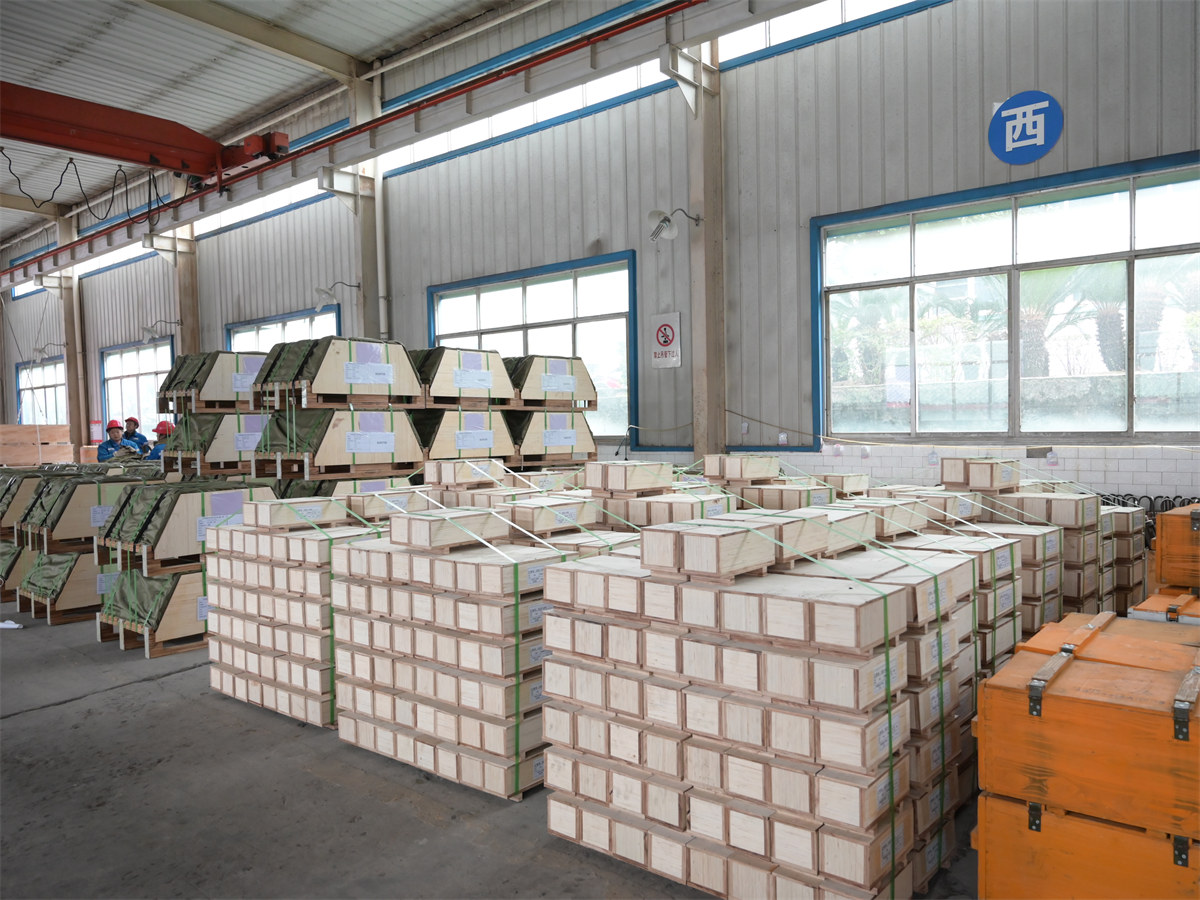
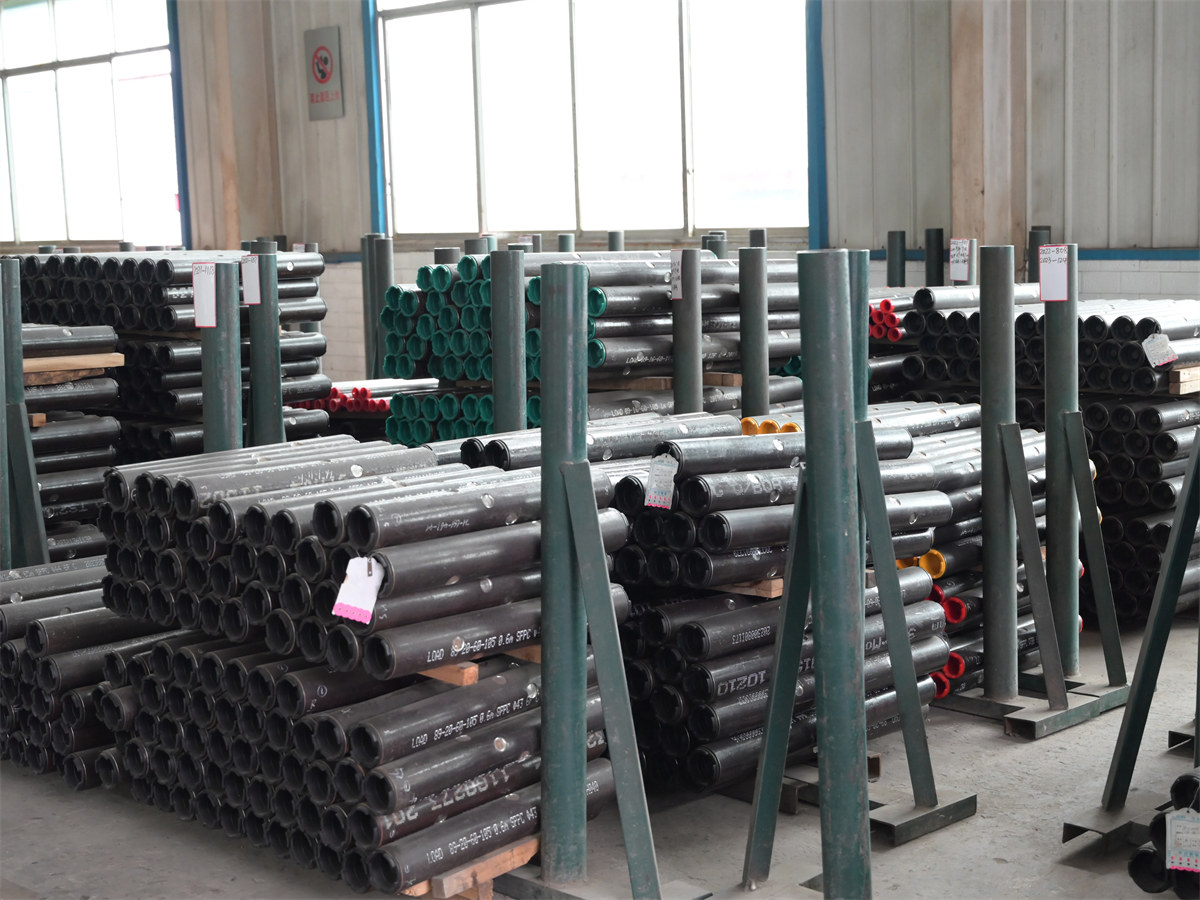
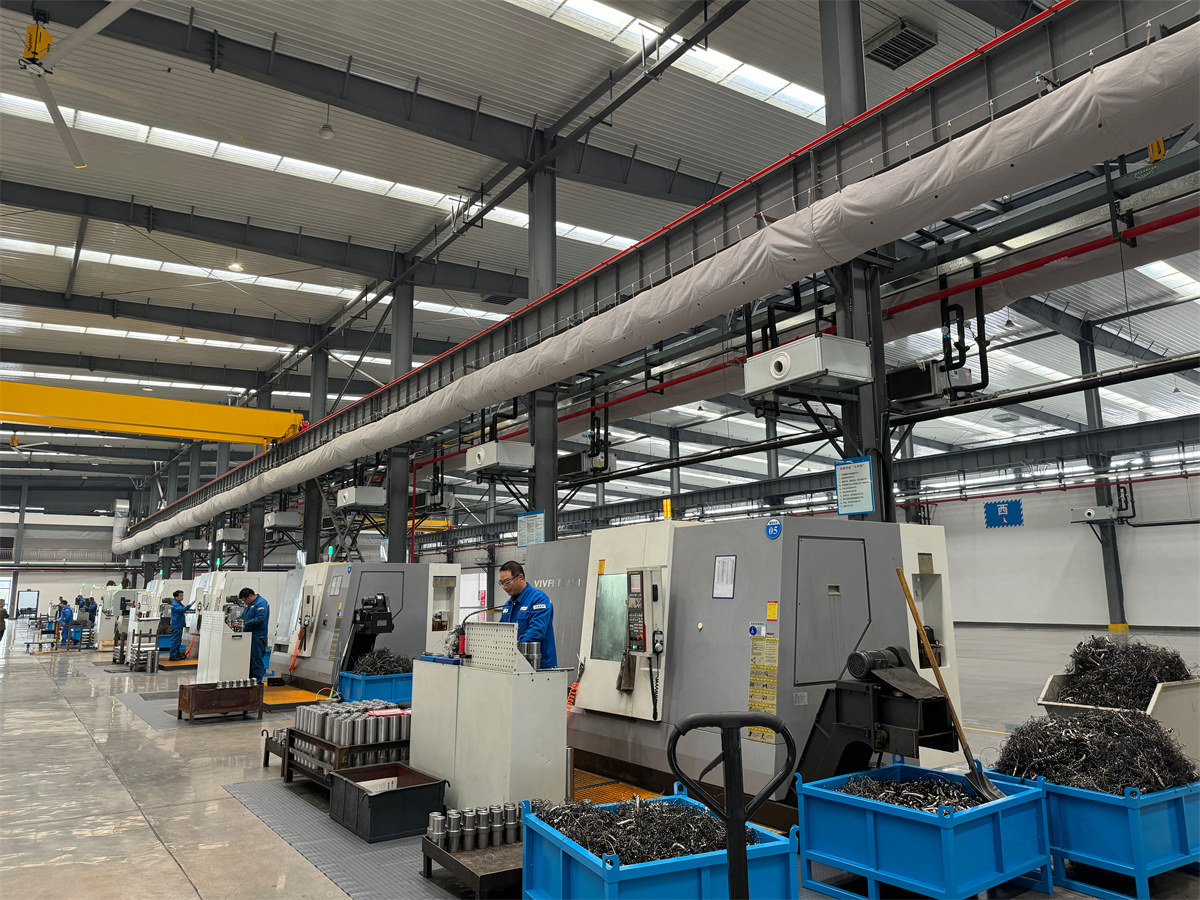
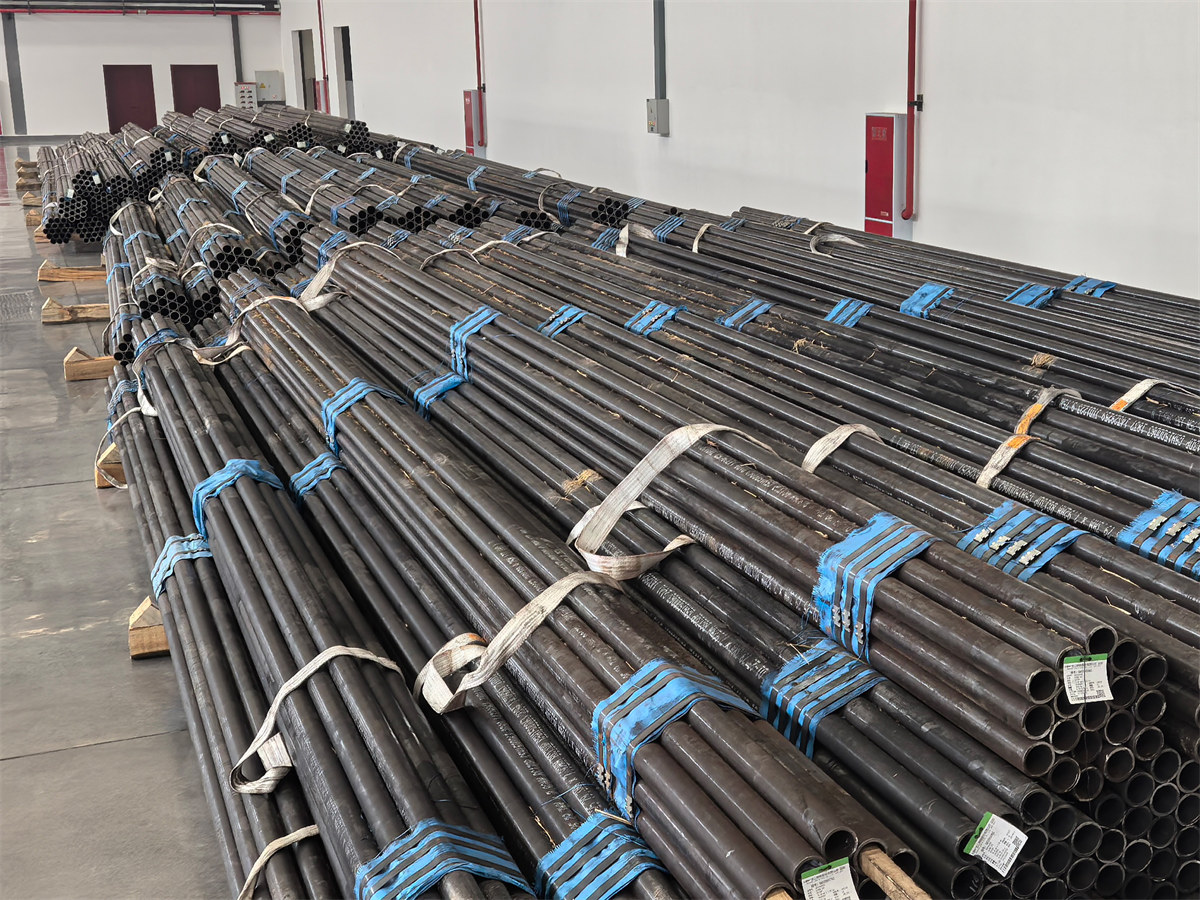
At FYPE, we believe every well deserves precision, reliability, and excellence. Whether you require high-performance perforating tools or dependable technical support, we are your trusted partner in the oil and gas industry.
From initial well completion design consultation through product delivery and after-sales technical support, our team of experienced engineers and oilfield specialists stands ready to help you achieve optimal perforation performance in every formation type and operating environment.
Inquiry Now
Explore our complete range of downhole perforating products engineered for initial well completion excellence.