+86-15829394411


0102030405
China Firing Head Systems for TCP Guns - Reliable Suppliers and Factory-Direct Solutions
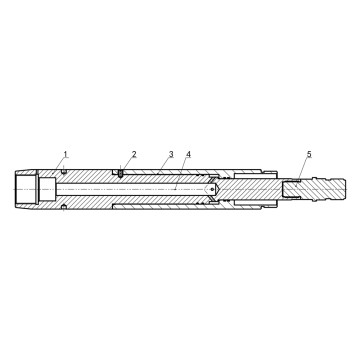
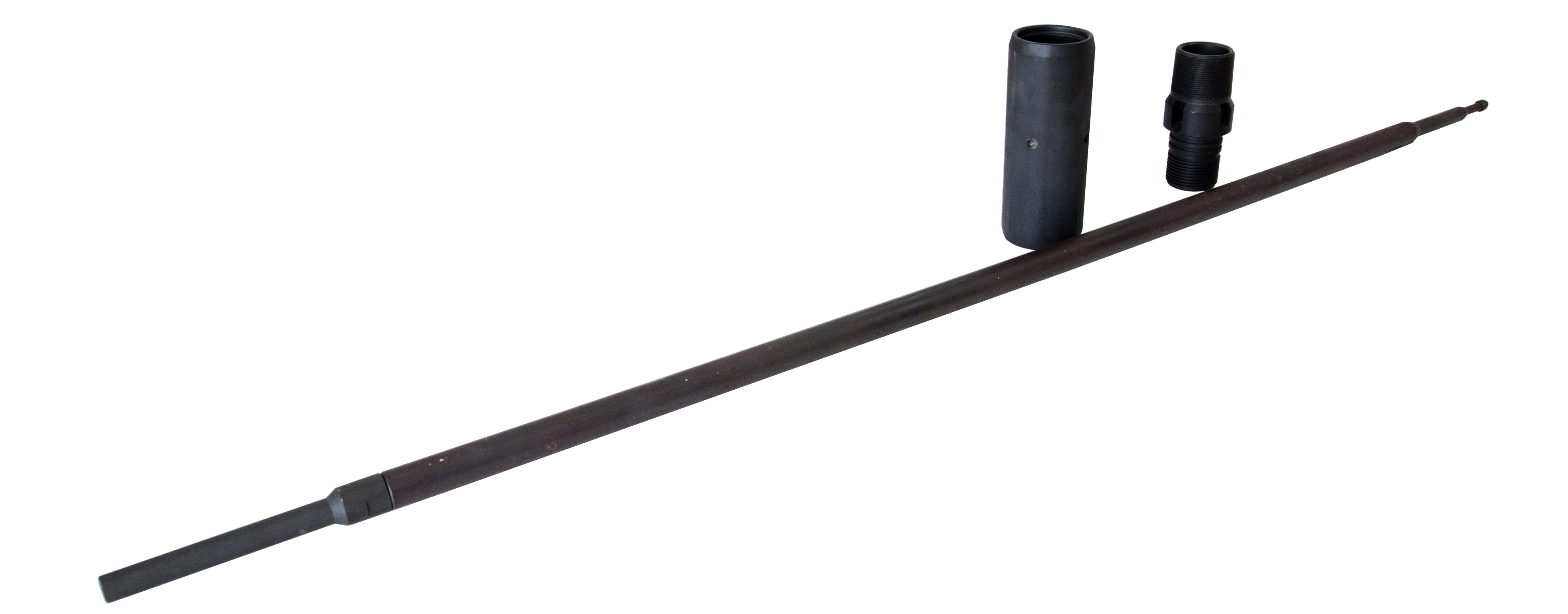
Mechanical Firing Head with Drop Bar
The mechanical firing head is a debris-proof design used to fire guns in TCP operations. During operation, the drop bar is released at the wellhead, impacts the firing pin, shears the shear pin on the firing pin assembly, and then the firing pin strikes and detonates the detonator, thereby detonating the perforator.
Specifications
| Type | O.D. (mm) | Pressure Rating (MPa) |
|---|---|---|
| 73 | 73 | 90 |
| 86 | 86 | 90 |
| 93 | 93 | 90 |
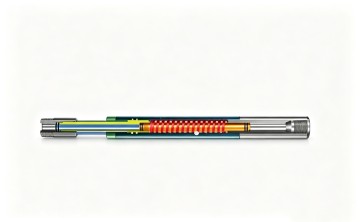
Safety Mechanical Firing Head
The Safety mechanical Firing Head is used in TCP to detonate guns. The safety mechanical firing head require both action, drop bar action unlock and hydrostatic actuate. Without enough hydrostatic pressure acts on firing head, the impact detonator could not be detonated.
Specifications
| Type | O.D. (mm) | Pressure Rating (MPa) |
|---|---|---|
| 73 | 73 | 140 |
| 86 | 86 | 140 |
| 93 | 93 | 140 |
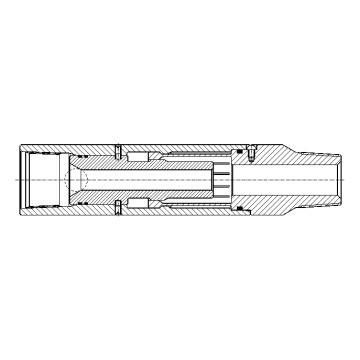
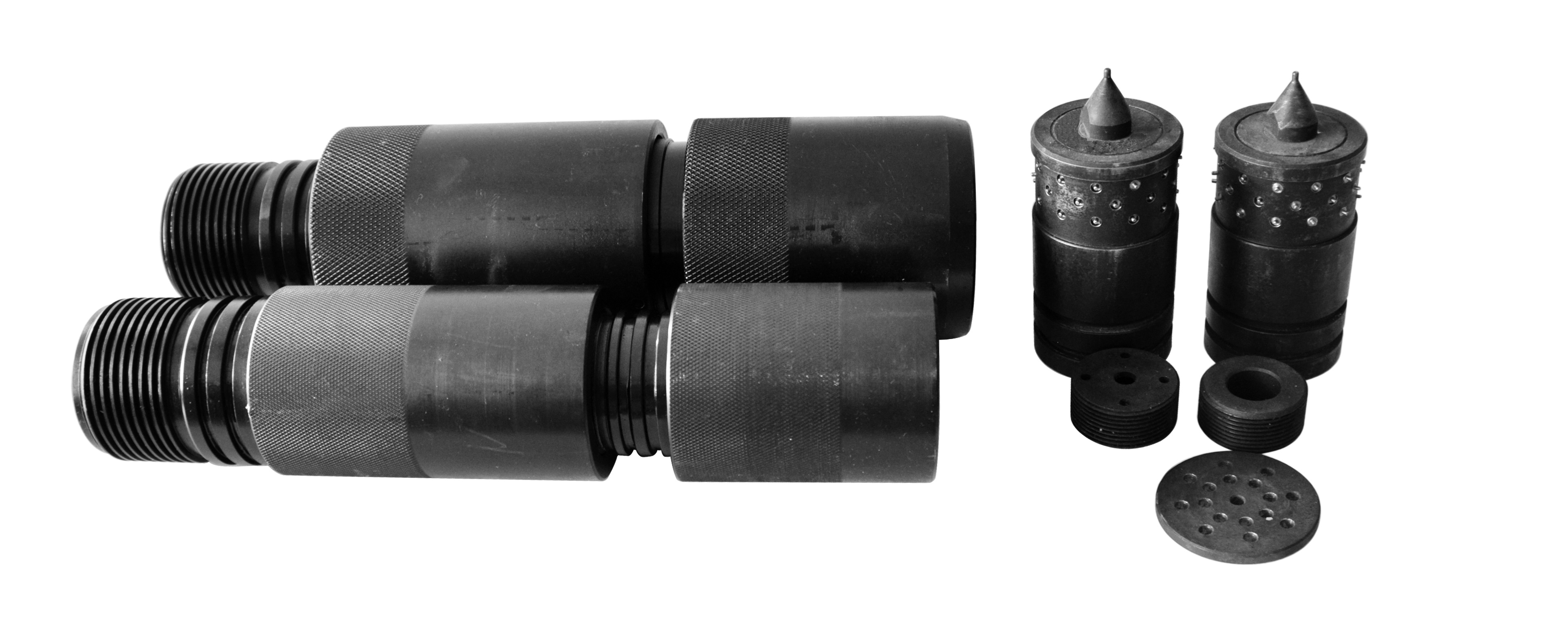
Hydraulic Firing Head
The Hydraulic Firing Head is used for oil and gas well TCP completion operations, where it detonates the detonation tube or detonating cord to trigger the shaped charge. As a pressure detonator, it is activated by a wellhead pressurization device. This firing head was developed specifically for pressure-firing applications, including highly deviated and horizontal wells. It can be used with a time delay booster and can be placed either at the top or bottom of the TCP gun string.
Specifications
| Type | O.D. (mm) | Charge Type |
|---|---|---|
| 43 | 43 | 90/140 |
| 51 | 51 | 90/140 |
| 73 | 73 | 90/140 |
| 80 | 80 | 90/140 |
| 86 | 86 | 90/140/175 |
| 93 | 93 | 90/140/175 |
Hydraulic Firing Head with Auto Vent
The hydraulic firing head with auto vent is a type of pressure detonator used in oil and gas well TCP completion operations. It is activated by applying pressure internally to the tubing string via a wellhead pressurization device, which detonates the detonation tube or detonating cord, thereby detonating the perforating guns and triggering the shaped charges.
Specifications
| Type | O.D. (mm) | Pressure Rating (MPa) |
|---|---|---|
| 73 | 73 | 90/140 |
| 86 | 86 | 90/140/175 |
| 93 | 93 | 90/140/175 |
Top Dual Redundant Firing Head
The Top Dual Redundant Firing Head is designed to be run on top of a TCP gun string. It provides two independent methods to fire the percussion detonator and initiate the perforating gun string. This dual functionality is achieved by integrating an impact firing head into a pressure-activated firing head. Such redundancy gives operators the flexibility to choose either activation method, while also offering a backup in case the primary method fails to detonate the system.
Specifications
| Type | Perforator Type | Charge Type |
|---|---|---|
| 73 | 73 | 90/140 |
| 80 | 80 | 90/140/175 |
| 86 | 86 | 90/140/175 |
| 93 | 93 | 90/140/175 |
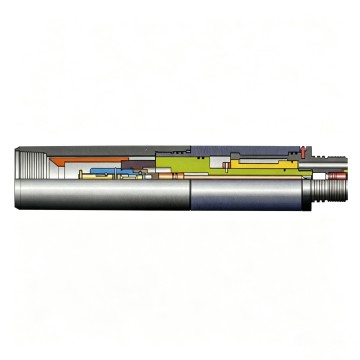
Mechanical Firing Head with Automatic Gun Release
The Mechanical Firing Head with Automatic Gun Release enables operators to safely and reliably detonate and release the perforating assembly downhole. Activation is achieved by the impact of a drop bar: upon striking, the drop bar shears a safety retaining washer and drives the firing pin downward to initiate a percussion initiator. The resulting detonation propagates through the main body of the firing head, which then automatically releases the gun system into the wellbore. Once released, the perforating gun assembly drops away, leaving an open-ended tubing with a wireline entry guide in place.
Specifications
| O.D. (mm) | 93 |
| Pressure Rating (MPa) | 140 |
| Min. Firing Hydrostatic (MPa) | 5 |
| Min. Release Hydrostatic (MPa) | 5 |
| Min. Release Weights (Kg) | 150 |
| I.D. After Release (mm) | 62 |
| Max. Safe Weights (Kg) | 40,000 |
Hydraulic Firing Head with Automatic Gun Release
The Hydraulic Firing Head with Automatic Gun Release enables operators to safely and reliably detonate and release the perforating assembly downhole. Activation is achieved by applying hydraulic pressure. Upon pressure application, the resultant detonation propagates through the main body of the firing head, which then automatically releases the gun system into the wellbore. The perforating gun assembly drops away, leaving an open-ended tubing with a wireline entry guide in place.
Specifications
| O.D. (mm) | 93 |
| Pressure Rating (MPa) | 140 |
| Min. Firing Hydrostatic (MPa) | 5 |
| Min. Release Hydrostatic (MPa) | 5 |
| Min. Release Weights (Kg) | 150 |
| I.D. After Release (mm) | 62 |
| Max. Safe Weights (Kg) | 40,000 |
Frequently Asked Questions
Q1What is the difference between a Mechanical Firing Head and a Safety Mechanical Firing Head?
The standard Mechanical Firing Head with Drop Bar is activated solely by the impact of a drop bar released at the wellhead, which shears the firing pin assembly and detonates the detonator. The Safety Mechanical Firing Head, however, requires two independent actions to detonate: the drop bar impact to unlock the mechanism, plus sufficient hydrostatic pressure. Without adequate hydrostatic pressure, the detonator cannot be triggered, providing an additional layer of safety.
Q2What types of wells is the Hydraulic Firing Head suitable for?
The Hydraulic Firing Head was developed specifically for pressure-firing applications and is suitable for vertical, highly deviated, and horizontal wells. It can be positioned at either the top or bottom of the TCP gun string and is compatible with a time delay booster, making it highly versatile for a wide range of TCP completion operations.
Q3How does the Top Dual Redundant Firing Head provide backup detonation capability?
The Top Dual Redundant Firing Head integrates both an impact (drop bar) firing mechanism and a pressure-activated firing mechanism into a single tool. This means operators can choose either method to initiate the perforating gun string. If the primary activation method fails, the secondary method serves as a reliable backup, significantly reducing the risk of a misfired gun string downhole.
Q4What happens after the Automatic Gun Release firing heads are activated?
Once either the Mechanical or Hydraulic Firing Head with Automatic Gun Release is activated and detonation occurs, the firing head automatically releases the perforating gun assembly. The gun assembly then drops away into the wellbore, leaving behind an open-ended tubing string with a wireline entry guide in place. This allows subsequent wireline operations to be carried out without the need to retrieve the gun string first.
Q5What are the available outer diameter (O.D.) sizes for these firing heads?
The firing heads are available in a range of O.D. sizes to suit different wellbore and tubing configurations. Common sizes include 43 mm, 51 mm, 73 mm, 80 mm, 86 mm, and 93 mm. The specific sizes available depend on the firing head type — for example, the Hydraulic Firing Head offers the widest range from 43 mm to 93 mm, while the Mechanical and Safety Mechanical variants are available in 73 mm, 86 mm, and 93 mm.
Q6What is the minimum hydrostatic pressure required for the Automatic Gun Release firing heads?
Both the Mechanical and Hydraulic Firing Heads with Automatic Gun Release require a minimum firing hydrostatic pressure of 5 MPa and a minimum release hydrostatic pressure of 5 MPa. Additionally, a minimum release weight of 150 kg is required to ensure the gun assembly is properly released. The maximum safe working load for these tools is 40,000 kg.