+86-15829394411


0102030405
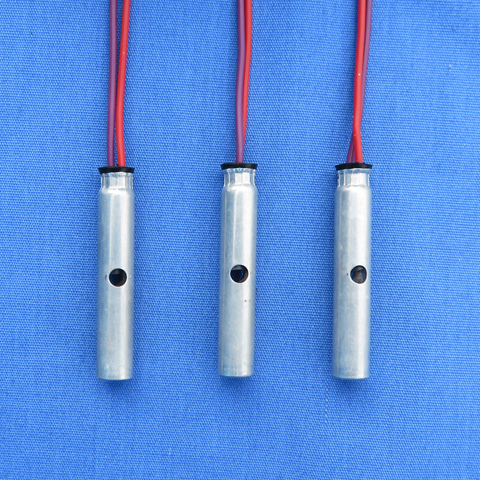
China Percussion Detonator for Gun Systems - Reliable Suppliers and Factory for Tubing Conveyed Perforating (TCP)
Specifications
| Parameter | HMX | HNS |
|---|---|---|
| Explosive Load | HMX | HNS |
| Temperature Rating | 160℃ / 48h | 200℃ / 48h |
| Pressure Rating | 105 MPa | 105 MPa |
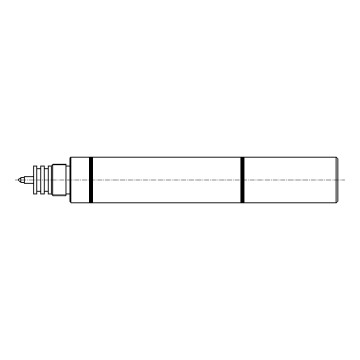
| Outline Size | 20mm × 37mm | 20mm × 37mm |
Frequently Asked Questions
Q
What is the difference between HMX and HNS explosive loads?
HMX and HNS are both high-performance explosive loads used in downhole perforating systems. The primary difference lies in their temperature ratings: HMX is rated for 160℃/48h, while HNS is rated for a higher 200℃/48h, making HNS more suitable for ultra-high-temperature well environments.
Q
What is the maximum pressure rating for this product?
Both the HMX and HNS versions share the same pressure rating of 105 MPa, ensuring reliable performance under extreme downhole pressure conditions.
Q
What are the outline dimensions of this product?
The outline size for both HMX and HNS variants is 20mm × 37mm, providing a compact and standardized form factor for easy integration into perforating gun systems.
Q
Which explosive load should I choose for high-temperature wells?
For high-temperature well applications exceeding 160℃, the HNS explosive load is recommended, as it is rated to withstand temperatures up to 200℃ for 48 hours, ensuring safety and performance stability in demanding thermal environments.
Q
Are both HMX and HNS versions compatible with the same gun systems?
Yes. Since both versions share identical outline dimensions (20mm × 37mm) and the same pressure rating (105 MPa), they are designed to be interchangeable within compatible perforating gun systems, allowing operators to select the appropriate explosive load based on downhole temperature requirements.
Q
What does the temperature rating (e.g., 160℃/48h) mean?
The temperature rating indicates the maximum temperature the explosive load can withstand continuously for a specified duration without degradation in performance or safety. For example, 160℃/48h means the product can operate reliably at 160℃ for up to 48 hours, while 200℃/48h means it can sustain 200℃ for the same period.