+86-15829394411


0102030405
China Sinker Bar Assembly for Oilfield - Quality Suppliers & Reliable Factory Options Available
Product Description
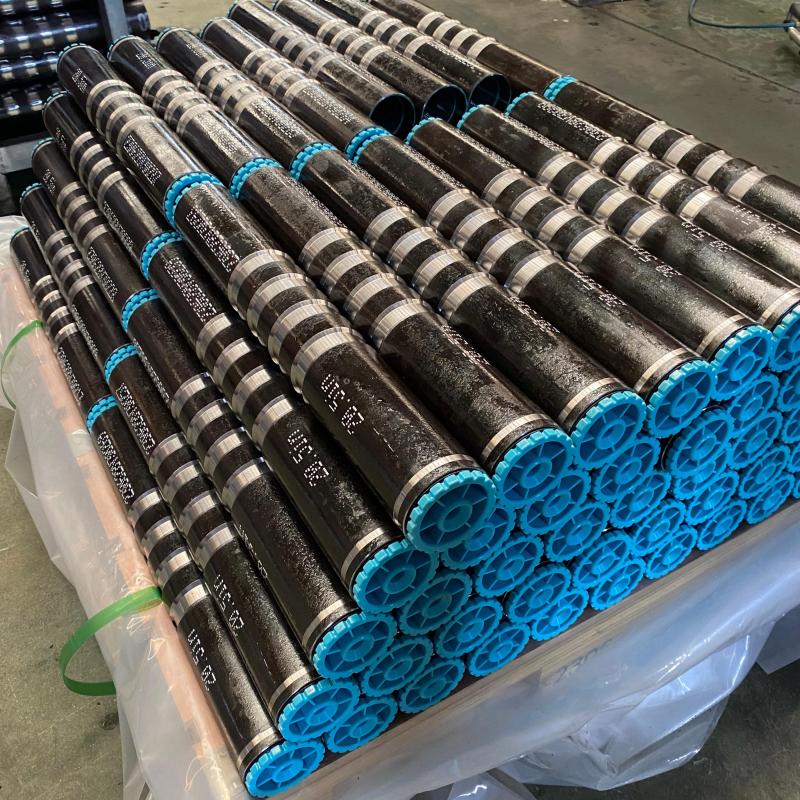
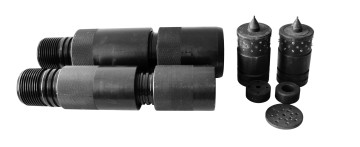
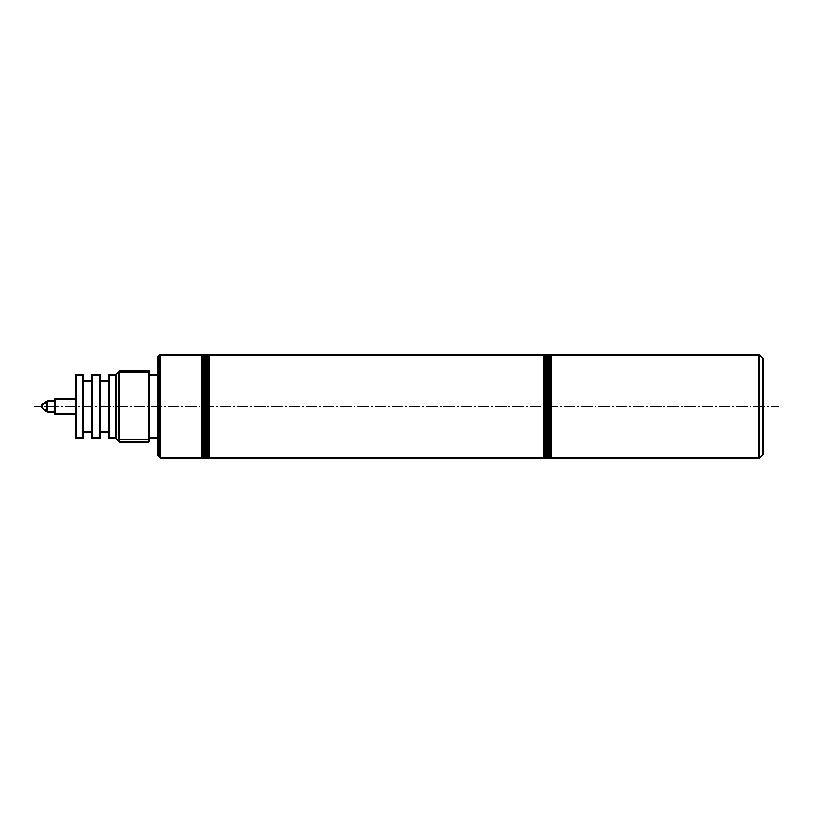
The sinker bar is mainly used to increase the weight of the downhole pipe string, so that the weight of the pipe string into the well is greater than the top pressure, so that the pipe string can be lowered into the well smoothly. There are two kinds of materials: lead sinker bar and steel sinker bar, which can be chosen according to the construction needs.
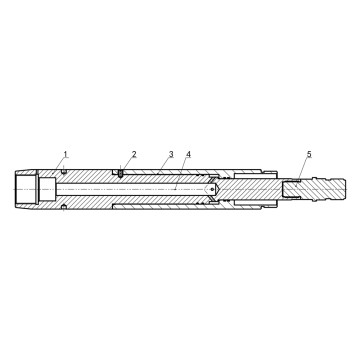
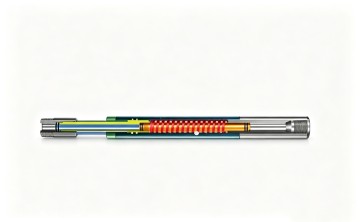
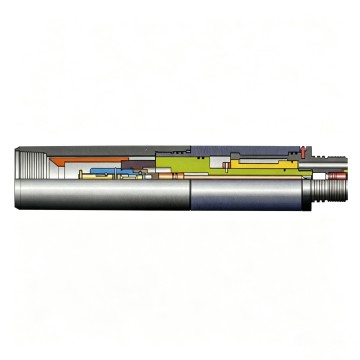
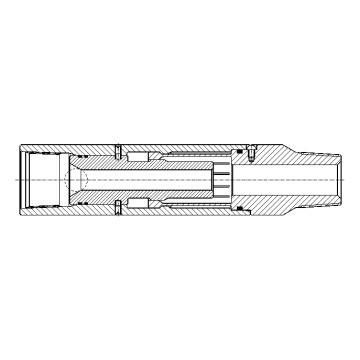
Schematic diagram of sinker bar:

Lead Sinker Bar Specifications
Type |
Overall Length (mm) |
Weight (kg) |
Temperature Rating (°C) |
Pressure Rating (MPa) |
WJZ-43 |
1235 |
25 |
200 |
120 |
1535 |
31 |
|||
1800 |
38 |
|||
2300 |
48 |
|||
WJZ-73 |
1235 |
62 |
160 |
|
1535 |
71 |
|||
1800 |
99 |
|||
2300 |
126 |
|||
WJZ-86 |
1235 |
86 |
||
1535 |
108 |
|||
1800 |
128 |
|||
2300 |
167 |
|||
WJZ-89 |
1235 |
91 |
||
1535 |
116 |
|||
1800 |
139 |
|||
2300 |
180 |
Steel Sinker Bar Specifications
Type |
Overall Length (mm) |
Weight (kg) |
Temperature Rating (°C) |
Pressure Rating (MPa) |
GJZ-43 |
1235 |
14 |
200 |
120 |
1535 |
18 |
|||
1800 |
21 |
|||
2300 |
28 |
|||
GJZ-73 |
1235 |
40 |
160 |
|
1535 |
49 |
|||
1800 |
59 |
|||
2300 |
75 |
|||
GJZ-86 |
1235 |
54 |
||
1535 |
68 |
|||
1800 |
80 |
|||
2300 |
102 |
|||
GJZ-89 |
1235 |
58 |
||
1535 |
72 |
|||
1800 |
81 |
|||
2300 |
106 |
Precautions for Safe Use
- 1 Before going down the well, the instrument must be connected to the ground instrument, check whether the instrument insulation, on-off is good, and whether the insulation resistance value reaches the use requirements.
- 2 Other instruments connected to this instrument, the use of small pipe pliers appropriate force to fasten, do not use excessive force.
- 3 After the instrument is used, it must be cleaned, and the instrument status should be tested, and the problems found should be repaired in time.
- 4 This product must be used with the same pressure, temperature level seals and other accessories.
- 5 For others not specified, please be sure to follow the safety operation regulations of API RP-67 or follow the relevant government regulations, company regulations and manufacturer's recommendations for actual operation.
Frequently Asked Questions (FAQ)
Q
What is the main purpose of a sinker bar in downhole operations?
The sinker bar is primarily used to increase the weight of the downhole pipe string. This ensures that the weight of the pipe string is greater than the top pressure, allowing it to be lowered into the well smoothly and reliably.
Q
What materials are available for sinker bars, and how do I choose?
Sinker bars are available in two materials: lead and steel. The choice depends on your construction requirements. Lead sinker bars are heavier for the same size, while steel sinker bars offer greater structural strength. Select based on the weight needed and the specific downhole conditions of your project.
Q
What is the maximum temperature and pressure rating for these sinker bars?
All sinker bar types (both lead and steel) have a maximum temperature rating of 200°C. The pressure rating varies by type: WJZ-43 / GJZ-43 are rated at 120 MPa, while WJZ-73, WJZ-86, WJZ-89 and their steel equivalents are rated at 160 MPa.
Q
What checks should be performed before lowering the sinker bar into the well?
Before going downhole, the instrument must be connected to the ground instrument to verify that insulation and on/off functions are working correctly, and that the insulation resistance value meets the required specifications. Any issues found must be resolved before deployment.
Q
Are there specific accessories required when using sinker bars?
Yes. Sinker bars must be used with seals and other accessories that match the same pressure and temperature rating as the sinker bar itself. Using mismatched components can compromise safety and performance.
Q
What safety standards should be followed when operating sinker bars?
For all operations not specifically addressed in the product documentation, operators should strictly follow the safety operation regulations of API RP-67, as well as any relevant government regulations, company policies, and the manufacturer's recommendations to ensure safe and compliant use.