+86-15829394411


0102030405
China Suppliers Factory: Phase Coaxial and Synergy Shaped Charge for Enhanced Well Stimulation Technology
Key Features
Dual-Action Perforation Technology
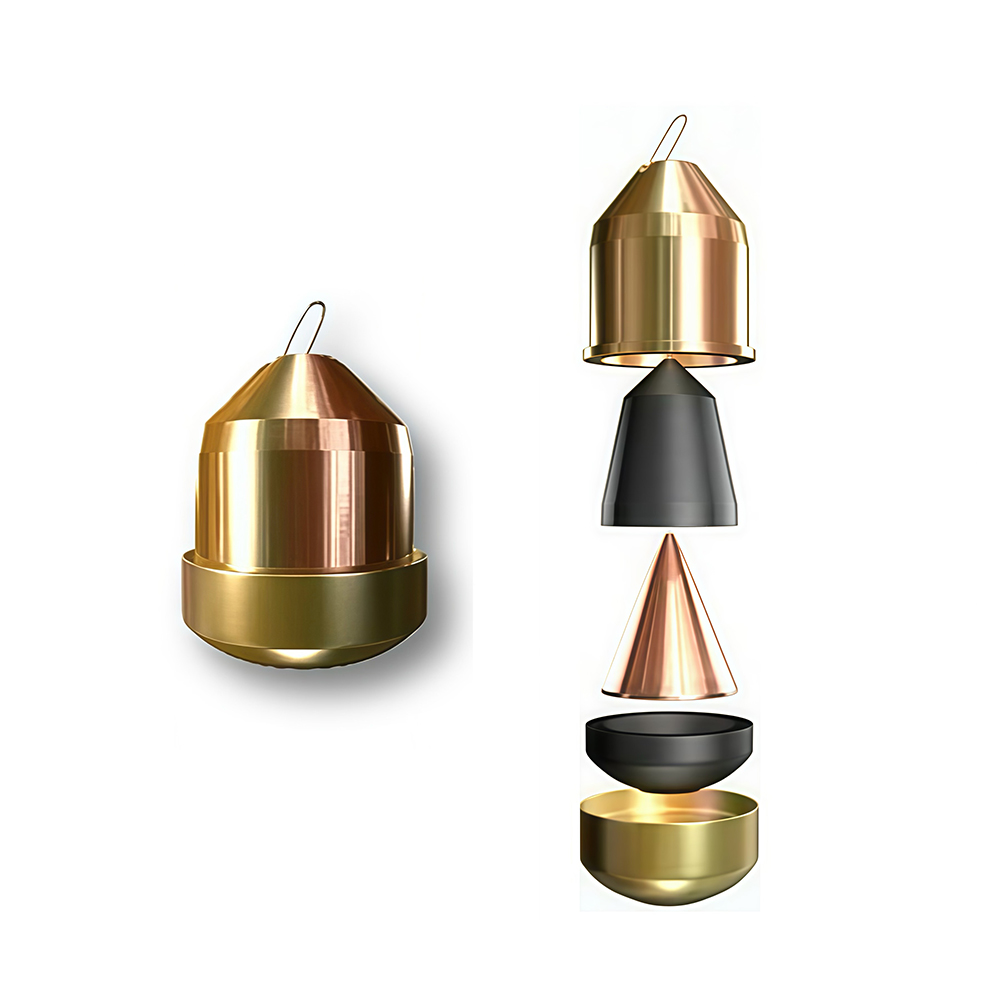
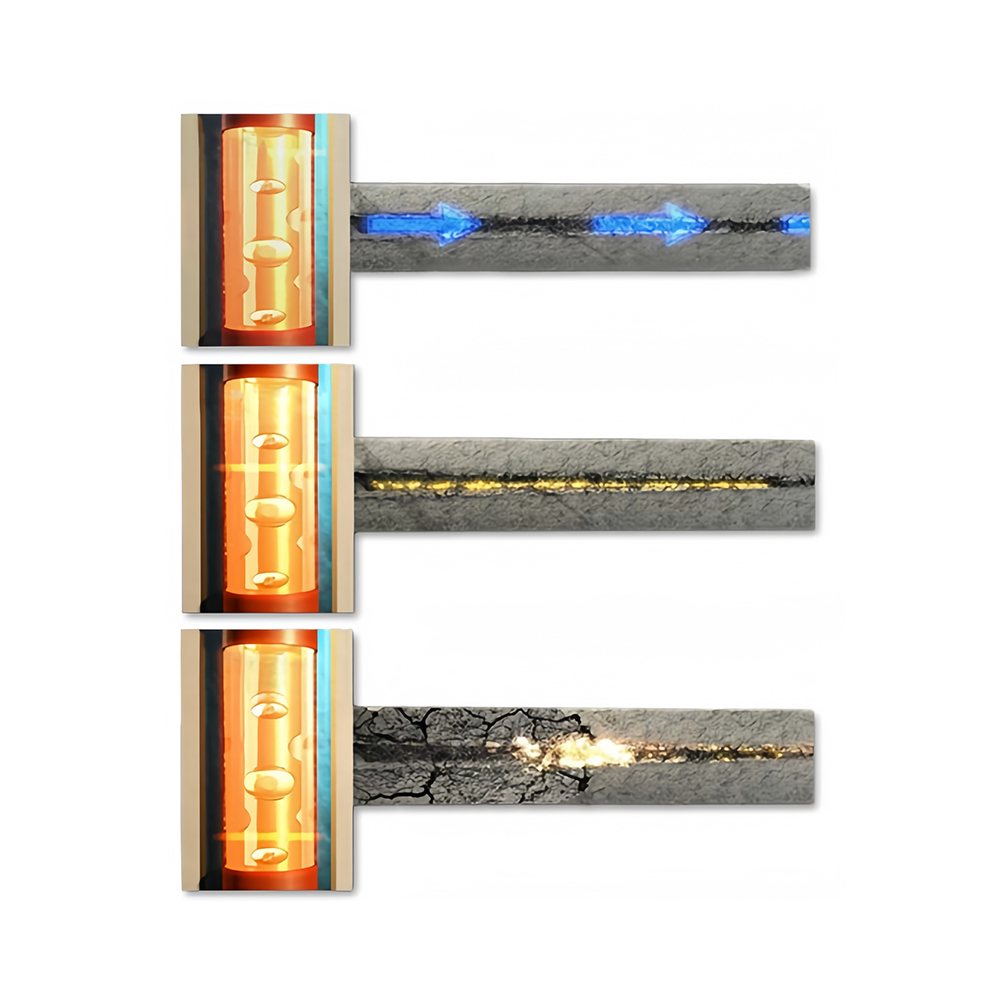
The Phase Coaxial along with Synergy Shaped Charge features a superposed synergistic body that delivers jet energy and explosive propellants into the perforation tunnel simultaneously. The propellant cake ignites under wellbore pressure conditions within the perforation tunnel, exhibiting optimal combustion characteristics in low-pressure environments.
Optimized Propellant Cap Design
The concentric-hole propellant cap aligns precisely with the shaped charge liner center, featuring solid propellant molded at strategic angles. This engineering ensures optimum jet performance while effectively distributing propellant material into the perforation tunnel prior to deflagration.
Performance Benefits
-
Enhanced Fracture Network Generates multiple fractures while effectively extending and expanding existing cracks.
-
Reduced Formation Fracture Pressure Lowers the pressure required to fracture the formation, improving operational efficiency.
-
Superior Tunnel Cleanup Propellant deflagration releases energy directly to the formation, breaking through the compacted zone around the perforation tunnel.
-
Maximized Energy Transfer Following the jet, propellant material deflagrates within the formation as jet energy extends the tunnel, delivering energy precisely where needed.
Technical Advantage
The synchronized delivery of jet energy and propellant combustion creates a synergistic effect that significantly outperforms conventional perforating systems, resulting in improved well productivity and reduced stimulation costs.
Specifications
Temperature: 130℃ / 24h | 122℃ / 48h
| Charge Type | Dimension (mm) (O.D. x Height) |
Shot Density (SPM) | Performance of the Concrete Target | Length of Radical Fracture (mm) | Gun O.D. (mm) | |
| Depth (mm) | Hole Diameter (mm) | |||||
| DP33RDX18-XFZX | Φ42 x 52 | 16 | 787 | 8.2 | >1600 | 73 |
| DP35RDX25-4XFZX | Φ48 x 62 | 16 | 928 | 9.3 | >1900 | 89 |
| DP35RDX25-9XFZX | Φ48 x 60 | 16 | 956 | 9.4 | >2300 | 102 |
| DP41RDX38-5XFZX | Φ58 x 74 | 16 | 1320 | 10.0 | >1900 | 127 |
Frequently Asked Questions
Q
What is the Phase Coaxial Synergy Shaped Charge and how does it work?
The Phase Coaxial Synergy Shaped Charge is a dual-action perforation device that simultaneously delivers jet energy and explosive propellants into the perforation tunnel. The propellant cake ignites under wellbore pressure conditions, producing a synergistic effect that enhances penetration depth, fracture generation, and overall formation stimulation.
Q
What temperature ratings are these charges designed to withstand?
The charges are rated for operation at 130℃ for up to 24 hours, and 122℃ for up to 48 hours, making them suitable for a wide range of downhole thermal environments.
Q
How does the concentric-hole propellant cap improve performance?
The concentric-hole propellant cap aligns precisely with the shaped charge liner center and features solid propellant molded at strategic angles. This design ensures optimum jet performance and effectively distributes propellant material into the perforation tunnel prior to deflagration, maximizing energy delivery to the formation.
Q
What gun outer diameters are compatible with these shaped charges?
The charges are available for gun outer diameters of 73 mm, 89 mm, 102 mm, and 127 mm, covering a broad range of wellbore completion requirements from smaller to larger casing sizes.
Q
How does this technology reduce formation fracture pressure?
The propellant deflagration releases energy directly into the formation, breaking through the compacted zone around the perforation tunnel. This pre-conditions the rock structure, lowering the threshold pressure needed to initiate and propagate fractures during subsequent stimulation operations.
Q
How does this system compare to conventional perforating charges?
Unlike conventional perforating systems that rely solely on jet penetration, this technology combines jet energy with propellant combustion in a synchronized manner. The result is a significantly enhanced fracture network, superior tunnel cleanup, and maximized energy transfer — all contributing to improved well productivity and reduced overall stimulation costs.