+86-15829394411


0102030405
Decentralizers for Perf Gun Systems - High-Quality China Suppliers and Factory for Enhanced Perforating Performance
⚙
Product Description
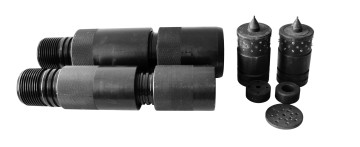
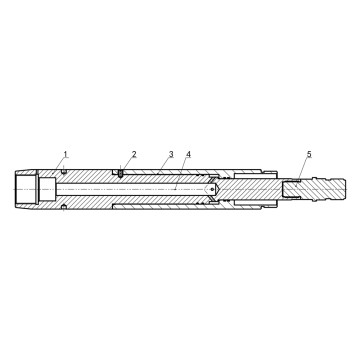
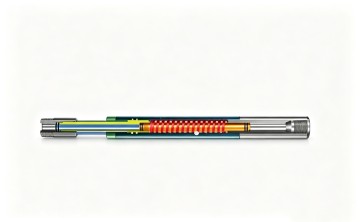
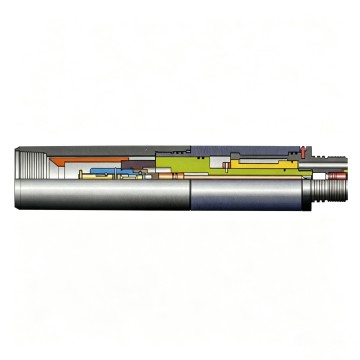
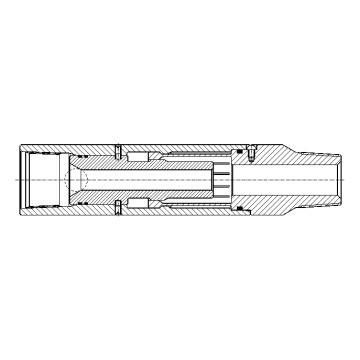
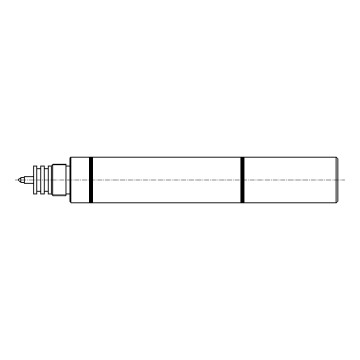
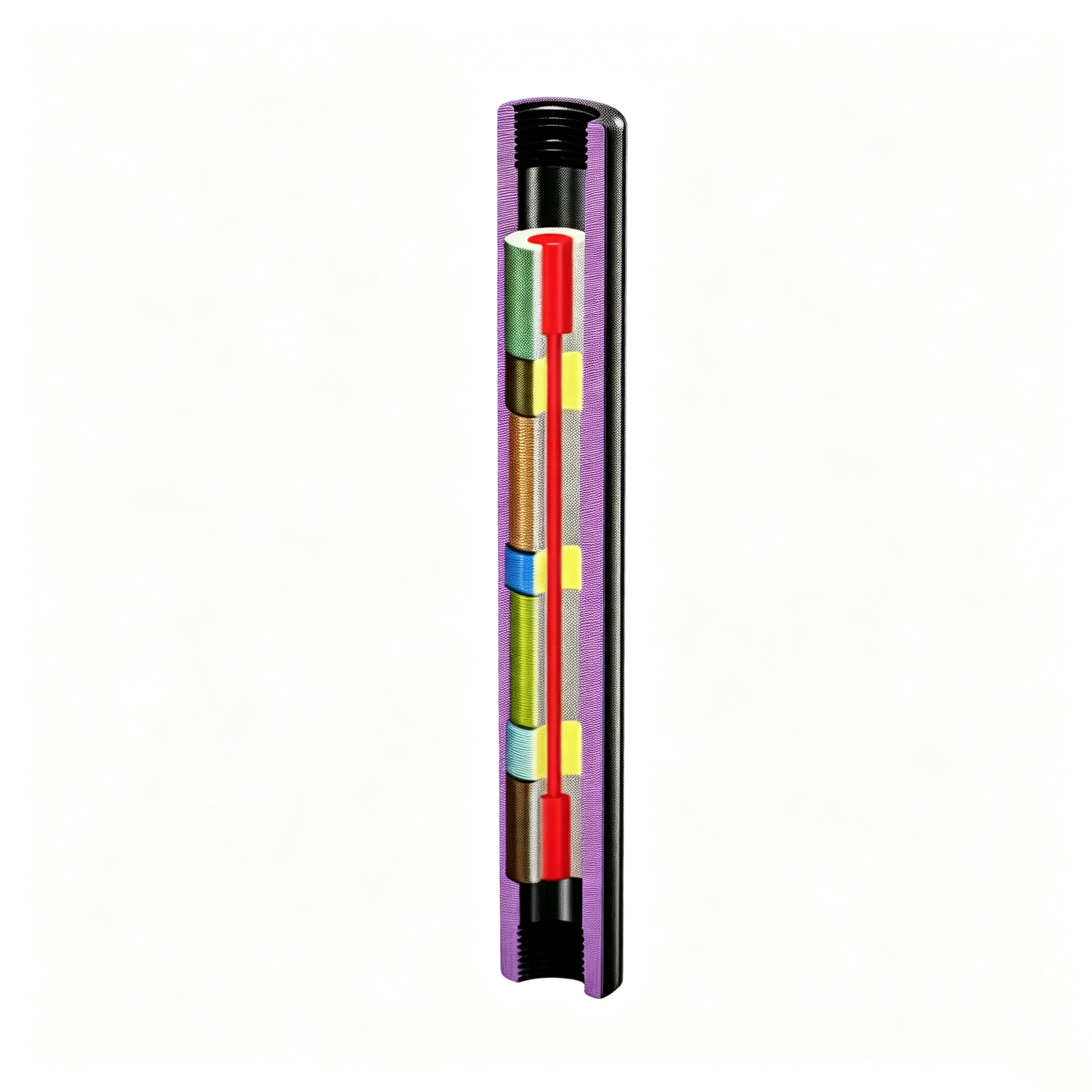
The decentralizer is engineered to both orient and offset strip gun systems, ensuring they are positioned optimally within the wellbore. Its primary function is to control the placement of the gun relative to the casing, which is critical for effective perforating operations.
Magnetic decentralizers are particularly advantageous because they use magnetic force to hold the gun firmly against the casing wall. By minimizing the standoff distance—the gap between the gun and the casing—they significantly enhance the efficiency and penetration capability of the perforating charges.
The through tubing guns must strike a careful balance in design: they need to be compact enough to pass through the completion string, yet sufficiently robust to house charges capable of penetrating the casing, cement, and the damaged zone of the formation. Magnetic decentralizers play a key role here, ensuring that despite the compact size, the gun remains properly positioned to deliver maximum performance.
Wide Size Range
Available in a variety of sizes to accommodate different thru-tubing gun configurations.
High Temp Magnets
Designed for high temperature stability, ensuring reliable casing wall attachment in harsh downhole conditions.
Phasing Sub Compatible
Phasing subs can be incorporated to align the gun's firing orientation precisely with the decentralizer magnets.
📋
Specifications
| Type | Dimension | Pressure Rating (MPa) | Temperature Rating (°C) | |
|---|---|---|---|---|
| Max. O.D. (mm) | Overall Length (mm) | |||
| CPK40 | 40±1 | 350±2 | 140 | 20 |
| CPK43 | 43±1 | |||
| CPK54 | 54±1 | |||
❓
Frequently Asked Questions
Q
What is the primary function of a magnetic decentralizer in perforating operations?
A magnetic decentralizer is engineered to orient and offset strip gun systems so they are positioned optimally within the wellbore. By using magnetic force to hold the gun firmly against the casing wall, it controls gun placement relative to the casing — which is critical for achieving effective and accurate perforating results.
Q
Why is minimizing standoff distance so important for perforation performance?
Standoff distance is the gap between the gun and the casing wall. A smaller standoff allows the perforating charges to deliver more energy directly into the casing and surrounding formation, improving penetration depth and overall perforation effectiveness — which directly impacts well productivity and recovery.
Q
What model sizes are available, and how do I select the right one?
Three standard models are available — CPK40 (Max O.D. 40±1 mm), CPK43 (Max O.D. 43±1 mm), and CPK54 (Max O.D. 54±1 mm) — all with an overall length of 350±2 mm. Selection depends on the thru-tubing gun configuration and the inner diameter of the completion string the tool must pass through.
Q
What is the pressure and temperature rating for these decentralizers?
All three CPK model types share a pressure rating of 140 MPa and a temperature rating of 20°C, as detailed in the specifications table. These ratings apply across the full CPK40, CPK43, and CPK54 product range.
Q
How do phasing subs work together with the magnetic decentralizer?
Phasing subs can be incorporated into the assembly to ensure the firing orientation of the gun aligns precisely with the position of the decentralizer magnets. This alignment is important for directional perforation accuracy, ensuring each charge fires toward the intended target zone in the formation.
Q
Why are through tubing gun designs challenging, and how does the decentralizer help?
Through tubing guns must be slim enough to pass through the completion string while still housing charges powerful enough to penetrate the casing, cement, and damaged formation zone. The magnetic decentralizer addresses this challenge by keeping the compact gun correctly positioned against the casing wall, ensuring maximum perforation performance despite the physical size constraints.