+86-15829394411


0102030405
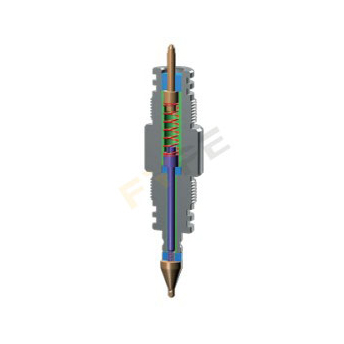
Double Sealed Contact Sub Assembly for Cable Perforating Operations - China Suppliers & Factory
Product Description
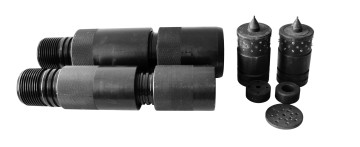
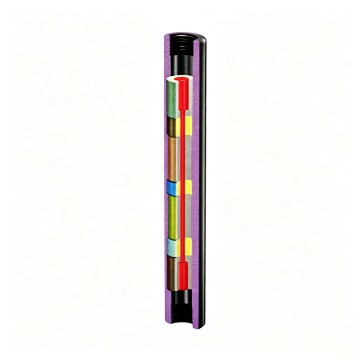
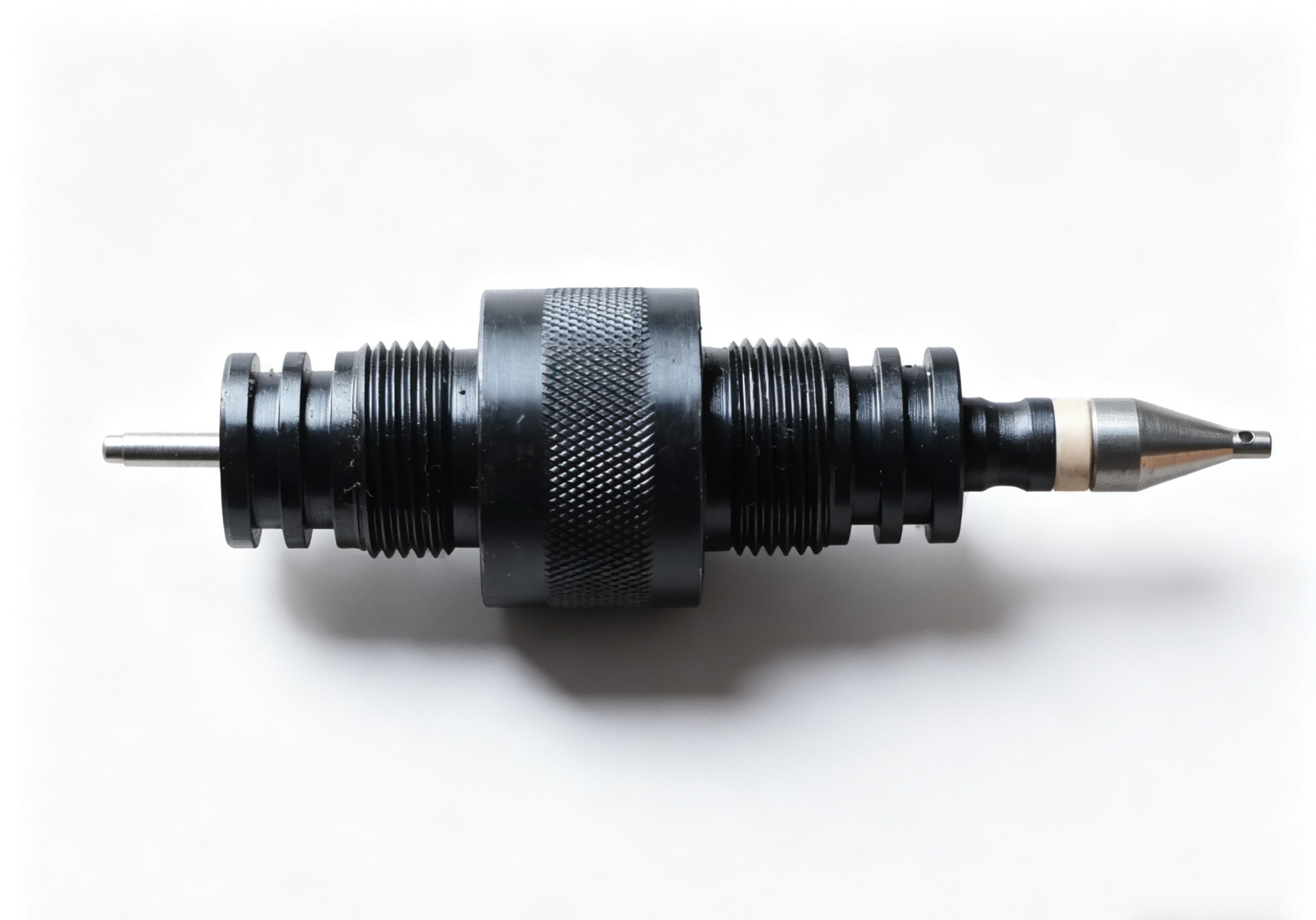
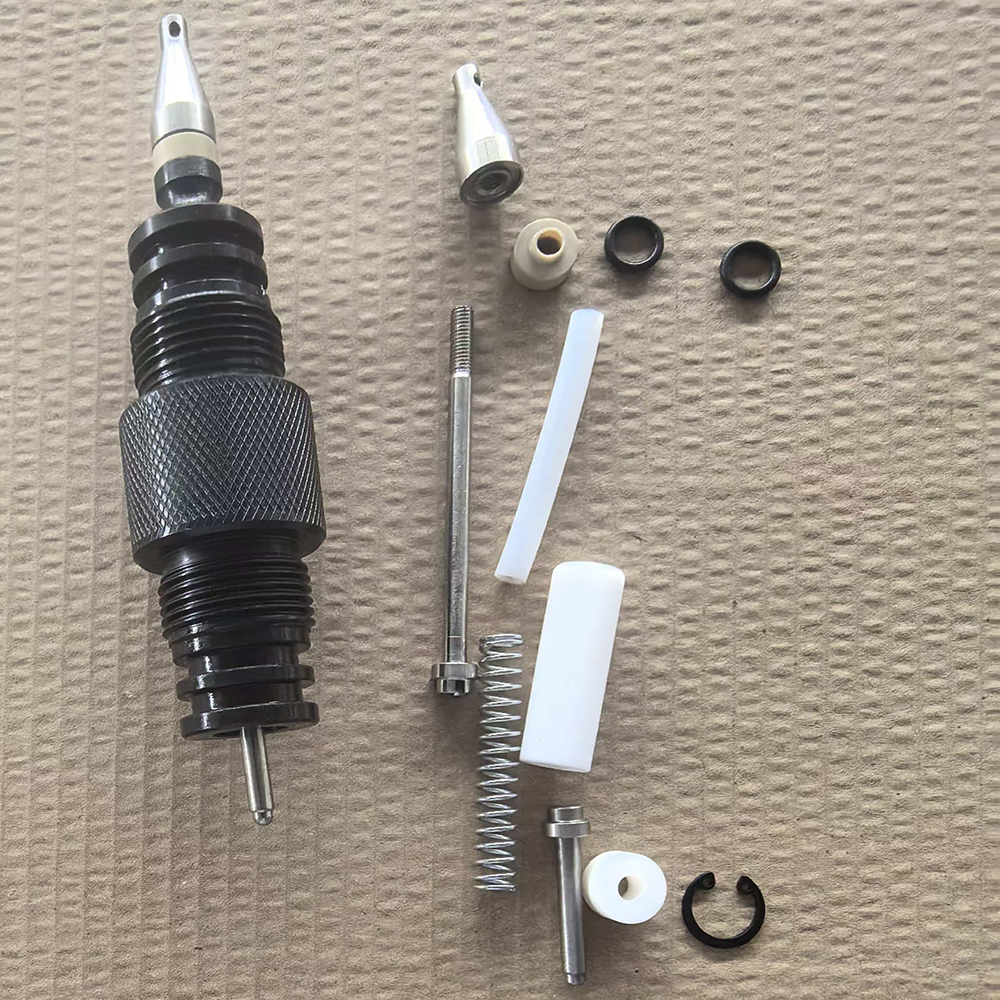
The double male connectors are used for cable perforating or perforating operations. Under normal working conditions, the downhole pressure shall not be greater than the maximum operating pressure of the double male joint in the contact line.
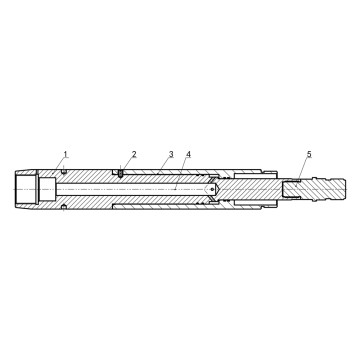
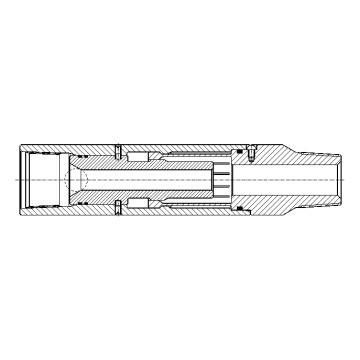
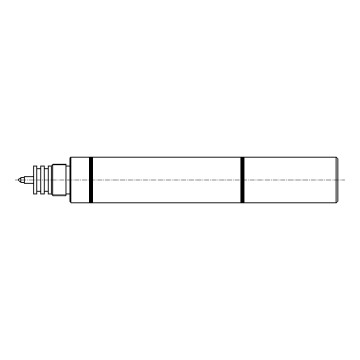
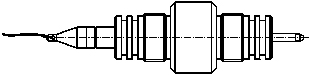
Schematic diagram
Specifications
Dimensions
| PART NO. | Description | Diameter (mm) | Length (mm) |
| DXSG38112-140 | 1 3/16-12UN | 38 | 140 |
| DXSG44112-140 | 1 3/16-12UN | 44 | 140 |
Performance Parameters
| PART NO. | Maximum Working Pressure (MPa) | Maximum Service Temperature (℉) | Sealing | Internal Normal Resistance (Ω) | Internal & External Insulation Resistance (MΩ) |
| DXSG38112-140 | 140 | 392 | No Leakage | ≤10 | ≥200 |
| DXSG44112-140 | 140 | 392 | No Leakage | ≤10 | ≥200 |
Frequently Asked Questions
Q
What are double male connectors (Contact Sub) used for?
Double male connectors are designed for cable perforating or perforating operations in downhole environments. They serve as a reliable connection component within the contact line assembly, ensuring secure electrical and mechanical continuity during well operations.
Q
What is the maximum working pressure these connectors can withstand?
Both models — DXSG38112-140 and DXSG44112-140 — are rated for a maximum working pressure of 140 MPa. Under normal downhole working conditions, the applied pressure must not exceed this limit to ensure safe and reliable operation.
Q
What is the maximum service temperature for these connectors?
The maximum service temperature for both DXSG38112-140 and DXSG44112-140 is 392℉. Operating beyond this temperature threshold may compromise the integrity and performance of the connector.
Q
What are the electrical performance requirements for these connectors?
Both connector models must meet the following electrical performance standards: the internal normal resistance must be ≤10 Ω, and the internal and external insulation resistance must be ≥200 MΩ. These values ensure reliable signal transmission and electrical safety in downhole applications.
Q
What is the difference between DXSG38112-140 and DXSG44112-140?
The primary difference between these two models is their outer diameter. The DXSG38112-140 has a diameter of 38 mm, while the DXSG44112-140 has a diameter of 44 mm. Both share the same thread specification (1 3/16-12UN), length (140 mm), and performance parameters.
Q
What sealing performance do these connectors provide?
Both models are engineered to provide a no-leakage sealing performance under specified operating conditions. This ensures the integrity of the downhole environment and prevents fluid ingress that could damage electrical components or compromise well safety.