 +86-15829394411
Leave Your Message
-
Contact WhatsApp
-
 Contact Phone
-
 Contact Email
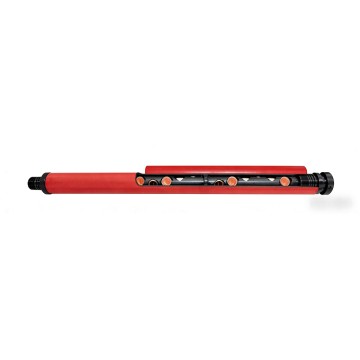
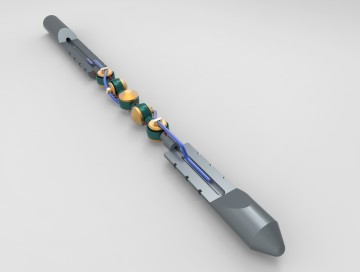
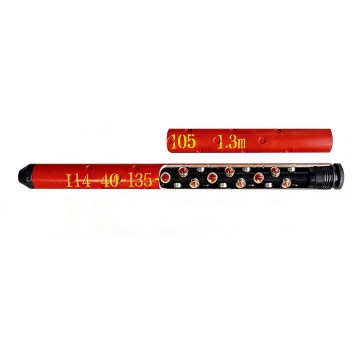
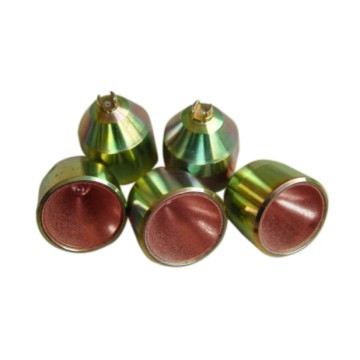
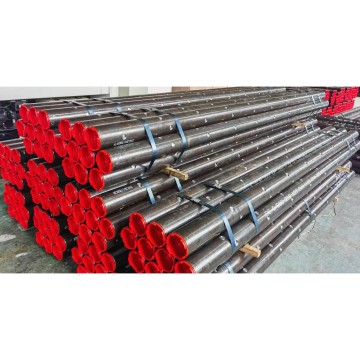
Downhole perforating is the critical well completion process by which shaped explosive charges are detonated inside a cased wellbore to create perforation tunnels through the casing, cement sheath, and into the surrounding reservoir rock. These perforation channels serve as the primary conduits through which hydrocarbons flow from the formation into the wellbore — making the quality, geometry, and density of perforations one of the most consequential factors in determining ultimate oil and gas recovery.
In the context of Enhanced Oil Recovery (EOR), downhole perforating takes on even greater strategic importance. EOR techniques — including waterflooding, chemical injection, steam injection, CO₂ flooding, and hydraulic fracturing — all depend on precisely engineered perforation geometry to ensure that injection fluids or fracture stimulation treatments reach the target zones with maximum efficiency. Poorly designed perforations can result in near-wellbore damage, formation plugging, uneven fluid distribution, and ultimately, suboptimal recovery rates.
The global downhole perforating market has experienced robust growth over the past decade, driven by rising energy demand, increasing well complexity, and the widespread adoption of unconventional resource development. According to industry analysts, the global perforating services market is valued at over USD 4.5 billion and is projected to grow at a CAGR of approximately 5–7% through 2030, fueled by deepwater drilling activity, tight oil and shale gas expansion, and the accelerating need for EOR in aging fields.
China has emerged as a major manufacturing hub for downhole perforating equipment, offering a compelling combination of advanced engineering capability, large-scale production capacity, and competitive pricing. Leading Chinese manufacturers now supply perforating guns, shaped charges, and associated accessories to operators in the Middle East, Southeast Asia, Central Asia, Africa, and Latin America — regions where oil production growth is most dynamic.
The market is also being reshaped by the digital transformation of oilfield operations. Smart perforating systems equipped with real-time sensors, downhole telemetry, and data analytics platforms are gaining traction among major operators seeking to optimize completion efficiency and reduce non-productive time (NPT). The integration of perforating operations with intelligent completion systems represents one of the most significant commercial opportunities in the sector today.
Machine learning algorithms now analyze seismic data, well logs, and production history to recommend optimal perforation cluster spacing, shot density, and phasing angles. AI-assisted design is reducing completion costs while significantly improving initial production rates in unconventional wells.
For waterflooding and chemical EOR programs, operators now specify perforation tunnel geometry — including diameter, depth, and crushed zone characteristics — to maximize injectivity and sweep efficiency. Deep-penetrating charges that bypass near-wellbore damage zones are in particularly high demand.
As exploration moves into ultra-deepwater environments with pressures exceeding 20,000 psi and temperatures above 175°C, demand for ultra-HTHP (High Temperature High Pressure) perforating systems has surged. These extreme-environment tools require advanced metallurgy, specialized explosive formulations, and rigorous qualification testing.
The plug-and-perf (PnP) completion technique has become the dominant method for multi-stage hydraulic fracturing in horizontal shale wells. High-efficiency, slim-profile perforating guns that can be rapidly deployed on wireline or coiled tubing are essential to achieving the fast cycle times demanded by unconventional operators.
Traditional perforating operations can leave compacted debris and crushed rock in perforation tunnels, restricting flow. Next-generation self-cleaning perforating systems use proprietary charge designs and underbalanced deployment techniques to produce cleaner tunnels with higher flow conductivity — directly translating to improved EOR performance.
Environmental regulations and operator ESG commitments are driving demand for low-debris, reduced-contamination perforating systems. Biodegradable carrier materials, reduced-charge configurations, and zero-debris gun designs minimize wellbore contamination and reduce the need for costly cleanout operations after perforating.
Waterflooding is the most widely practiced secondary recovery method globally, accounting for the majority of incremental oil production from mature fields. In waterflooding operations, downhole perforating plays a dual role: creating injection perforations in water injection wells and production perforations in producing wells. The critical design parameter is ensuring that injection and production perforations are aligned with the same reservoir intervals to maximize sweep efficiency and minimize water channeling through high-permeability streaks.
High-density perforating guns — capable of delivering 12 to 21 shots per foot — are commonly specified for waterflood wells to maximize reservoir contact and injectivity. Oriented perforating systems that place charges in specific azimuthal directions relative to the maximum horizontal stress are used to initiate fractures in the desired orientation, preventing out-of-zone fracture growth that could compromise reservoir compartmentalization.
Hydraulic fracturing (fracking) is arguably the most transformative application of downhole perforating technology. In both conventional and unconventional reservoirs, the perforation cluster design — including cluster spacing, shot density, and phasing — directly controls fracture initiation, complexity, and propagation. Poorly placed or inadequately cleaned perforations result in limited entry fracturing, where only a subset of perforation clusters contribute to the fracture network, dramatically reducing stimulated reservoir volume (SRV) and ultimate recovery.
Modern limited-entry completion designs deliberately use a small number of high-quality perforations per cluster to create near-equal distribution of fracturing fluid across all clusters in a stage. This requires perforating guns with exceptional dimensional precision and charge-to-charge consistency — a standard that FYPE's automated production lines are specifically designed to achieve.
In heavy oil and oil sands developments, thermal EOR methods such as SAGD and cyclic steam stimulation (CSS) require perforating guns capable of surviving the extreme thermal cycling associated with steam injection. Well temperatures in SAGD operations can exceed 300°C, demanding perforating systems with high-temperature explosive formulations, thermally stable gun bodies, and connectors that maintain integrity through repeated heating and cooling cycles.
The perforation geometry in SAGD wells is also critical: the steam injection well requires perforations that distribute steam evenly along the horizontal wellbore, while the production well requires perforations that efficiently drain the mobilized oil flowing by gravity to the lower well. Oriented perforating systems that place charges in the upward direction (toward the steam chamber) are increasingly used to optimize SAGD performance.
CO₂ enhanced oil recovery (CO₂-EOR) is gaining renewed attention as a method that simultaneously improves oil recovery and sequesters carbon dioxide. Perforating systems for CO₂-EOR must be compatible with CO₂-rich wellbore environments, which can be highly corrosive. Material selection for gun bodies, charge carriers, and detonating cord must account for CO₂-induced corrosion, particularly in the presence of water (forming carbonic acid).
The perforation design for CO₂ flooding also requires careful attention to minimizing near-wellbore damage that could impede CO₂ injectivity. Deep-penetrating charges that create long, clean tunnels beyond the compacted zone are preferred, and underbalanced perforating techniques are commonly employed to maximize initial tunnel cleanliness.
As mature oil fields require workovers and recompletions to access bypassed pay zones or optimize production from existing wellbores, through-tubing perforating (TTP) has become an essential intervention technique. TTP systems — such as FYPE's slim TTP gun — can be deployed through existing production tubing without requiring a full workover rig, dramatically reducing intervention costs and minimizing production downtime.
TTP is particularly valuable in EOR contexts where operators want to add new perforation intervals to existing producers or injectors without the expense and risk of a full workover. The ability to quickly and cost-effectively recomplete wells enables operators to adapt their EOR programs in response to reservoir performance data, maximizing ultimate recovery from mature assets.
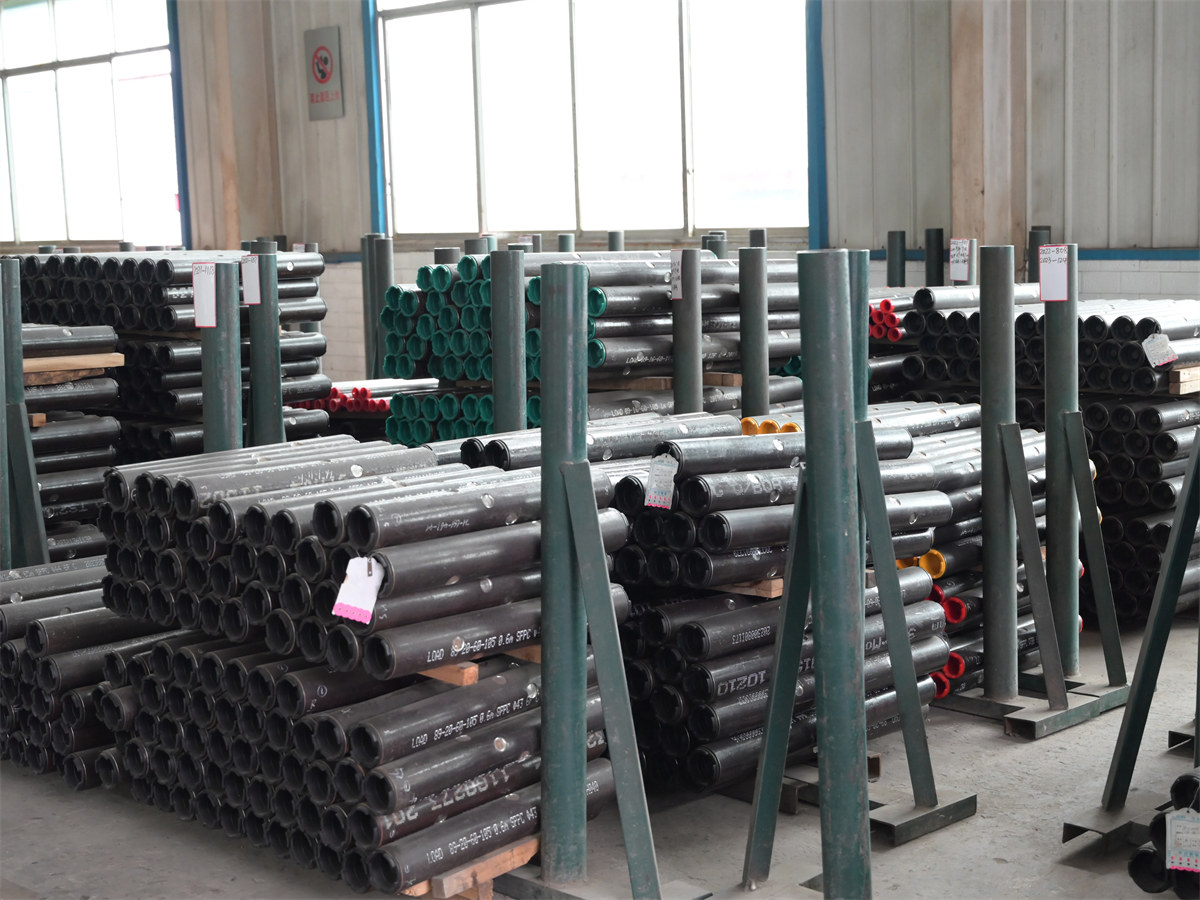
Expetro Energy Service Co., Ltd. (FYPE) is a leading manufacturer of downhole perforating systems in China, dedicated to the research, development, and production of shaped charges, perforating guns, and associated accessories for oil and gas completions.
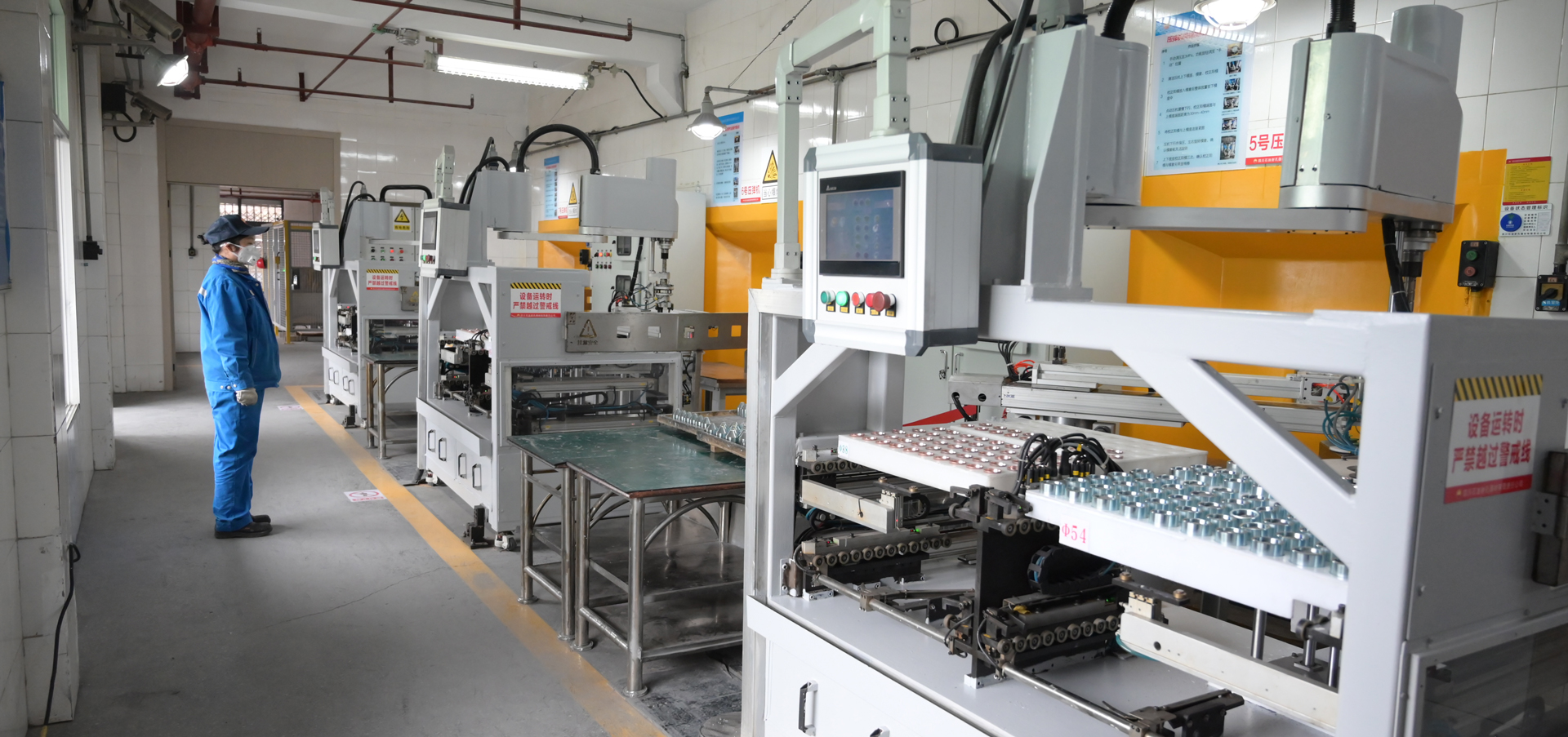
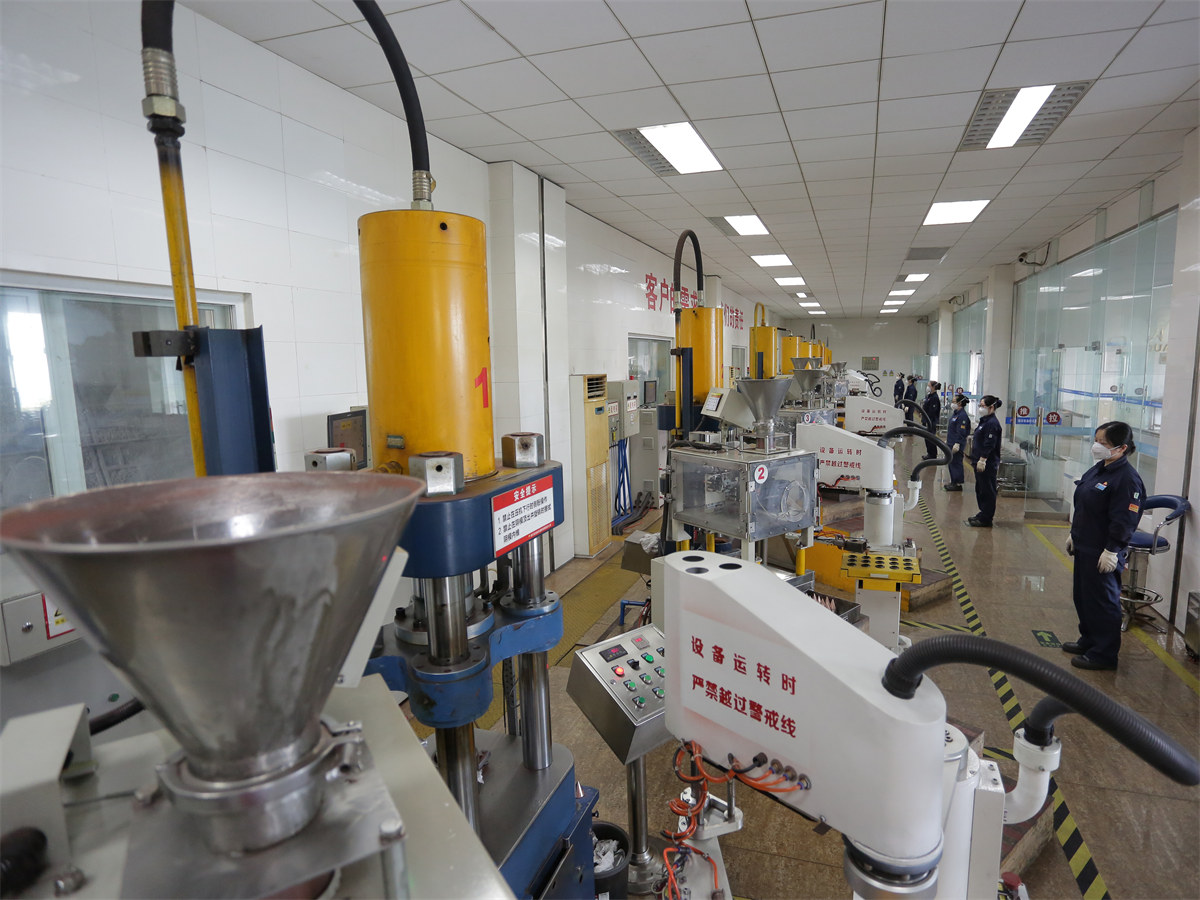
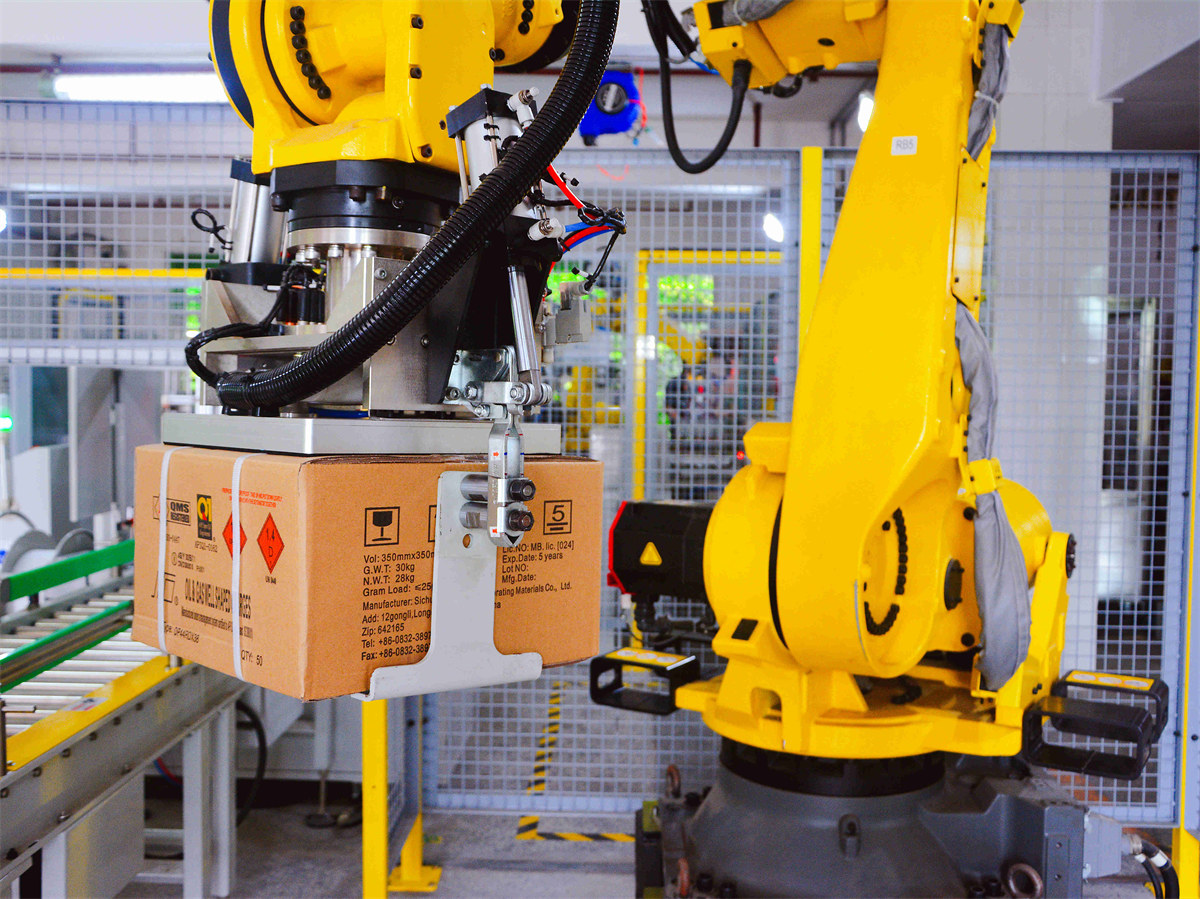
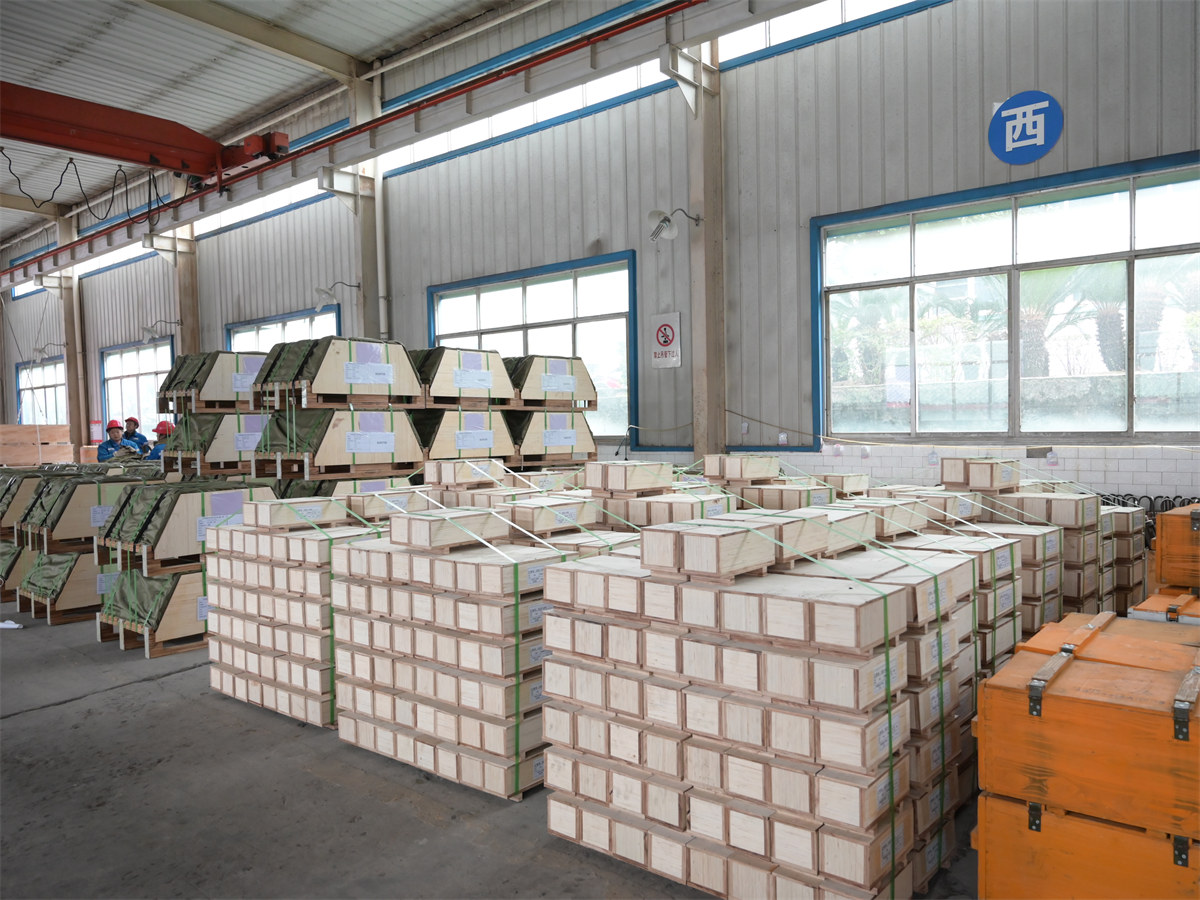
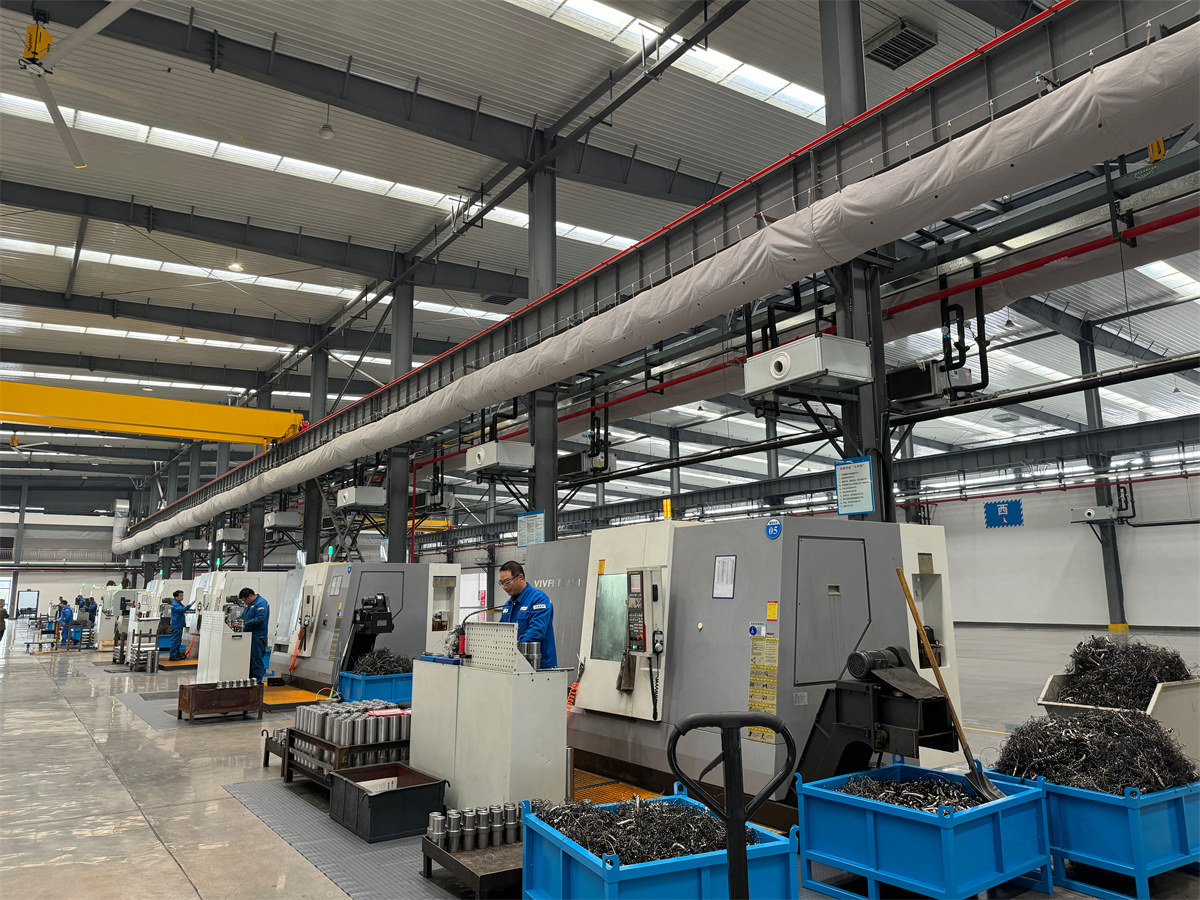
Equipped with state-of-the-art automated production and inspection lines, we deliver over 2.5 million shaped charges and 500,000 meters of perforating guns annually — meeting diverse customer requirements across the global market.
Every stage of our production process strictly adheres to the API Q1 Quality Management System. This unwavering commitment to quality, innovation, and customer satisfaction has established FYPE as a trusted partner in the global energy sector.
To date, our products have served customers in 38 countries worldwide and consistently earn positive feedback for performance and reliability. FYPE is dedicated to expanding its global footprint and building long-term partnerships with clients across continents.
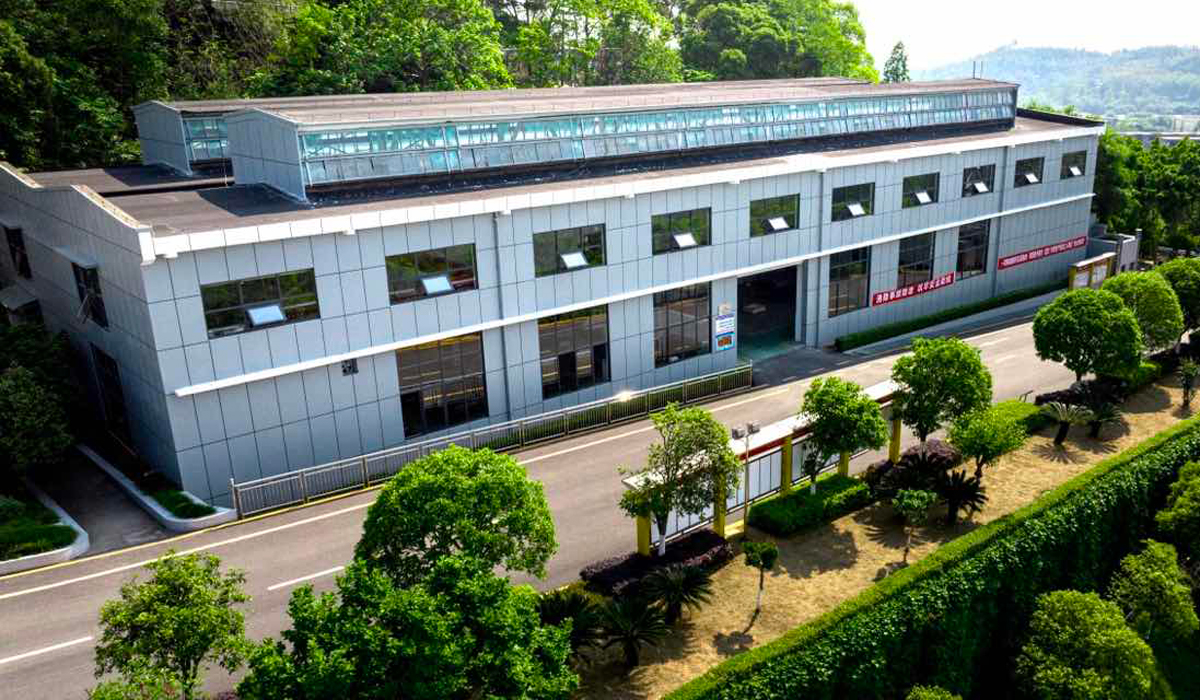
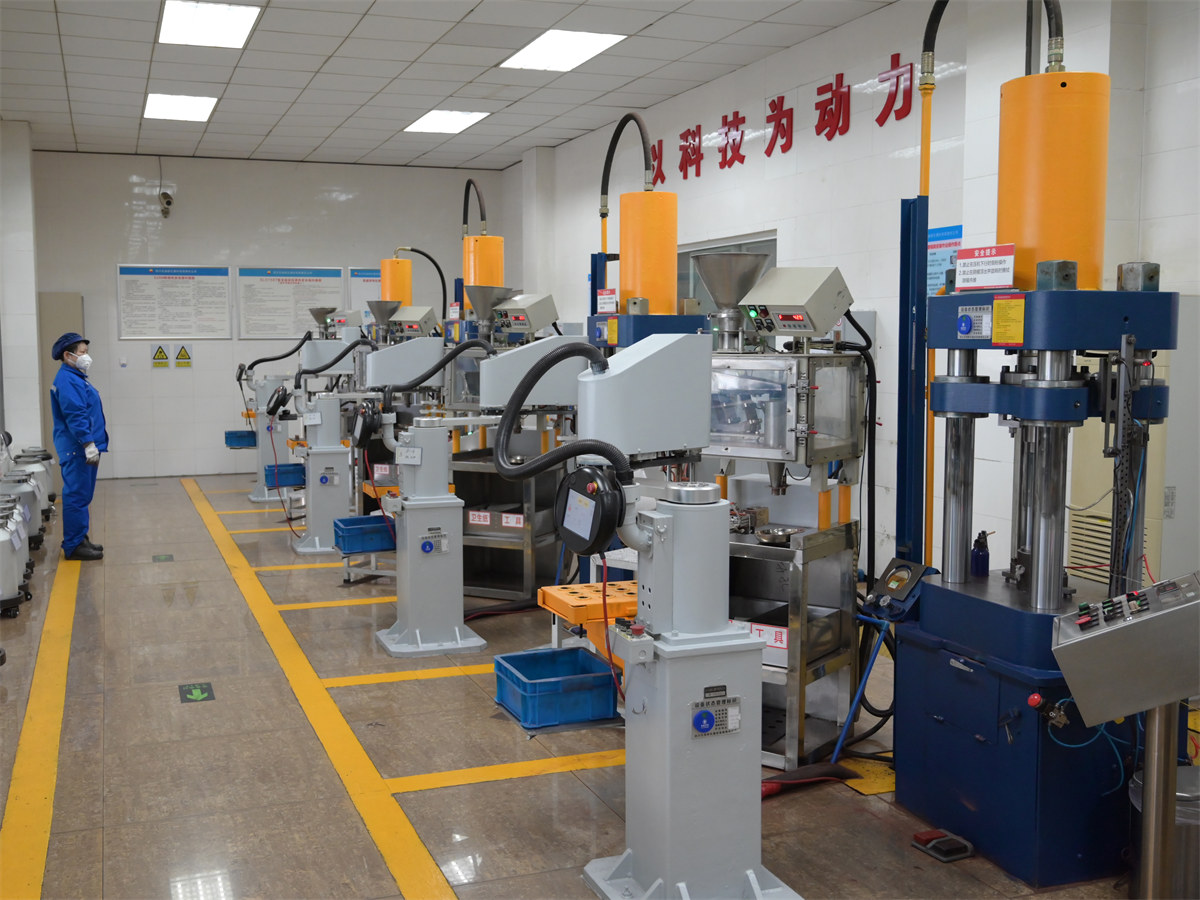
Our professional inspection team operates under a quality management system certified to API Q1 and ISO 9001 standards, ensuring product reliability and superior performance in every delivery.
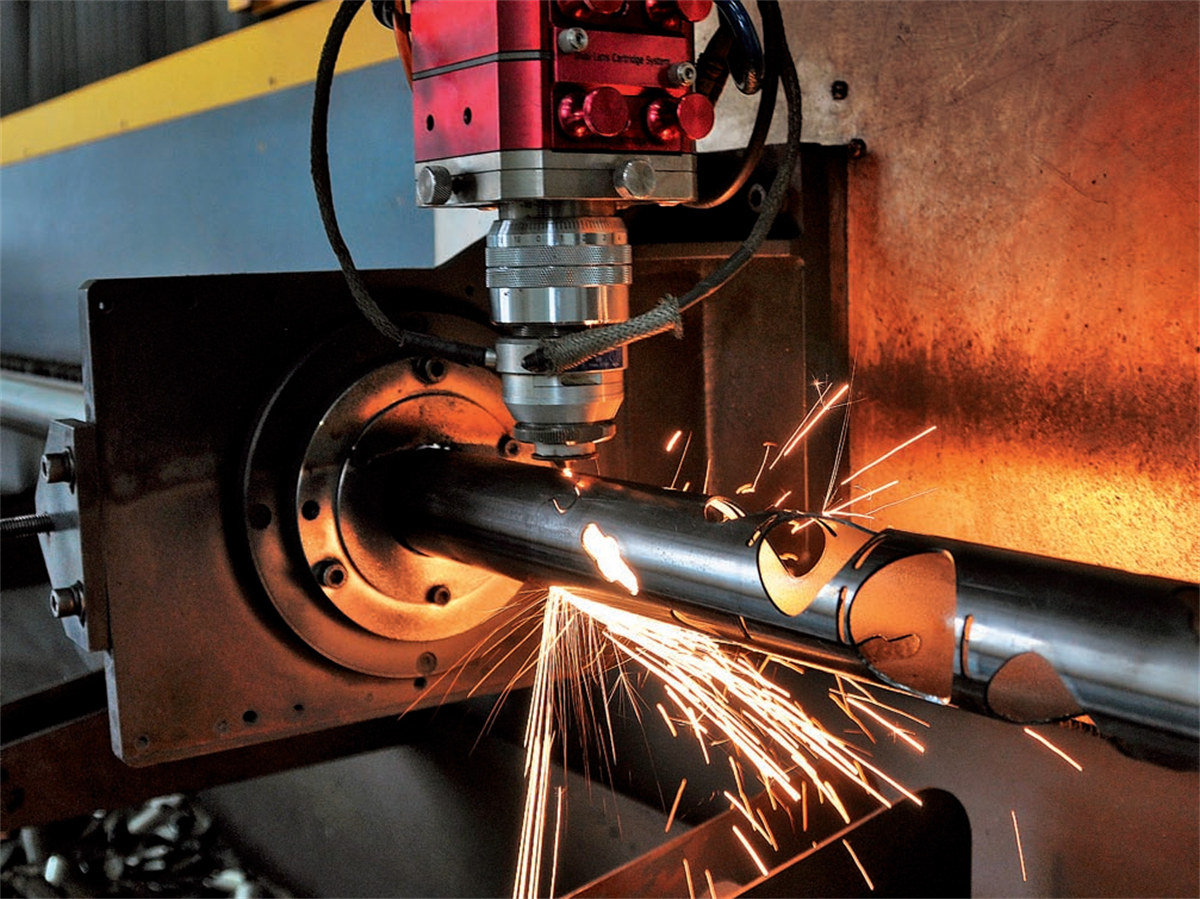
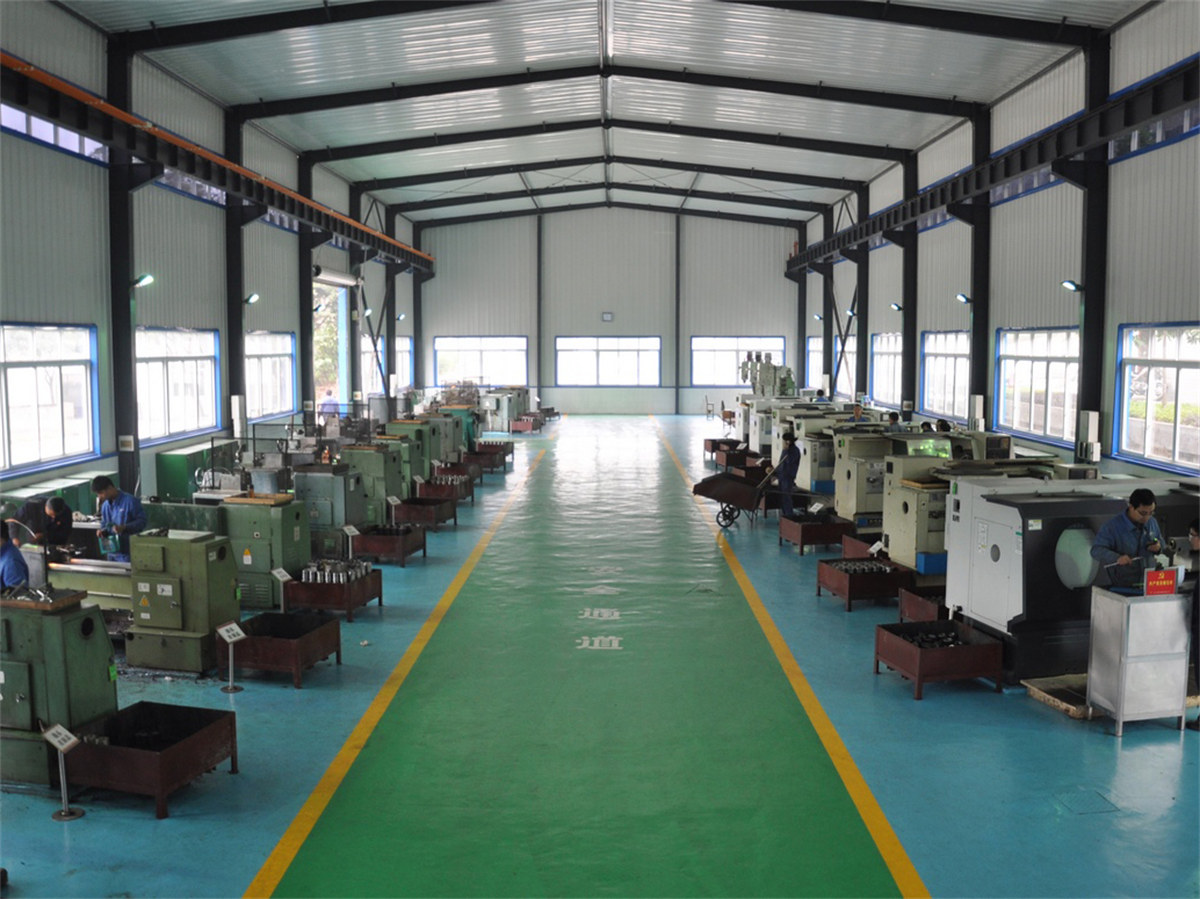
Our automated production lines ensure product consistency and enhance productivity. Daily capacity of shaped charges can reach 10,000. The perforating gun line can process 100+ specification types.
Our lab carries out real-core target tests in simulated reservoirs, ultimate pressure resistance tests on perforation tools, and explosion mechanism tests on shaped charges.
With nearly 20 years of export experience across 38 countries, we deeply understand global market demands and deliver trusted, tailored solutions for every EOR application.
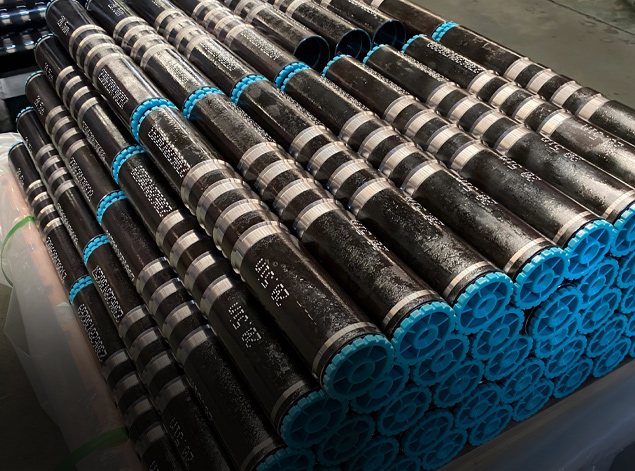
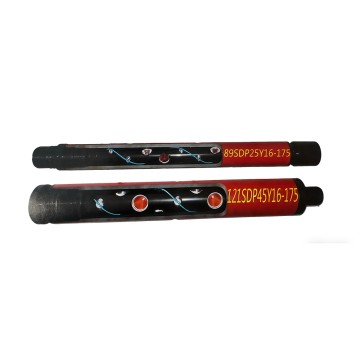
Instead of scallops, it can shoot regardless of the charge tube's angular position.
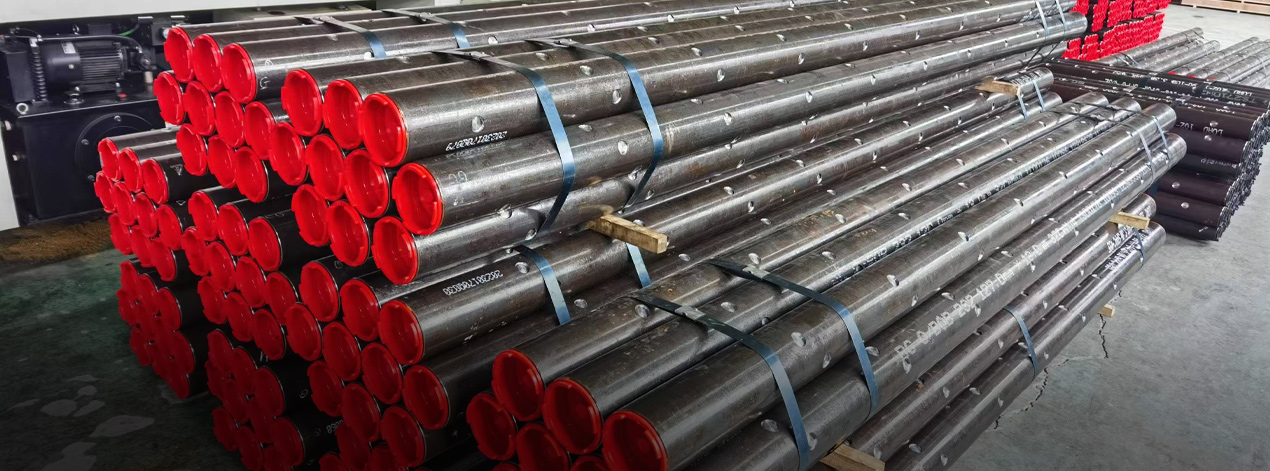
Provides deep penetration and high shot density.
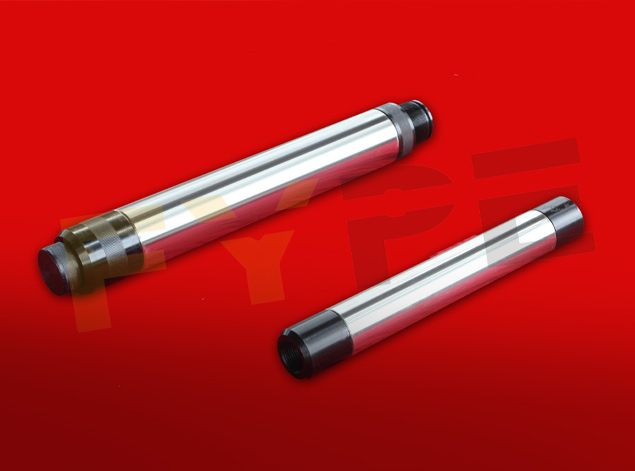
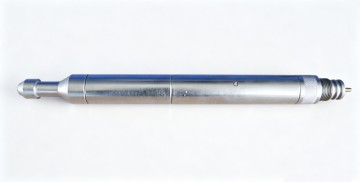
Detects casing collars for depth correlation in wells.
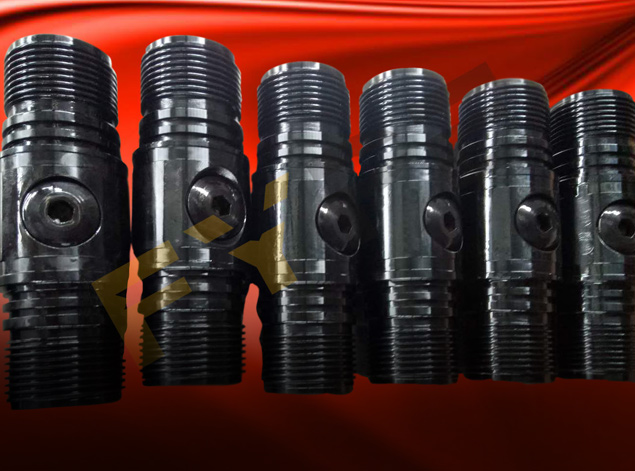
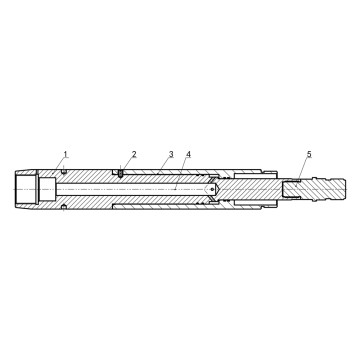
Connecting components used in perforating systems.
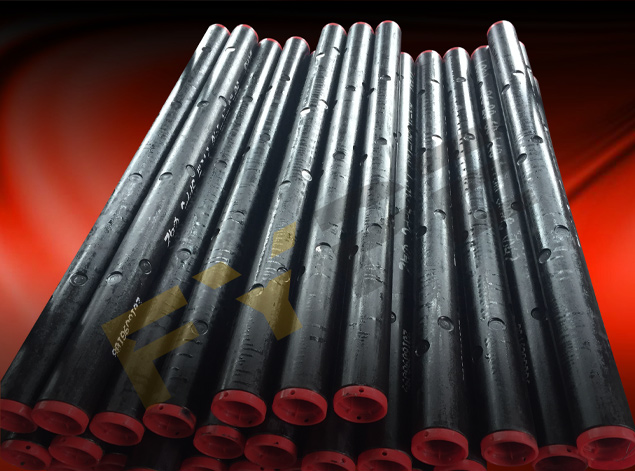
Designed for compact spaces and limited depth perforation.
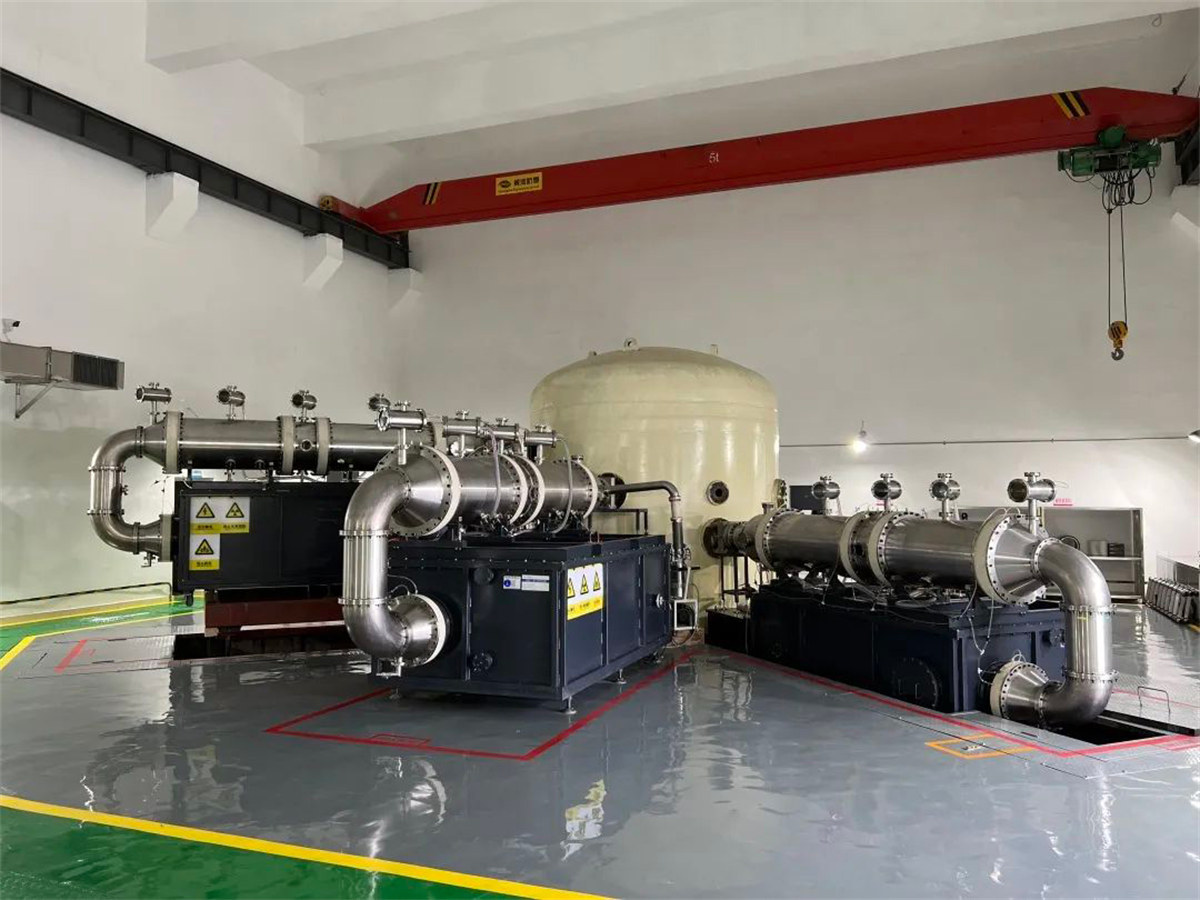
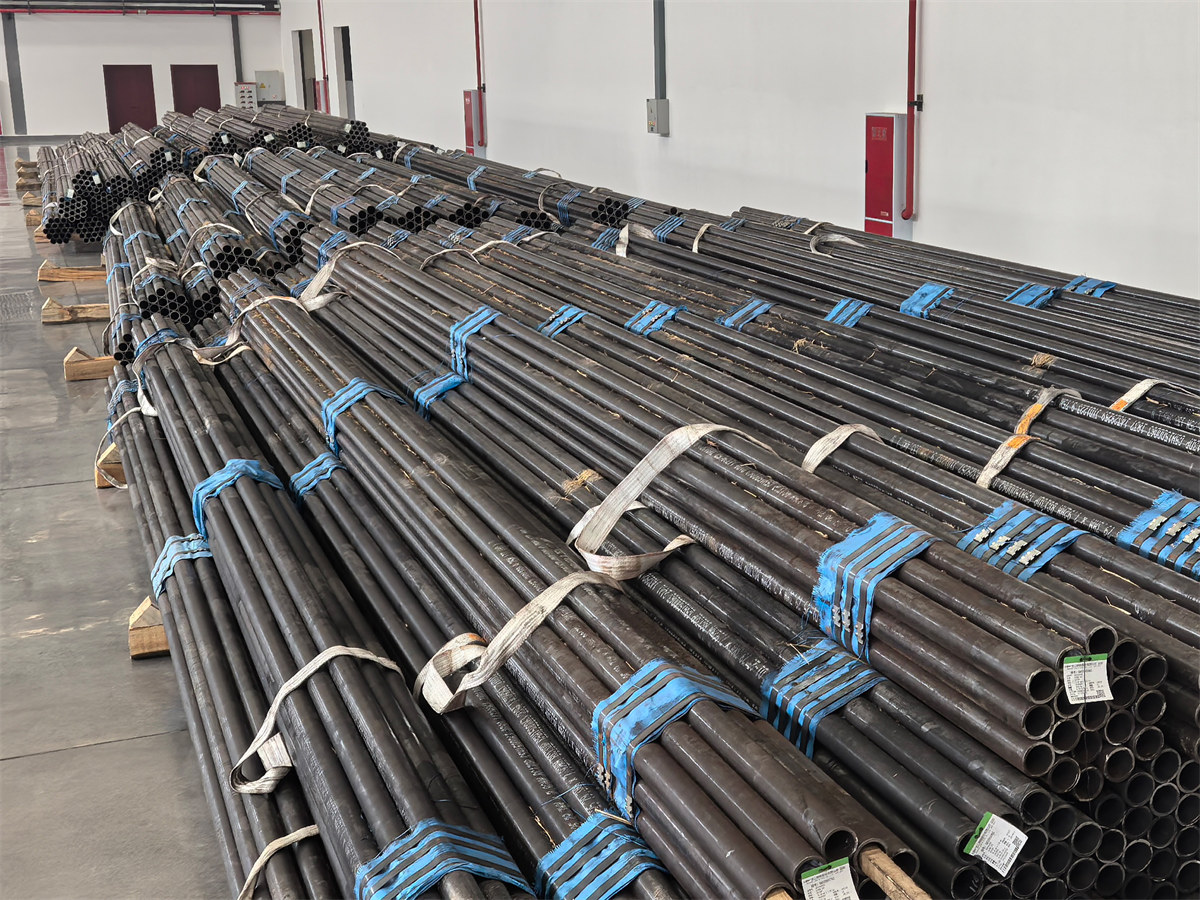

At FYPE, we believe every well deserves precision, reliability, and excellence. Whether you require high-performance perforating tools or dependable technical support, we are your trusted partner in the oil and gas industry.
Inquiry Now