
 +86-15829394411
Leave Your Message
-
Contact WhatsApp
-
 Contact Phone
-
 Contact Email
Engineered ballistic systems configured for pristine near-wellbore permeability, high-pressure dynamic underbalance, and seamless stage completion.
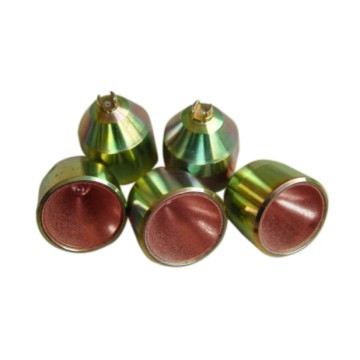
Generates immediate dynamic underbalance pulse to expel crushed rock zones, debris, and charge fragments from perforation tunnels.
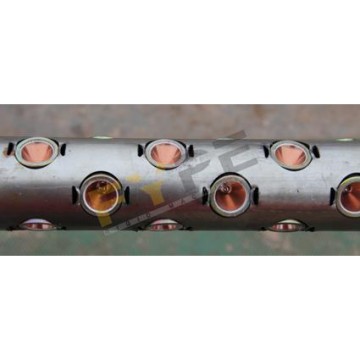
Engineered radial phasing ensuring uniform circumferential stress mitigation and optimal hydraulic fracture orientation across horizontal plays.
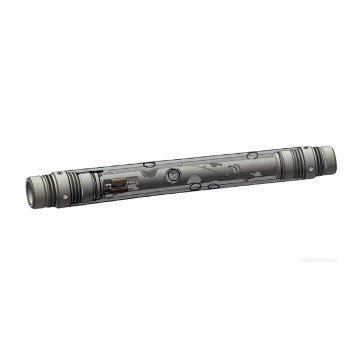
Wireless and internal ballistic connections enabling rapid multi-stage deployment, zero field-wiring human error, and heightened rig safety.
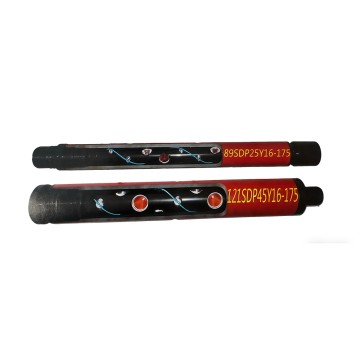
Engineered using hardened alloy steels and HNS/HMX explosive formulations rated up to 260°C and 200 MPa extreme bottomhole conditions.
Analyzing hydrodynamic jet penetration, mechanical rock failure, and flow geometry optimization to connect reservoir pores with the production conduit.
In modern well completions, the fundamental objective of downhole perforating is the creation of durable, clean, and highly conductive conduits linking the porous reservoir matrix directly through cemented steel casing strings into the wellbore. When shaped explosive charges detonate, a high-velocity hydrodynamic jet of liquefied metal is accelerated forward at velocities exceeding 7,000 to 9,000 meters per second. This supersonic jet exerts dynamic impact pressures on the order of 10 to 15 million pounds per square inch (psi), far exceeding the yield strength and compressive limits of carbon steel casing, surrounding cement sheaths, and virgin reservoir formations.
The resulting physical tunnel establishes the initial hydraulic link required for primary hydrocarbon recovery, acid stimulation, hydraulic fracturing, or secondary injection. However, improper charge formulation or mismatched gun clearances induce mechanical damage known as the "crushed zone" or near-wellbore skin effect. Surrounding the perimeter of the perforated channel, crushed rock grains suffer intense grain comminution and pore throat collapse, slashing local permeability by up to 80%. Consequently, modern wellbore communication engineering prioritizes explosive liner metallurgy, powdered metal matrices, and controlled explosive burn dynamics to guarantee deep, wide-diameter, clean perforation channels that bypass near-wellbore invasion fluids and maximize the initial reservoir productivity index (PI).
The global upstream oil and gas industry is undergoing a structural transition toward unconventional shale reservoirs, deep tight-gas formations, and complex offshore deepwater reservoirs. In horizontal multi-stage fracturing operations across basins such as the Permian, Montney, Vaca Muerta, and Sichuan, the downhole perforating gun string is no longer an isolated completion element—it is a mission-critical enabler of fracture geometry, cluster efficiency, and capital ROI. Operators routinely execute 40 to 60 fracturing stages per lateral, deploying 10 to 20 perforation clusters per stage over lateral lengths exceeding 3,500 meters.
Commercially, establishing efficient wellbore communication in these tight nano-Darcy matrices requires constant-hole and constant-plane ballistic systems. Discrepancies in perforation entry hole diameter cause severe heel-to-toe treatment imbalance, where proppant slurries preferentially enter oversized holes while starving under-perforated clusters. By deploying modern tight-tolerance shaped charges and engineered gun orientations, service companies can achieve uniform entry hole friction across all clusters, ensuring 100% stage cluster efficiency, eliminating premature screenouts, and significantly reducing post-stimulation water cut.
Downhole perforating for wellbore communication extends across demanding frontier domains, including Ultra-High Pressure High Temperature (HPHT) deep wells, high-enthalpy geothermal energy extractors, and Carbon Capture and Storage (CCS) injector completions. In deep HPHT sour wells characterized by bottomhole temperatures reaching 200°C to 260°C and hydrostatic pressures upward of 140 MPa, conventional cyclonite (RDX) explosives destabilize rapidly. Specialized high-temperature secondary explosives—such as HMX, PYX, and Hexanitrostilbene (HNS)—are encapsulated in tempered high-tensile alloy gun carriers to resist explosive thermal degradation and casing collapse during extended downhole dwell times.
In geothermal injection and production wells, where continuous hydraulic transmission across crystalline granite and fractured volcanic basements dictates thermal recovery, perforating guns must survive extreme thermal cycles without losing electrical detonation integrity. Furthermore, through-tubing perforating systems empower operators to perform rigless remedial workovers inside live producing completions. When original production zones deplete or become water-coned, capsule gun assemblies and scalloped micro-guns are navigated through restriction valves and production packers under full wellhead pressure to penetrate bypassed upper hydrocarbon zones without requiring costly workover rig mobilizations.
The trajectory of downhole perforating is defined by automated manufacturing, digital modular architectures, and dynamic transient pressure engineering. Traditional perforating strings required labor-intensive manual wiring, terminal blocks, and individual O-ring seals between subs, introducing human failure modes downhole. The market is now standardizing around fully modular wireline gun systems featuring addressable electronic switches, wireless direct-mating contact blocks, and integrated casing collar locators.
Simultaneously, dynamic underbalance perforating systems represent a quantum leap in reservoir communication. By pairing shaped charges with engineered atmospheric surge chambers or reactive energetic components, the detonating string creates an immediate, localized millisecond pressure drop at the sandface. This micro-implosion creates a surge of formation fluid toward the wellbore, immediately flushing out pulverized stone, metallic charge slugs, and polymer mud cakes before formation fines can consolidate. The resulting perforations exhibit zero skin factor, expanded flow area, and long-term sand-control screen longevity.
Expetro Energy Service Co., Ltd. (FYPE) is a leading manufacturer of downhole perforating systems in China, dedicated to the research, development, and production of shaped charges, perforating guns, and associated accessories for oil and gas completions.
Equipped with state-of-the-art automated production and inspection lines, we deliver over 2.5 million shaped charges and 500,000 meters of perforating guns annually—meeting diverse customer requirements across the global market.
Every stage of our production process strictly adheres to the API Q1 Quality Management System. This unwavering commitment to quality, innovation, and customer satisfaction has established FYPE as a trusted partner in the global energy sector.
To date, our products have served customers in 38 countries worldwide and consistently earn positive feedback for performance and reliability. FYPE is dedicated to expanding its global footprint and building long-term partnerships with clients across continents.

Combining precision ballistics, certified metallurgical processes, and international export expertise to elevate your downhole perforation reliability.
Our professional inspection team operates under a quality management system certified to API Q1 and ISO 9001 standards, ensuring product reliability and superior performance in every delivery.
Our automated production lines ensure products consistency and enhance productivity. The daily capacity of shaped charges can reach 10,000. The perforating gun production line can meet the processing of 100+ types with different specifications.
Our lab can carry out the real-core target tests in simulated reservoirs, the ultimate pressure resistance tests on perforation tools, the explosion mechanism tests on shaped charges, etc.
With nearly 20 years of export experience across 38 countries, we deeply understand global market demands and deliver trusted, tailored solutions.
To date, our products have served customers in 38 countries worldwide and consistently earn positive feedback for performance and reliability in establishing fluid communication.
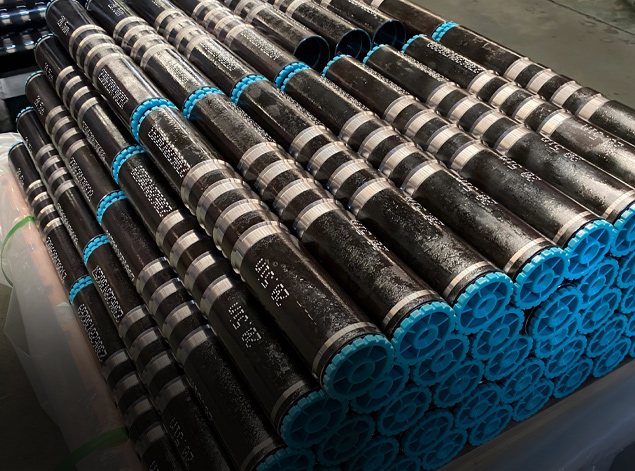
Instead of scallops, it can shoot regardless of the charge tube's angular position, ensuring dependable shot execution.
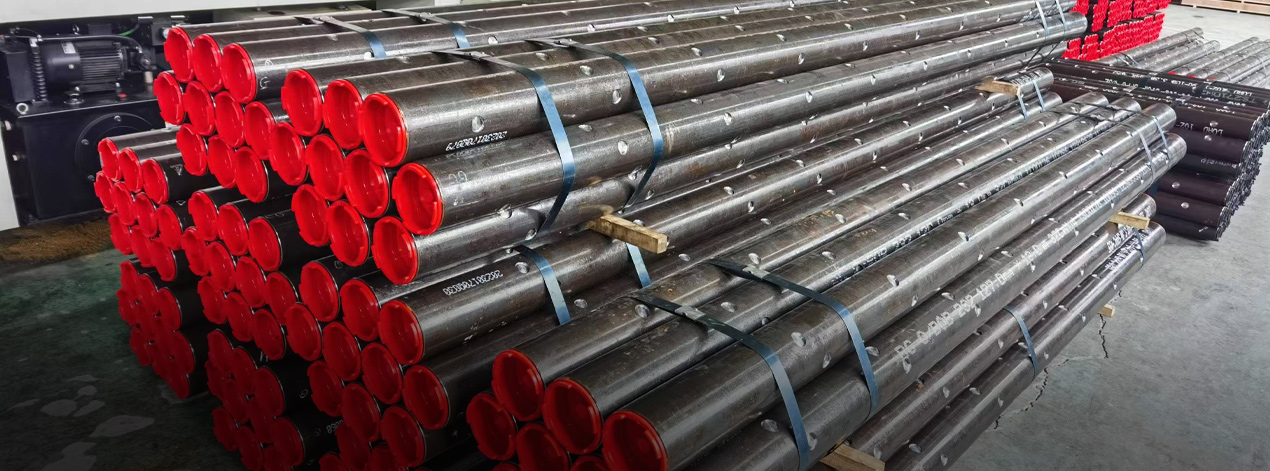
Provides deep penetration and high shot density to overcome deep formation drilling mud invasion and skin resistance.
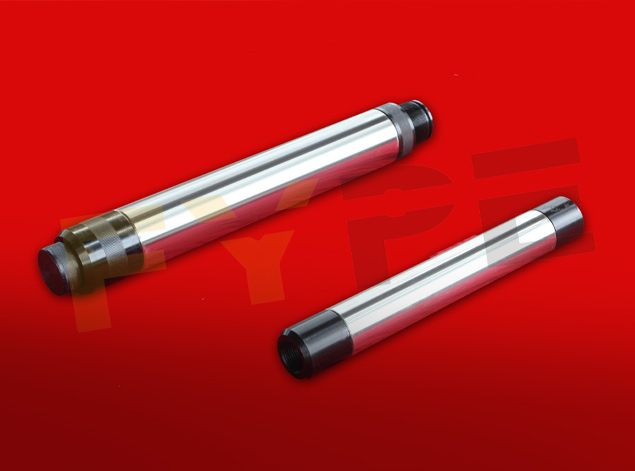
Detects casing collars for high-precision depth correlation in complex horizontal and deviated wellbores.
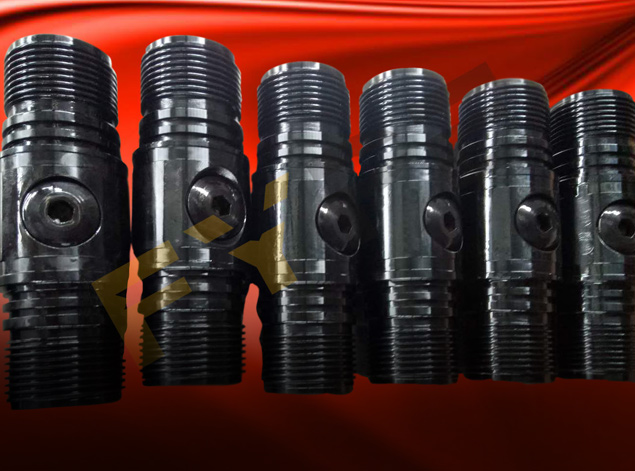
Precision-machined connecting components engineered for pressure-tight mechanical coupling across gun strings.
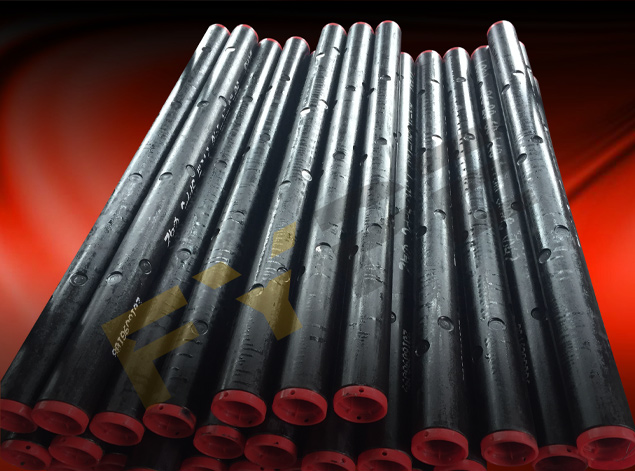
Designed for compact spaces, limited clearance assemblies, and precise single-zone interval communication.
Take a virtual walkthrough of our cutting-edge manufacturing floors, CNC machining centers, automated assembly units, and testing suites.
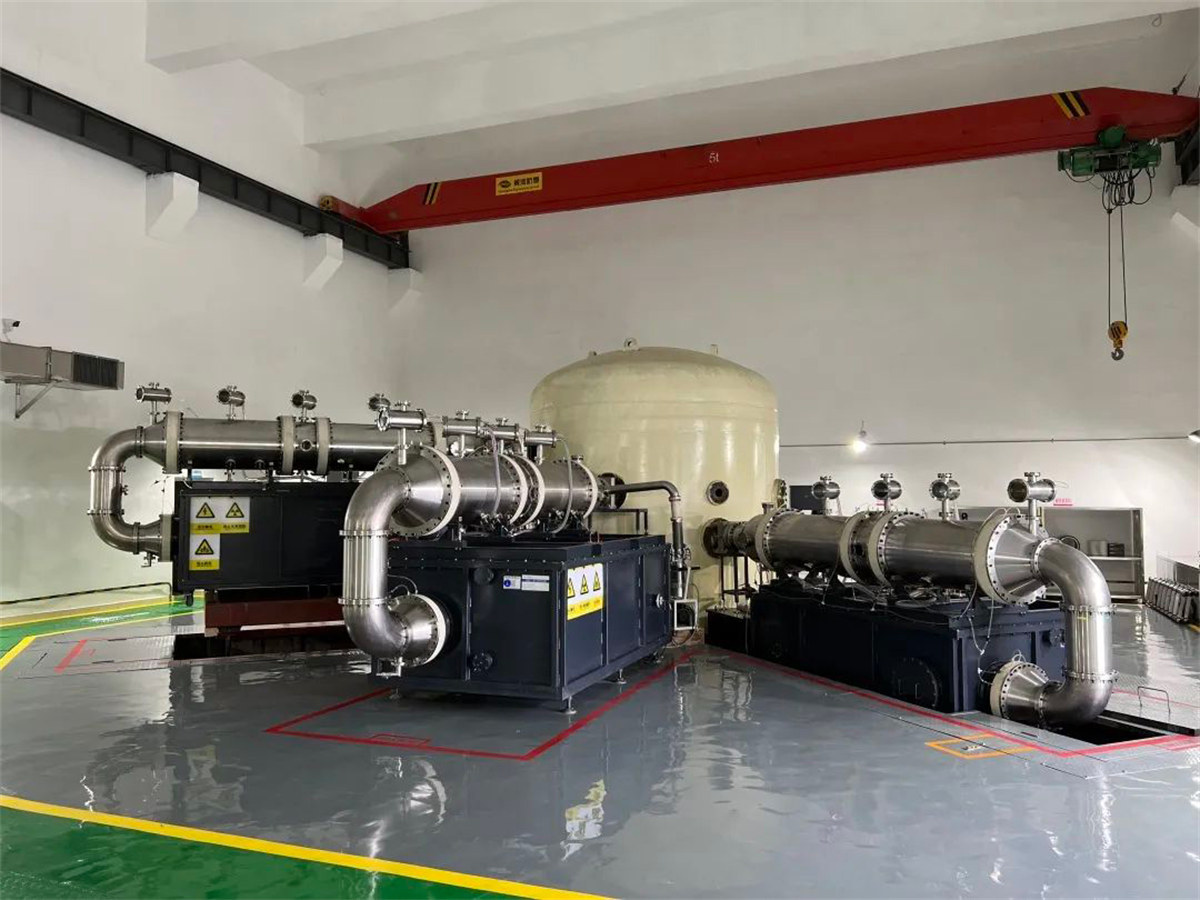
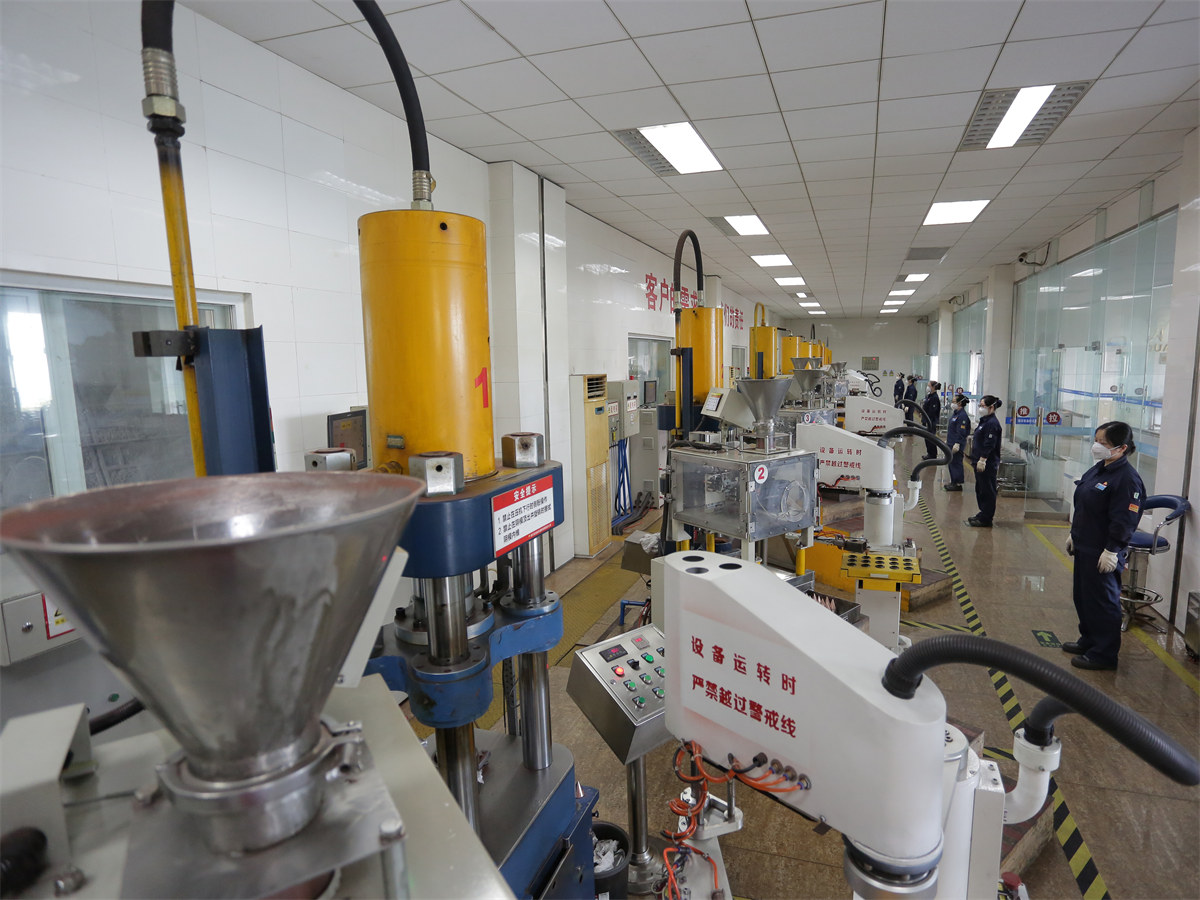
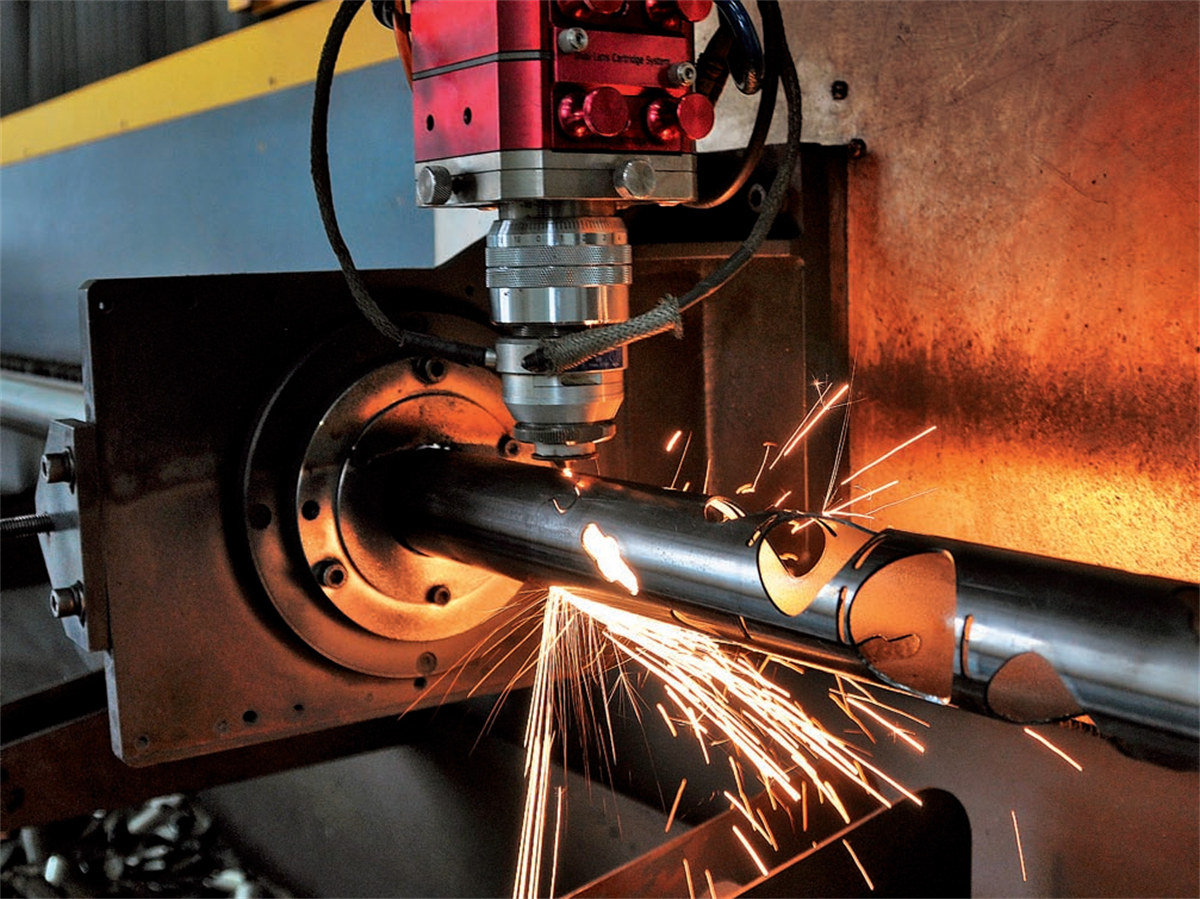
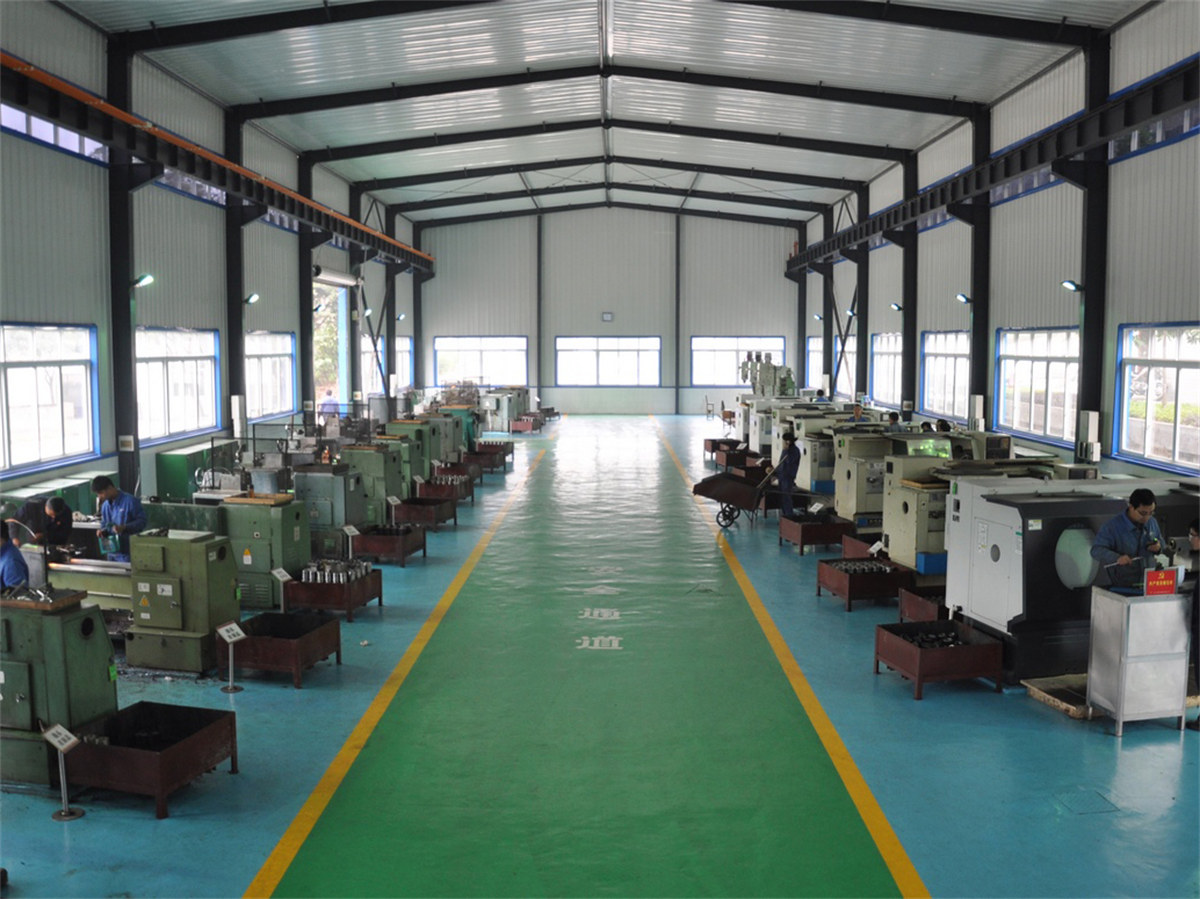
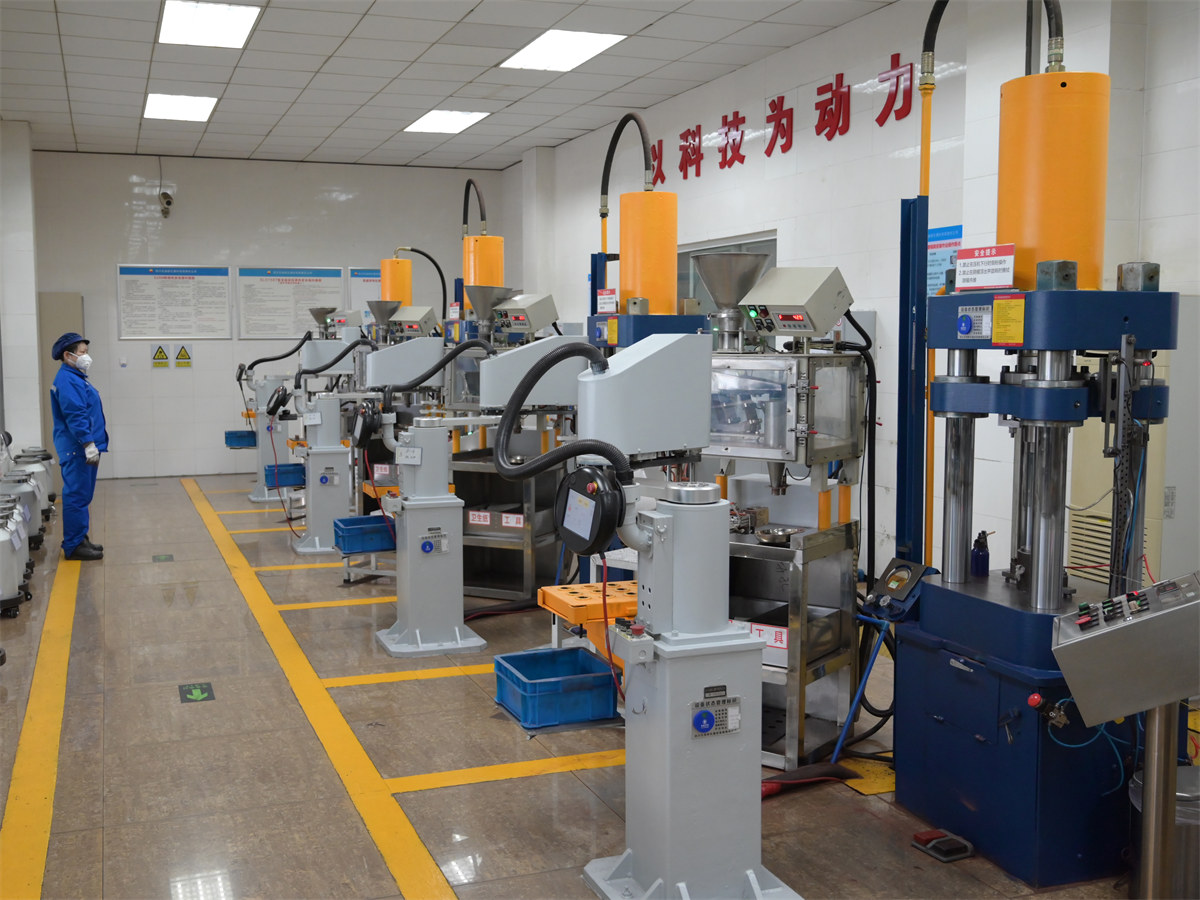
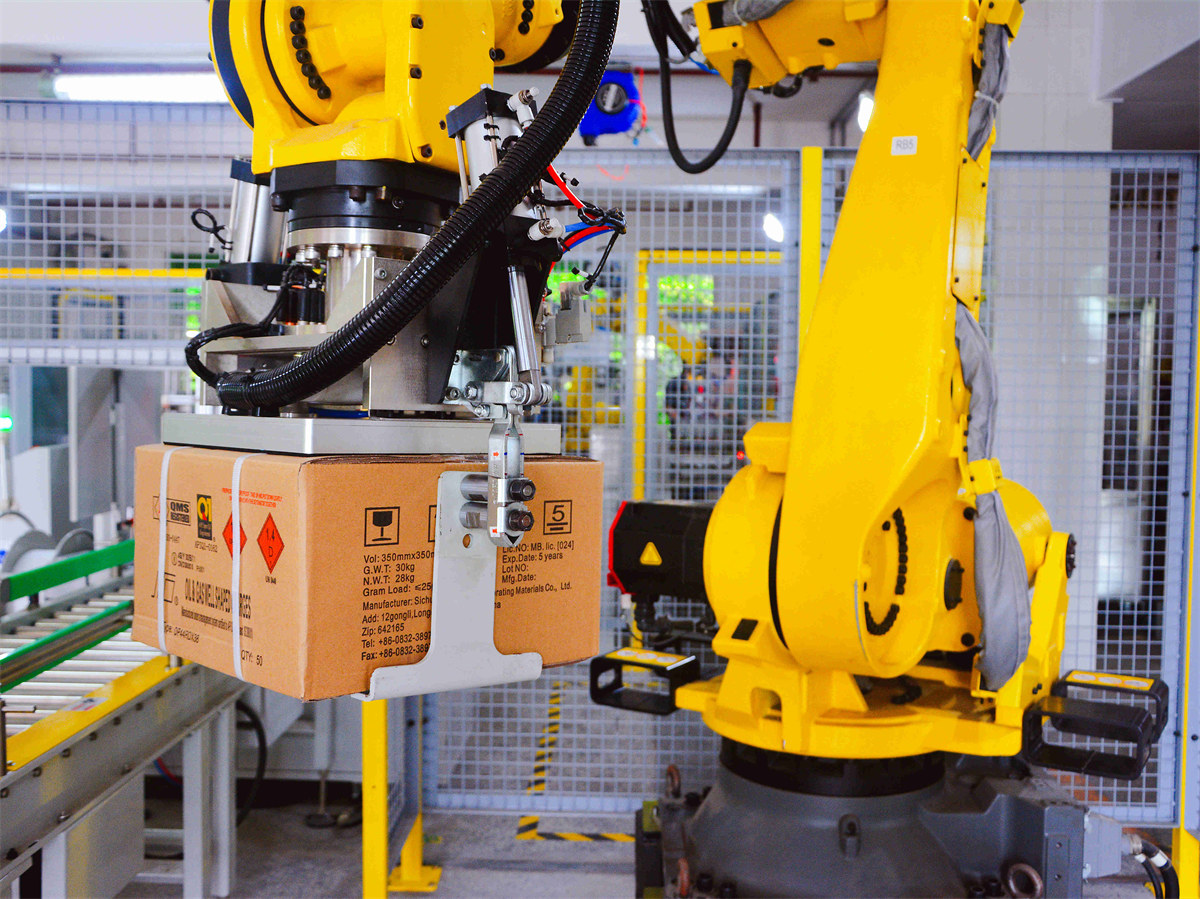
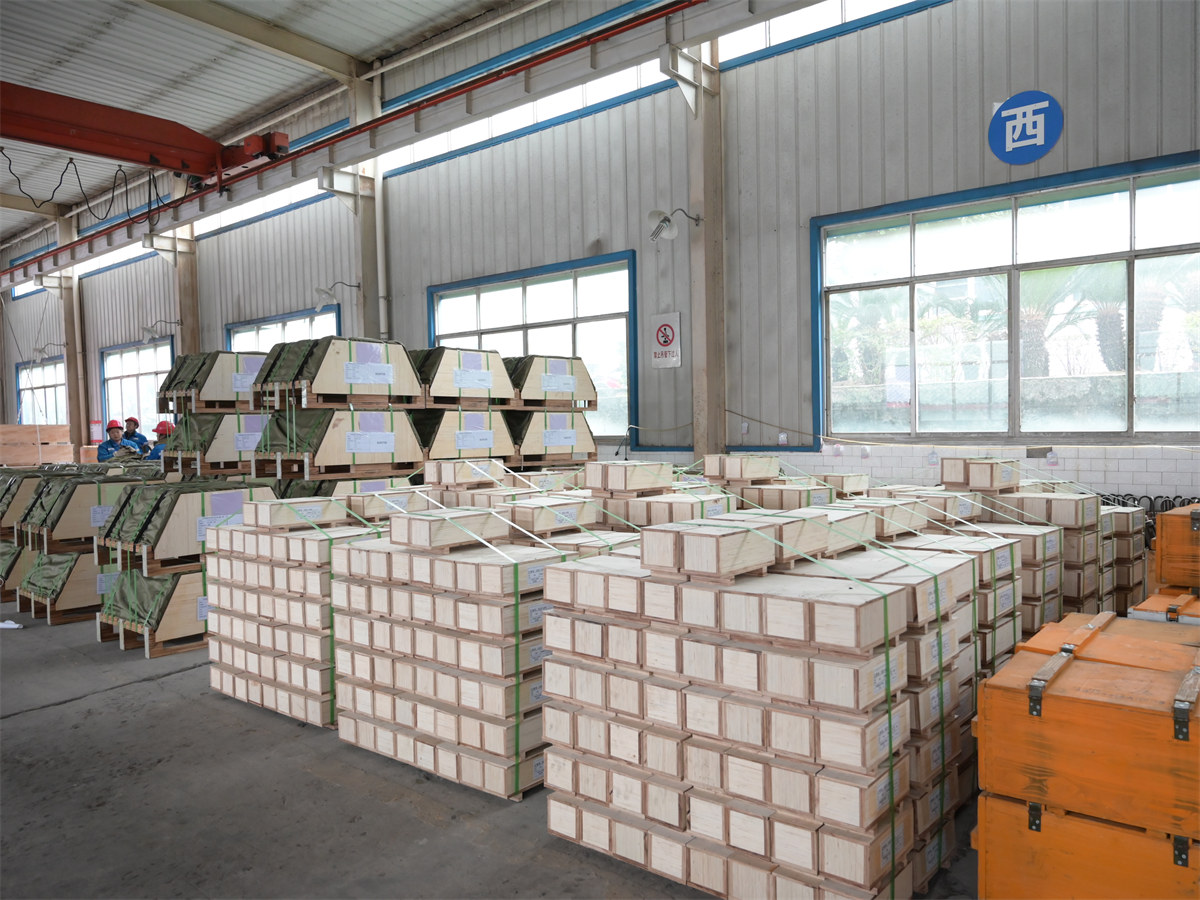
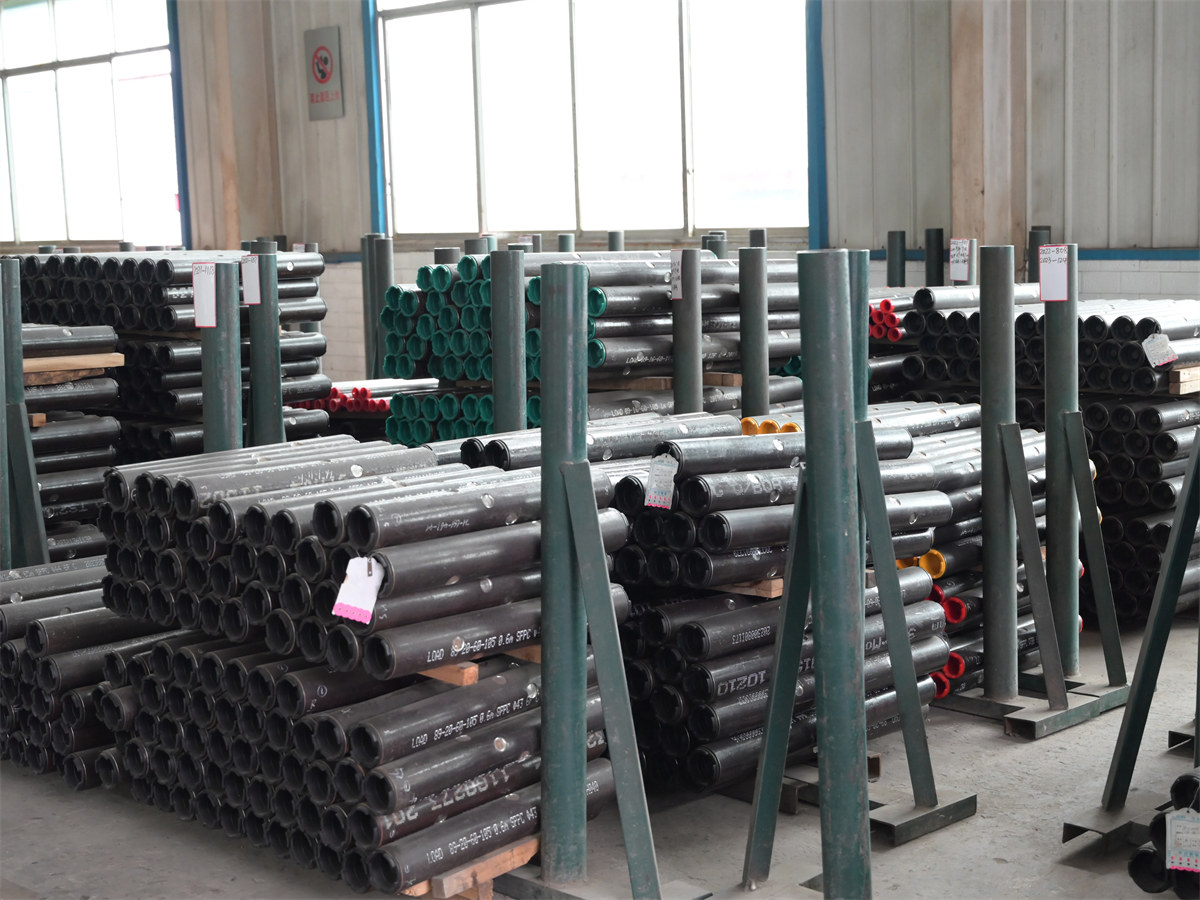
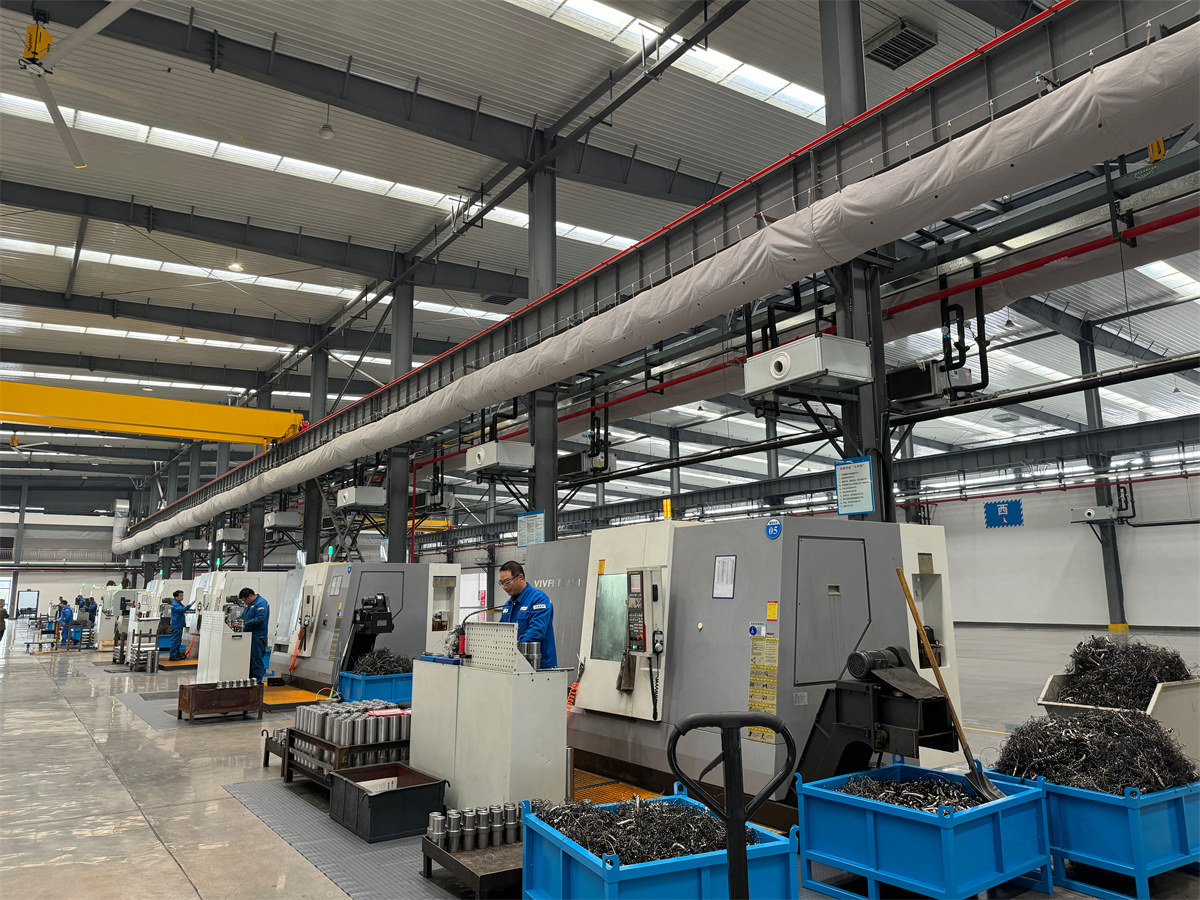
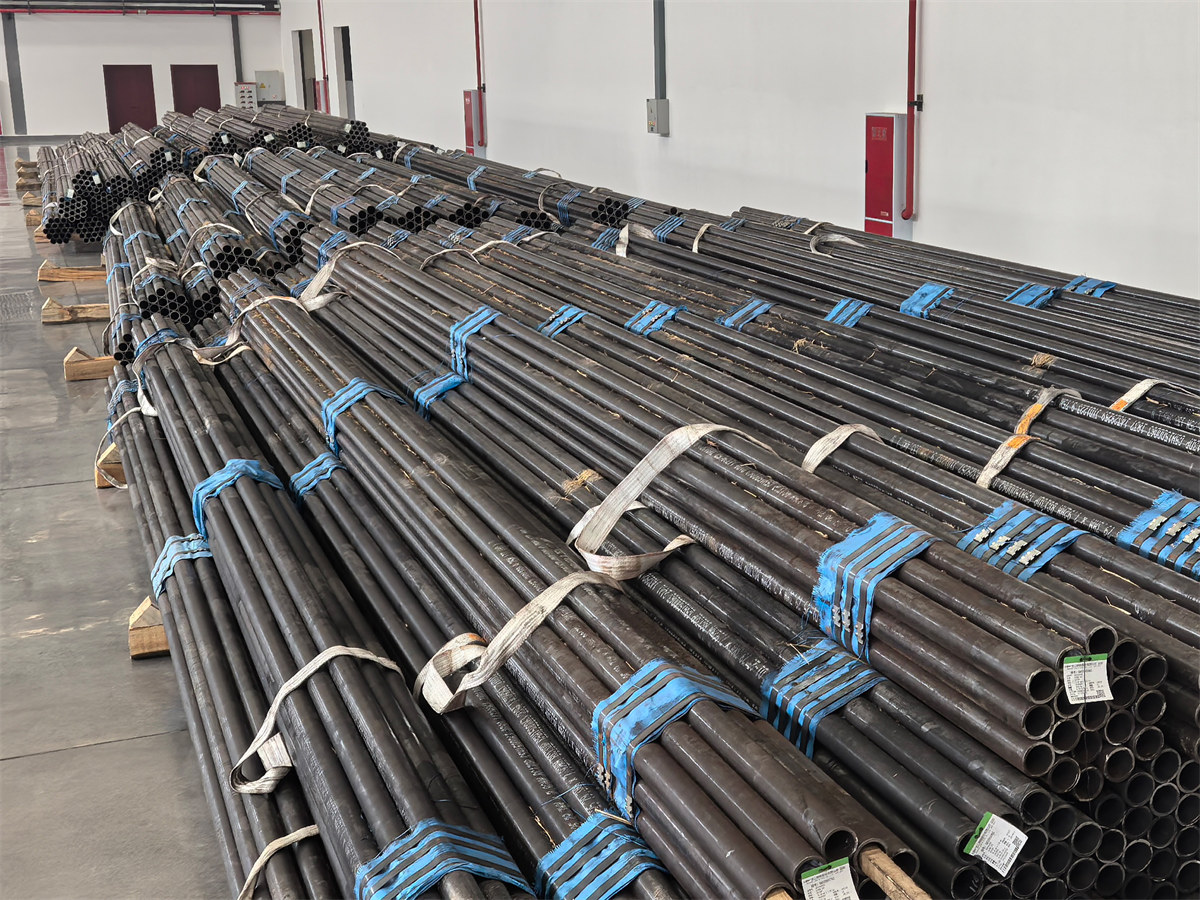
At FYPE, we believe every well deserves precision, reliability, and excellence. Whether you require high-performance perforating tools or dependable technical support, we are your trusted partner in the oil and gas industry.
Inquiry Now →
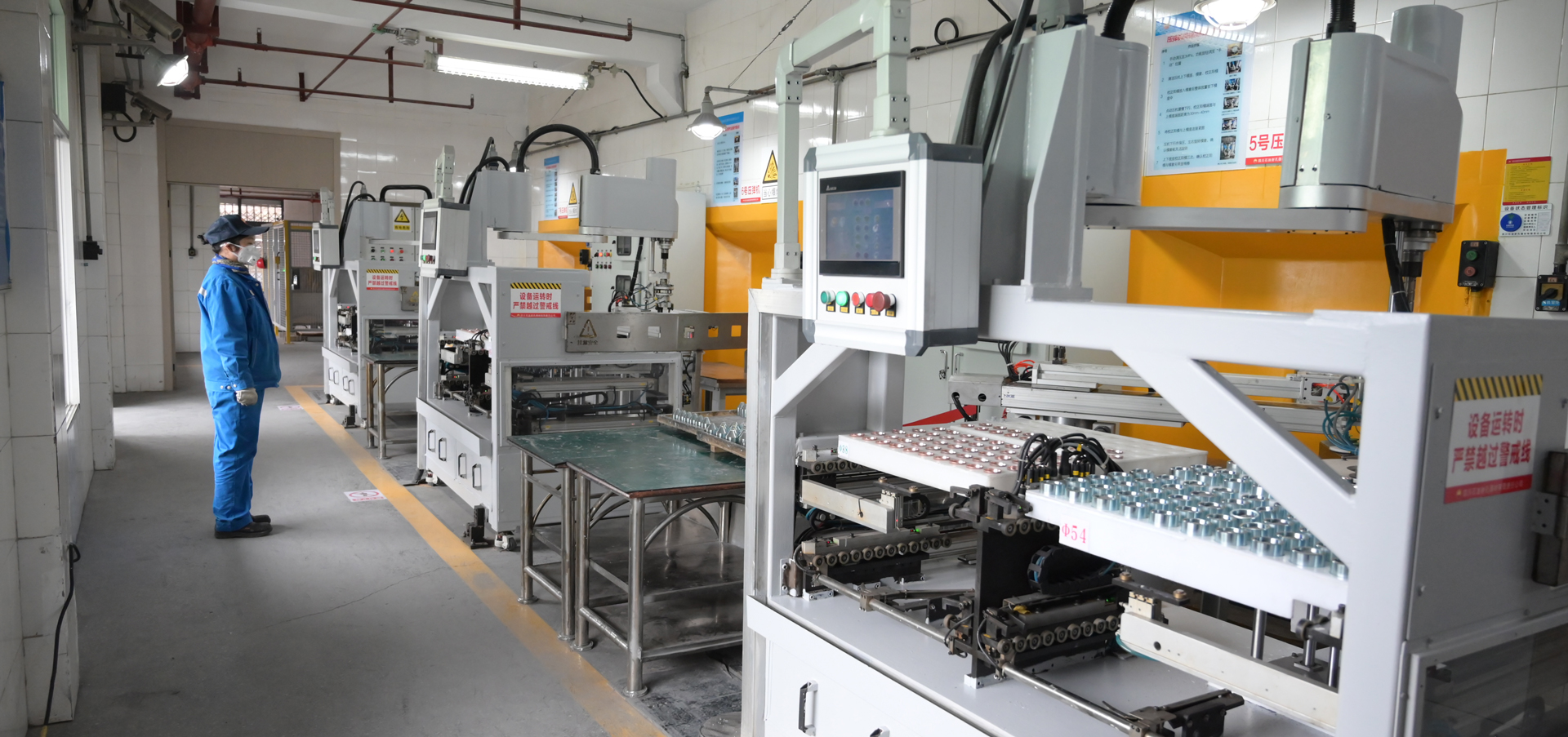
Explore our full catalog of certified perforating guns, self-cleaning architectures, and through-tubing systems tailored to global reservoir geometries.
Employs transient dynamic surge engineering to clear crushed formation debris and liner remnants, securing low skin factors and rapid well cleanup.
View Specifications →
Engineered for targeted radial orientation and complex multilateral completions, facilitating balanced multi-angle fracturing initiation.
View Specifications →
Wireless plug-in internal ballistics for fast rig-floor arming, zero external jumper wiring, and unmatched multi-stage pump-down efficiency.
View Specifications →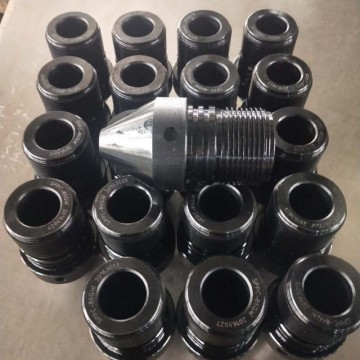
High-grade alloy subs providing high-torque mechanical linkages, pressure isolation, and ballistic crossover continuity across long gun strings.
View Specifications →
Certified for extreme reservoir frontiers up to 260°C and 200 MPa, utilizing high-stability secondary explosive blends and ultra-heavy wall steel carriers.
View Specifications →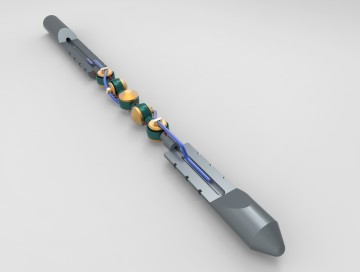
Slim-profile capsule and expendable strip systems designed for rigless through-tubing workovers, secondary zone opening, and live-well interventions.
View Specifications →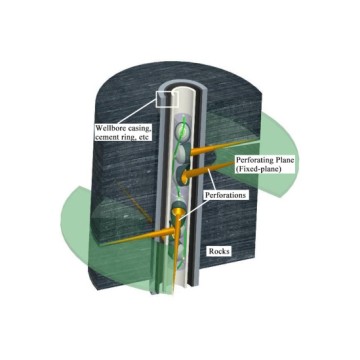
Concentrates dynamic perforations within a single planar transverse orientation, substantially reducing breakdown pressure and tortuosity during fracturing.
View Specifications →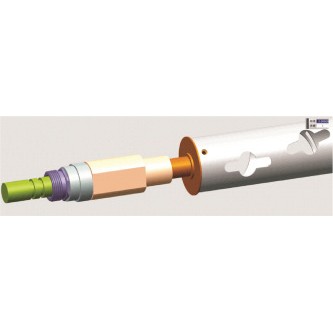
High-precision phased clustering guns delivering uniform entry holes and oriented stress concentration across multi-cluster horizontal shale completions.
View Specifications →