+86-15829394411
Leave Your Message
-
Contact WhatsApp
-
 Contact Phone
-
 Contact Email
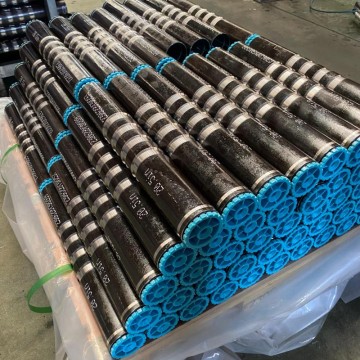
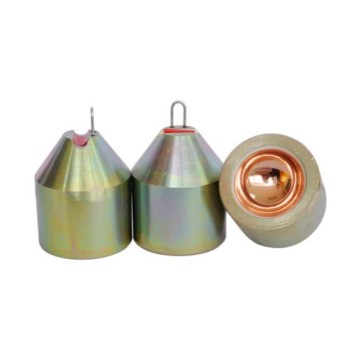
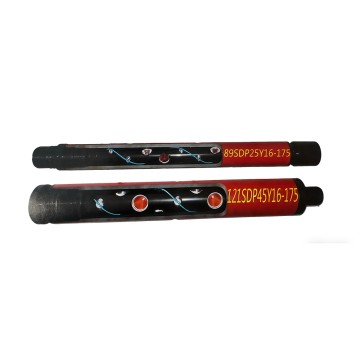
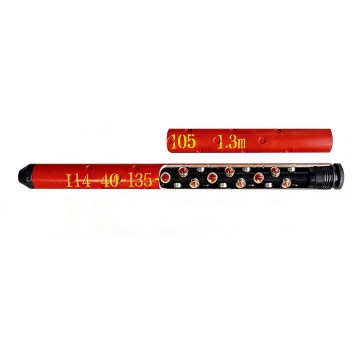
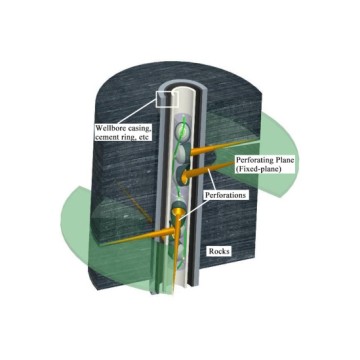
Downhole perforating for formation pressure testing is a critical well intervention technique used in oil and gas exploration and production. The process involves deploying perforating guns into a cased wellbore to create precisely controlled penetrations through the casing, cement sheath, and into the surrounding reservoir formation. These perforations establish a hydraulic connection between the wellbore and the reservoir, enabling engineers to measure reservoir pressure, fluid properties, and flow characteristics with high accuracy.
Unlike conventional production perforating, formation pressure testing perforating is optimized to minimize formation damage while maximizing the quality of pressure data retrieved. The geometry, depth, and phasing of perforations are engineered to provide clean, undisturbed communication with the formation, which is essential for reliable pressure transient analysis (PTA) and reservoir characterization.
Key Insight: The accuracy of formation pressure testing directly depends on perforation quality. Poorly designed perforations introduce near-wellbore damage and skin effects that distort pressure readings — making precision perforating tools a non-negotiable requirement for reliable reservoir data.
The global market for downhole perforating systems has experienced robust growth over the past decade, driven by increasing deepwater exploration, unconventional resource development, and the rising demand for accurate reservoir management data. According to industry analysts, the global perforating market is projected to exceed USD 3.5 billion by 2028, growing at a compound annual growth rate (CAGR) of approximately 5.2%.
Formation pressure testing has become a standard procedure across major oil-producing regions including the Middle East, North America, Southeast Asia, West Africa, and the Caspian Sea. National oil companies (NOCs) and international oil companies (IOCs) alike mandate pressure testing at multiple stages of well development — from exploration appraisal to production optimization — creating a sustained commercial demand for high-precision perforating tools.
The technical workflow of perforating for formation pressure testing typically involves several integrated stages. First, a wireline or tubing-conveyed perforating (TCP) assembly is run into the well to the target depth, guided by a casing collar locator (CCL) for precise depth correlation. The perforating gun is then fired, creating perforations of controlled diameter, depth, and phasing.
Immediately following perforation, a downhole pressure gauge assembly measures the formation pressure buildup or drawdown response. The quality of the pressure signal is directly influenced by perforation parameters including shot density (shots per foot), perforation tunnel geometry, and the degree of formation damage induced during the perforating event.
Technical Note: Underbalanced perforating — where wellbore pressure is lower than formation pressure at the moment of detonation — is the gold standard for formation pressure testing. It ensures clean perforation tunnels free of compacted debris, delivering the most accurate and undisturbed pressure response from the reservoir.
Modern downhole perforating for formation pressure testing extends far beyond conventional vertical well applications. The technology has evolved to address highly complex reservoir architectures and operational environments:
Horizontal wells present unique challenges for formation pressure testing due to gravity-induced phase segregation and complex near-wellbore flow geometry. Oriented perforating systems — which direct perforations toward the reservoir's most productive zones — are increasingly deployed in horizontal wells to improve pressure test interpretation accuracy. Horizontal perforating guns with phased charge configurations ensure uniform perforation distribution along the wellbore trajectory.
In stacked reservoir systems, selective perforating using bridge plugs and packer assemblies allows engineers to isolate and test individual zones sequentially. Wireline modular gun systems excel in this application, enabling rapid gun changes between zones without tripping the entire string out of the hole — significantly reducing rig time and testing costs.
Ultra-deep formations — particularly in the Middle East, Southeast Asian basins, and deepwater environments — subject perforating equipment to temperatures exceeding 200°C and pressures above 20,000 psi. Ultra HTHP perforating guns manufactured with high-strength alloy steel and rated explosive charges ensure reliable detonation and structural integrity under these extreme conditions, providing valid pressure test data from the world's most challenging reservoirs.
In tight gas sands and shale formations, extremely low permeability makes formation pressure testing particularly challenging. High-density, deep-penetrating perforating systems create the maximum reservoir contact area necessary to generate measurable pressure responses within practical test durations. These systems are often combined with mini-frac or DFIT (Diagnostic Fracture Injection Test) operations to determine minimum horizontal stress and formation permeability.
As the energy industry transitions toward lower-carbon operations, CCS projects require rigorous formation pressure testing to verify the integrity of geological storage reservoirs. Perforating tools adapted for CCS applications must be compatible with CO₂-rich environments and provide reliable pressure communication for long-term monitoring programs.
In unconventional well development, the plug-and-perf (PnP) technique combines perforating with hydraulic fracturing in a multi-stage sequence. Integrating real-time formation pressure monitoring within the PnP workflow allows engineers to optimize fracture design based on actual reservoir pressure data, significantly improving stimulation efficiency and ultimate recovery.
The downhole perforating industry is undergoing a technology transformation driven by digitalization, automation, and the demand for more intelligent wellbore operations:
Machine learning algorithms now analyze seismic data, well logs, and historical pressure test results to automatically optimize perforation parameters — shot density, phasing, and charge selection — for each unique reservoir interval.
Advanced wireline and telemetry systems transmit real-time downhole pressure, temperature, and gun status data to surface during perforating operations, enabling immediate decision-making and reducing formation testing cycle times.
Next-generation wireline modular gun systems allow rapid reconfiguration of charge type, shot density, and gun length at the wellsite, providing unprecedented operational flexibility for multi-zone pressure testing programs.
Continuous advances in high-temperature explosive formulations and gun body metallurgy are pushing operational envelopes to 260°C and 30,000 psi, opening previously inaccessible ultra-deep reservoirs to reliable pressure testing.
Environmental regulations are driving the development of reduced-toxicity shaped charge formulations and lead-free detonator systems, aligning perforating operations with the energy industry's sustainability commitments.
Digital twin models of perforating operations — combining computational fluid dynamics, geomechanical modeling, and real-time sensor data — enable predictive optimization of perforation geometry for maximum pressure test quality.
Standard cased-hole perforating for wireline formation pressure testing in sandstone and carbonate reservoirs. Optimized for clean pressure buildup response and minimal formation damage.
HTHP-rated perforating systems for deepwater formations where hydrostatic pressures and temperatures demand the highest equipment reliability and explosive performance.
High-density, deep-penetrating perforating for shale and tight gas reservoirs requiring maximum reservoir contact for measurable pressure test responses.
Oriented perforating systems designed for horizontal wellbores, ensuring uniform perforation distribution and reliable pressure communication along the lateral section.
Wireline modular gun systems for efficient multi-zone reservoir evaluation, enabling rapid zone-to-zone transitions and comprehensive pressure profile acquisition.
Specialized perforating solutions for carbon capture storage integrity verification and geothermal reservoir pressure characterization — supporting the energy transition.
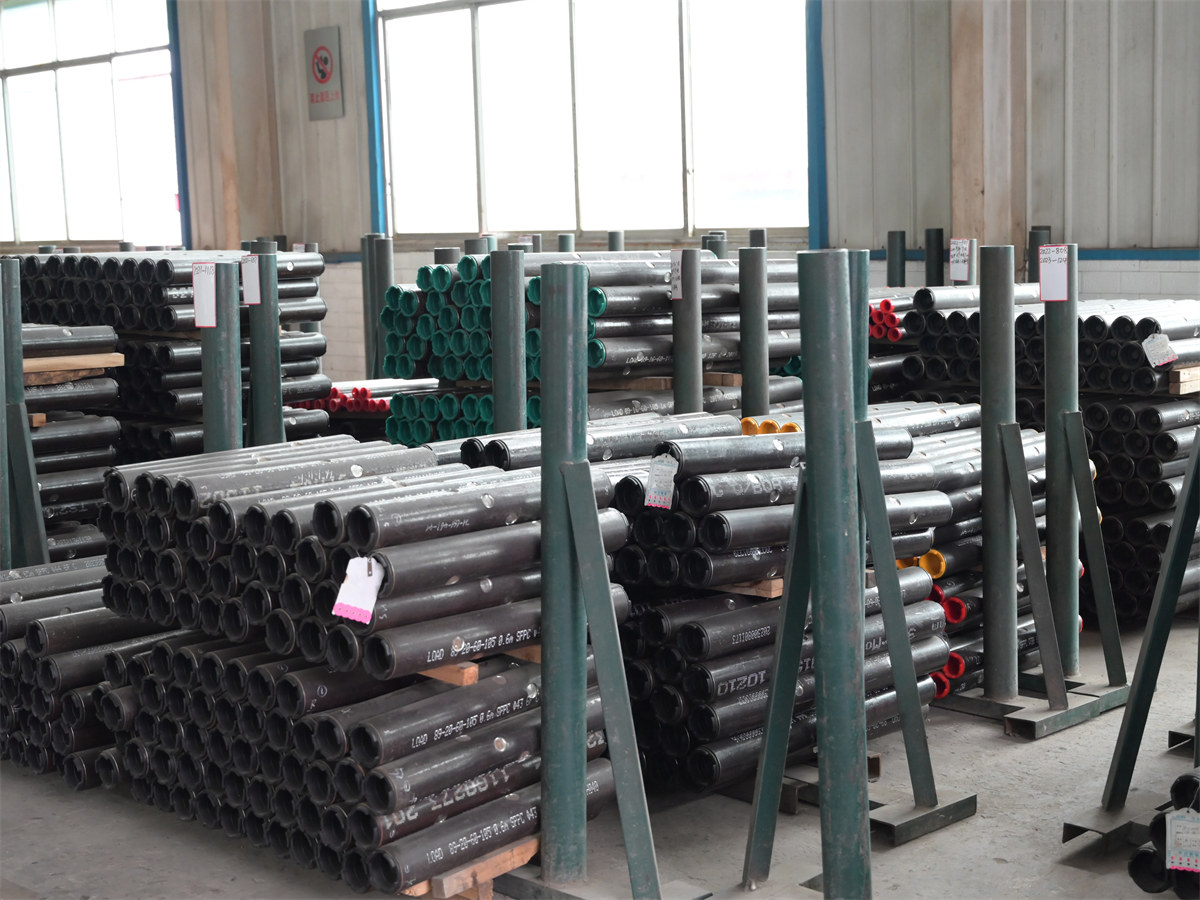
Expetro Energy Service Co., Ltd. (FYPE) is a leading manufacturer of downhole perforating systems in China, dedicated to the research, development, and production of shaped charges, perforating guns, and associated accessories for oil and gas completions.
With nearly two decades of engineering excellence and export experience, FYPE has established itself as a trusted global supplier to oil and gas operators across 38 countries. Our products are engineered to the highest international standards, delivering consistent performance in the world's most demanding formation pressure testing and well completion applications.
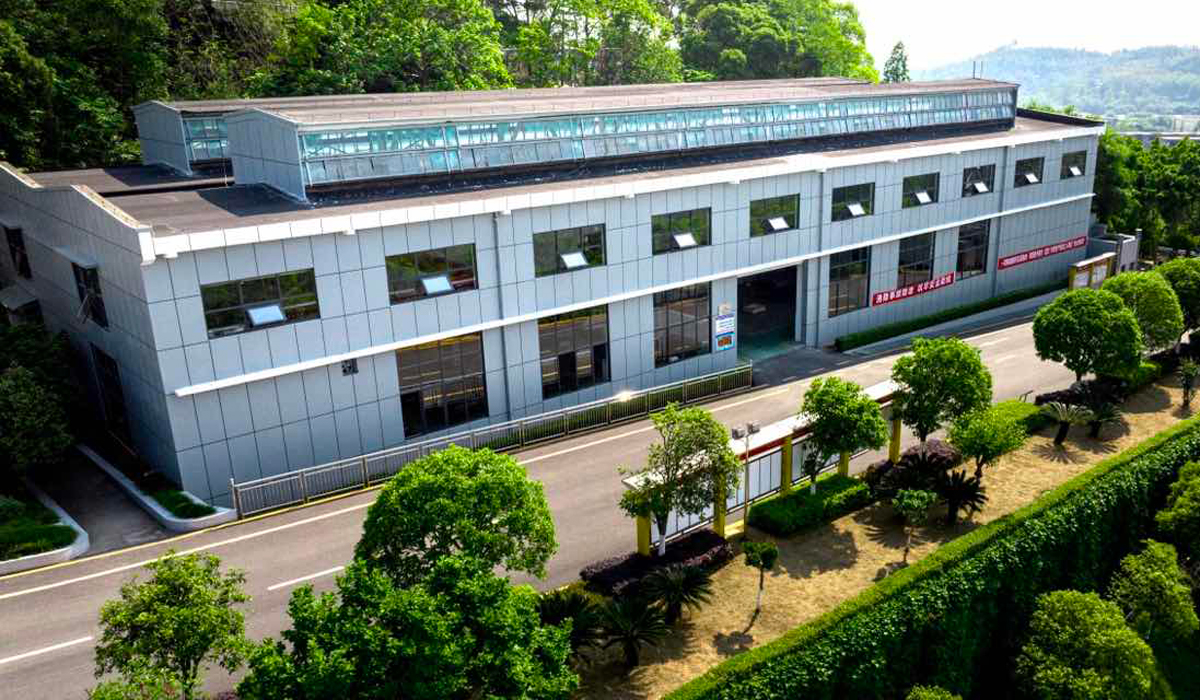
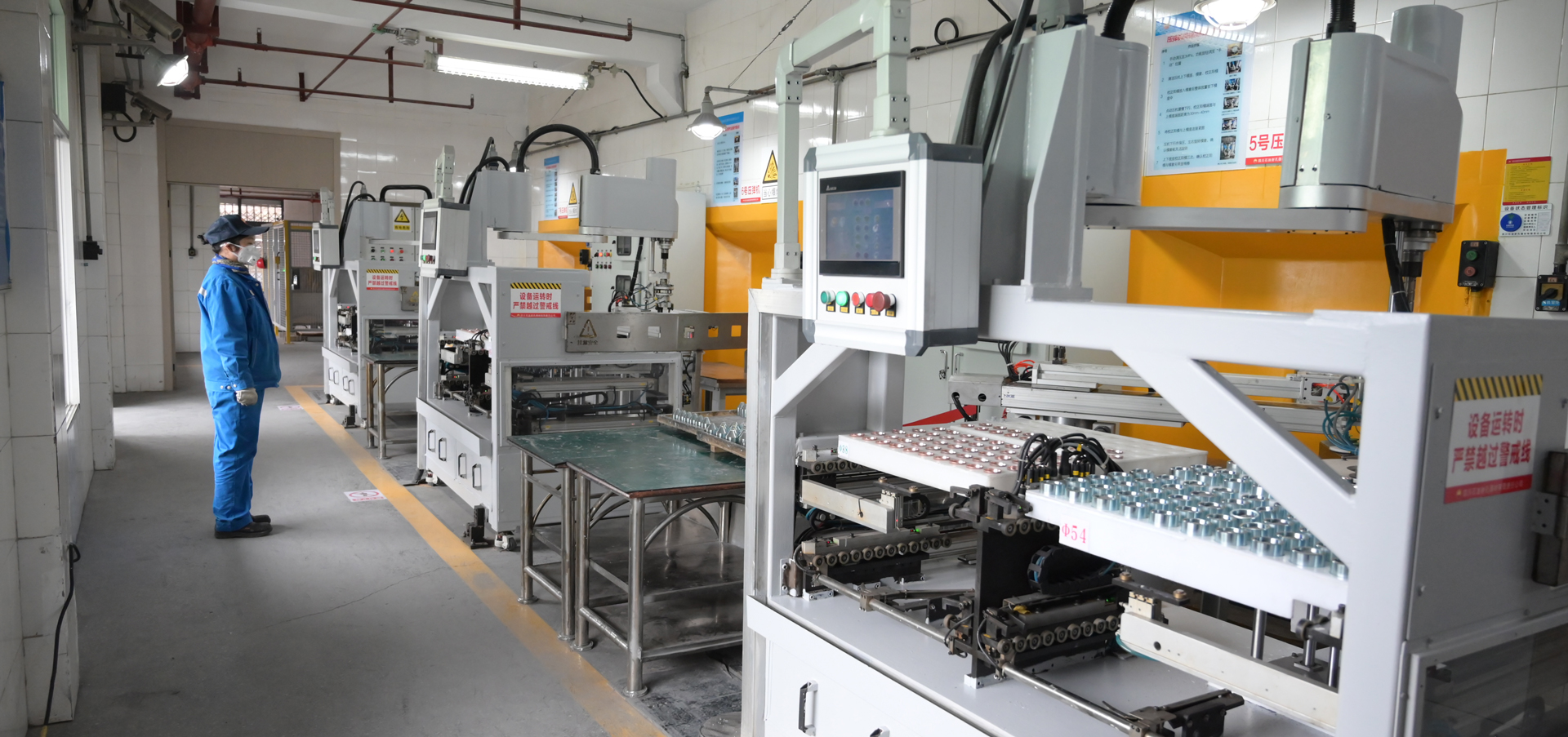
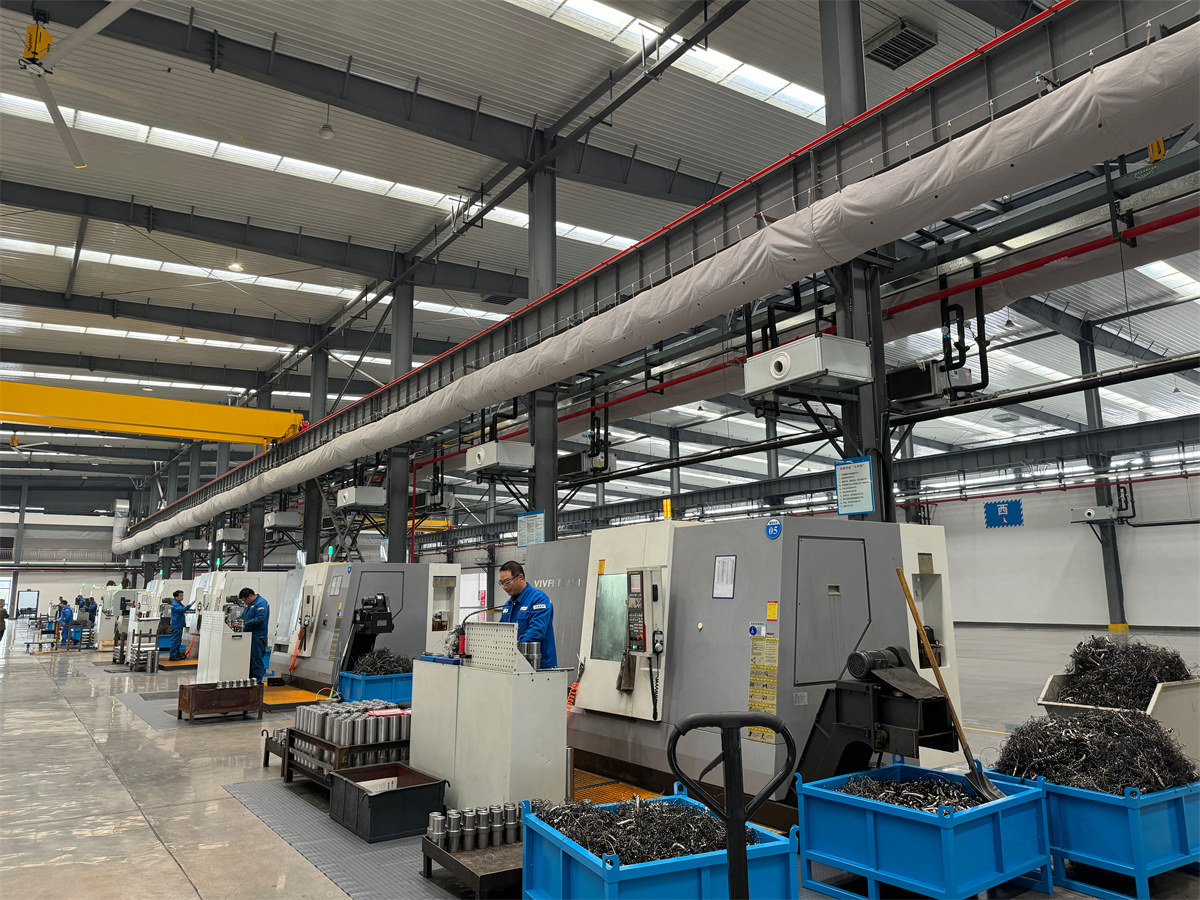
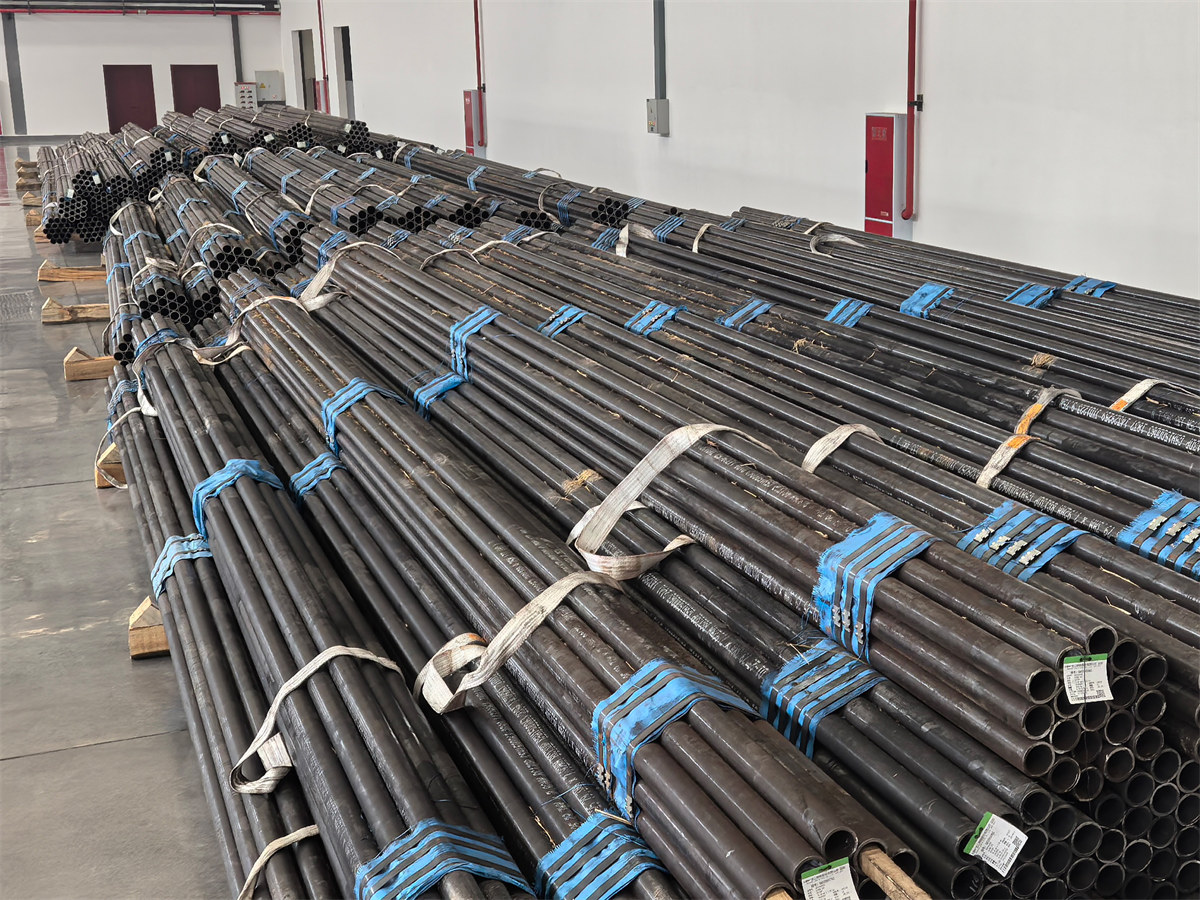
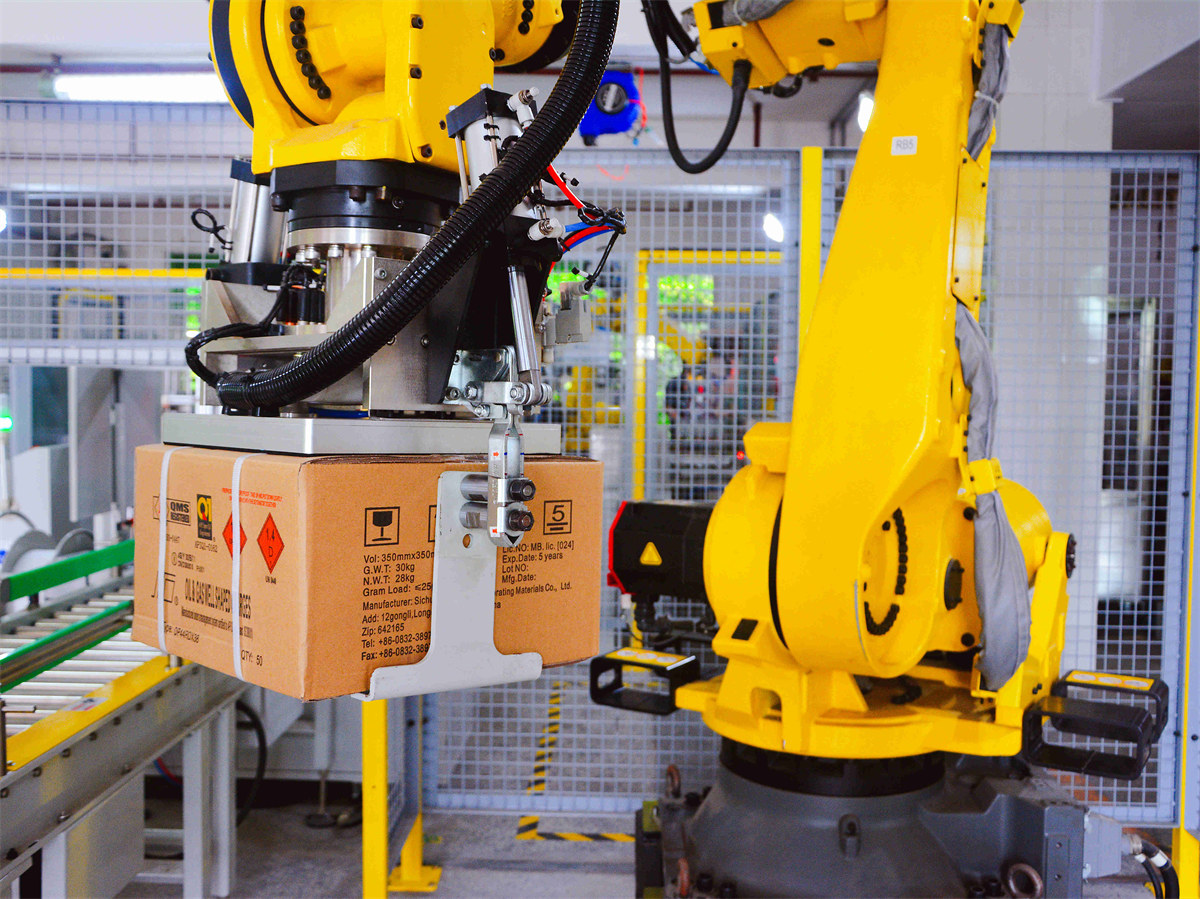
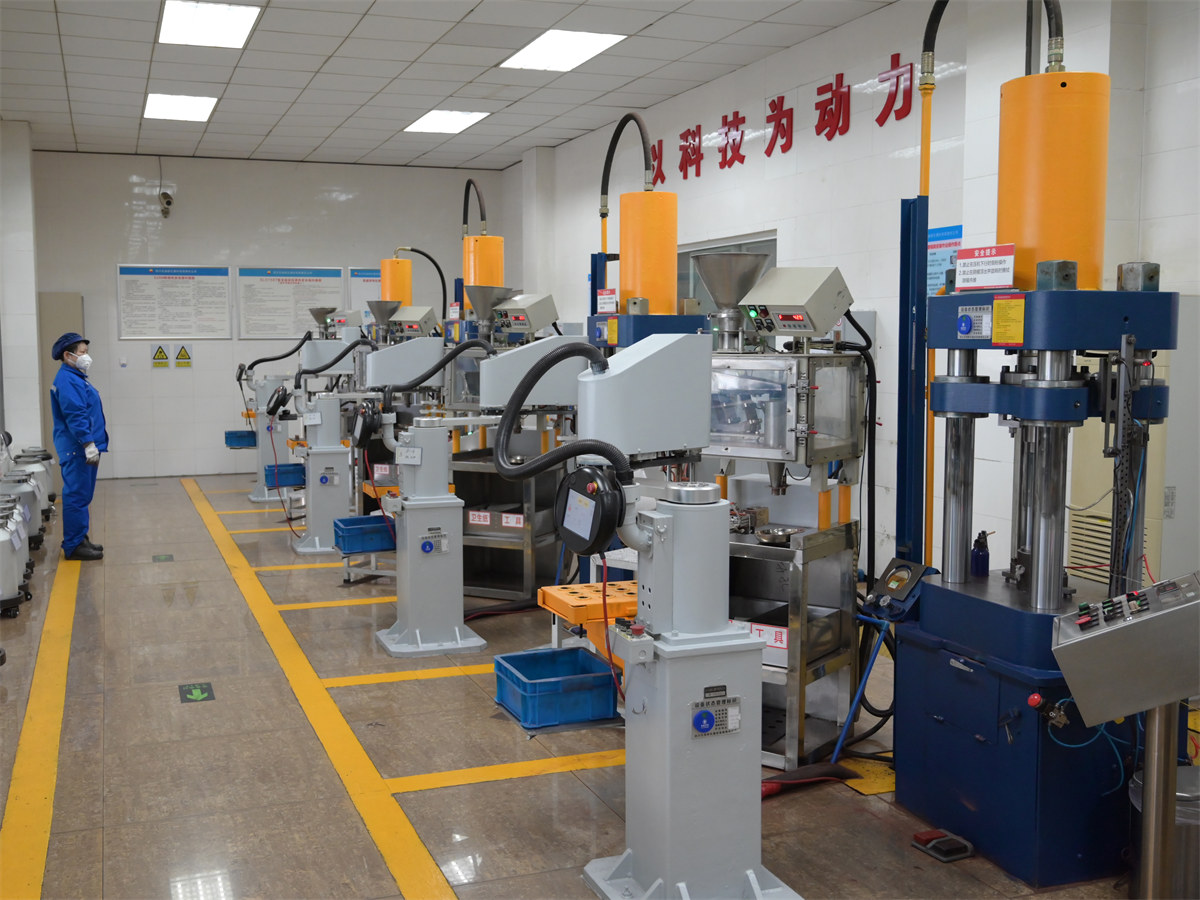
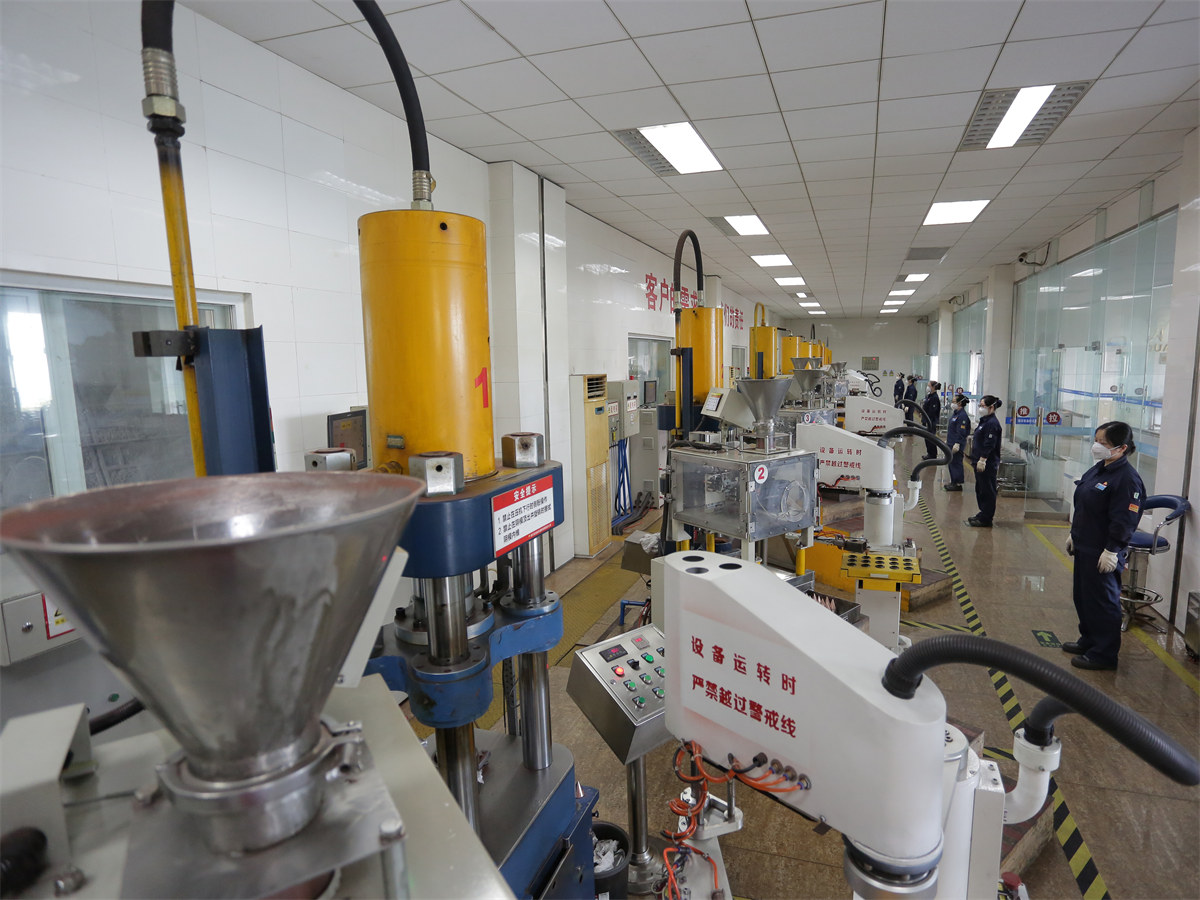
Equipped with state-of-the-art automated production and inspection lines, we deliver over 2.5 million shaped charges and 500,000 meters of perforating guns annually — meeting diverse customer requirements across the global market.
Every stage of our production process strictly adheres to the API Q1 Quality Management System. This unwavering commitment to quality, innovation, and customer satisfaction has established FYPE as a trusted partner in the global energy sector.
To date, our products have served customers in 38 countries worldwide and consistently earn positive feedback for performance and reliability. FYPE is dedicated to expanding its global footprint and building long-term partnerships with clients across continents.
Our professional inspection team operates under a quality management system certified to API Q1 and ISO 9001 standards, ensuring product reliability and superior performance in every delivery.
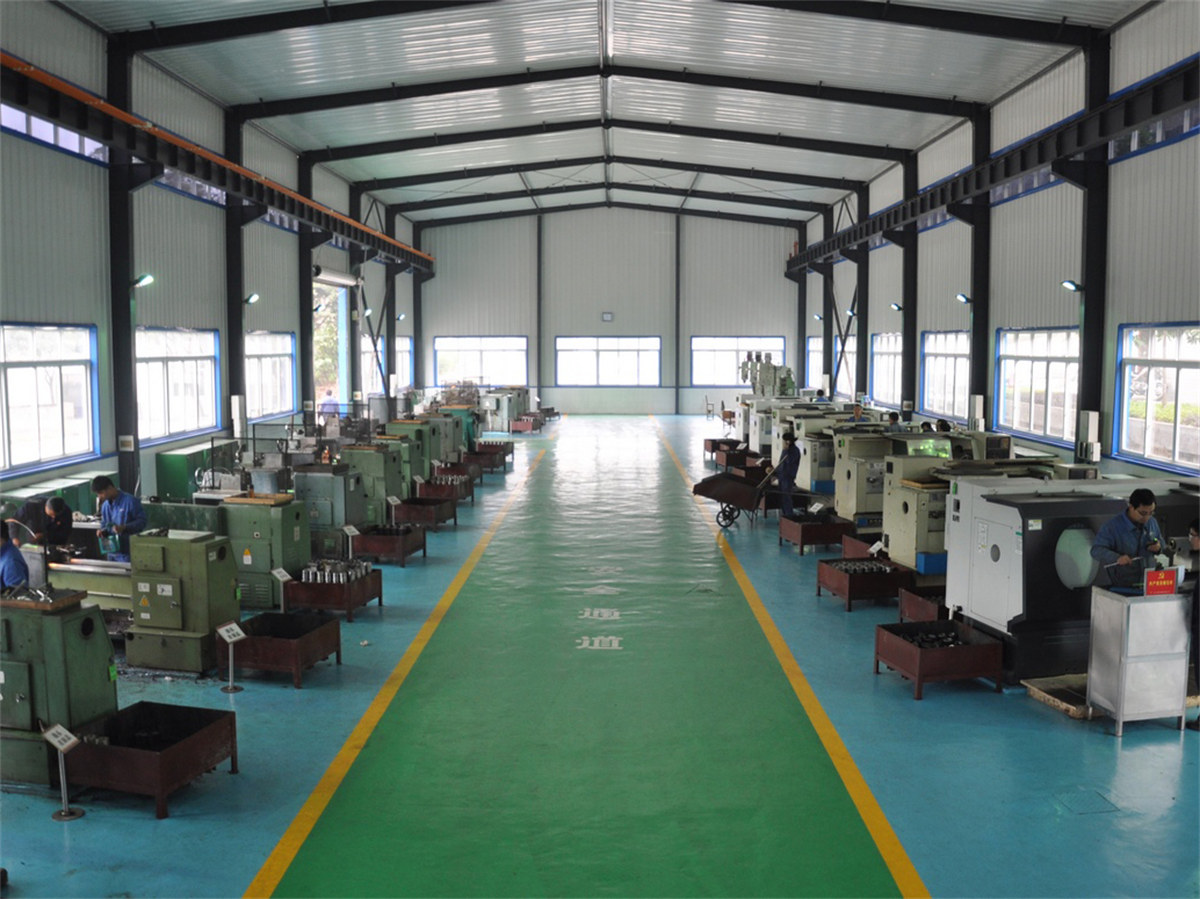
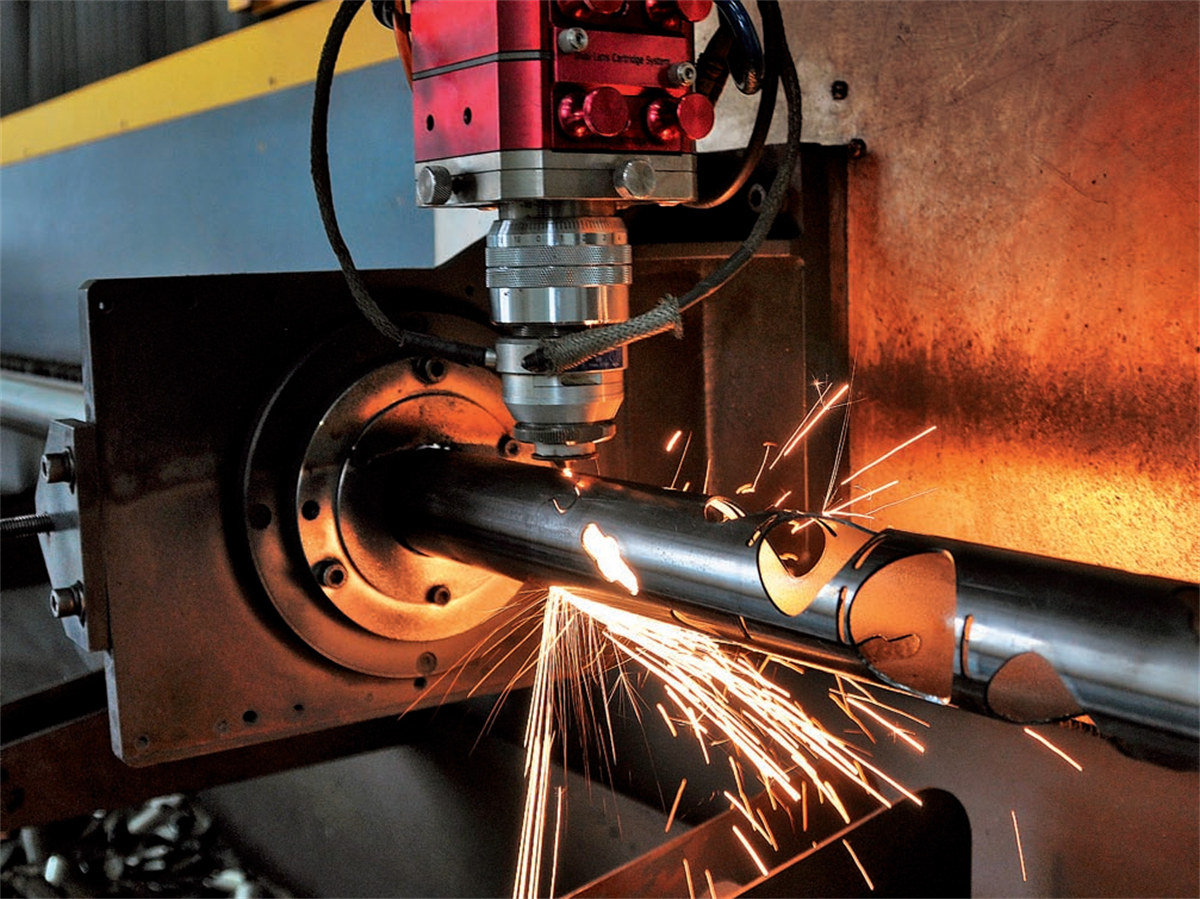
Our automated production lines ensure product consistency and enhance productivity. Daily capacity of shaped charges can reach 10,000. The perforating gun production line can meet the processing of 100+ types with different specifications.
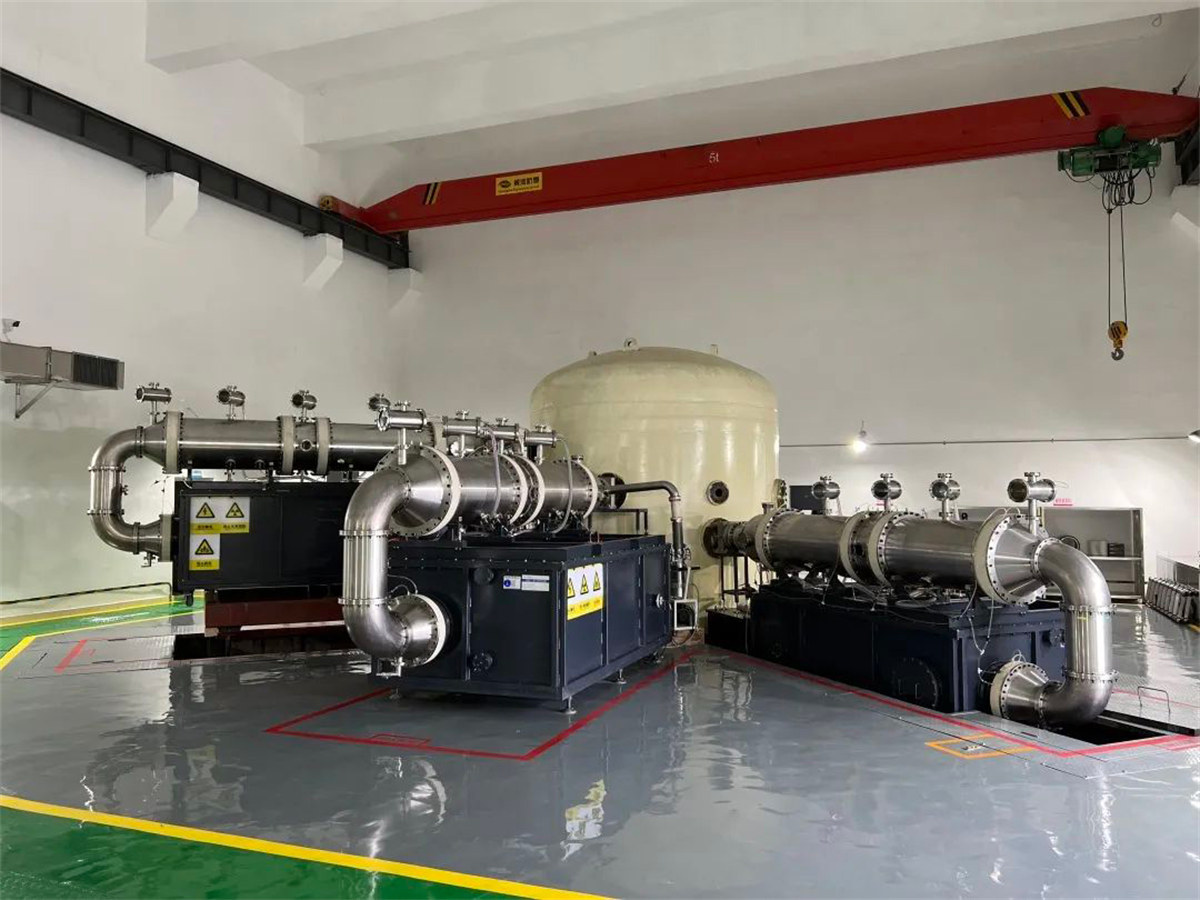
Our lab can carry out real-core target tests in simulated reservoirs, ultimate pressure resistance tests on perforation tools, explosion mechanism tests on shaped charges, and more.
With nearly 20 years of export experience across 38 countries, we deeply understand global market demands and deliver trusted, tailored solutions for formation pressure testing worldwide.
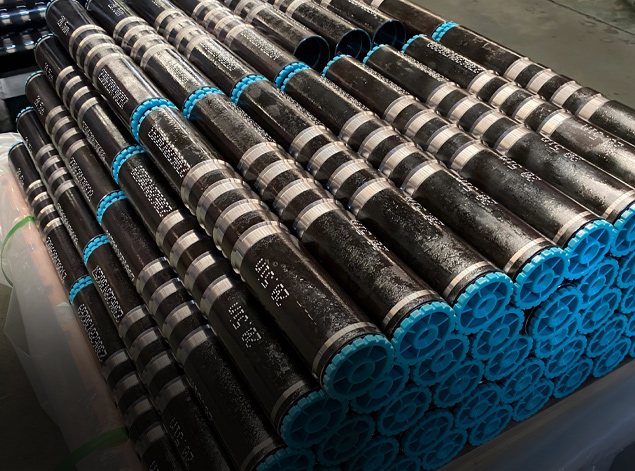
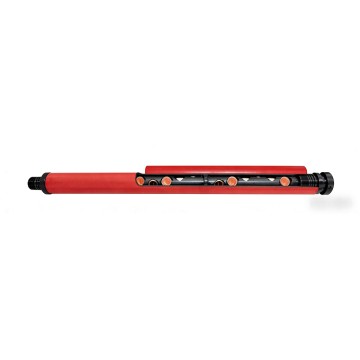
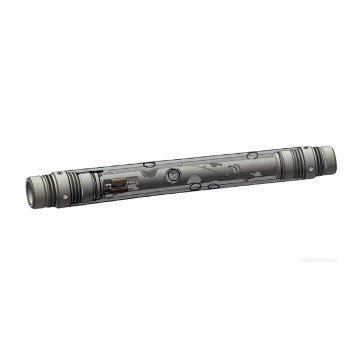
Instead of scallops, it can shoot regardless of the charge tube's angular position.
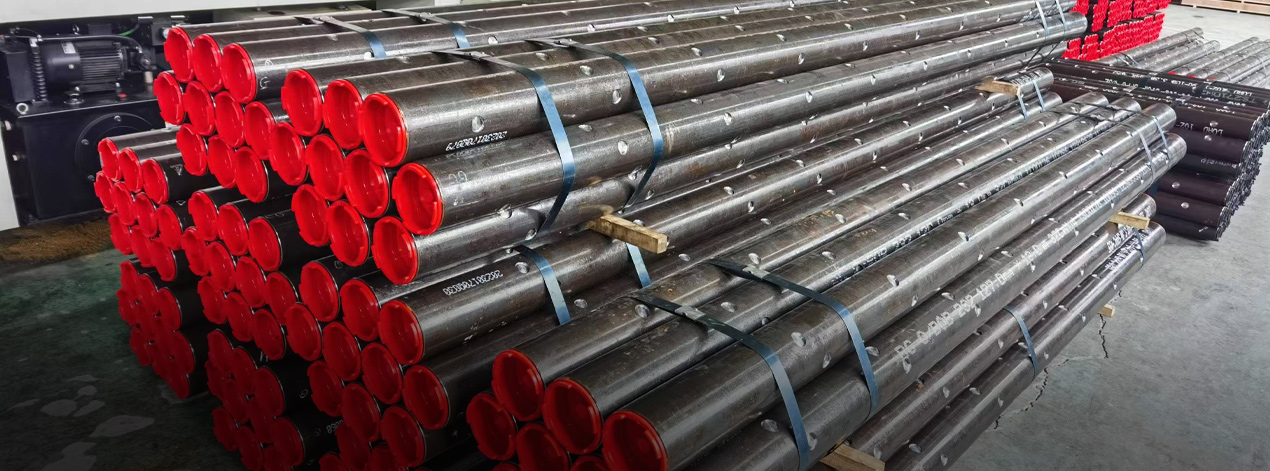
Provides deep penetration and high shot density for accurate pressure test response.
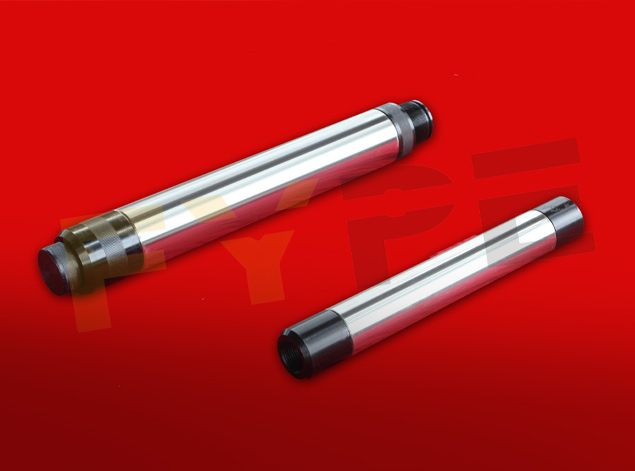
Detects casing collars for precise depth correlation in formation pressure testing wells.
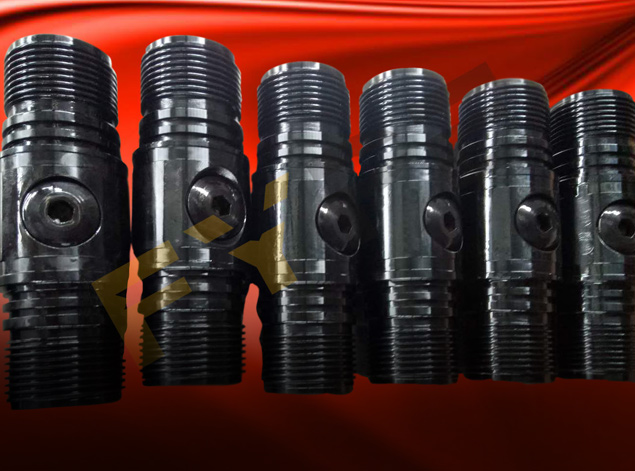
Connecting components used in perforating systems for pressure test string assembly.
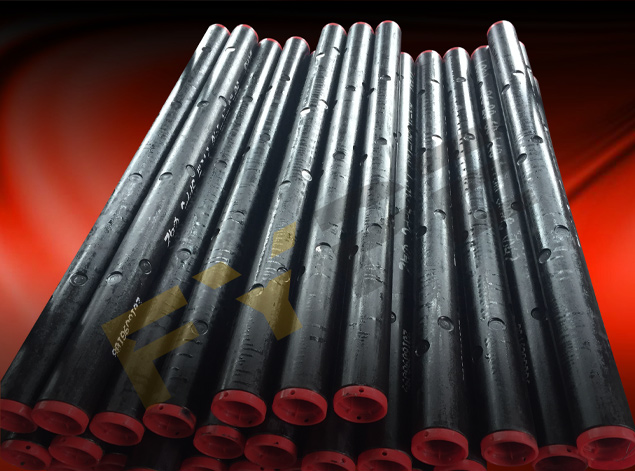
Designed for compact spaces and limited depth perforation in pressure testing operations.
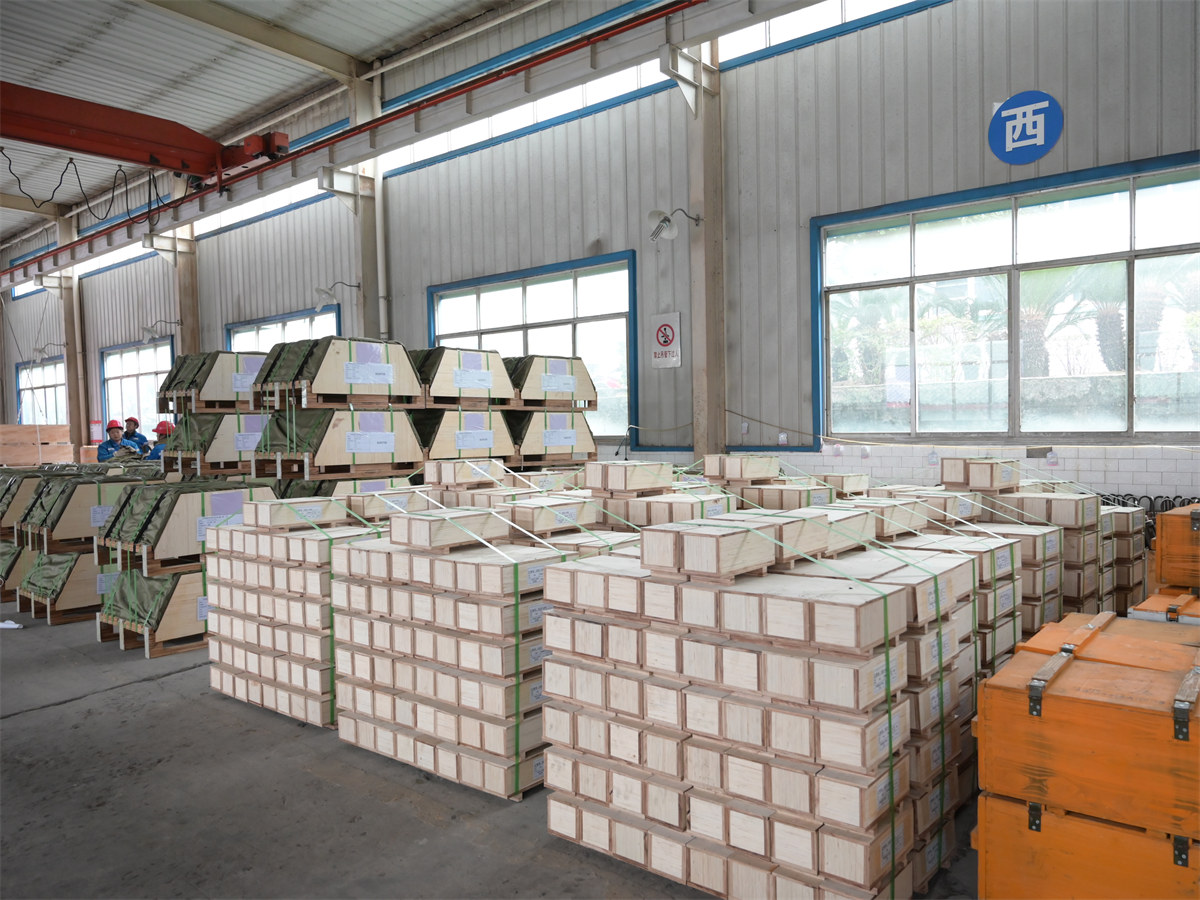
At FYPE, we believe every well deserves precision, reliability, and excellence. Whether you require high-performance perforating tools for formation pressure testing or dependable technical support, we are your trusted partner in the oil and gas industry.
Inquiry Now