+86-15829394411
Leave Your Message
-
Contact WhatsApp
-
 Contact Phone
-
 Contact Email
Our flagship downhole perforating tools engineered for precise zonal isolation testing in complex reservoir environments.
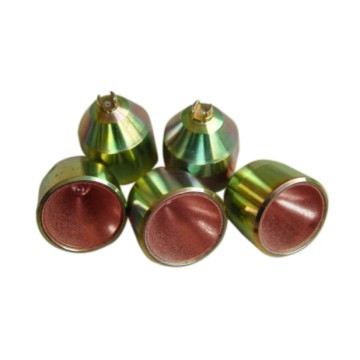
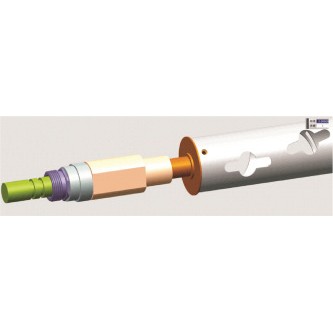
Downhole perforating for zonal isolation testing is a critical well completion technique that involves creating precisely controlled perforations in the casing and cement sheath to establish hydraulic communication between the wellbore and specific reservoir zones — while maintaining strict isolation between adjacent formations.
In modern oil and gas operations, reservoirs frequently consist of multiple stacked pay zones with different pressures, fluid types, and production characteristics. Without effective zonal isolation, cross-flow between zones can compromise well integrity, reduce production efficiency, and lead to costly remediation. Downhole perforating systems, when combined with isolation tools such as bridge plugs, packers, and mechanical barriers, allow engineers to selectively access, test, and produce from individual zones with surgical precision.
The process typically involves:
This methodology underpins virtually every modern well completion strategy — from conventional vertical wells to complex horizontal multi-stage hydraulic fracturing campaigns.
Effective zonal isolation testing directly determines the economic viability of a well. Accurate formation evaluation, selective stimulation, and controlled production from individual pay zones can increase ultimate recovery by 20–40% compared to non-selective completion approaches.
The global perforating services market is valued at over USD 5.2 billion and is projected to grow at a CAGR of 5.8% through 2030, driven by increasing deepwater drilling, unconventional resource development, and the rising complexity of multi-zone completions worldwide.

Expetro Energy Service Co., Ltd. (FYPE) is a leading manufacturer of downhole perforating systems in China, dedicated to the research, development, and production of shaped charges, perforating guns, and associated accessories for oil and gas completions.
With nearly two decades of focused innovation, FYPE has built an international reputation for delivering perforating solutions that meet the most demanding zonal isolation testing requirements — from shallow onshore wells to ultra-deep, high-temperature, high-pressure (HTHP) offshore environments.
Our production facility is equipped with state-of-the-art automated manufacturing and inspection lines, enabling us to deliver over 2.5 million shaped charges and 500,000 meters of perforating guns annually, meeting the diverse requirements of customers across the global energy market.
Four core pillars that make FYPE the trusted choice for zonal isolation testing perforating systems worldwide.
Our professional inspection team operates under a quality management system certified to API Q1 and ISO 9001 standards, ensuring product reliability and superior performance in every delivery.
Our automated production lines ensure product consistency and enhance productivity. Daily capacity of shaped charges can reach 10,000. The perforating gun production line can meet the processing of 100+ types with different specifications.
Our lab carries out real-core target tests in simulated reservoirs, ultimate pressure resistance tests on perforation tools, and explosion mechanism tests on shaped charges — ensuring performance under the most extreme downhole conditions.
With nearly 20 years of export experience across 38 countries, we deeply understand global market demands and deliver trusted, tailored downhole perforating solutions for zonal isolation testing applications worldwide.
The downhole perforating market for zonal isolation testing is evolving rapidly. Here are the key trends shaping the industry today and into the next decade.
The explosive growth of shale and tight oil/gas development in North America, the Middle East, China, and Argentina has driven unprecedented demand for multi-stage plug-and-perf systems. Each horizontal well may require 30–80 perforation stages, each requiring precise zonal isolation — creating massive commercial demand for high-performance perforating guns and shaped charges.
As operators push into water depths exceeding 3,000 meters, perforating systems must withstand extreme HTHP conditions — temperatures above 200°C and pressures exceeding 20,000 psi. This has accelerated R&D investment in ultra-HTHP perforating guns, high-temperature explosives, and advanced alloy gun bodies capable of surviving these hostile environments.
The industry is increasingly adopting real-time downhole telemetry, addressable firing systems, and AI-driven perforating optimization. Intelligent perforating systems can now confirm shot detonation, measure downhole pressure response, and transmit data to surface in real time — dramatically improving zonal isolation testing accuracy and reducing non-productive time (NPT).
Environmental regulations are driving the transition toward greener explosive formulations in shaped charges. The industry is actively developing RDX-free, insensitive munitions (IM) compliant charges that maintain penetration performance while reducing environmental risk during transportation, storage, and downhole deployment.
Chinese manufacturers like FYPE have emerged as world-class suppliers of downhole perforating systems, offering API-certified quality at competitive pricing. With automated production, rigorous QC, and deep export experience, China-based suppliers now serve major NOCs and IOCs across the Middle East, Southeast Asia, Africa, and Latin America.
Operators increasingly demand modular perforating gun platforms that can be rapidly reconfigured for different well types, casing sizes, and completion strategies. Modular wireline gun systems with interchangeable charge carriers, subs, and firing heads reduce inventory costs and improve operational flexibility for zonal isolation testing campaigns.
Downhole perforating for zonal isolation testing serves diverse and increasingly complex operational environments across the global energy sector.
In horizontal shale wells, plug-and-perf is the dominant completion technique. A composite bridge plug is set to isolate previously fractured stages, then a perforating gun cluster fires to create new perforations in the next zone. This sequential zonal isolation and perforating process — repeated up to 80 times per well — demands ultra-reliable, consistent perforating gun performance. FYPE's wireline modular gun systems are purpose-built for this high-frequency, multi-stage application.
During exploration and appraisal wells, downhole perforating is used to selectively open individual reservoir intervals for pressure transient analysis and fluid sampling. Precise zonal isolation via packers and perforations allows geoscientists to characterize reservoir permeability, fluid contacts, and productivity index (PI) for each zone independently — critical data for field development planning and reserve estimation.
Ultra-deep wells in formations such as the Tarim Basin (China), Permian Basin (USA), and pre-salt offshore Brazil present extreme downhole conditions. FYPE's Ultra HTHP Perforating Guns — rated for temperatures exceeding 200°C and pressures above 20,000 psi — enable safe, reliable perforating and zonal isolation testing in these technically challenging environments, where conventional tools would fail catastrophically.
Mature fields with declining production frequently undergo workover operations to perforate previously bypassed pay zones or to re-perforate damaged intervals. Downhole perforating with zonal isolation allows operators to selectively access new pay without disturbing existing producing intervals — extending well life and maximizing asset value without the cost of drilling new wells.
Enhanced oil recovery (EOR) programs using water flooding or gas injection require precise perforation placement to ensure injection fluid enters the target reservoir interval rather than thief zones. Directional clustering perforating systems enable oriented perforation placement that maximizes sweep efficiency while maintaining zonal isolation between injection and production intervals.
Emerging energy transition applications — including geothermal energy production and CO₂ geological storage — are increasingly adopting downhole perforating technology for zonal isolation testing. Geothermal wells require selective perforation of high-temperature aquifer zones, while CCS projects demand rigorous zonal isolation verification to confirm containment integrity of the storage formation — a growing market for advanced perforating systems.

At FYPE, we believe every well deserves precision, reliability, and excellence. Whether you require high-performance perforating tools for zonal isolation testing or dependable technical support, we are your trusted partner in the oil and gas industry. Our unwavering commitment to quality, innovation, and customer satisfaction has established FYPE as a preferred supplier across 38 countries worldwide.
Inquiry Now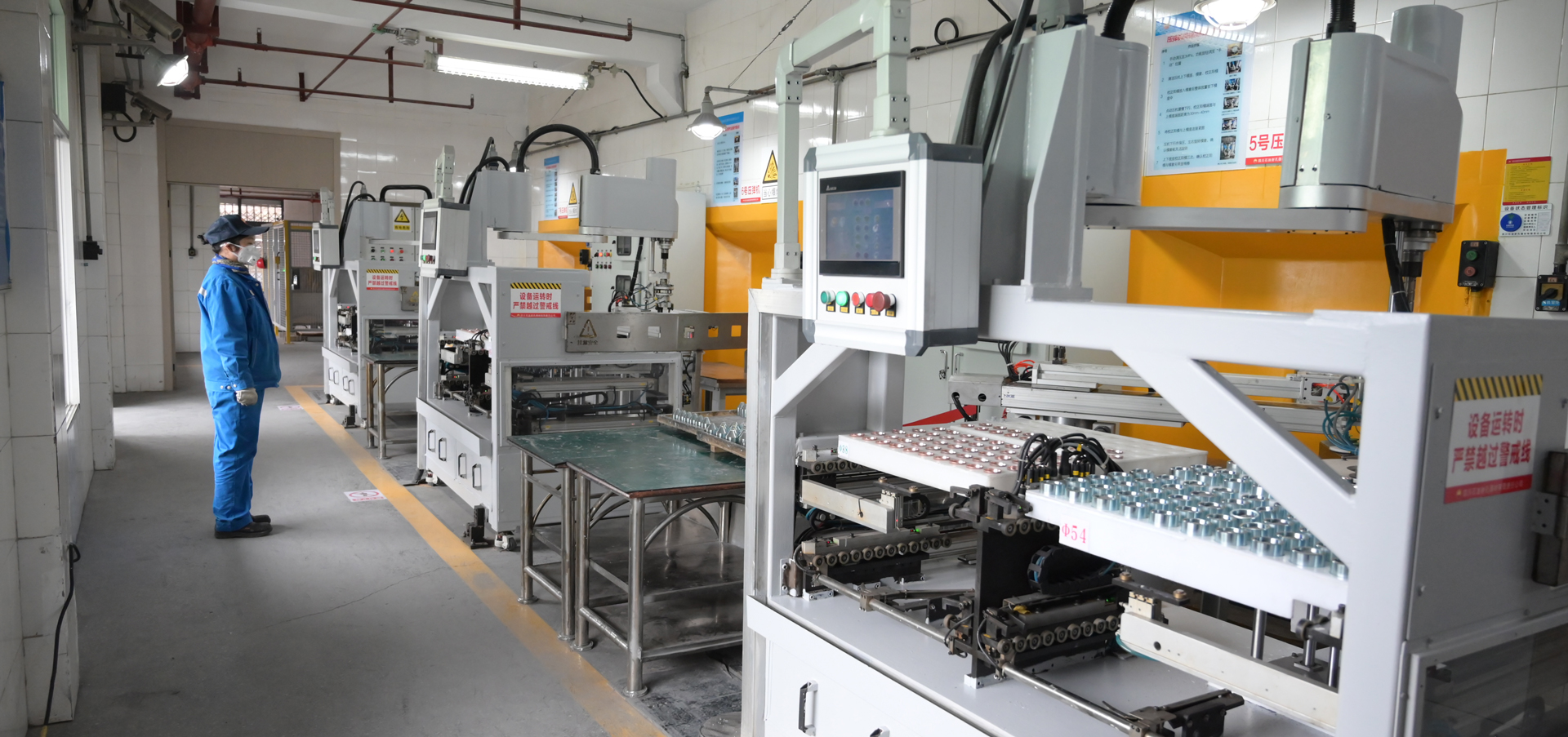
State-of-the-art manufacturing facilities delivering world-class downhole perforating systems for zonal isolation testing.
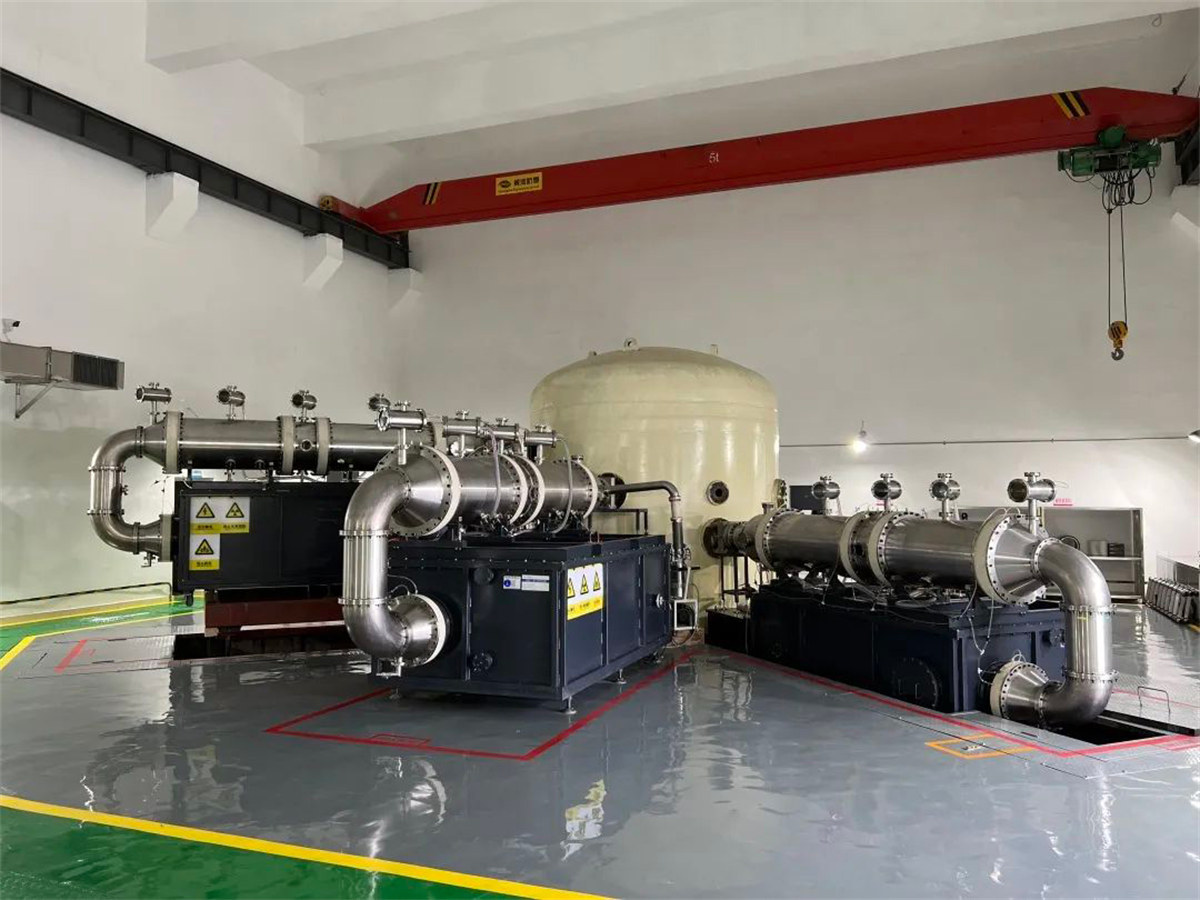
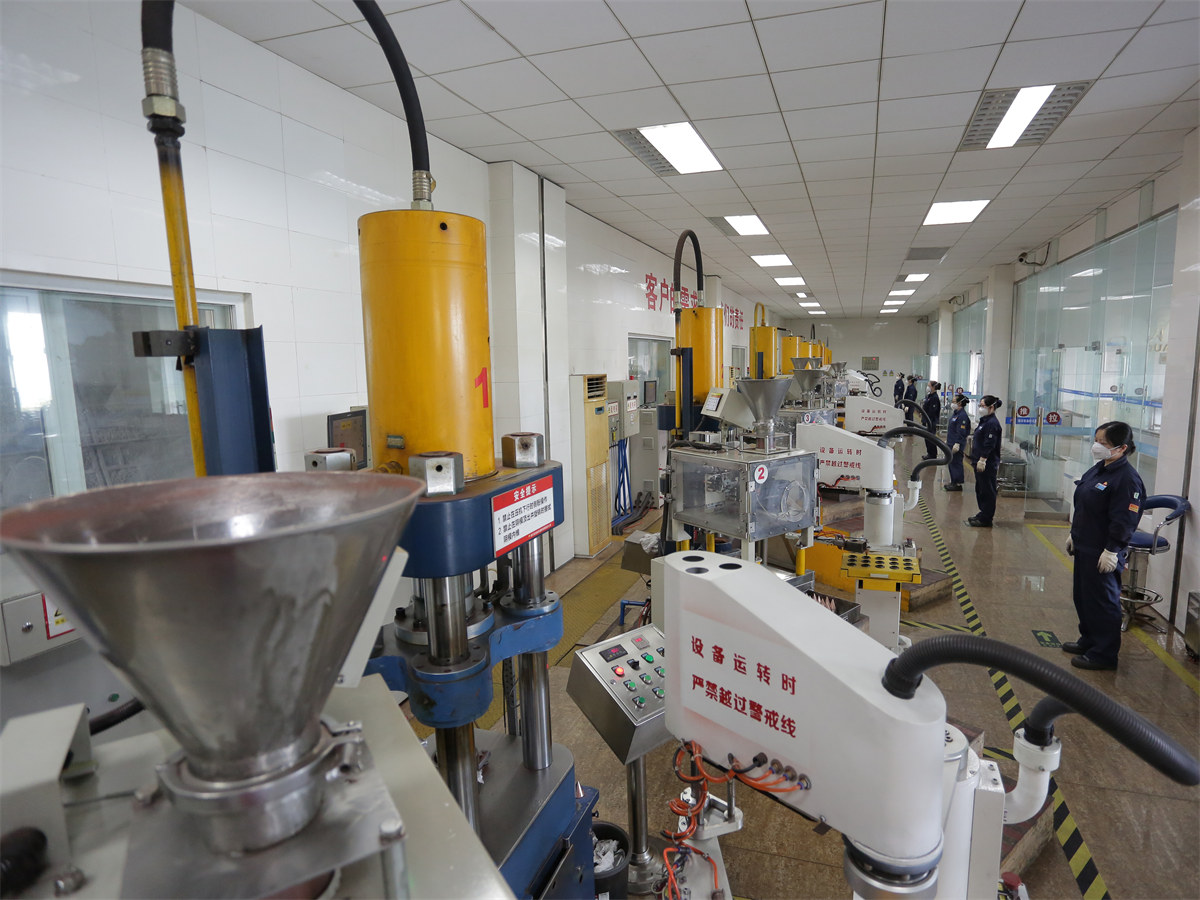








Our products have served customers in 38 countries worldwide and consistently earn positive feedback for performance and reliability in zonal isolation testing applications.
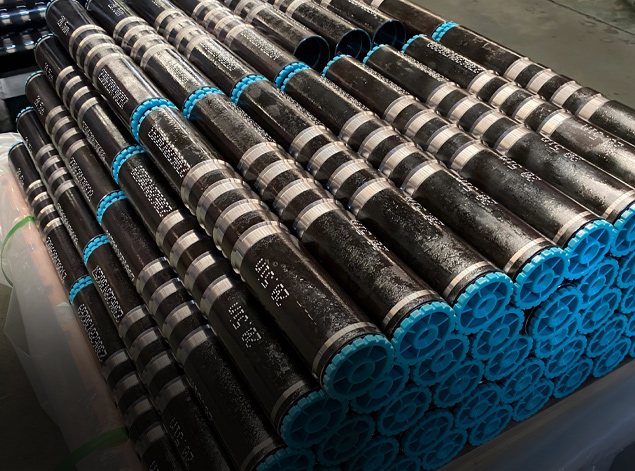
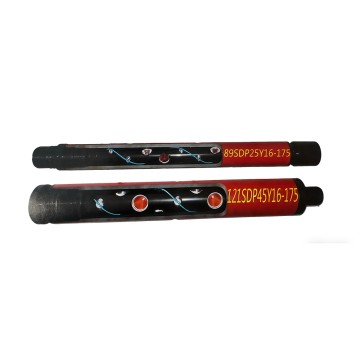
Instead of scallops, it can shoot regardless of the charge tube's angular position — ideal for consistent zonal isolation testing results in deviated and horizontal wells.
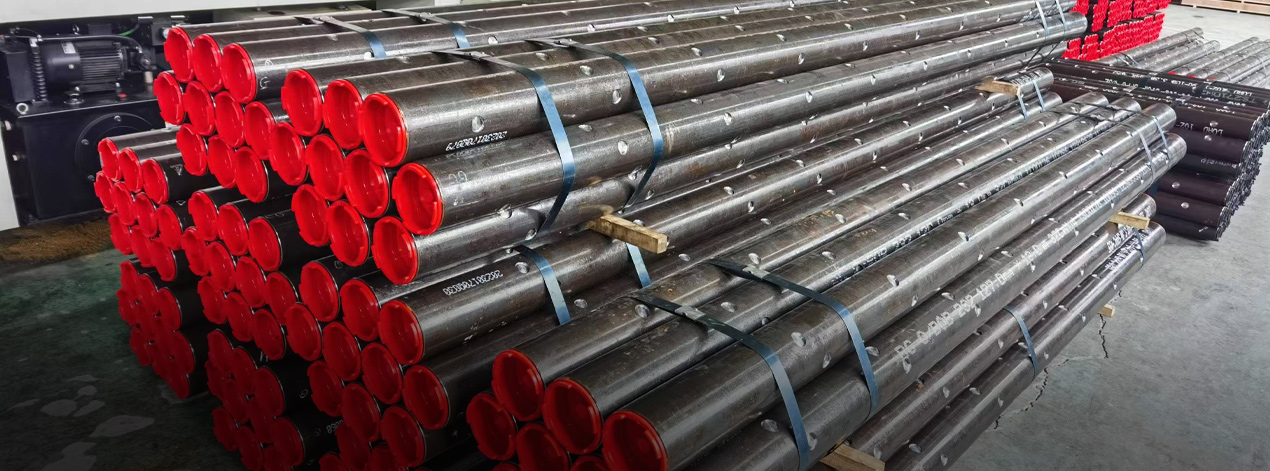
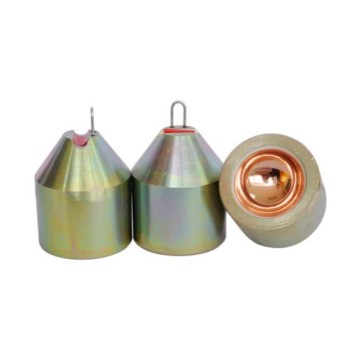
Provides deep penetration and high shot density — maximizing reservoir connectivity during zonal isolation testing in tight and low-permeability formations.
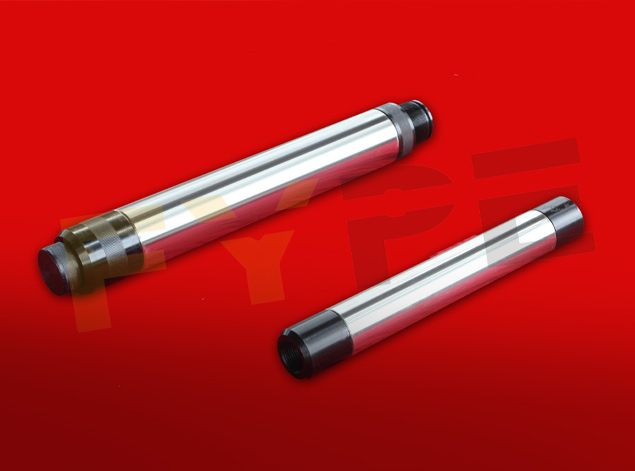
Detects casing collars for precise depth correlation in wells — essential for accurate perforation placement during zonal isolation testing operations.
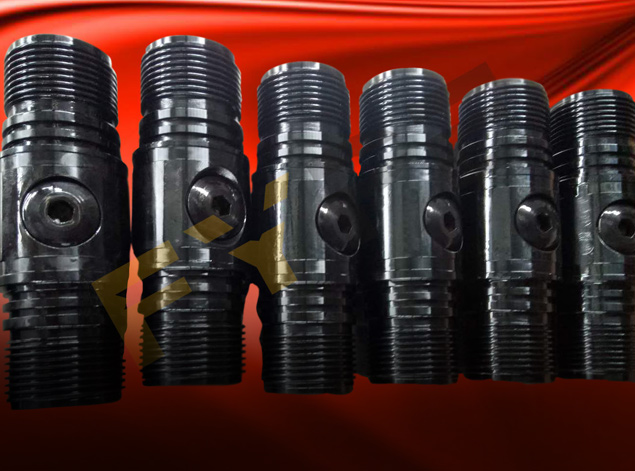
Connecting components used in perforating systems — engineered for reliable assembly integrity during multi-zone isolation testing campaigns.
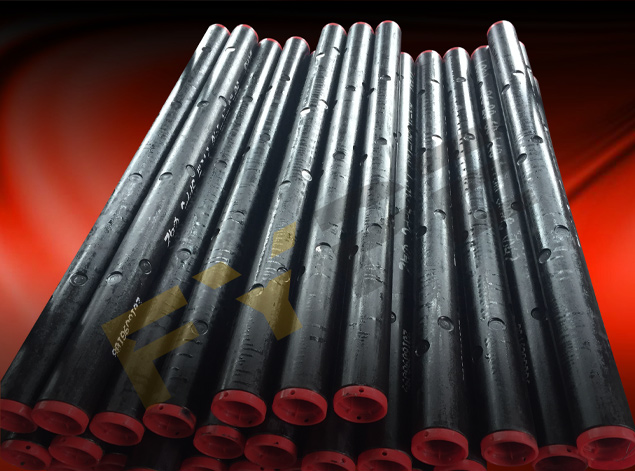
Designed for compact spaces and limited depth perforation — perfect for selective zonal isolation testing in wells with restricted tool deployment windows.
Explore our full portfolio of downhole perforating solutions — designed and manufactured to meet the rigorous demands of zonal isolation testing worldwide.