+86-15829394411


0102030405
Electric Detonator for Gun Systems - Reliable China Suppliers & Factory for Wireline Perforating Solutions
Electric Detonator
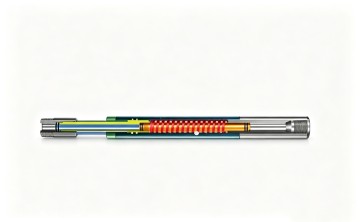
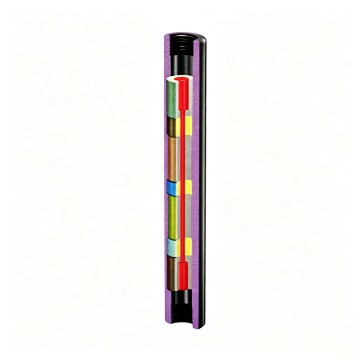
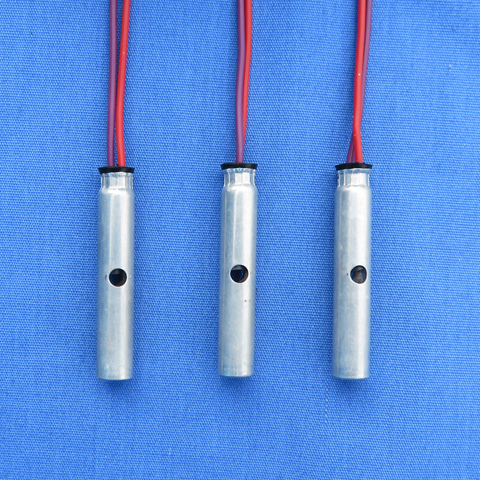
The Electric Detonator is typically used to initiate detonating cord in wireline-conveyed perforating operations. Designed with high resistance in compliance with API RP67 and SY/T6308 standards, this product demonstrates superior immunity to static electricity, stray currents, and radio frequencies. During operation, a predetermined current must be transmitted through the wireline from surface equipment to the electric detonator, triggering its activation and subsequently initiating the connected detonating cord.
🛡️
StandardAPI RP67 / SY/T6308
⚡
ImmunityStatic, Stray & RF
🔌
ActivationWireline Current
Specifications
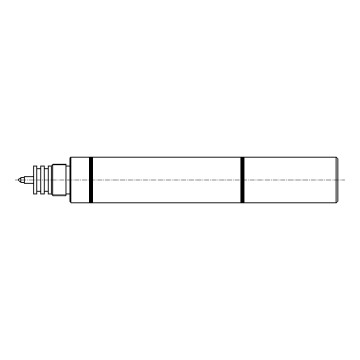
Standard Electric Detonator
| O.D. (mm) | 7.2mm |
| Length | 59.0mm |
| Temp Rating | 160℃ / 4h |
| No Fire Current | 0.2A / 5min |
| All Fire Current | 0.8A |
| Resistance | 56Ω |
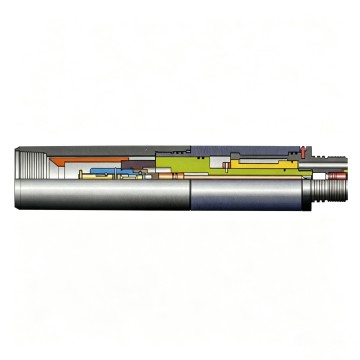
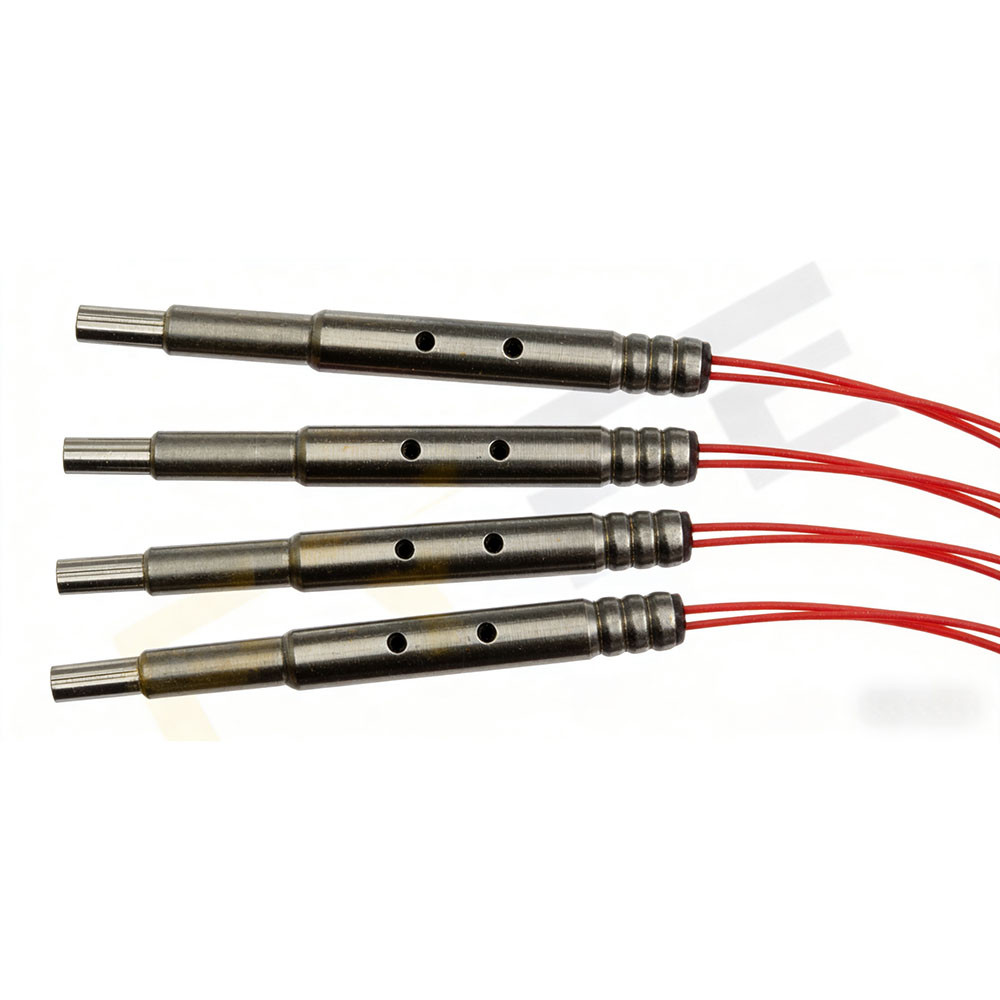
Temperature and Pressure Resistance Electric Detonator Specifications
High-Pressure Rated
| O.D. (mm) | 10mm |
| Length | 76mm |
| Temp Rating | 160℃ / 4h |
| Pressure Rating | 105MPa |
| No Fire Current | 0.2A / 5min |
| All Fire Current | 0.8A |
| Resistance | 56Ω |
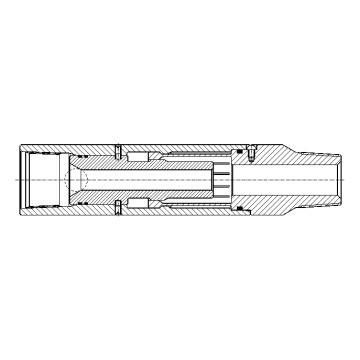
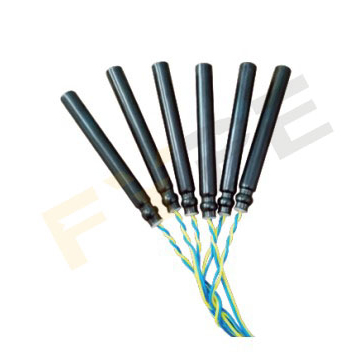
Fluid Disabled Electric Detonator Specifications
Fluid Desensitization
| O.D. (mm) | 8.0mm |
| Length | 108.0mm |
| Temp Rating | 160℃ / 4h |
| No Fire Current | 0.2A / 5min |
| All Fire Current | 0.8A |
| Resistance | 56Ω |
| Fluid Desensitization | 5 minutes in water |
Frequently Asked Questions
Q1
What is an Electric Detonator used for in oil and gas operations?
The Electric Detonator is primarily used to initiate detonating cord in wireline-conveyed perforating operations. It receives a predetermined electrical current transmitted from surface equipment through the wireline, triggering activation and initiating the connected detonating cord.
Q2
What industry standards does this Electric Detonator comply with?
This Electric Detonator is designed in compliance with API RP67 and SY/T6308 standards, ensuring high resistance to static electricity, stray currents, and radio frequencies for safe and reliable downhole use.
Q3
What is the difference between the standard and the Temperature & Pressure Resistance Electric Detonator?
The standard Electric Detonator has an O.D. of 7.2mm and a length of 59.0mm. The Temperature and Pressure Resistance version features a larger O.D. of 10mm and a length of 76mm, with an added pressure rating of 105MPa, making it suitable for high-pressure downhole environments.
Q4
What is the "No Fire Current" and why is it important?
The "No Fire Current" is the maximum current (0.2A for 5 minutes) that can be applied without triggering the detonator. This specification is critical for safety, ensuring that accidental or stray currents below this threshold do not cause unintended detonation during handling and deployment.
Q5
What does "Fluid Disabled" mean for the Fluid Disabled Electric Detonator?
The Fluid Disabled Electric Detonator is designed to become desensitized (disabled) after being submerged in water for 5 minutes. This safety feature prevents accidental detonation when the device comes into contact with wellbore fluids during deployment or retrieval operations.
Q6
What is the operating temperature rating for all three Electric Detonator variants?
All three variants — the standard Electric Detonator, the Temperature and Pressure Resistance Electric Detonator, and the Fluid Disabled Electric Detonator — share the same temperature rating of 160℃ for 4 hours, making them suitable for high-temperature downhole applications.