+86-15829394411


0102030405
Electric Detonators for Gun Systems - High-Quality China Suppliers and Factory Solutions
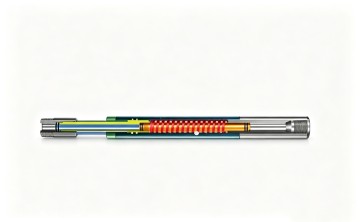
Electric Detonator
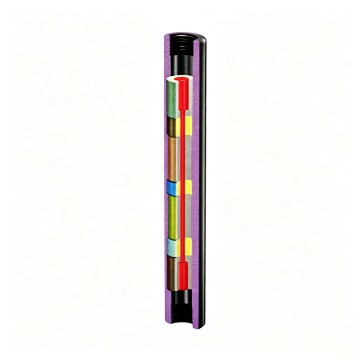
The Electric Detonator is typically used to initiate detonating cord in wireline-conveyed perforating operations. Designed with high resistance in compliance with API RP67 and SY/T6308 standards, this product demonstrates superior immunity to static electricity, stray currents, and radio frequencies. During operation, a predetermined current must be transmitted through the wireline from surface equipment to the electric detonator, triggering its activation and subsequently initiating the connected detonating cord.
API RP67 Compliant
SY/T6308 Compliant
Static & RF Immune
Wireline-Conveyed
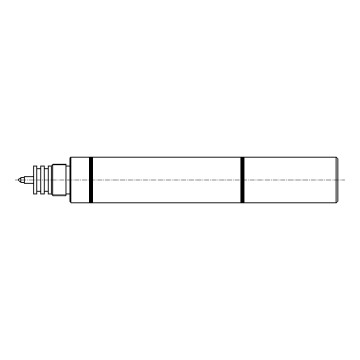
Specifications
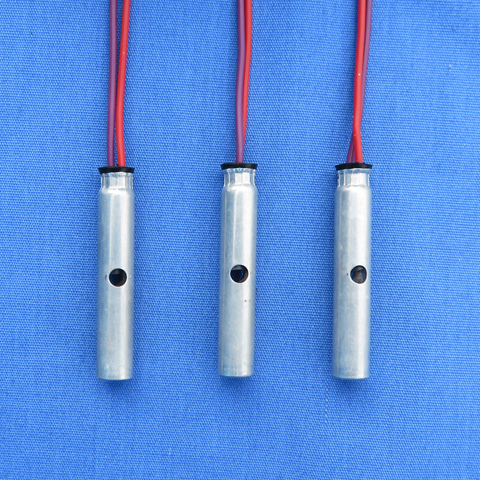
Standard Electric Detonator
| Parameter | Value |
|---|---|
| O.D. (mm) | 7.2 mm |
| Length | 59.0 mm |
| Temp Rating | 160℃ / 4h |
| No Fire Current | 0.2A / 5min |
| All Fire Current | 0.8A |
| Resistance | 56Ω |
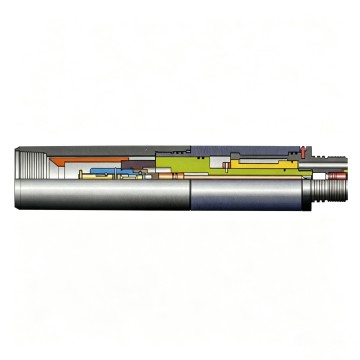
Temperature & Pressure Resistance Electric Detonator Specifications
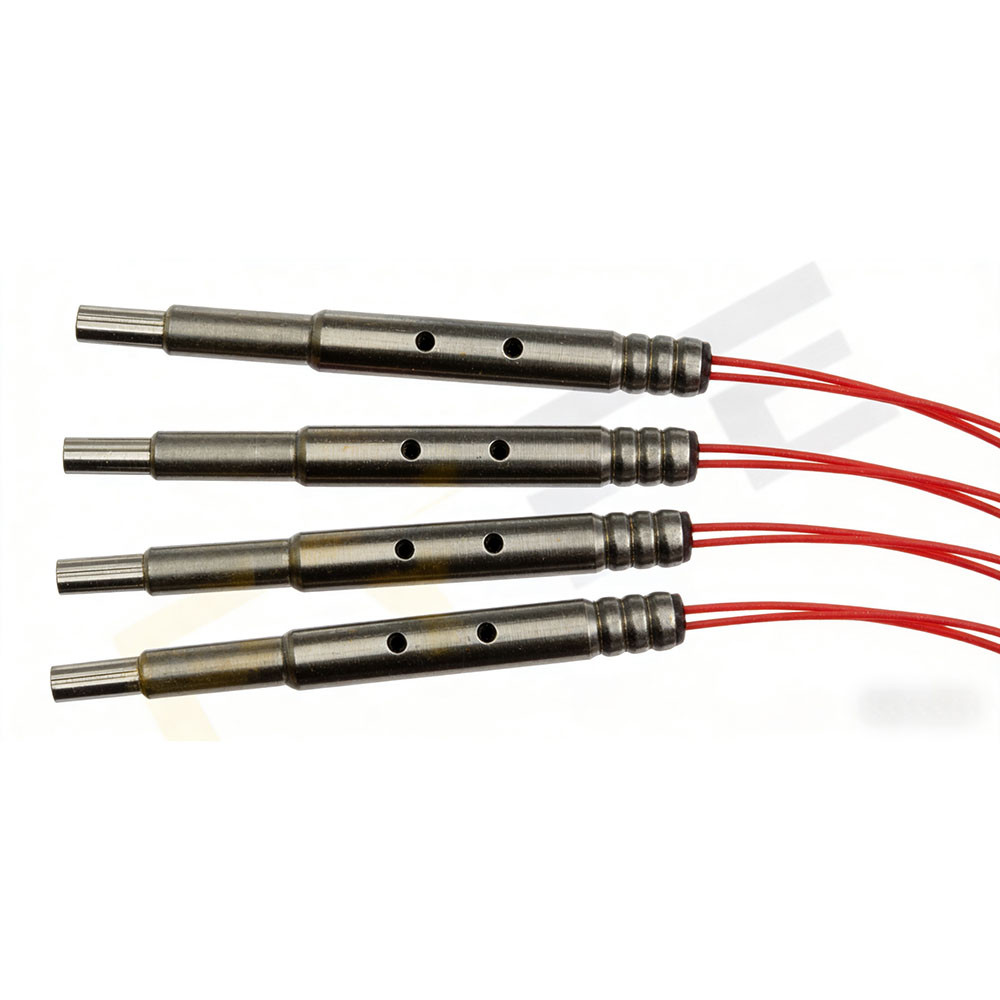
High-Rating Variant
| Parameter | Value |
|---|---|
| O.D. (mm) | 10 mm |
| Length | 76 mm |
| Temp Rating | 160℃ / 4h |
| Pressure Rating | 105 MPa |
| No Fire Current | 0.2A / 5min |
| All Fire Current | 0.8A |
| Resistance | 56Ω |
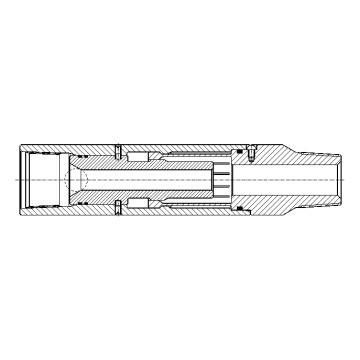
Fluid Disabled Electric Detonator Specifications
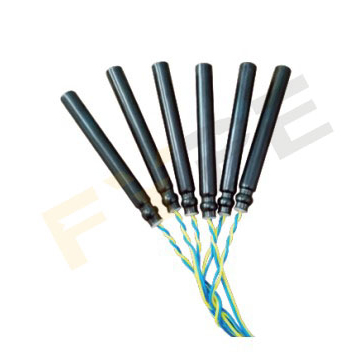
Fluid Desensitization Variant
| Parameter | Value |
|---|---|
| O.D. (mm) | 8.0 mm |
| Length | 108.0 mm |
| Temp Rating | 160℃ / 4h |
| No Fire Current | 0.2A / 5min |
| All Fire Current | 0.8A |
| Resistance | 56Ω |
| Fluid Desensitization | 5 minutes in water |
Frequently Asked Questions
Q
What is an Electric Detonator used for in oilfield operations?
An Electric Detonator is primarily used to initiate detonating cord in wireline-conveyed perforating operations. It receives a predetermined electrical current from surface equipment via the wireline, which triggers the detonator and subsequently fires the connected detonating cord to perforate the wellbore casing.
Q
What safety standards does the Electric Detonator comply with?
The Electric Detonator is designed in compliance with API RP67 and SY/T6308 standards. It features high resistance to protect against accidental initiation from static electricity, stray currents, and radio frequency interference, ensuring safe handling and deployment in the field.
Q
What is the difference between the standard and the Temperature & Pressure Resistance Electric Detonator?
The standard Electric Detonator has an O.D. of 7.2 mm and a length of 59.0 mm. The Temperature & Pressure Resistance variant is larger (O.D. 10 mm, length 76 mm) and adds a pressure rating of 105 MPa, making it suitable for high-pressure downhole environments while maintaining the same temperature rating of 160℃/4h.
Q
What does "Fluid Disabled" mean for the Fluid Disabled Electric Detonator?
The "Fluid Disabled" designation means that the detonator is designed to be rendered safe (desensitized) when immersed in fluid. Specifically, after 5 minutes in water, the detonator becomes disabled and will not fire, providing an added layer of safety during handling, transport, or in the event of accidental fluid exposure.
Q
What are the No Fire Current and All Fire Current ratings, and why are they important?
The No Fire Current (0.2A / 5min) is the maximum current that can be continuously applied without triggering the detonator, ensuring it remains safe under stray electrical conditions. The All Fire Current (0.8A) is the minimum current guaranteed to reliably fire the detonator. These ratings are critical for safe and reliable operation in wireline perforating systems.
Q
What is the resistance value of these Electric Detonators and why does it matter?
All three variants share a resistance of 56Ω. This high-resistance design is a key safety feature that limits the effect of stray currents and electromagnetic interference, significantly reducing the risk of accidental detonation. It also allows surface equipment to verify circuit continuity before firing.