
 +86-15829394411
Leave Your Message
-
Contact WhatsApp
-
 Contact Phone
-
 Contact Email
High-performance engineering designed to optimize initial completion and enhance recovery operations.
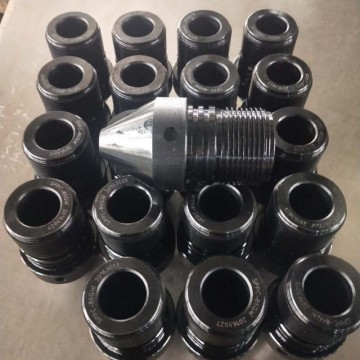
Essential connecting components engineered with high-strength alloys to guarantee downhole string integrity.
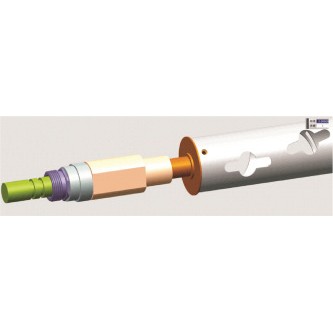
Optimized for horizontal completions, ensuring precise fracture placement across target intervals.
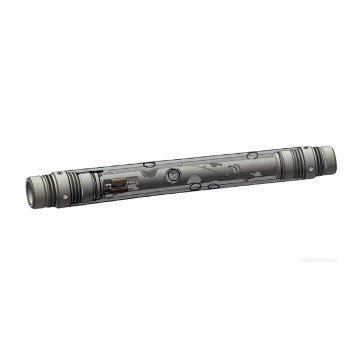
Designed for high-efficiency multi-stage plug-and-perf operations in tight shale formations.
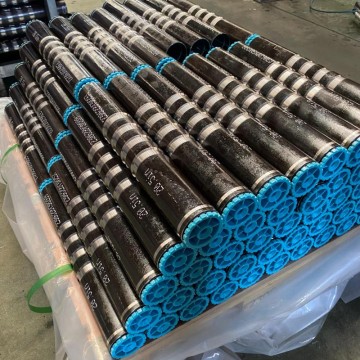
Scallop-free performance allowing multidirectional shooting regardless of the charge tube's angular position.
In the modern oil and gas industry, conventional recovery methods often leave up to 60-70% of hydrocarbons trapped in the reservoir. As global energy demands increase and easily accessible reserves deplete, operators are turning to Enhanced Oil Recovery (EOR) techniques to maximize well productivity. Among the array of intervention and completion technologies, explosive perforating stands as the critical gatekeeper. It establishes the vital flow conduits between the reservoir and the wellbore, bypassing the zone damaged during drilling and cementing.
Explosive perforating utilizes shaped charges to generate extremely high-pressure, high-velocity jets of fluid metal. These jets pierce the steel casing, the surrounding cement sheath, and penetrate deep into the target formation rock. In EOR frameworks—whether chemical flooding, gas injection, or thermal recovery—the quality and geometry of these perforation tunnels directly dictate the sweep efficiency, injection profile, and overall recovery factor of the well.
At the heart of explosive perforating is the Monroe Effect. A shaped charge consists of a conical or hemispherical metal liner (typically made of copper, tungsten, or lead mixtures) backed by high-velocity explosives (such as HMX, RDX, or HNS). Upon detonation, a shockwave travels forward, collapsing the liner from its apex to its base. This collapse generates pressures exceeding several million pounds per square inch (psi), forcing the liner material to behave hydrodynamically as a super-plastic, high-speed jet.
The tip of this metal jet travels at velocities of up to 8,000 meters per second (approx. 18,000 mph). As it impacts the casing and rock, it displaces material laterally, creating a clean tunnel. Understanding this physics is vital for EOR applications. If the jet velocity is inconsistent, or if the liner material forms a "slug" (a solid piece of copper that plugs the tunnel), the resulting perforation will have reduced flow capacity, severely hindering subsequent EOR fluid injection or hydrocarbon production.
Expetro Energy Service Co., Ltd. (FYPE) is a leading manufacturer of downhole perforating systems in China, dedicated to the research, development, and production of shaped charges, perforating guns, and associated accessories for oil and gas completions.
Equipped with state-of-the-art automated production and inspection lines, we deliver over 2.5 million shaped charges and 500,000 meters of perforating guns annually — meeting diverse customer requirements across the global market.
Every stage of our production process strictly adheres to the API Q1 Quality Management System. This unwavering commitment to quality, innovation, and customer satisfaction has established FYPE as a trusted partner in the global energy sector. To date, our products have served customers in 38 countries worldwide and consistently earn positive feedback for performance and reliability.
Enhanced Oil Recovery demands precise control over fluid dynamics within the reservoir. Perforating systems must be customized to align with specific EOR strategies, reservoir characteristics, and wellbore architectures.
In tight shale oil and gas plays, hydraulic fracturing is the primary EOR driver. The Multi-Stage Plug-and-Perf method relies heavily on wireline modular gun systems. Operators isolate zones using composite plugs, lower a gun string, and perforate multiple clusters within a single stage. The precision of these perforations determines the breakdown pressure of the rock. If the entry holes are uneven, fracturing fluid will preferentially enter the easiest path, leaving other clusters unstimulated. High-precision modular gun systems ensure consistent hole sizes and penetration depths, leading to uniform fracture propagation and maximizing the stimulated reservoir volume (SRV).
In horizontal wells, the stress state of the reservoir is highly anisotropic. Perforating in the direction of the maximum horizontal stress minimizes tortuosity—the complex path the fracturing fluid must take from the wellbore to the main fracture. Horizontal Oriented Perforating Guns align shaped charges dynamically using weighted spacers or internal rotating mechanisms. By shooting directly into the preferred fracture plane, operators significantly reduce friction pressure, prevent screen-outs of proppant, and enhance the longevity of the EOR production phase.
Thermal recovery methods, such as Steam-Assisted Gravity Drainage (SAGD) used in heavy oil sands, expose downhole equipment to extreme temperatures (often exceeding 200°C / 392°F). Standard explosives degrade rapidly under these conditions, risking thermal decomposition or premature detonation. High-performance perforating systems for thermal EOR utilize specialized explosives like HNS (Hexanitrostilbene) and ultra-high-strength steel carriers. These guns must maintain structural integrity to ensure precise, clean holes that allow high-temperature steam to distribute evenly into the heavy oil formation, reducing viscosity and enabling gravity-driven recovery.
CO2 injection is one of the fastest-growing EOR methodologies. When CO2 is injected, it dissolves in the oil, swelling it and reducing its viscosity. However, CO2 is highly corrosive when combined with water, forming carbonic acid. Perforating systems used in CO2 EOR injection wells must be engineered with corrosion-resistant alloys (CRAs) and specialized elastomer seals. The perforation tunnels must also be designed to prevent gas channeling, ensuring a uniform front of CO2 sweeps through the reservoir rather than bypassing oil-bearing zones.
Why global operators trust FYPE for high-reliability downhole completion projects.
Our professional inspection team operates under a quality management system certified to API Q1 and ISO 9001 standards, ensuring product reliability and superior performance in every delivery.
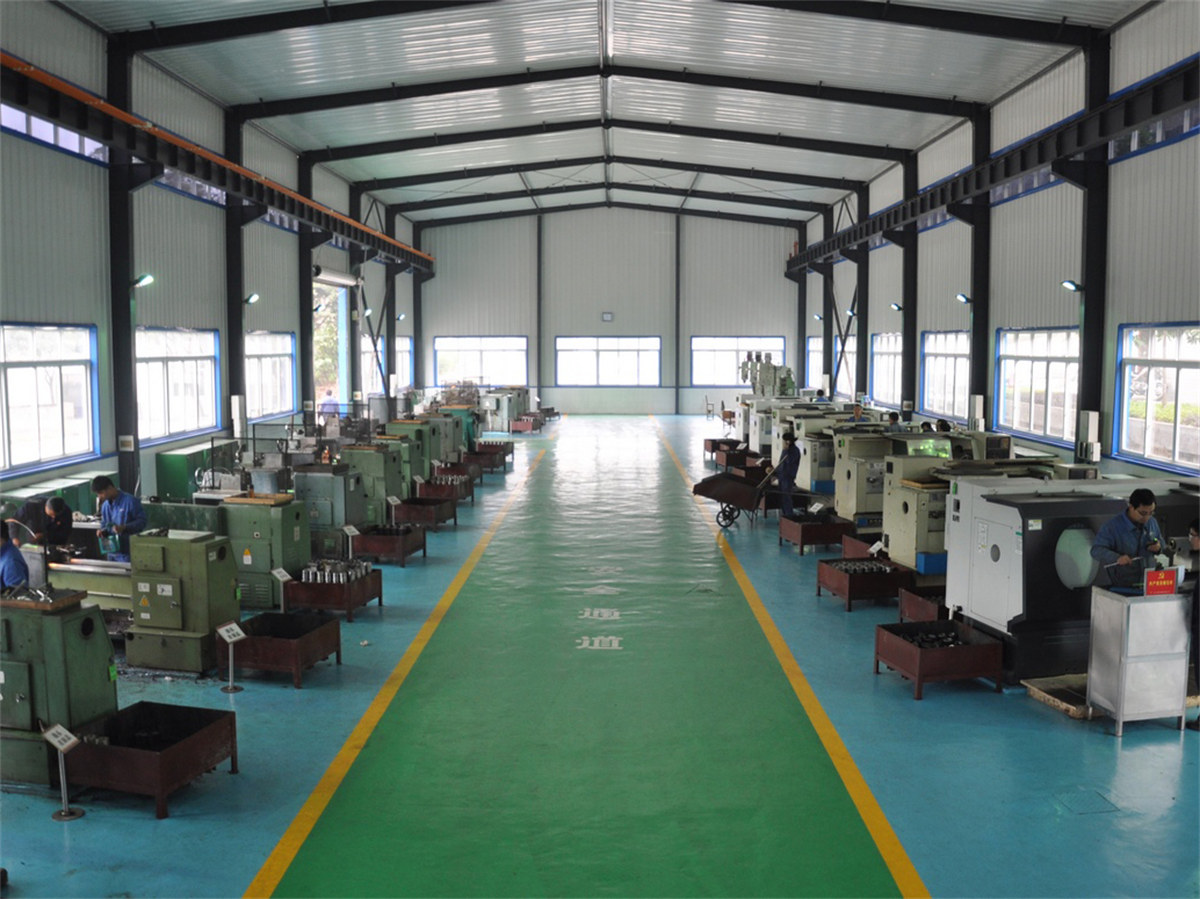
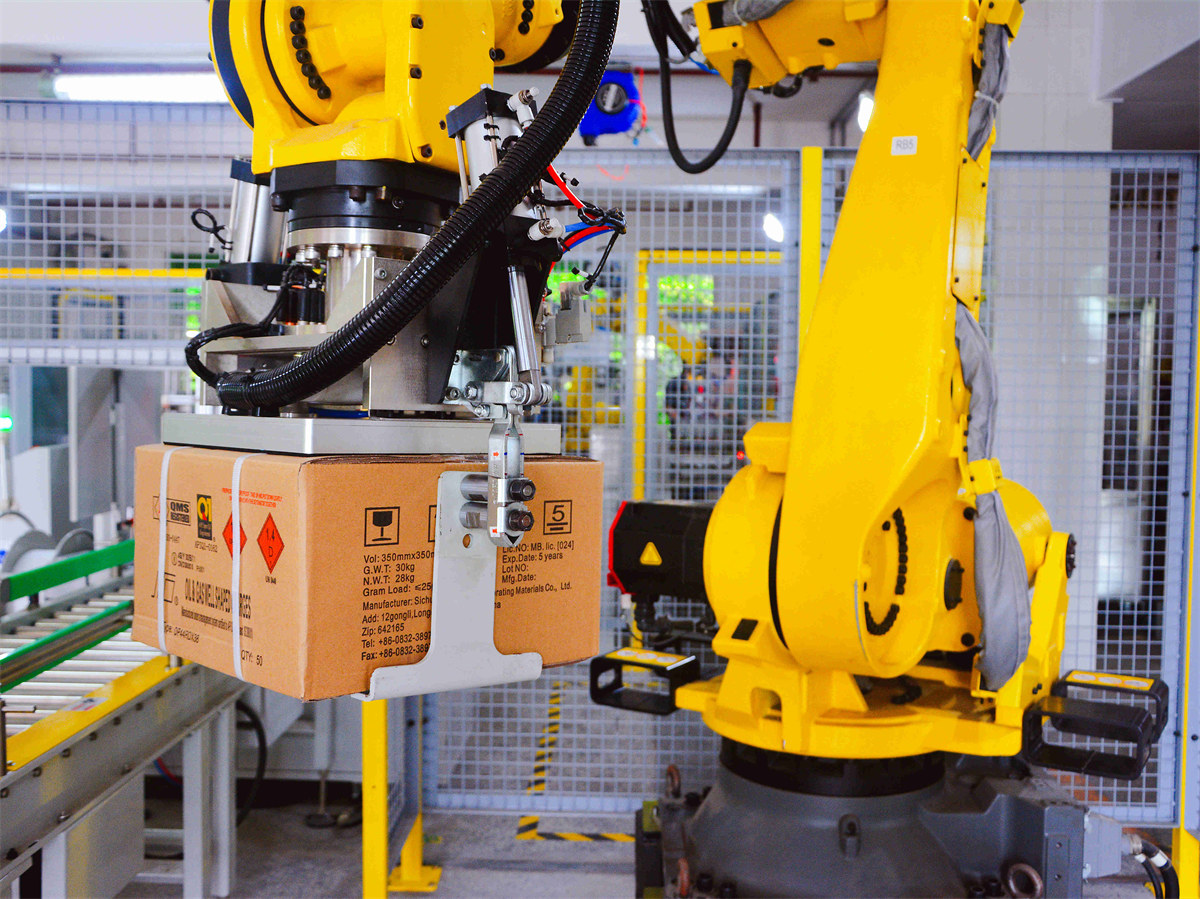
Our automated production lines ensure product consistency and enhance productivity. The daily capacity of shaped charges can reach 10,000. The perforating gun production line can meet the processing of 100+ types with different specifications.
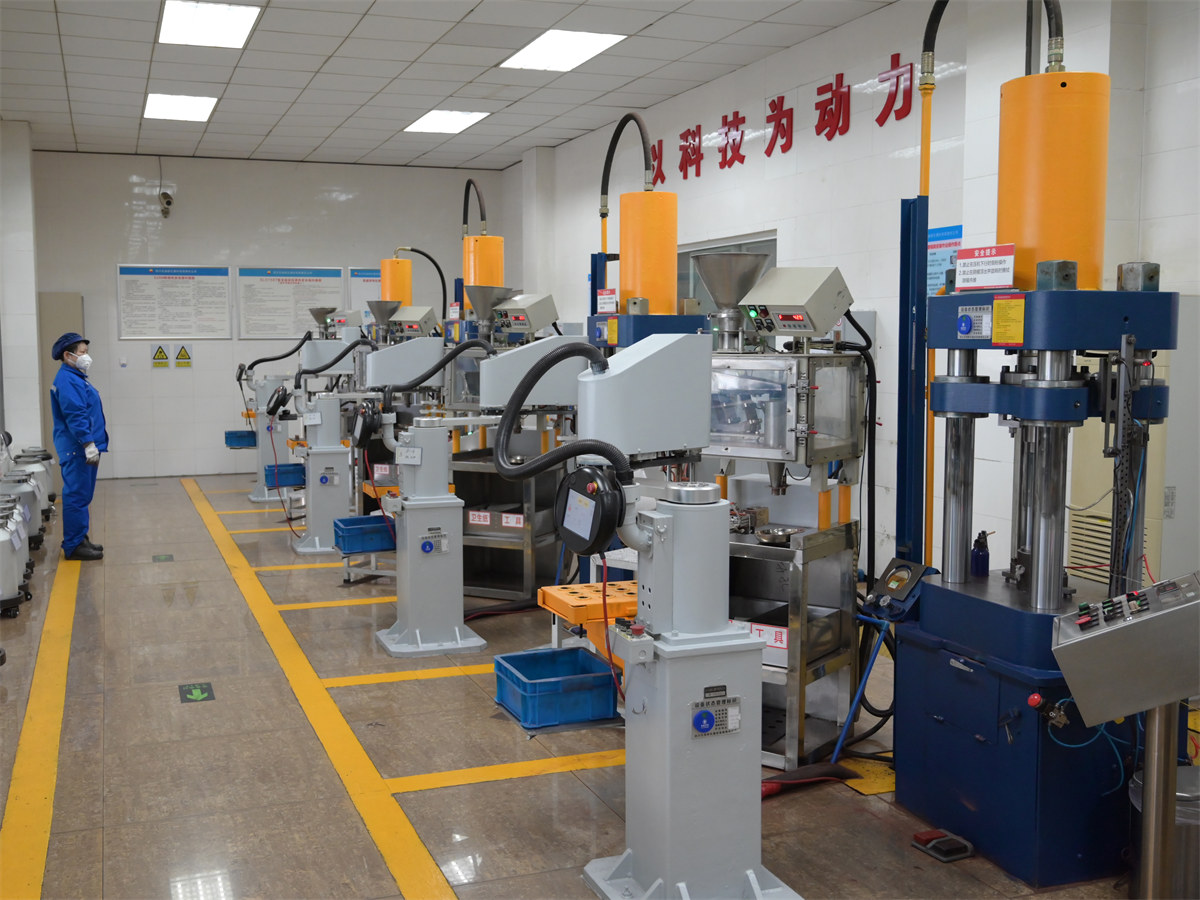
Our lab can carry out real-core target tests in simulated reservoirs, ultimate pressure resistance tests on perforation tools, explosion mechanism tests on shaped charges, and more.
With nearly 20 years of export experience across 38 countries, we deeply understand global market demands and deliver trusted, tailored solutions.
The global market for perforating tools is undergoing rapid evolution. Key drivers include the redevelopment of mature oil fields, deepwater exploration, and the commercialization of unconventional plays. Operators are moving away from commodity-grade perforating equipment toward highly engineered, system-level solutions. The economic stakes are high: a single misrun or failed detonation in a deepwater well can cost upwards of $500,000 in non-productive time (NPT).
Traditional shaped charges leave a significant amount of metal debris, slug, and crushed rock inside the perforation tunnel, creating a "skin effect" that restricts flow. To combat this, manufacturers have developed Self-Cleaning Perforating Systems. These systems utilize a dynamic underbalance design or specialized reactive liners. Upon detonation, the charge creates a secondary reaction that gasifies the liner debris and draws the crushed rock out of the tunnel, leaving a clean, unobstructed flow path. Commercially, this reduces the need for expensive acidizing treatments post-perforation, significantly lowering completion costs.
For EOR methods requiring high-volume fluid injection, such as waterflooding or polymer flooding, standard shot densities (typically 4 to 6 shots per foot) are often insufficient. Coaxial Radial Perforating Guns allow for ultra-high shot densities (up to 12 or 18 shots per foot) in a helical pattern. This maximizes the open area for injection, reducing the injection pressure and preventing localized fracturing near the wellbore, which could lead to premature water breakthrough.
The future of perforating lies in its integration with digital oilfield technologies. Real-time casing collar locators (CCL) and pressure-temperature sensors integrated into the wireline string allow operators to correlate depth with centimeter-level accuracy. This ensures that the shaped charges detonate exactly within the sweet spot of the reservoir, avoiding clay-rich zones or water-bearing intervals. Additionally, the development of electronic smart-firing systems prevents accidental surface detonations, radically improving safety standards on the rig floor.
To date, our products have served customers in 38 countries worldwide and consistently earn positive feedback for performance and reliability.
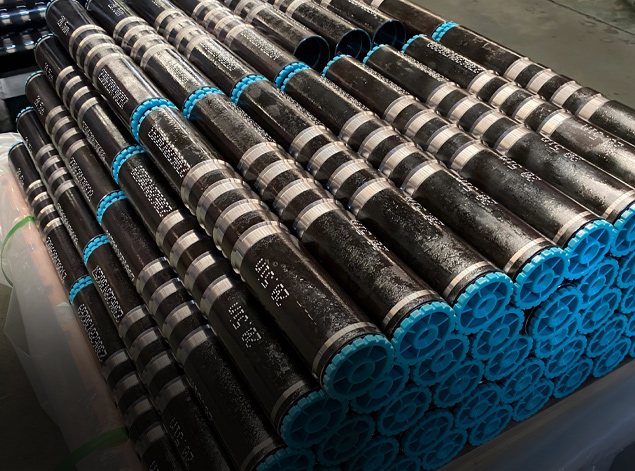
Instead of scallops, it can shoot regardless of the charge tube's angular position.
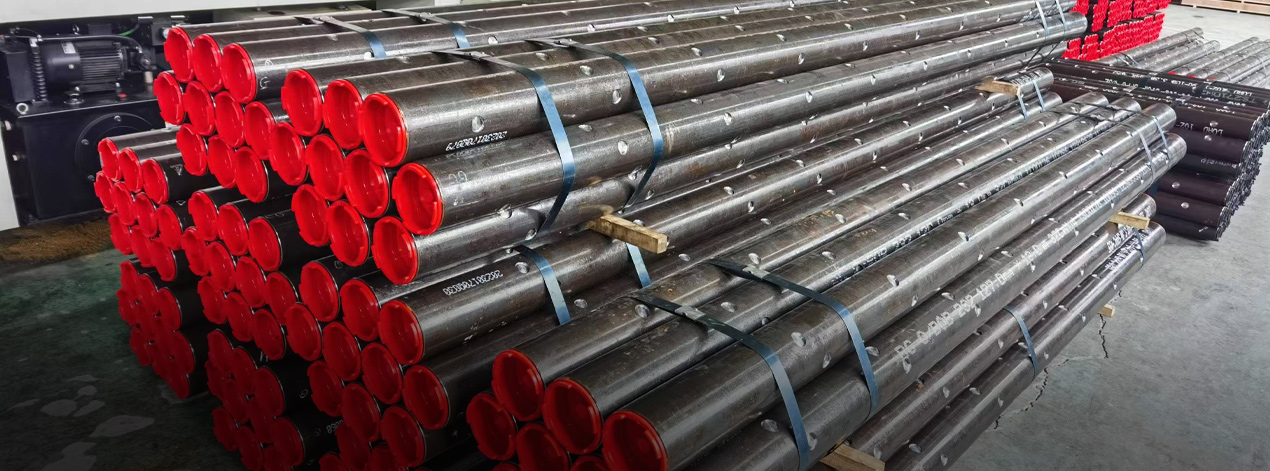
Provides deep penetration and high shot density for challenging formations.
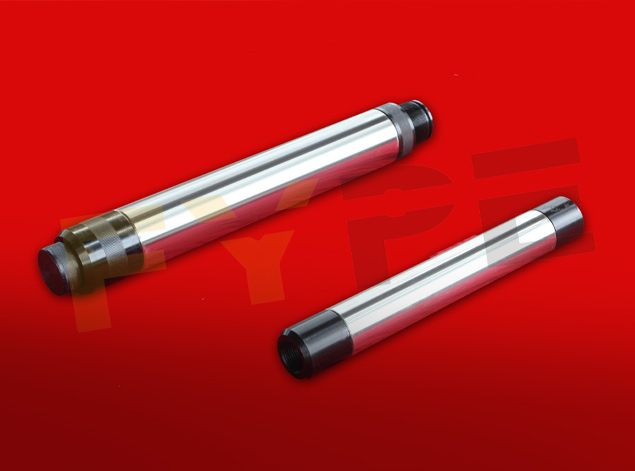
Detects casing collars for precise depth correlation in wells prior to firing.
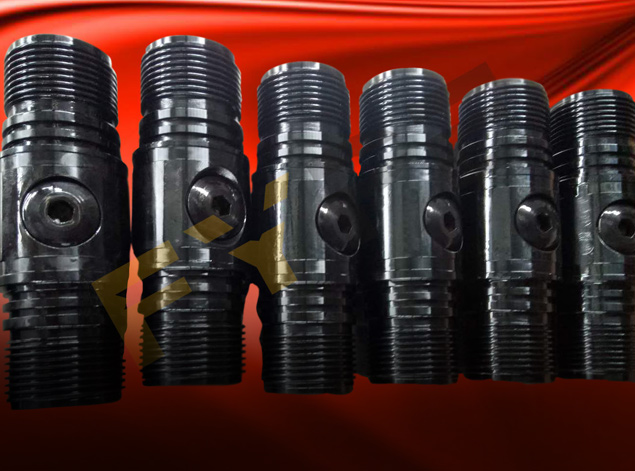
Connecting components designed to join multiple gun sections securely.
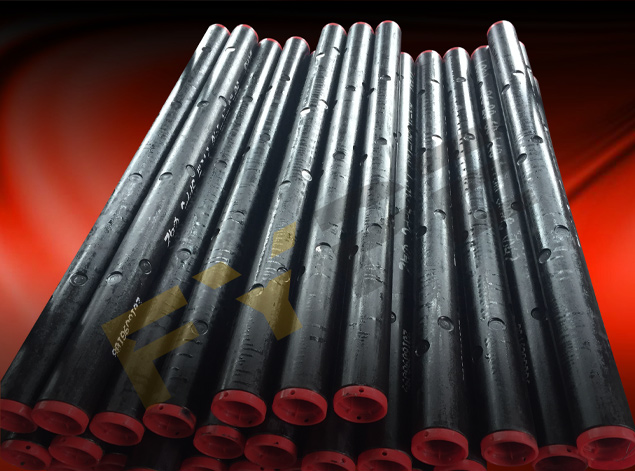
Designed for compact spaces, restricted access, and limited depth perforation.
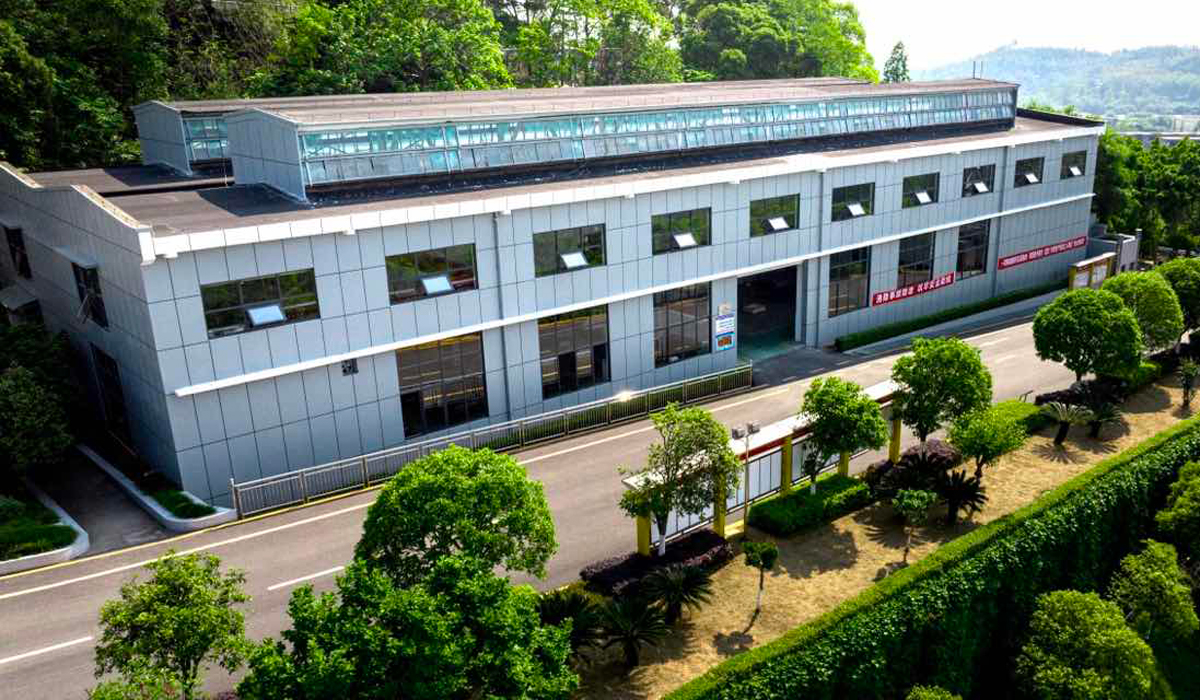
Inside FYPE's advanced manufacturing and testing facility in China.
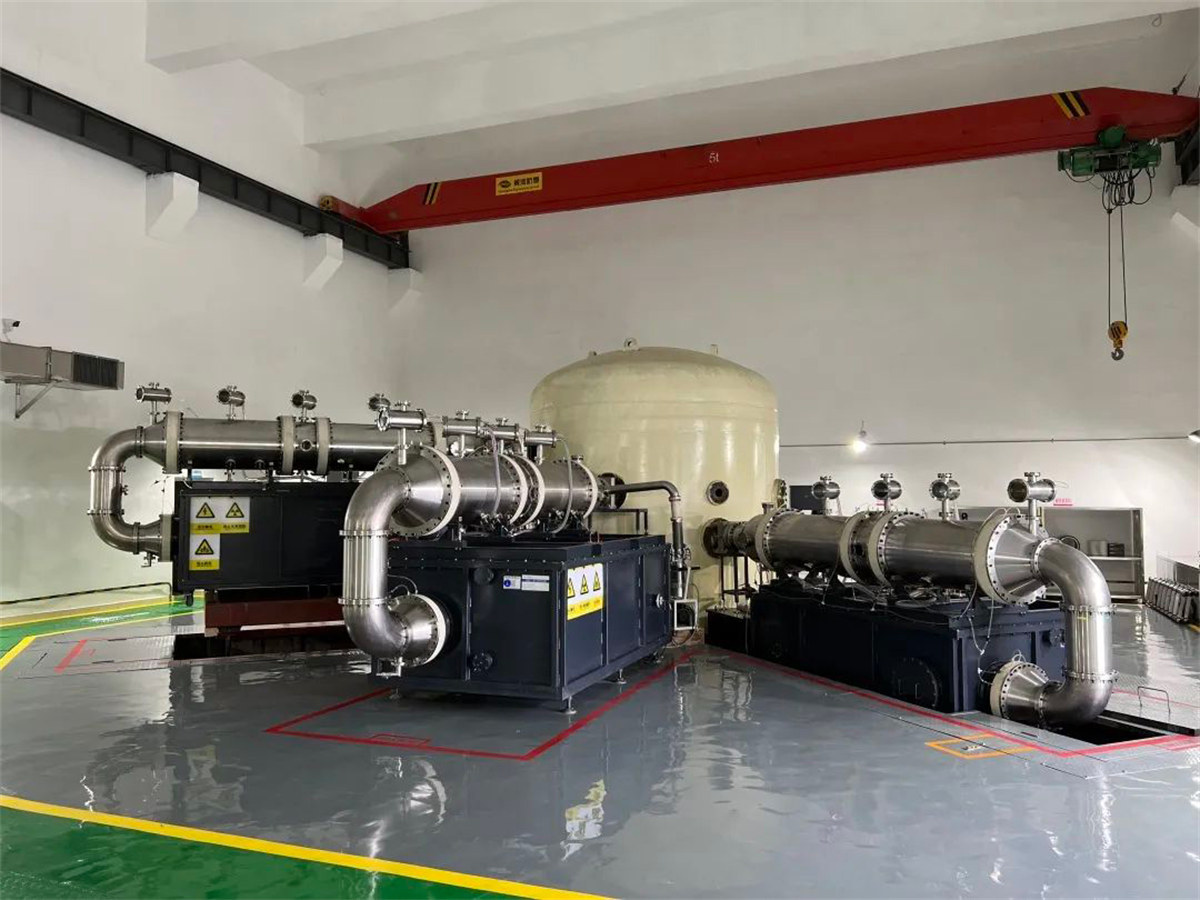
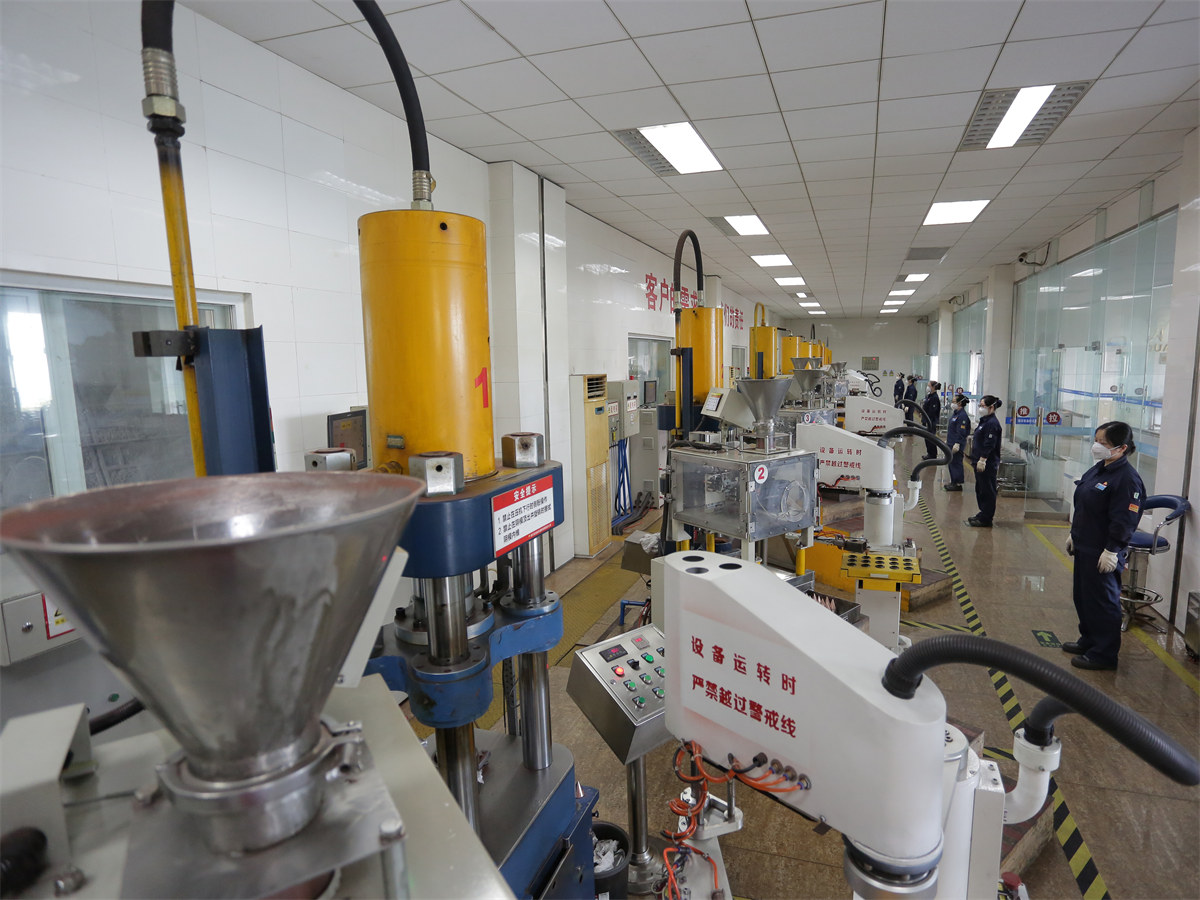
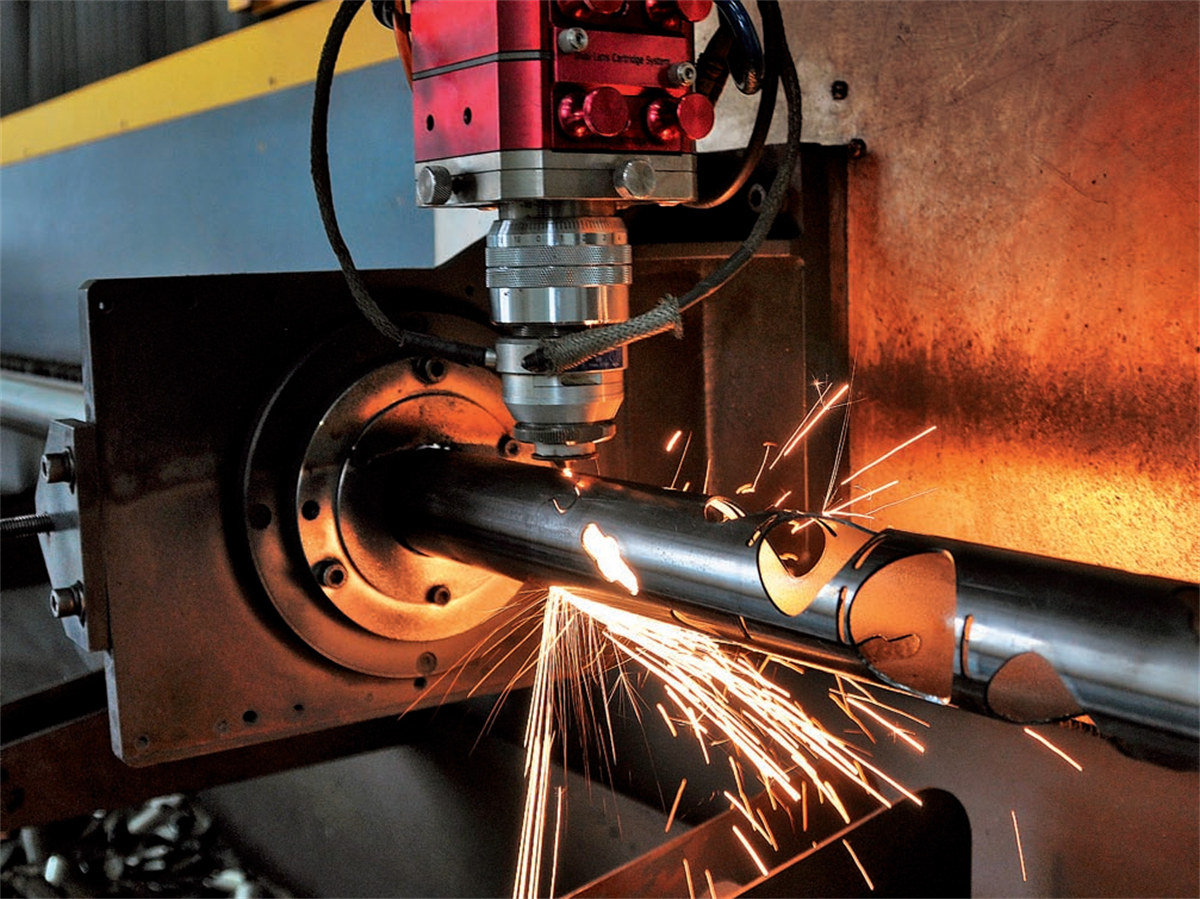
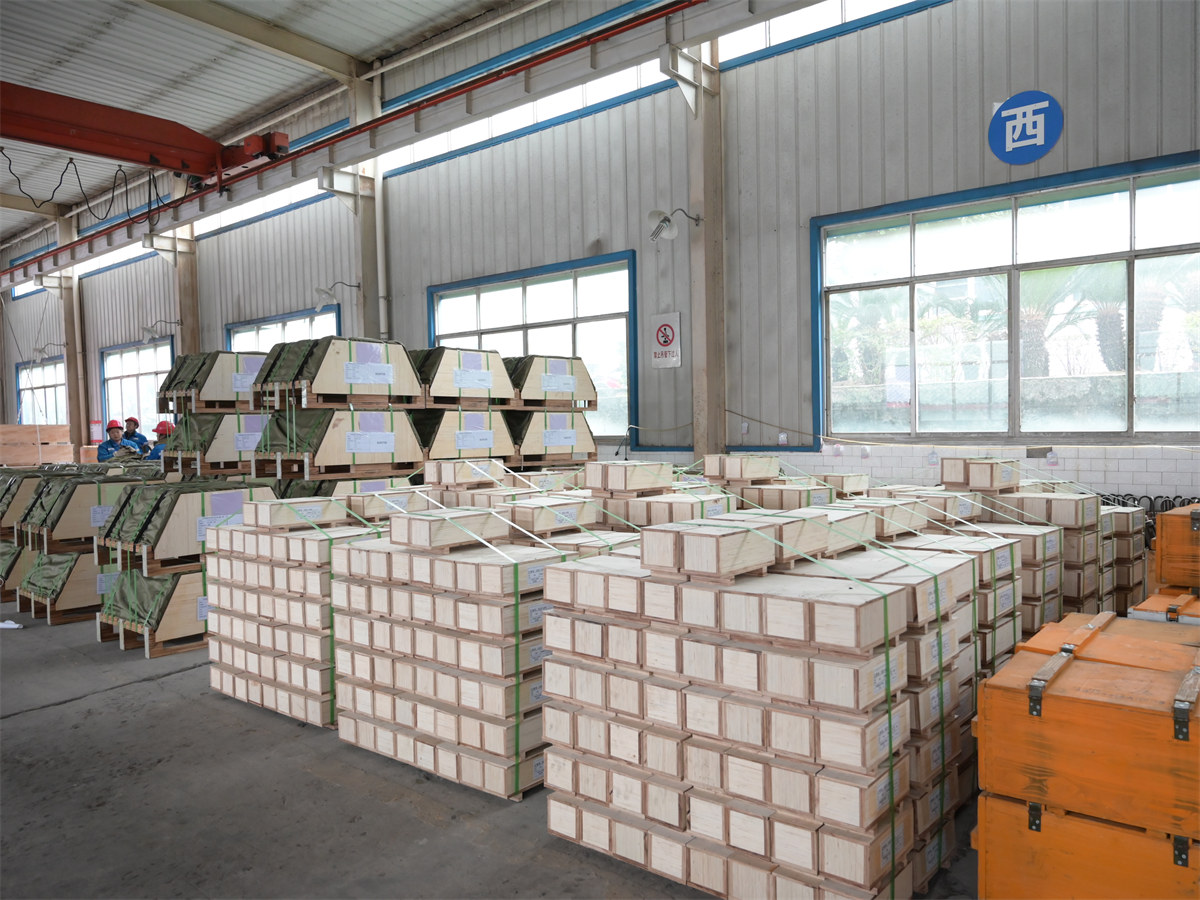
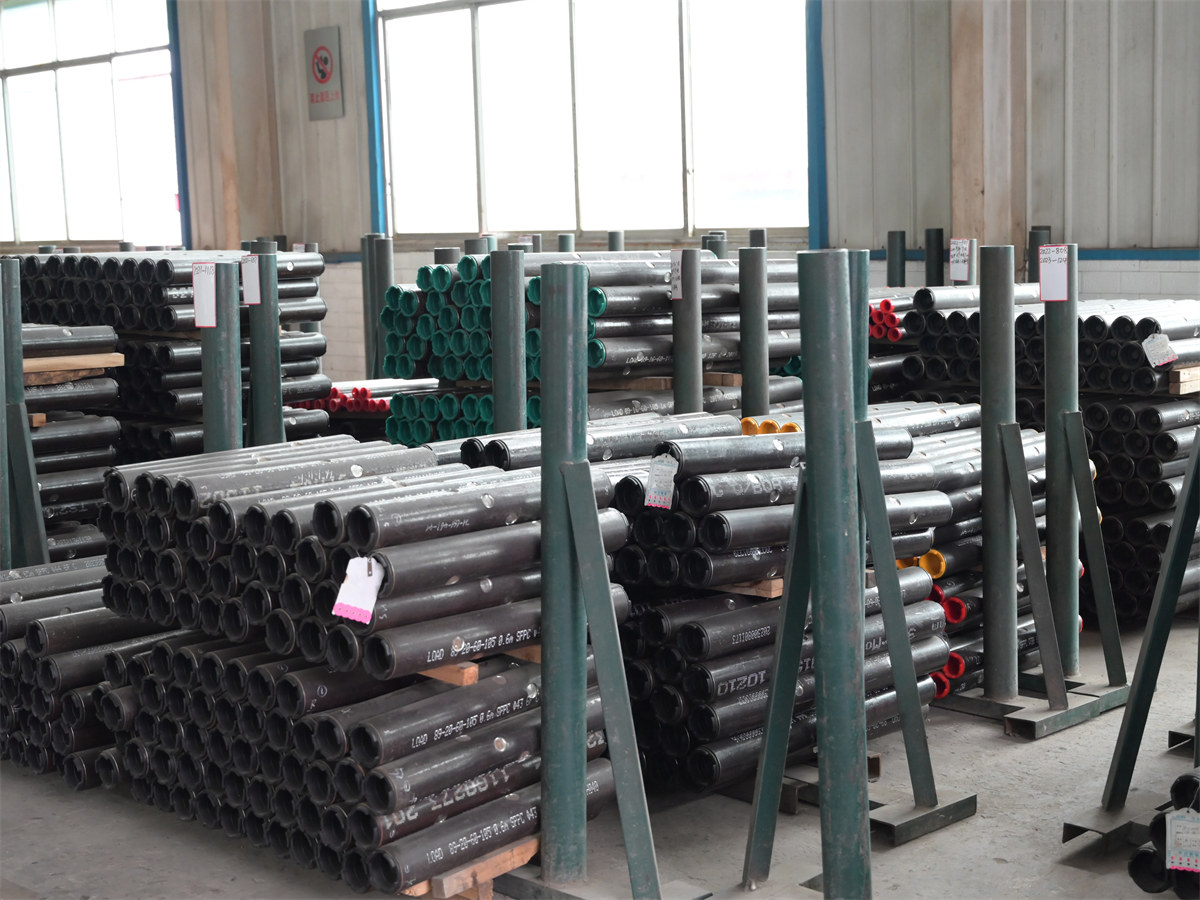
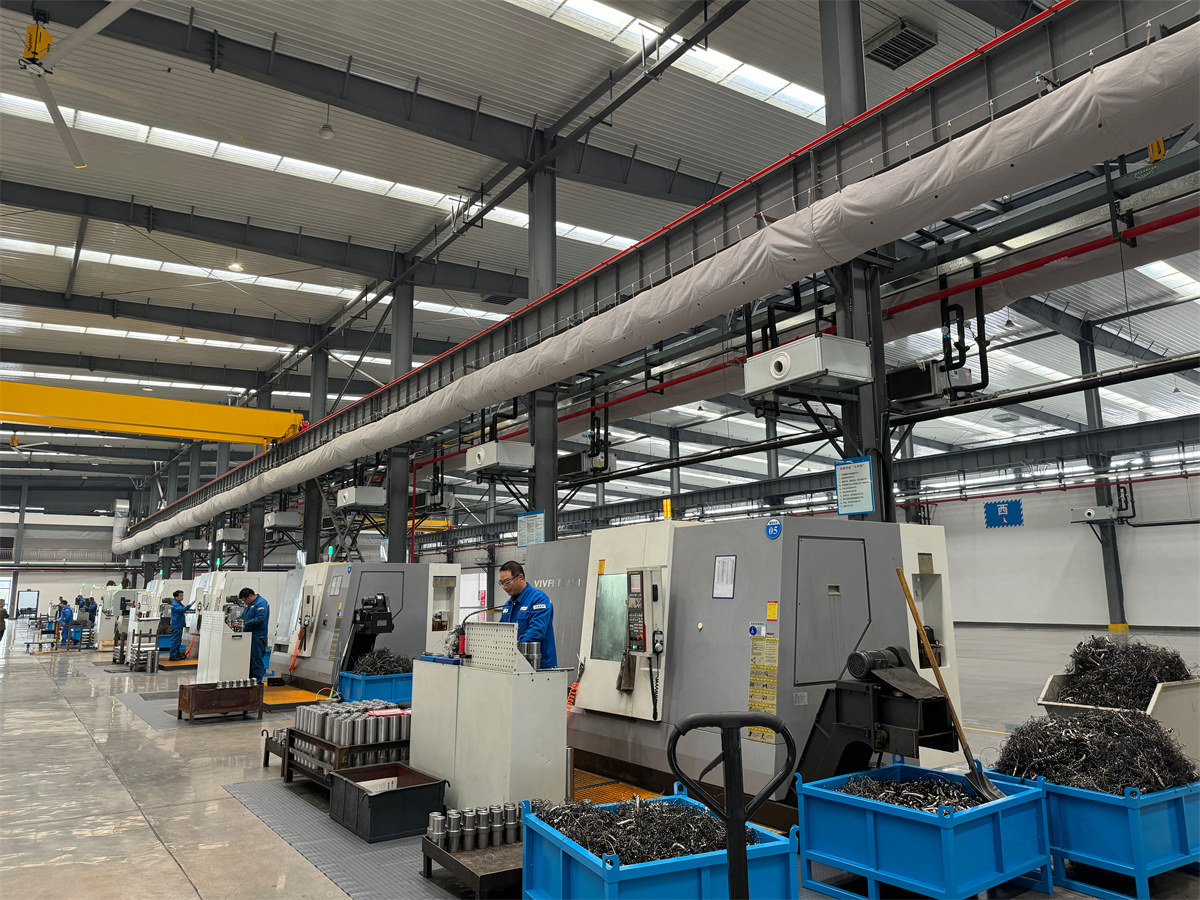
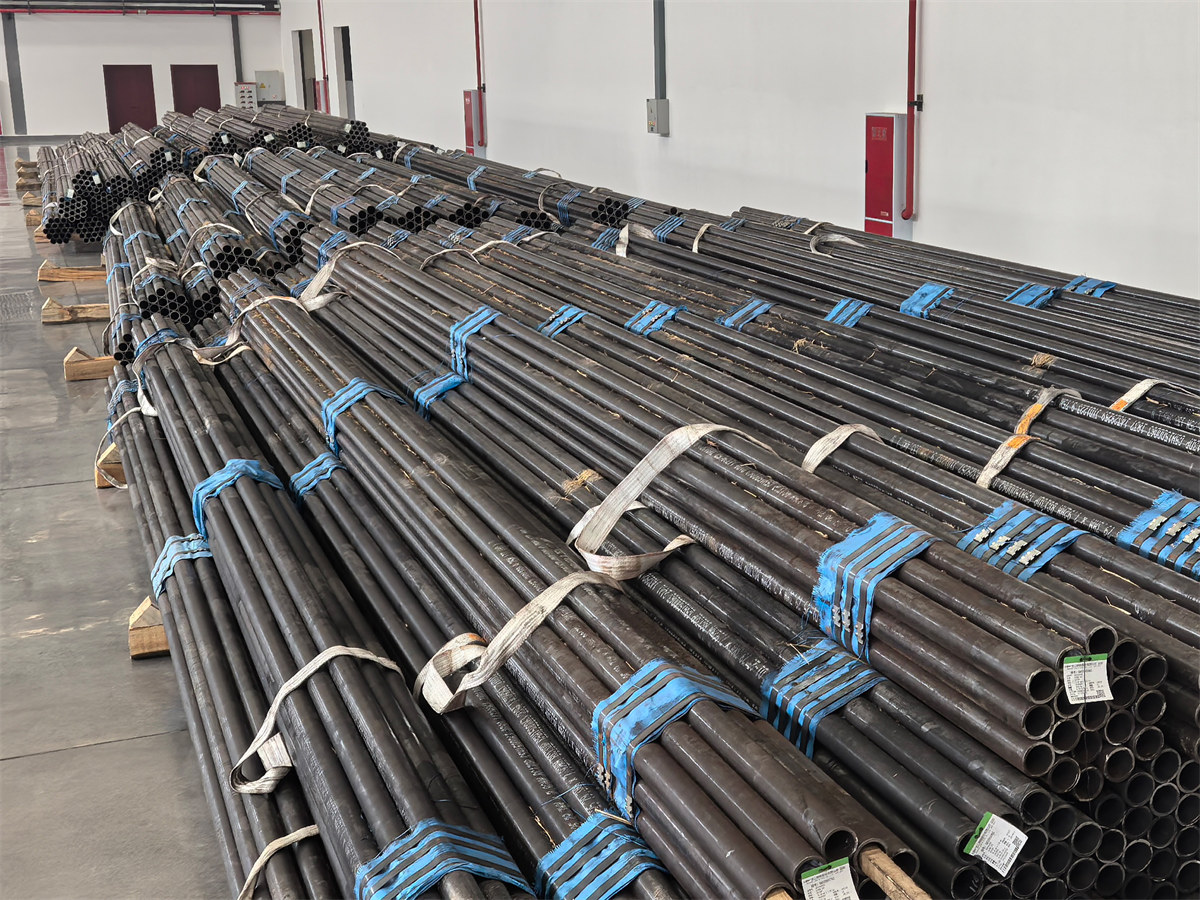
At FYPE, we believe every well deserves precision, reliability, and excellence. Whether you require high-performance perforating tools or dependable technical support, we are your trusted partner in the oil and gas industry.
Inquiry Now
Explore our full line of API-certified guns, charges, and completion accessories.
Premium connection components designed to withstand intense dynamic downhole shock loads.
Engineered for precise fluid distribution in multi-stage horizontal fracturing operations.
High-efficiency modular design reducing assembly times and minimizing downhole operational risk.
Advanced scallop-free carrier tubing providing excellent orientation and hole consistency.
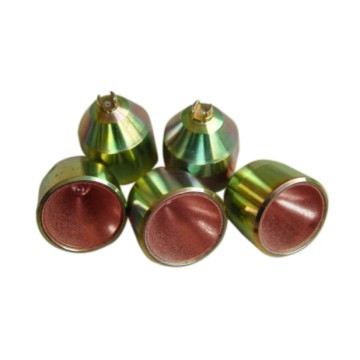
Advanced factory technology designed to generate dynamic underbalance and remove tunnel debris.
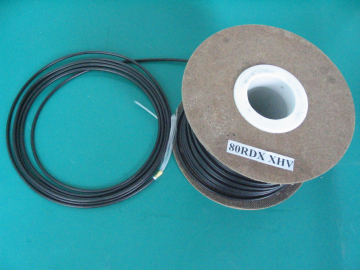
High-reliability explosive cord ensuring synchronous detonation across long gun assemblies.
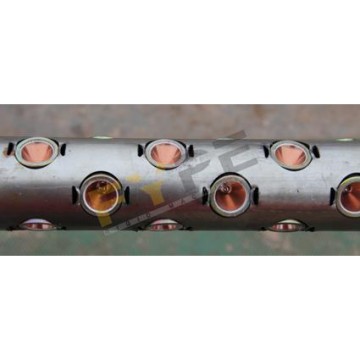
High-density solutions offering maximum reservoir contact area for waterflooding injection wells.
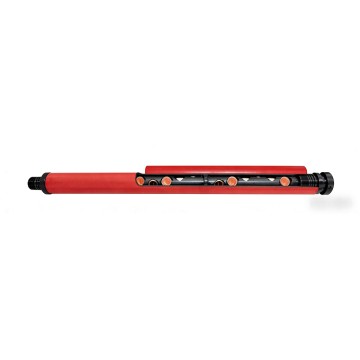
Precision-engineered factory solutions ensuring perforation orientation matches reservoir stress field.