 +86-15829394411
Leave Your Message
-
Contact WhatsApp
-
 Contact Phone
-
 Contact Email
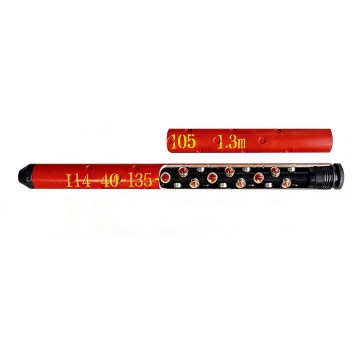
Precision-engineered perforating tools designed to optimize fracture initiation and accurate formation pressure data acquisition.
Fracture perforating for formation pressure testing is a specialized downhole technique that combines precision perforation with controlled fracture initiation to accurately evaluate reservoir pressure, permeability, and fluid flow characteristics. This methodology has become an indispensable component of modern well completion and reservoir management strategies across the global oil and gas industry.
Unlike conventional perforating operations, fracture perforating is engineered to create highly controlled entry points into the formation, enabling engineers to conduct formation integrity tests (FIT), leak-off tests (LOT), and extended leak-off tests (XLOT) with significantly improved accuracy. By optimizing perforation geometry, shot density, phasing angle, and charge penetration depth, operators can minimize near-wellbore damage while maximizing the quality of pressure data collected during testing.
The technique bridges two critical oilfield disciplines — perforation engineering and pressure transient analysis — creating a synergistic workflow that delivers actionable reservoir intelligence from the very first moments of well production or testing.
The global market for formation pressure testing services and associated perforating equipment has experienced robust growth over the past decade. According to industry estimates, the downhole tools market — encompassing perforating systems, pressure gauges, and testing assemblies — is projected to surpass USD 8 billion by 2027, driven by increasing deepwater exploration, unconventional resource development, and the push for higher recovery rates from mature fields.
Key market drivers include:
China has emerged as a dominant manufacturing hub for perforating systems, with companies like Expetro Energy Service Co., Ltd. (FYPE) supplying high-quality, API-certified tools to operators in 38 countries. The competitive advantage of Chinese manufacturers lies in their ability to combine advanced metallurgy, automated production lines, and rigorous quality management at scale — delivering world-class products at competitive price points.
The quality of formation pressure test data is fundamentally linked to the quality of the perforations created. Poorly designed perforations introduce skin damage, near-wellbore turbulence, and flow heterogeneity that distort pressure transient signals and lead to misinterpretation of reservoir properties. Fracture perforating addresses these challenges through several engineering innovations:
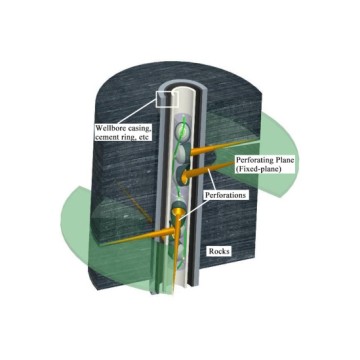
Constant plane perforating systems ensure that all shaped charges fire in a single geometric plane, creating aligned perforation tunnels that promote planar fracture propagation during pressure testing. This geometric consistency is essential for accurate stress measurement and fracture closure pressure determination.
High-density deep penetration charges bypass the compacted, damaged zone immediately surrounding the wellbore — known as the crushed zone — and establish direct hydraulic communication with the undisturbed formation. This dramatically improves the accuracy of reservoir pressure measurements and reduces the impact of near-wellbore skin effects on test interpretation.
Strategic selection of shots per foot (SPF) and phasing angle (typically 60°, 90°, or 120°) allows engineers to control the stress distribution around the wellbore, influencing where fractures initiate and propagate. For formation pressure testing, lower shot densities with optimized phasing are often preferred to create dominant fracture pathways that yield cleaner pressure responses.
Modern pressure gun release devices enable the perforating assembly to be automatically retrieved after firing, triggered by a pre-set pressure threshold. This eliminates the need for mechanical intervention, reduces wellbore risk, and allows seamless transition from perforating to pressure testing operations within a single trip.
In high-pressure high-temperature environments, fracture perforating tools must withstand extreme downhole conditions while delivering precise perforation geometry. FYPE's tools are rated for HPHT service, enabling reliable formation pressure testing in challenging deep reservoirs where conventional equipment fails.
In shale plays, fracture perforating is used to create perforation clusters that serve as initiation points for multi-stage hydraulic fracturing. Accurate formation pressure data collected during diagnostic fracture injection tests (DFIT) directly informs fracture design, spacing, and stimulation fluid selection.
Deepwater wells demand ultra-reliable perforating systems capable of operating under extreme hydrostatic pressures. Fracture perforating combined with wireline formation testing (WFT) enables operators to build comprehensive pressure-depth profiles across multiple reservoir intervals in a single run, significantly reducing rig time and cost.
Formation integrity tests (FIT) and leak-off tests (LOT) conducted immediately after casing cementing rely on precise perforation of the formation to establish a controlled test interval. Fracture perforating ensures reproducible test conditions, enabling accurate determination of the maximum allowable wellbore pressure and casing shoe strength.
By analyzing fracture closure pressures derived from pressure testing data, geomechanical engineers can map the minimum horizontal stress field across a reservoir interval. This information is critical for optimizing hydraulic fracture orientation, predicting fault reactivation risk, and designing injection programs for enhanced oil recovery (EOR) or carbon storage projects.
As the energy industry transitions toward lower-carbon operations, fracture perforating for formation pressure testing is finding new applications in CCS site characterization. Accurate caprock integrity assessment and reservoir injectivity testing — both relying on controlled fracture pressure testing — are essential steps in qualifying geological storage sites for CO₂ injection.
Next-generation perforating guns are being integrated with downhole sensor packages capable of transmitting real-time pressure, temperature, and shock data to surface during firing. This enables immediate post-shot analysis and reduces the time required to initiate pressure testing after perforation.
Machine learning algorithms are being applied to vast datasets of perforation performance and pressure test results, enabling automated optimization of charge selection, phasing, and shot density for specific reservoir conditions. This reduces engineering time and improves first-attempt success rates.
Environmental regulations are driving research into greener explosive materials for shaped charges that maintain performance while reducing toxic byproducts. New RDX-free and insensitive munitions (IM) formulations are entering field trials, targeting markets with stringent environmental compliance requirements.
The industry is moving toward fully integrated single-trip systems that combine perforating, pressure testing, and fluid sampling in one downhole assembly. This approach dramatically reduces well intervention costs and minimizes formation damage associated with multiple trips.
New high-strength alloy steel compositions and surface treatment technologies are extending the operating envelopes of perforating gun bodies, enabling reliable performance at temperatures exceeding 200°C and pressures above 20,000 psi — unlocking previously inaccessible ultra-deep reservoirs.
Digital twin technology is enabling manufacturers to simulate the entire perforation and fracture initiation process in a virtual environment before field deployment. This reduces development cycles, improves tool reliability, and allows customization for specific reservoir geomechanical conditions.

Expetro Energy Service Co., Ltd. (FYPE) is a leading manufacturer of downhole perforating systems in China, dedicated to the research, development, and production of shaped charges, perforating guns, and associated accessories for oil and gas completions.
Equipped with state-of-the-art automated production and inspection lines, we deliver over 2.5 million shaped charges and 500,000 meters of perforating guns annually — meeting diverse customer requirements across the global market.
Every stage of our production process strictly adheres to the API Q1 Quality Management System. This unwavering commitment to quality, innovation, and customer satisfaction has established FYPE as a trusted partner in the global energy sector.
World-class manufacturing capabilities combined with rigorous quality standards and global expertise.
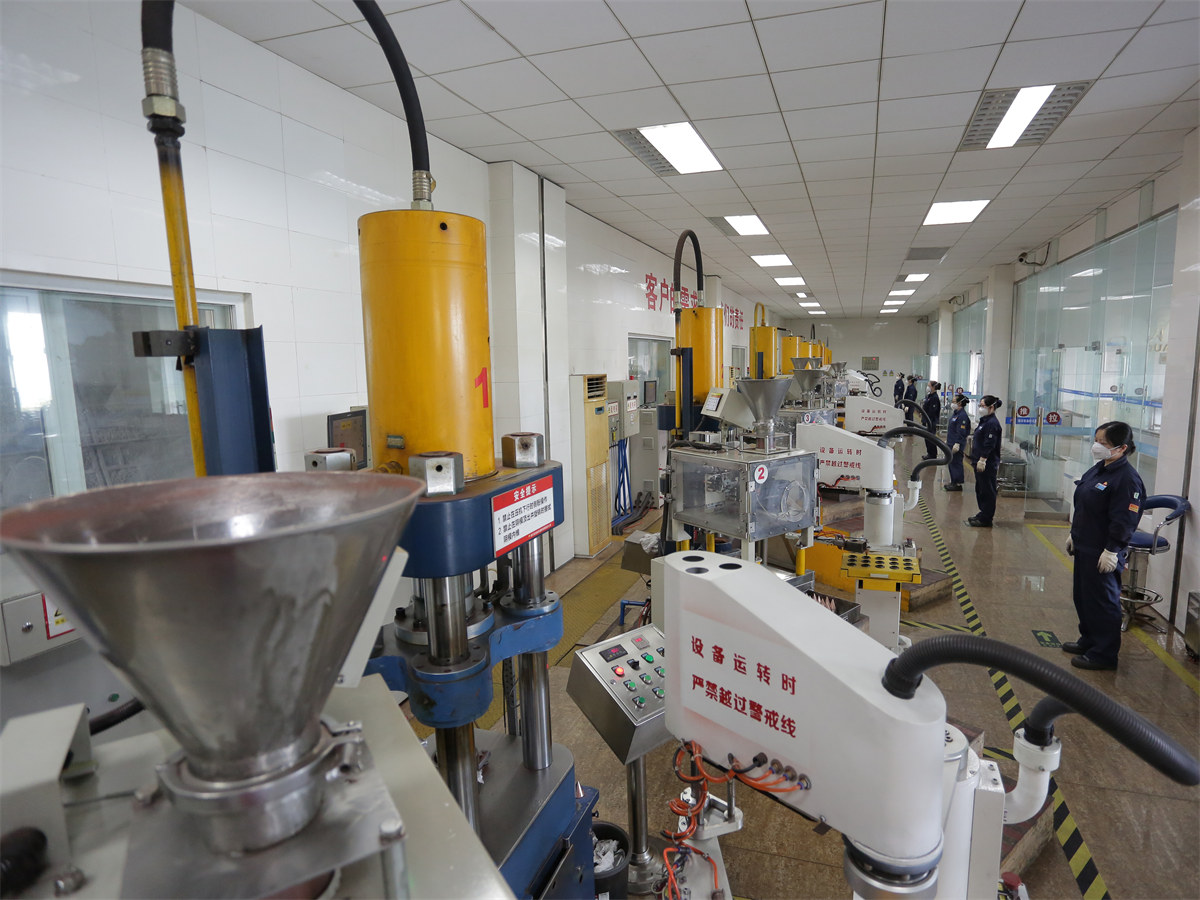
Our professional inspection team operates under a quality management system certified to API Q1 and ISO 9001 standards, ensuring product reliability and superior performance in every delivery.
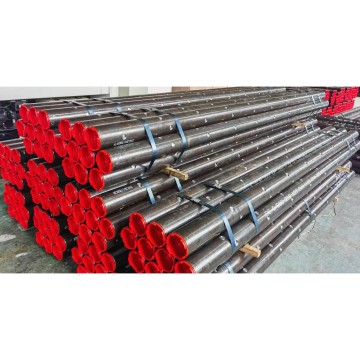
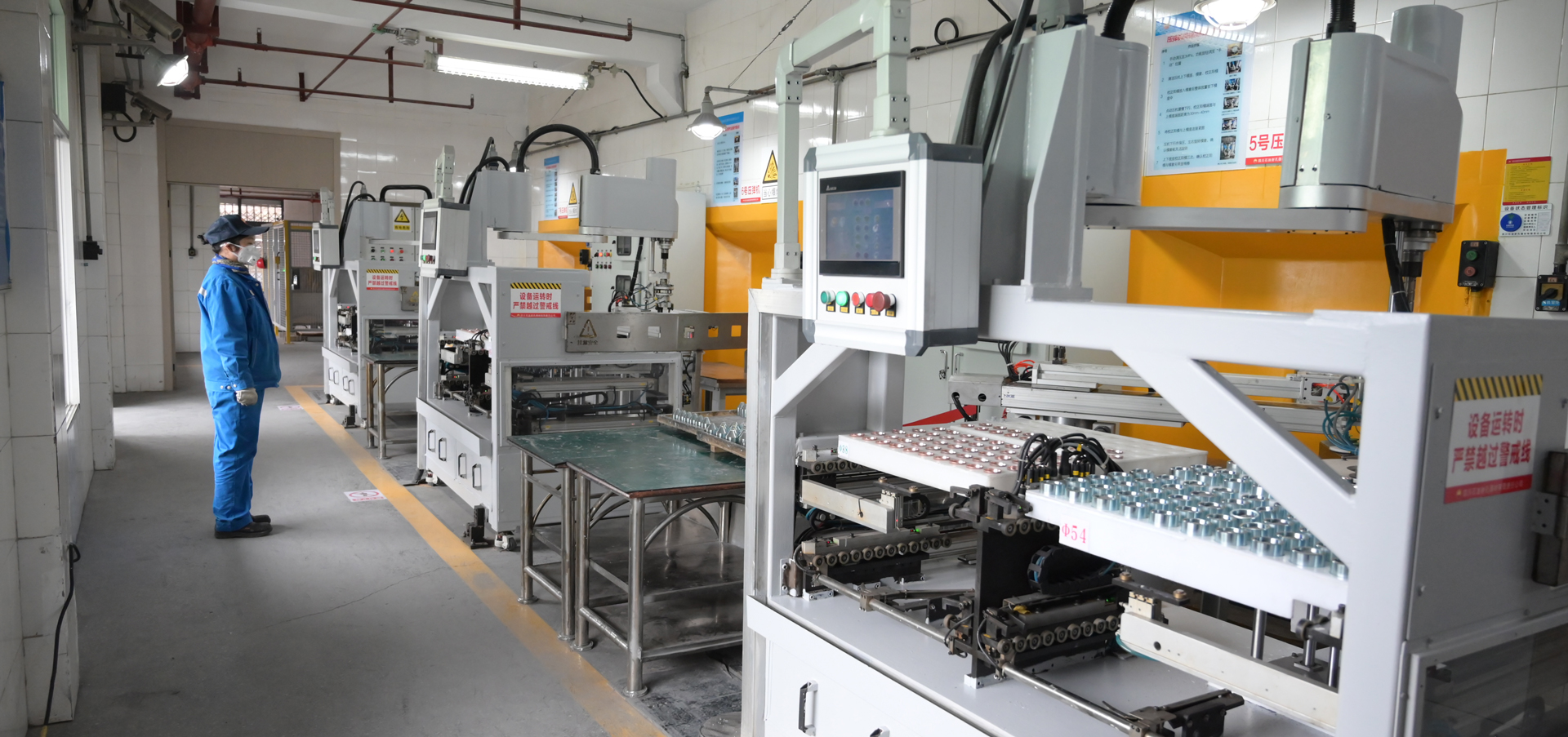
Our automated production lines ensure product consistency and enhance productivity. Daily capacity of shaped charges can reach 10,000. The perforating gun production line can meet the processing of 100+ types with different specifications.
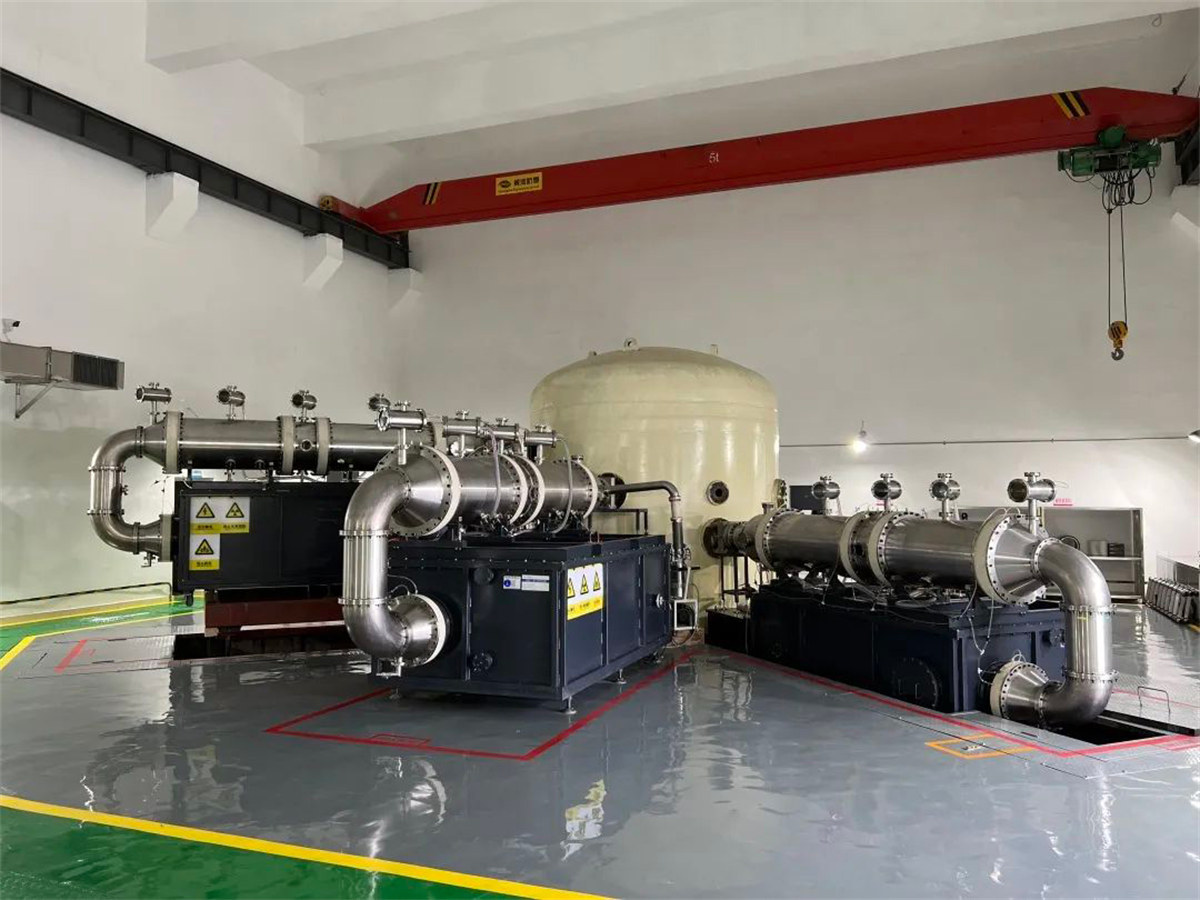
Our lab carries out real-core target tests in simulated reservoirs, ultimate pressure resistance tests on perforation tools, and explosion mechanism tests on shaped charges.
With nearly 20 years of export experience across 38 countries, we deeply understand global market demands and deliver trusted, tailored solutions for fracture perforating applications worldwide.
From research and development to global deployment, our capabilities span the full lifecycle of perforating system delivery.
Our advanced laboratory conducts actual rock core penetration tests under simulated reservoir conditions, validating shaped charge performance for fracture perforating applications before field deployment.
Every perforating gun assembly undergoes hydrostatic pressure testing to validate structural integrity under worst-case downhole conditions, including HPHT environments encountered in deep formation pressure testing operations.
Our R&D team conducts fundamental research into the hydrodynamic jet formation mechanism of shaped charges, enabling continuous improvement in penetration depth, tunnel diameter, and debris control for cleaner perforation tunnels.
Working closely with customers, our engineering team provides customized perforation design services — selecting optimal charge types, gun configurations, and deployment methods tailored to specific formation pressure testing objectives.
Our international technical support network ensures that customers in all 38 served countries receive timely assistance, from pre-job planning and tool selection to post-job data analysis and lessons-learned reviews.
State-of-the-art manufacturing facilities producing world-class fracture perforating systems for global oil & gas operations.
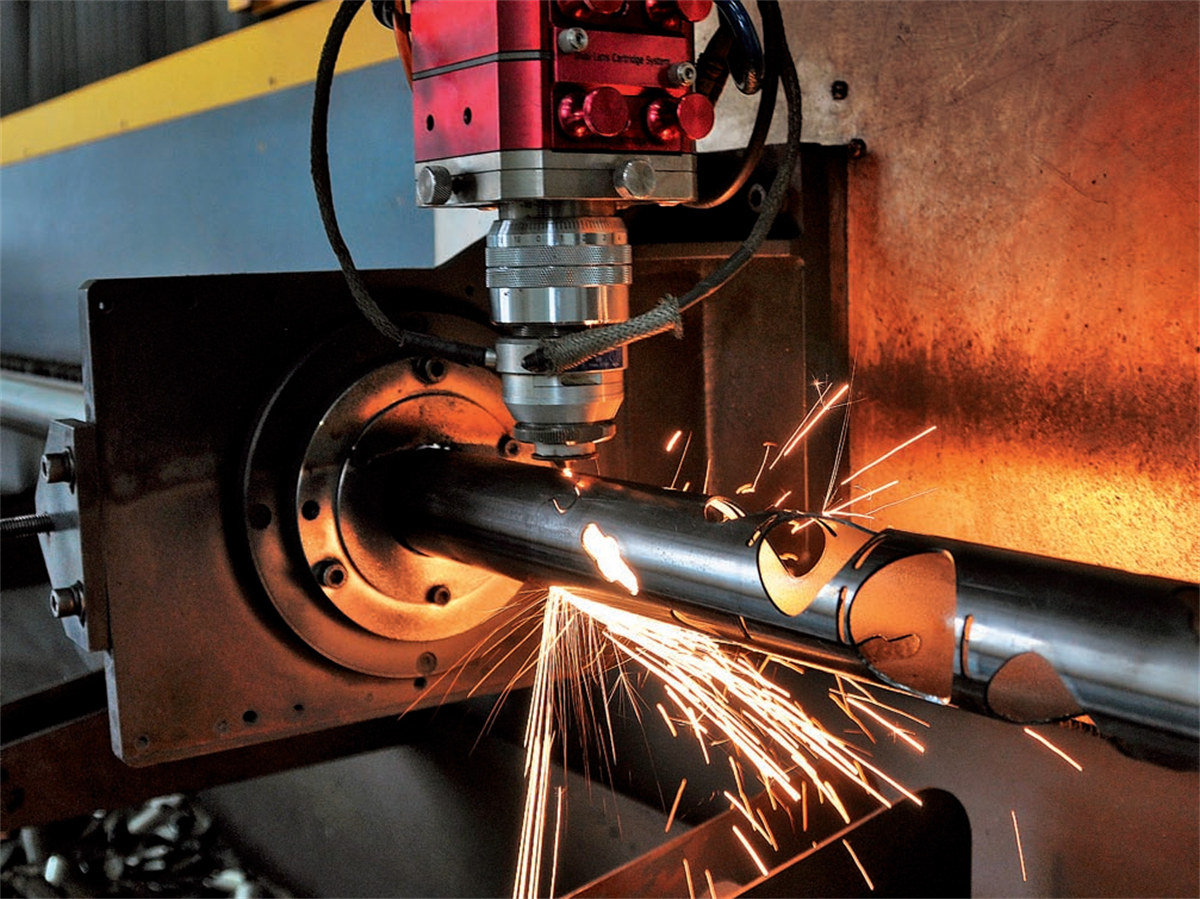
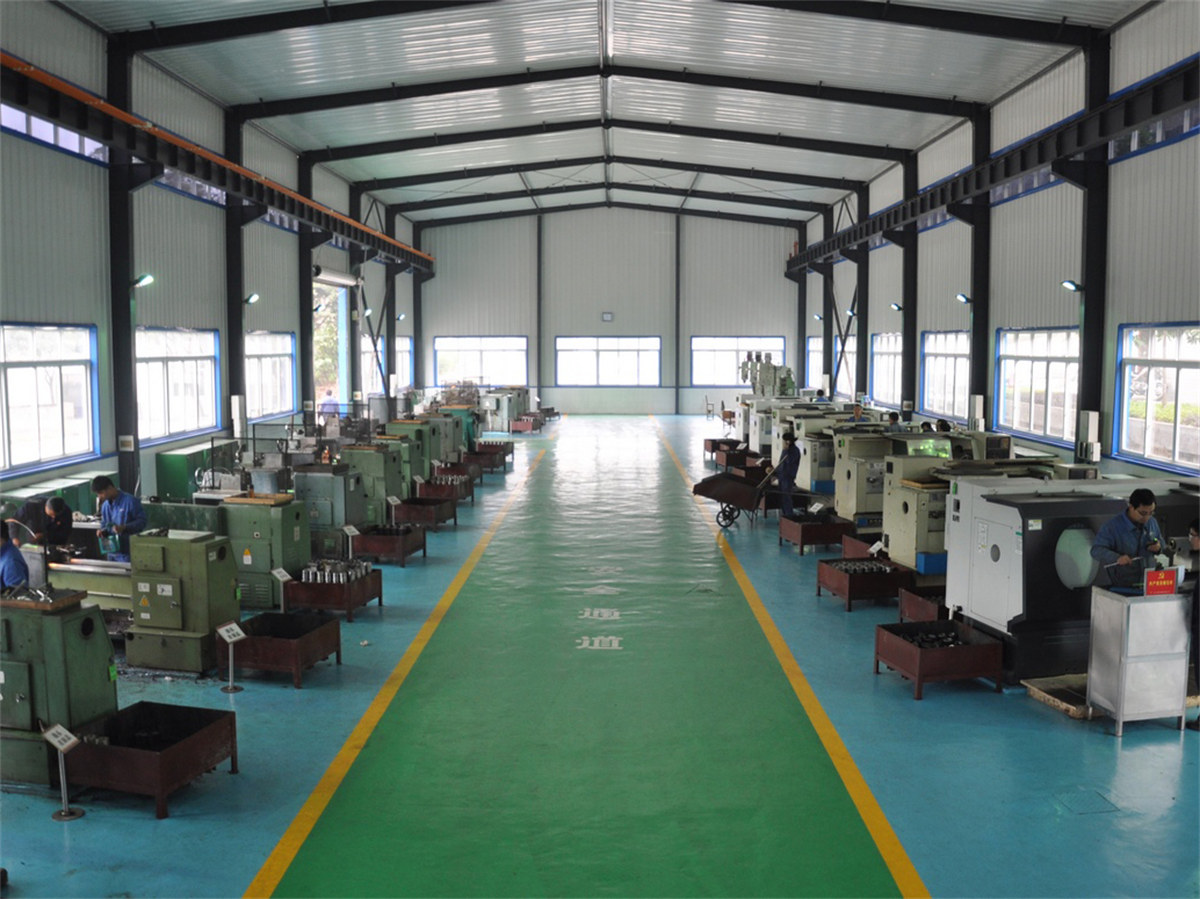
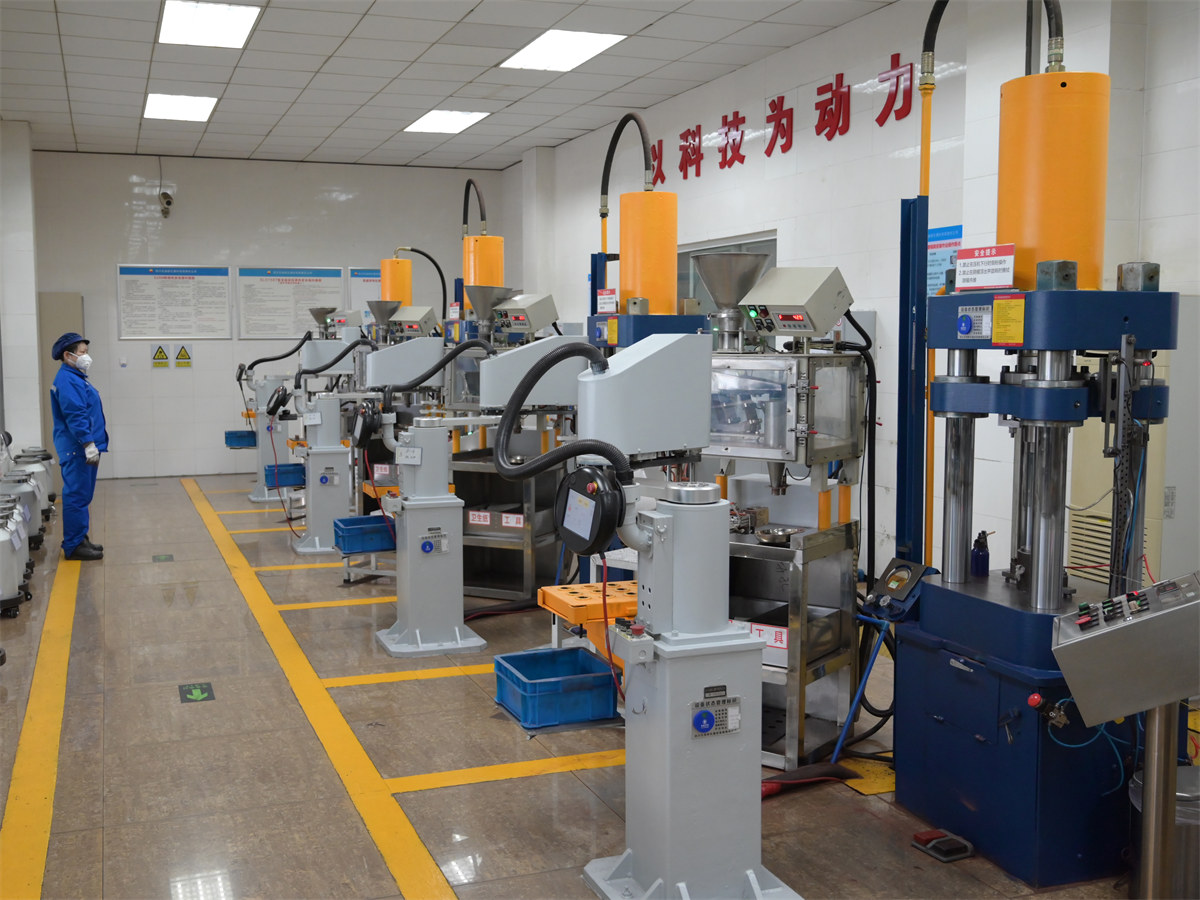
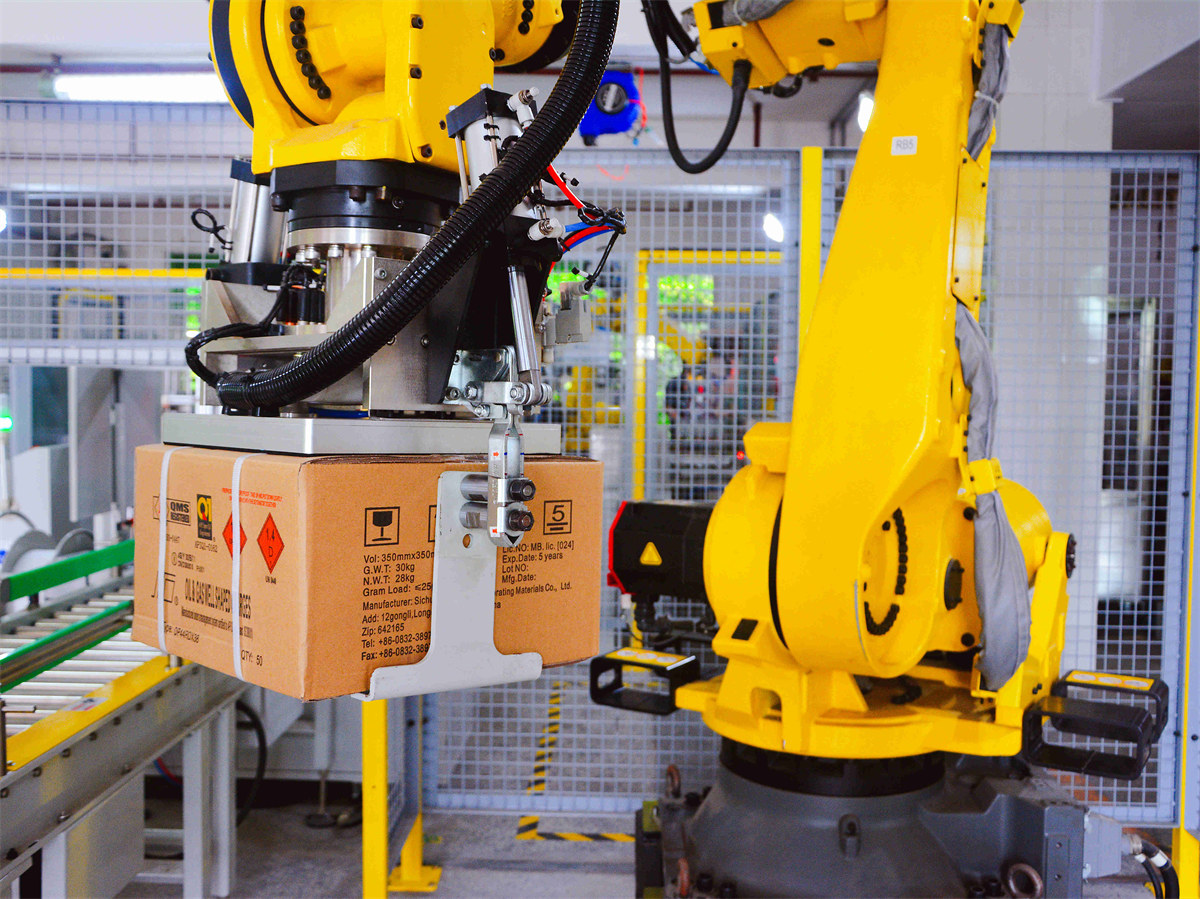
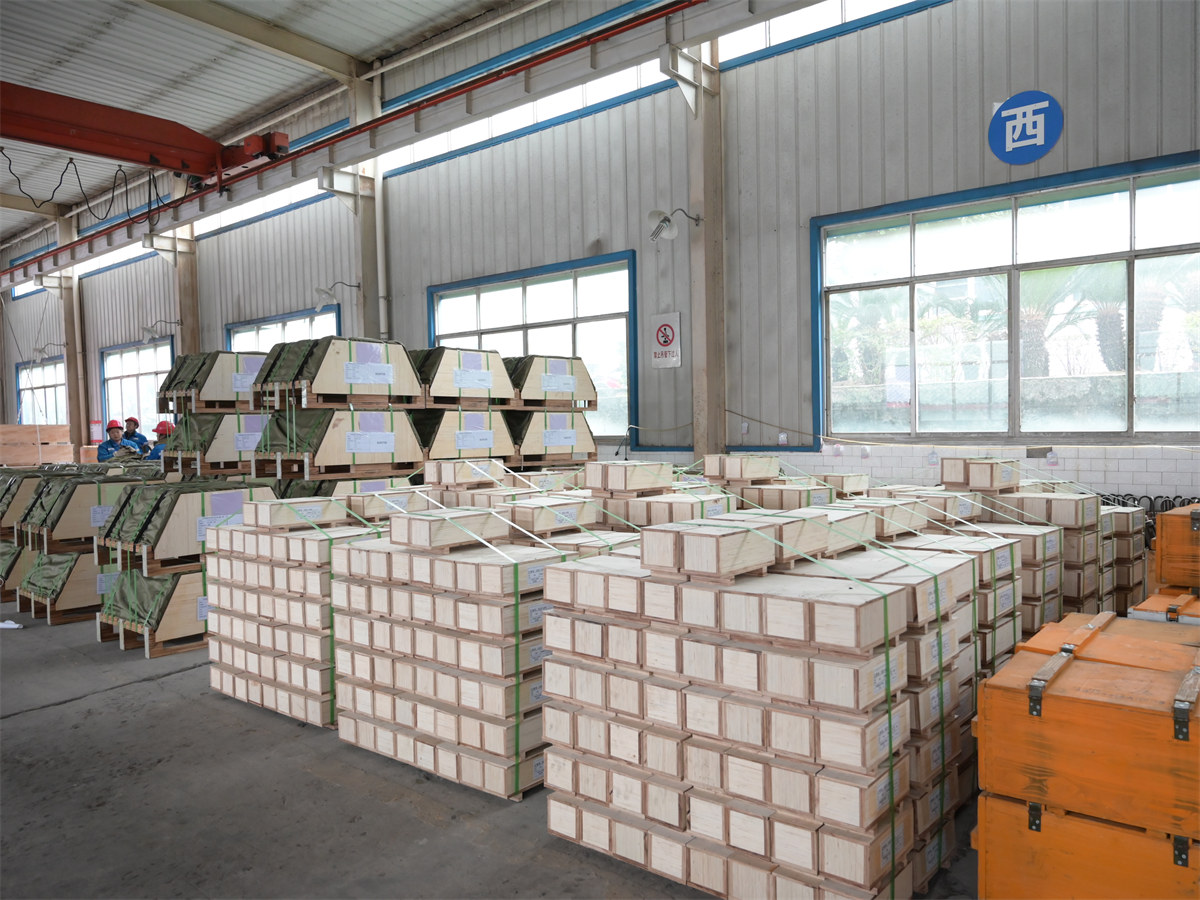
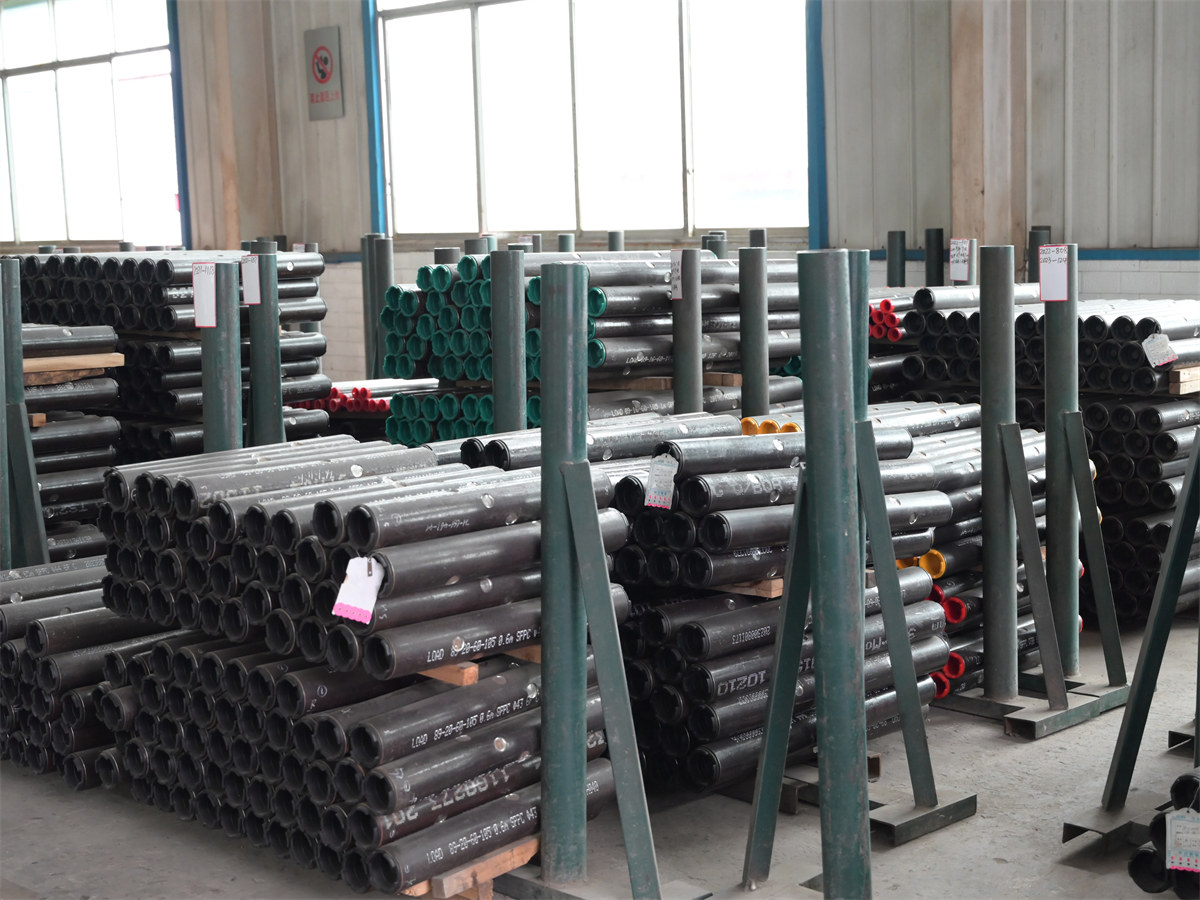
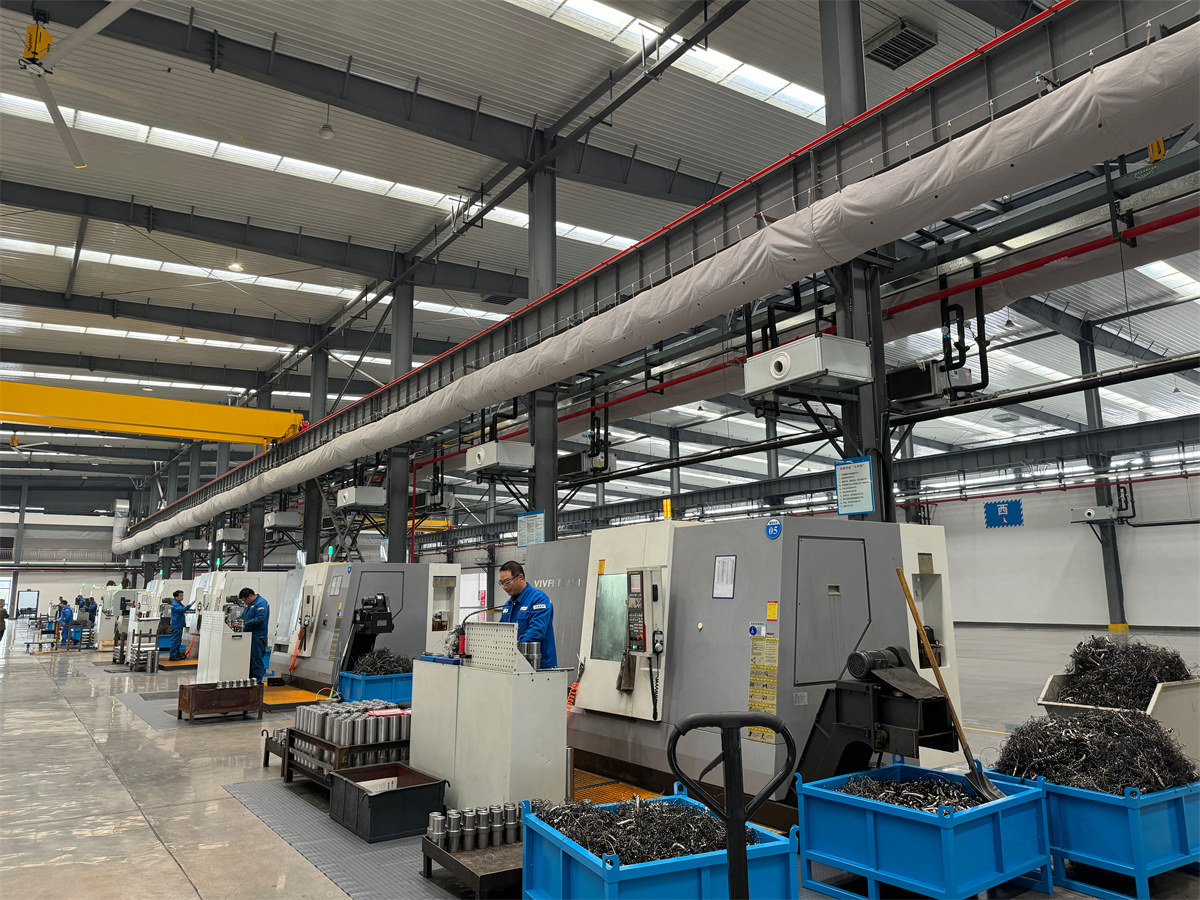
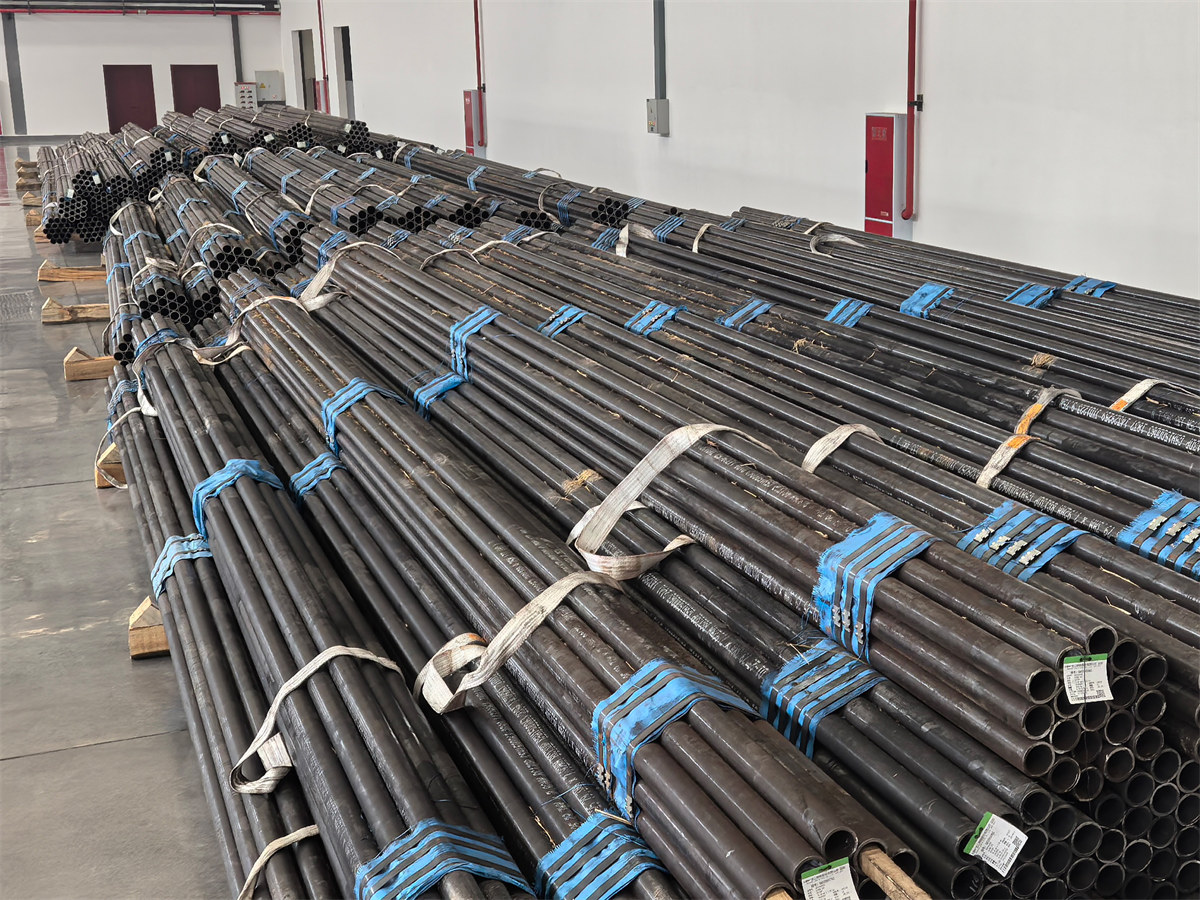
To date, our products have served customers in 38 countries worldwide and consistently earn positive feedback for performance and reliability.
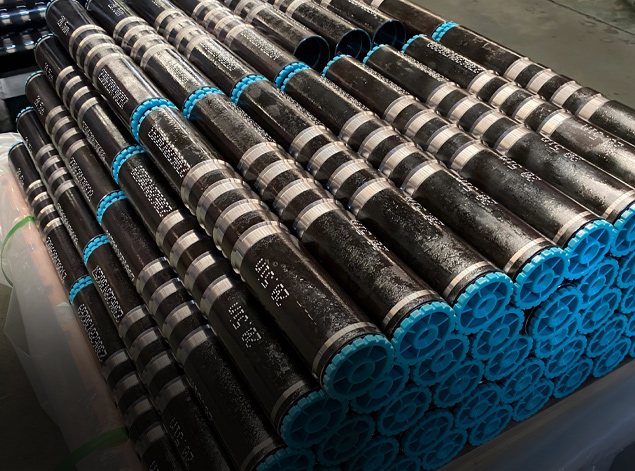
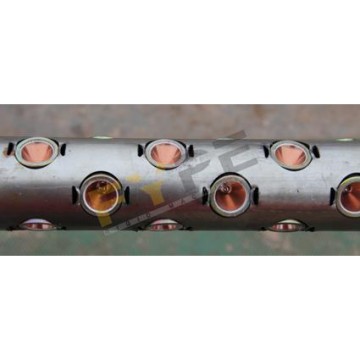
Instead of scallops, it can shoot regardless of the charge tube's angular position.
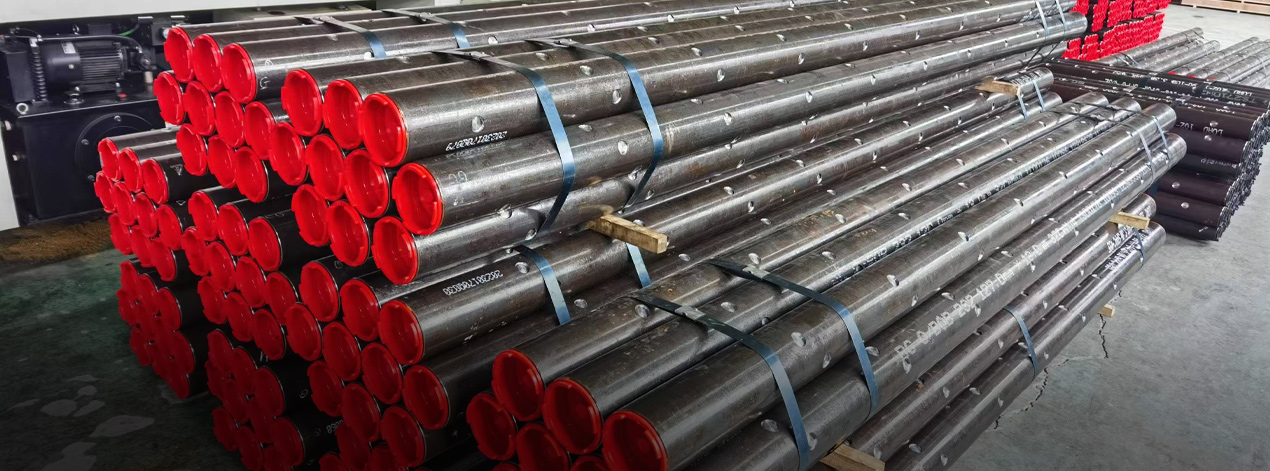
Provides deep penetration and high shot density for fracture perforating operations.
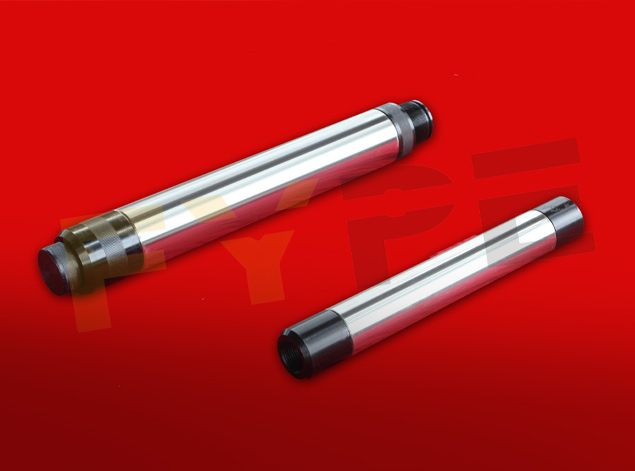
Detects casing collars for depth correlation in fracture perforating wells.
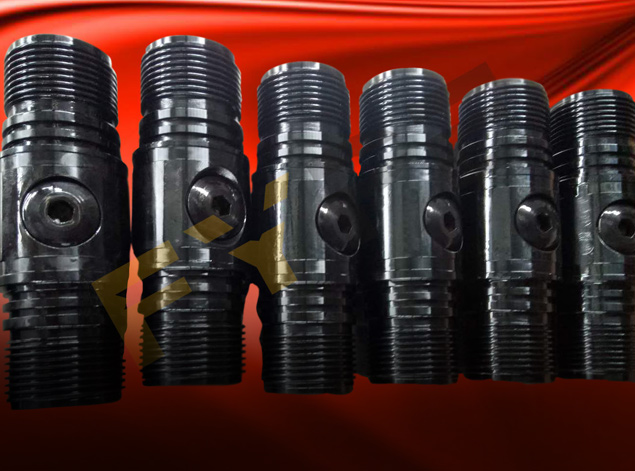
Connecting components used in fracture perforating systems.
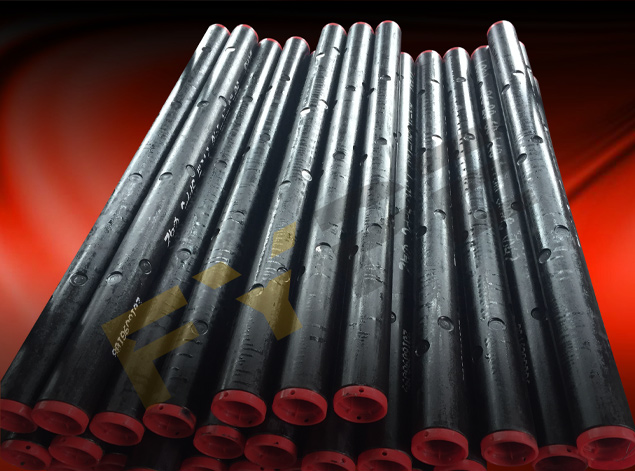
Designed for compact spaces and limited depth fracture perforation.
At FYPE, we believe every well deserves precision, reliability, and excellence. Whether you require high-performance fracture perforating tools for formation pressure testing or dependable technical support, we are your trusted partner in the oil and gas industry.
Inquiry Now
Explore our complete range of perforating solutions engineered for superior formation pressure testing performance.