+86-15829394411
Leave Your Message
-
Contact WhatsApp
-
 Contact Phone
-
 Contact Email
Our flagship fracture perforating solutions engineered for optimal sand control management in demanding reservoir environments.
Fracture perforating for sand control management is a specialized completion technique that combines the principles of hydraulic fracturing stimulation with sand exclusion strategies to simultaneously enhance reservoir productivity and prevent formation sand migration into the wellbore. As global oil and gas operators push into increasingly challenging formations — unconsolidated sands, high-permeability intervals, deepwater reservoirs, and tight shale plays — the demand for integrated perforating solutions that can address both production optimization and sand management has grown substantially.
At its core, fracture perforating involves deploying shaped charge perforating guns designed with specific phasing, shot density, and penetration depth to create perforation tunnels that initiate hydraulic fractures in a controlled, predictable geometry. These fractures, when propped with gravel or proppant, form a stable, high-conductivity flow path that bypasses the near-wellbore damage zone while simultaneously acting as a filter medium to exclude sand production.
Unlike conventional gravel packing or standalone frac operations, fracture perforating for sand control unifies perforation design, fracture geometry, and sand exclusion in a single downhole intervention — reducing operational complexity, cost, and risk while maximizing net present value per well.
The global market for downhole perforating systems, including fracture perforating tools tailored for sand control, has expanded significantly over the past decade. According to industry estimates, the worldwide perforating systems market is projected to exceed USD 3.5 billion by 2028, driven by increased deepwater activity in West Africa, the Gulf of Mexico, Southeast Asia, and Brazil, as well as the continued development of unconventional tight oil and gas resources in North America and the Middle East.
Sand production remains one of the most costly and operationally disruptive challenges in the upstream oil and gas industry. Globally, sand-related production deferments and equipment damage cost operators hundreds of millions of dollars annually. The integration of fracture perforating into sand control programs represents a commercially attractive solution that reduces the number of separate intervention runs, shortens completion time, and lowers overall well costs by 15–30% compared to standalone frac-pack or gravel-pack operations.
Major operating companies — including international oil companies (IOCs) and national oil companies (NOCs) — have increasingly standardized fracture perforating techniques in their completion workflows for sand-prone reservoirs. Service companies and equipment manufacturers like Expetro Energy Service Co., Ltd. (FYPE) have responded by developing specialized perforating gun configurations, phasing geometries, and charge designs that are purpose-built for frac-pack and high-rate water pack (HRWP) applications.
Machine learning algorithms are now being applied to optimize perforation cluster spacing, phasing angles, and shot density based on real-time formation data — enabling operators to predict fracture initiation pressure and sand arch stability before running the gun string downhole.
Deepwater and ultra-deep formations demand perforating systems capable of withstanding temperatures exceeding 200°C and pressures above 20,000 psi. Next-generation fracture perforating guns are being engineered with high-temperature explosive formulations and pressure-rated carrier assemblies for these extreme environments.
The industry trend toward "one-trip" completion systems is accelerating. Fracture perforating guns are increasingly being deployed in tandem with sand screens, packers, and inflow control devices (ICDs) in a single run, dramatically reducing rig time and non-productive time (NPT).
Environmental regulations are driving the development of greener explosive formulations for shaped charges. Lead-free, reduced-toxicity charges are gaining traction, particularly in offshore environments and regions with stringent environmental compliance requirements.
Fiber optic distributed acoustic sensing (DAS) and distributed temperature sensing (DTS) technologies are being integrated with perforating operations to provide real-time feedback on fracture initiation, extension, and sand face stability — enabling dynamic completion optimization.
Advanced CNC machining, automated charge loading, and robotic quality inspection lines are elevating the dimensional consistency and performance reliability of fracture perforating guns — critical factors for predictable fracture geometry in sand control applications.
Fracture perforating for sand control delivers measurable value across a diverse range of reservoir types and operational environments.
Deepwater reservoirs — particularly in the Gulf of Mexico, offshore Brazil, West Africa, and Southeast Asia — are often composed of highly unconsolidated Tertiary-age sands with extremely high permeability. These formations are prolific producers but are highly susceptible to sand production under drawdown. Fracture perforating with frac-pack completions has become the industry standard in these environments.
In a typical deepwater frac-pack, the fracture perforating gun is designed with a 0° or 180° phasing and a relatively low shot density (2–4 shots per foot) to promote a single, dominant bi-wing fracture that fully communicates with the gravel pack screen. The fracture acts as a high-conductivity proppant-filled conduit while the gravel pack prevents sand from migrating to the wellbore. This combined approach consistently delivers skin values near zero and sustains production rates 3–5 times higher than conventional gravel-pack completions without fracturing.
In unconventional plays such as the Permian Basin, Eagle Ford, Bakken, and their equivalents in the Middle East and China, fracture perforating serves a dual purpose: creating the initial fracture network for reservoir stimulation while managing fine migration in clay-rich, naturally fractured, or diagenetically altered tight sands. Directional clustering perforating systems are particularly valuable here, as they allow operators to concentrate perforations in the most competent rock intervals, reducing the risk of near-wellbore sand failure while maximizing stimulated reservoir volume (SRV).
High-rate water pack is a sand control technique that uses viscous slurry pumped at rates high enough to create a short, wide fracture packed with gravel. The fracture perforating design for HRWP typically employs higher shot density (4–6 spf) and a 60° or 90° phasing to ensure adequate fracture initiation pressure distribution and to prevent premature screenout. Optimized perforation geometry is critical to achieving the desired fracture width and conductivity in HRWP operations.
As mature oil and gas fields decline, operators increasingly rely on recompletion and workover programs to restore or enhance production. Fracture perforating plays a key role in these operations by re-stimulating bypassed pay zones, extending perforation tunnels through damaged or plugged near-wellbore regions, and establishing new sand control completions in previously unstimulated intervals. The use of self-cleaning perforating systems and high-density deep-penetration guns is particularly effective in these scenarios, where near-wellbore formation damage and compaction are common challenges.
Studies across multiple deepwater and shelf sand-prone fields have demonstrated that optimized fracture perforating for sand control can reduce completion costs by 20–35%, increase initial production rates by 40–80%, and extend well life by 5–10 years compared to conventional standalone sand control methods. The economic case for integrated fracture perforating solutions is compelling across virtually all reservoir types.
The proliferation of horizontal drilling has introduced new complexity to sand control management. In horizontal wells, gravity-induced sand settling, uneven fracture initiation across multiple perforation clusters, and differential depletion between clusters can all exacerbate sand production. Advanced fracture perforating systems with precisely engineered phasing and cluster spacing are essential for ensuring uniform fracture growth and effective sand exclusion along the entire lateral section.
Inflow control devices (ICDs) are often deployed in conjunction with fracture perforating in horizontal sand control completions to balance flow contributions from different sections of the lateral, further mitigating sand production risks and extending well life.
Beyond conventional oil and gas, fracture perforating technologies are finding new applications in geothermal energy development and CO₂ sequestration projects. Enhanced geothermal systems (EGS) require the creation of permeable fracture networks in hot dry rock formations — a challenge that fracture perforating tools are uniquely suited to address. Similarly, CO₂ storage wells in sandstone aquifers must manage formation sand mobilization under injection pressures, creating a new demand for sand control-oriented perforating solutions.
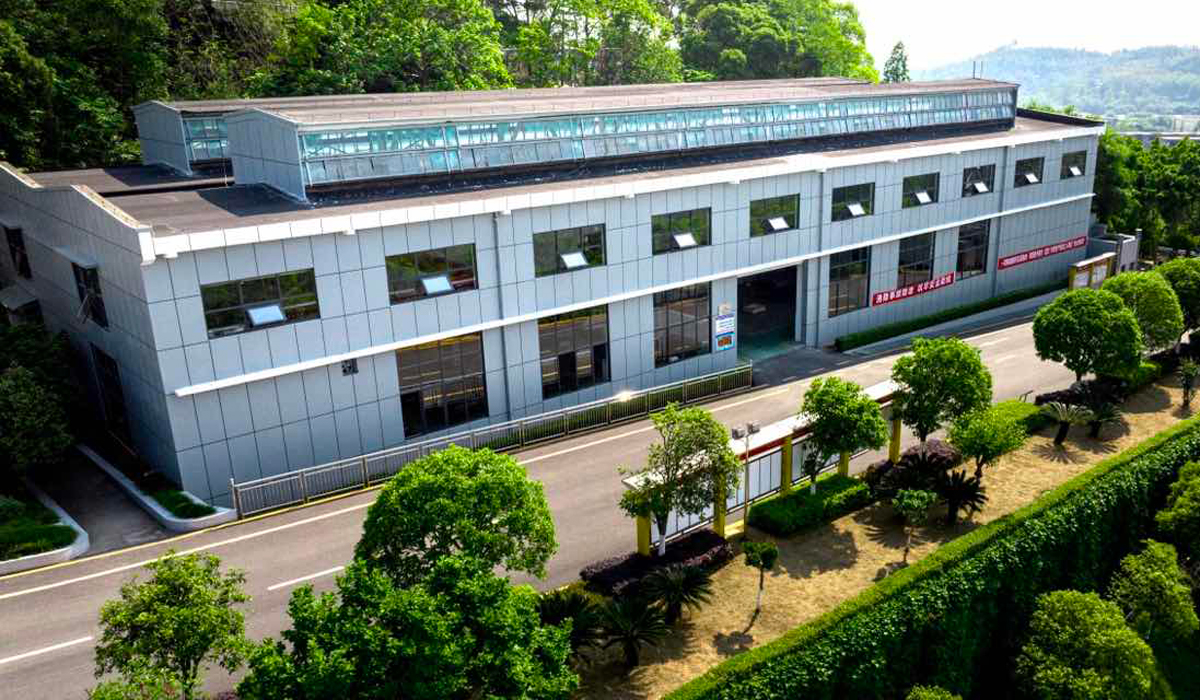
Expetro Energy Service Co., Ltd. (FYPE) is a leading manufacturer of downhole perforating systems in China, dedicated to the research, development, and production of shaped charges, perforating guns, and associated accessories for oil and gas completions.
Equipped with state-of-the-art automated production and inspection lines, we deliver over 2.5 million shaped charges and 500,000 meters of perforating guns annually — meeting diverse customer requirements across the global market. Every stage of our production process strictly adheres to the API Q1 Quality Management System.
Four core pillars that make FYPE the trusted partner for fracture perforating and sand control solutions worldwide.
Our professional inspection team operates under a quality management system certified to API Q1 and ISO 9001 standards, ensuring product reliability and superior performance in every delivery.
Our automated production lines ensure product consistency and enhance productivity. Daily shaped charge capacity reaches 10,000 units. The perforating gun line handles 100+ specification types.
Our lab conducts real-core target tests in simulated reservoirs, ultimate pressure resistance tests on perforation tools, and explosion mechanism tests on shaped charges.
With nearly 20 years of export experience across 38 countries, we deeply understand global market demands and deliver trusted, tailored solutions for every reservoir challenge.
End-to-end engineering and manufacturing capabilities purpose-built for fracture perforating and sand control management.
Delivering over 2.5 million shaped charges and 500,000 meters of perforating guns annually with consistent dimensional tolerances critical for predictable fracture initiation geometry.
Real-core target tests in simulated reservoir conditions validate perforation performance and fracture initiation behavior before field deployment — reducing operational risk.
Tailored phasing, shot density, charge size, and carrier material configurations to meet the specific requirements of frac-pack, HRWP, and directional clustering sand control completions.
To date, our products have served customers in 38 countries worldwide and consistently earn positive feedback for performance and reliability.
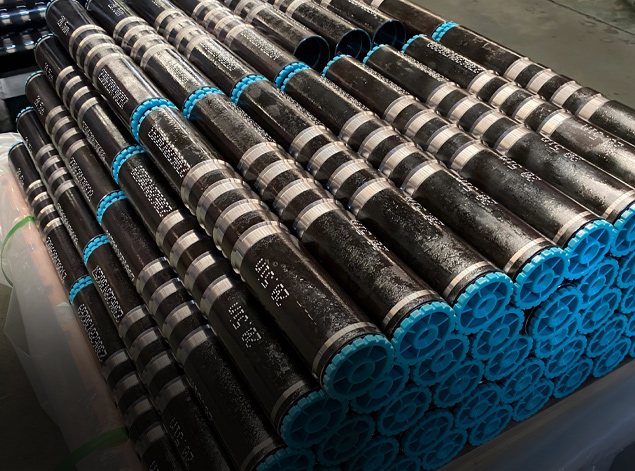
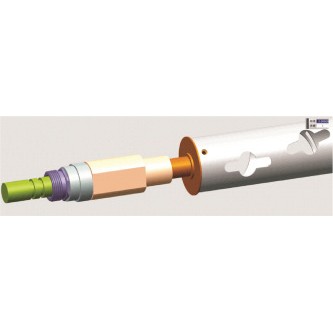
Instead of scallops, it can shoot regardless of the charge tube's angular position.
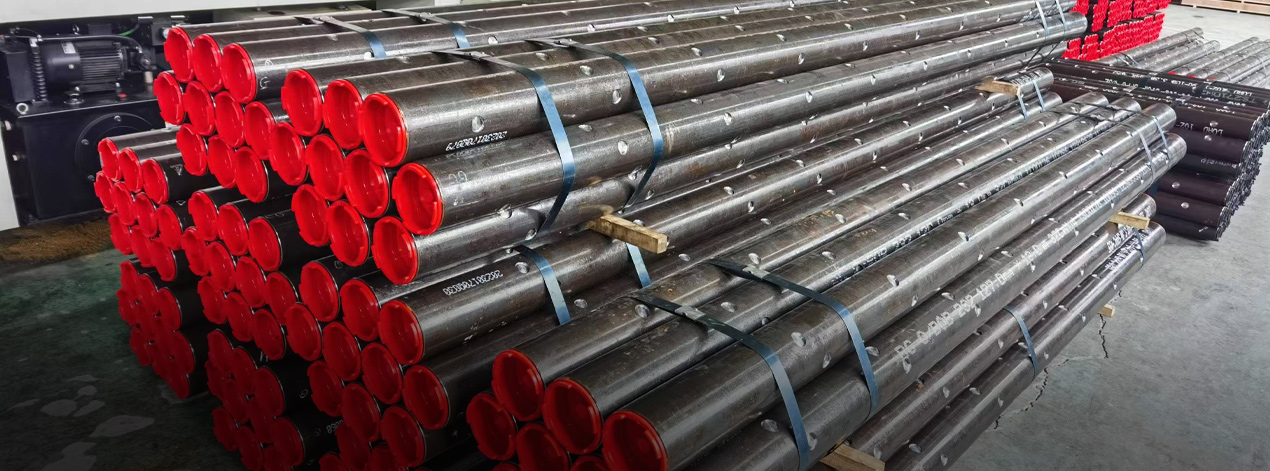
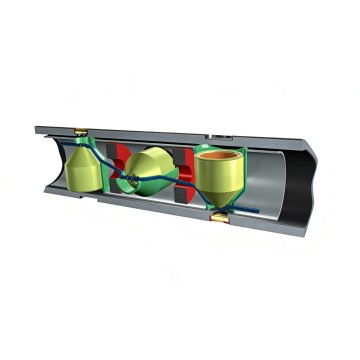
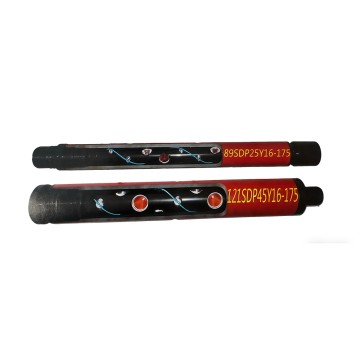
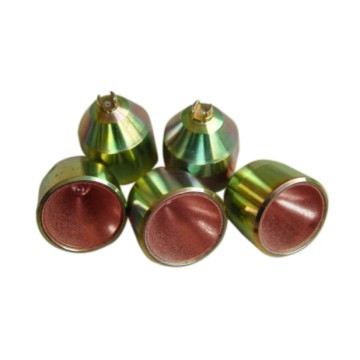
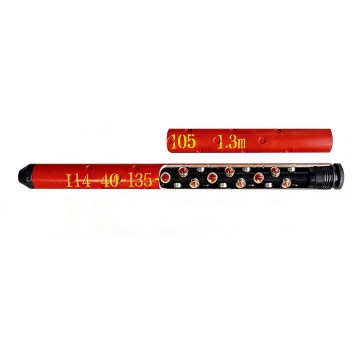
Provides deep penetration and high shot density for effective fracture perforating.
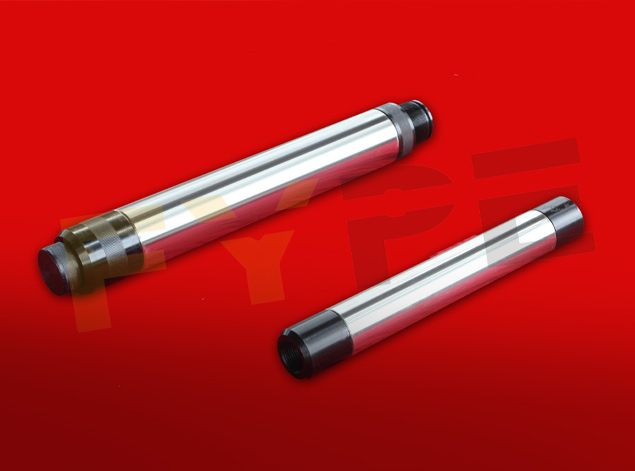
Detects casing collars for depth correlation in wells.
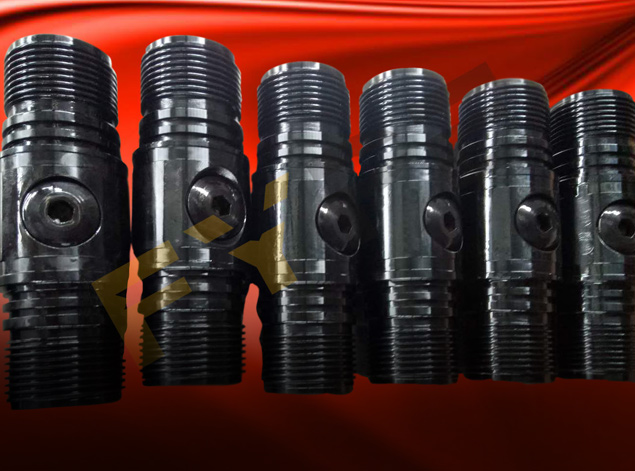
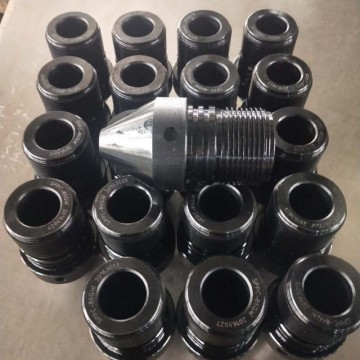
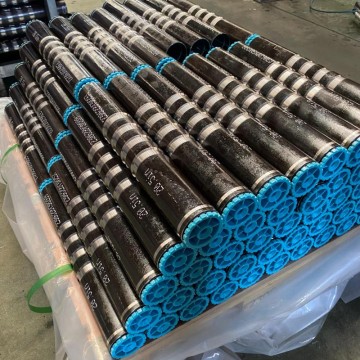
Connecting components used in perforating systems.
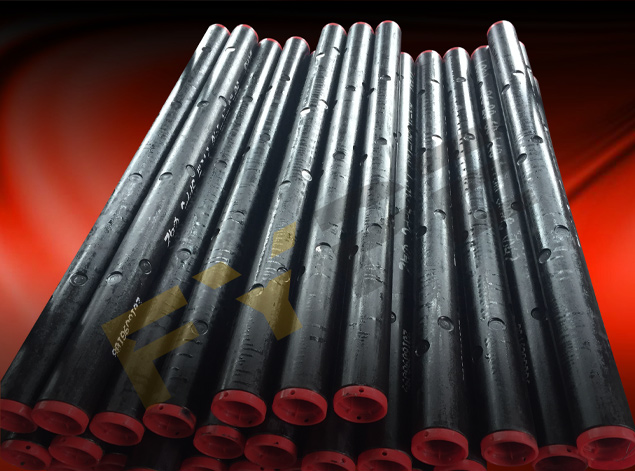
Designed for compact spaces and limited depth perforation.
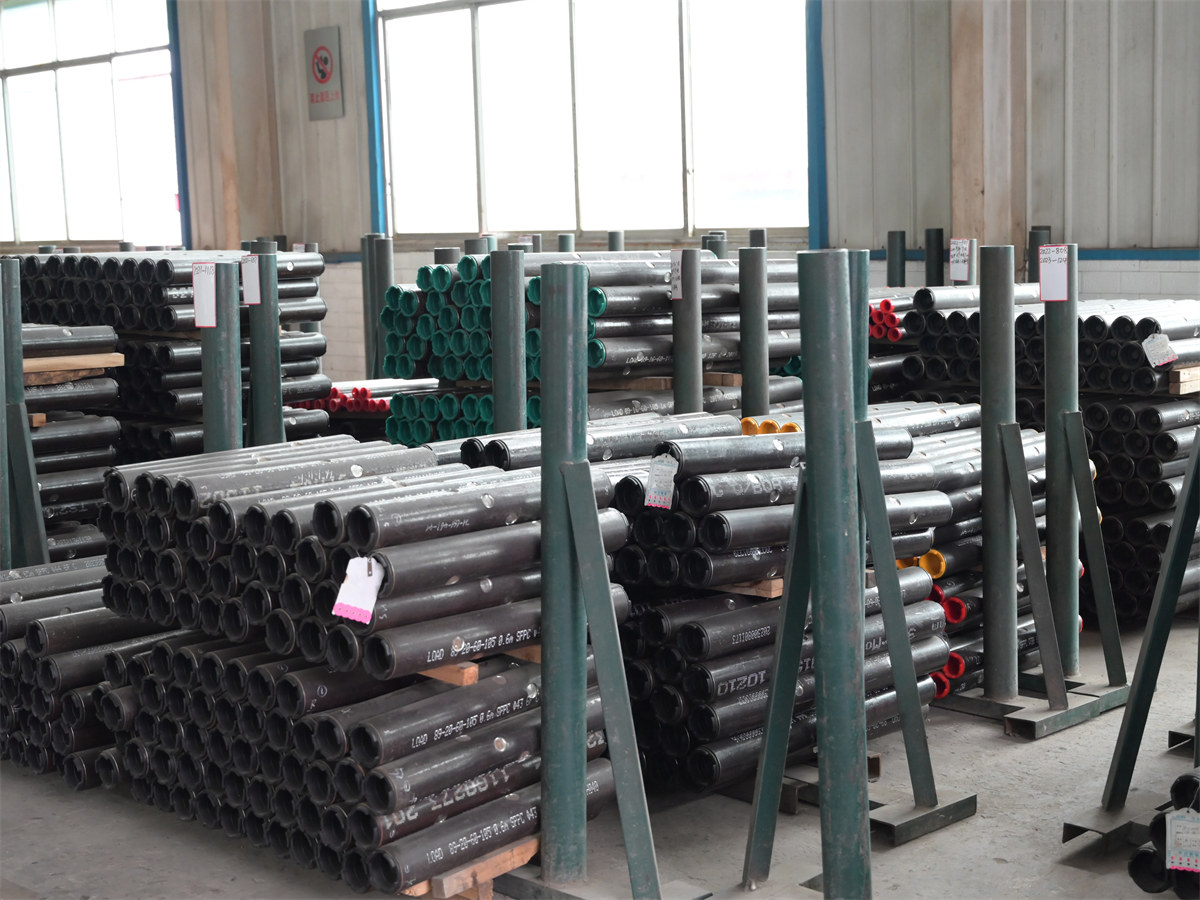
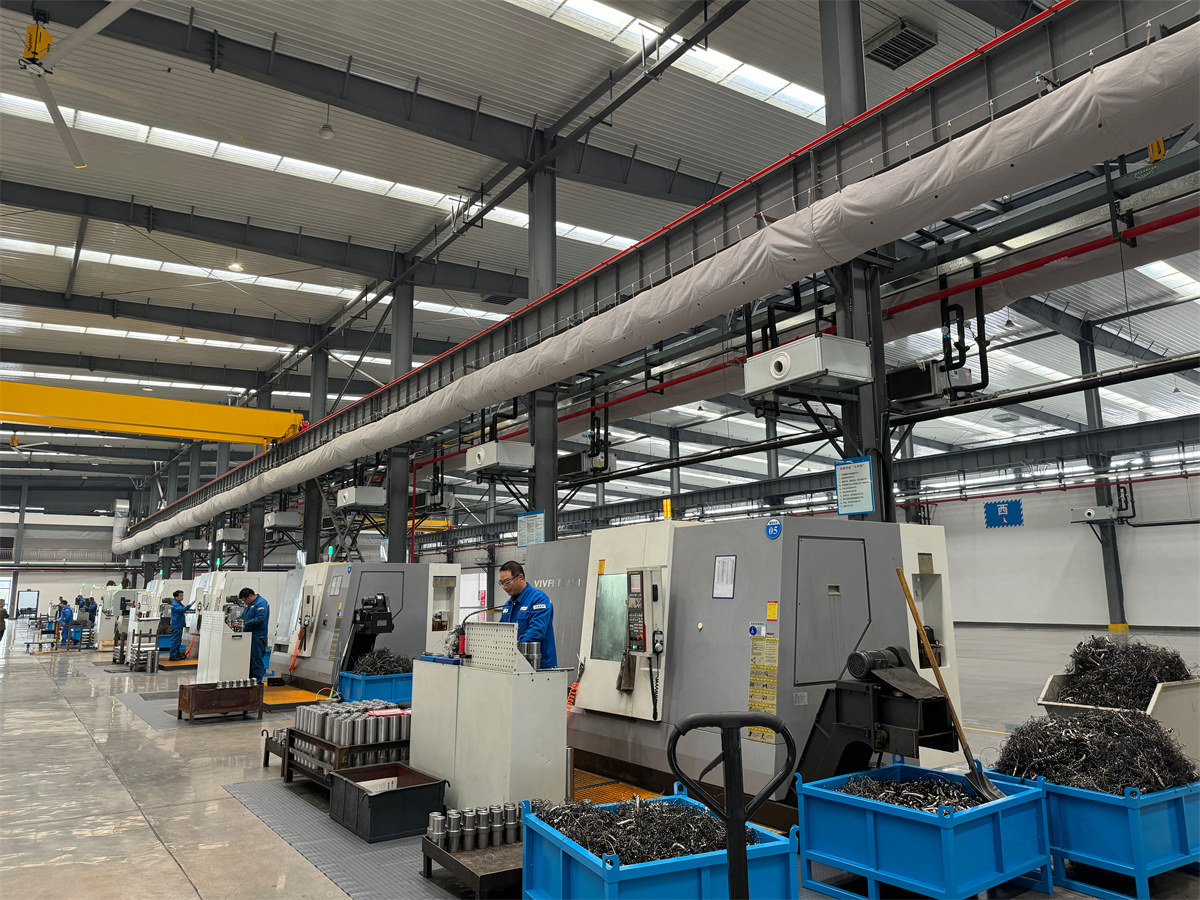
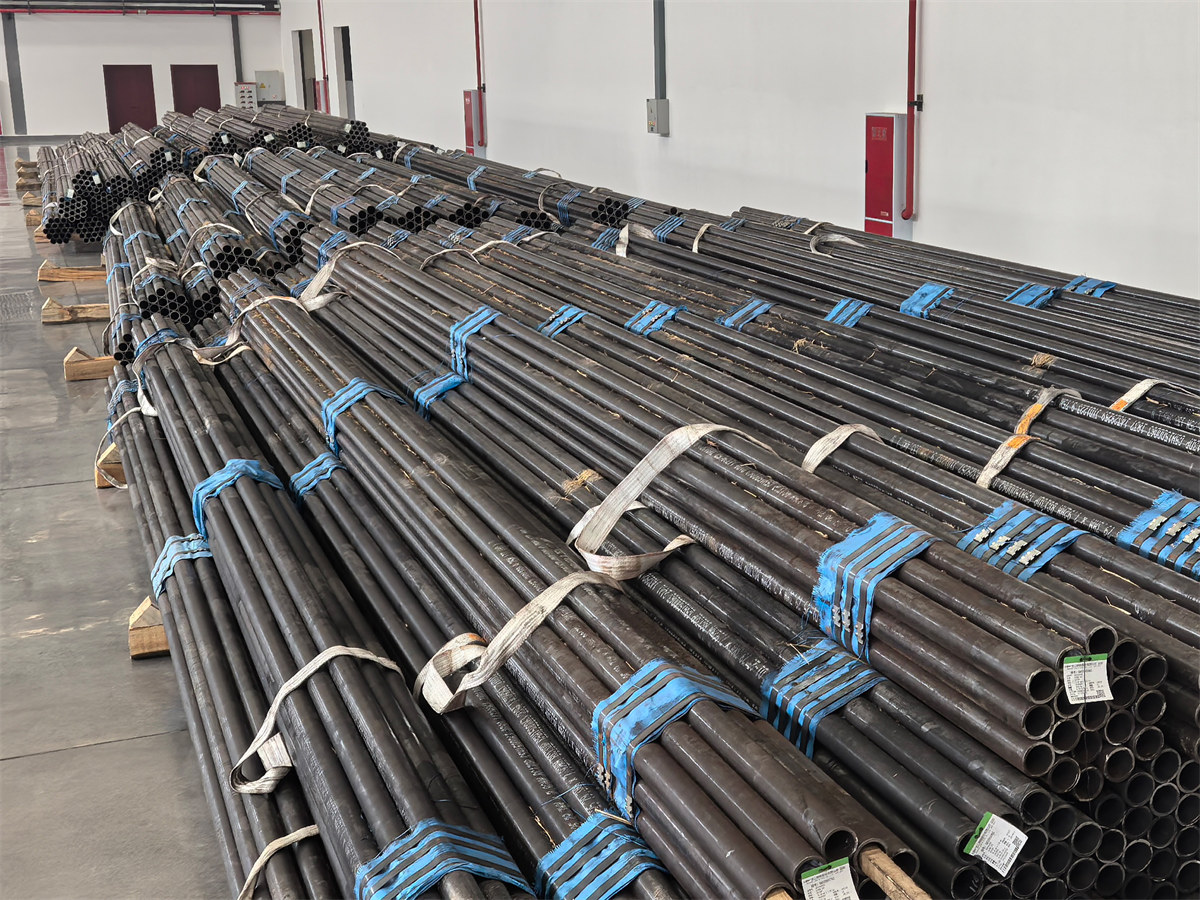
A glimpse into our world-class manufacturing facility — where precision engineering meets cutting-edge automation.
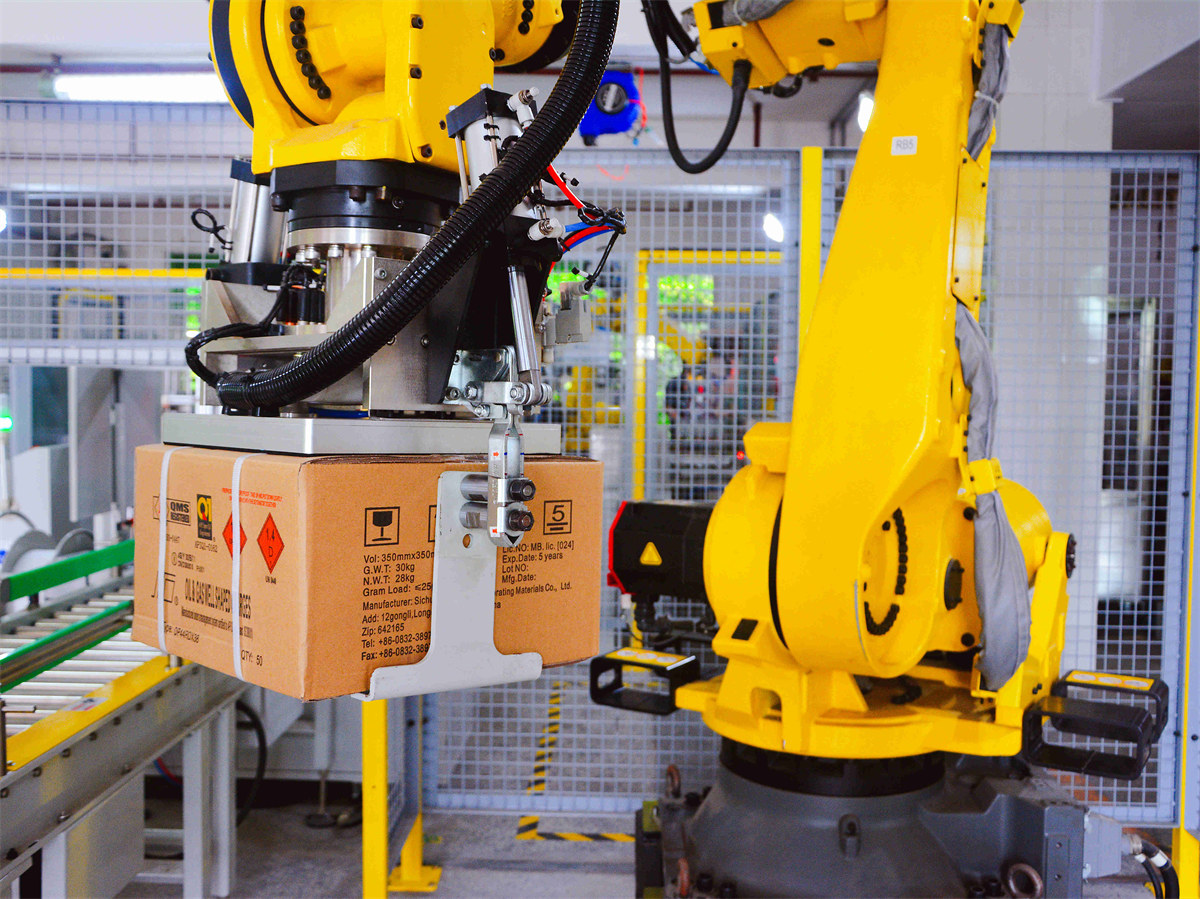
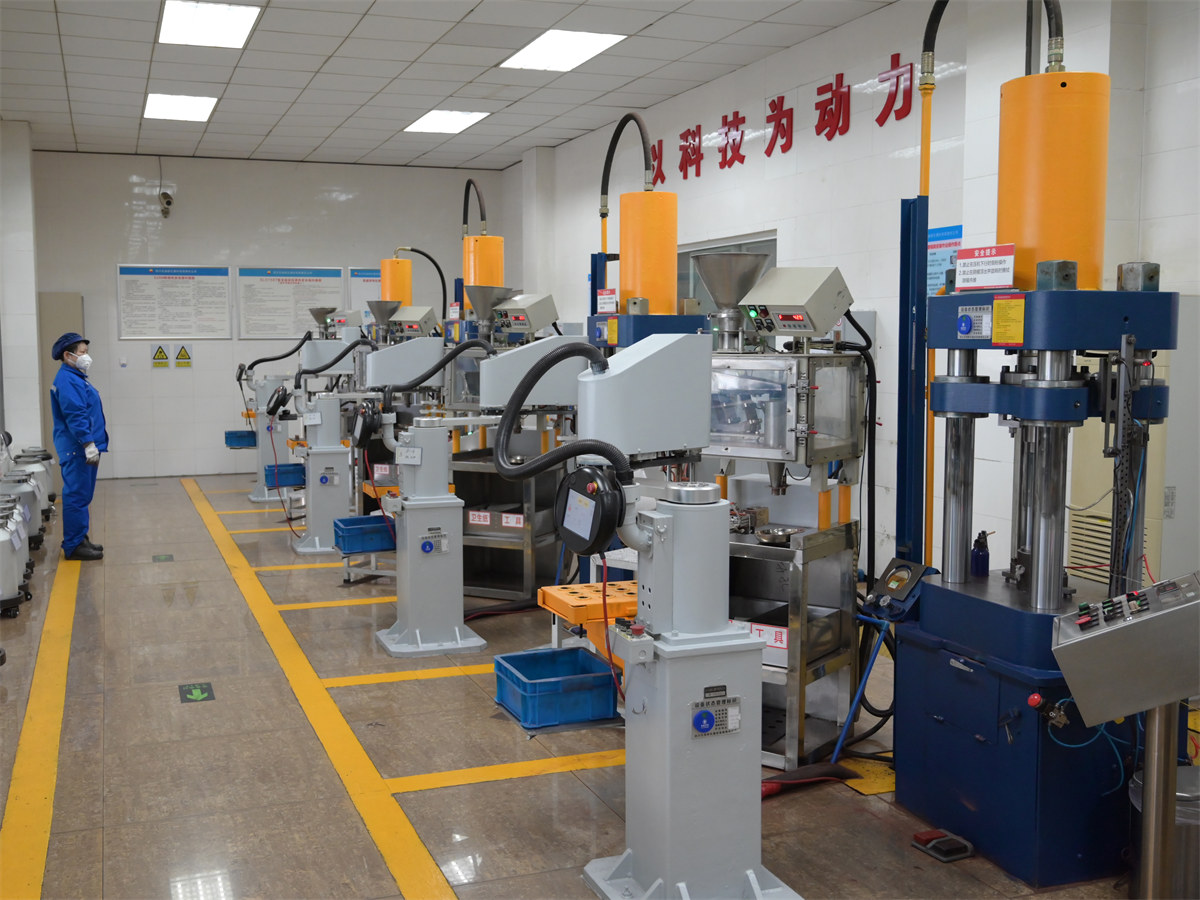
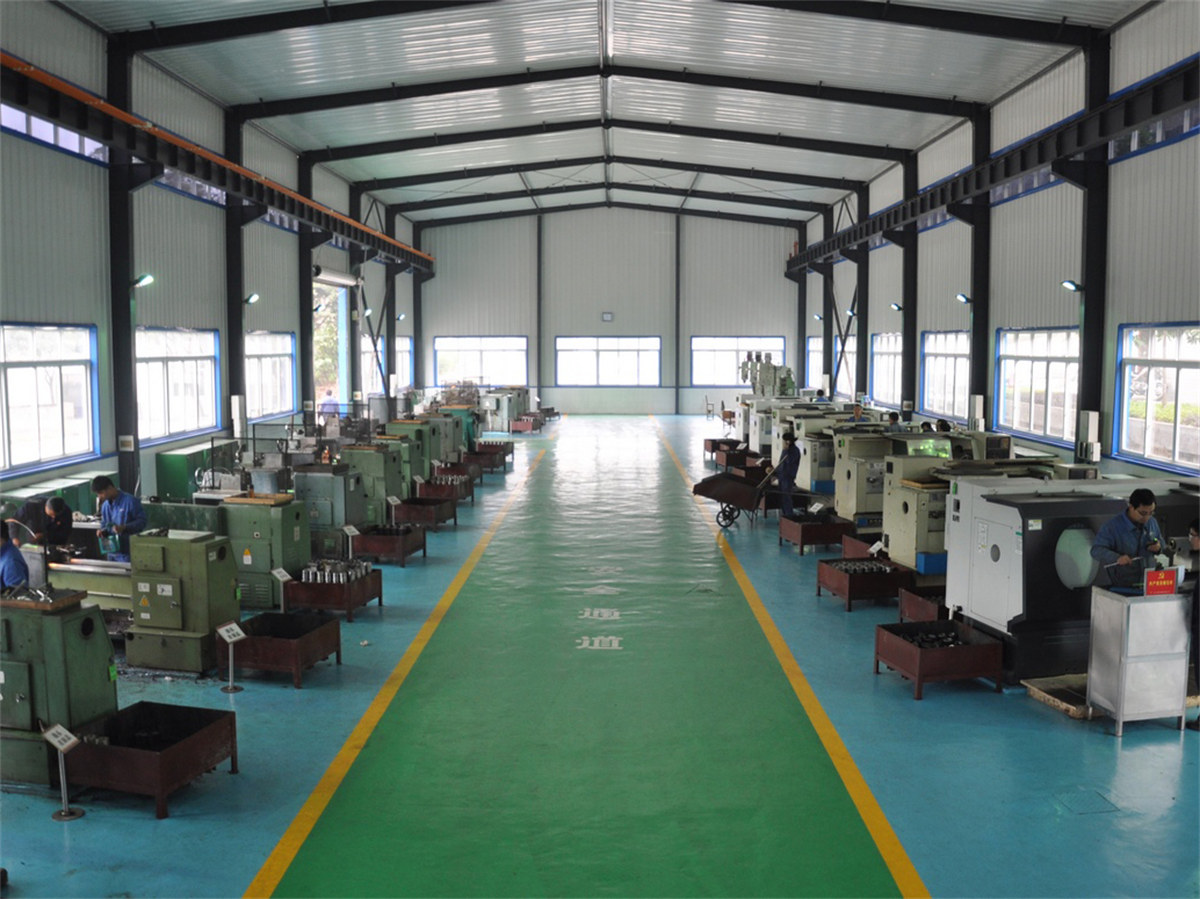
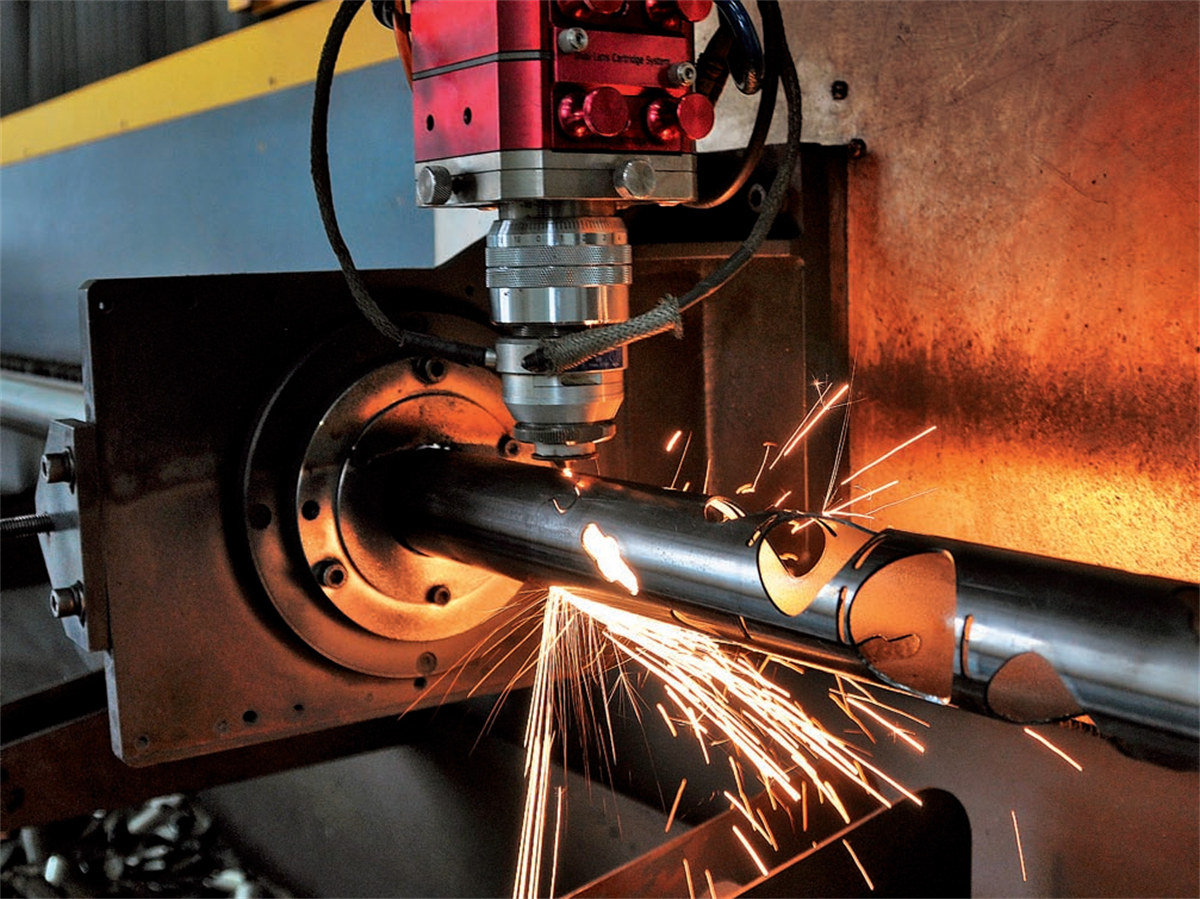
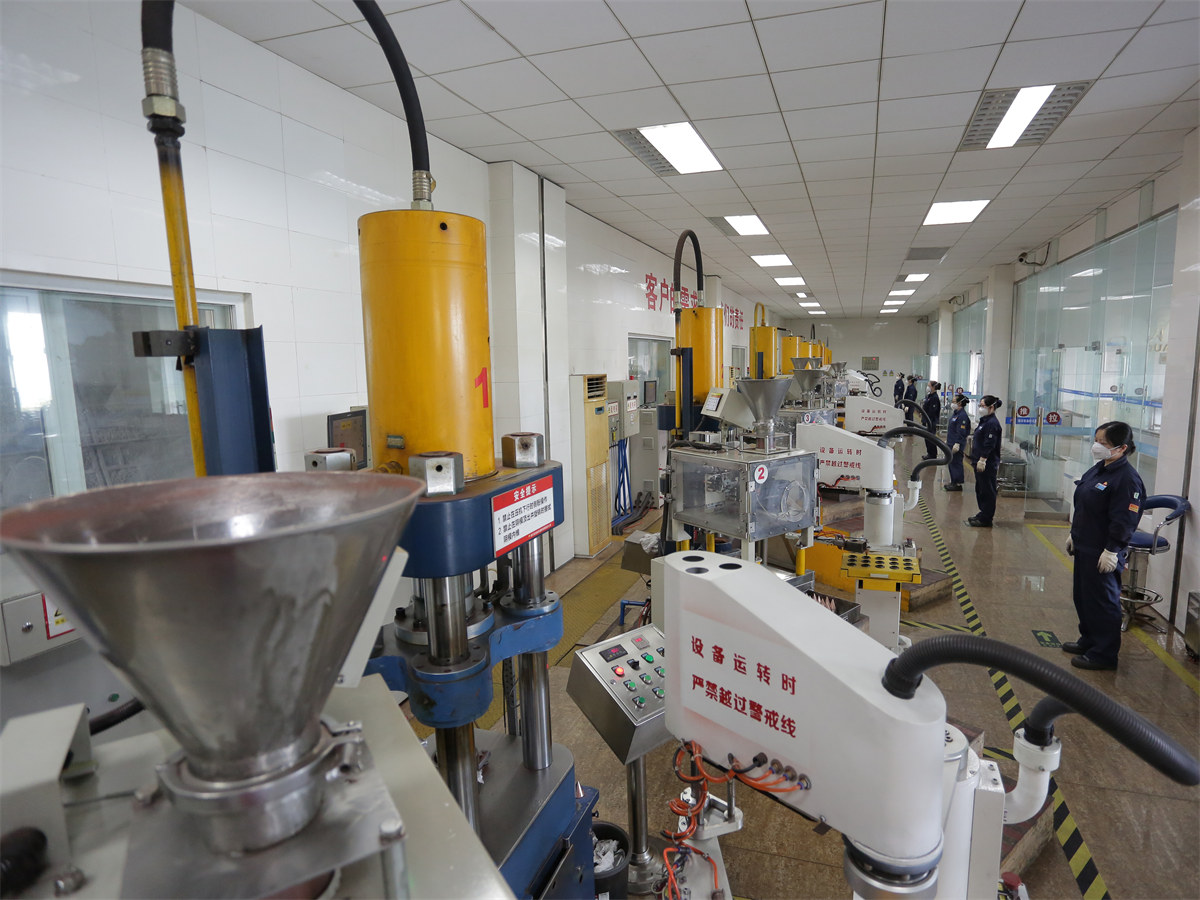
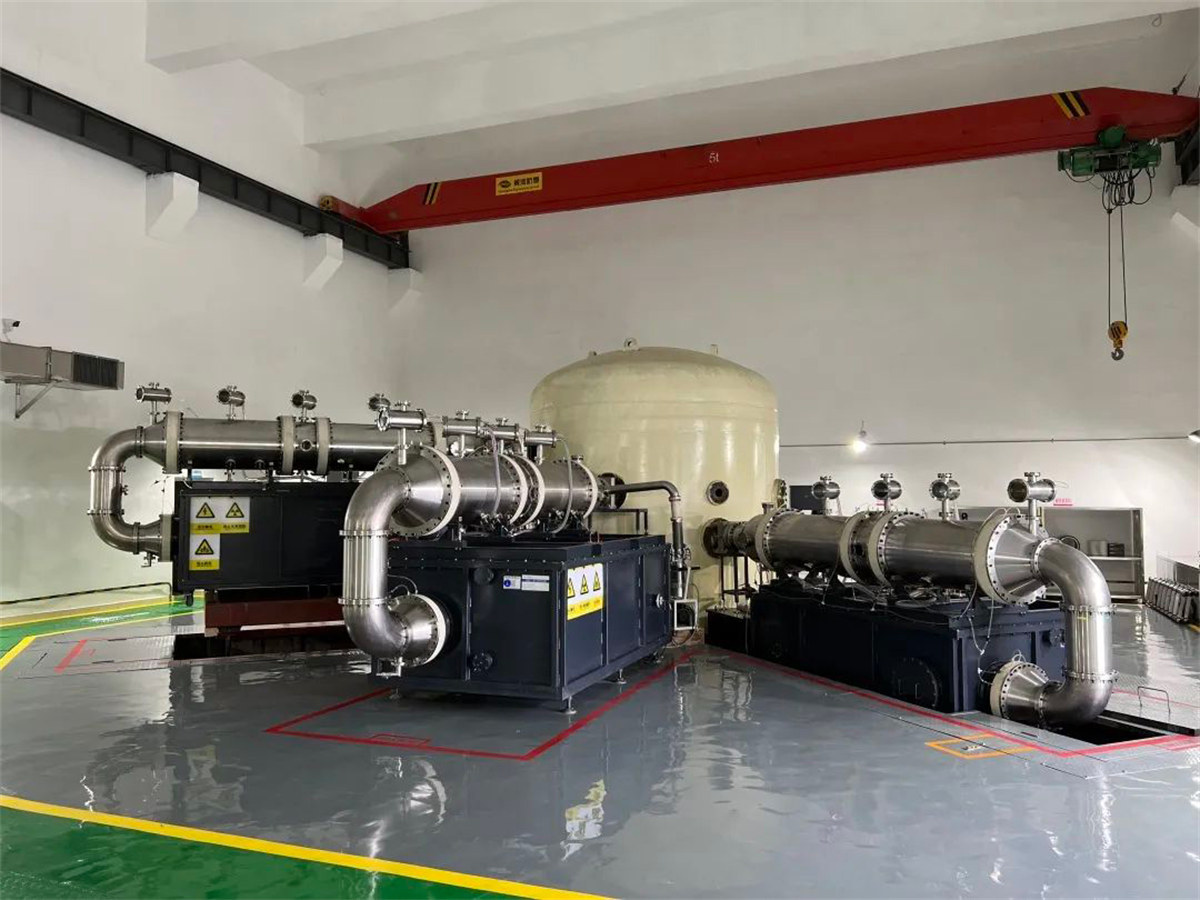
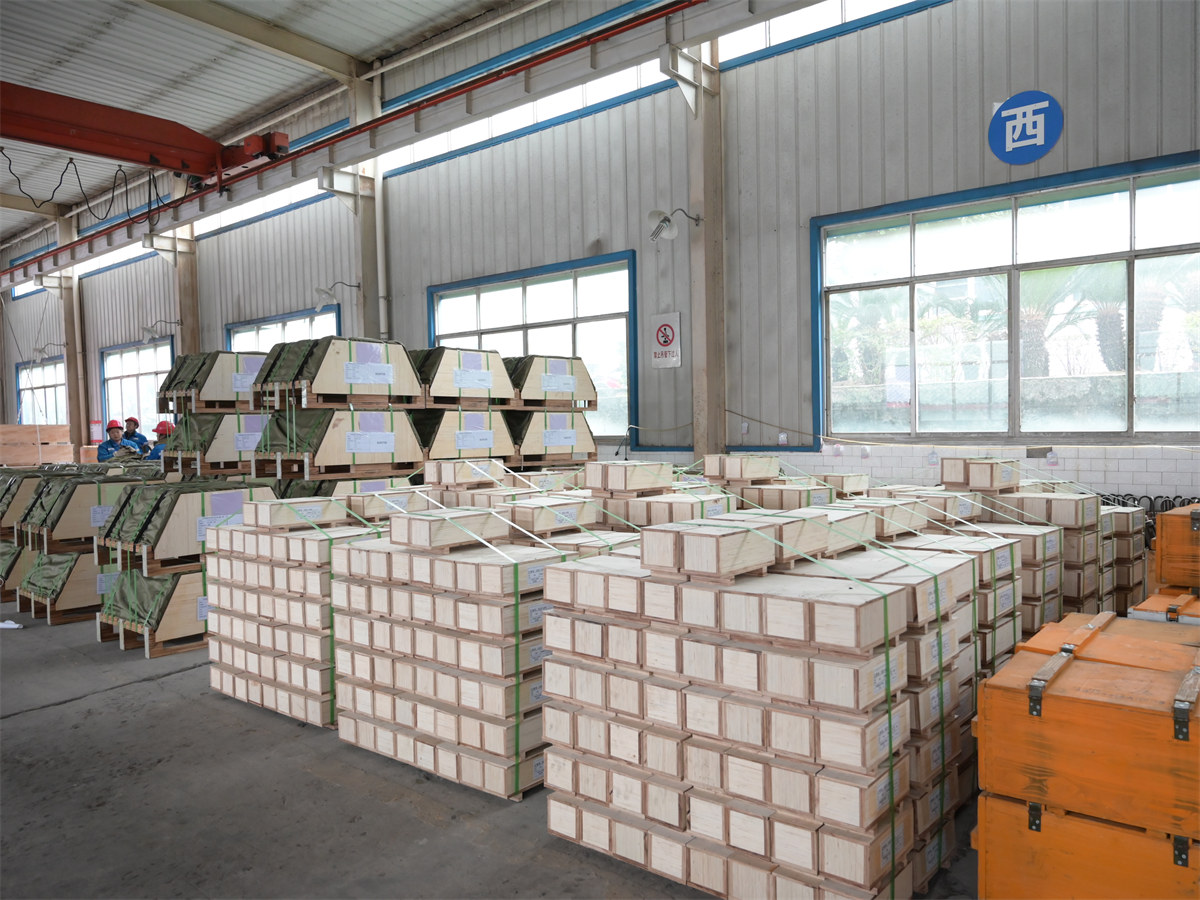

At FYPE, we believe every well deserves precision, reliability, and excellence. Whether you require high-performance perforating tools or dependable technical support, we are your trusted partner in the oil and gas industry.
Inquiry Now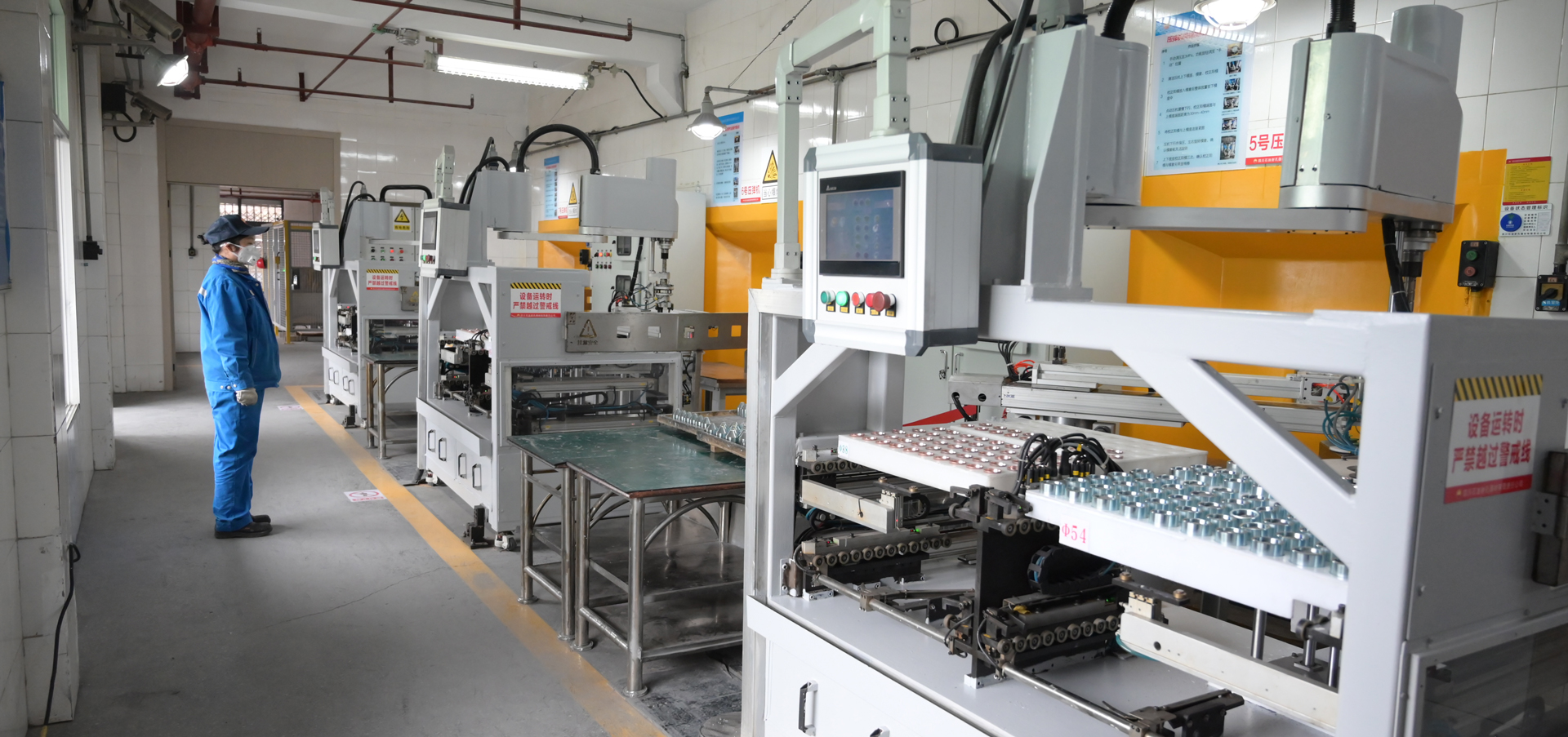
Explore our full portfolio of fracture perforating solutions — designed, tested, and manufactured to the highest industry standards.