+86-15829394411
Leave Your Message
-
Contact WhatsApp
-
 Contact Phone
-
 Contact Email
Purpose-built systems designed for horizontal well completions — delivering superior perforation geometry, debris control, and flow performance in even the most demanding reservoir conditions.
A deep-dive into the technology that unlocks the full potential of horizontal wellbores across global oil and gas fields.
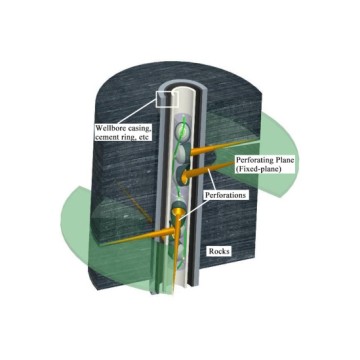
Horizontal perforating refers to the process of creating precisely engineered flow channels — perforations — through the casing, cement sheath, and into the surrounding rock formation within a horizontal or deviated wellbore. Unlike vertical well completions, horizontal wells traverse the pay zone laterally, often spanning hundreds to thousands of meters, requiring perforation strategies that account for wellbore orientation, formation stress anisotropy, and fluid dynamics unique to non-vertical geometries.
In horizontal completions, the geometry of each perforation cluster directly governs how hydrocarbons enter the wellbore. Poorly oriented or unevenly spaced perforations create uneven flow distribution — a phenomenon known as "heel-toe effect" — where the heel of the well produces disproportionately more fluid than the toe. Modern horizontal perforating systems are engineered to counteract this by delivering consistent penetration depth, controlled phasing angles (typically 60°, 90°, or 120°), and optimized shot density (shots per meter) to ensure uniform inflow contribution across the entire lateral section.
The interaction between perforation tunnel geometry and near-wellbore stress concentrations is particularly critical in tight formations and unconventional reservoirs. Research consistently demonstrates that deeper, cleaner perforations with minimal crushed-zone damage reduce skin factor and dramatically improve productivity index — translating directly to higher initial production rates and sustained long-term yields.
Optimized horizontal perforating can increase initial production rates by 25–45% compared to conventional completion methods, while reducing stimulation costs by enabling more targeted hydraulic fracturing initiation points.
Understanding the global market dynamics, economic drivers, and competitive forces shaping the horizontal perforating industry today.
The global perforating gun market was valued at approximately USD 1.8 billion in 2023 and is projected to grow at a compound annual growth rate (CAGR) of 5.2% through 2030, driven primarily by the accelerating adoption of horizontal drilling and multi-stage hydraulic fracturing in unconventional resource plays across North America, the Middle East, China, and Latin America. The shale revolution in the United States pioneered the large-scale deployment of horizontal completions, and this model has since been replicated across major basins worldwide — from the Vaca Muerta in Argentina to the Permian Basin and Eagle Ford in Texas, and the Ordos Basin in China.
Operators are increasingly demanding perforating systems that can withstand extreme downhole conditions — temperatures exceeding 200°C and pressures above 20,000 psi — while delivering repeatable, precise results. This demand has catalyzed significant investment in materials science, explosive formulation, and gun body engineering among leading manufacturers.
From a commercial standpoint, horizontal perforating is no longer viewed merely as a completion step — it is recognized as a strategic lever for production optimization and capital efficiency. Operators and service companies are increasingly adopting a "completion-as-a-system" philosophy, where perforation design is integrated with hydraulic fracturing simulation, reservoir modeling, and production forecasting from the earliest stages of well planning.
The economics are compelling: a well-designed horizontal perforating program can reduce the number of fracturing stages required while achieving equivalent or superior drainage volumes, lowering completion costs by 15–30% on a per-barrel-of-recoverable-reserves basis. This cost efficiency is particularly valuable in a volatile commodity price environment, where operators must maximize returns across a wide range of oil and gas price scenarios.
Machine learning algorithms are being deployed to analyze microseismic data, production logs, and formation evaluation data in real time, enabling dynamic optimization of perforation cluster placement and charge selection for each unique wellbore environment.
Next-generation shaped charges with precision-engineered liner geometries and enhanced explosive formulations deliver deeper penetration, reduced compaction damage, and cleaner perforation tunnels — directly improving flow connectivity between the formation and wellbore.
The industry is transitioning toward lower-debris, self-cleaning, and environmentally responsible perforating systems that minimize formation damage, reduce wellbore cleanup time, and decrease the environmental footprint of completion operations.
From digitalization to extreme-environment engineering — the innovations redefining what's possible in horizontal well completions.
The integration of downhole telemetry and real-time data acquisition with perforating operations is one of the most transformative trends in the industry. Smart perforating systems equipped with pressure, temperature, and acceleration sensors can transmit live data during gun deployment and firing, enabling engineers to verify gun position, confirm detonation events, and detect anomalies immediately. This capability dramatically reduces the risk of misfires, stuck tools, and non-productive time (NPT) — which can cost operators tens of thousands of dollars per hour in deepwater and high-pressure/high-temperature (HPHT) environments.
Modern horizontal completions increasingly demand modular perforating gun architectures that can be rapidly configured for a wide range of wellbore diameters, shot densities, and perforation phasing requirements. Modular systems reduce inventory complexity, shorten rig-up times, and allow operators to standardize completion workflows across diverse well types. Leading manufacturers are investing heavily in interchangeable gun bodies, charge carriers, and initiating systems that maintain consistent performance specifications regardless of configuration.
As the industry pushes into deeper, hotter, and higher-pressure reservoirs — particularly in deepwater Gulf of Mexico, the South China Sea, and ultra-deep formations in the Middle East — perforating systems must perform reliably under conditions that would destroy conventional tools. Ultra-high temperature, high-pressure (UHTHP) perforating guns engineered with specialized alloy steels, heat-resistant explosive compounds, and redundant firing systems are becoming standard requirements for these applications, opening new frontiers in recoverable reserves.
Exploring the diverse operational environments where horizontal perforating technology delivers transformational value for production flow optimization.
In shale and tight gas plays, horizontal perforating is the cornerstone of multi-stage hydraulic fracturing programs. Precisely engineered perforation clusters initiate fractures at predetermined intervals along the lateral, creating complex fracture networks that maximize reservoir contact. Cluster spacing optimization — informed by mechanical stratigraphy and stress profiling — ensures even fracture growth and prevents "fracture shadowing" that limits production in poorly designed completions.
Deepwater horizontal completions present unique challenges: extreme pressures, elevated temperatures, limited wellbore access, and the prohibitive cost of intervention. Perforating systems deployed in these environments must achieve first-shot reliability, withstand hydrostatic pressures exceeding 15,000 psi, and operate at temperatures above 175°C. Through-tubing perforating systems and self-cleaning gun designs are particularly valuable here, enabling cost-effective re-perforation and production enhancement without full workover operations.
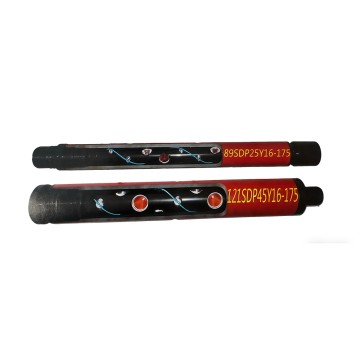
In mature fields undergoing enhanced oil recovery through waterflooding, CO₂ injection, or polymer flooding, horizontal perforating plays a critical role in conformance control. Strategically placed perforations in horizontal injector and producer wells improve sweep efficiency, reduce water cut, and extend the economic life of aging reservoirs. Constant-plane perforating systems that deliver uniform perforation geometry across the entire wellbore cross-section are especially effective in these applications.
For wells experiencing production decline due to formation damage, scale deposition, or inadequate initial perforations, through-tubing perforating systems offer a cost-effective intervention solution. These systems can be deployed on wireline, coiled tubing, or jointed pipe without pulling the existing completion, accessing new pay intervals or re-perforating damaged zones to restore production flow without the expense and risk of a full workover.
The emerging geothermal energy sector is increasingly adopting horizontal drilling and perforating techniques borrowed from the oil and gas industry. Horizontal geothermal wells require perforation systems capable of withstanding extreme temperatures exceeding 300°C while creating sufficient inflow area for high-volume fluid circulation. This cross-industry technology transfer represents a growing market opportunity for advanced perforating system manufacturers.
Coalbed methane and tight sandstone reservoirs require specialized horizontal perforating approaches that minimize formation damage while maximizing cleat and fracture connectivity. Low-debris perforating systems with optimized charge designs reduce the risk of perforation plugging by coal fines or sand, ensuring sustained gas production from these challenging reservoir types that are increasingly important to global gas supply portfolios.
A world-class manufacturer of downhole perforating systems, trusted by operators in 38 countries.
Expetro Energy Service Co., Ltd. (FYPE) is a leading manufacturer of downhole perforating systems in China, dedicated to the research, development, and production of shaped charges, perforating guns, and associated accessories for oil and gas completions.
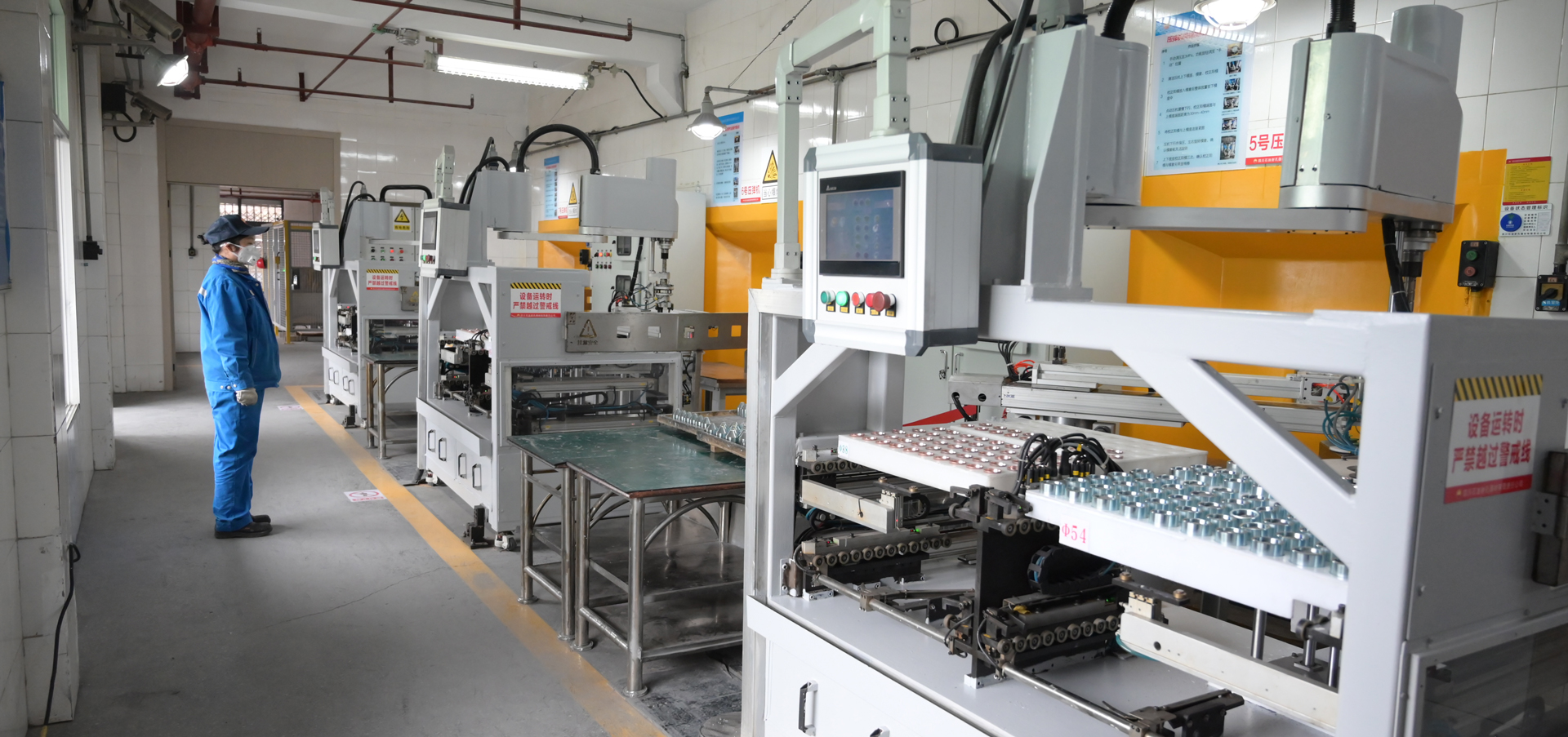
Equipped with state-of-the-art automated production and inspection lines, we deliver over 2.5 million shaped charges and 500,000 meters of perforating guns annually — meeting diverse customer requirements across the global market.

Four pillars of excellence that make FYPE the preferred partner for horizontal perforating solutions worldwide.
Our professional inspection team operates under a quality management system certified to API Q1 and ISO 9001 standards, ensuring product reliability and superior performance in every delivery.
Our automated production lines ensure product consistency and enhance productivity. The daily capacity of shaped charges can reach 10,000. The perforating gun production line can meet the processing of 100+ types with different specifications.
Our lab can carry out real-core target tests in simulated reservoirs, ultimate pressure resistance tests on perforation tools, and explosion mechanism tests on shaped charges — ensuring every product performs under real-world conditions.
With nearly 20 years of export experience across 38 countries, we deeply understand global market demands and deliver trusted, tailored solutions for horizontal perforating and production optimization.
To date, our products have served customers in 38 countries worldwide and consistently earn positive feedback for performance and reliability.
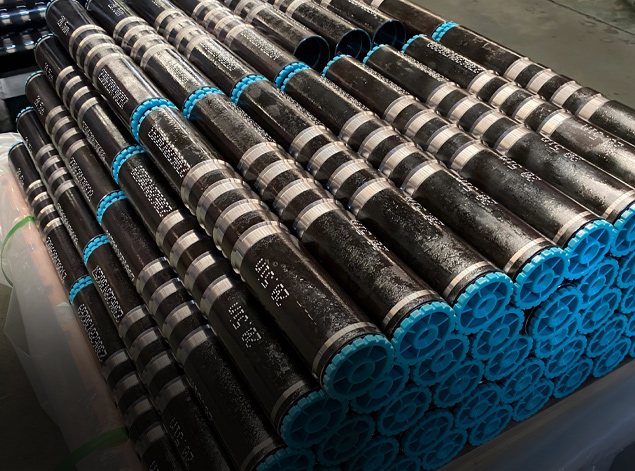
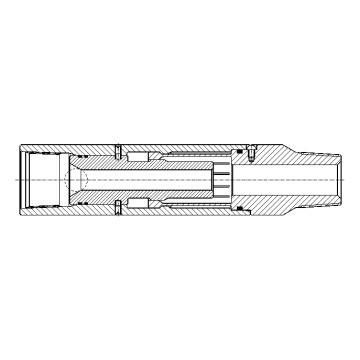
Instead of scallops, it can shoot regardless of the charge tube's angular position.
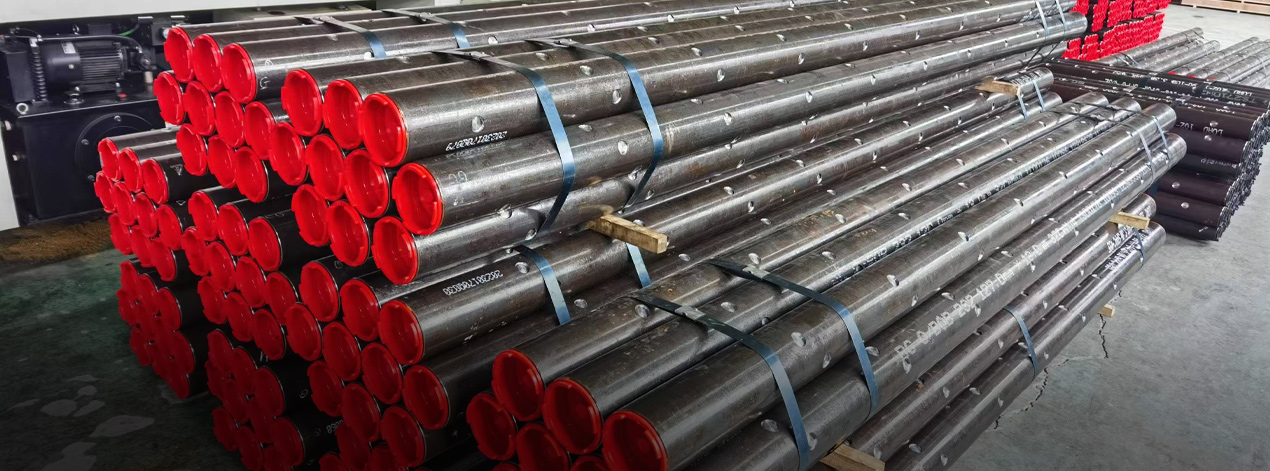
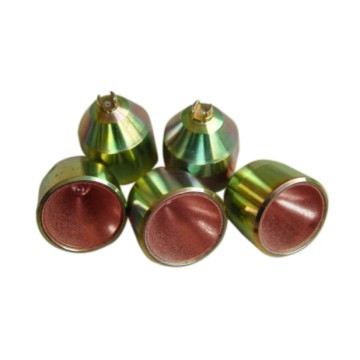
Provides deep penetration and high shot density for maximum production flow.
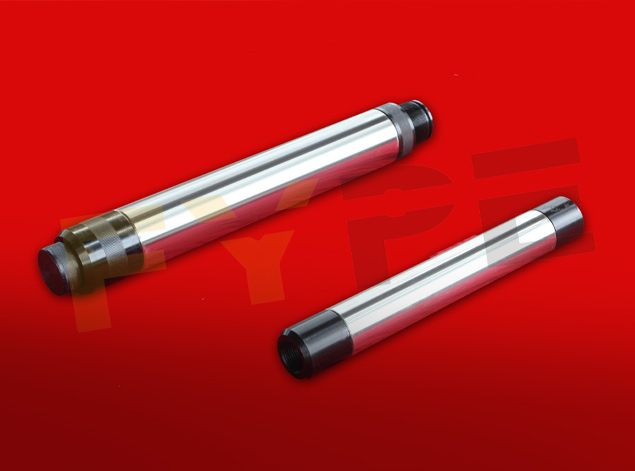
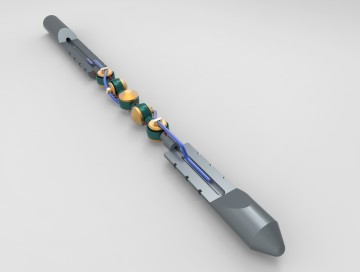
Detects casing collars for depth correlation in horizontal and deviated wells.
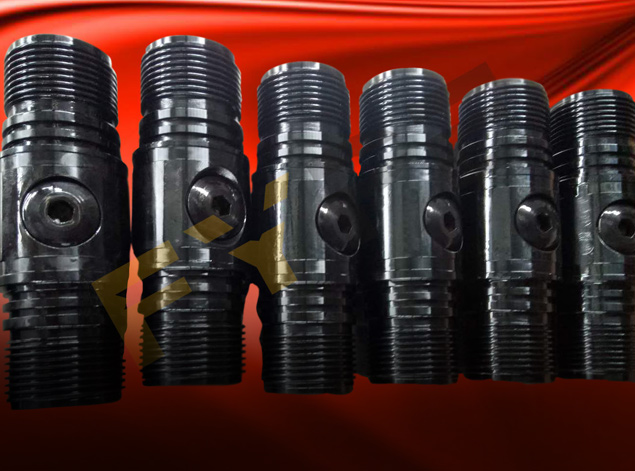
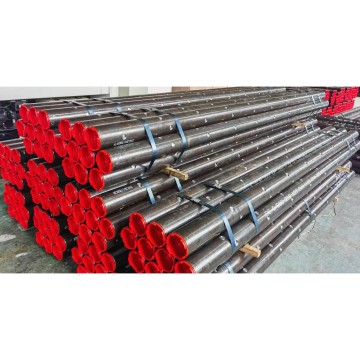
Connecting components used in horizontal perforating systems.
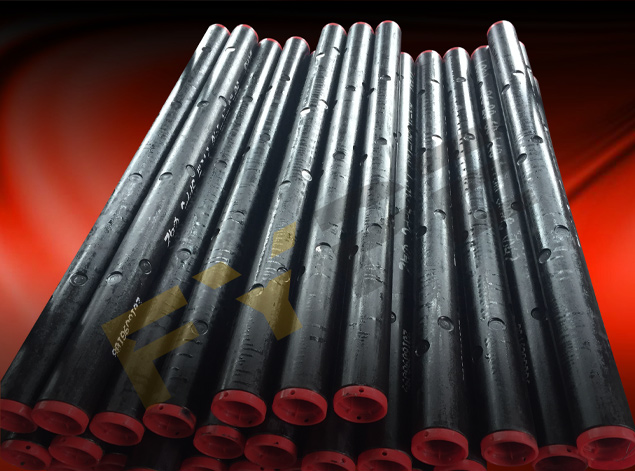
Designed for compact spaces and limited depth perforation in horizontal wellbores.
State-of-the-art manufacturing facilities engineered for precision, scale, and consistent quality in every horizontal perforating product we produce.








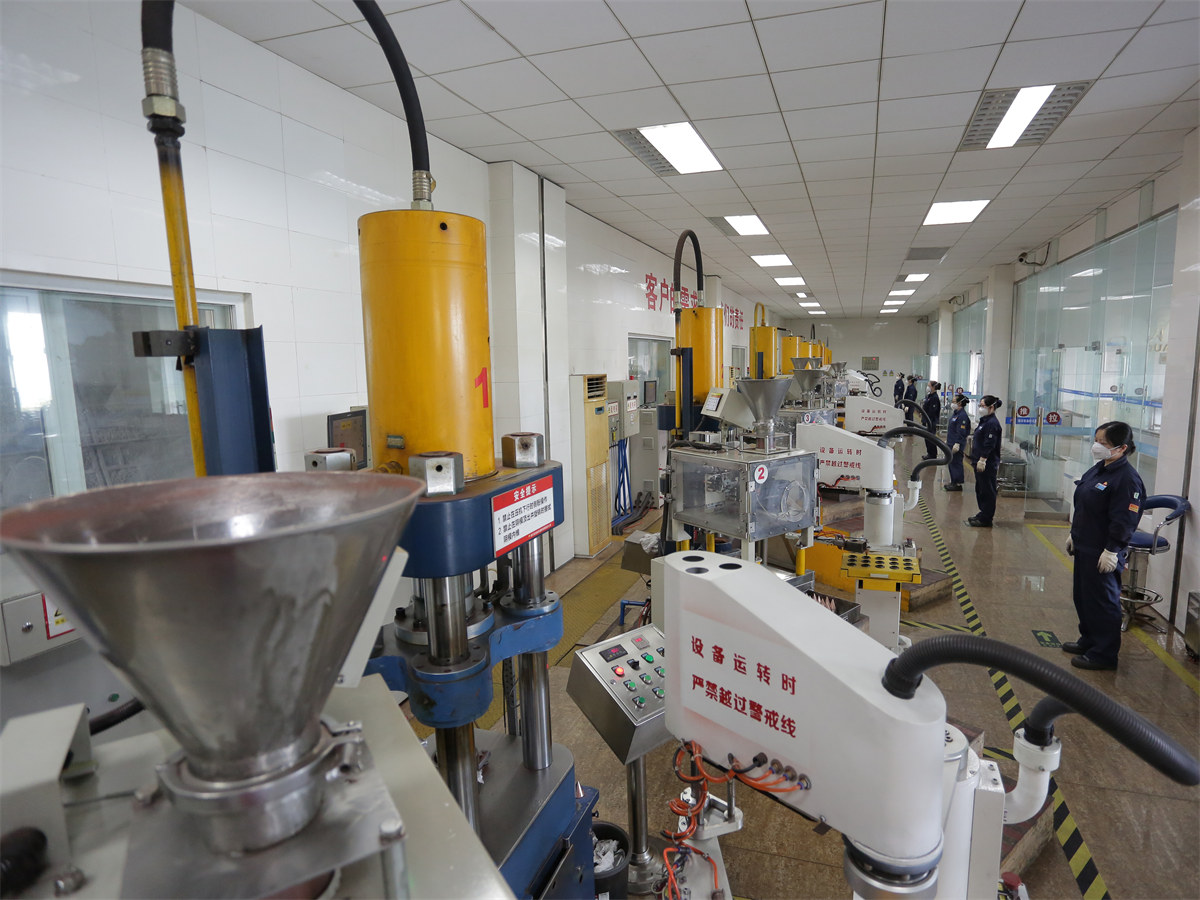
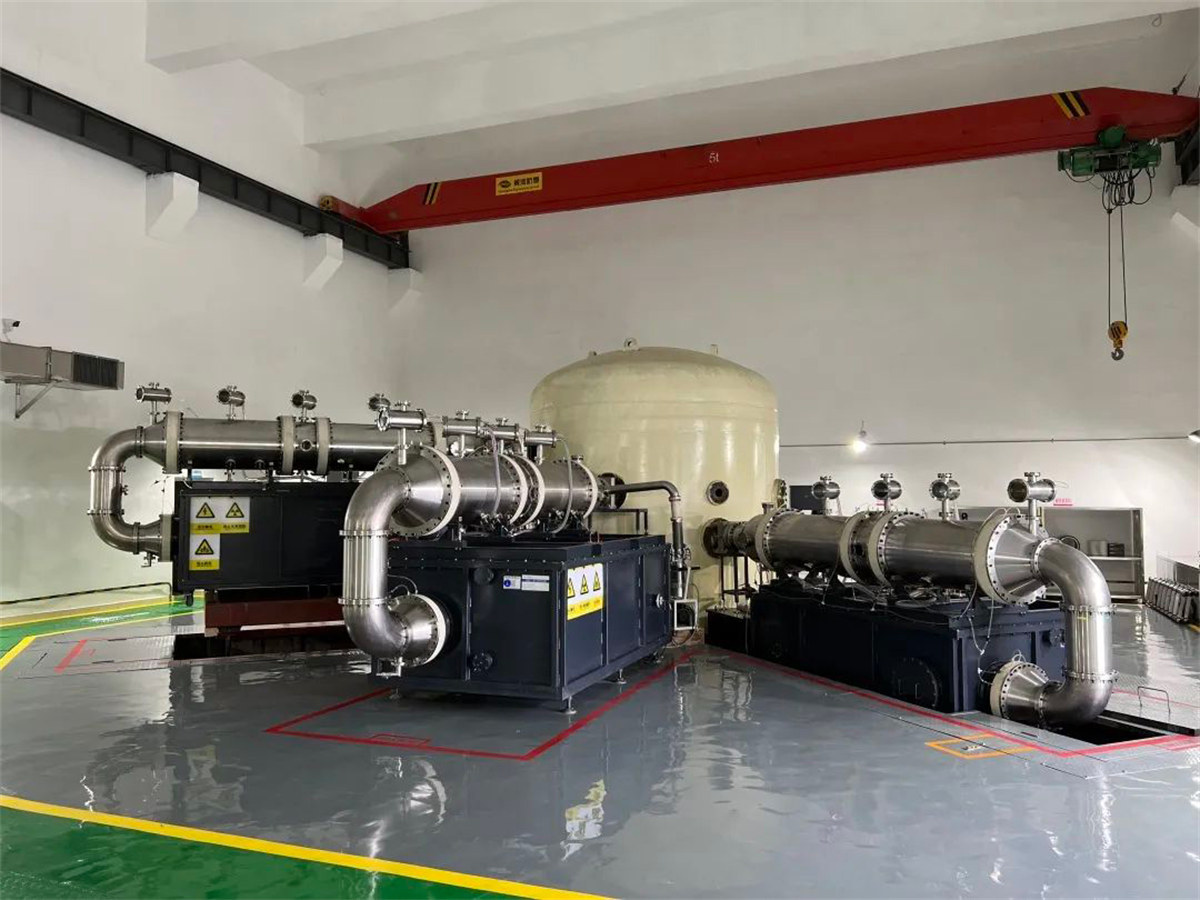
At FYPE, we believe every well deserves precision, reliability, and excellence. Whether you require high-performance horizontal perforating tools or dependable technical support, we are your trusted partner in the oil and gas industry.
Inquiry Now
Explore our full portfolio of precision-engineered perforating systems and accessories — built to optimize production flow in every well environment.