+86-15829394411
Leave Your Message
-
Contact WhatsApp
-
 Contact Phone
-
 Contact Email
In the contemporary landscape of oil and gas extraction, the shift from vertical to horizontal drilling has revolutionized the industry. Horizontal perforating for reservoir fluid stimulation stands at the core of this transformation. Unlike traditional vertical wells, horizontal wells provide a vastly larger contact area with the hydrocarbon-bearing formation. However, drilling the well is only half the battle; the real challenge lies in effectively stimulating the reservoir to allow fluids to flow freely into the wellbore.
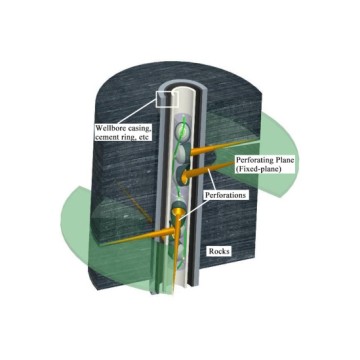
Horizontal perforating involves creating a precise communication path between the wellbore and the reservoir by shooting shaped charges through the casing and cement into the rock formation. This process is critical for subsequent hydraulic fracturing operations, where high-pressure fluids are injected to create fractures. The precision of these perforations determines the efficiency of the fracture network and, ultimately, the cumulative production of the well.
The global demand for high-efficiency perforating systems is surging, driven by the exploitation of unconventional resources such as shale gas, tight oil, and coalbed methane. In regions like the Permian Basin in the USA and the Ordos Basin in China, horizontal perforating has become the standard operational procedure. As "easy oil" disappears, companies are forced into deeper, hotter, and more complex environments, necessitating advanced tools like Ultra High Temperature High Pressure (HTHP) Perforating Guns.
Modern industrial standards now demand 100% reliability. A single failed shot in a multi-stage horizontal well can lead to millions of dollars in non-productive time (NPT). Consequently, the market is moving toward integrated systems that combine directional control, clustering capabilities, and extreme durability.

Expetro Energy Service Co., Ltd. (FYPE) is a leading manufacturer of downhole perforating systems in China, dedicated to the research, development, and production of shaped charges, perforating guns, and associated accessories for oil and gas completions.
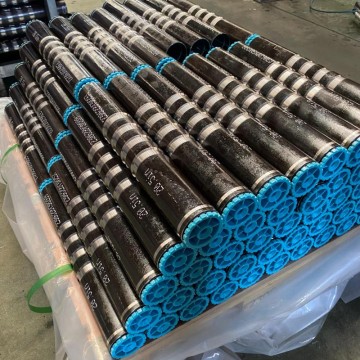
Equipped with state-of-the-art automated production and inspection lines, we deliver over 2.5 million shaped charges and 500,000 meters of perforating guns annually—meeting diverse customer requirements across the global market.
Every stage of our production process strictly adheres to the API Q1 Quality Management System. This unwavering commitment to quality, innovation, and customer satisfaction has established FYPE as a trusted partner.
To date, our products have served customers in 38 countries worldwide and consistently earn positive feedback for performance and reliability. FYPE is dedicated to building long-term partnerships.
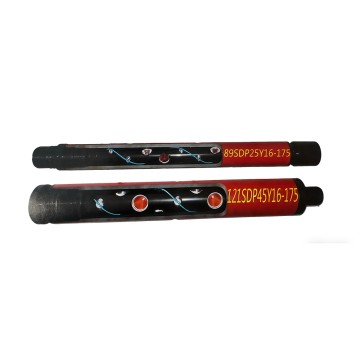
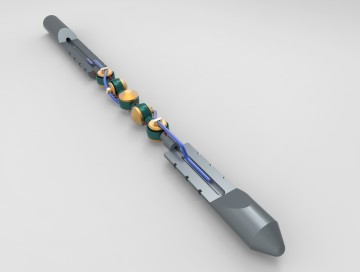
In shale reservoirs, the Plug-and-Perf method is the most common application for horizontal wells. Perforating guns are pumped down with a bridge plug. The ability to utilize Directional Clustering Perforating Systems allows engineers to target specific orientations, ensuring fractures grow into the most productive parts of the rock, avoiding water zones or unstable formations.
Horizontal perforating is finding a new home in the green energy sector. Enhanced Geothermal Systems (EGS) require horizontal drilling into hot crystalline rock. Perforating these formations requires specialized guns that can withstand temperatures exceeding 200°C for extended periods, a scenario where our Ultra HTHP solutions excel.
Offshore environments demand zero-failure tolerance due to the astronomical costs of rig time. Coaxial radial and constant plane perforating systems are used here to ensure uniform flow and prevent sand production, which can destroy expensive subsea equipment.
Our professional inspection team operates under a quality management system certified to API Q1 and ISO 9001 standards, ensuring product reliability and superior performance.
The daily capacity of shaped charges can reach 10,000. The perforating gun production line can meet the processing of 100+ types with different specifications.
Our lab can carry out real-core target tests in simulated reservoirs and ultimate pressure resistance tests on perforation tools.
With nearly 20 years of export experience across 38 countries, we deeply understand global market demands and deliver trusted, tailored solutions.
The next decade of reservoir fluid stimulation will be defined by "Smart Perforating." We are seeing a trend toward the integration of fiber optic sensors within the perforating string to provide real-time feedback on shot success and initial fluid flow. Furthermore, the use of AI algorithms to analyze seismic data and determine the exact "sweet spot" for each perforation cluster is becoming a reality.
At FYPE, we are investing in automated explosive loading and robotic assembly to eliminate human error and enhance the consistency of our shaped charges. As horizontal wells get longer—some reaching over 5,000 meters in lateral length—the friction and pressure challenges require lighter, stronger materials and more aerodynamic gun designs.
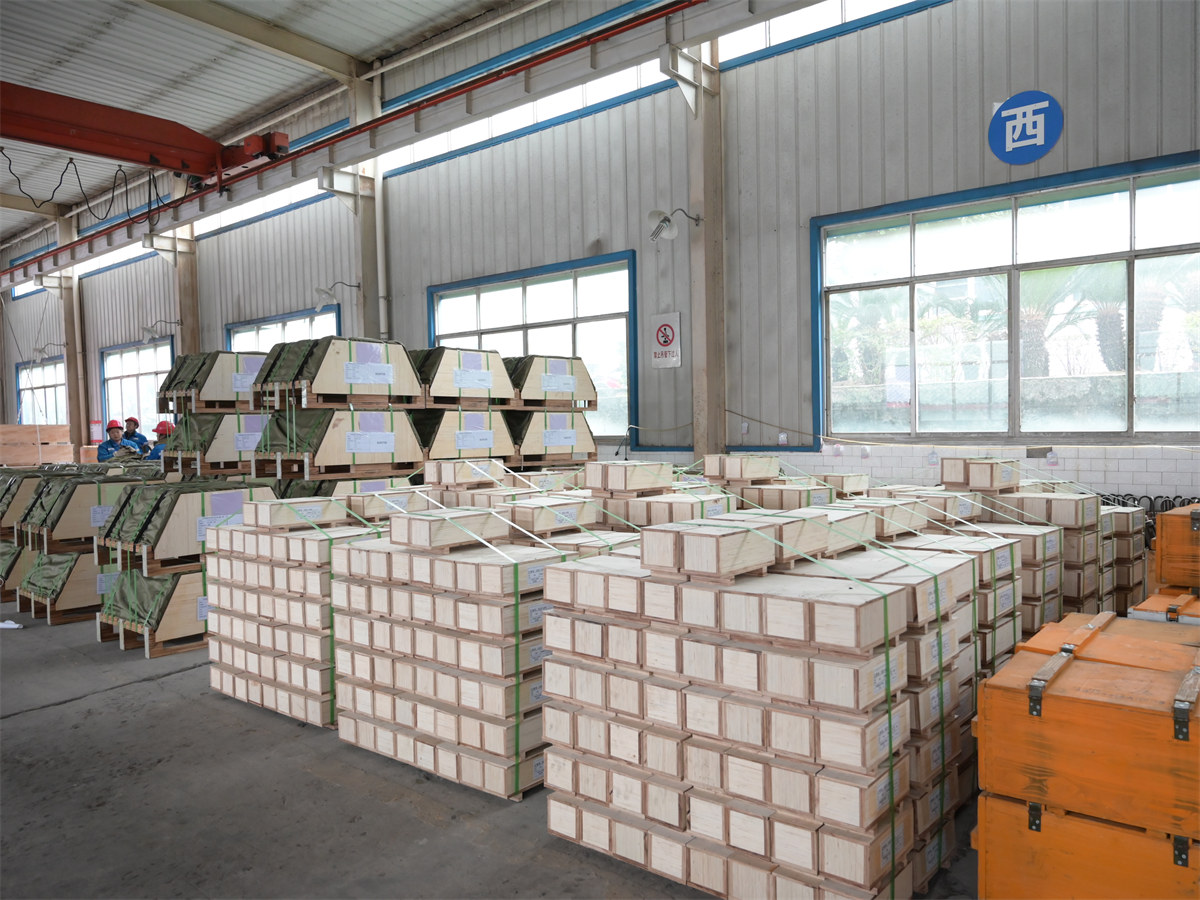
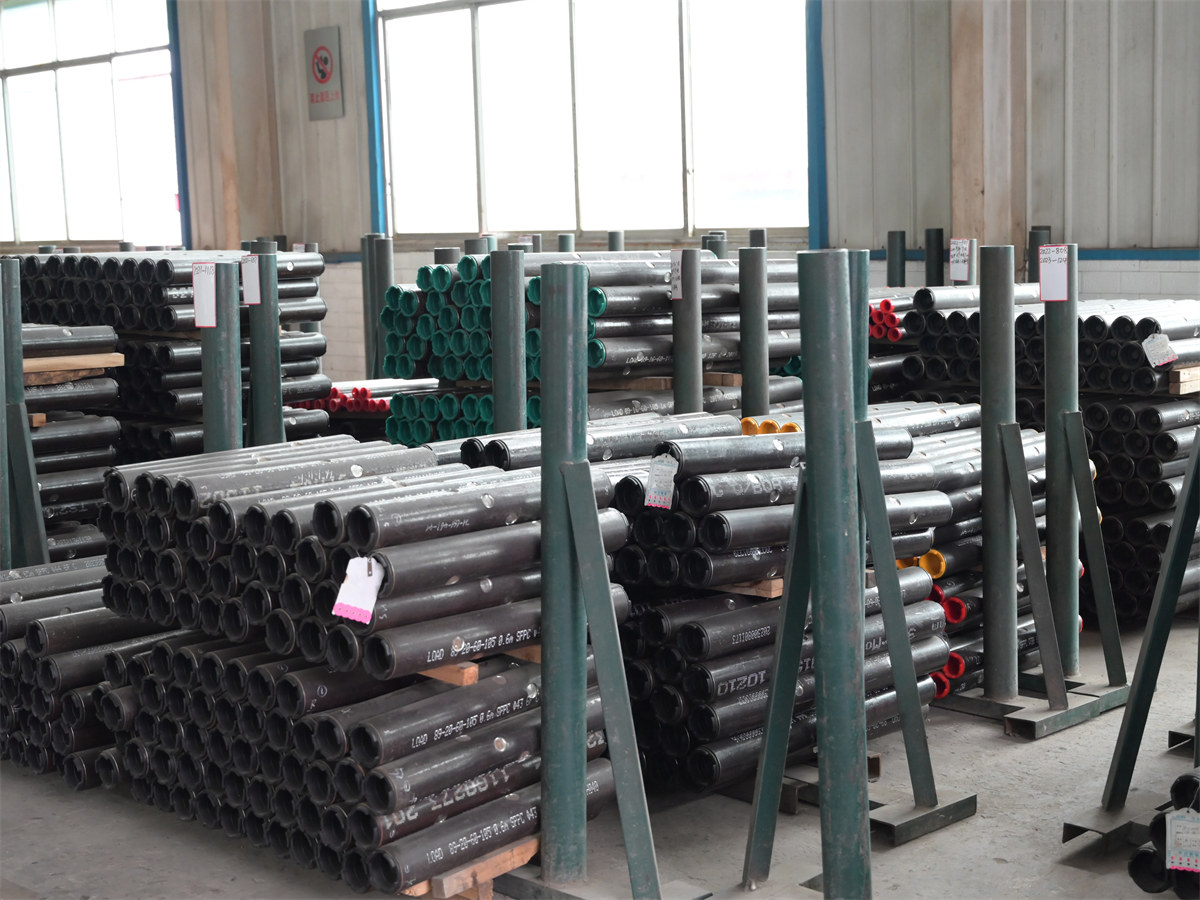
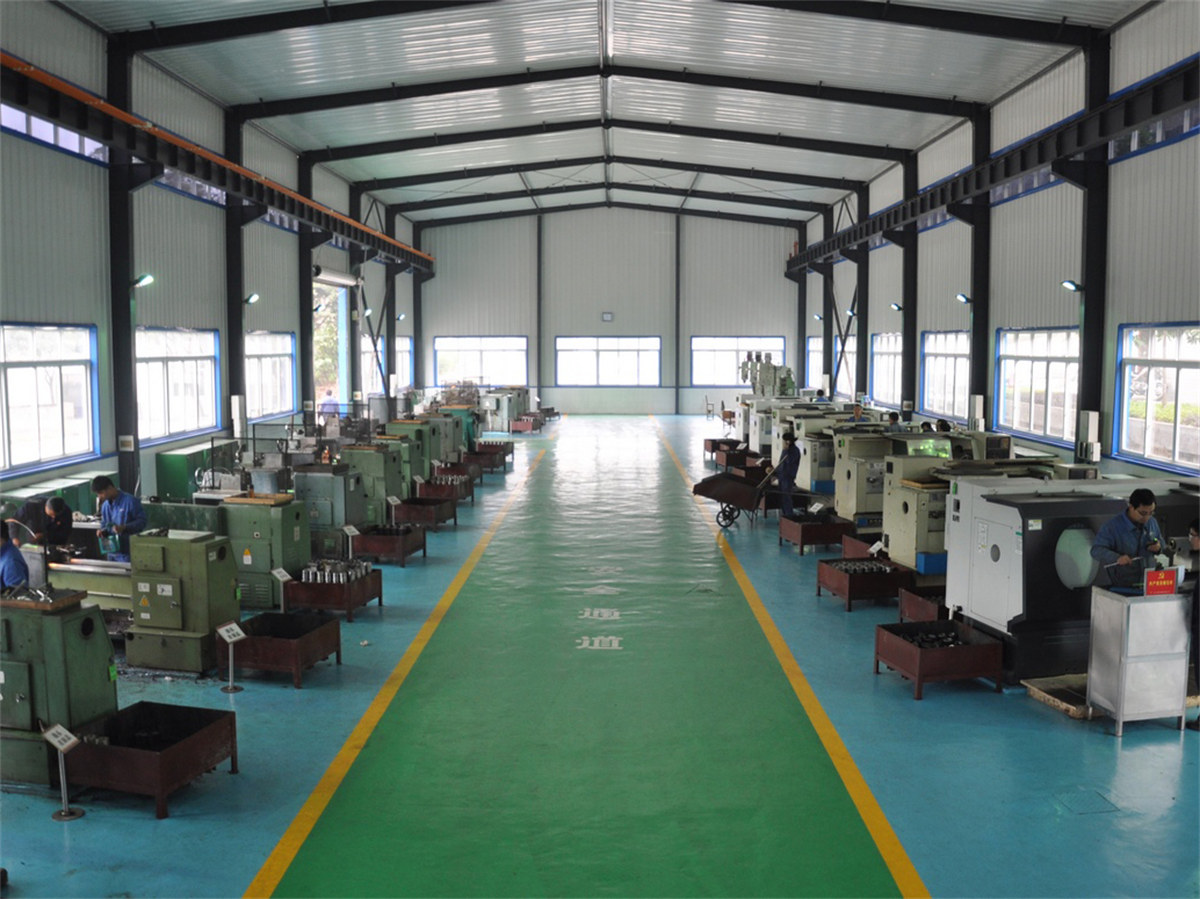
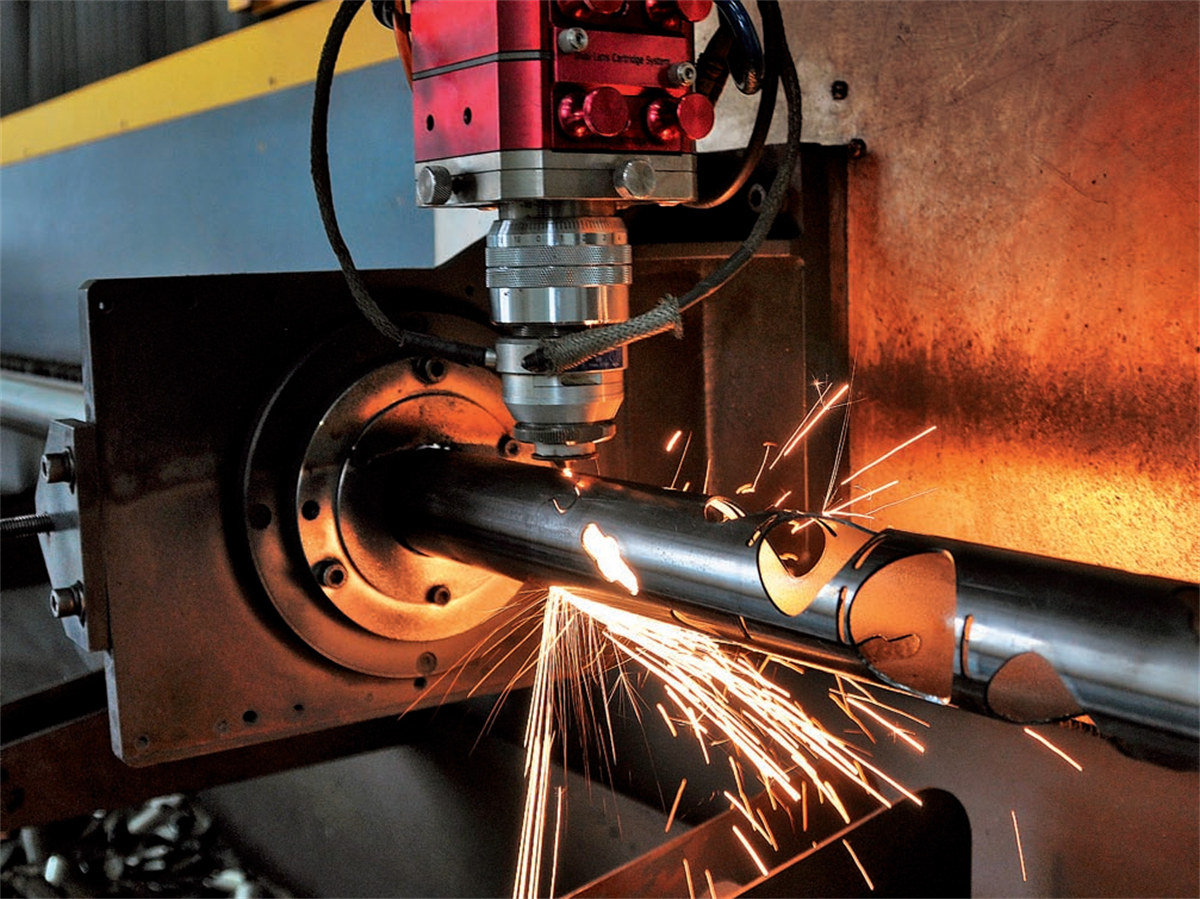

At FYPE, we believe every well deserves precision, reliability, and excellence. Whether you require high-performance perforating tools or dependable technical support, we are your trusted partner in the oil and gas industry.
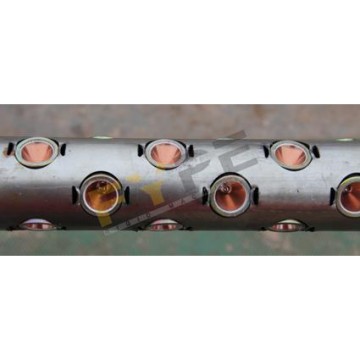
Inquiry NowHorizontal perforating for reservoir fluid stimulation is not merely about making holes; it's about the physics of energy transfer. When a shaped charge fires, it generates a high-velocity jet of metal particles (usually copper) that travels at speeds up to 10 kilometers per second. This jet pierces the steel casing and creates a tunnel into the rock. The geometry of this tunnel—its depth and diameter—is the primary variable in determining the "Skin Factor" of the well.
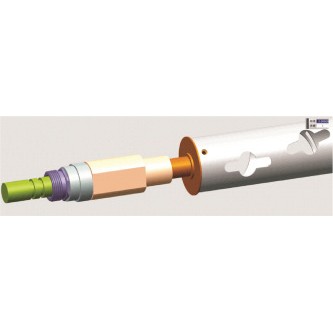
In horizontal wells, the orientation of these tunnels is paramount. Because the earth's stress fields are anisotropic (uneven), fractures tend to grow in the direction of the maximum horizontal stress. If perforations are misaligned, the fluid must "turn" as it exits the wellbore to align with the natural stress field, causing high friction and potentially causing the fracture to "screen out" or fail. Advanced systems like the Directional Clustering Perforating System allow operators to align shots precisely with the preferred fracture plane, maximizing stimulation efficiency.
Furthermore, the environmental impact of perforating is a growing concern. The industry is moving toward "green" explosives and lead-free shaped charges. FYPE is at the forefront of this research, developing components that minimize the chemical footprint of the completion process without sacrificing the penetration depth required for tough formations like granite or tight shale.
In conclusion, as the world's energy needs continue to grow, the role of high-precision horizontal perforating will only become more vital. It is the bridge between a drilled hole and a productive asset. With companies like Expetro Energy (FYPE) providing the tools and expertise, the industry is well-equipped to meet the challenges of the next generation of energy extraction.