+86-15829394411
Leave Your Message
-
Contact WhatsApp
-
 Contact Phone
-
 Contact Email
Our flagship perforating solutions engineered for extreme downhole conditions during initial well completion operations.
High Temperature High Pressure (HTHP) perforating is a critical phase of initial well completion — the process by which engineers create precise, controlled channels through the casing, cement sheath, and into the producing formation. These perforation tunnels are the primary conduits through which hydrocarbons flow from the reservoir into the wellbore, making perforation quality a decisive factor in long-term well productivity.
In HTHP environments — typically defined as wells exceeding 150°C (302°F) and 10,000 psi — conventional perforating equipment rapidly approaches its operational limits. Explosive charges lose detonation reliability, gun bodies risk structural failure under thermal expansion, and sealing systems can be compromised by extreme pressure differentials. HTHP perforating systems are specifically engineered to overcome these challenges, delivering consistent, repeatable performance in the most demanding downhole conditions on Earth.
Initial well completion using HTHP perforating techniques is not merely about creating holes — it is about engineering optimal reservoir connectivity from day one, minimizing formation damage, and maximizing the economic return of every well drilled.

Studies across major HTHP basins — including the Gulf of Mexico deepwater, Middle East tight carbonates, and China's deep Sichuan formations — consistently demonstrate that perforation geometry and skin damage account for 15–35% variance in initial production rates. Selecting the right HTHP perforating system for initial well completion is one of the highest-leverage engineering decisions in the entire well lifecycle.
The global HTHP perforating market is undergoing rapid transformation, driven by deeper exploration targets, tighter reservoir plays, and intensifying operational efficiency requirements.
The global downhole perforating market is projected to exceed USD 2.8 billion by 2028, with HTHP-rated systems capturing an increasingly dominant share. Deepwater and ultra-deepwater developments in the Gulf of Mexico, West Africa, Brazil's pre-salt, and Southeast Asia are driving demand for perforating equipment rated beyond 175°C and 15,000 psi. China's deep Sichuan Basin shale gas development alone has created one of the world's fastest-growing HTHP perforating markets.
China has emerged as a globally competitive manufacturing hub for HTHP perforating systems, with leading manufacturers like Expetro Energy Service (FYPE) producing API Q1-certified equipment that meets or exceeds international performance benchmarks. Automated production lines, advanced metallurgical capabilities, and rigorous quality management have enabled Chinese suppliers to serve demanding international operators across 38+ countries, offering significant cost advantages without compromising technical specifications.
With oil and gas operators under sustained pressure to reduce well costs while improving production outcomes, the economics of initial well completion have never been more scrutinized. HTHP perforating system selection is increasingly data-driven, with operators leveraging computational perforation modeling, real-time downhole data acquisition, and post-job production analysis to continuously refine their completion strategies. The shift from commodity procurement to performance-based specification is reshaping supplier relationships across the industry.
Technological innovation is accelerating across every dimension of HTHP perforating for initial well completion — from materials science to digital integration.
Next-generation perforating systems are being engineered for sustained operation at temperatures exceeding 200°C (392°F) and pressures above 20,000 psi — conditions previously considered prohibitive. Advanced high-temperature explosive formulations, thermally stable elastomeric seals, and high-strength alloy gun bodies are enabling access to previously uneconomic ultra-deep reservoir targets. This trend is particularly significant for deep tight gas formations in China, the Permian Basin's deeper horizons, and Middle Eastern HP/HT carbonate reservoirs.
The integration of downhole sensors, telemetry systems, and real-time data transmission is transforming HTHP perforating from a one-way operation into an interactive, data-rich process. Intelligent perforating systems can now confirm detonation sequence, measure downhole pressure and temperature at the moment of perforation, and transmit this data to surface in real time — enabling immediate operational decisions and building a rich dataset for completion optimization across future wells.
As hydraulic fracturing becomes standard practice for HTHP well completion, oriented perforating — where charges are precisely positioned relative to the maximum horizontal stress direction — is emerging as a critical technique. Directional clustering perforating systems minimize tortuosity in fracture initiation, reduce near-wellbore complexity, and dramatically improve fracture geometry, leading to higher stimulation efficiency and better long-term production performance in tight HTHP formations.
Formation damage during perforation — caused by crushed rock debris, explosive residue, and fluid invasion — can significantly impair well productivity, particularly in HTHP environments where formation sensitivity is elevated. Self-cleaning perforating systems employ specialized charge designs and gun configurations that actively remove debris from perforation tunnels during or immediately after firing, delivering cleaner perforations with substantially reduced skin damage and measurably higher initial production rates.
In low-permeability HTHP reservoirs — including tight sandstones, deep carbonates, and shale formations — maximizing reservoir contact area is paramount. High-density deep penetration perforating systems, delivering shot densities of 16–21 shots per foot with penetration depths exceeding 1,000mm in API RP 19B Section 1 tests, are increasingly specified for initial completions in these challenging environments. The combination of high shot count and deep penetration minimizes the distance hydrocarbons must travel through the damaged zone, directly improving productivity index.
The rapid growth of multi-stage fracturing completions in HTHP horizontal wells has driven demand for modular, plug-and-perf wireline gun systems that can be rapidly configured, deployed, and retrieved across multiple perforation intervals in a single wellbore. These systems reduce rig time, minimize wellbore exposure, and enable highly flexible interval selection — critical advantages in HTHP wells where every additional hour of operations carries significant cost and risk implications.
A globally trusted manufacturer of downhole perforating systems for HTHP initial well completion.
Expetro Energy Service Co., Ltd. (FYPE) is a leading manufacturer of downhole perforating systems in China, dedicated to the research, development, and production of shaped charges, perforating guns, and associated accessories for oil and gas completions.
Equipped with state-of-the-art automated production and inspection lines, we deliver over 2.5 million shaped charges and 500,000 meters of perforating guns annually — meeting diverse customer requirements across the global market. Every stage of our production process strictly adheres to the API Q1 Quality Management System.
This unwavering commitment to quality, innovation, and customer satisfaction has established FYPE as a trusted partner in the global energy sector, with products serving customers in 38 countries worldwide and consistently earning positive feedback for performance and reliability.
Four core pillars that make FYPE the preferred HTHP perforating partner for initial well completion projects worldwide.
Our professional inspection team operates under a quality management system certified to API Q1 and ISO 9001 standards, ensuring product reliability and superior performance in every delivery.
Our automated production lines ensure product consistency and enhance productivity. Daily shaped charge capacity reaches 10,000 units. The perforating gun production line supports 100+ specification types.
Our lab carries out real-core target tests in simulated reservoirs, ultimate pressure resistance tests on perforation tools, and explosion mechanism tests on shaped charges — validating performance before deployment.
With nearly 20 years of export experience across 38 countries, we deeply understand global market demands and deliver trusted, tailored solutions for HTHP initial well completion projects of every scale.
From ultra-deepwater to deep tight gas, HTHP perforating technology is enabling initial well completion across the world's most challenging reservoir environments.
In deepwater environments — where ambient seafloor pressures already exceed 3,000 psi before any reservoir pressure is encountered — HTHP perforating systems must perform reliably under extreme combined loading. Specialized full-bore gun systems with enhanced pressure ratings and thermally stable charge designs are critical for successful initial completions in Gulf of Mexico, West Africa, and Brazil deepwater developments. The ability to run larger-diameter guns through production tubing is particularly valued in deepwater wells where rig intervention costs are prohibitive.
China's Sichuan Basin deep shale gas formations — with reservoir depths exceeding 4,500 meters, temperatures above 160°C, and pore pressures approaching 100 MPa — represent one of the most technically demanding HTHP perforating environments in the world. Ultra-HTHP perforating guns combined with high-density deep penetration charge designs enable effective initial completions that provide the reservoir connectivity essential for successful multi-stage hydraulic fracturing stimulation in these ultra-tight formations.
Middle Eastern and North African carbonate reservoirs — characterized by naturally fractured rock matrices, high formation temperatures, and elevated pore pressures — present unique challenges for initial well completion perforating. Oriented directional perforating systems that align perforation clusters with natural fracture networks can dramatically enhance reservoir connectivity, while self-cleaning charge designs mitigate the formation damage risks associated with carbonate fines migration in high-velocity flow environments.
The rapid global expansion of geothermal energy development is creating a significant new market for HTHP perforating technology. Enhanced Geothermal Systems (EGS) and high-enthalpy hydrothermal wells routinely encounter temperatures exceeding 200°C and require robust perforating solutions for initial well completion. The technical requirements closely mirror those of oil and gas HTHP wells, and perforating systems developed for the energy sector are increasingly being adapted and specified for geothermal applications worldwide.
Through-tubing perforating systems enable HTHP perforating operations in producing wells without the need for full workover intervention — a critical capability for adding new pay zones, recompleting depleted intervals, or accessing bypassed pay in existing HTHP wells. These systems must operate within the dimensional constraints of production tubing while still delivering sufficient penetration depth and shot density to achieve meaningful reservoir connectivity in challenging HTHP formations.
The combination of horizontal drilling and multi-stage hydraulic fracturing has revolutionized unconventional resource development globally. HTHP perforating systems play a central role in this completion paradigm — wireline modular gun systems enable efficient plug-and-perf operations across dozens of perforation clusters in a single horizontal wellbore, while oriented perforating techniques optimize fracture initiation geometry at each cluster. In HTHP horizontal wells, the precision and reliability of the perforating system directly determines the effectiveness of the entire stimulation program.
At FYPE, we believe every well deserves precision, reliability, and excellence. Whether you require high-performance HTHP perforating tools for initial well completion or dependable technical support across the full completion lifecycle, we are your trusted partner in the oil and gas industry.
Our engineering team works closely with operators and service companies to understand the specific HTHP challenges of each project — recommending optimized perforating solutions that maximize reservoir connectivity, minimize formation damage, and deliver the best possible initial production performance from every well.
Inquiry Now
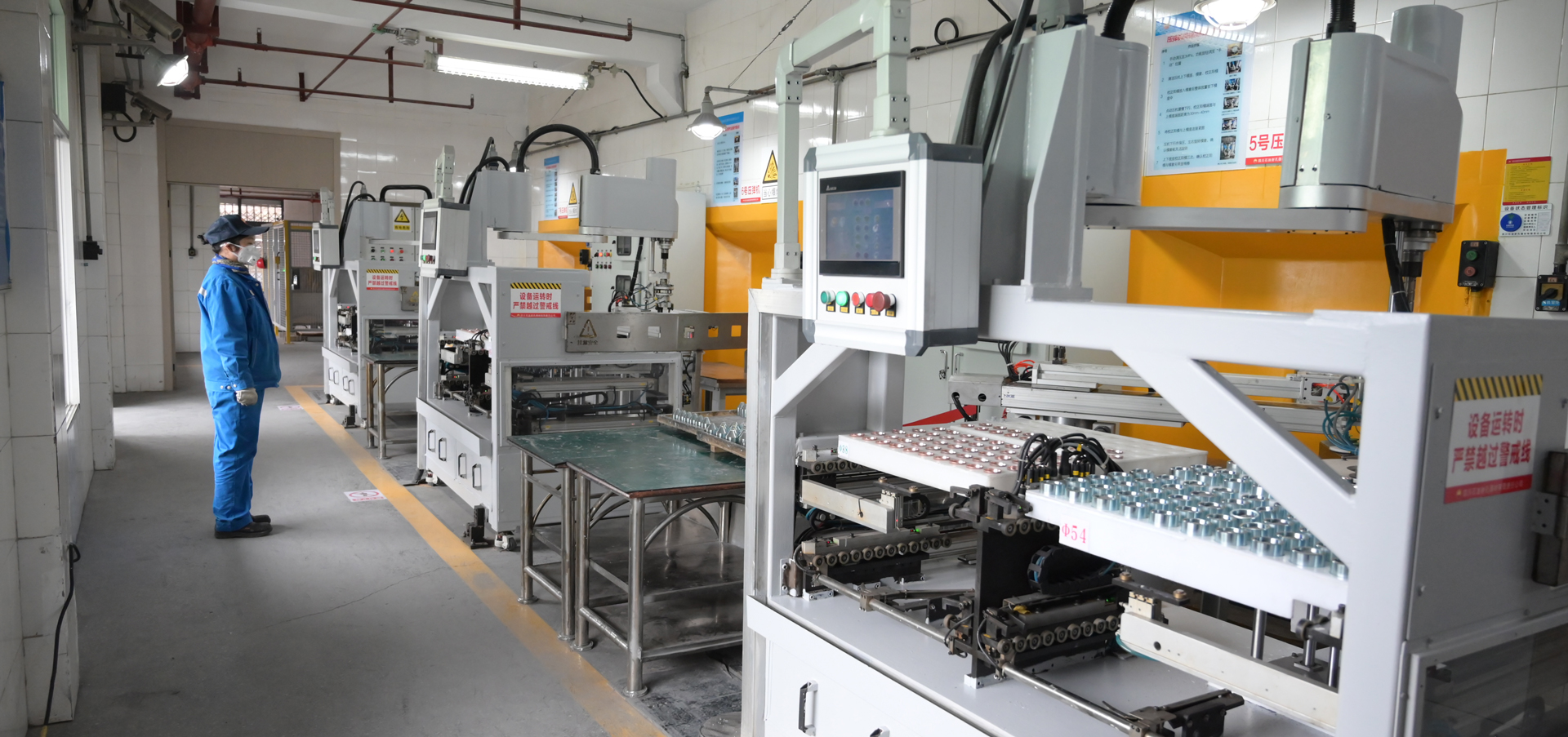
State-of-the-art manufacturing facilities dedicated to producing world-class HTHP perforating systems for initial well completion.
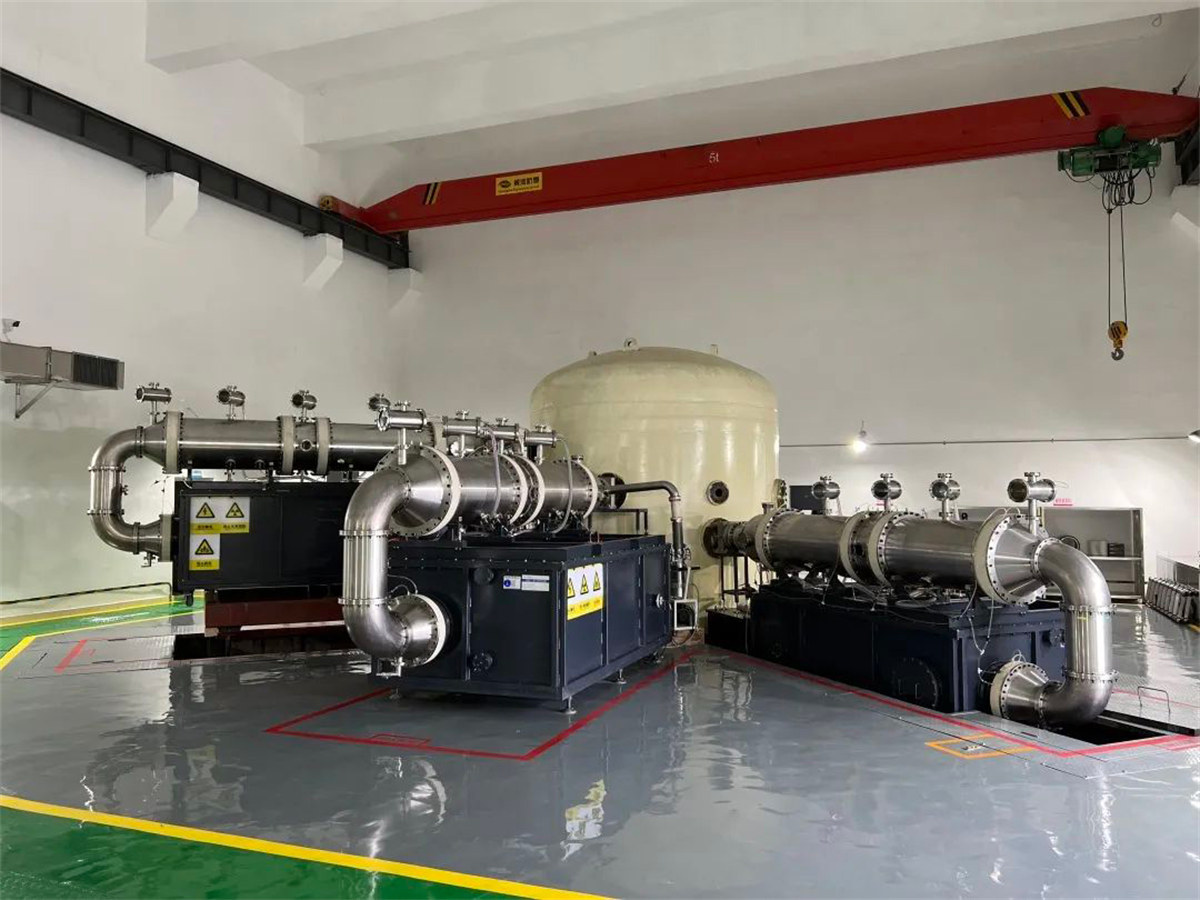
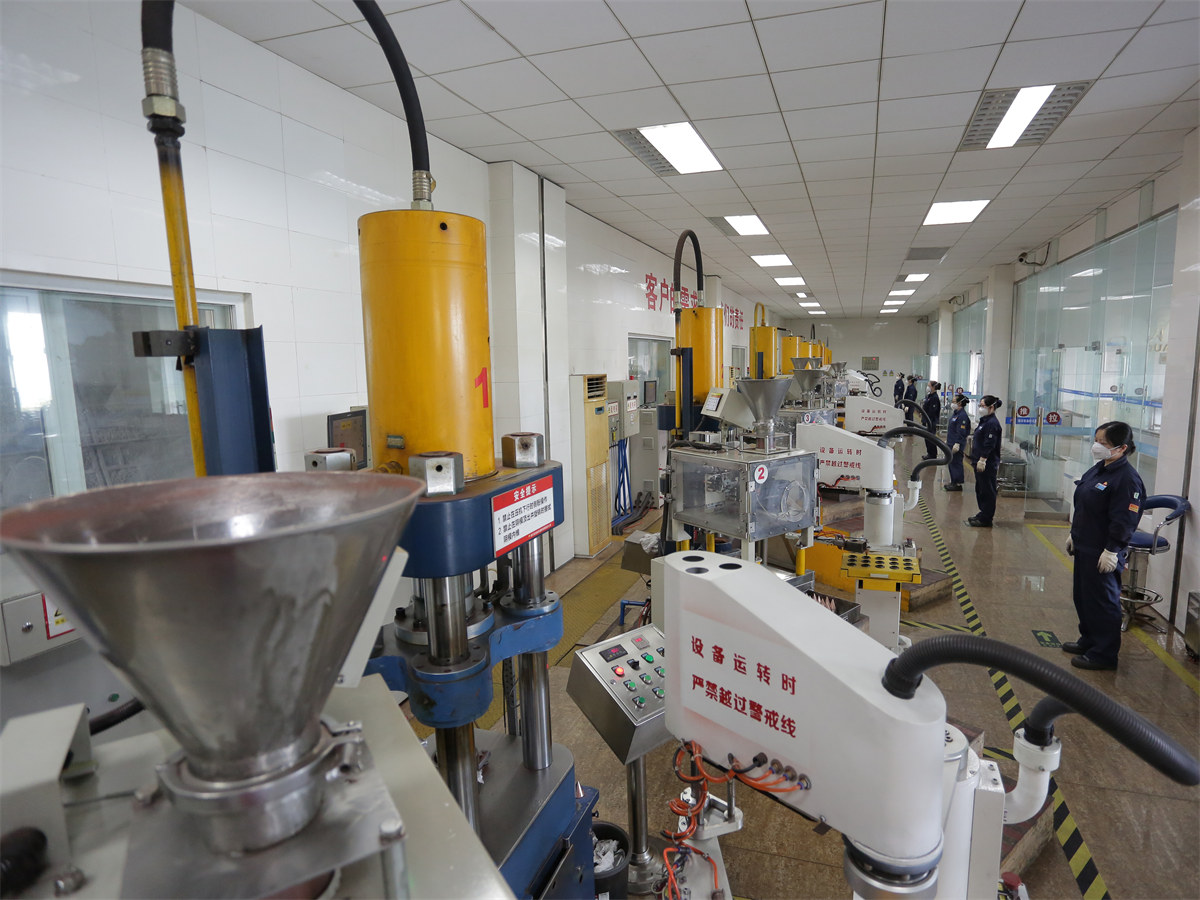
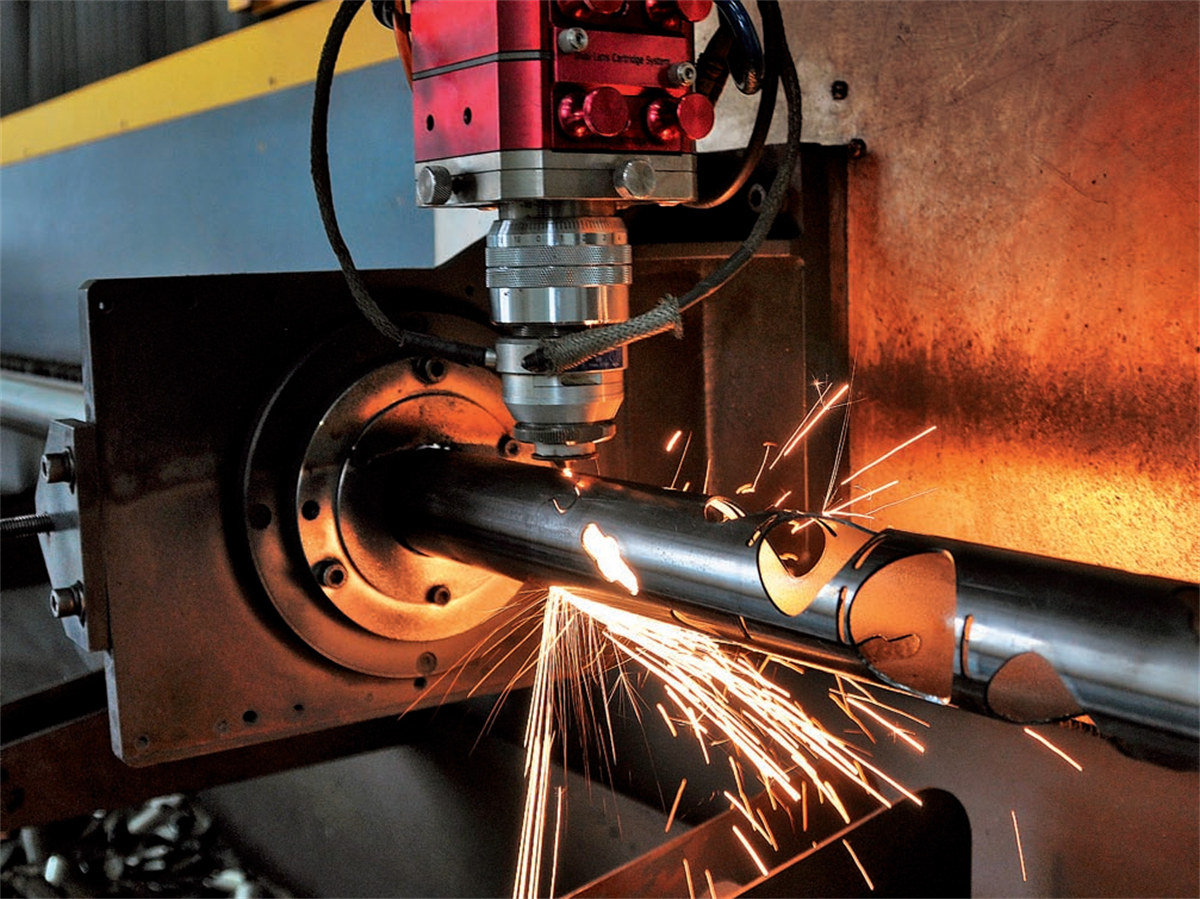
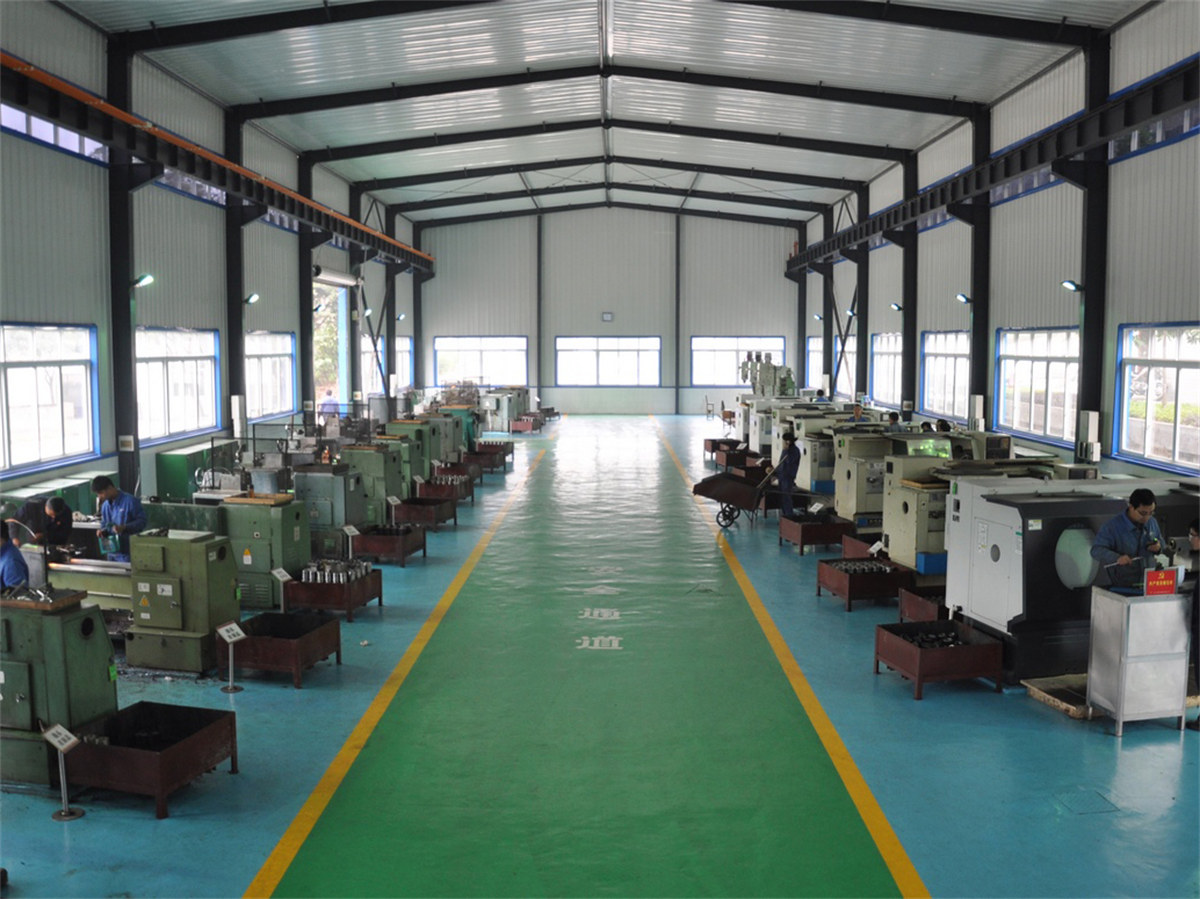
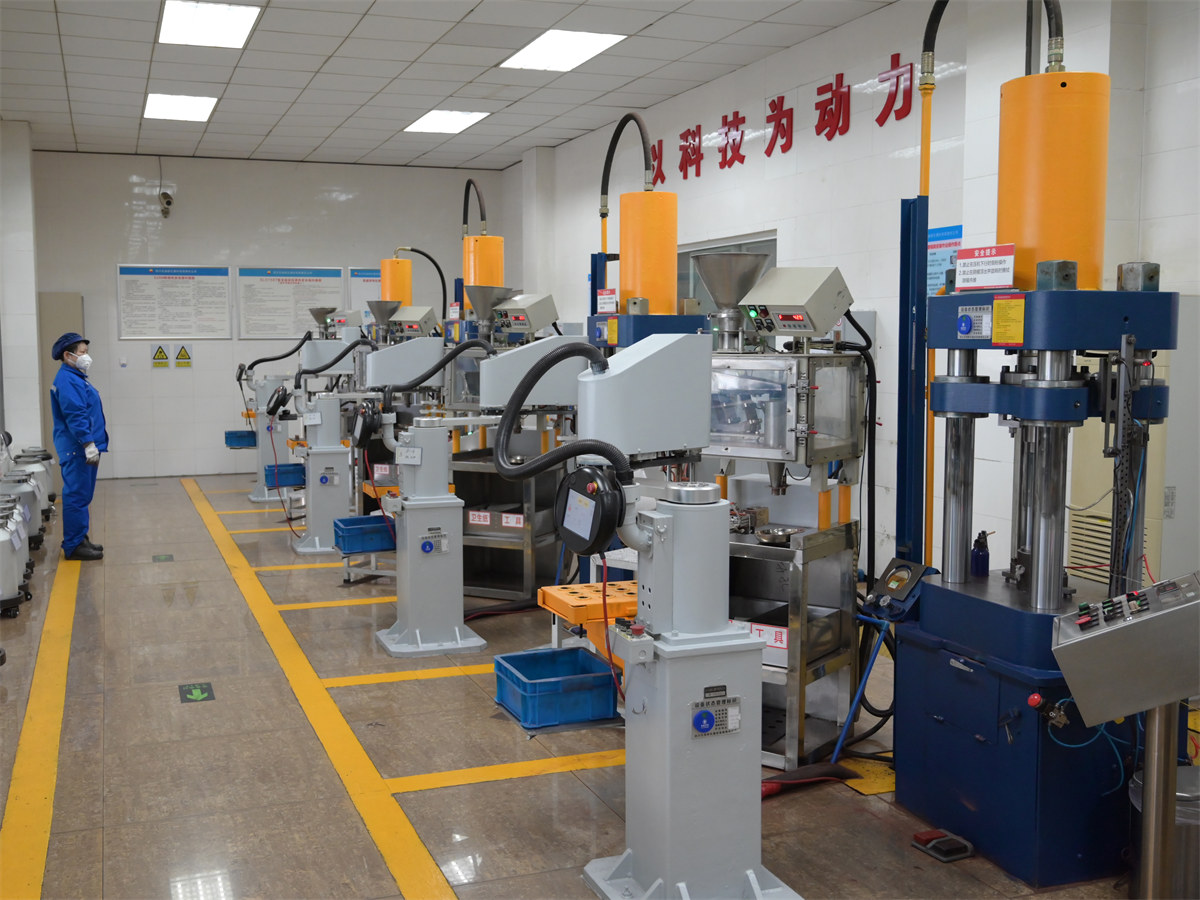
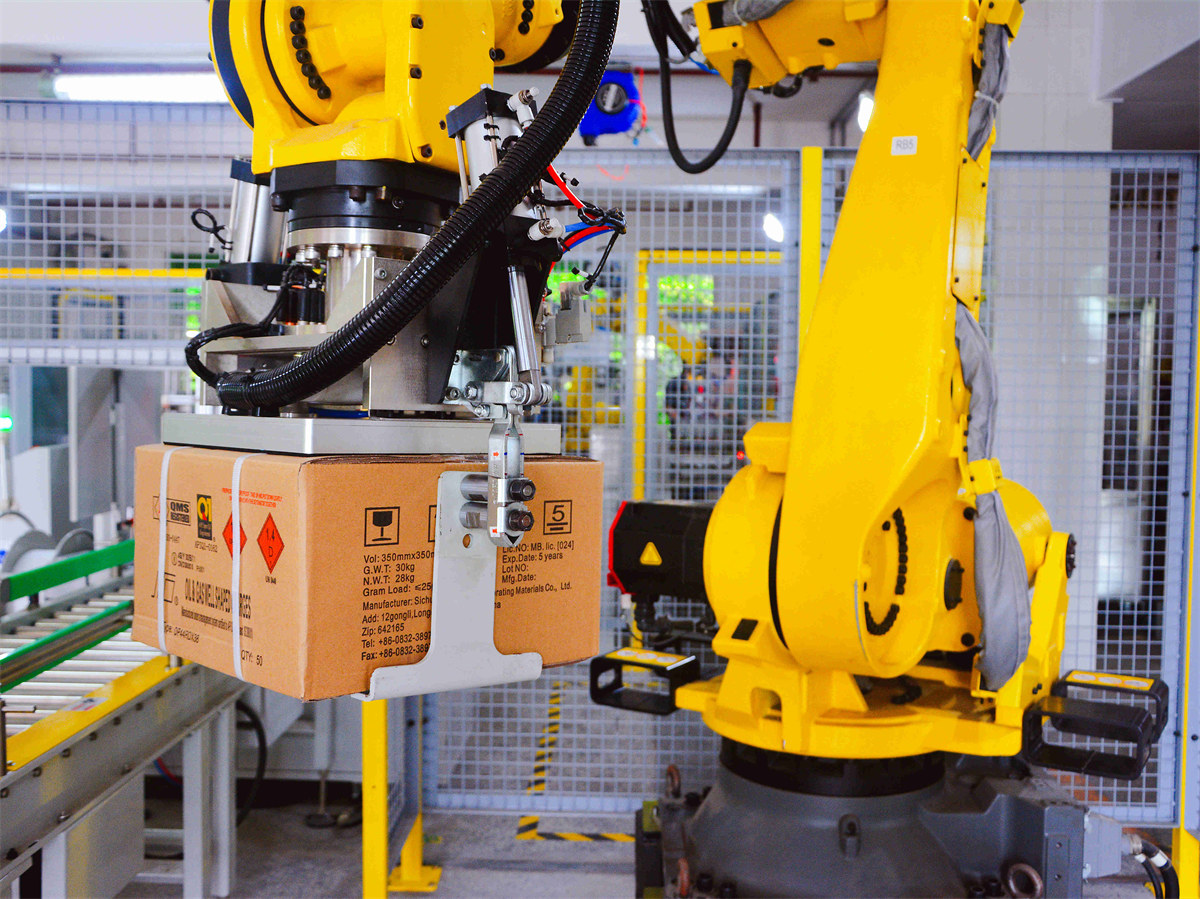
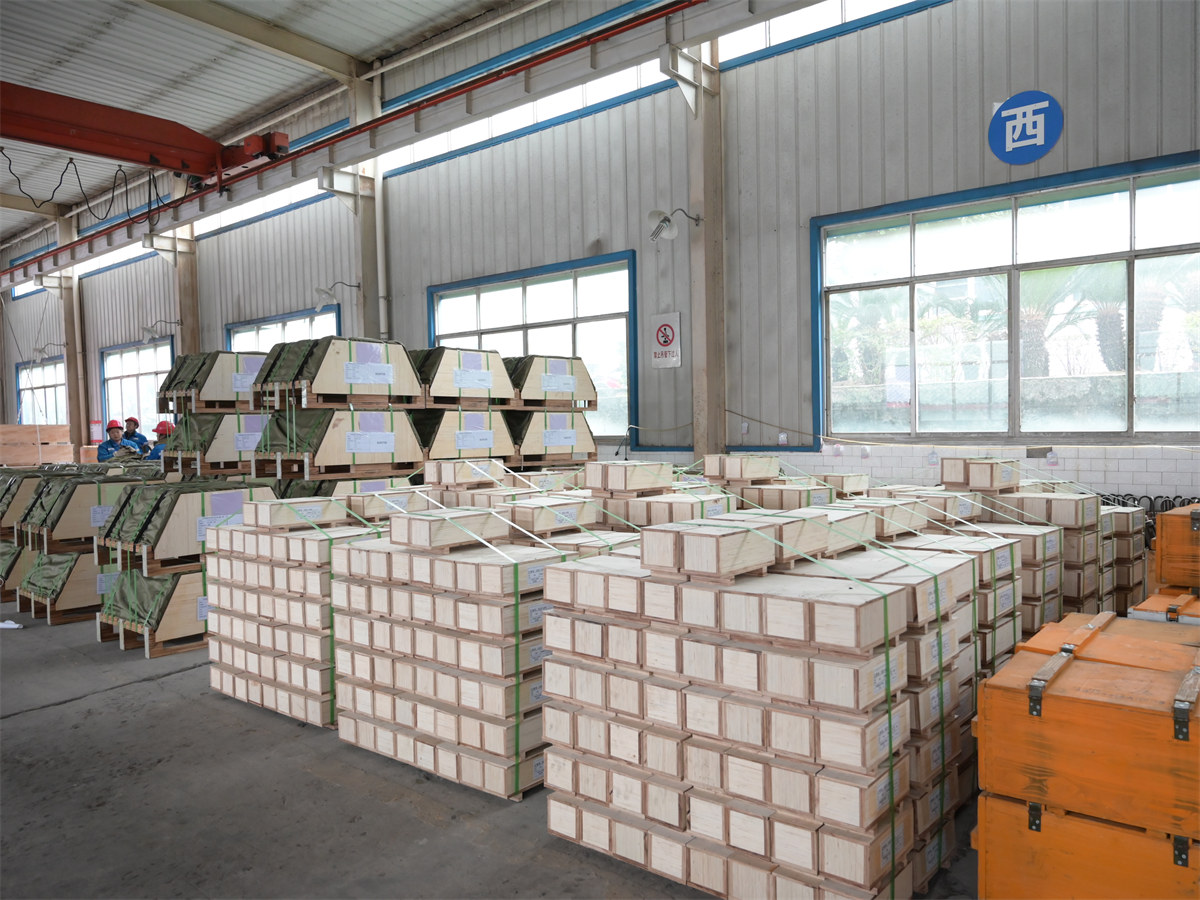
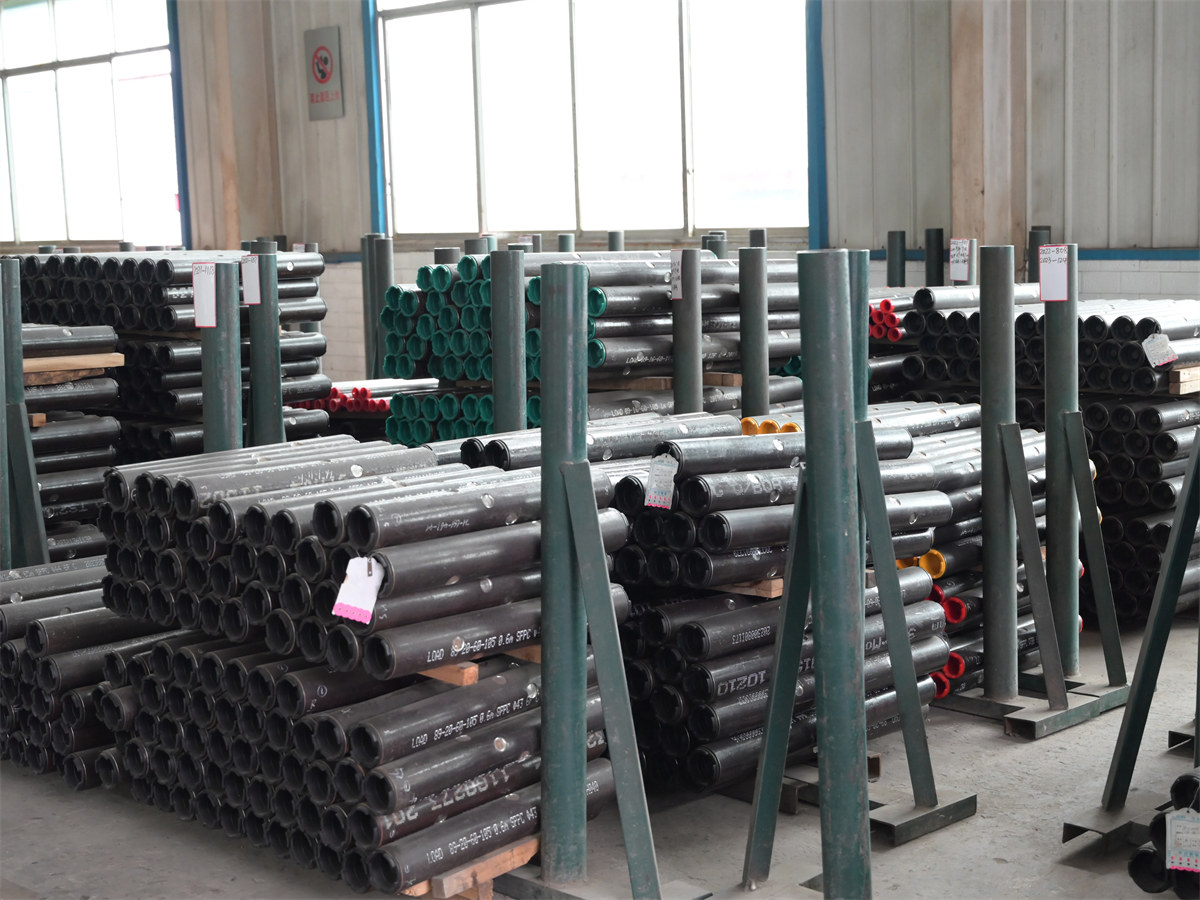
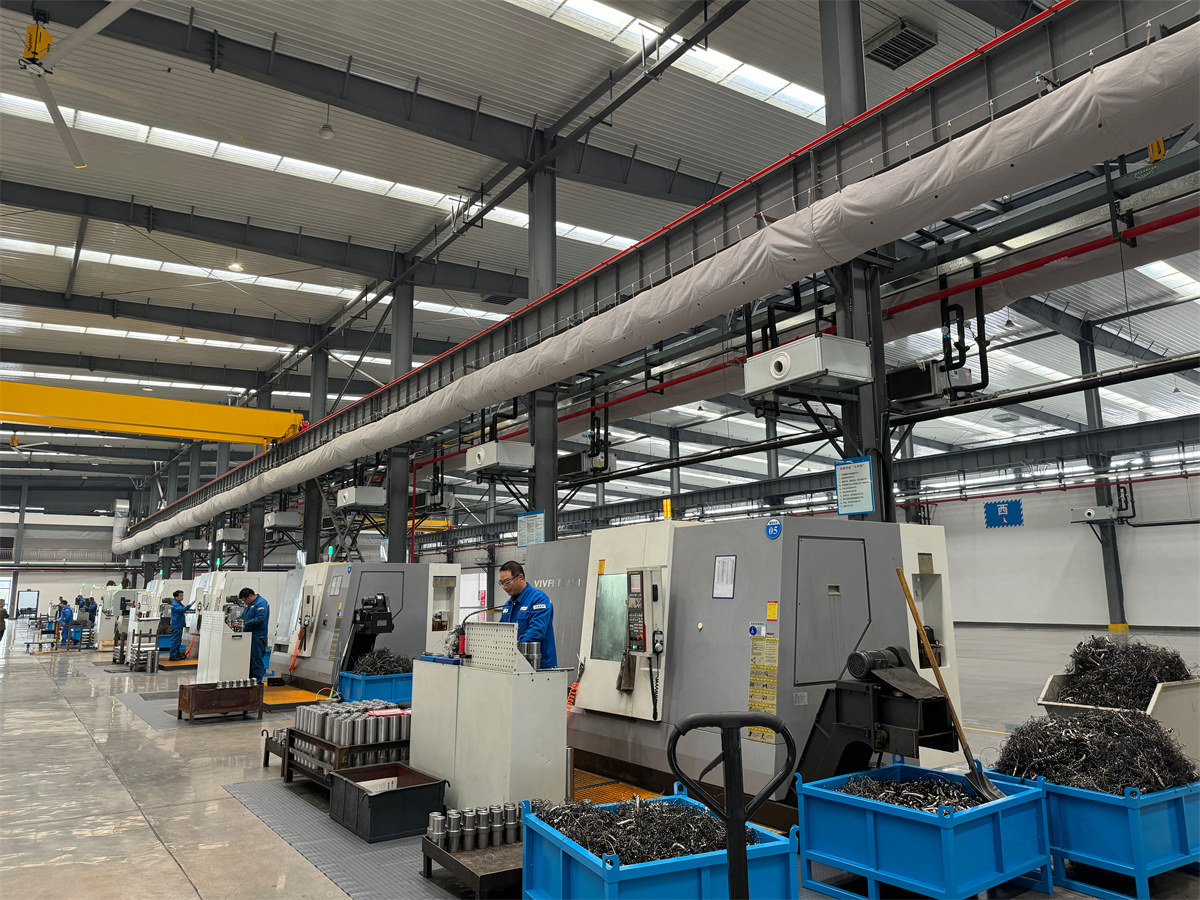
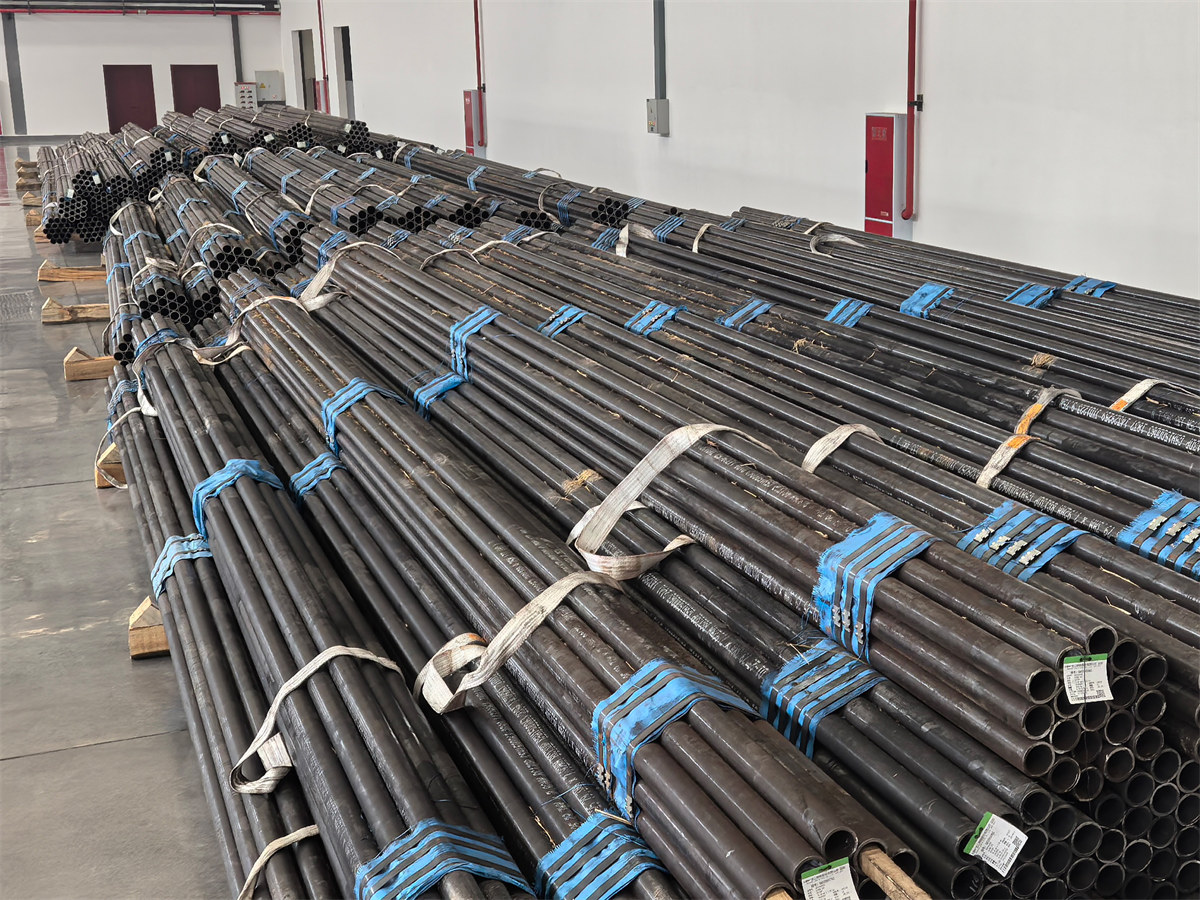
To date, our products have served customers in 38 countries worldwide and consistently earn positive feedback for performance and reliability.
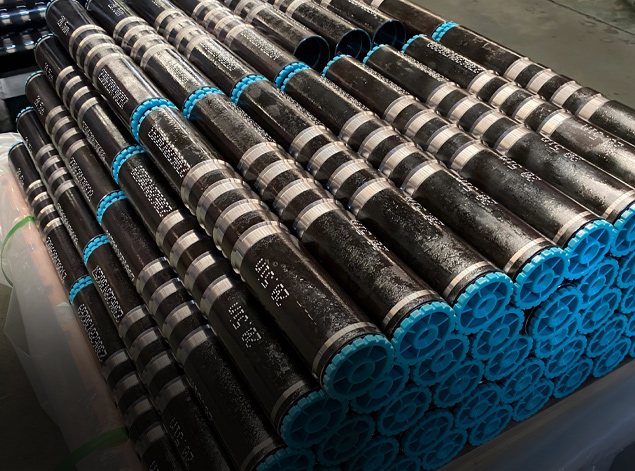
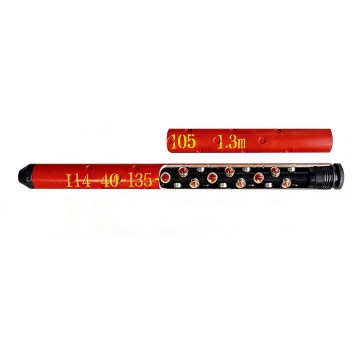
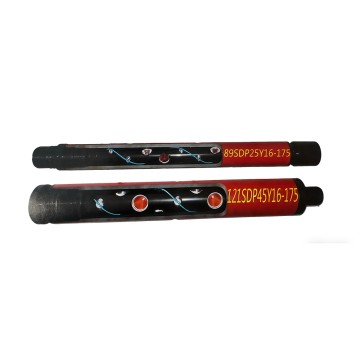
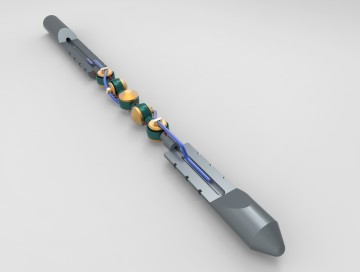
Instead of scallops, it can shoot regardless of the charge tube's angular position — ideal for HTHP initial completions requiring reliable omnidirectional firing.
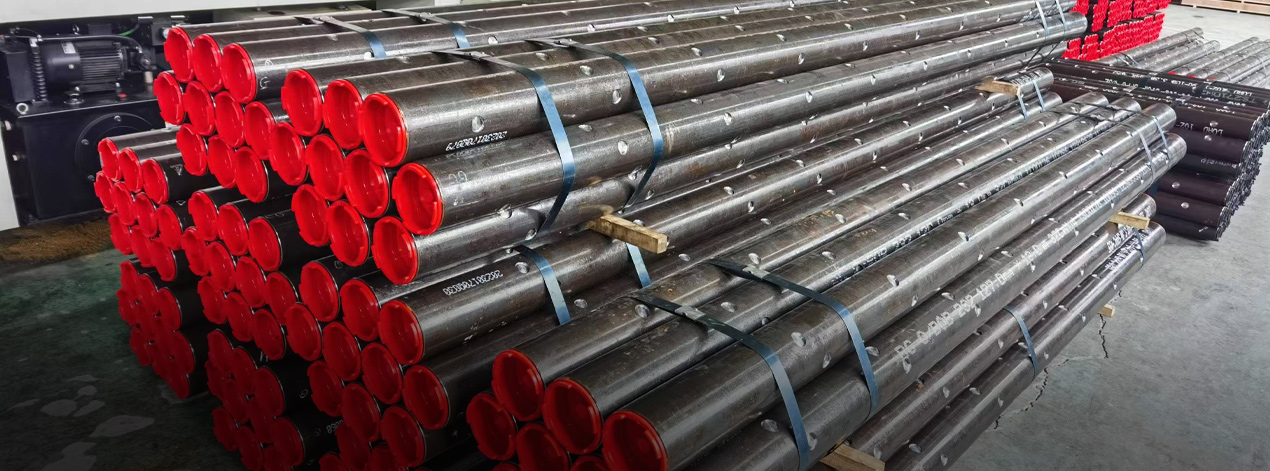
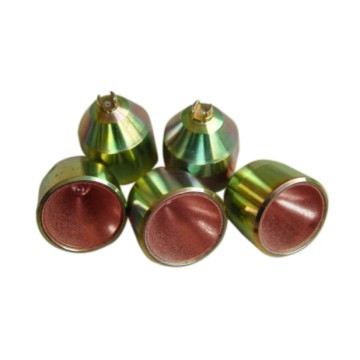
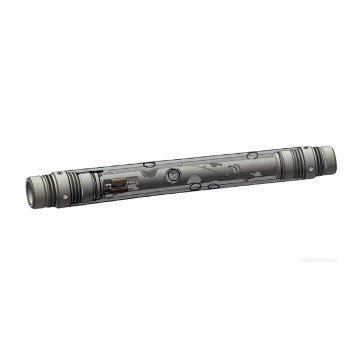
Provides deep penetration and high shot density — engineered for HTHP formations where maximum reservoir connectivity is critical for initial production success.
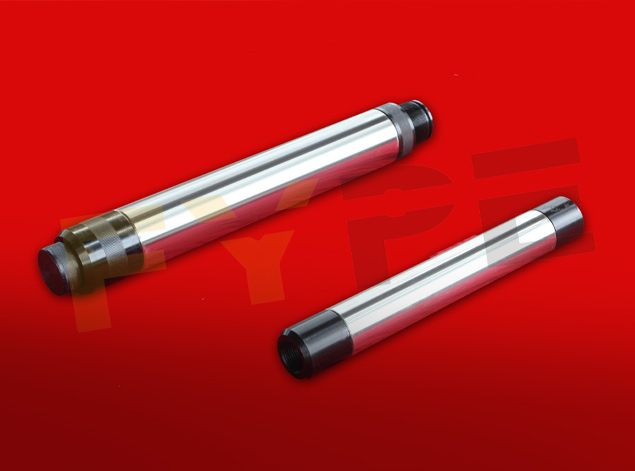
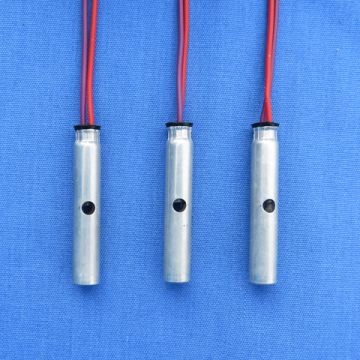
Detects casing collars for precise depth correlation in HTHP wells — ensuring perforation intervals are accurately positioned within the target formation.
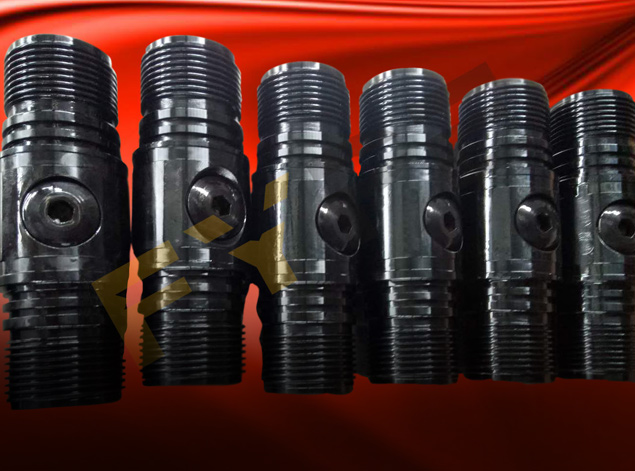
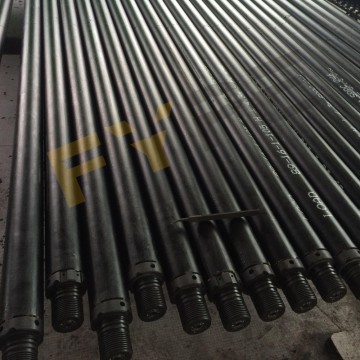
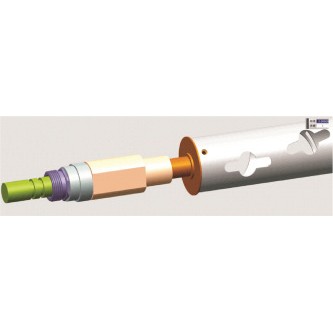
Connecting components used in HTHP perforating systems — precision-machined for reliable high-pressure sealing and structural integrity in extreme downhole conditions.
Explore our full portfolio of perforating systems and accessories engineered for initial well completion in high temperature, high pressure environments.