+86-15829394411
Leave Your Message
-
Contact WhatsApp
-
 Contact Phone
-
 Contact Email
Engineered for extreme downhole environments — delivering reliable perforation performance under high temperature, high pressure, and unconsolidated sand formation conditions.
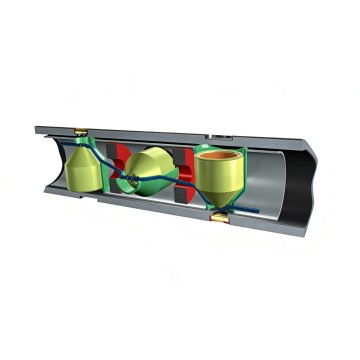
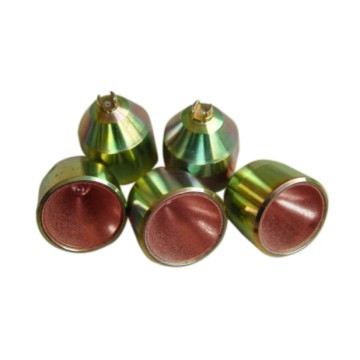
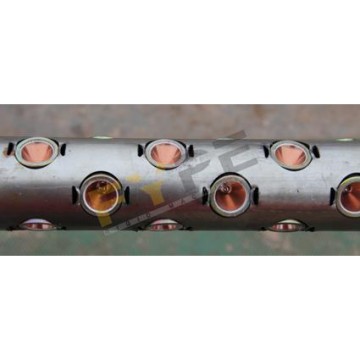
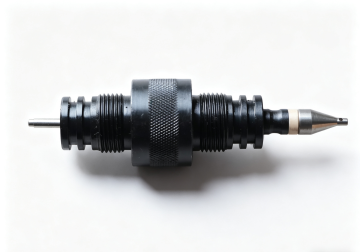
High Temperature High Pressure (HTHP) perforating refers to the specialized process of creating precise perforation tunnels through casing, cement, and formation rock in wellbore environments that exceed 150°C (302°F) and 10,000 psi (69 MPa). These extreme conditions are increasingly common in deepwater, ultra-deep, and tight reservoir developments worldwide, where sand production poses one of the most critical operational and economic challenges.
Sand control management is the systematic engineering approach to preventing or managing the migration of formation sand and fines into the wellbore — a phenomenon that causes equipment erosion, production decline, and even catastrophic well failure. The synergy between HTHP perforating technology and sand control strategies is therefore not merely technical — it is fundamental to the economic viability of modern oil and gas production.
⚠️ Industry Insight: According to oilfield service industry reports, sand production-related failures account for over 30% of well intervention costs in unconsolidated formations globally. Precision HTHP perforating directly reduces this risk by optimizing perforation geometry and minimizing near-wellbore formation damage.
The relationship between perforation design and sand control effectiveness is profound. Perforation tunnel geometry — including diameter, depth of penetration, shot density, and phasing angle — directly determines the mechanical stability of the formation around each perforation. When perforation parameters are poorly matched to formation strength and sand content, the result is accelerated sand influx, plugged screens, and premature well abandonment.
The global oil and gas industry is increasingly operating in frontier environments — deepwater Gulf of Mexico, North Sea ultra-deep formations, Middle Eastern high-pressure carbonate reservoirs, and Southeast Asian unconsolidated sandstone plays. Each of these environments demands HTHP-rated perforating systems that are not only mechanically robust but also precisely engineered for sand control compatibility.
The global sand control market was valued at approximately USD 2.1 billion in 2023 and is projected to grow at a CAGR of 5.8% through 2030, driven by increasing deepwater and HPHT well completions. Simultaneously, the global perforating services market is expanding rapidly, with demand for specialized HTHP-rated tools growing faster than the overall market average.
China has emerged as a critical manufacturing hub for HTHP perforating systems, offering world-class engineering capabilities at competitive cost structures. Chinese manufacturers like Expetro Energy Service Co., Ltd. (FYPE) have successfully bridged the gap between international technical standards (API, ISO) and the cost-efficiency requirements of global operators.
The engineering connection between perforating and sand control is well-established in completion science. Modern sand control strategies — including standalone screens (SAS), gravel packing (GP), frac-pack, and expandable sand screens — all depend critically on the quality and geometry of the perforation tunnels they rely upon.
In unconsolidated or weakly consolidated formations, the mechanical stability of the perforation tunnel wall determines whether sand grains remain in place or migrate into the wellbore. HTHP perforating charges engineered for clean, smooth tunnel walls — rather than fractured, damaged cavities — promote the formation of natural sand arches at perforation tunnel entrances. These arches act as self-supporting structures that prevent bulk sand flow while allowing hydrocarbon production to continue.
Gravel pack completions require sufficient perforation density and appropriate phasing to ensure complete gravel placement across the entire perforated interval. HTHP perforating guns with high shot density (12–16 SPF) and optimized phasing (60° or 90°) ensure that gravel can be pumped into all perforation tunnels without bridging or incomplete pack formation — a critical factor in sand control effectiveness.
Frac-pack completions — the dominant sand control method in deepwater and HTHP environments — require perforating systems that can withstand the extreme pressures of hydraulic fracturing while maintaining wellbore integrity. HTHP-rated fracturing perforating guns are specifically designed for this application, with pressure ratings exceeding 20,000 psi and temperature ratings up to 200°C (392°F).
One of the most innovative developments in HTHP sand control perforating is the self-cleaning perforating system. These tools incorporate specialized charge designs and gun configurations that actively flush debris, formation fines, and crushed rock from perforation tunnels during or immediately after detonation. This significantly reduces the risk of sand screen plugging and improves inflow performance in gravel pack and screen completions.
Coaxial radial perforating guns create perforation patterns that distribute inflow more uniformly around the wellbore circumference, reducing localized sand production "hot spots" that can overwhelm sand control hardware. This uniform inflow distribution is particularly valuable in horizontal wells and extended-reach completions where sand production tends to concentrate in specific intervals.
The industry is evolving rapidly — driven by deeper wells, stricter environmental requirements, and the demand for smarter completion strategies.
Machine learning algorithms are increasingly being applied to optimize perforation cluster design in HTHP wells, integrating real-time formation evaluation data with sand production risk models to automatically select the optimal shot density, phasing, and charge size for each completion interval.
Next-generation shaped charges using advanced explosive formulations and precision-machined liner materials are pushing performance envelopes beyond 200°C and 25,000 psi, enabling reliable perforating in previously inaccessible ultra-deep reservoirs with significant sand control requirements.
Integration of downhole sensors and telemetry systems with perforating gun assemblies allows real-time monitoring of detonation confirmation, gun integrity, and near-wellbore formation response — enabling immediate assessment of perforation quality and sand control readiness.
Environmental regulations are driving development of RDX-free and low-toxicity explosive formulations for shaped charges, maintaining HTHP performance while reducing environmental footprint — particularly important for offshore and environmentally sensitive onshore operations.
Operators increasingly demand fully integrated HTHP completion packages where perforating guns, sand control screens, gravel pack equipment, and completion accessories are engineered together as a system — rather than sourced separately — ensuring optimal compatibility and performance.
As deepwater exploration pushes into ultra-deep formations below 3,000 meters water depth, HTHP perforating systems must meet increasingly stringent performance requirements for both extreme pressure/temperature conditions and the logistical challenges of subsea deployment and retrieval.
In deepwater Gulf of Mexico developments, HTHP perforating guns rated to 175°C and 20,000 psi are deployed via wireline or tubing-conveyed systems to perforate unconsolidated Miocene sand formations at depths exceeding 6,000 meters. The perforation program is specifically designed for subsequent frac-pack operations, with large-diameter perforations (0.8–1.0 inch) at 6 SPF providing the necessary inflow area for gravel slurry placement while maintaining formation arch stability to prevent premature sand influx during the gravel packing operation.
In the unconsolidated sandstone reservoirs of Indonesia, Malaysia, and Vietnam, standalone screen (SAS) completions are widely used for sand control in moderate-HTHP wells. Self-cleaning perforating systems are deployed to ensure that perforation tunnels remain open and free of debris before screen installation, maximizing the contact area between the formation and the sand control screen. This approach has demonstrated up to 40% improvement in initial production rates compared to conventional perforating in comparable SAS completions.
In horizontal well completions targeting thin, unconsolidated sand reservoirs in the Middle East and North Africa, coaxial radial perforating guns are used to create uniform, 360° perforation coverage that supports subsequent expandable sand screen (ESS) installation. The radial perforation geometry ensures that the ESS can be expanded uniformly against the formation without bridging or incomplete contact, providing effective sand exclusion across the entire horizontal completion interval.
In mature fields experiencing sand control failure — such as collapsed gravel packs or plugged sand screens — HTHP perforating is used in workover operations to re-perforate bypassed sand-free zones or to create new perforation tunnels in previously unperforated intervals for remedial sand control installation. The ability to deploy HTHP-rated perforating systems on coiled tubing or wireline in live wells under pressure significantly reduces workover costs and non-productive time (NPT).
Chemical sand consolidation — using resin injection or consolidating agents — requires clean, open perforation tunnels to ensure adequate chemical penetration into the formation matrix. HTHP perforating guns with debris-minimizing charge designs are specifically selected for pre-consolidation perforating to maximize chemical treatment effectiveness and long-term sand consolidation durability.

Expetro Energy Service Co., Ltd. (FYPE) is a leading manufacturer of downhole perforating systems in China, dedicated to the research, development, and production of shaped charges, perforating guns, and associated accessories for oil and gas completions.
With deep expertise in HTHP perforating technology and sand control applications, FYPE has established itself as a trusted global supplier of precision perforating solutions for some of the world's most demanding well environments.
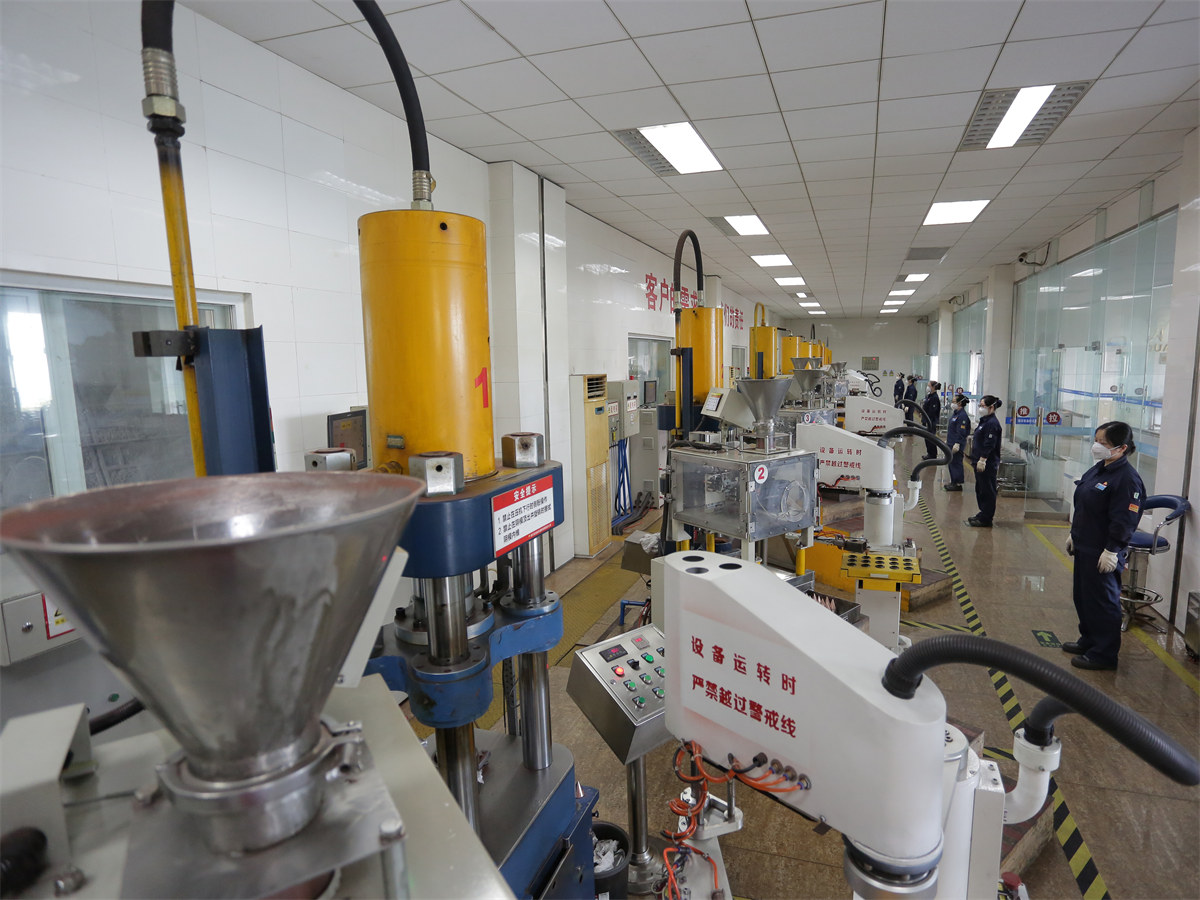
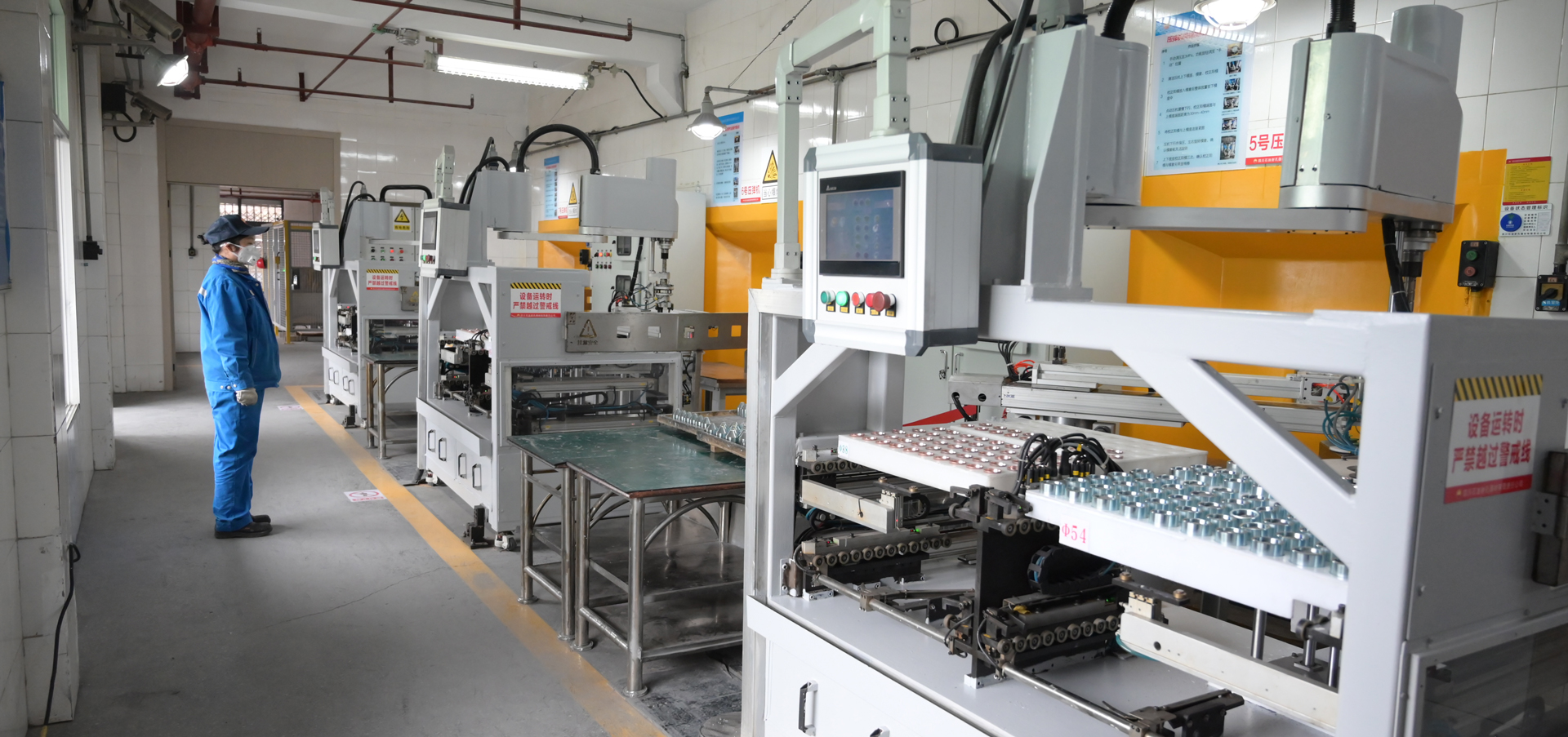
Equipped with state-of-the-art automated production and inspection lines, we deliver over 2.5 million shaped charges and 500,000 meters of perforating guns annually — meeting diverse customer requirements across the global market.
Every stage of our production process strictly adheres to the API Q1 Quality Management System. This unwavering commitment to quality, innovation, and customer satisfaction has established FYPE as a trusted partner in the global energy sector.
To date, our products have served customers in 38 countries worldwide and consistently earn positive feedback for performance and reliability. FYPE is dedicated to expanding its global footprint and building long-term partnerships with clients across continents.
Four core pillars that make FYPE the preferred partner for HTHP perforating and sand control solutions worldwide.
Our professional inspection team operates under a quality management system certified to API Q1 and ISO 9001 standards, ensuring product reliability and superior performance in every delivery.
Our automated production lines ensure product consistency and enhance productivity. Daily capacity of shaped charges can reach 10,000. The perforating gun production line can meet the processing of 100+ types with different specifications.
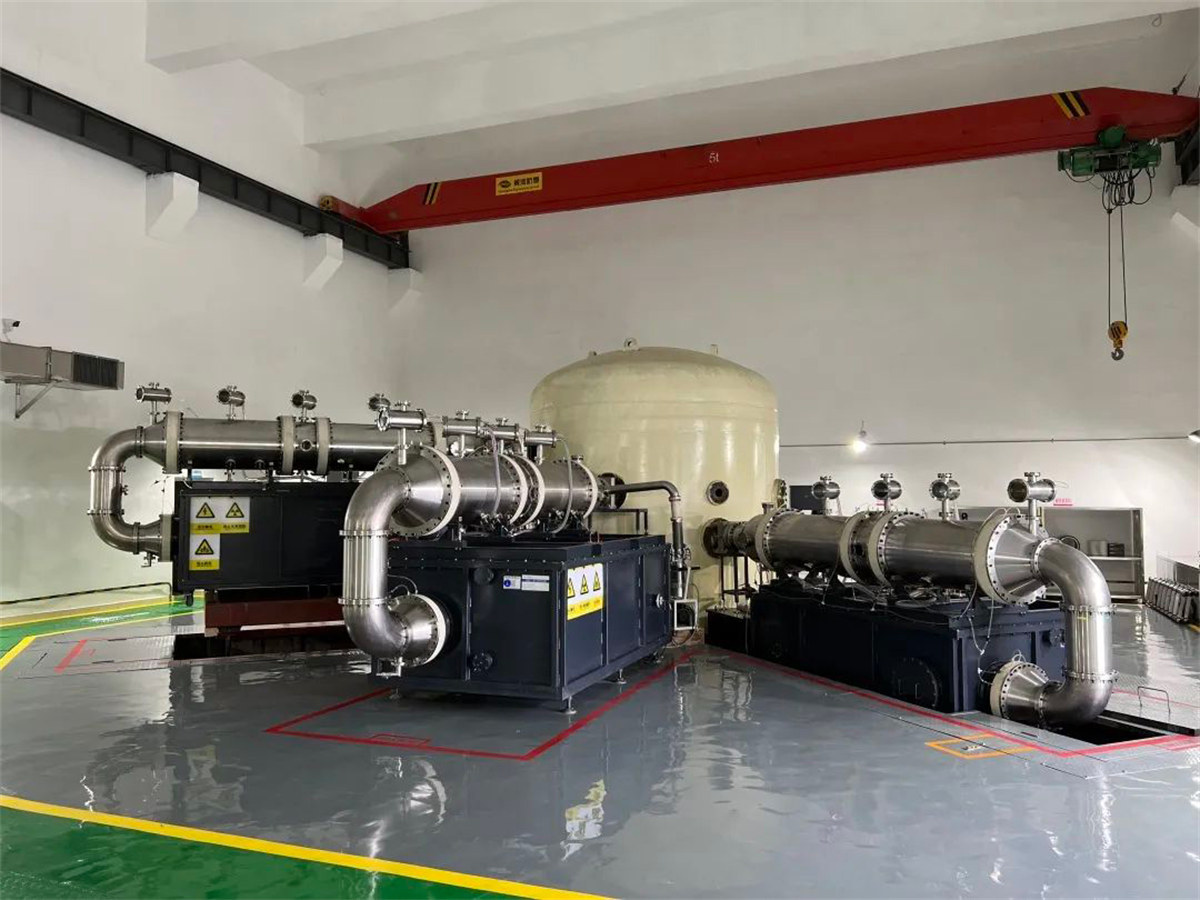
Our lab can carry out real-core target tests in simulated reservoirs, ultimate pressure resistance tests on perforation tools, explosion mechanism tests on shaped charges, and HTHP performance validation under extreme conditions.
With nearly 20 years of export experience across 38 countries, we deeply understand global market demands and deliver trusted, tailored HTHP sand control perforating solutions.
To date, our products have served customers in 38 countries worldwide and consistently earn positive feedback for performance and reliability.
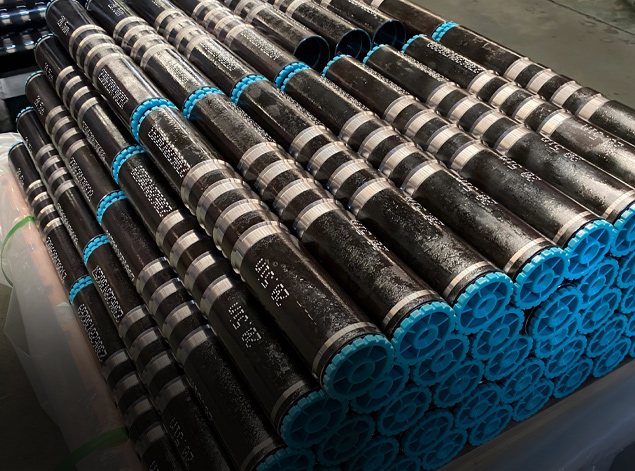
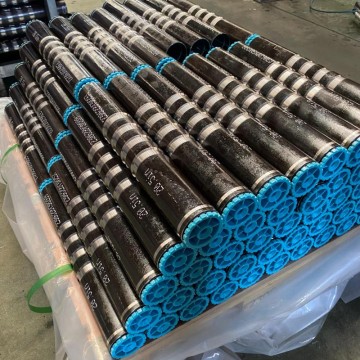
Instead of scallops, it can shoot regardless of the charge tube's angular position — ideal for uniform sand control perforation coverage.
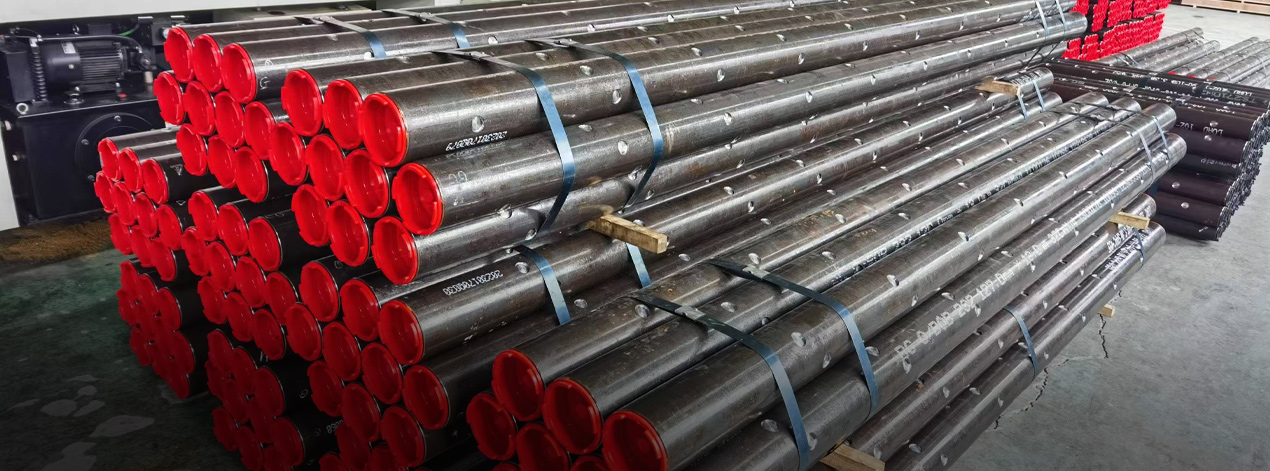
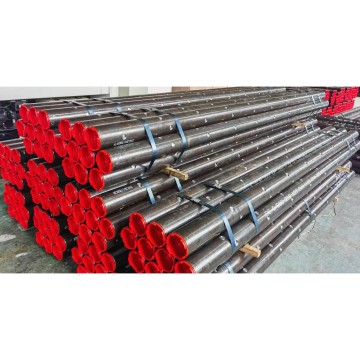
Provides deep penetration and high shot density — optimized for frac-pack and gravel pack sand control completions.
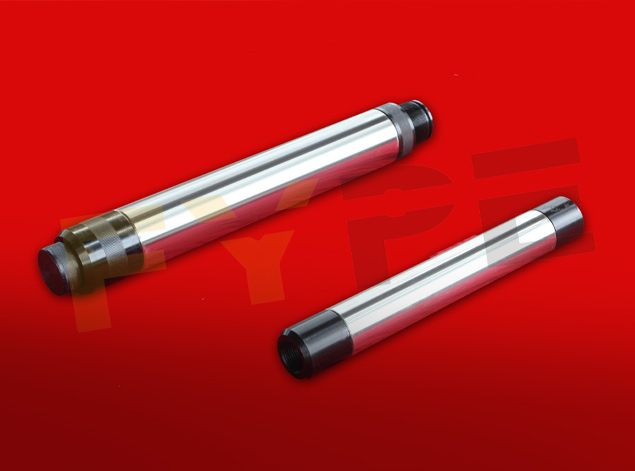
Detects casing collars for precise depth correlation in HTHP wells — essential for accurate sand control perforation placement.
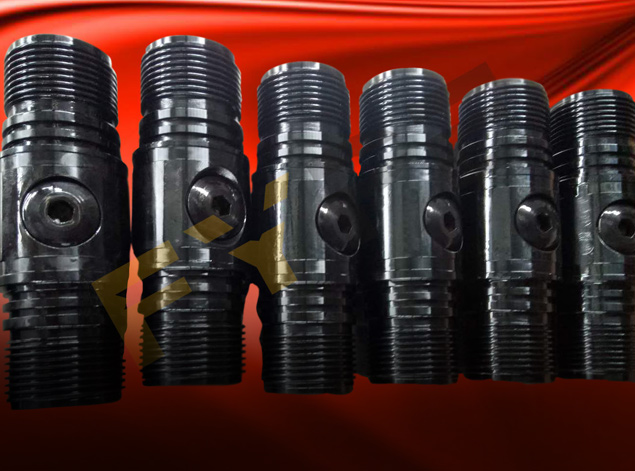
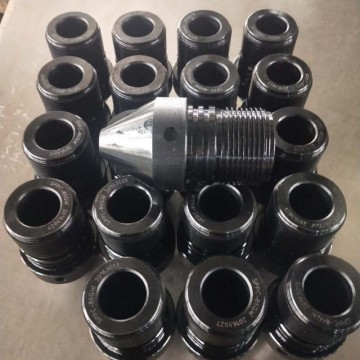
High-strength connecting components used in HTHP perforating systems — ensuring integrity under extreme sand control completion conditions.
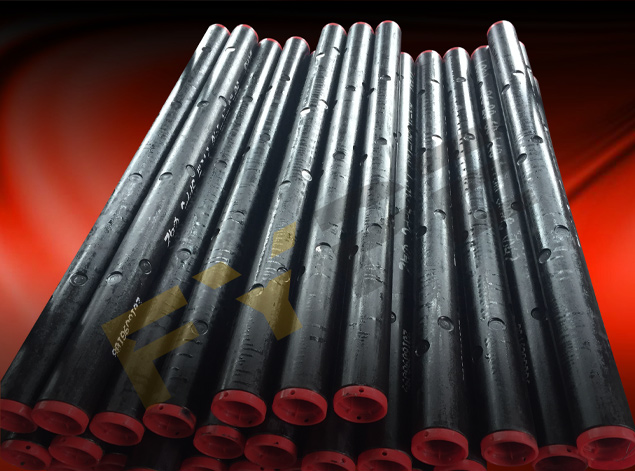
Designed for compact spaces and limited depth perforation — suitable for selective sand control interval targeting in HTHP environments.
State-of-the-art manufacturing facilities dedicated to precision HTHP perforating system production.








At FYPE, we believe every well deserves precision, reliability, and excellence. Whether you require high-performance HTHP perforating tools for sand control management or dependable technical support for your most challenging completion programs, we are your trusted partner in the oil and gas industry.
Inquiry Now
Explore our full portfolio of HTHP-rated perforating systems and accessories engineered for sand control management across diverse well environments.