
 +86-15829394411


0102030405
Industry News
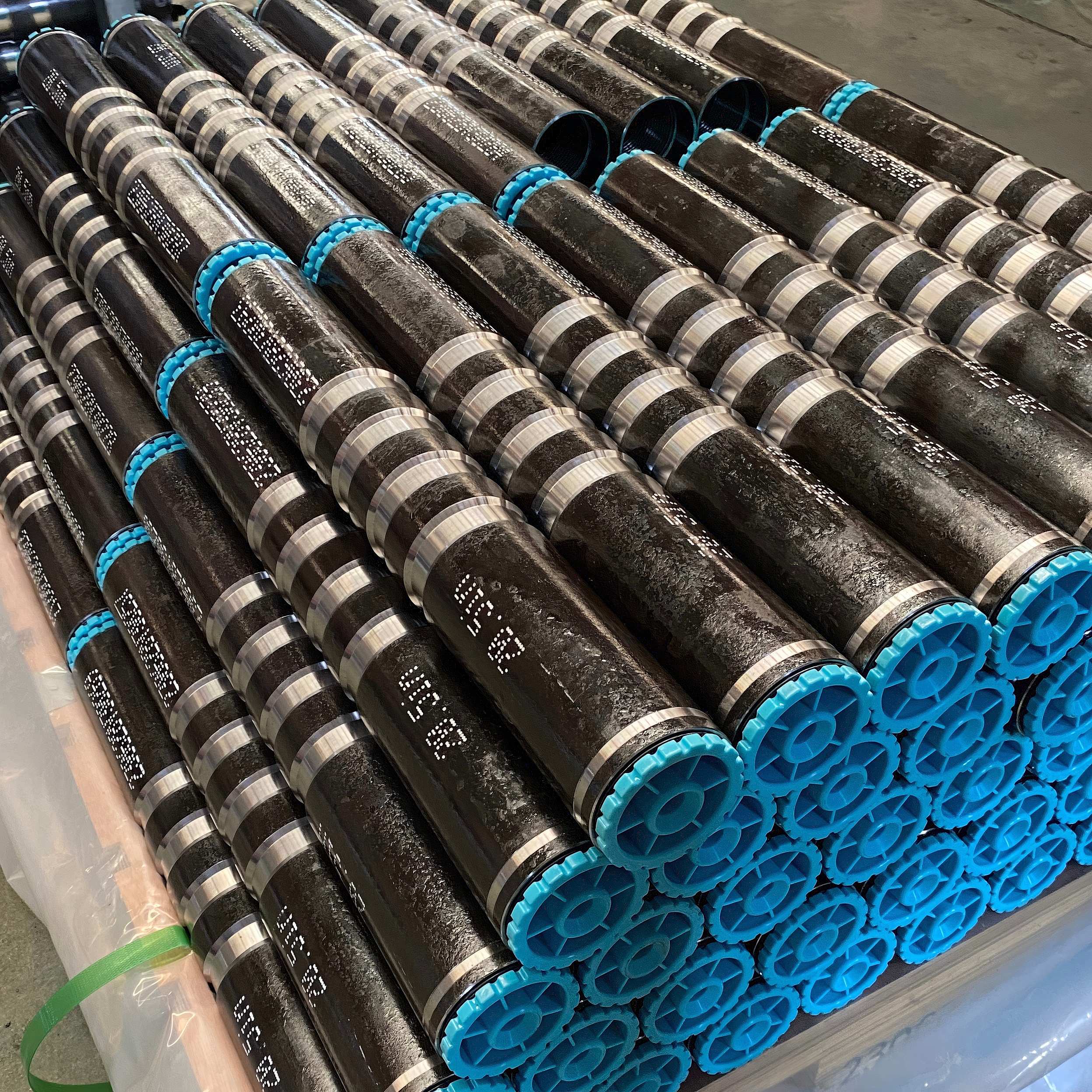
How to Select the Right Perforating Gun Size for a Well
2026-10-09
Learn how to select the right perforating gun size based on casing ID, wellbore restrictions, conveyance method, and perforation performance requirements.

Perforation Hole Diameter vs. Penetration Depth: Finding the Right Balance
2026-09-29
Learn how perforation hole diameter and penetration depth affect perforating performance, and how to select the right balance for different well and reservoir conditions.
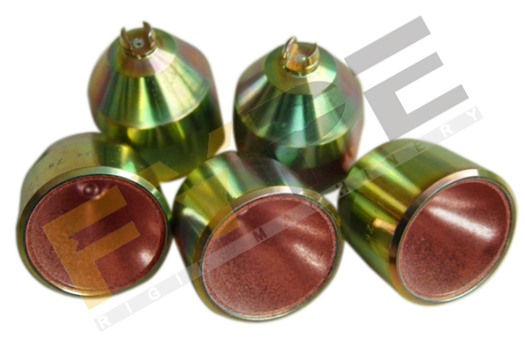
Self-Cleaning Perforating: Improving Perforation Tunnel Flow Conductivity
2026-09-08
Creating a perforation tunnel does not necessarily mean creating an efficient flow path.
The perforating process can generate debris and cause localized compaction around the tunnel. Although the perforation provides a connection between the reservoir and t...
view
detail
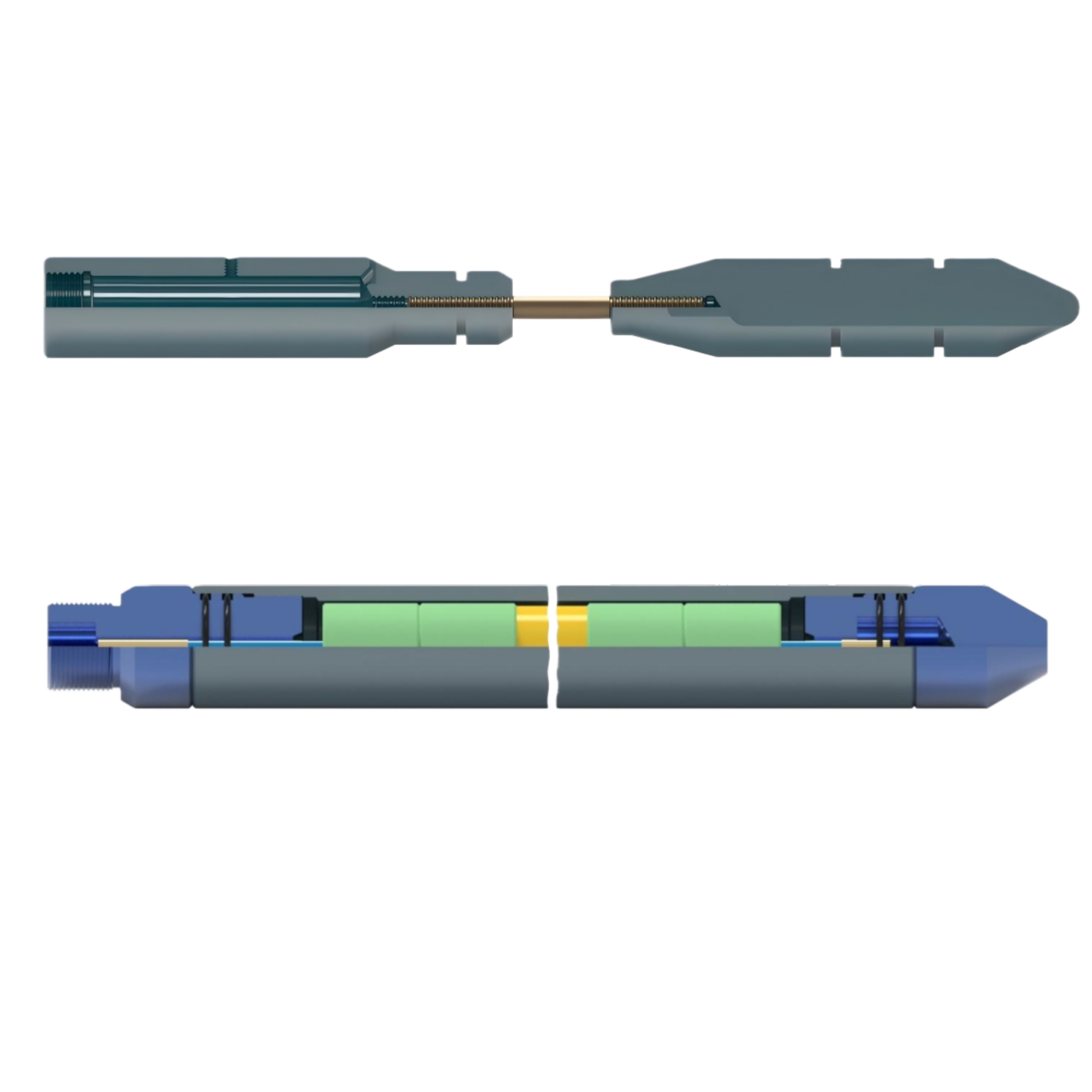
Stuck Pipe in Oil and Gas Wells: Causes, Risks and Back-Off Solutions
2026-09-03
Stuck pipe is one of the most common and costly downhole problems encountered during drilling, completion, and well intervention operations. When a tubing, casing, or drillstring becomes stuck, normal movement may no longer be possible, making it difficult t...
view
detail
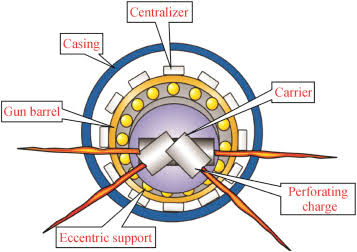
Oriented Perforating: A Controlled Solution for Horizontal Well Completion
2026-08-31
Discover how oriented perforating provides better control over perforation direction, helping optimize well completion and reservoir connectivity in horizontal and deviated wells.
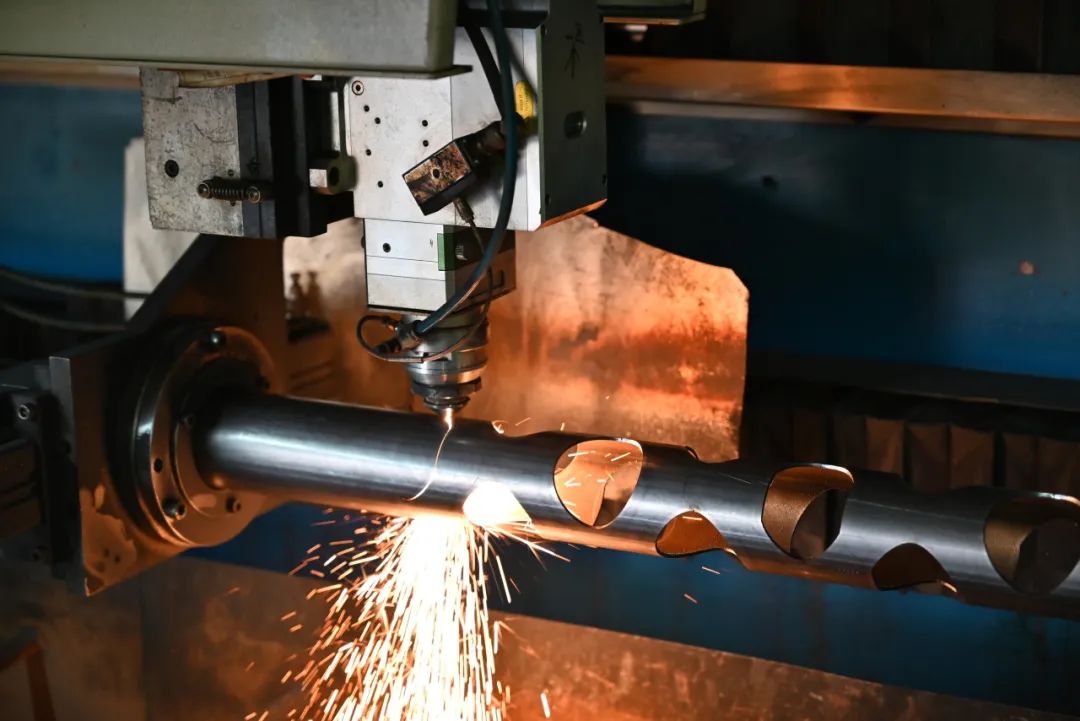
Perforation Debris: Causes, Risks and How to Reduce It
2026-08-28
Explore the causes and risks of perforation debris and learn how proper charge, gun design, and perforating practices can help reduce it.
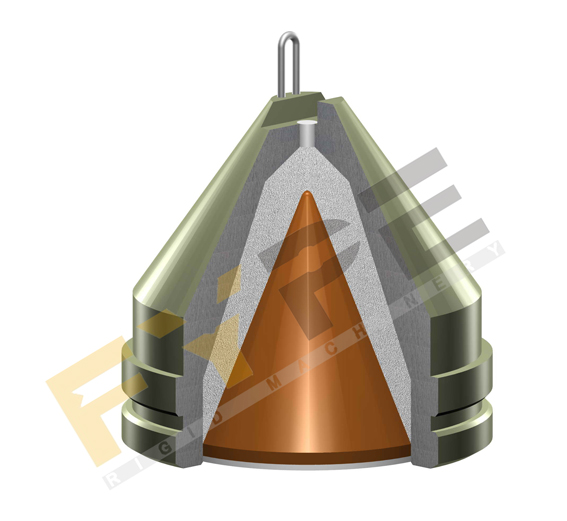
Big Hole Charge Technology: Improving Perforation Performance in Challenging Reservoir Conditions
2026-08-26
Advanced big hole charge technology helps operators improve inflow efficiency, especially in low-permeability formations, heavy oil reservoirs, and unconsolidated sandstone formations where conventional perforating methods may not deliver the required productivity.
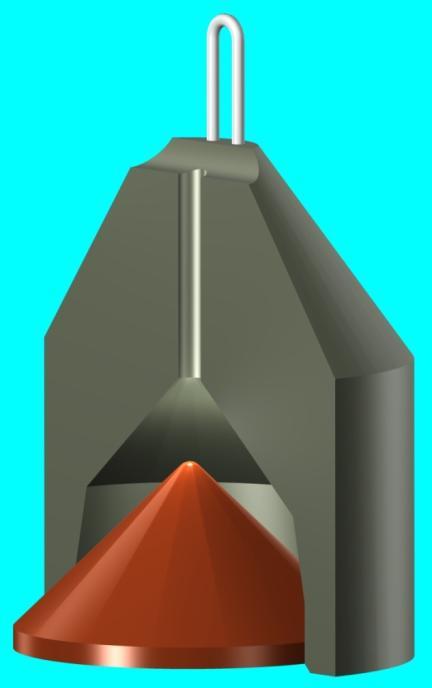
Beyond Penetration: Why Perforation Quality Determines Long-Term Well Productivity
2026-08-17
Beyond penetration depth, perforation quality plays a critical role in well productivity. This article explores how perforation design, shaped charge performance, shot density, phasing, and tunnel quality can work together to create more effective reservoir connectivity and support long-term production performance.
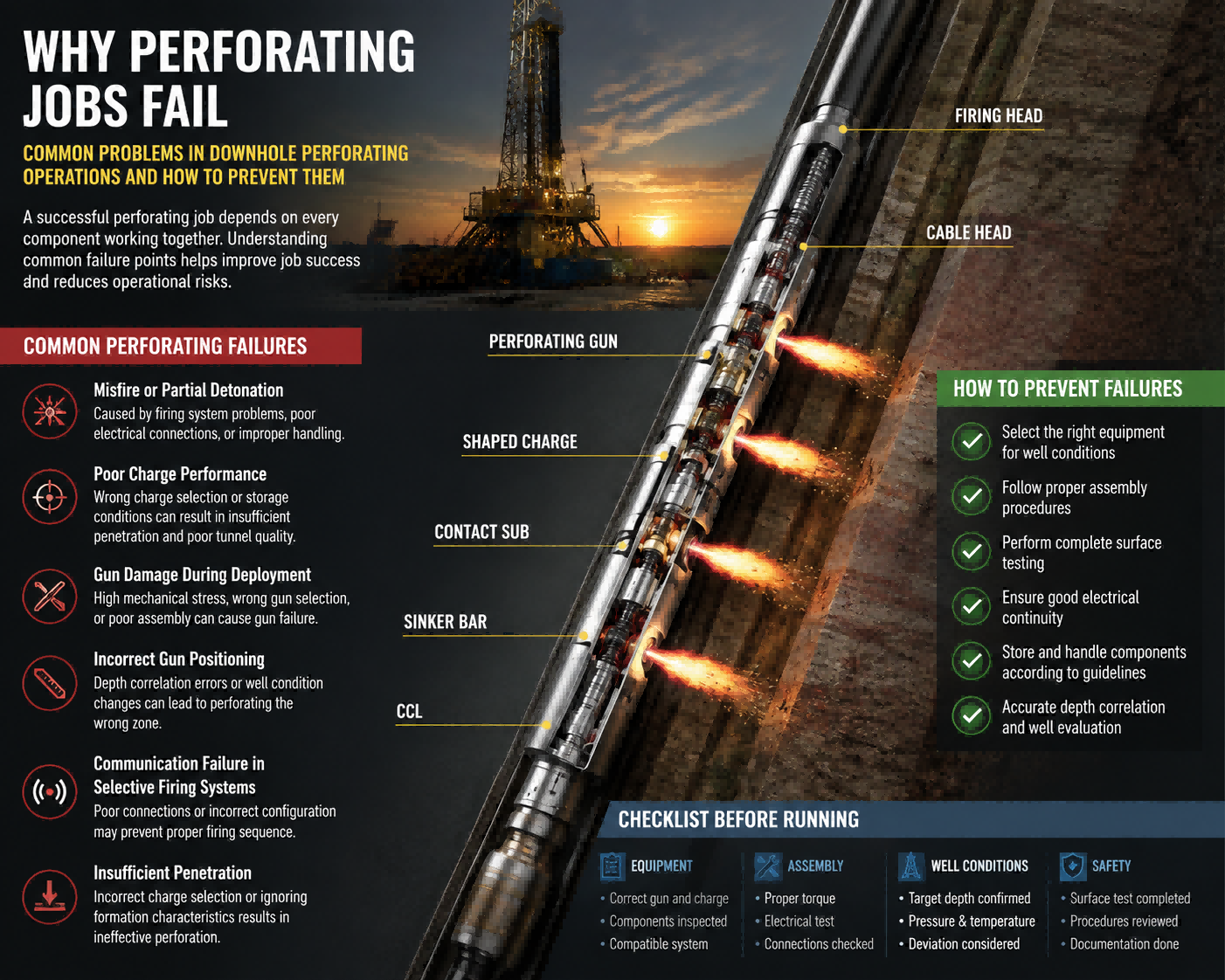
Why Perforating Jobs Fail: Common Problems in Downhole Perforating Operations and How to Prevent Them Introduction
2026-08-11
Understanding the common causes of perforating failures and implementing proper prevention measures can help oilfield operators and wireline service companies improve job success rates and reduce operational risks.
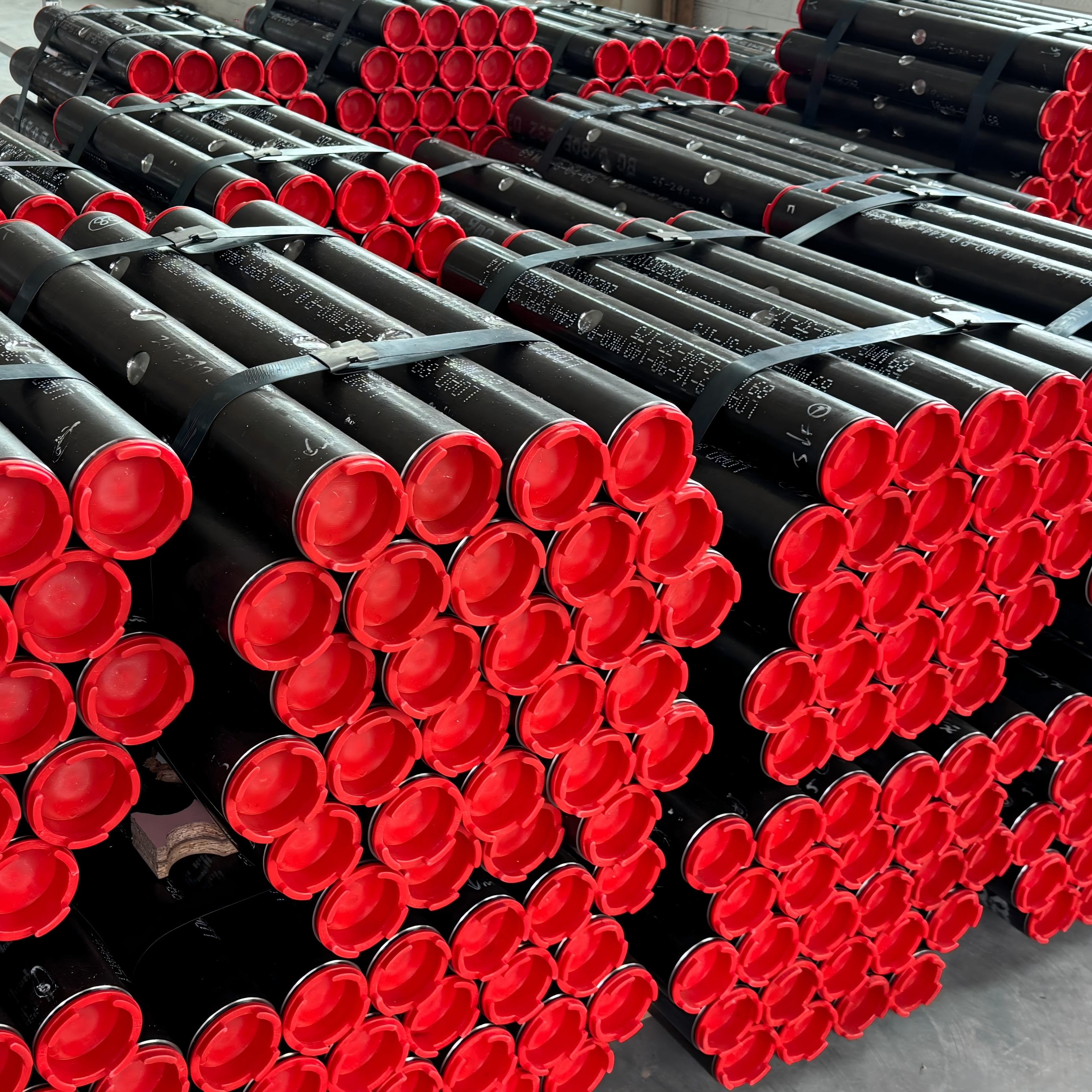
What Is a Wireline Perforating String Assembly? A Complete Guide for Oilfield Professionals
2026-07-27
A complete perforating string is a carefully engineered combination of mechanical, electrical, and explosive components designed to safely convey perforating guns to the target depth, initiate controlled detonation, and create effective perforation tunnels through casing, cement, and formation rock. Understanding the function of each component in a wireline perforating string helps operators select the right equipment, improve operational reliability, and achieve better reservoir productivity.