+86-15829394411
Leave Your Message
-
Contact WhatsApp
-
 Contact Phone
-
 Contact Email
Engineered for clean-hole performance — ideal for accurate DST and formation pressure evaluation
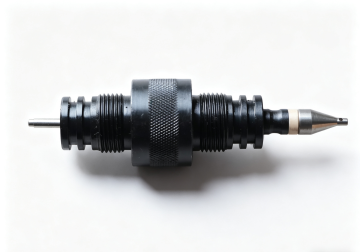
Formation pressure testing (FPT) is one of the most critical operations in the oil and gas completion workflow. It provides engineers with direct measurements of reservoir pressure, permeability, fluid type, and deliverability — data that drives multi-million-dollar production decisions. Yet the accuracy and reliability of these tests depend heavily on one often-overlooked factor: the cleanliness of the perforation environment.
Traditional perforating systems generate significant amounts of metallic debris — gun body fragments, charge case remnants, and liner particles — that can plug perforations, damage downhole gauges, restrict flow paths, and contaminate pressure sensors. This debris interference is a leading cause of inconclusive or failed formation pressure tests, costing operators significant time and money in repeat runs and deferred production.
Industry Challenge: Studies across major basins indicate that up to 30% of formation pressure tests yield unreliable data due to debris-induced perforation damage or gauge contamination — underscoring the critical need for low debris perforating technology in pressure testing operations.
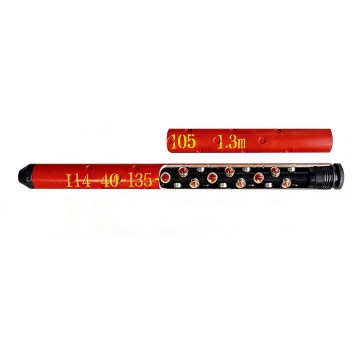
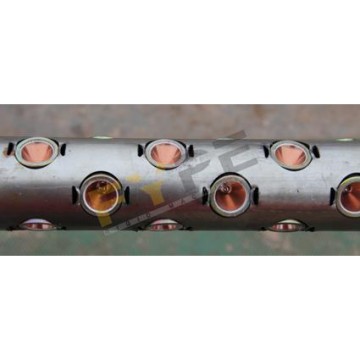
Low debris perforating is a purpose-engineered approach that minimizes the generation and migration of post-shot debris into the wellbore and perforations. Through advanced shaped charge design, controlled liner fragmentation, and optimized gun system metallurgy, low debris systems dramatically reduce the solid particles released during the detonation event — resulting in cleaner perforations, unobstructed flow paths, and more accurate pressure transient data.
When combined with drillstem testing (DST) tools, wireline formation testers, or permanent downhole gauges, low debris perforating transforms formation pressure testing from a risk-laden operation into a precise, repeatable diagnostic process.
The global oilfield perforating market is projected to exceed USD 3.8 billion by 2028, driven by increasing deepwater and unconventional resource development where formation pressure testing accuracy is paramount. Low debris perforating systems represent one of the fastest-growing sub-segments within this market, fueled by tighter well economics, more complex reservoir architectures, and the proliferation of permanent downhole monitoring systems that are highly sensitive to debris contamination.
National oil companies (NOCs) in the Middle East, Southeast Asia, and Latin America have increasingly mandated low debris perforating specifications for all wells requiring formation pressure evaluation — a regulatory and operational shift that has accelerated technology adoption across the supply chain. International operators in the North Sea, Gulf of Mexico, and Permian Basin similarly now include low debris performance metrics in their perforation service specifications.
The economics of low debris perforating are compelling. While the upfront cost of low debris guns and charges may be 10–20% higher than conventional systems, the total cost savings are substantial:
The low debris perforating technology space is evolving rapidly. Key differentiators among leading suppliers include shaped charge liner material (copper, zinc, tungsten, or composite alloys), charge case fragmentation control, gun body wall design, and the integration of debris-capture sub-assemblies. Chinese manufacturers such as Expetro Energy Service Co., Ltd. (FYPE) have emerged as globally competitive suppliers, offering API Q1-certified low debris systems at highly competitive price points — disrupting the traditional dominance of Western service companies in this niche segment.
Where low debris perforating delivers maximum value in formation pressure testing
DST operations in high-pressure, high-temperature (HPHT) wells demand perforations free of debris that could damage DST tool seals, plug the test interval, or restrict flow to the surface. Low debris perforating ensures that the initial flow period accurately represents true reservoir deliverability without debris-induced skin damage.
When perforating adjacent to or below permanent pressure and temperature gauges, debris migration poses a direct threat to sensor integrity. Low debris systems protect gauge electronics and flow ports, ensuring continuous, long-term reservoir surveillance data — critical for waterflood management and enhanced oil recovery (EOR) optimization.
In combined perforate-and-test operations using wireline formation testers (e.g., MDT-style tools), clean perforations are essential for obtaining uncontaminated fluid samples and accurate mobility measurements. Low debris perforating eliminates the filtrate and solid contamination that can compromise PVT sample quality and pressure transient analysis.
Deepwater well testing involves enormous logistical costs — a single vessel day can exceed USD 500,000. Any debris-related test failure that necessitates a repeat run is economically devastating. Low debris perforating is therefore a standard requirement in deepwater completion programs, where test success on the first run is non-negotiable.
In tight gas and shale formations, micro-darcy permeability means that even minor debris plugging can render a pressure transient test uninterpretable. Low debris perforating, combined with high shot density charges, maximizes the contact area with the formation while keeping the near-wellbore region clean for accurate pressure buildup analysis.
In cased hole perforate-and-test sequences, low debris systems allow the immediate deployment of downhole shut-in tools without the risk of debris jamming mechanical components. This enables faster test sequences, reduces wireline intervention time, and improves the repeatability of multi-zone pressure testing programs in multilateral or multi-pay well architectures.
The next frontier of clean-hole perforation technology
Machine learning algorithms are now being applied to shaped charge liner geometry optimization, enabling manufacturers to model debris fragmentation patterns computationally before physical testing. This accelerates the development of ultra-low debris charges with predictable, controlled liner dissolution characteristics.
Emerging research into dissolvable metal liners — materials that react with wellbore fluids post-detonation to eliminate solid debris entirely — represents a paradigm shift in perforation cleanliness. These technologies are particularly promising for horizontal wellbore completions where debris recovery is mechanically challenging.
The convergence of low debris perforating with real-time downhole telemetry is enabling "smart perforation" workflows where detonation confirmation, debris monitoring, and initial pressure response are captured simultaneously — compressing the time between perforation and actionable formation data from days to hours.
Regulatory pressure in offshore and environmentally sensitive regions is driving the development of low-toxicity, RDX-free explosive formulations for shaped charges. These "green" charges maintain low debris performance while reducing the environmental and regulatory burden associated with explosive handling and disposal.
Next-generation modular gun systems designed for complete retrieval after firing eliminate the debris source entirely. These systems are gaining traction in formation testing applications where wellbore cleanliness is the primary constraint, particularly in exploration wells where formation evaluation data is uniquely valuable.
Operators increasingly demand both high shot density (for maximum reservoir contact) and low debris generation (for clean pressure testing) — historically competing requirements. Advanced gun body designs with precision-machined scallops and optimized phasing now deliver both attributes simultaneously, redefining the performance envelope of formation testing perforating systems.

Expetro Energy Service Co., Ltd. (FYPE) is a leading manufacturer of downhole perforating systems in China, dedicated to the research, development, and production of shaped charges, perforating guns, and associated accessories for oil and gas completions.
Equipped with state-of-the-art automated production and inspection lines, we deliver over 2.5 million shaped charges and 500,000 meters of perforating guns annually — meeting diverse customer requirements across the global market.
Daily shaped charge capacity of 10,000 units. Perforating gun lines capable of processing 100+ specification types. Real-core target tests in simulated reservoir conditions.
Every stage of our production process strictly adheres to the API Q1 Quality Management System and ISO 9001 standards — ensuring product reliability and superior performance in every delivery.
Our products have served customers in 38 countries worldwide and consistently earn positive feedback for performance and reliability. FYPE is dedicated to expanding its global footprint and building long-term partnerships across continents.
Our professional inspection team operates under a quality management system certified to API Q1 and ISO 9001 standards, ensuring product reliability and superior performance in every delivery.
Our automated production lines ensure product consistency and enhance productivity. Daily capacity of shaped charges can reach 10,000. The perforating gun production line can meet the processing of 100+ types with different specifications.
Our lab can carry out real-core target tests in simulated reservoirs, ultimate pressure resistance tests on perforation tools, explosion mechanism tests on shaped charges, and low debris performance validation.
With nearly 20 years of export experience across 38 countries, we deeply understand global market demands and deliver trusted, tailored solutions for formation pressure testing applications worldwide.
State-of-the-art manufacturing facilities producing world-class low debris perforating systems
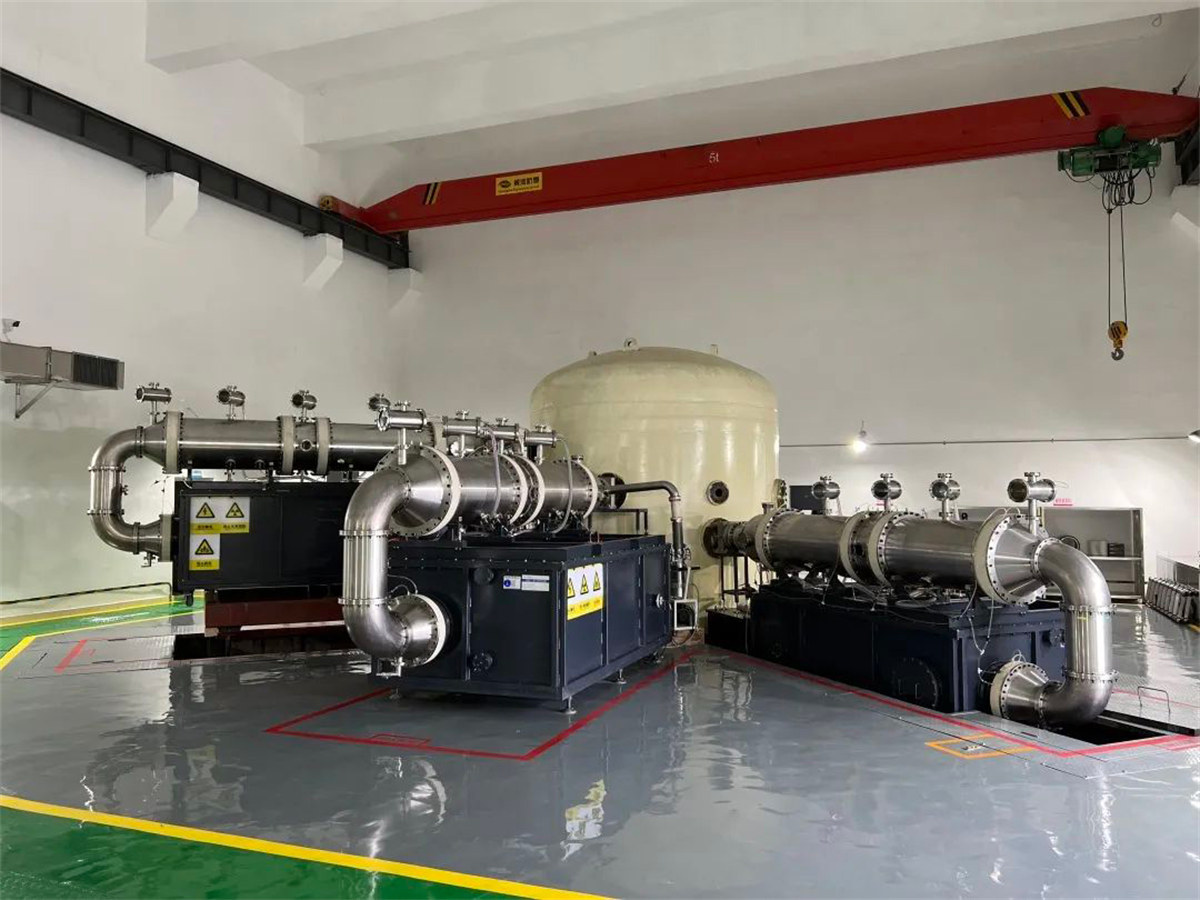
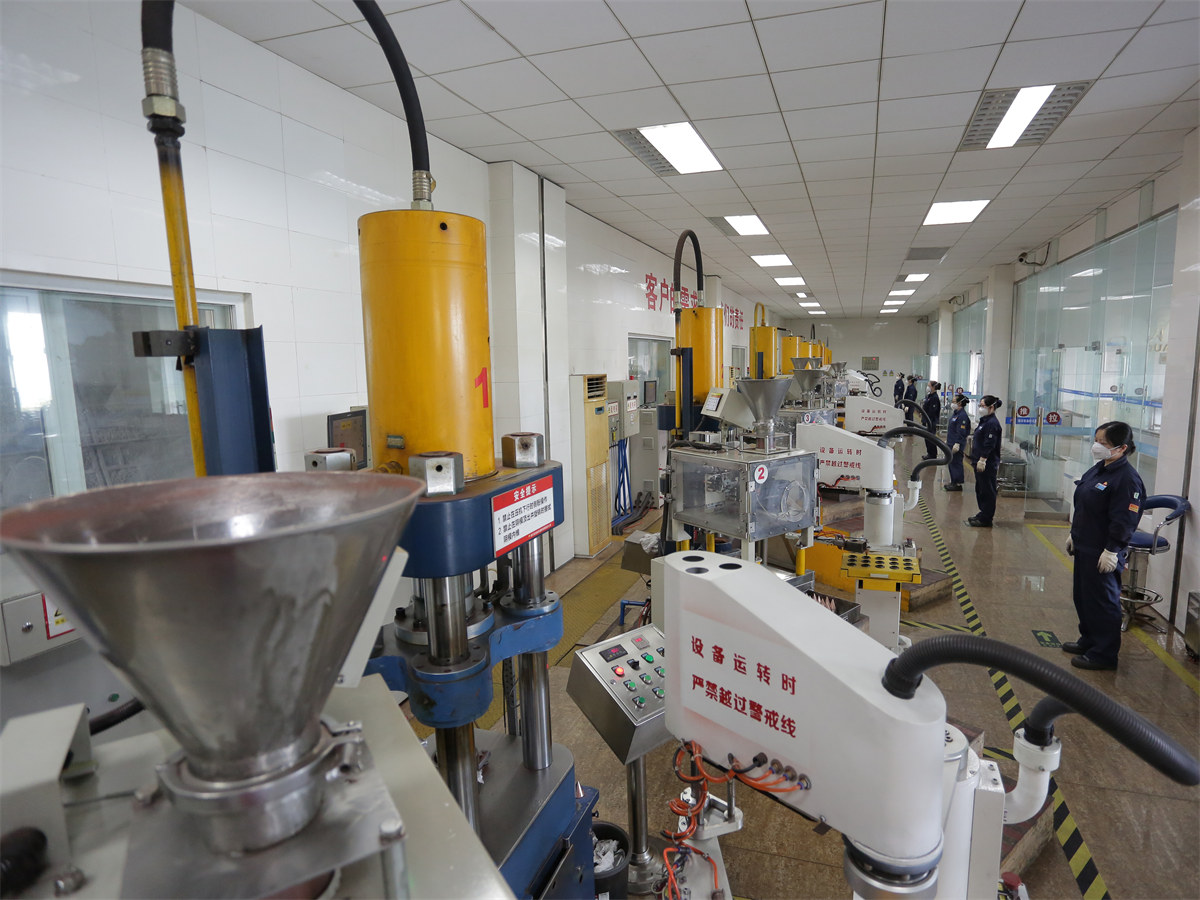
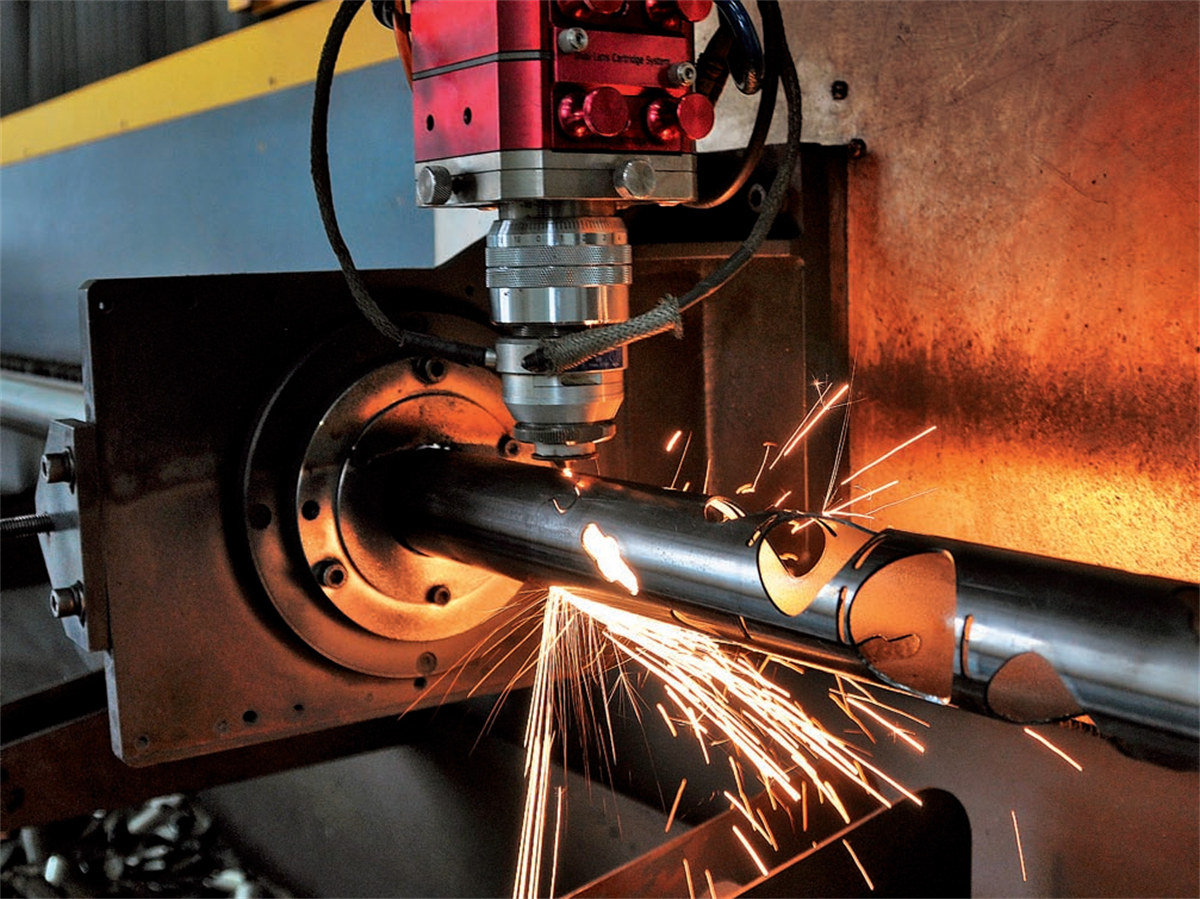
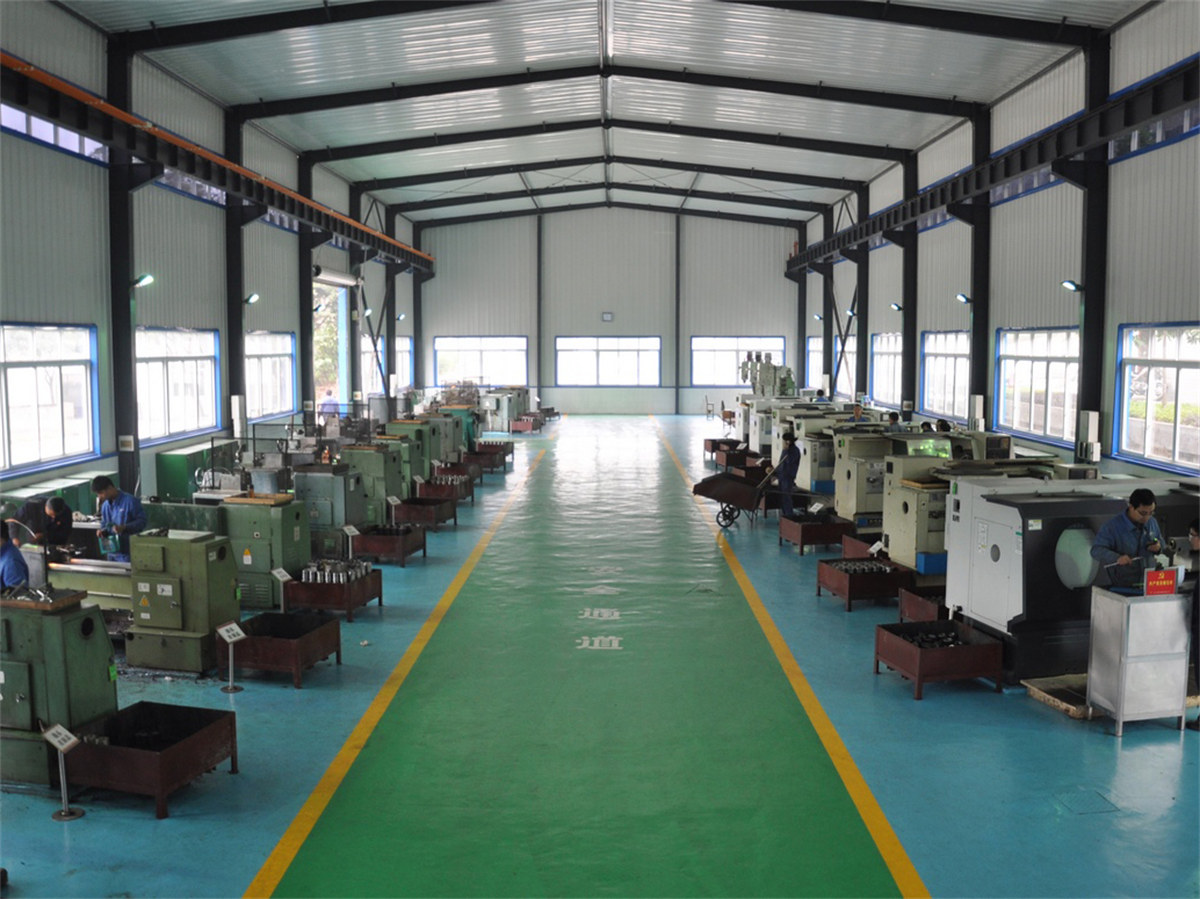
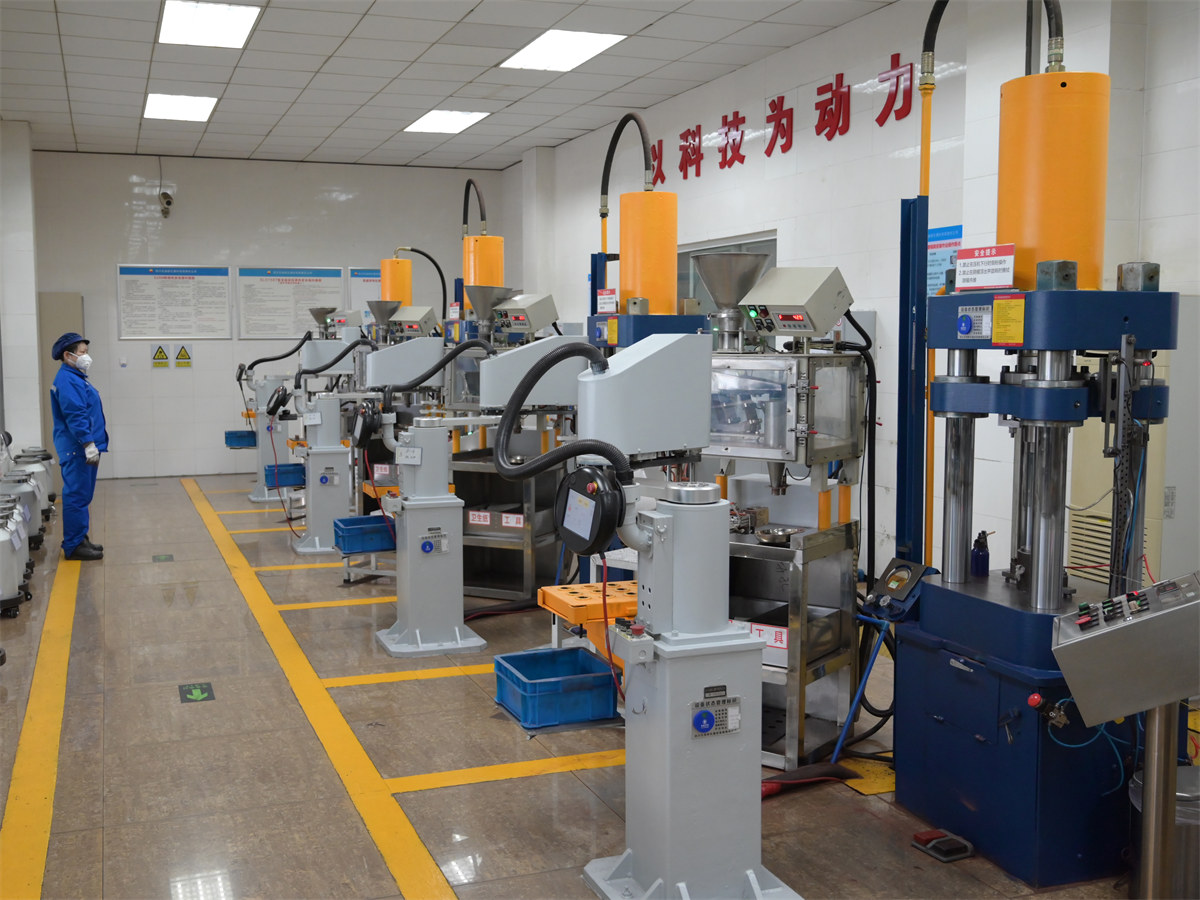
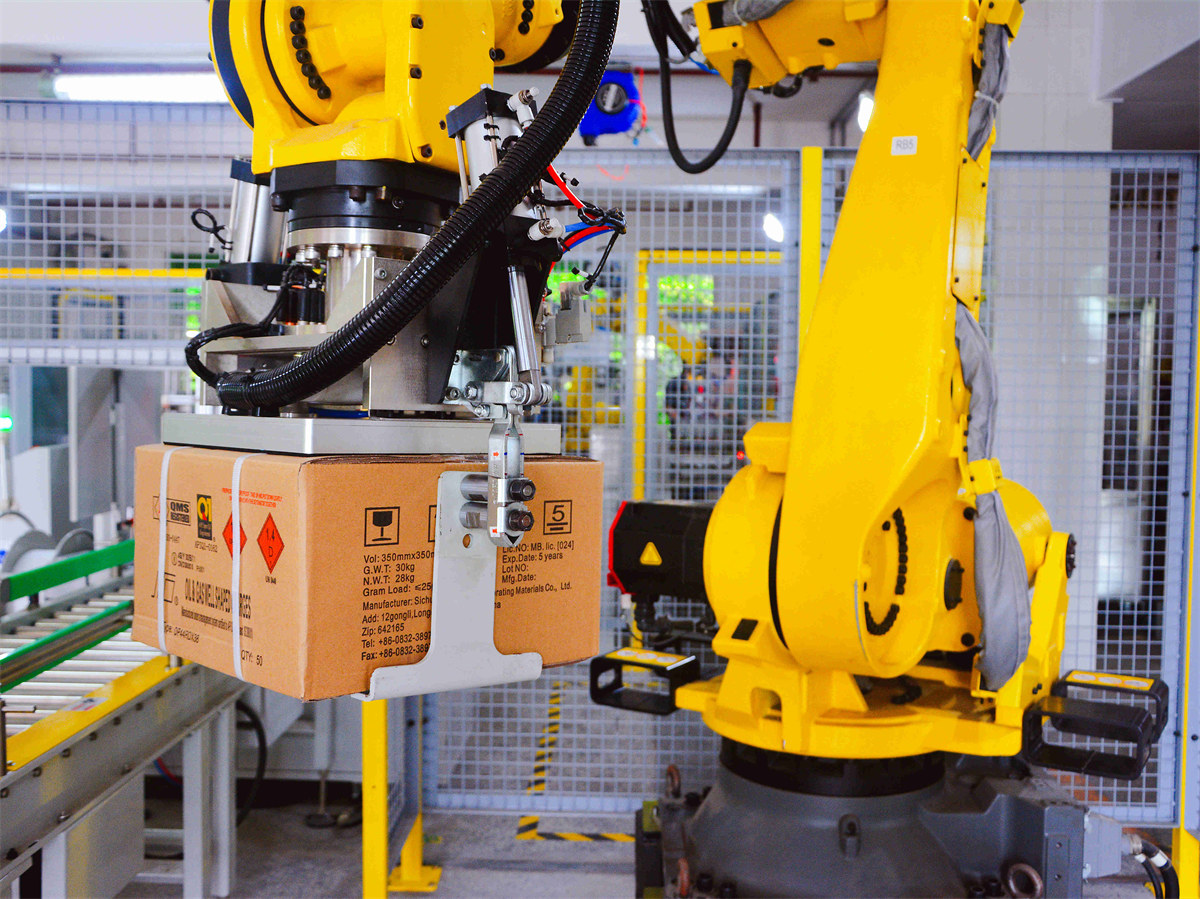
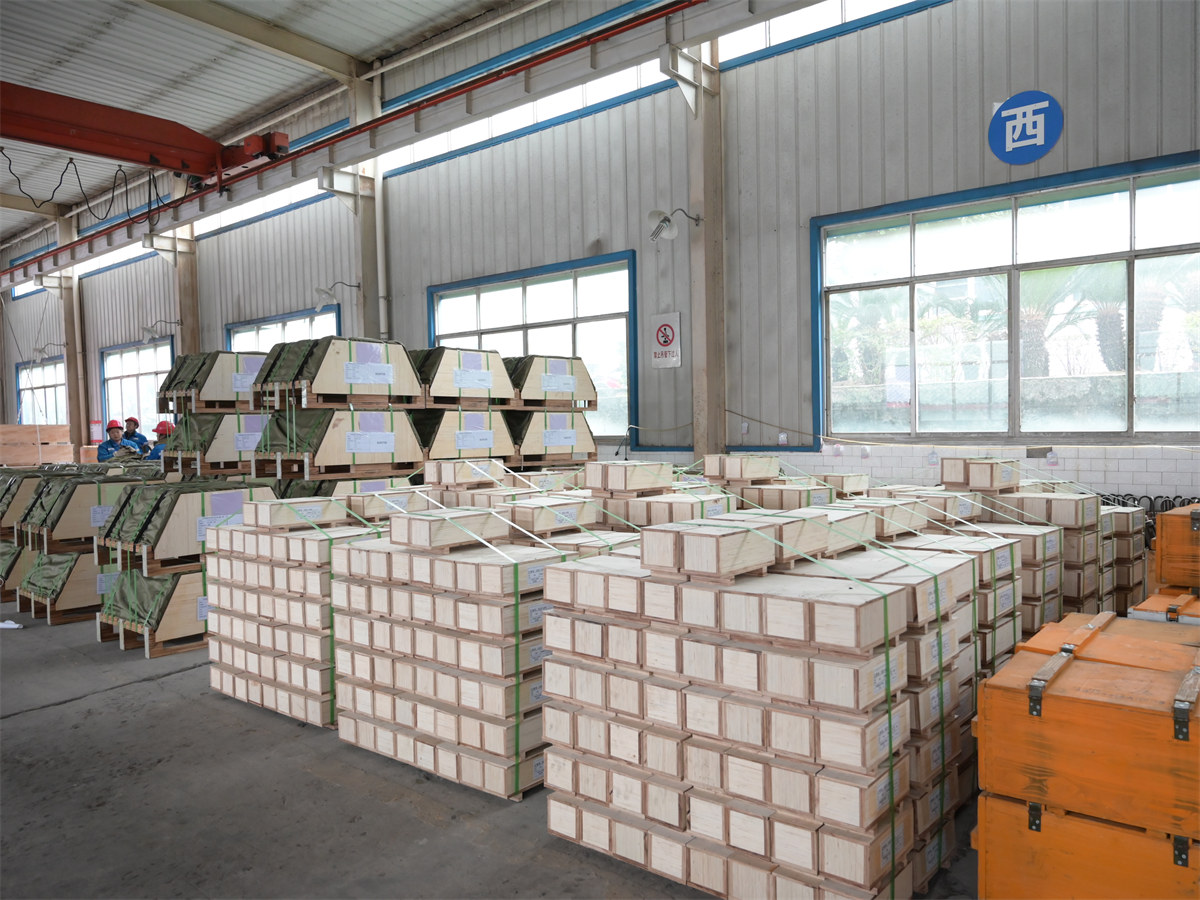
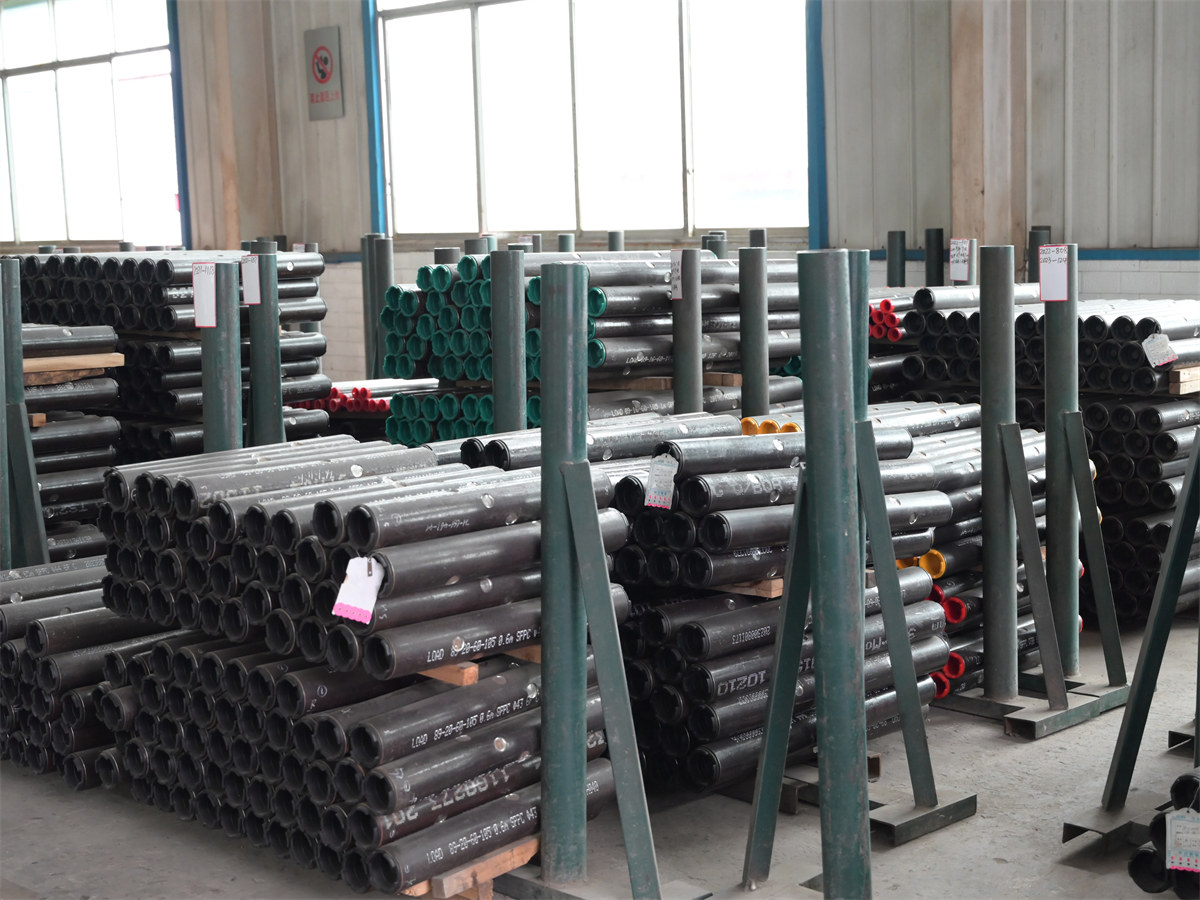
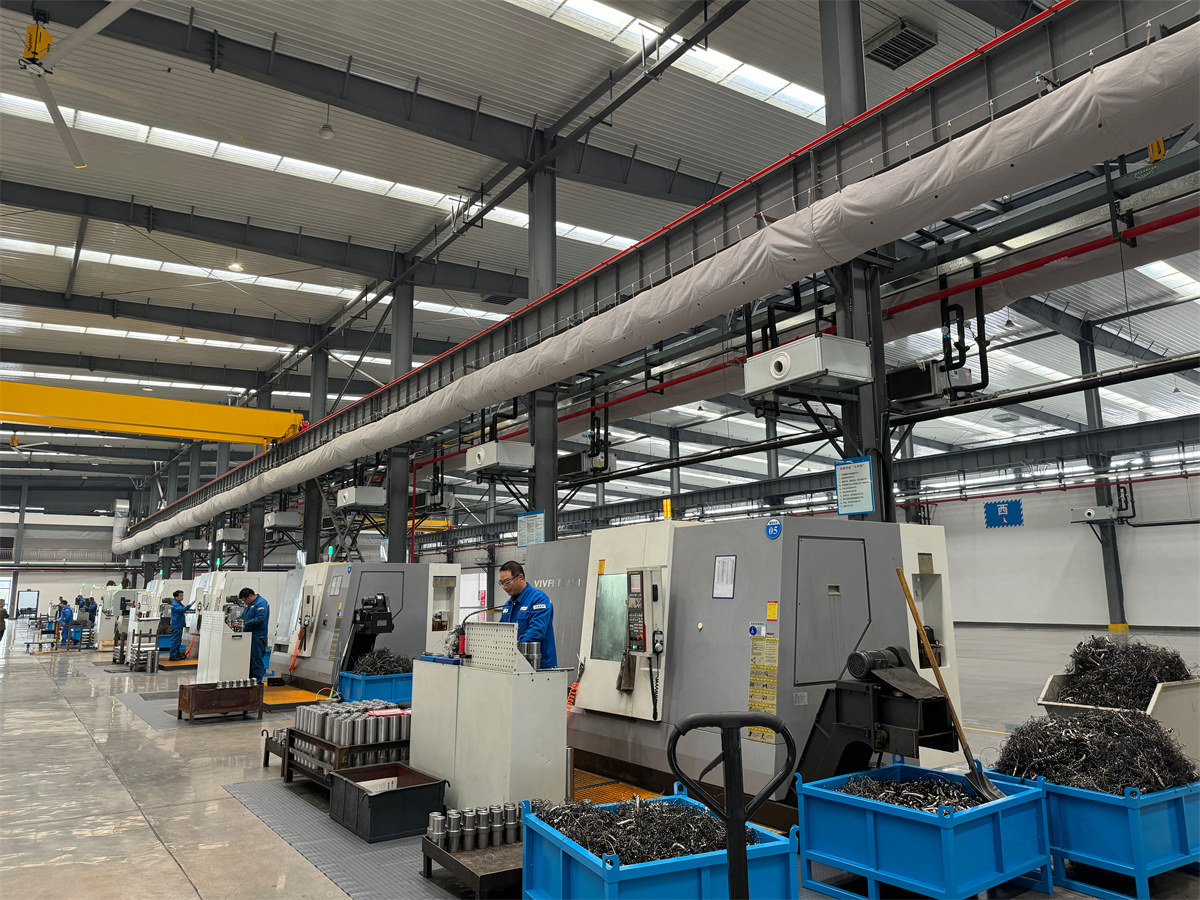
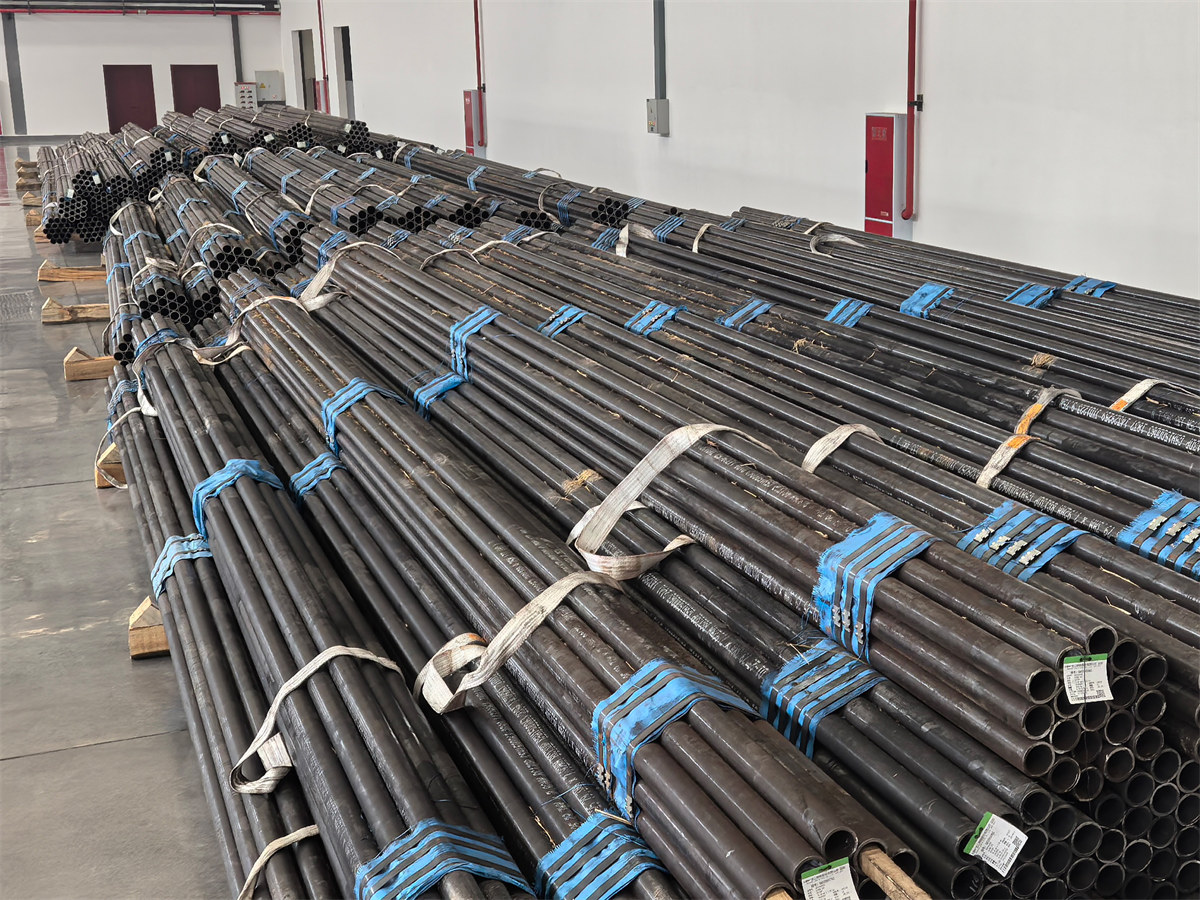
To date, our products have served customers in 38 countries worldwide and consistently earn positive feedback for performance and reliability.
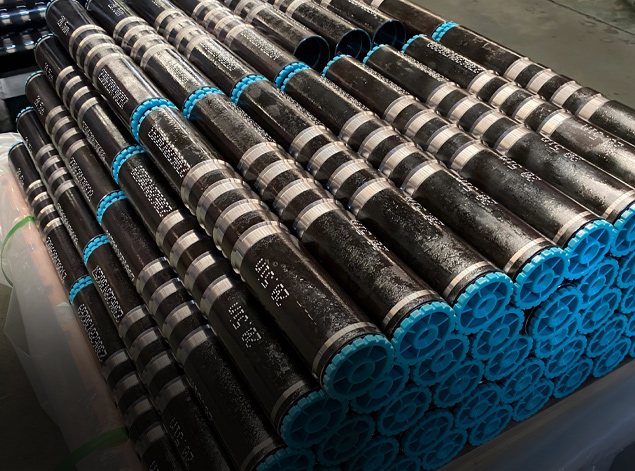
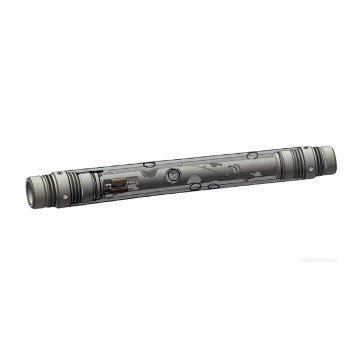
Instead of scallops, it can shoot regardless of the charge tube's angular position — ideal for clean-hole pressure testing applications.
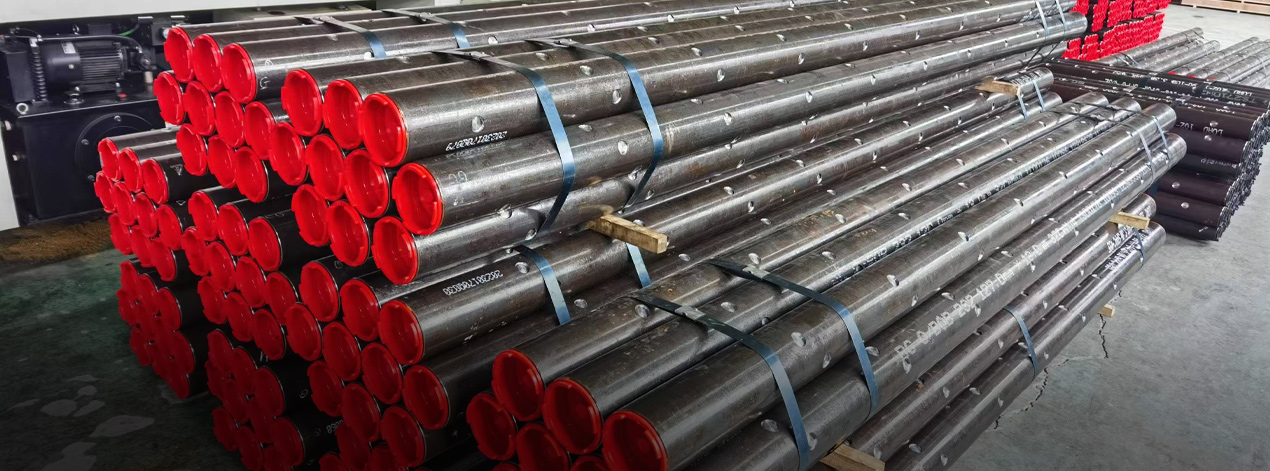
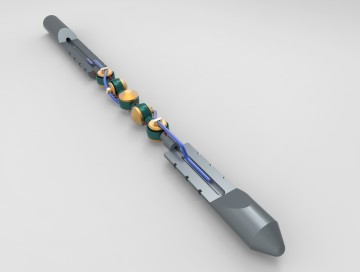
Provides deep penetration and high shot density with minimal debris generation for accurate formation pressure testing.
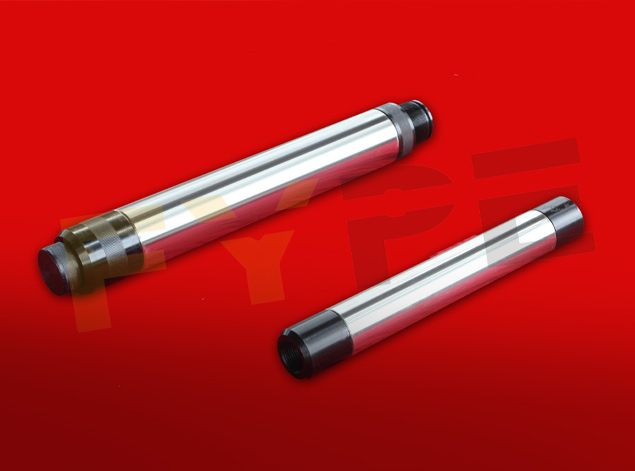
Detects casing collars for precise depth correlation in formation pressure testing wells.
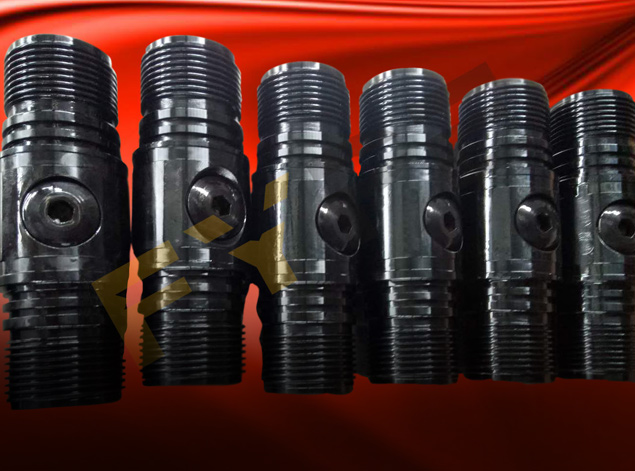
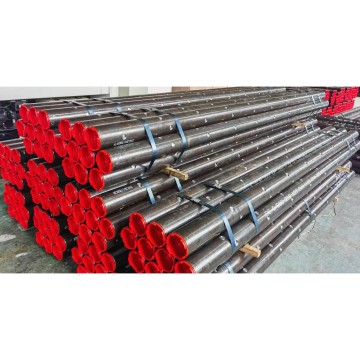
Connecting components used in low debris perforating systems for formation pressure testing operations.
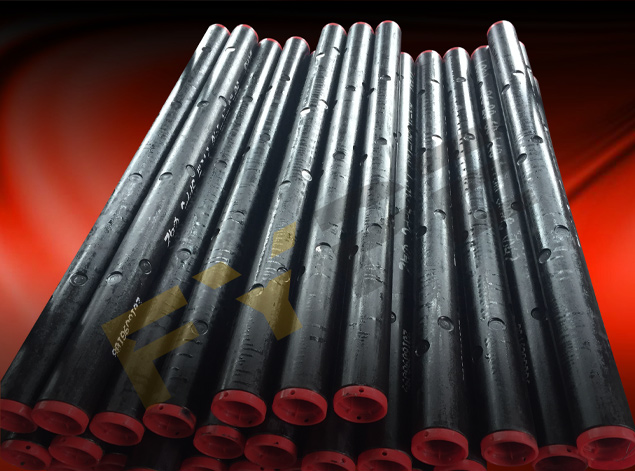
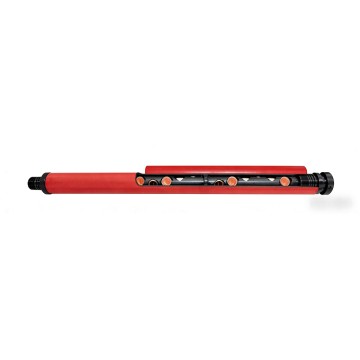
Designed for compact spaces and limited depth perforation with clean-hole performance for pressure evaluation.
Full portfolio of formation pressure testing perforating systems and accessories
At FYPE, we believe every well deserves precision, reliability, and excellence. Whether you require high-performance low debris perforating tools for formation pressure testing or dependable technical support, we are your trusted partner in the oil and gas industry. Our API Q1-certified products serve operators in 38 countries — and we are ready to serve you.
Inquiry Now