+86-15829394411
Leave Your Message
-
Contact WhatsApp
-
 Contact Phone
-
 Contact Email
Industry-leading perforating gun solutions engineered to minimize debris and maximize zonal integrity in every wellbore operation.
Low debris perforating is an advanced wellbore completion technique specifically engineered to minimize the volume of metallic and non-metallic debris generated during the perforating process. In the context of zonal isolation testing, maintaining a clean wellbore environment is not merely a preference — it is a critical operational and safety requirement that directly impacts the accuracy of pressure integrity tests, the performance of isolation packers, and the long-term productivity of the reservoir.
Excess debris from conventional perforating guns can obstruct packer seats, contaminate pressure gauges, and compromise the integrity of cement barriers — rendering zonal isolation tests unreliable or invalid. Low debris perforating technology directly solves this critical challenge, enabling operators to achieve accurate, repeatable, and compliant zonal isolation test results.
Modern low debris perforating charges are engineered using optimized liner geometry, precision-controlled explosive loadings, and advanced metallurgical formulations. These innovations dramatically reduce the mass and volume of jet residue and gun hardware fragments that enter the wellbore after firing, ensuring that zonal isolation barriers remain uncompromised and pressure testing can proceed immediately after perforating operations.
Low debris perforating systems are increasingly deployed in single-trip completion architectures, where the perforating gun assembly is run in conjunction with isolation packers and pressure testing tools. The reduced debris burden allows packers to set reliably, pressure gauges to read accurately, and zonal isolation tests to meet regulatory standards — all within a single, efficient wellbore intervention.

Expetro Energy Service Co., Ltd. (FYPE) is a leading manufacturer of downhole perforating systems in China, dedicated to the research, development, and production of shaped charges, perforating guns, and associated accessories for oil and gas completions.
Our low debris perforating solutions are purpose-built for zonal isolation testing environments, where wellbore cleanliness and system reliability are paramount. Every product we manufacture undergoes rigorous validation to ensure it meets the demanding requirements of modern completion operations worldwide.
The global perforating industry is undergoing a fundamental transformation driven by tighter regulatory requirements, operational efficiency demands, and the rise of unconventional resource development.
The global downhole perforating market is projected to exceed USD 3.5 billion by 2028, with low debris perforating solutions accounting for a rapidly growing share of this market. Operators in North America, the Middle East, and Asia-Pacific are increasingly mandating low debris specifications in their completion programs, particularly for wells requiring zonal isolation testing as part of regulatory compliance or reservoir management strategies.
Understanding where and how low debris perforating technology delivers its greatest value helps operators make informed completion design decisions.
Following cementing operations, operators must verify the integrity of the cement sheath and casing as a zonal isolation barrier. When perforating through cemented casing for production or injection purposes, low debris perforating guns ensure that residual gun hardware, charge liner fragments, and explosive byproducts do not migrate uphole to contaminate packer elements or pressure test ports. This enables accurate formation integrity tests (FIT) and leak-off tests (LOT) to be conducted immediately after perforating — without requiring additional wellbore cleanout runs.
In deepwater and subsea well environments, the cost of any additional intervention to clean up debris is enormous — often exceeding USD 1 million per day of rig time. Low debris perforating guns are therefore not optional but essential in these environments. Their use ensures that subsea isolation valves, production trees, and zonal isolation packers remain fully functional after perforating, and that pressure testing can be completed without debris-induced failures that would require costly workover operations.
High-pressure, high-temperature wells present unique challenges for zonal isolation testing. Elevated temperatures accelerate the degradation of packer elastomers, and any debris contamination can cause premature seal failure during pressure testing. Low debris perforating systems designed for HPHT environments — such as FYPE's Ultra HTHP Perforating Guns — combine debris-minimizing charge designs with high-temperature rated materials to ensure reliable zonal isolation test outcomes even in the most extreme downhole conditions.
In unconventional shale and tight gas developments, multi-stage hydraulic fracturing using plug-and-perf completion methods requires perforating guns to be run and fired multiple times in a single wellbore. Each perforating stage must produce minimal debris to prevent plugging of the frac plug seat or contamination of bridge plugs that serve as temporary zonal isolation barriers between stages. Low debris perforating guns are the industry standard for these operations, ensuring that each stage achieves its designed isolation and stimulation objectives.
During well recompletion or workover operations, operators often need to re-perforate existing wells to access bypassed pay zones or restore production from depleted intervals. In these scenarios, existing production equipment, downhole gauges, and isolation packers must be protected from debris damage. Low debris perforating technology allows operators to safely perforate new intervals while maintaining the integrity of existing zonal isolation barriers — a critical requirement for wells with complex completion architectures or multiple producing zones.
Our professional inspection team operates under a quality management system certified to API Q1 and ISO 9001 standards, ensuring product reliability and superior performance in every delivery.
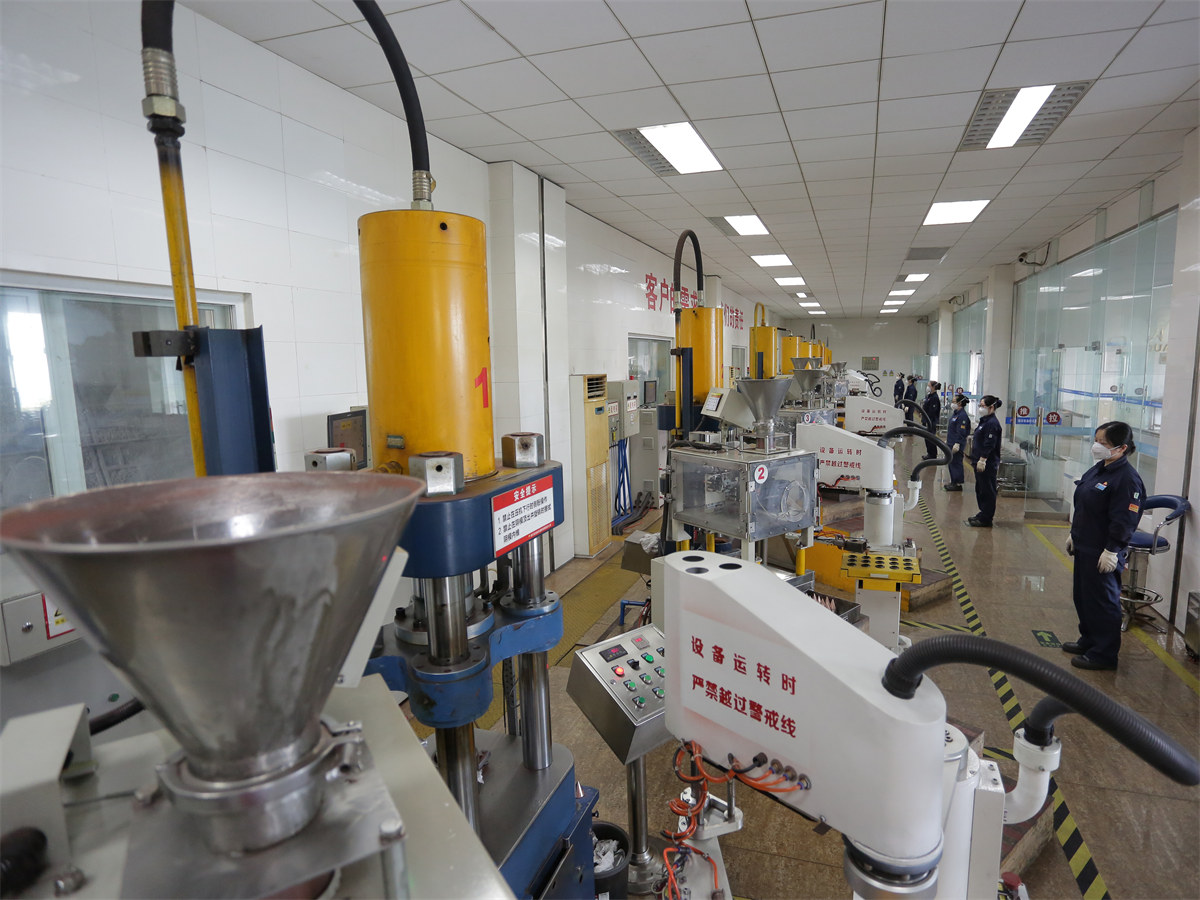
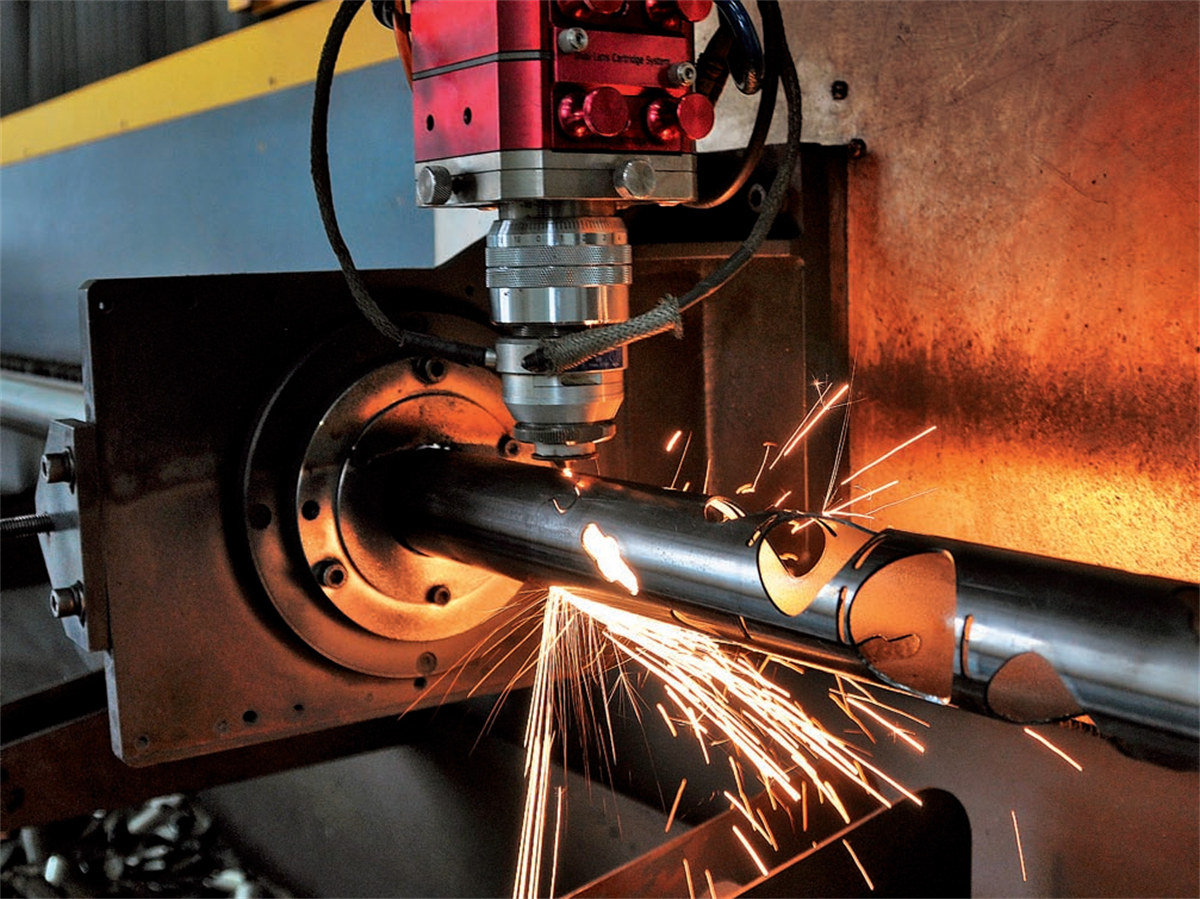
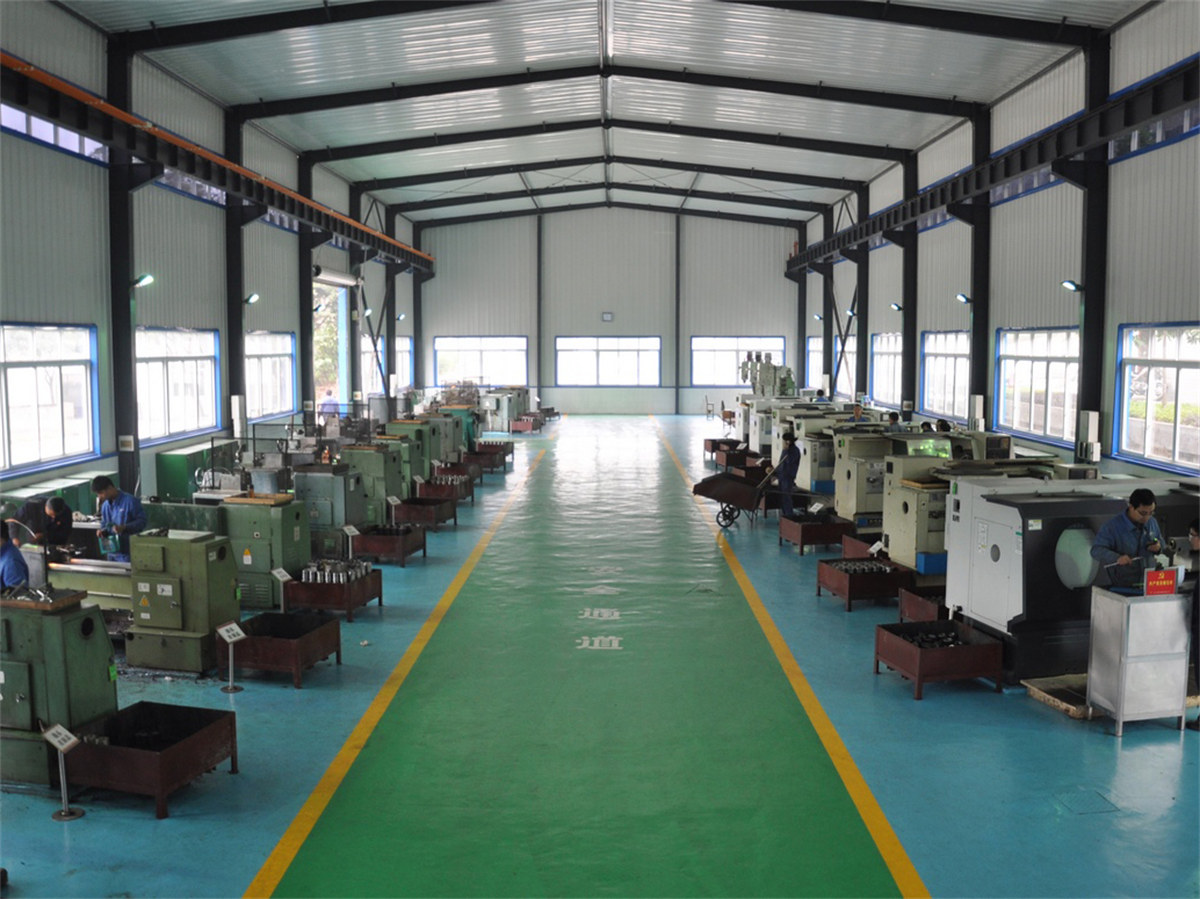
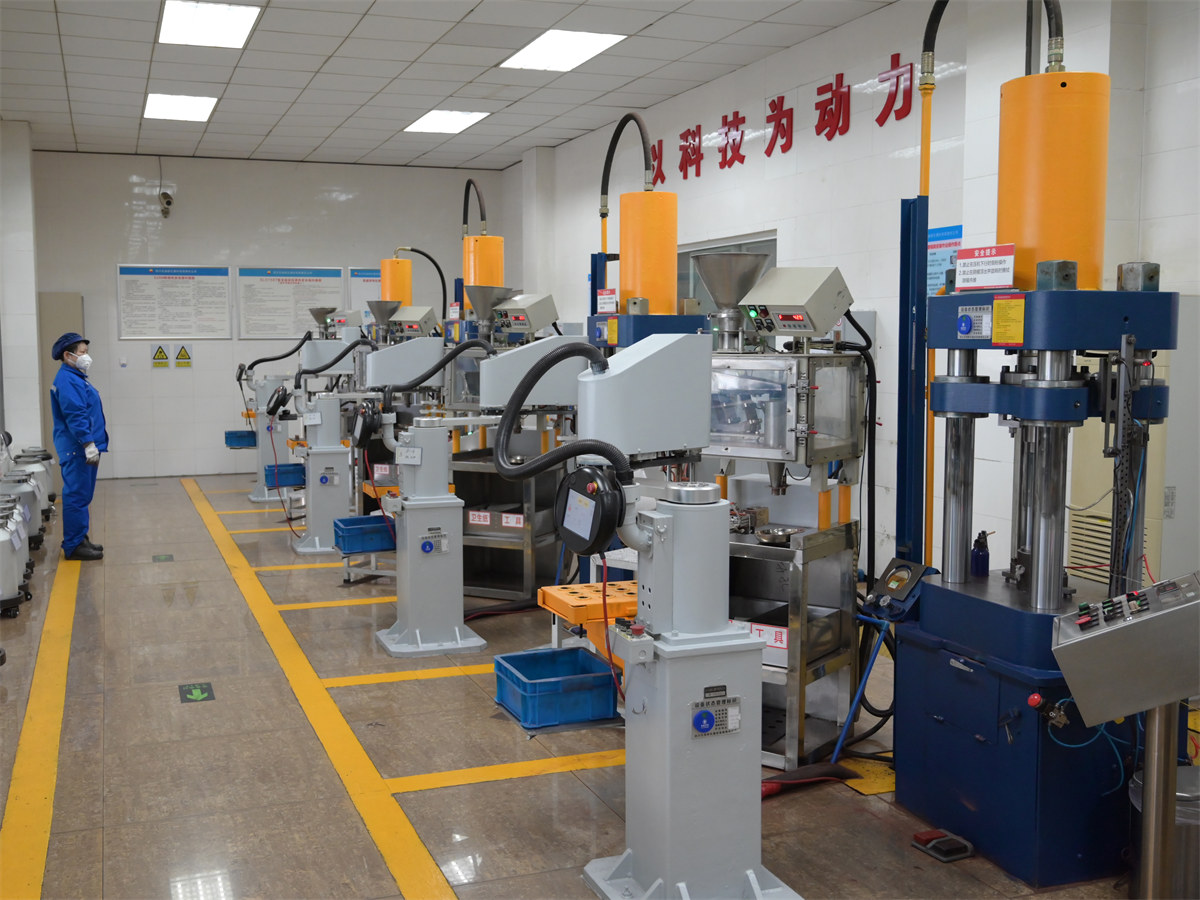
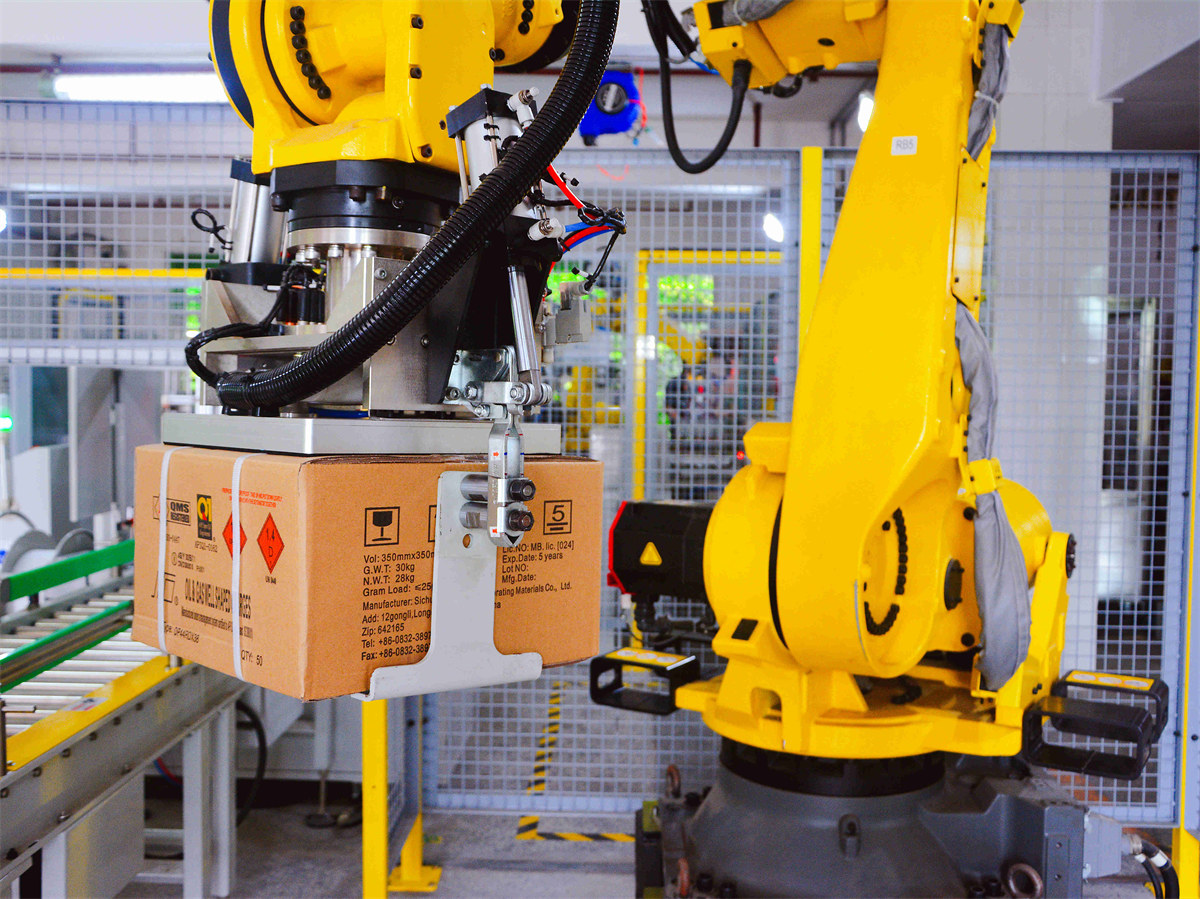
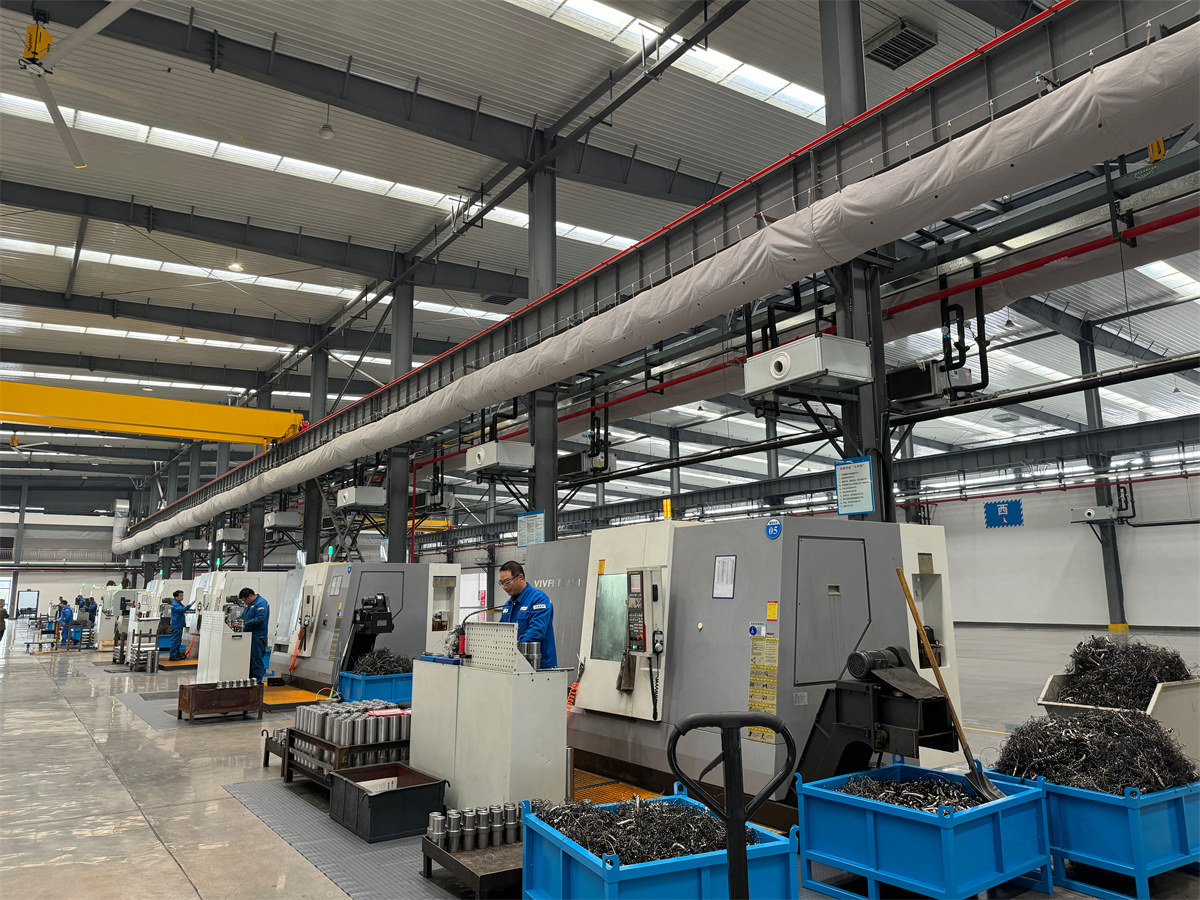
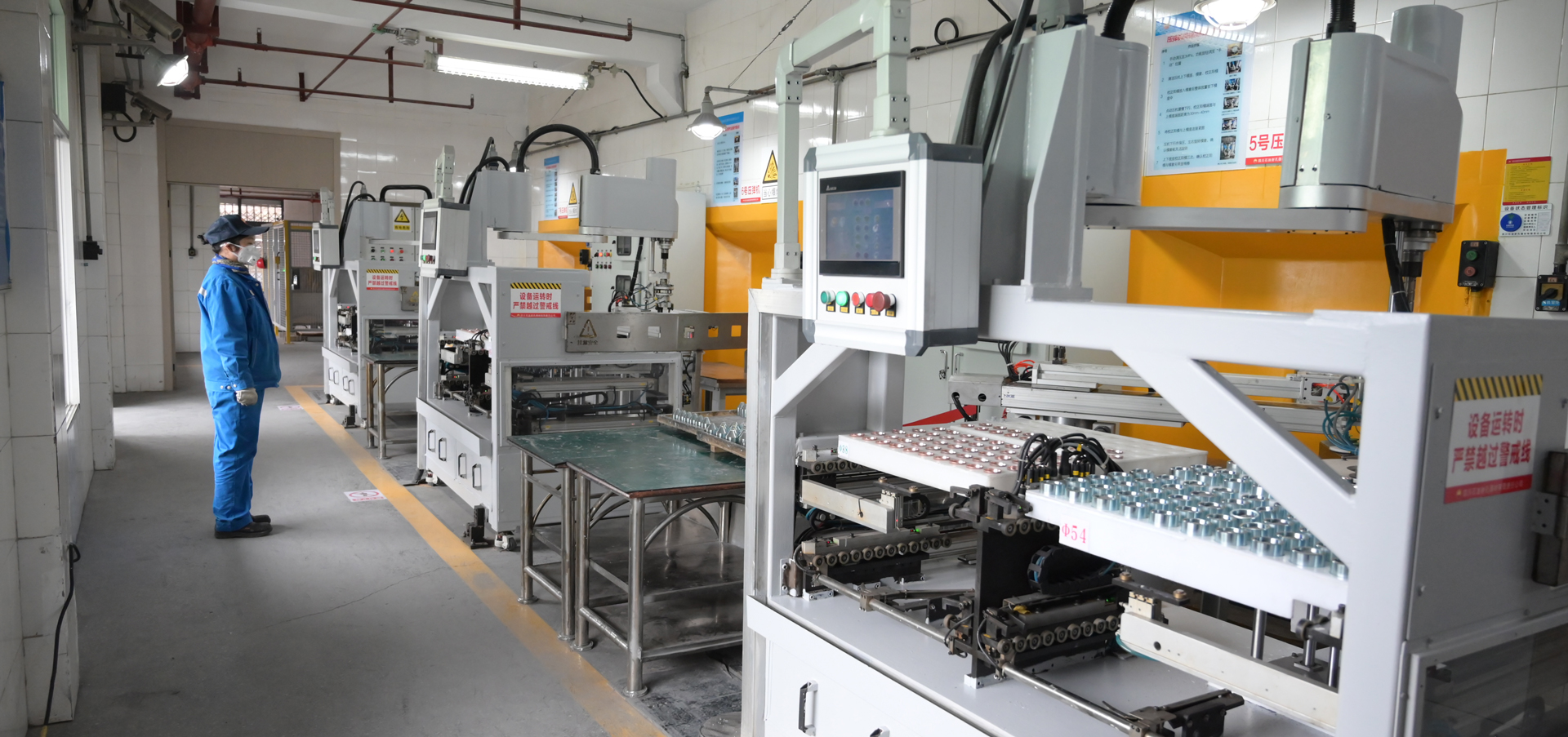
Our automated production lines ensure product consistency and enhance productivity. Daily capacity of shaped charges can reach 10,000. The perforating gun production line can meet 100+ types with different specifications.
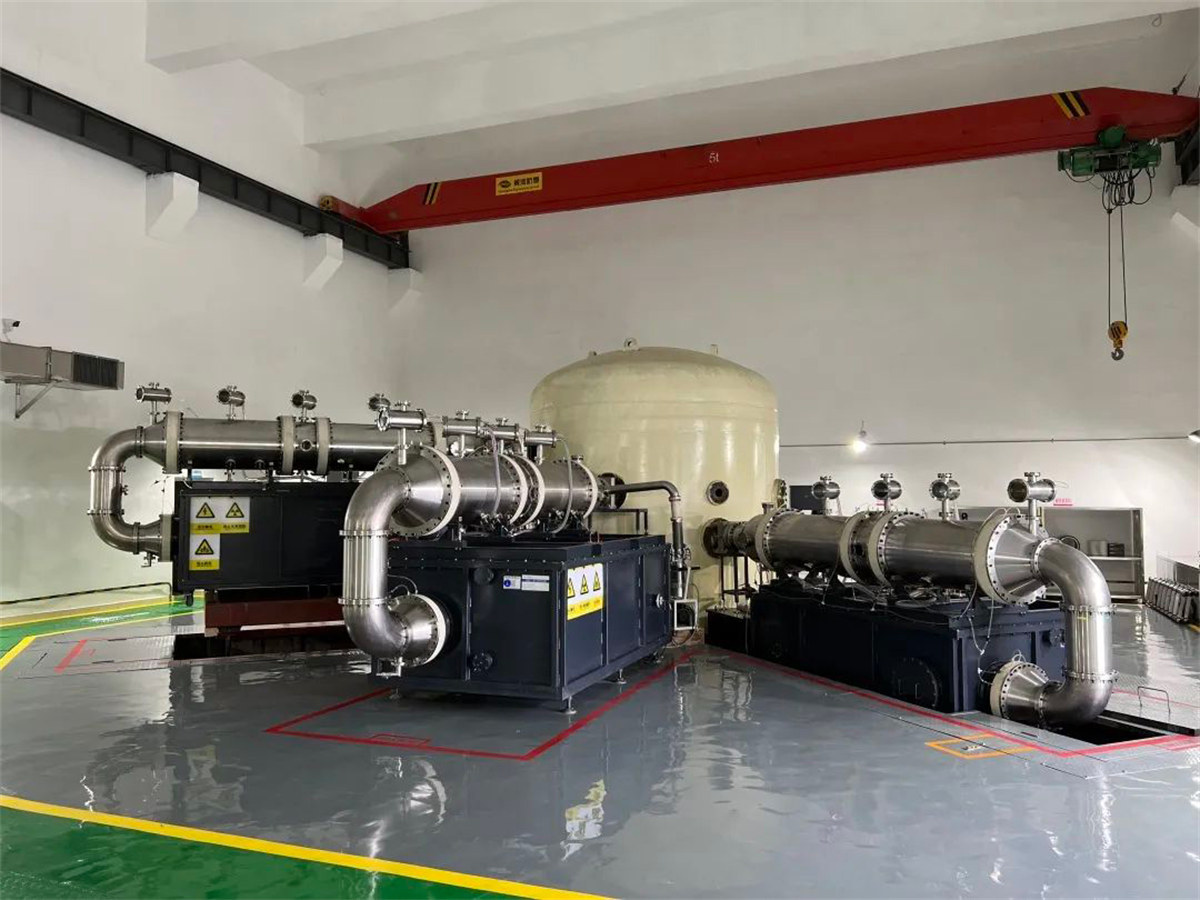
Our lab carries out real-core target tests in simulated reservoirs, ultimate pressure resistance tests on perforation tools, and explosion mechanism tests on shaped charges for validated low debris performance.
With nearly 20 years of export experience across 38 countries, we deeply understand global market demands and deliver trusted, tailored low debris perforating solutions for zonal isolation testing worldwide.
To date, our products have served customers in 38 countries worldwide and consistently earn positive feedback for performance and reliability.
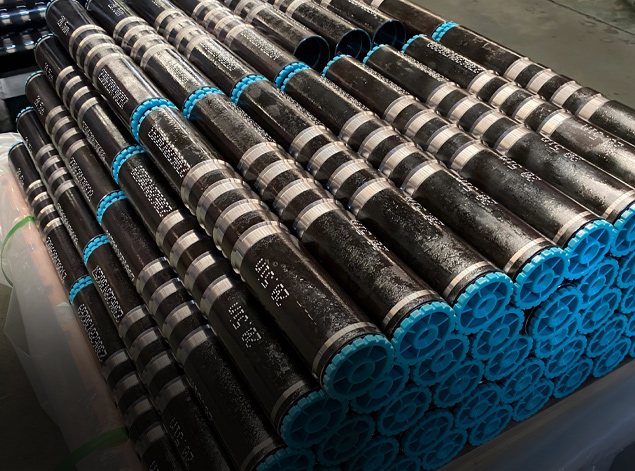
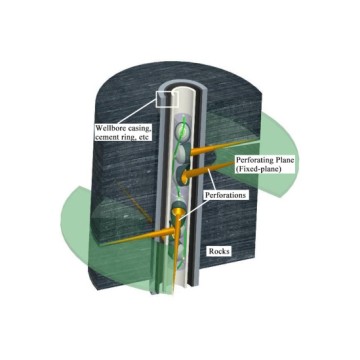
Instead of scallops, it can shoot regardless of the charge tube's angular position — ideal for low debris zonal isolation applications.
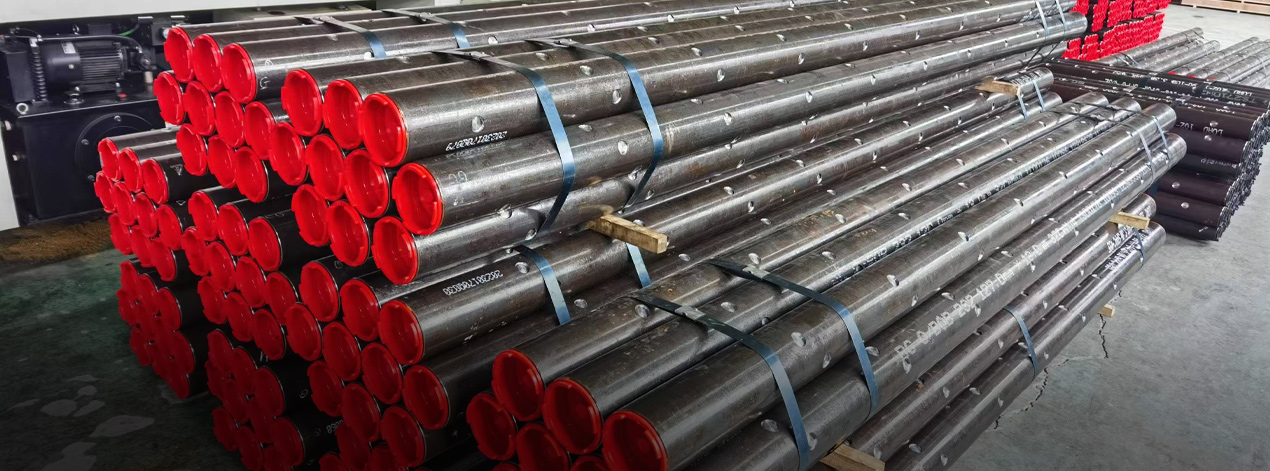
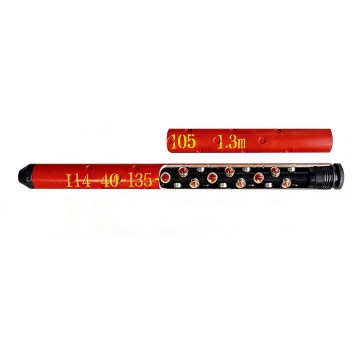
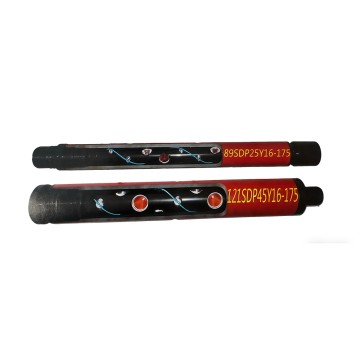
Provides deep penetration and high shot density with minimized debris output for reliable zonal isolation test environments.
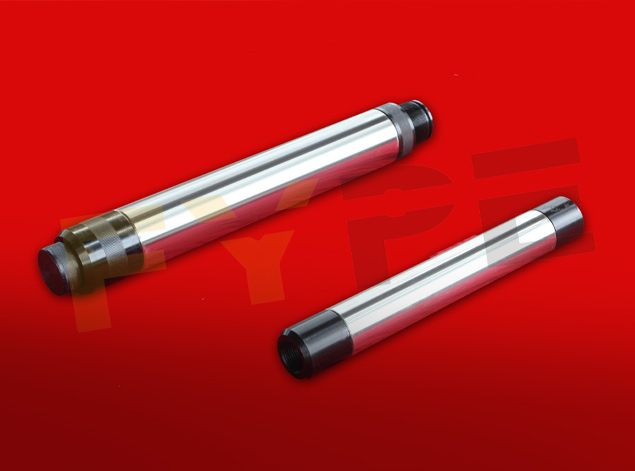
Detects casing collars for depth correlation in wells — essential for precise zonal isolation testing depth placement.
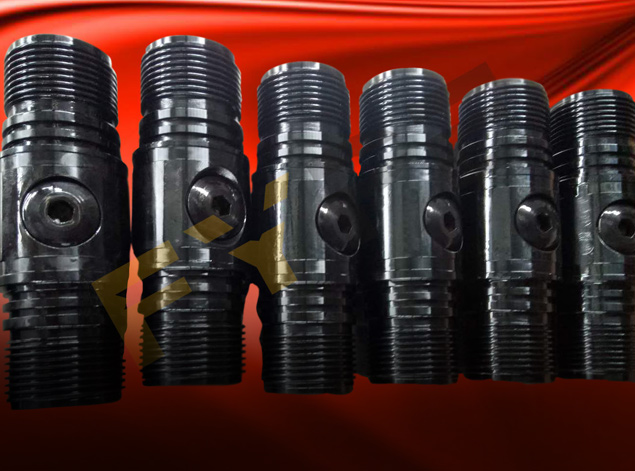
Connecting components used in low debris perforating systems for seamless zonal isolation testing assemblies.
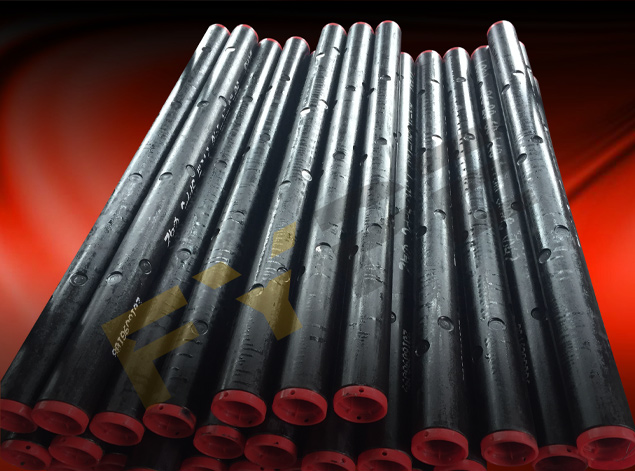
Designed for compact spaces and limited depth perforation with low debris characteristics for zonal isolation testing.
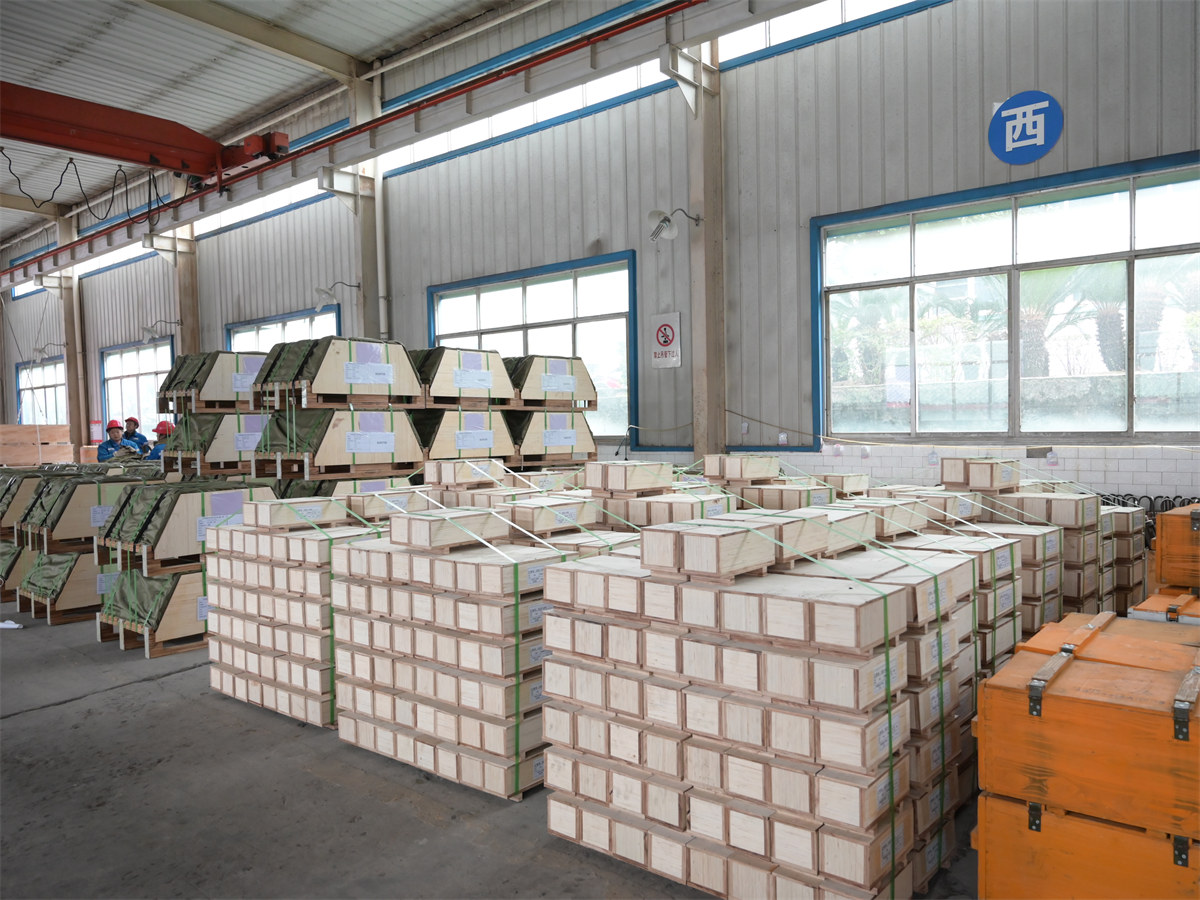
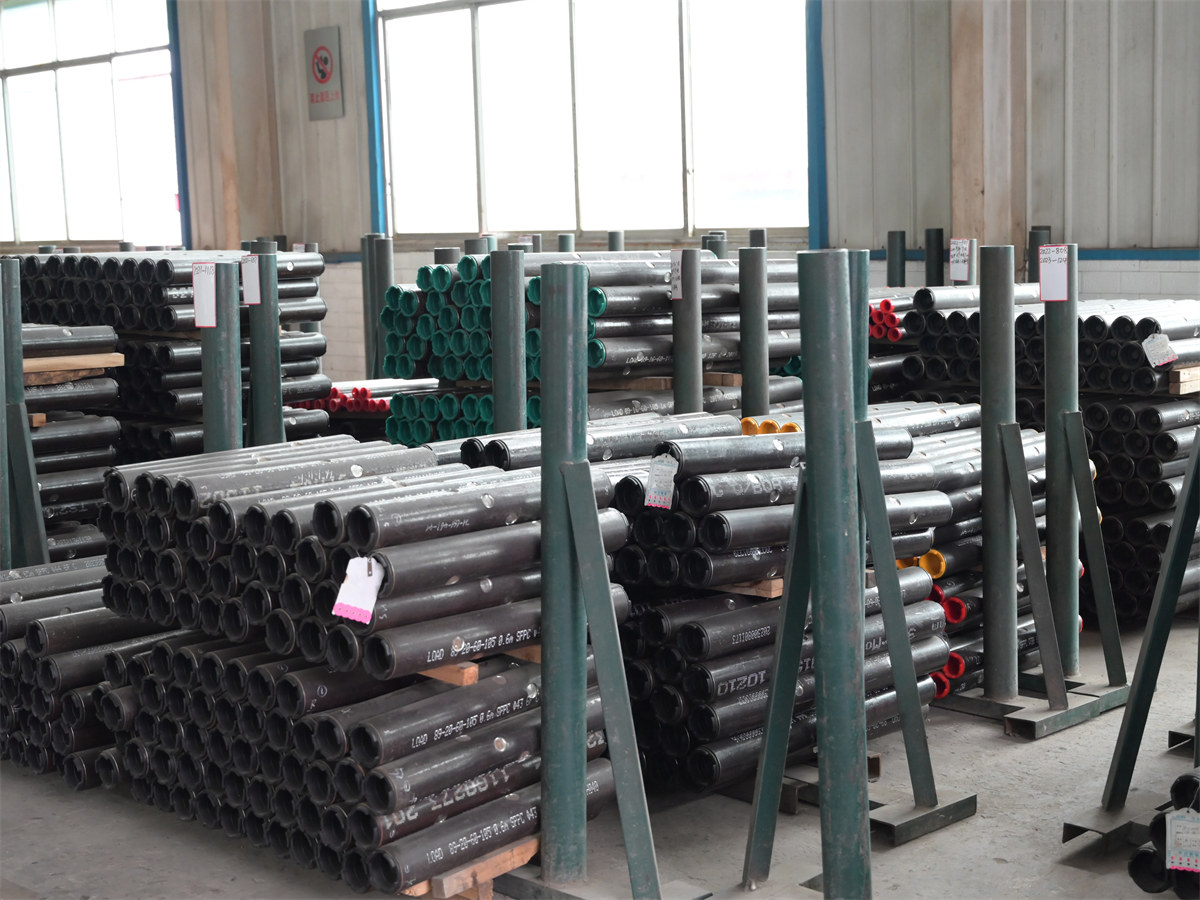
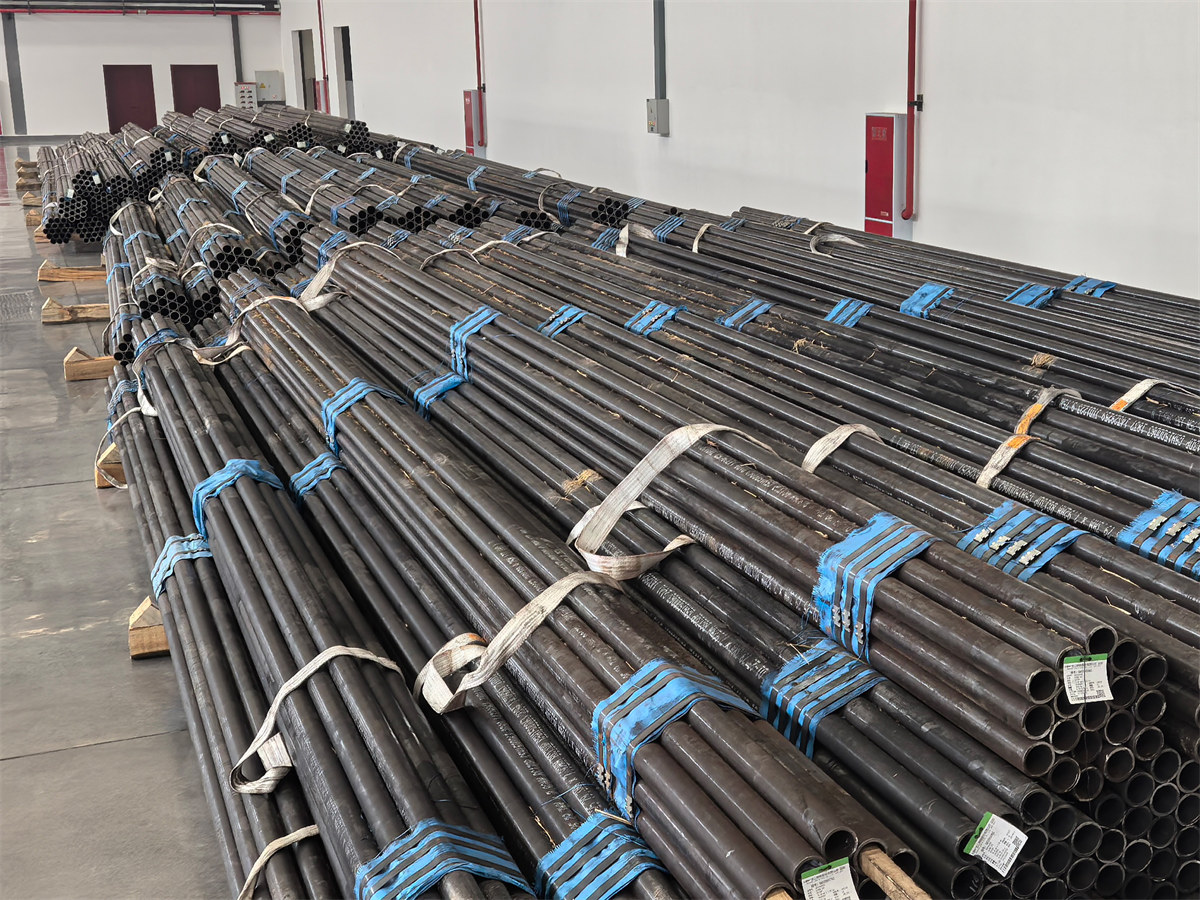
State-of-the-art manufacturing facilities dedicated to producing world-class low debris perforating systems.
At FYPE, we believe every well deserves precision, reliability, and excellence. Whether you require high-performance low debris perforating tools for zonal isolation testing or dependable technical support, we are your trusted partner in the oil and gas industry.
Inquiry Now
Explore our full portfolio of perforating solutions — engineered for cleaner wellbores, superior zonal isolation, and maximum reservoir productivity.