+86-15829394411


What Is a Modular Perforating Gun System?
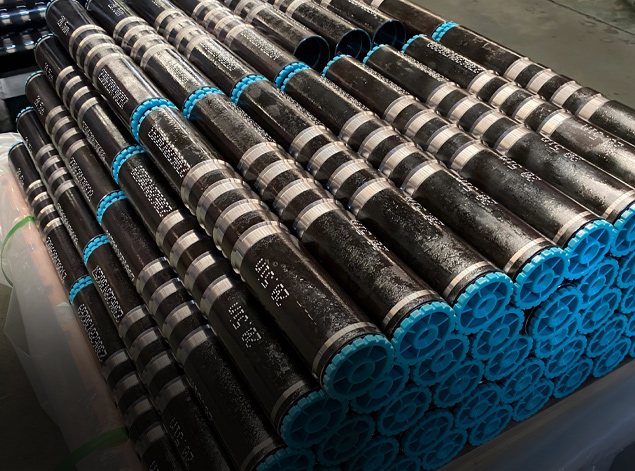
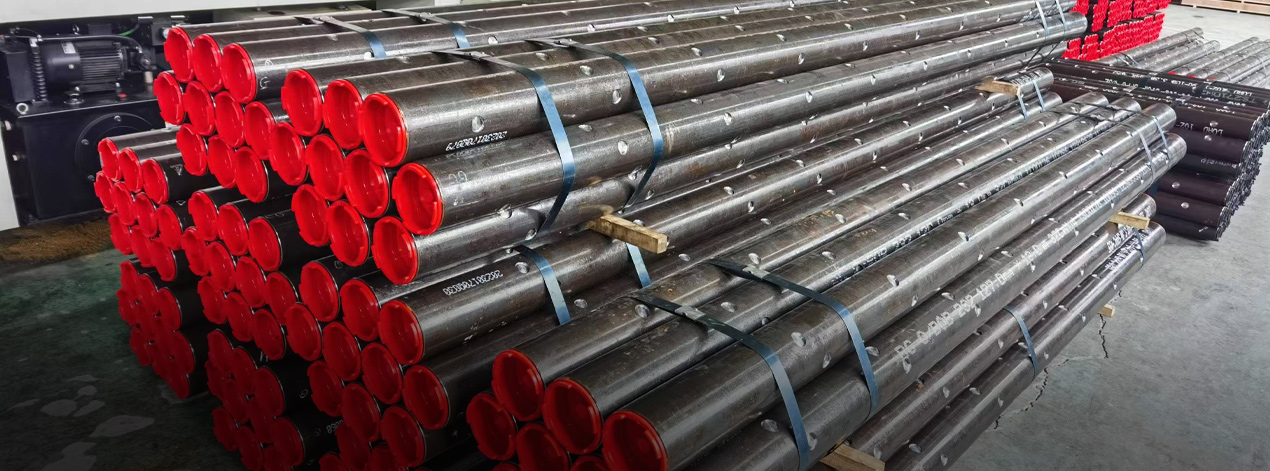
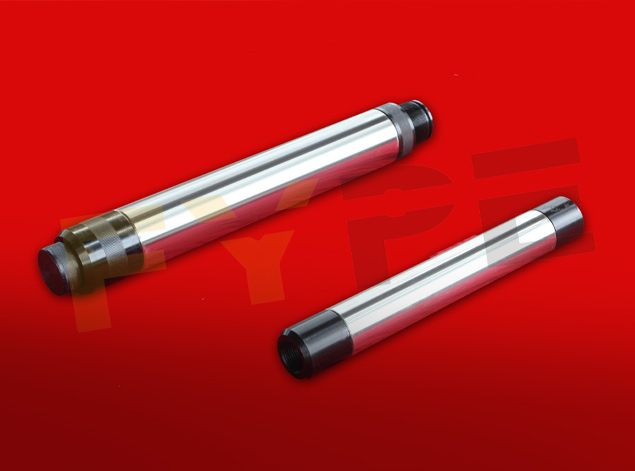
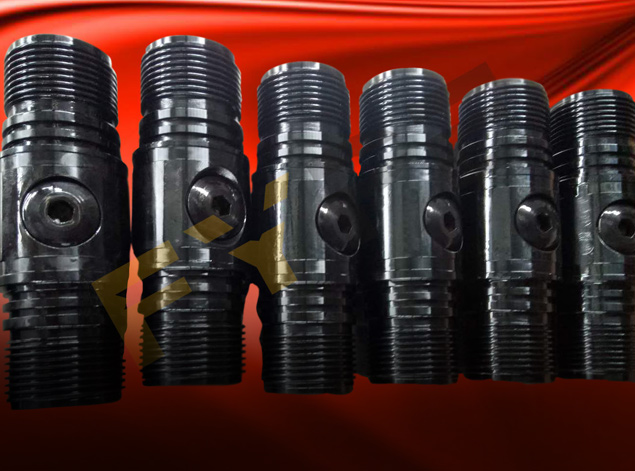
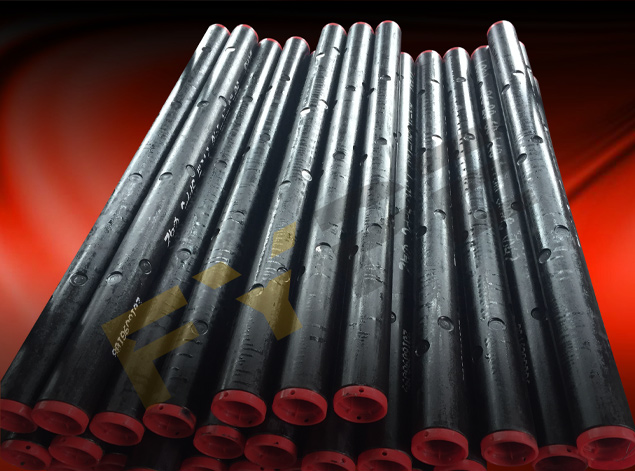
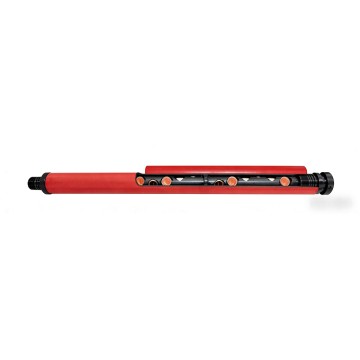
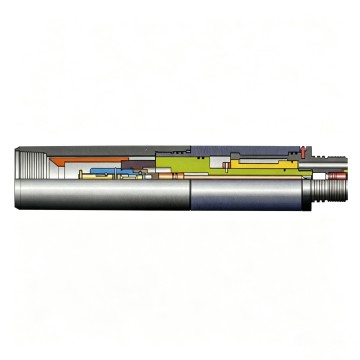
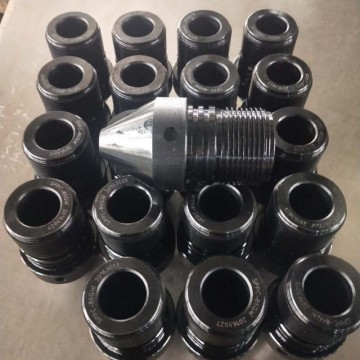
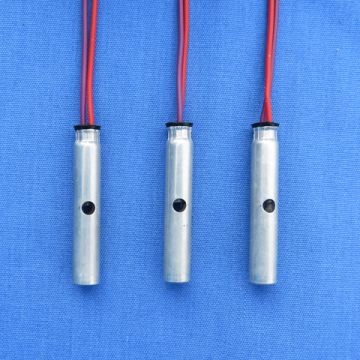
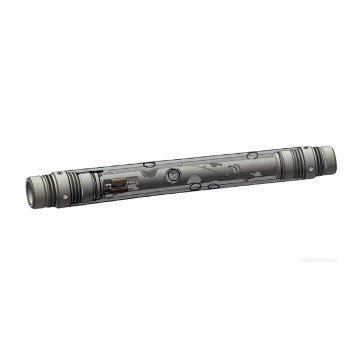
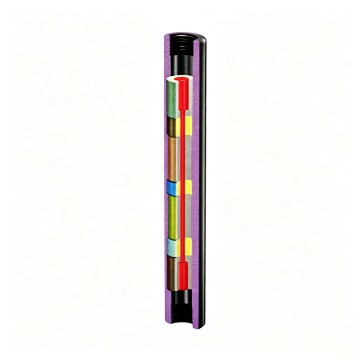
A modular perforating gun is an advanced downhole tool system used in oil and gas well completions to create precise perforations through casing, cement, and reservoir rock, establishing a flow path between the formation and the wellbore. Unlike conventional perforating guns, modular systems are designed with interchangeable, configurable components — including gun bodies, shaped charges, subs, detonators, and accessories — that can be tailored to specific well conditions, reservoir characteristics, and operational objectives.
When applied to sand control management, the modular perforating gun becomes a critical enabler of well integrity and long-term production performance. Sand production is one of the most prevalent and costly challenges in oil and gas operations, particularly in unconsolidated or weakly consolidated formations. Excessive sand influx can erode downhole equipment, plug screens and gravel packs, and ultimately lead to well failure. The geometry, density, and orientation of perforations created by the gun directly influence how sand behaves at the formation face — making perforation design an integral part of any sand control strategy.
🔑
Why Perforation Design Is Central to Sand Control
The shape, depth, diameter, and phasing of perforations determine formation stress distribution around the wellbore. Optimized perforation geometry reduces drawdown-induced sand failure, improves gravel pack placement efficiency, and enhances the performance of sand screens — making modular gun selection and configuration a strategic decision, not merely a technical one.
Industry Background: The Growing Demand for Sand Control Solutions
The global oil and gas industry faces mounting pressure to extract hydrocarbons from increasingly challenging reservoirs — deepwater fields, heavy oil formations, and mature basins with weakly consolidated sands. According to industry data, sand production-related failures account for a significant share of unplanned well interventions and production losses worldwide, costing operators billions of dollars annually in deferred production, equipment replacement, and workover operations.
As operators push into deeper, hotter, and higher-pressure environments, the need for precision perforation tools capable of supporting sophisticated sand control completions has never been greater. The modular perforating gun has emerged as the preferred platform for these operations, offering the flexibility to configure charge type, shot density, phasing, and gun diameter to match the specific requirements of gravel packing, frac-packing, standalone screen completions, and expandable sand screen (ESS) installations.
Regions with the highest demand for sand control perforating solutions include the Gulf of Mexico, West Africa, Southeast Asia, the North Sea, and the Middle East — all areas where unconsolidated formations and high-value reservoirs coexist. China's domestic market, driven by offshore fields in the South China Sea and tight oil developments in the Ordos and Junggar basins, is also a rapidly growing consumer of advanced perforating technology.
Commercial Landscape: Market Trends and Industry Dynamics
The global downhole perforating tools market is projected to grow steadily through the end of this decade, driven by rising upstream capital expenditure, the proliferation of unconventional resource development, and the increasing complexity of well completion designs. Modular perforating gun systems represent one of the fastest-growing segments within this market, as operators increasingly demand configurable, multi-function gun strings that can address sand control, stimulation, and zonal isolation objectives in a single run.
Key commercial trends shaping the modular perforating gun market include:
- Integration with completion optimization software: Leading operators now use digital twin models and reservoir simulation to pre-engineer perforation programs, selecting gun parameters that minimize sand production while maximizing inflow performance. Modular gun systems that offer precise, repeatable charge placement are essential to executing these optimized programs.
- Shift toward conveyance-agnostic systems: Modern modular guns are designed to be deployed via wireline, coiled tubing, or tubing-conveyed perforating (TCP), giving operators flexibility to select the most cost-effective and technically appropriate conveyance method for each well.
- Growth of deepwater and subsea completions: Deepwater wells almost universally require sand control, and the extreme pressure and temperature conditions in these environments demand perforating gun systems with exceptional structural integrity and reliability. High-strength gun bodies, pressure-rated subs, and qualified detonator systems are non-negotiable in these applications.
- Sustainability and waste reduction: Environmental regulations and ESG commitments are driving demand for gun systems that minimize debris, reduce surface handling of explosive components, and support efficient, low-footprint operations. Modular designs that allow component reuse and reduce expendable waste are gaining commercial traction.
- China as a manufacturing powerhouse: Chinese manufacturers have made significant strides in perforating technology over the past two decades, achieving API Q1 certification and developing export-grade product lines that compete effectively with established Western suppliers. Cost competitiveness, rapid customization capability, and improving quality standards have positioned Chinese suppliers as preferred partners for operators in Asia, Africa, the Middle East, and Latin America.
Deep-Dive Application Scenarios: Modular Perforating Guns in Sand Control
🔵 Scenario 1: Gravel Pack Completions
Gravel packing is one of the most widely used sand control methods, particularly in offshore and deepwater environments. In a gravel pack completion, a modular perforating gun is used to create large-diameter, high-density perforations that facilitate the efficient placement of gravel (typically sized sand or ceramic proppant) between the screen and the formation face. The perforation tunnels serve as conduits for gravel transport, and their geometry directly determines the quality and completeness of the gravel pack. Underperforating results in incomplete packing and sand bridges; overperforating can destabilize the near-wellbore formation. Modular gun systems allow engineers to precisely control shot density (typically 12–16 shots per foot for gravel pack applications), perforation diameter, and phasing to achieve optimal gravel placement.
🔵 Scenario 2: Frac-Pack Operations
Frac-packing combines hydraulic fracturing with gravel packing in a single operation, creating a short, wide fracture that is then packed with gravel to provide both a high-conductivity flow path and a sand exclusion barrier. The modular perforating gun must create perforations that initiate fractures at the desired azimuth and depth, while also supporting the subsequent gravel placement. This requires careful selection of charge type (big-hole vs. deep-penetrating), phasing (typically 0° or 180° for fracture initiation), and shot density. The modular architecture of modern gun systems allows engineers to mix charge types within a single gun string, optimizing both fracture initiation and gravel packing performance.
🔵 Scenario 3: Standalone Screen Completions
In formations where gravel packing is not feasible or economically justified, standalone sand screens (wire-wrap, premium mesh, or sintered metal) are deployed as the primary sand exclusion mechanism. In these completions, the modular perforating gun must create perforations that minimize formation disturbance and near-wellbore damage, while providing sufficient inflow area for the screen to function effectively. Low-debris, oriented perforating guns are preferred in these applications, as residual gun debris can plug screen openings and impair performance. Modular systems with oriented charge carriers allow perforations to be placed at specific azimuths relative to the screen, further optimizing inflow distribution.
🔵 Scenario 4: Horizontal Well Sand Control
Horizontal wells in unconsolidated formations present unique sand control challenges, as the extended lateral section exposes a large formation area to potential sand influx. Modular perforating guns deployed in horizontal wells must be capable of operating in deviated wellbores, maintaining charge orientation, and delivering consistent performance across long gun strings. Horizontal oriented perforating guns, decentralizers, and modular connection subs are essential components of the gun string in these applications, ensuring that perforations are placed at the optimum azimuth relative to the horizontal stress field to minimize sand production and maximize well productivity.
🔵 Scenario 5: Multi-Stage Plug-and-Perf for Tight Formations
In tight oil and gas formations where sand production is a secondary concern to stimulation efficiency, multi-stage plug-and-perf completions using wireline-deployed modular gun systems have become the standard approach. While sand control is less acute in these hard rock environments, the principles of perforation optimization — shot density, phasing, charge selection — remain critical to achieving effective hydraulic fracture initiation and minimizing near-wellbore complexity. As operators increasingly encounter interbedded shale-sand sequences, sand control considerations are becoming relevant even in unconventional completions.