
 +86-15829394411



0102030405
Are You Choosing the Right Perforation Strategy for Your Reservoir?
2026-05-06
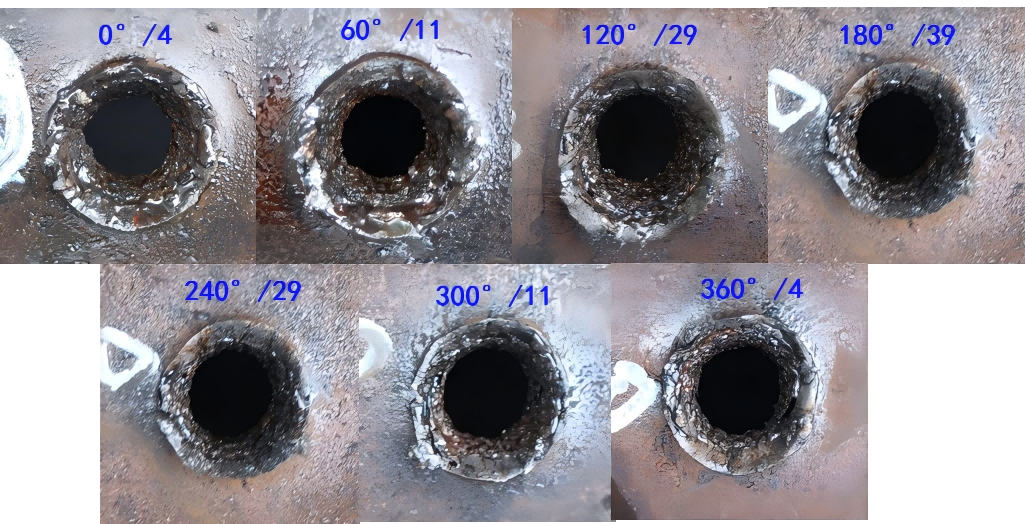
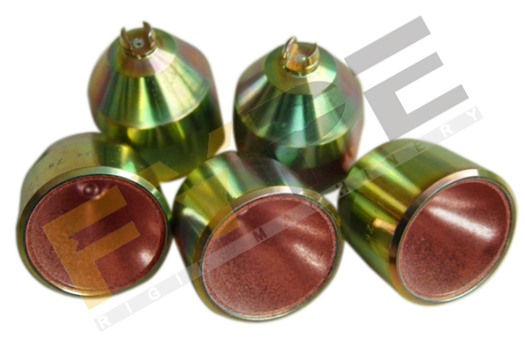
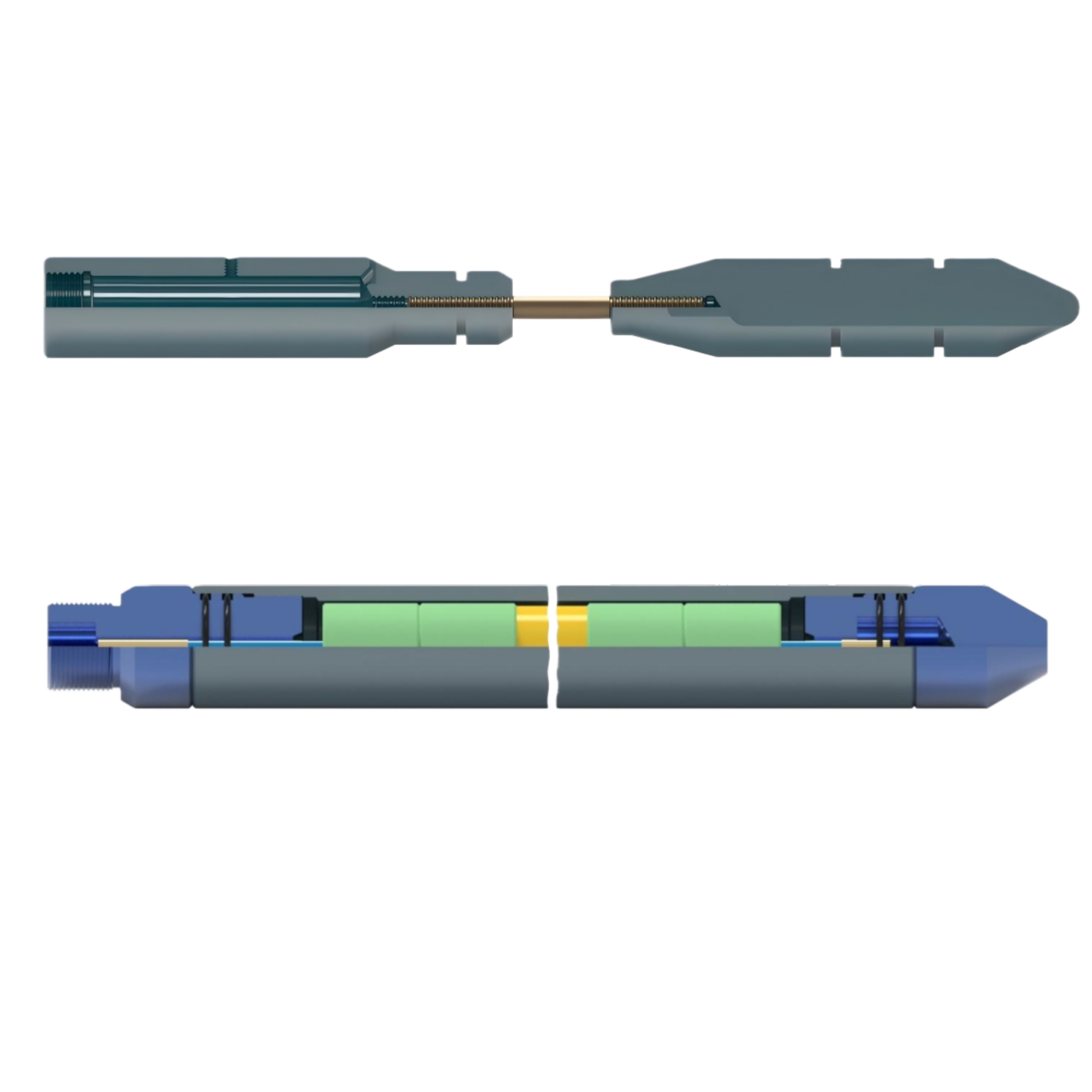
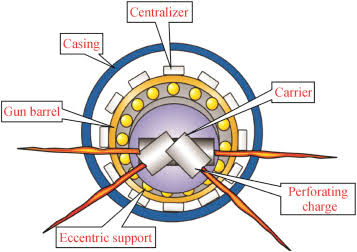
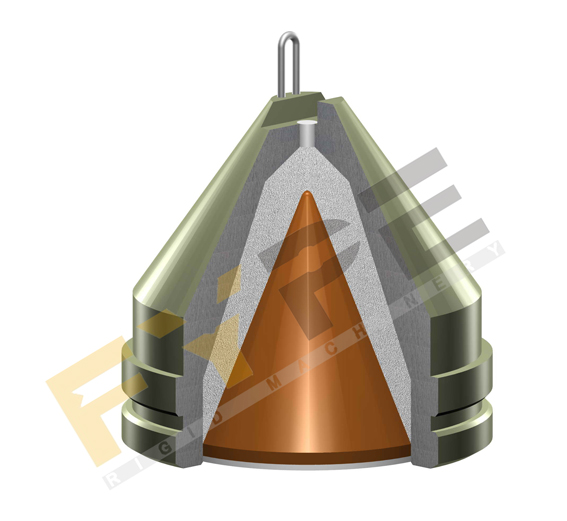
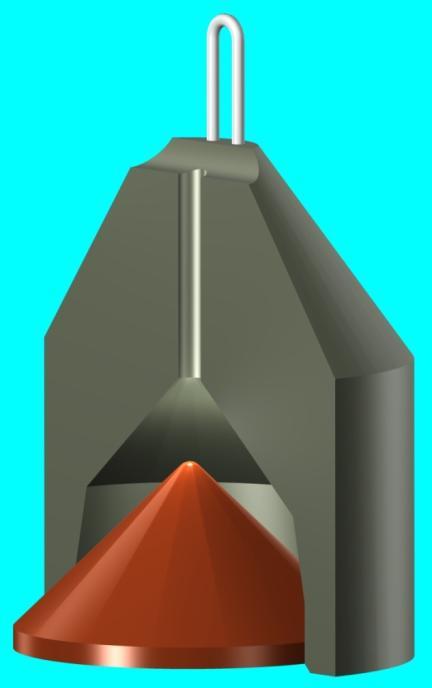
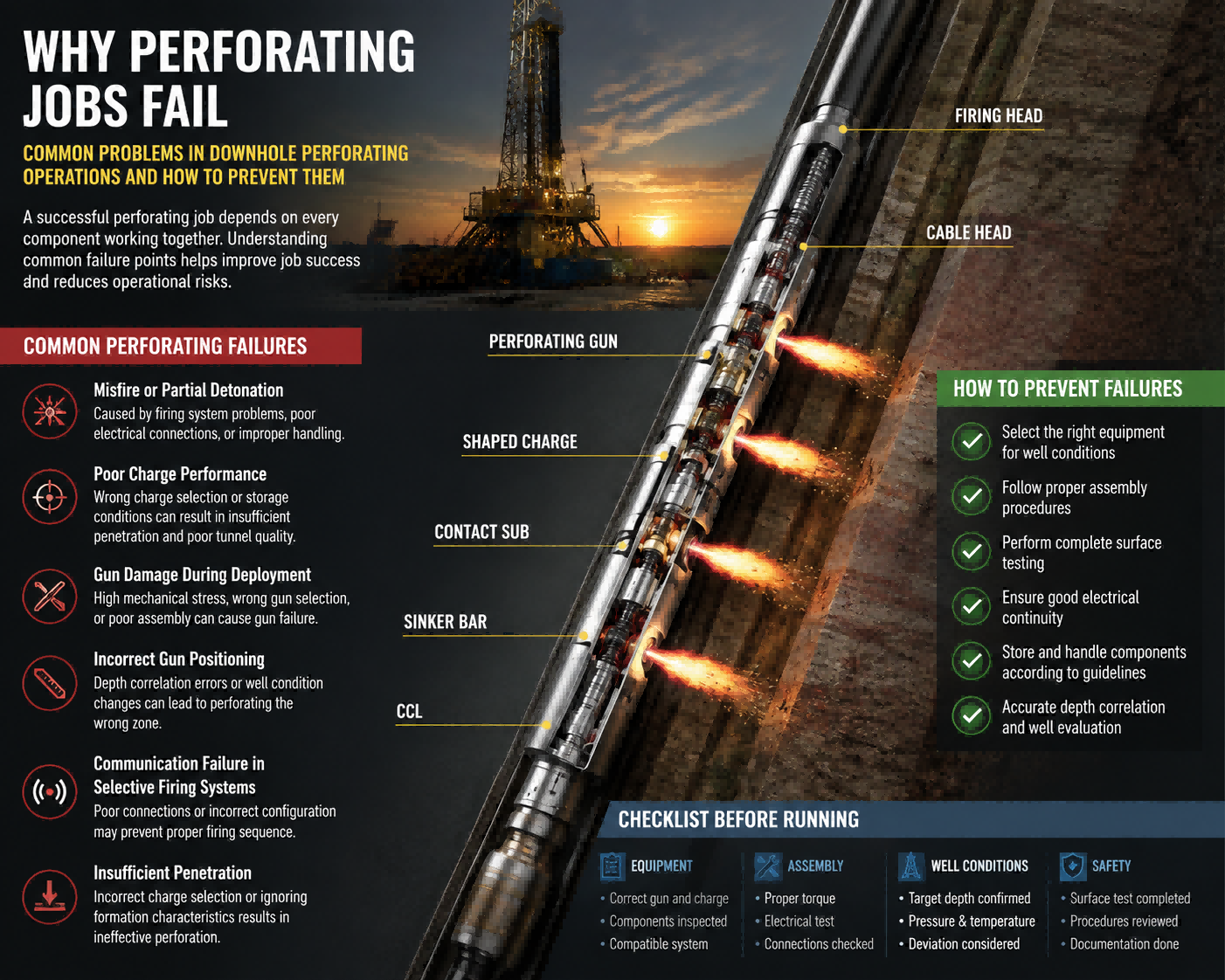
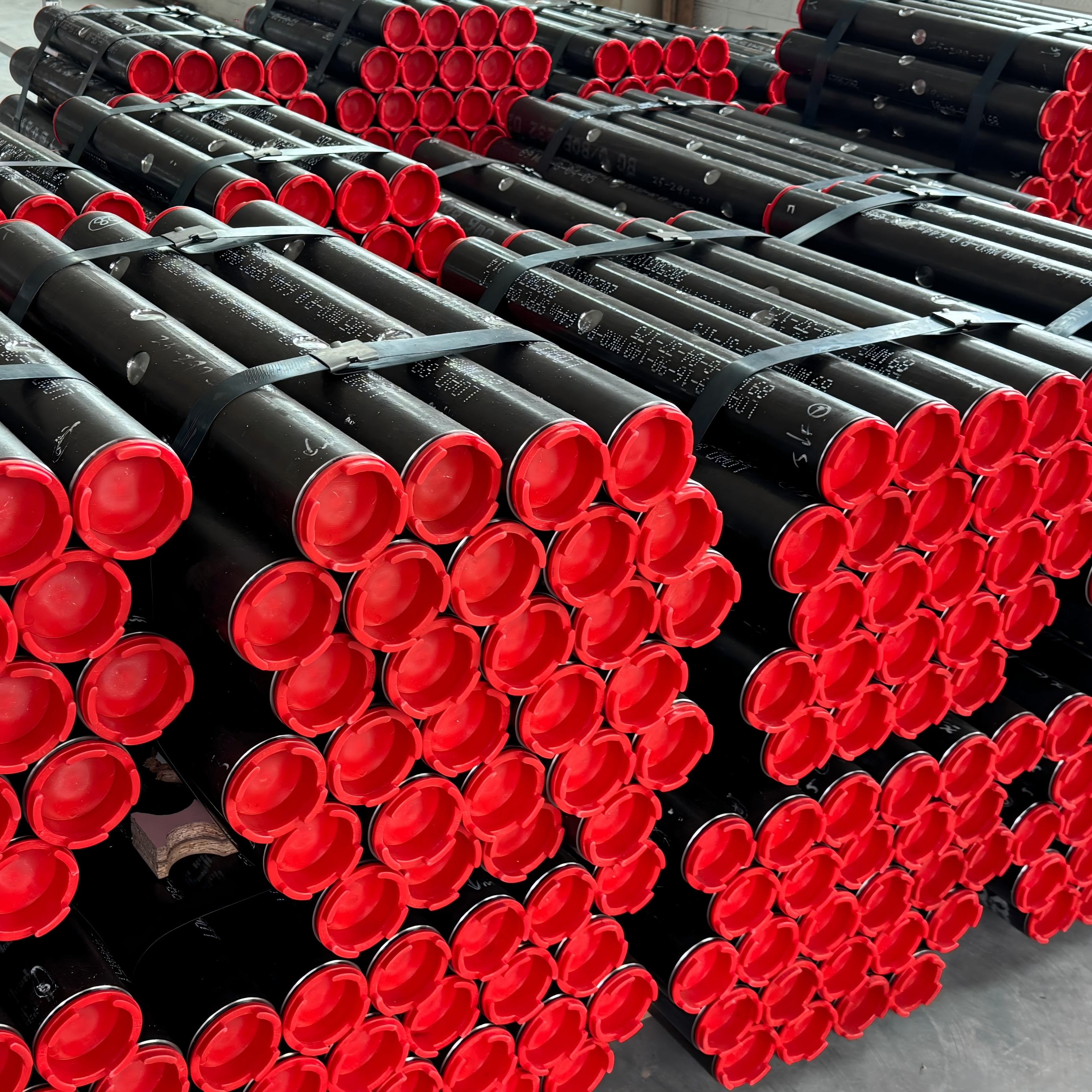
Perforation is a critical step carried out before well testing, usually after cementing. At this stage, the wellbore is separated from the formation by casing and a cement sheath. A perforating gun is then lowered to the target depth. Using the powerful impact of shaped charges, the casing and cement sheath are penetrated at the desired interval, creating flow channels that connect the formation to the wellbore. These channels provide the foundation for subsequent oil and gas production operations.
When selecting a perforation method, it is essential to consider reservoir characteristics, fluid properties, formation damage, casing design, and the actual production conditions of the oilfield.
Overbalanced Perforation Technology
Overbalanced perforation is performed by maintaining the wellbore fluid pressure higher than the formation pressure. It is a key technique in production logging operations. This method uses a high-density kill fluid column to prevent formation fluids from entering the wellbore, while the perforating tool penetrates the casing and cement sheath to establish communication between the formation and the wellbore.
Compared with underbalanced perforation, this technique helps protect casing integrity and is suitable for deep and high-pressure wells. However, it may lead to perforation tunnel contamination and increased compaction damage. With technological advancements, improved methods such as extreme overbalanced perforation have been developed, often combined with acidizing in carbonate formations to achieve significant production increases.
Underbalanced Perforation Technology
Underbalanced perforation is carried out when the wellbore fluid pressure is lower than the formation pressure. In this process, formation fluids flow back into the wellbore, removing debris and crushed zones from the perforation tunnels, thus creating clean flow paths for oil and gas. This helps protect the reservoir and improve productivity.
It is mainly divided into tubing-conveyed underbalanced perforation and through-tubing underbalanced perforation. The former is suitable for horizontal and highly deviated wells, while the latter is commonly used in vertical or slightly deviated wells.
Wireline Conveyed Perforating (WCP)
Wireline conveyed perforating (WCP) is one of the earliest methods used in perforation completion. It involves lowering the perforating tool into the casing using an electric cable and accurately positioning it at the target interval for precise perforation. The perforating gun can be either carrier-type or hollow carrier.
Tubing Conveyed Perforating (TCP)
Tubing conveyed perforating (TCP) is an advanced technique in which the perforating gun is run into the well via tubing to the target interval. The perforating charges are detonated using a drop bar or pressure activation, enabling underbalanced perforation and reducing damage to the oil and gas reservoir.
With continued technological development, TCP has demonstrated excellent adaptability in highly deviated wells, horizontal wells, high-pressure gas wells, sand control wells, and low-pressure formations. As a result, TCP has become a major driver of advancements in well completion technology and is widely applied in both onshore and offshore oilfields worldwide.
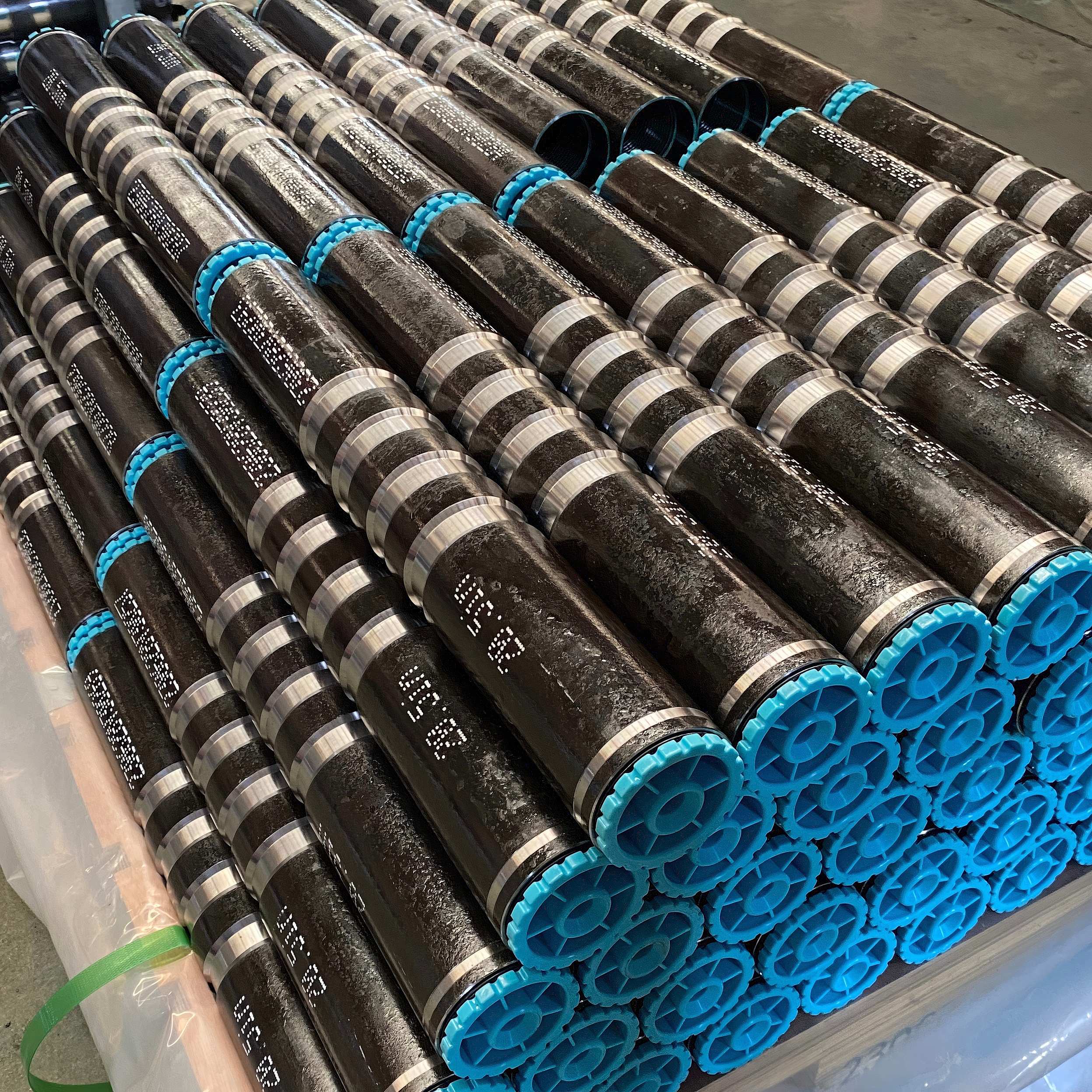
As a dedicated specialist in perforation technology, FYPE consistently drives completion efficiency through technological innovation. We provide high-quality perforating equipment covering full-scenario applications for both wireline conveyed perforating (WCP) and tubing conveyed perforating (TCP)—from precision-shaped charges to reliable initiation systems, with every component engineered to meet the most demanding downhole conditions. Choosing FYPE means more than selecting a product; it means securing professional assurance throughout the entire perforation operation lifecycle, ensuring every "connection" between the formation and the wellbore is precise, reliable, and efficient.