
 +86-15829394411



0102030405
Perforation Debris: Causes, Risks and How to Reduce It
2026-08-28
Perforating is a critical step in oil and gas well completion, creating flow paths between the reservoir and wellbore. However, the perforating process also generates debris. Depending on the gun and charge design, this debris can come from the shaped charge, carrier, casing, cement, and formation.
Most perforating debris is not necessarily a problem by itself. The engineering concern is whether the type, quantity, size, and location of the debris can interfere with completion equipment, well cleanup, production, or subsequent stimulation operations.
For this reason, debris management is an important consideration when designing and selecting a perforating system.
What Is Perforation Debris?
Perforation debris refers to solid material generated during the perforating process.
When a shaped charge is initiated, its high-velocity jet penetrates the casing, cement, and formation. Material displaced or fragmented during this process can remain in or around the perforation tunnels and wellbore.
Depending on the perforating configuration, debris may include:
- Shaped-charge liner fragments
- Casing fragments
- Cement particles
- Formation material
- Gun or carrier fragments
- Other material generated during perforation
The actual amount and characteristics of debris depend on the charge design, carrier configuration, casing and cement properties, formation characteristics, shot density, and downhole conditions.
API RP 19B provides standardized procedures for evaluating well perforators. Its testing framework includes debris-related evaluation, allowing perforating-system performance to be assessed under defined test conditions.
Where Does Perforation Debris Come From?
1. Shaped-Charge Debris
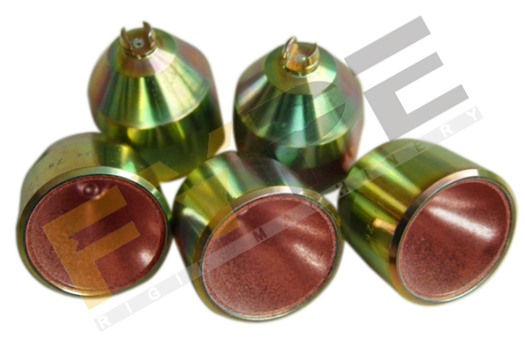
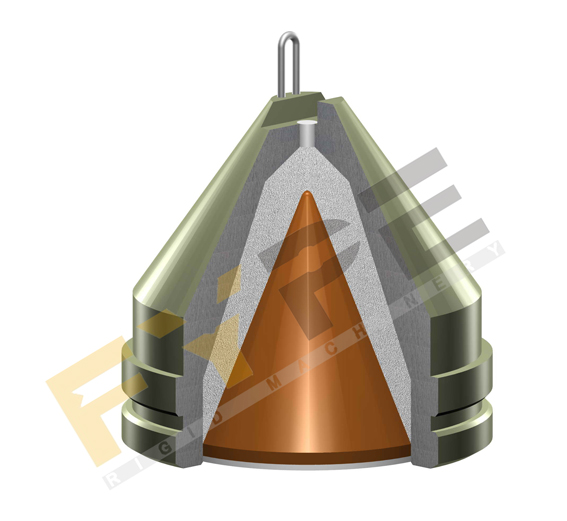
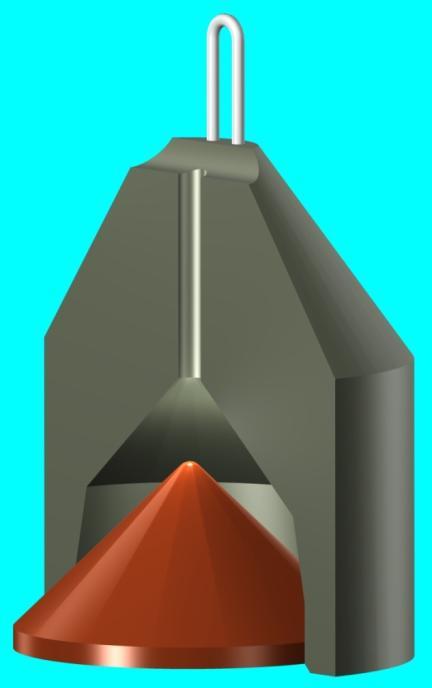
A shaped charge uses a specially designed liner to generate the perforating jet.
During detonation, the liner collapses and forms the jet. Depending on the charge design, some liner material can remain as fragments or other residual material after the main jet has penetrated the target.
The amount and size distribution of this material vary with charge design and construction.
Therefore, shaped-charge performance should not be evaluated only by penetration and entrance-hole diameter. Debris characteristics can also be relevant to the overall completion design.
2. Casing Debris
The perforating jet penetrates the casing wall at extremely high velocity.
The interaction between the jet and casing can produce casing fragments and small particles around the perforation.
Casing grade, wall thickness, hardness, gun-to-casing clearance, charge design, and perforation geometry can all influence the resulting debris.
3. Cement Debris
After penetrating the casing, the jet continues through the cement sheath.
This process can generate cement fragments, particularly when cement properties or bonding conditions vary from the assumptions used during perforation design.
Poor cement quality or unexpected cement conditions can therefore affect the resulting perforation geometry and debris characteristics.
4. Formation Debris
The perforating jet continues into the reservoir rock and creates the perforation tunnel.
Rock fragments can remain around the perforation tunnel or fall into the wellbore.
The amount and characteristics of formation debris depend strongly on formation strength, mineralogy, stress conditions, and the perforating system.
This is one reason why laboratory perforation results should be interpreted carefully when applying them to actual downhole conditions.
Why Does Perforation Debris Matter?
Perforation debris becomes an engineering concern when it interferes with subsequent well operations.
1. Well Cleanup
After perforating, debris may need to be removed from the wellbore before production or stimulation.
Excessive debris can increase cleanup requirements and potentially extend the time needed to prepare the well for the next operation.
2. TCP Operations
Debris management can be particularly important in Tubing Conveyed Perforating (TCP) operations.
Because the gun system is conveyed on tubing and may remain associated with the completion string during subsequent operations, the behavior of perforation debris needs to be considered during job design.
Industry equipment manufacturers specifically identify perforation debris as a potential concern during TCP and well cleanup operations.
3. Completion Equipment
Debris can potentially interfere with completion components or accumulate in areas where it is difficult to remove.
This is particularly relevant in complex completions containing multiple downhole components.
4. Production Flow
If debris remains in the wellbore or around the perforation interval, it can potentially restrict flow paths or contribute to production-related problems.
The significance depends on the well configuration and the type and amount of debris generated.
5. Subsequent Stimulation Operations
For wells that will undergo hydraulic fracturing or other stimulation treatments after perforating, debris behavior should be considered as part of the overall completion design.
The objective is to ensure that the perforation system provides the required reservoir communication without creating unnecessary operational complications.
How Can Perforation Debris Be Reduced?
There is no single solution for eliminating perforation debris. Instead, debris management should be addressed through the combined selection of shaped charge, gun carrier, completion configuration, and operating conditions.
1. Select Appropriate Shaped Charges
Shaped charges should be selected according to the completion objective rather than simply choosing the charge with the highest penetration or largest hole diameter.
Important characteristics can include:
- Penetration
- Entrance-hole diameter
- Perforation tunnel geometry
- Debris characteristics
- Charge-to-gun compatibility
- Casing and formation conditions
Different charge designs can produce different perforation and debris characteristics.
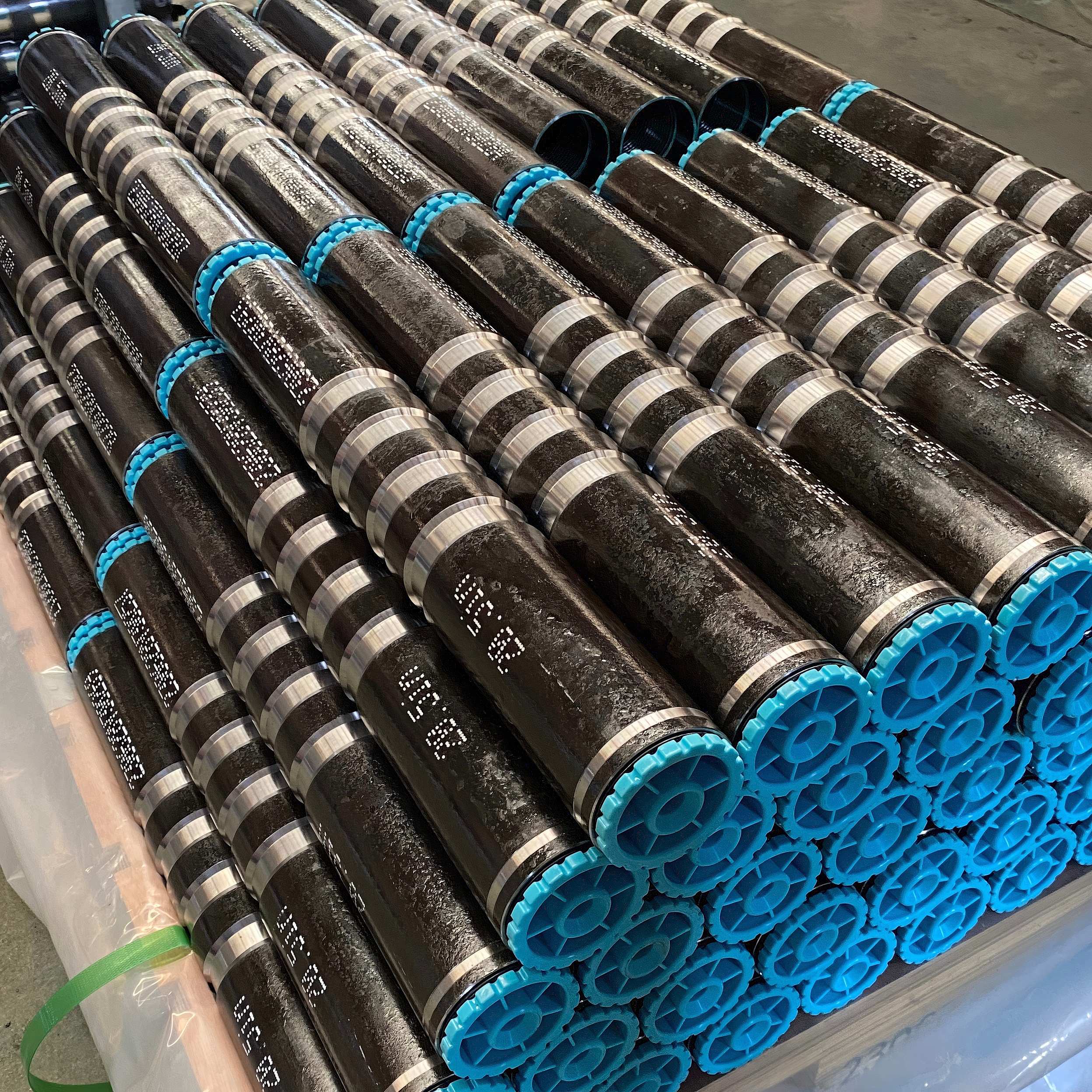
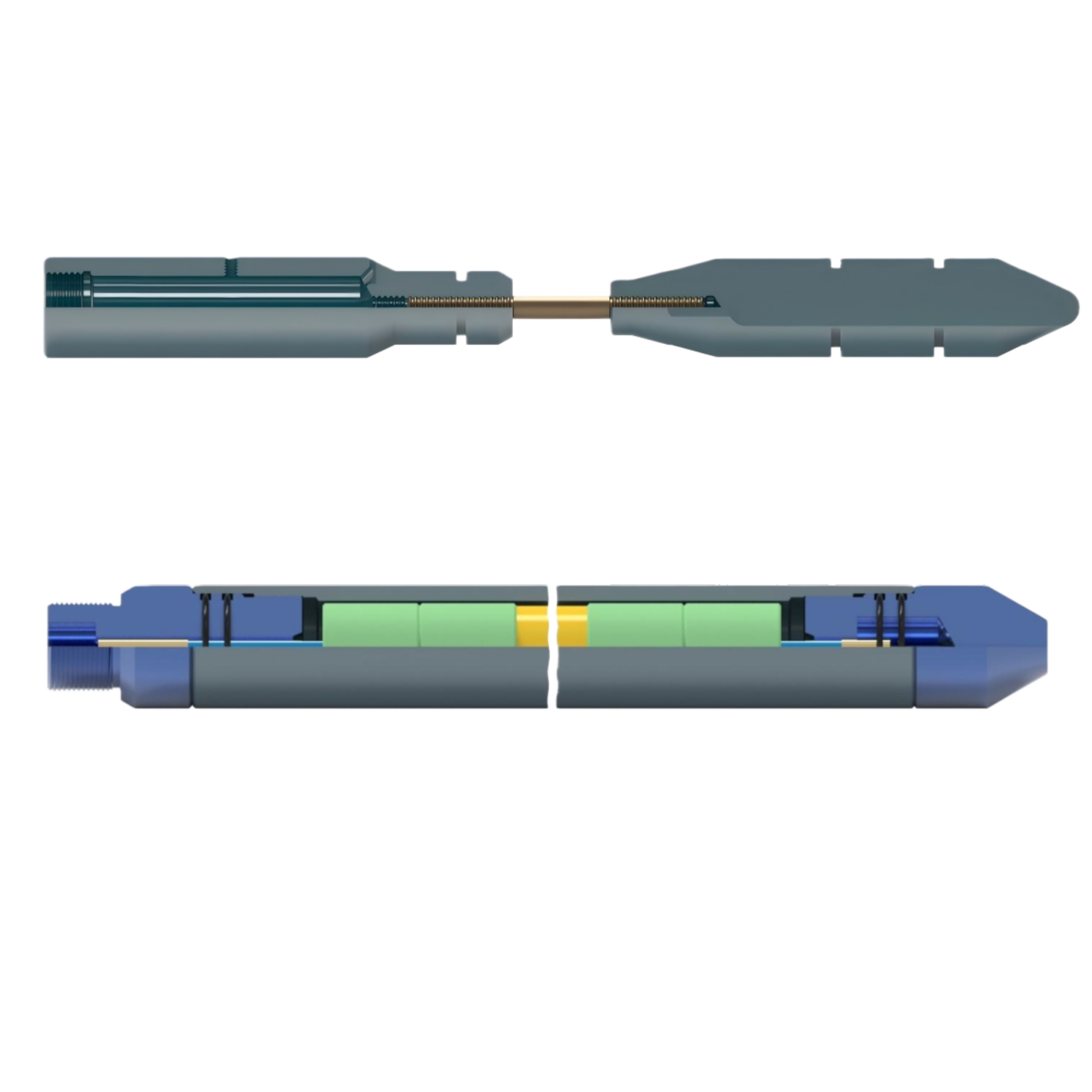
2. Use Appropriate Gun Carrier Design
The gun carrier can influence how debris is generated, contained, and distributed.
For example, some hollow-carrier systems are designed to contain a significant portion of the material generated during perforating.
Modern systems are also being developed specifically to address debris and gun-shock behavior. SLB's INsidr technology, for example, is designed to reduce perforation debris and gun shock, with debris performance evaluated through API RP 19B-related testing.
Halliburton likewise describes perforating systems designed to minimize shaped-charge debris and retain larger debris pieces within the gun system.
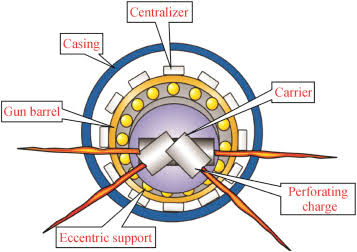
3. Consider Gun-to-Casing Clearance
The position of the perforating gun relative to the casing can influence perforation performance and debris behavior.
Gun centralization, eccentricity, casing dimensions, and charge orientation should therefore be considered during job design.
4. Optimize Shot Density and Phasing
Increasing shot density does not automatically result in better completion performance.
Engineers should consider the relationship between:
shot density + phasing + charge performance + formation properties + completion objective
For stimulation applications, perforation distribution and orientation can be particularly important.
5. Consider Downhole Conditions
Perforating performance under surface test conditions does not always directly represent downhole performance.
Pressure, temperature, formation stress, casing configuration, cement properties, and wellbore conditions can all influence the actual result.
API notes that penetration data from API RP 19B Section 1 testing may not directly correlate with penetration downhole.
For this reason, engineers should interpret laboratory test results within the context of the actual well conditions.
API RP 19B and Perforation Debris Testing
For engineers evaluating perforating systems, API RP 19B – Evaluation of Well Perforators is an important reference.
API describes RP 19B as providing standard procedures for evaluating perforating equipment performance so that performance claims can be compared using a recognized testing practice. The program includes testing under surface conditions with concrete targets and testing using stressed-rock targets.
API's current standards information also identifies RP 19B as the standard for Evaluation of Well Perforators and API Spec 19PT for Downhole Perforating Tools.
For a perforating-gun manufacturer, this is important because it reinforces a broader principle:
Perforating performance should be evaluated using measurable test data rather than relying solely on nominal product specifications.
When comparing products, engineers can consider not only penetration and entrance-hole diameter but also gun configuration, shot density, phasing, debris behavior, pressure/temperature capability, and other relevant performance parameters.
Perforation Debris vs. Gun Shock
Debris and gun shock are related but different issues.
Perforation debris refers to solid material generated during the perforating process.
Gun shock refers to the mechanical loads and dynamic forces generated when the gun fires.
Both can affect completion design.
A perforating system therefore needs to be evaluated not only for its ability to create the required perforations, but also for its interaction with the rest of the completion system.
Modern gun-design approaches increasingly consider both factors together. For example, SLB describes job-design methods that use predicted dynamic loads to modify the gun string and bottomhole assembly while also addressing perforation debris.
How to Select a Low-Debris Perforating Gun
When debris control is an important requirement, engineers should evaluate the complete system rather than focusing on one specification.
Key questions include:
- What type of shaped charge is being used?
- What is the expected debris characteristic?
- Is the gun a hollow-carrier, exposed, scalloped, band, or other configuration?
- Can the gun contain or control a portion of the generated debris?
- What is the gun-to-casing clearance?
- What are the casing and cement properties?
- What are the formation characteristics?
- Is the operation wireline or TCP?
- Will the well require subsequent stimulation?
- Are debris and gun-shock test data available?
- Has the system been evaluated according to applicable industry testing practices?
- Are the gun, charges, and accessories properly matched?
This approach provides a more reliable basis for selecting a perforating system than simply comparing gun size or charge penetration.
Conclusion
Perforation debris is an unavoidable consequence of many shaped-charge perforating operations, but its impact can be managed through appropriate engineering and equipment selection.
The amount and characteristics of debris depend on the interaction between the shaped charge, gun carrier, casing, cement, formation, gun positioning, and downhole conditions.
For this reason, debris control should be considered during the initial perforating design rather than treated only as a well-cleanup issue after the guns have been fired.
Modern perforating systems increasingly address debris management together with gun-shock reduction, charge performance, and completion efficiency. API RP 19B also provides a recognized framework for evaluating perforator performance under defined test conditions.
For operators and perforating service companies, the key is to select a system that balances penetration, entrance-hole performance, shot density, phasing, debris behavior, gun integrity, and the specific requirements of the completion.
FYPE China supplies perforating guns and related completion tools for wireline and TCP applications, with different carrier configurations, shot densities, phasing options, and charge combinations available according to project requirements.