
 +86-15829394411


0102030405
Self-Cleaning Perforating: Improving Perforation Tunnel Flow Conductivity
2026-09-08
Creating a perforation tunnel does not necessarily mean creating an efficient flow path.
The perforating process can generate debris and cause localized compaction around the tunnel. Although the perforation provides a connection between the reservoir and the wellbore, debris accumulation and formation compaction can restrict fluid movement through that connection.
This raises an important question in perforation design: how can the tunnel be kept as open and conductive as possible immediately after perforation?
Self-cleaning perforating addresses this issue by introducing a reactive liner into the shaped charge. In addition to forming the perforation tunnel, the reactive liner generates an additional exothermic reaction during detonation. The resulting energy and pressure effects help remove debris from the tunnel and clean the compacted damage zone, improving the flow conditions and conductivity of the perforation tunnel.
What Happens During Conventional Perforating?
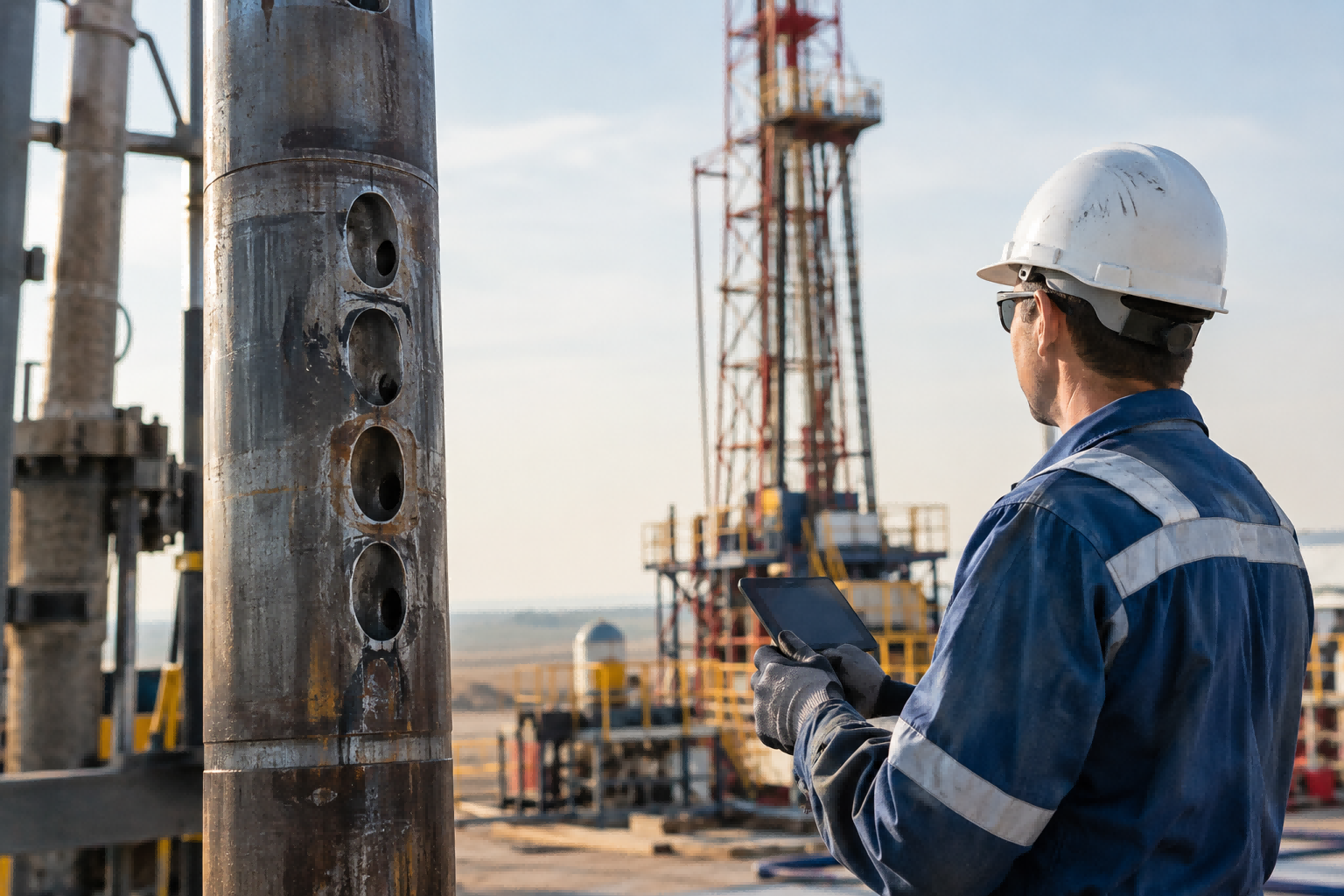
During a conventional perforating operation, shaped charges generate high-velocity jets that penetrate the casing, cement sheath, and formation to create perforation tunnels.
While this process establishes a flow path between the reservoir and the wellbore, it can also generate debris and cause localized compaction around the perforation tunnel.
Some debris may remain inside the tunnel after perforating. At the same time, the intense energy involved in the perforating process can affect the formation surrounding the tunnel and create a compacted or damaged zone.
These effects can increase resistance to fluid flow and reduce the effective conductivity of the perforation tunnel.
Therefore, the performance of a perforation should not be evaluated only by parameters such as penetration depth or hole diameter. The condition of the tunnel after perforation is also an important factor in determining its actual flow performance.
Why Does Perforation Tunnel Cleaning Matter?
The primary purpose of perforating is to establish effective flow paths between the wellbore and the formation.
If debris remains in the tunnel or the surrounding formation is significantly compacted, the effective flow area can be reduced. Formation fluids may then encounter additional resistance when entering the wellbore.
Cleaning the perforation tunnel can help:
- Remove debris generated during perforating
- Reduce the influence of the compacted damage zone
- Improve the effective flow area of the perforation
- Reduce flow resistance
- Improve perforation tunnel flow conductivity
- Enhance the connection between the reservoir and wellbore
For production wells, improving the condition of the perforation tunnel can help the perforating operation deliver its intended production benefits more effectively.
What Is Self-Cleaning Perforating?
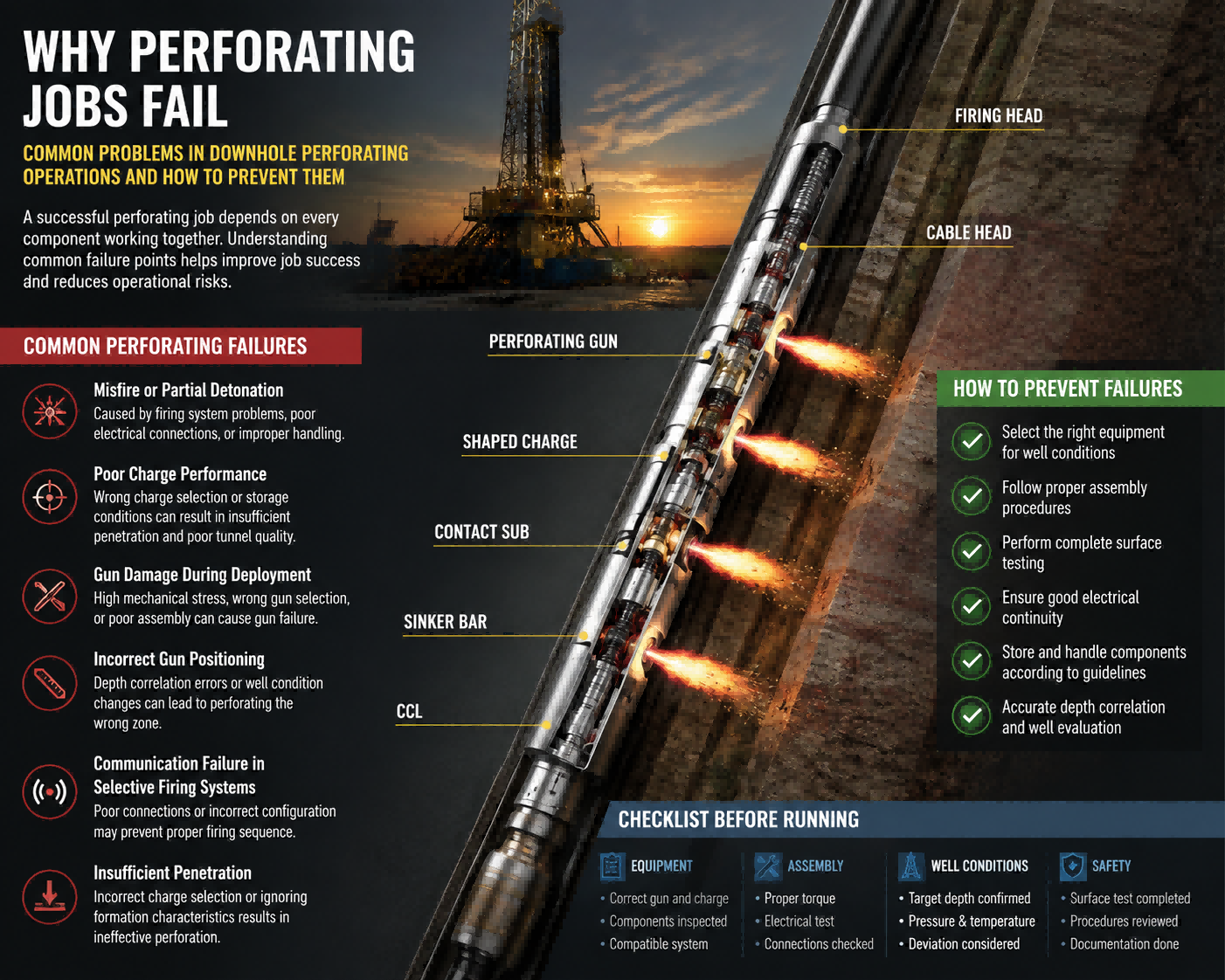
Self-Cleaning Perforating is a perforating technology designed to combine tunnel formation with a cleaning effect during the same perforating process.
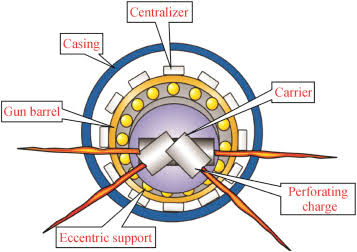
A Self-Cleaning Perforating System consists of:
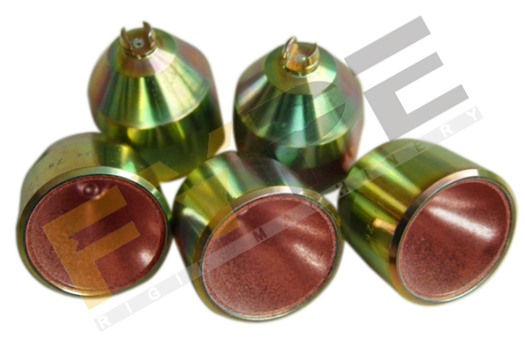
- Self-cleaning perforating shaped charges
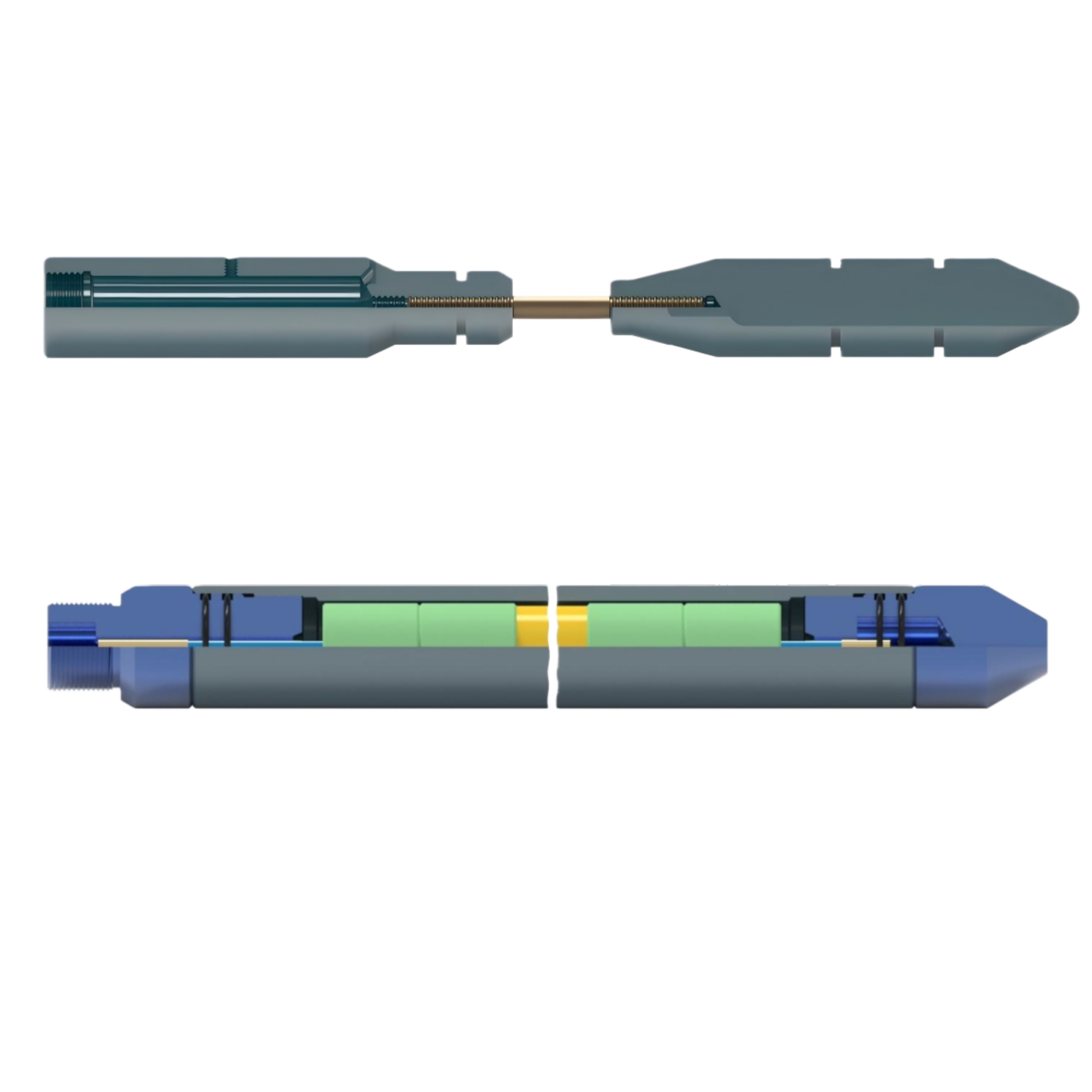
- High-pressure perforating guns
- Specialized supporting components
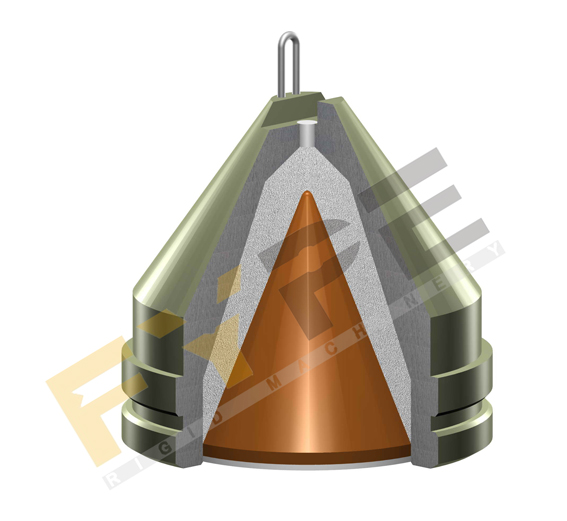
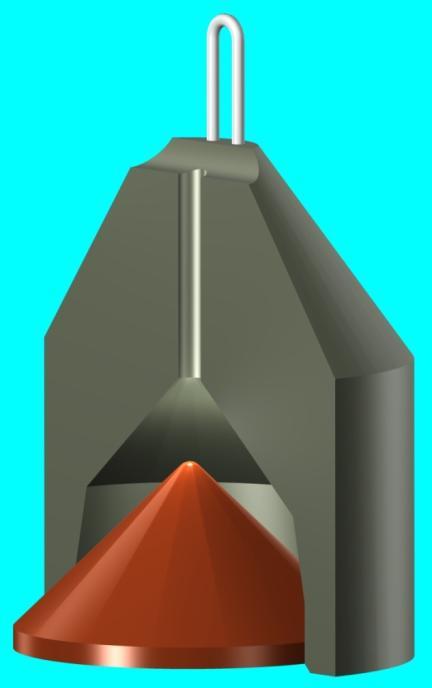
The key component is the reactive liner used in the shaped charge.
The liner is prepared using specially formulated energetic materials. Under the high-pressure conditions generated by detonation, the reactive liner undergoes a strong exothermic reaction and releases additional energy.
This additional energy generates a pressure increase in the vicinity of the perforation tunnel and produces a flow impulse toward the wellbore. The resulting pressure and flow effects help remove debris from throughout the perforation tunnel while cleaning the compacted damage zone around it.
The objective is to optimize the flow condition of the perforation tunnel and improve its effective flow conductivity.
How Does Self-Cleaning Perforating Work?
The working principle of Self-Cleaning Perforating can be understood as a combination of perforation, additional energy release, pressure generation, and tunnel cleaning.
First, the shaped charge generates a high-velocity jet that penetrates the casing, cement, and formation to form the perforation tunnel.
At the same time, the reactive liner undergoes an additional exothermic reaction under the conditions created by detonation. This reaction releases additional energy in the vicinity of the tunnel.
The additional energy generates a pressure increase around the perforation tunnel and produces a flow impulse toward the wellbore.
This impulse helps remove debris from throughout the perforation tunnel and acts on the compacted damage zone surrounding the tunnel.
The process can be simplified as:
Perforation → Reactive energy release → Pressure increase → Flow impulse → Debris removal and damage-zone cleaning → Improved flow conductivity
Unlike a perforating system whose primary function is to create a tunnel, the Self-Cleaning Perforating System is designed to improve the condition and flow performance of the tunnel as part of the perforating process.
The Role of the Reactive Liner
The reactive liner is a key feature that distinguishes this system from conventional shaped-charge designs.
A conventional liner primarily contributes to the formation of the perforating jet. In the Self-Cleaning Perforating System, the reactive liner is made from specially formulated energetic materials that can participate in an additional exothermic reaction during detonation.
The additional energy release generates a pressure effect around the perforation tunnel.
This pressure effect produces a flow impulse toward the wellbore, which helps clear debris from the tunnel and clean the surrounding compacted zone.
As a result, the perforation tunnel can have a cleaner internal flow path and improved flow conductivity.
Main Benefits of Self-Cleaning Perforating
Debris Removal
Perforating can generate debris within and around the perforation tunnel. The pressure and flow impulse generated by the reactive liner helps remove debris from the tunnel, reducing potential obstruction to fluid flow.
Compacted Damage-Zone Cleaning
The technology is designed to act not only on debris inside the tunnel but also on the compacted zone surrounding the perforation. Cleaning this area can help reduce flow resistance near the tunnel and along the flow path.
Improved Flow Conductivity
With less debris and reduced effects from the compacted damage zone, the effective flow condition of the perforation tunnel can be improved.
This helps establish a more effective flow connection between the formation and the wellbore.
Improved Effective Flow Area
By reducing debris accumulation and the effects of the compacted zone, the system can help improve the effective flow area of the perforation and optimize the condition of the flow path.
Support for Fracture Development
In applicable fracturing operations, improved perforation conditions can support fracture initiation and development by providing cleaner and more effective entry points into the formation.
Main Applications
Self-Cleaning Perforating is designed for applications where cleaning the perforation tunnel and improving formation flow capacity are important objectives.
Typical applications include:
- Cleaning debris from perforation tunnels
- Cleaning compacted damage zones after perforating
- Improving perforation tunnel flow conductivity
- Improving the effective flow area of perforations
- Supporting fracture initiation and development in applicable fracturing operations
- Improving formation flow capacity
- Supporting production enhancement
By improving the condition of the perforation tunnel, the technology helps reduce flow resistance and enables formation fluids to move more effectively between the formation and the wellbore.
Self-Cleaning Perforating vs. Conventional Perforating
The primary difference between the two approaches is not simply how the perforation tunnel is created, but the additional cleaning effect provided during the perforating process.
| Feature | Conventional Perforating | Self-Cleaning Perforating |
| Primary function | Create perforation tunnels | Create and clean perforation tunnels |
| Liner design | Conventional liner | Reactive liner |
| Additional energy release | No dedicated reactive effect | Additional exothermic reaction |
| Debris management | May require subsequent cleanup | Cleaning effect generated during perforating |
| Compacted damage zone | May remain after perforating | Designed to help clean the affected zone |
| Flow conductivity | Depends on the final tunnel condition | Designed to improve tunnel flow conductivity |
| Main objective | Establish a reservoir-to-wellbore flow path | Optimize the condition and flow performance of the flow path |
The actual performance of any perforating system depends on formation properties, well conditions, perforation design, and operating parameters. Therefore, the appropriate system should be selected according to the specific application.
Our Self-Cleaning Perforating System
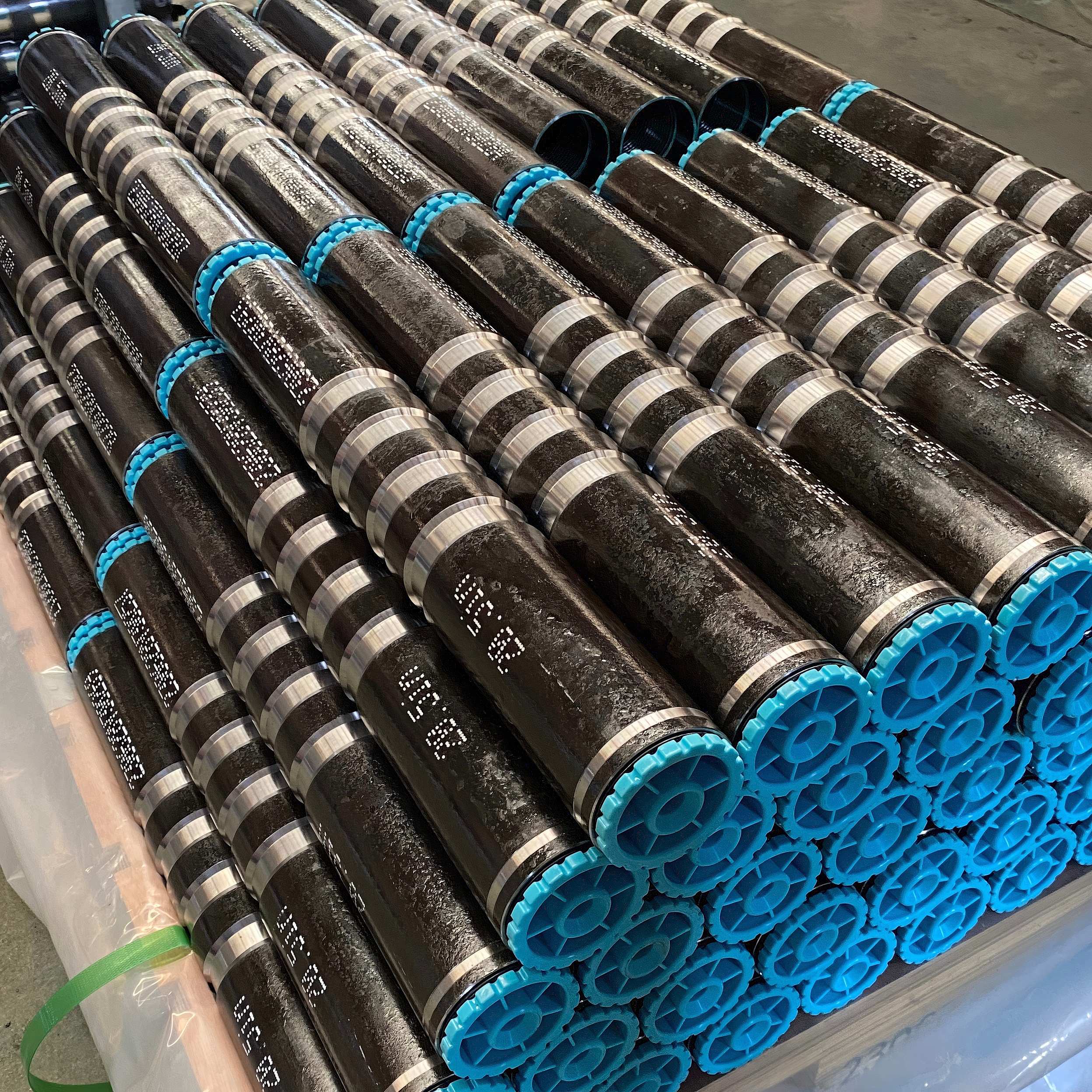
Our Self-Cleaning Perforating System combines self-cleaning perforating shaped charges, high-pressure perforating guns, and specialized supporting components.
The shaped charges use reactive liners prepared from specially formulated energetic materials. During detonation, the reactive liners generate an additional exothermic reaction and release energy around the perforation tunnel.
The resulting pressure increase and flow impulse help remove debris from the tunnel and clean the compacted damage zone, improving the flow conductivity of the perforation tunnel.
The system is designed for applications where cleaner perforation tunnels, improved formation flow capacity, and production enhancement are required.
By combining perforation and tunnel cleaning in one system, Self-Cleaning Perforating provides an approach focused not only on creating perforation tunnels, but also on improving their post-perforation flow performance.
For more information about our Self-Cleaning Perforating System and other perforating solutions, please contact our technical team.