
 +86-15829394411



0102030405
Understanding API Standards for Perforating Equipment
2026-06-12
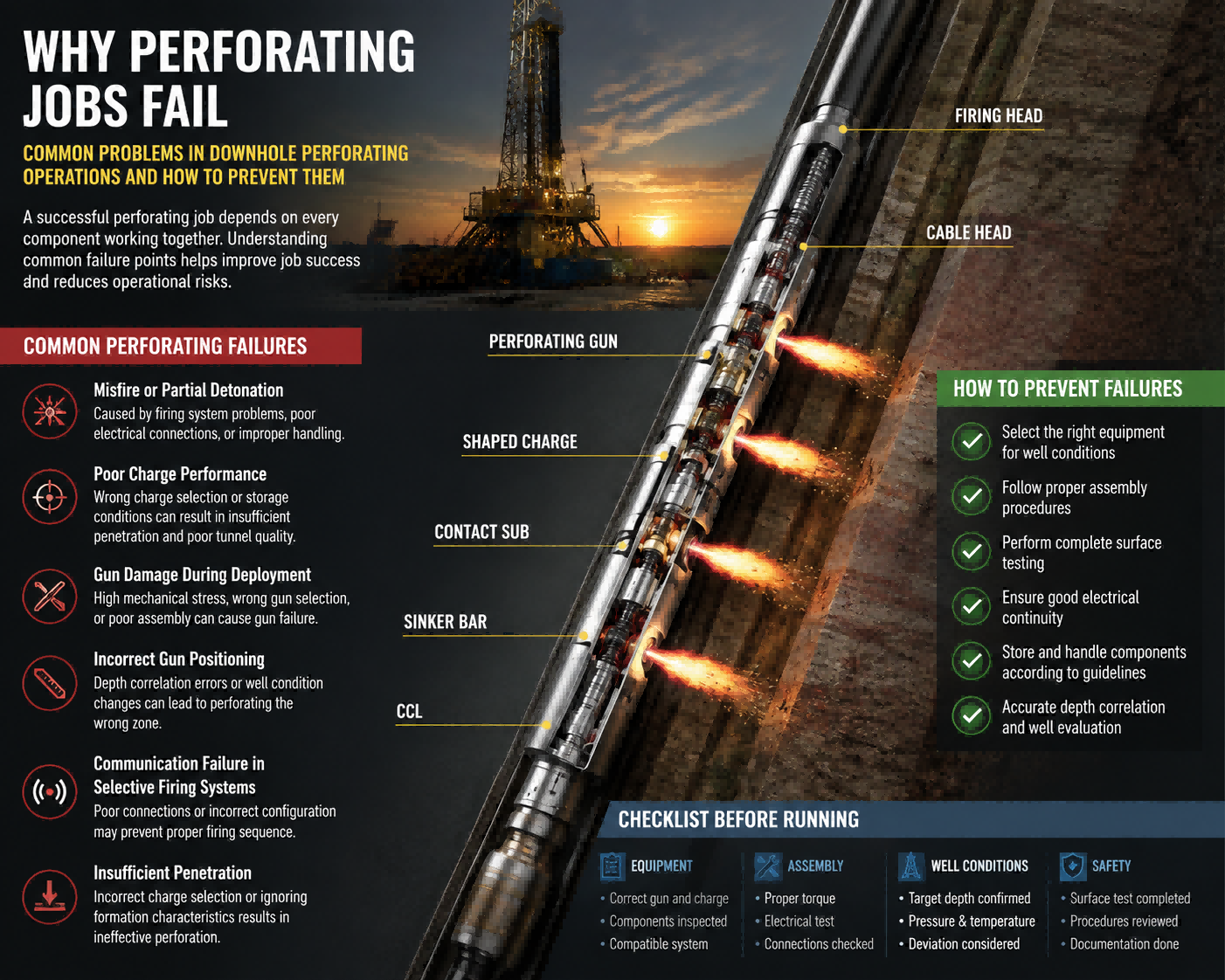
In the oil and gas industry, perforating equipment plays a critical role in establishing communication between the wellbore and the reservoir. Because perforating operations are conducted under demanding downhole conditions involving high pressure, high temperature, and explosive components, compliance with recognized industry standards is essential. Among these, standards developed by the American Petroleum Institute (API) serve as an important benchmark for quality, safety, and performance.
Why API Standards Matter
API standards provide a unified framework that helps manufacturers, service companies, and operators maintain consistent quality and reliability across perforating operations. For perforating gun systems, compliance with API requirements contributes to:
- Enhanced equipment reliability in challenging downhole conditions
- Improved manufacturing consistency and product traceability
- Reduced operational and safety risks
- Greater confidence in perforating performance and completion efficiency
- Standardized quality control throughout the supply chain
When a manufacturer demonstrates API compliance, it signals the presence of robust quality management systems, well-documented manufacturing processes, and rigorous inspection procedures. For operators, this translates into confidence that perforating equipment will perform as designed in the most challenging downhole environments.
Key API Standards Relevant to Perforating Equipment
API Specification Q1
API Spec Q1 is the leading quality management system standard specifically developed for organizations supplying products and services to the petroleum and natural gas sector. Unlike general quality certifications, API Q1 places strong emphasis on risk assessment, contingency planning, supplier management, product validation, and continuous improvement.
For perforating gun manufacturers, implementation of API Q1 helps establish rigorous controls throughout the entire product lifecycle—from engineering design and raw material procurement to manufacturing, assembly, inspection, testing, and final delivery. This systematic approach ensures consistent product quality and supports long-term operational reliability.
API Specification 19B
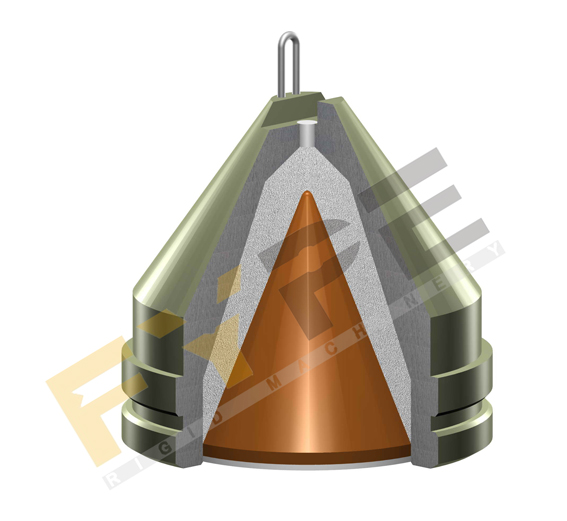
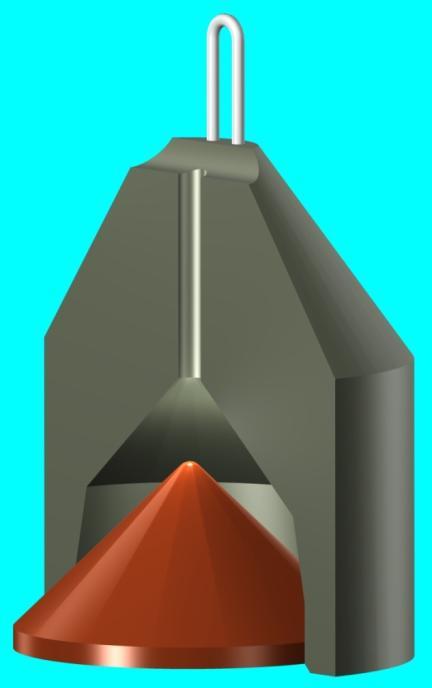
API Spec 19B provides standardized testing procedures for evaluating the performance of perforating systems and shaped charges. The specification defines methods for measuring critical parameters such as penetration depth, entrance hole diameter, and overall perforation effectiveness under controlled testing conditions.
By utilizing API 19B testing methodologies, manufacturers can validate product performance and provide operators with reliable, comparable data when selecting perforating technologies for specific reservoir applications.
API Recommended Practices
In addition to formal specifications, API publishes a range of recommended practices covering equipment handling, operational safety, quality assurance, transportation, and well completion procedures. These guidelines help ensure that perforating systems are deployed and operated according to proven industry practices, further enhancing operational safety and efficiency.
Conclusion
API standards play a fundamental role in ensuring the safety, quality, and performance of perforating equipment used in today's oil and gas industry. From quality management systems under API Q1 to performance validation through API 19B testing, these standards provide a foundation for reliable and repeatable perforating operations.
As a perforating gun manufacturer committed to API standards, we ensure every product meets rigorous industry requirements. Whether you are evaluating shaped charge performance or auditing a supplier’s quality system, API compliance should be a key criterion in your decision-making process.
For more information on our API-compliant perforating solutions, contact our technical team.