
 +86-15829394411



0102030405
Understanding the Components of a Perforating Gun System
2026-07-17
Perforating is one of the most critical stages in oil and gas well completion. By creating tunnels through the casing, cement, and into the reservoir formation, a perforating gun system establishes the flow path that allows hydrocarbons to reach the wellbore. The reliability and performance of the entire operation depend not only on the shaped charges but also on the quality and compatibility of every component within the perforating gun system. Understanding these components helps operators select the right equipment for different downhole environments and improve operational efficiency.
Gun Carrier
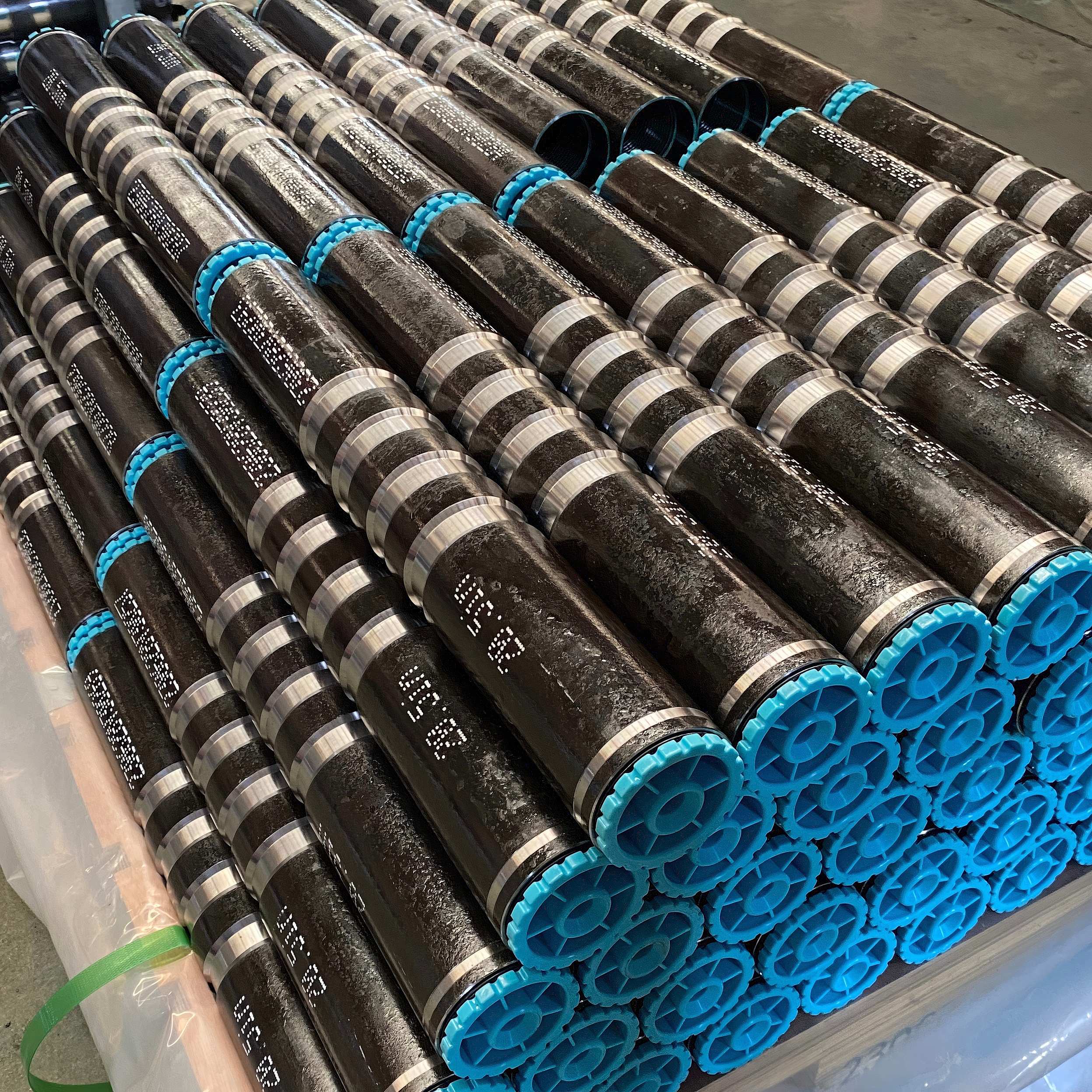
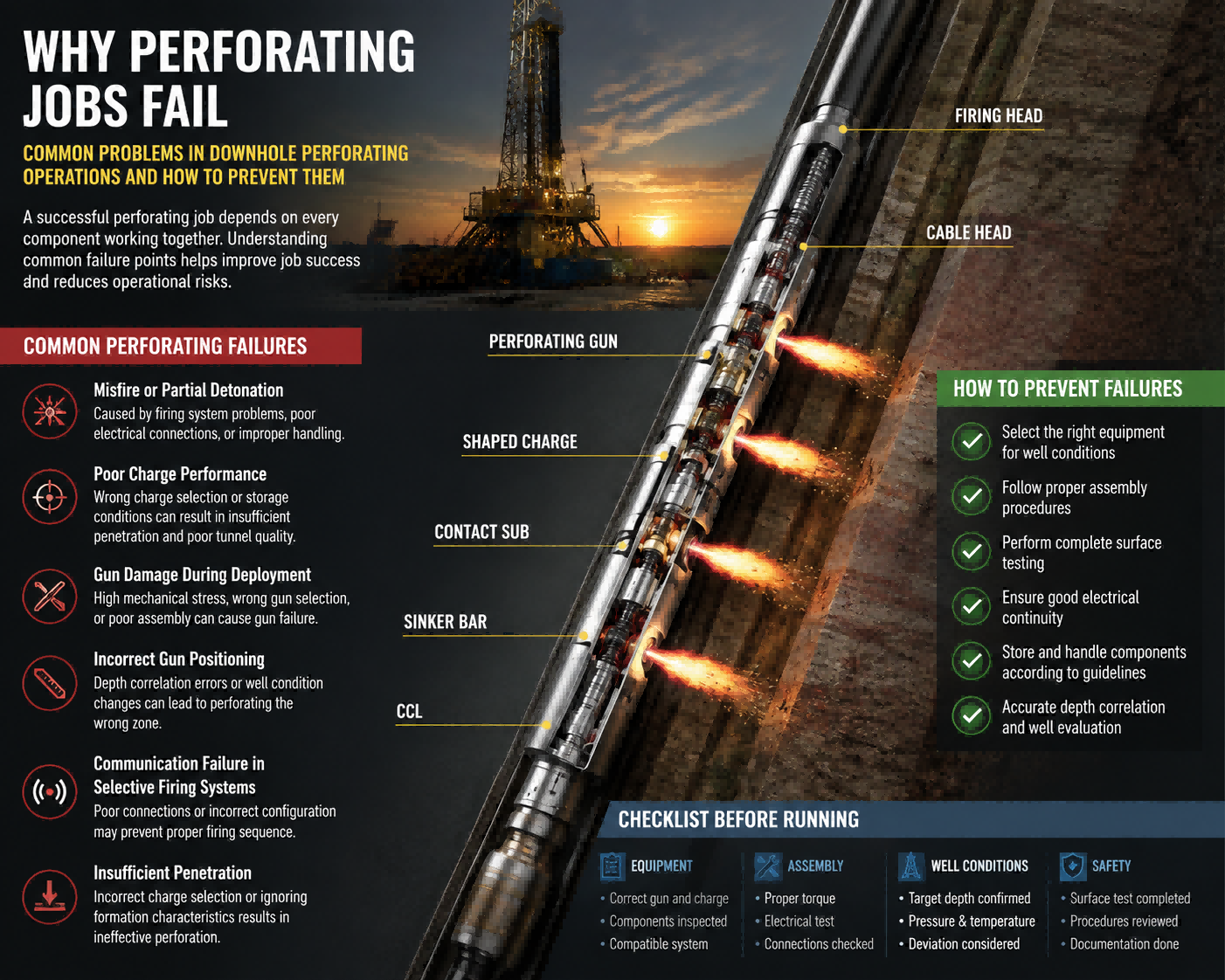
The gun carrier is the outer body of the perforating gun and serves as the primary protective housing for the internal components. It must withstand high pressure, elevated temperatures, mechanical shock, and corrosive well conditions during deployment. Gun carriers are typically manufactured from high-strength alloy steel to ensure structural integrity while protecting the shaped charges before detonation. Depending on the application, carriers are available in various diameters and lengths to accommodate different completion requirements.
Shaped Charges
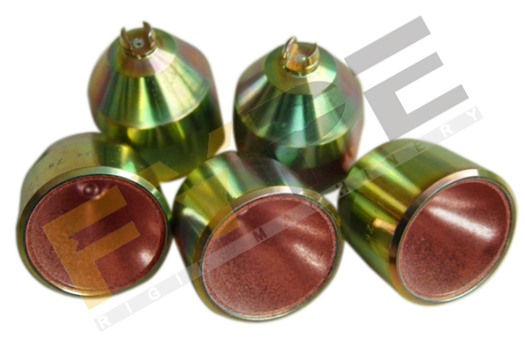
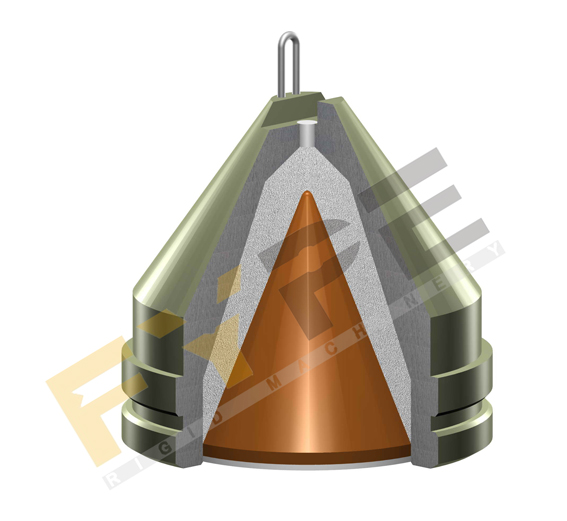
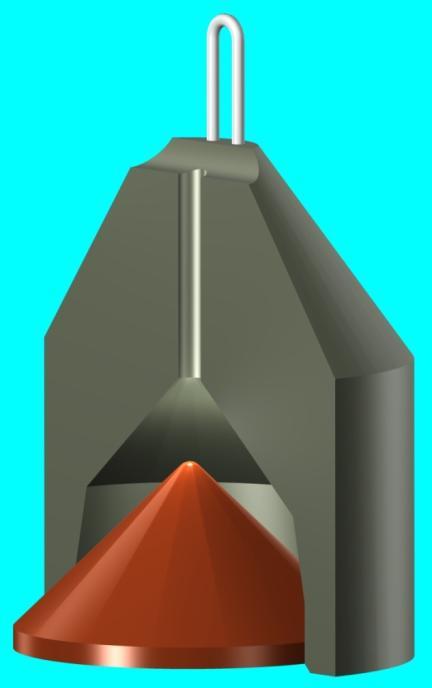
Shaped charges are the core component responsible for creating perforation tunnels. Each charge contains a precisely engineered explosive and a metallic liner, usually made of copper or other specialized materials. Upon detonation, the explosive energy collapses the liner into a high-velocity jet capable of penetrating the casing, cement sheath, and reservoir rock. The selection of charge type—including deep penetrating (DP) or big hole (BH) designs—depends on reservoir characteristics, completion objectives, and stimulation plans.
Detonating Cord
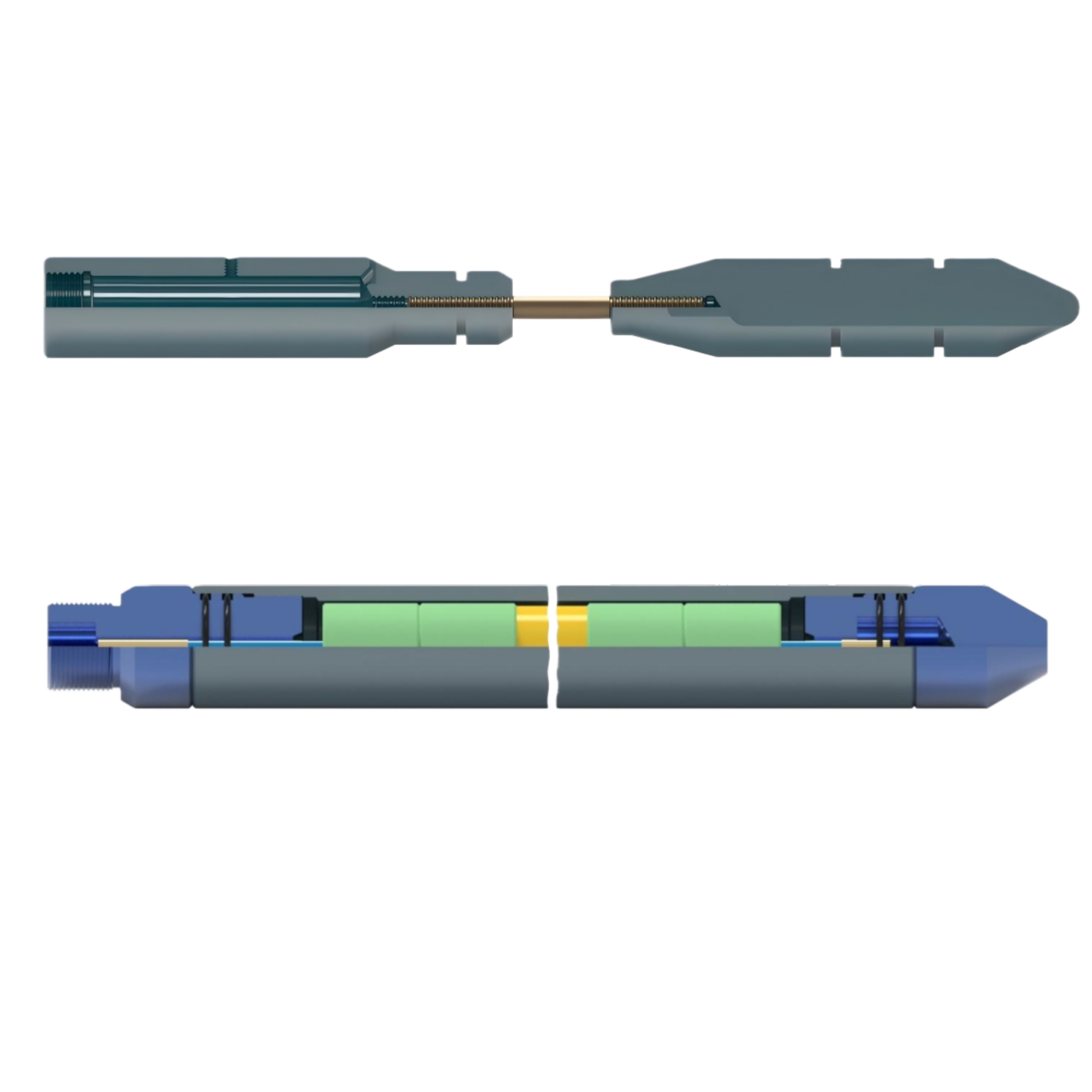
The detonating cord transfers the detonation signal throughout the perforating gun. Installed inside the gun carrier, it connects all shaped charges in sequence, ensuring they fire almost simultaneously. High-quality detonating cords provide reliable energy transmission even under challenging downhole conditions, minimizing the risk of misfires or incomplete perforation.
Charge Tubes and Scallops
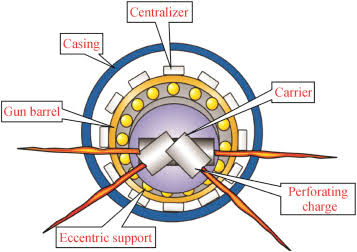
Charge tubes securely position the shaped charges within the gun, maintaining the correct orientation and spacing. Proper alignment is essential for achieving consistent shot patterns and predictable perforation performance.
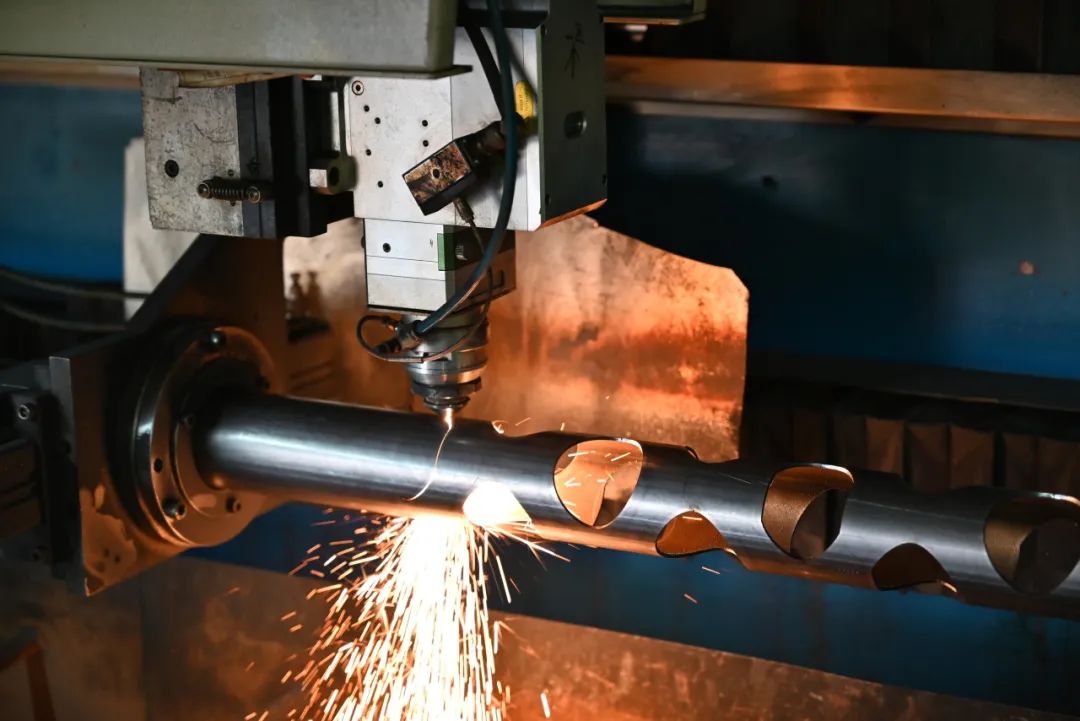
Many hollow carrier guns also feature pre-machined scallops—thinner sections of the carrier wall aligned with each charge. These scallops reduce resistance during detonation, allowing the perforating jet to exit the gun efficiently while maintaining the overall strength of the carrier during deployment.
Firing Head and Accessories
The firing head initiates the detonation sequence after receiving the appropriate activation signal. Depending on the completion method, firing heads may be mechanical, hydraulic, pressure-activated, or electronic. Additional accessories such as adapters, crossovers, seal assemblies, and centralizers ensure secure connections between gun sections and compatibility with wireline or tubing-conveyed perforating (TCP) systems.
Conclusion
A perforating gun system is a carefully engineered assembly in which every component plays an essential role. From the strength of the gun carrier to the precision of the shaped charges and the reliability of the firing system, each part contributes to safe operations and effective reservoir access. Selecting high-quality components manufactured to strict quality standards helps reduce operational risks, improve perforation consistency, and maximize well productivity across a wide range of oil and gas applications.