
 +86-15829394411






0102030405
What Documents Are Required for Importing Civil Explosives?
2026-05-09
For companies in the oil and gas industry, importing explosive articles such as shaped charges, electric detonators, and detonating cords is a critical yet highly regulated process. Compliance with international and national regulations ensures not only the legality of the transaction but also the safety of personnel and the environment. Understanding the necessary documentation is essential for a smooth import operation.
1.Import License
Most countries require an official import license for explosive materials. This license is typically issued by a national regulatory authority or ministry responsible for explosives and hazardous materials. The license confirms that the importing company is authorized to handle, store, and use explosive articles according to local laws.
2.End-User Certificate
An end-user certificate (EUC) is often mandatory to verify the final recipient of the explosive products. This document ensures that the explosives are used for their intended industrial purpose, such as oil well perforation, and not diverted to unauthorized uses.
3.Material Safety Data Sheet (MSDS)
The MSDS provides detailed information on the properties, handling, storage, and emergency measures related to the explosive article. Customs authorities and transport agencies frequently require this document to assess the risks involved and ensure compliance with international safety standards.
4.Transportation and Packing Documentation
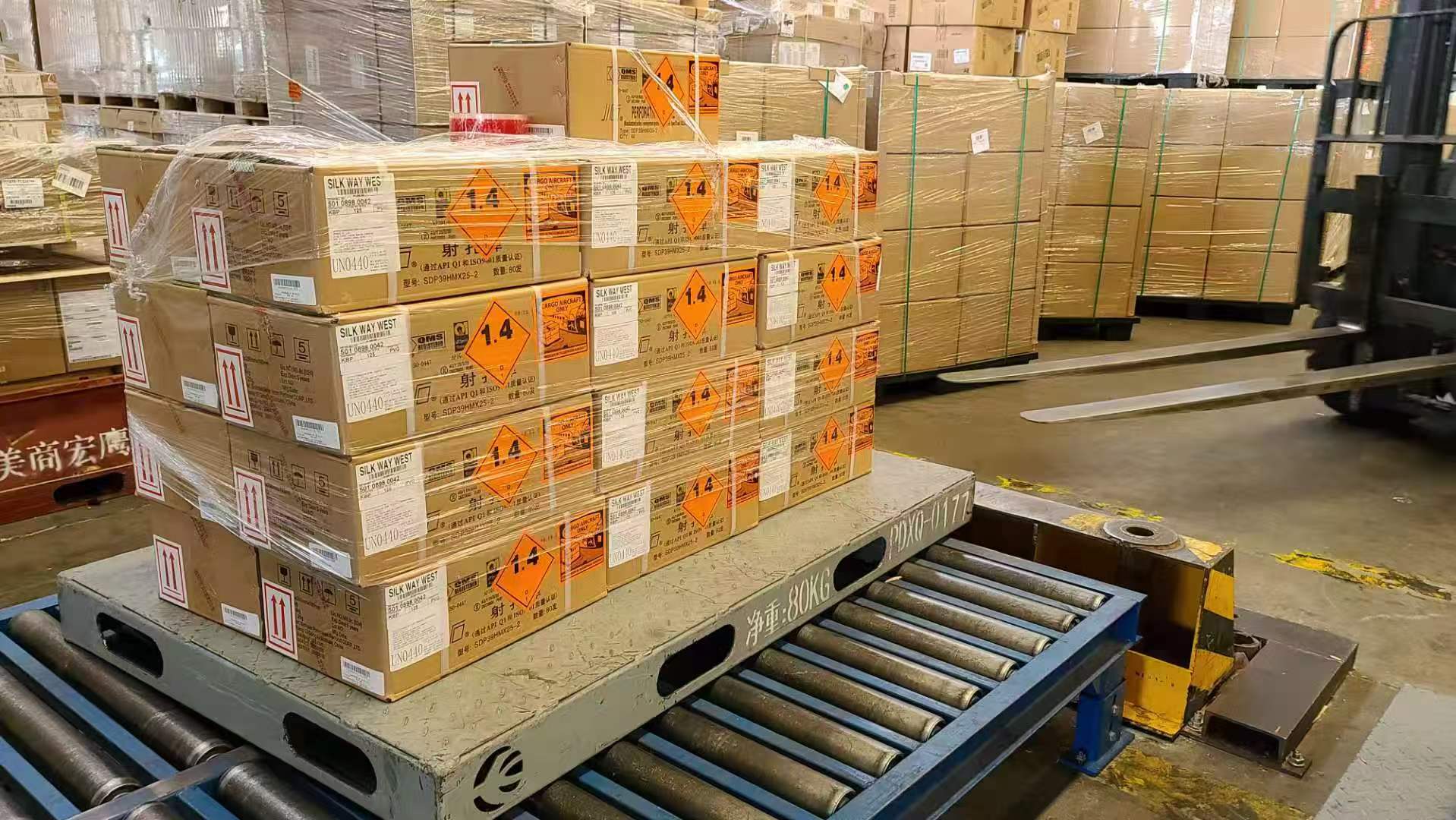
Explosives are classified under strict transport regulations, such as the UN’s Model Regulations on the Transport of Dangerous Goods. Documents like the dangerous goods declaration, shipping label certificates, and approved packaging specifications are essential for legal and safe transportation.
5.Certificate of Conformity / Quality Certification
Some countries may require proof that the explosive article meets recognized standards, such as ISO or national industrial safety regulations. A certificate of conformity demonstrates that the products comply with both manufacturing quality and safety standards.
6.Customs Declaration and Commercial Invoice
Accurate customs documentation is required for all imports. The commercial invoice, packing list, and customs declaration form provide information on the product type, quantity, value, and origin, enabling regulatory authorities to process shipments efficiently.
Navigating these requirements can be complex, but proper documentation ensures regulatory compliance, smooth logistics, and operational safety. As a leading manufacturer of perforating systems, we are committed to supporting our clients with the necessary certifications and guidance for a seamless import process.